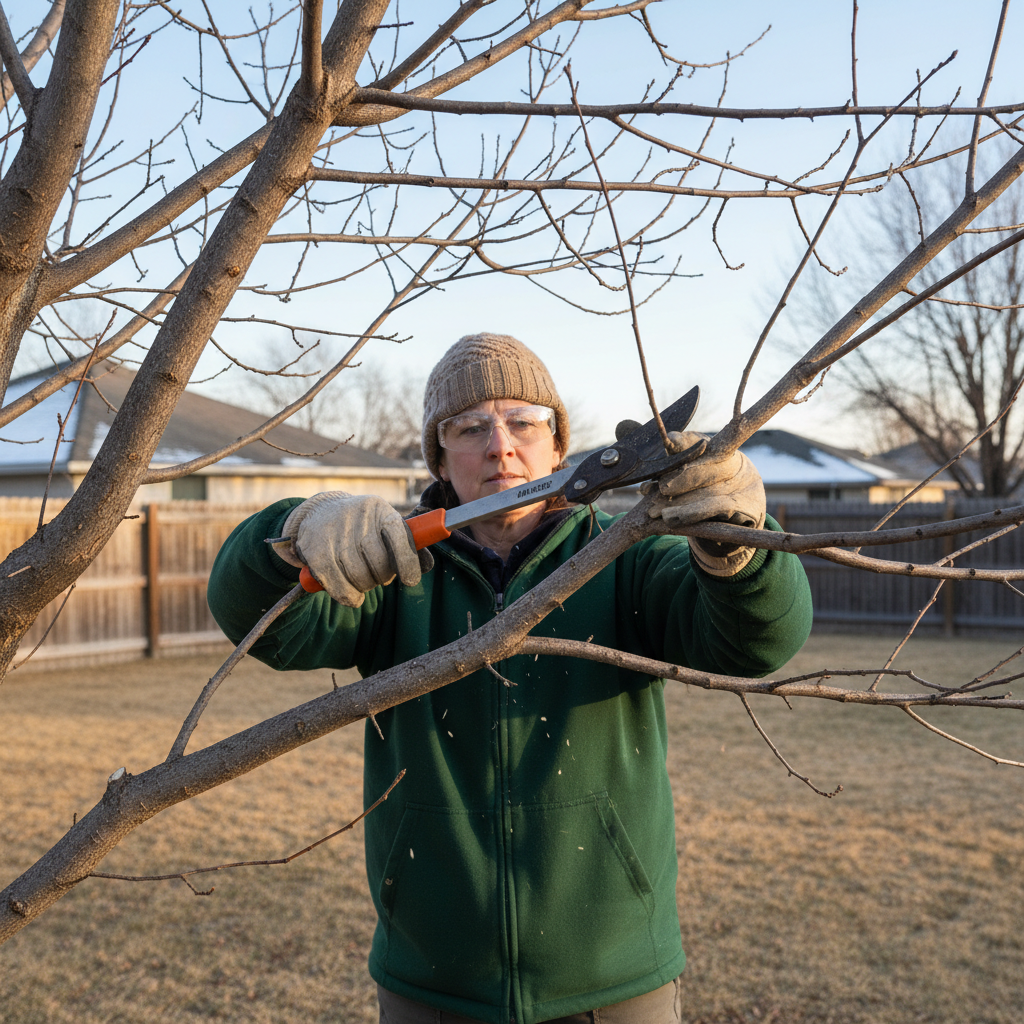
- Gather the Right Tools — Select clean, sharp tools appropriate for the branch size. Dull tools tear bark, creating jagged wounds that are slow to heal and prone to disease.
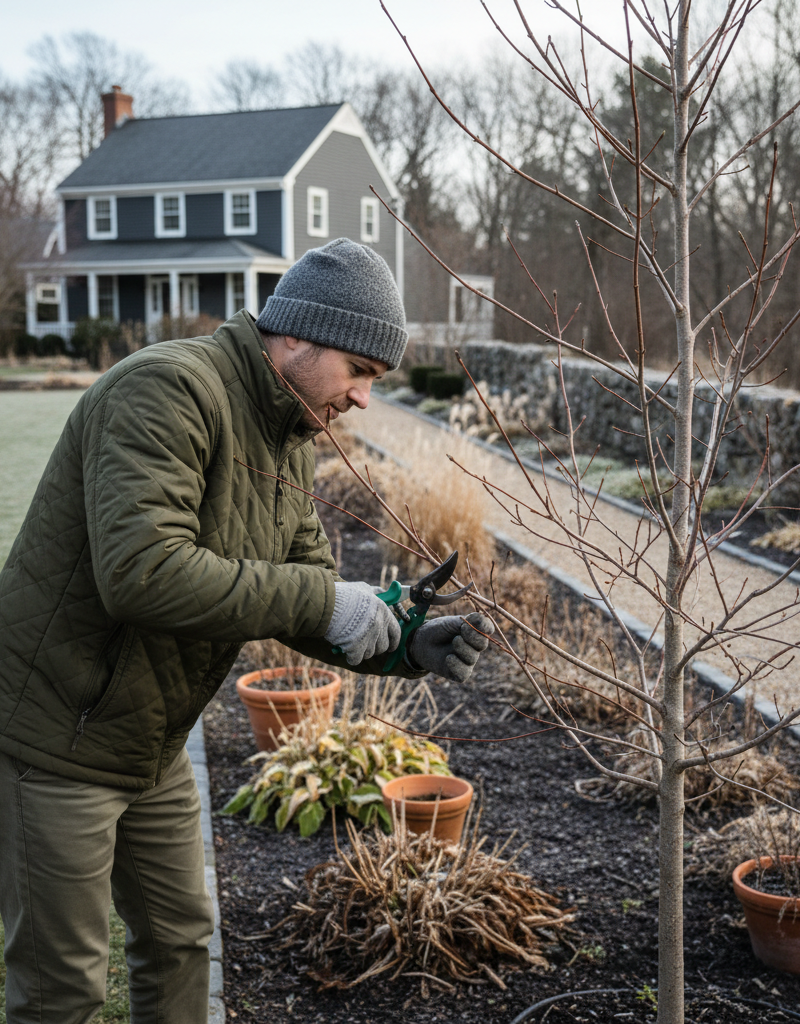
- Hand pruners: For branches up to 3/4 inch in diameter.
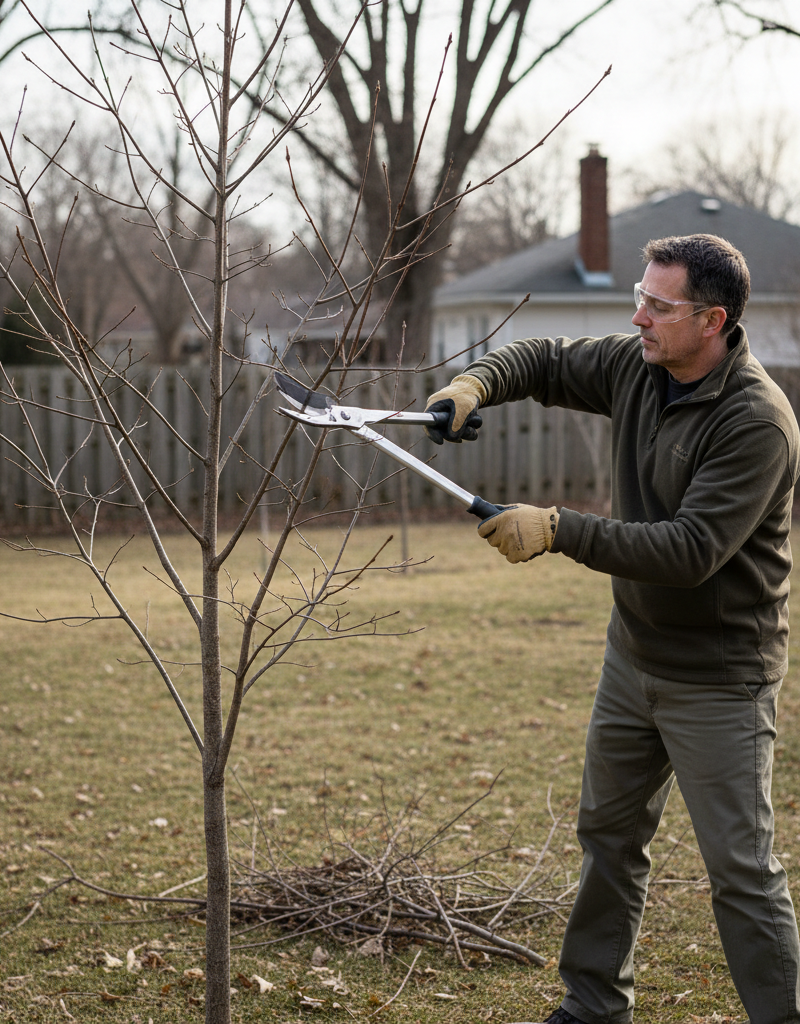
- Loppers: For branches 3/4 inch to 1 1/2 inches.
- Pruning saw: For branches larger than 1 1/2 inches. Ensure it's a dedicated pruning saw, not a construction saw.
- Safety glasses and gloves: Always protect your eyes and hands.
Landscaping · Deck or fence project
| Project category | Landscaping |
|---|---|
| Problem type | Deck or fence project |
| Trade required | Landscaping |
| Urgency | Planned project |
| Safety risk | Moderate safety risk |
| DIY suitability | DIY for experienced homeowners |
| Cost category | High cost |
| Typical timeline | Most builds 3–10 days depending on size |
| Contractor type | Landscaping contractor |
Repair option
Replace failed boards, posts, and hardware; reseal the surface.
Replacement option
Rebuild when framing or the ledger connection is unsafe.
Common causes
- Rot at posts and ledger
- Storm damage
- Adding outdoor living space
Relevant tools:home improvement material pricesproject cost estimator
Published May 20, 2026Last updated August 17, 2026
Tools & materials you'll need
Affiliate links- AmazonRubbing Alcohol1 bottle · For sterilizing tools
As an Amazon Associate FixlyGuide earns from qualifying purchases — at no extra cost to you. Prices and availability are accurate as of publication and subject to change.
Quick Answer
The optimal time to prune most deciduous trees in your yard is during late winter to early spring, before the tree breaks dormancy and new leaves emerge. This period, roughly from late January through March in most temperate climates, is ideal for several reasons: the tree is metabolically inactive, making it less susceptible to stress; diseases and pests are less active, reducing the risk of infection through pruning wounds; and the lack of leaves provides an unobstructed view of the tree's branch structure, allowing for more precise cuts. However, keep in mind that specific flowering trees, like dogwoods or magnolias, have different timing needs, as do evergreens, and any dead, diseased, or hazardous branches can — and should — be removed at any time of year.
The Problem: Pruning at the Wrong Time
Many homeowners, with good intentions, grab their pruning shears and head out to tidy up their trees whenever the mood strikes—often in the spring or summer when the yard is vibrant. While tidiness is nice, pruning at the wrong time of year is, by far, the most common and damaging mistake a DIY arborist can make. Pruning when a tree is actively growing (spring, summer, early fall) forces it to expend precious energy on healing wounds rather than on essential growth, fruit production, or disease defense. This stress can weaken the tree, make it more vulnerable to pests and diseases, and even result in unsightly, vigorous watersprout growth that saps the tree's resources.
For example, pruning an oak tree in the spring or summer significantly increases its risk of contracting oak wilt, a devastating fungal disease spread by beetles attracted to fresh wounds. Similarly, pruning maples, birches, or elms when sap is actively flowing can lead to excessive 'bleeding,' which, while not usually fatal, can be alarming and attract unwanted insects. Beyond immediate health impacts, improper timing can also sacrifice a season's worth of blooms on flowering trees, leaving you with a barren display instead of vibrant color.
How It Works: Tree Physiology and Pruning Timing
Understanding a tree's annual growth cycle is key to mastering pruning timing. Trees go through distinct phases influenced by temperature and light, primarily: dormancy, bud break/early growth, active growth, and senescence (leaf drop).
During dormancy (late fall to late winter), deciduous trees shed their leaves and metabolic activity slows to a crawl. The tree conserves energy, and sap flow is minimal. This is the ideal time for structural pruning because: (1) the absence of leaves allows for clear visibility of the branch architecture, making it easier to identify crossing branches, weak angles, and dead wood; (2) the diminished sap flow means less 'bleeding' from cuts; and (3) most disease-causing fungi and bacteria are less active in cold weather, reducing the chance of infection through fresh wounds. Wounds made during dormancy will begin to heal in spring when the tree reactivates, sealing off the cut tissue effectively.
As temperatures rise in early spring, trees experience bud break and a surge of growth. Stored carbohydrates from the previous season fuel the emergence of new leaves and shoots. Pruning heavily at this stage diverts energy from this critical initial growth, potentially stunting the tree or forcing it to produce weak, rapid-growth watersprouts near the pruning site. However, for some spring-flowering trees, pruning immediately after they finish blooming is crucial. This is because these trees form their flower buds on old wood (last year's growth). Pruning them in winter would remove those buds, preventing flowers for the upcoming season.
Late spring and summer are periods of active growth and photosynthesis. The tree is fully leafed out, converting sunlight into energy. Pruning during this time is generally discouraged for major structural cuts. While light shaping or removal of small branches might be acceptable, heavy pruning puts significant stress on the tree. It forces the tree to repair large wounds when its energy is focused on producing sugars. Moreover, fresh wounds in warm, moist conditions are highly vulnerable to disease and pest infestation. However, summer is an opportune time for specific corrective pruning, such as removing watersprouts, suckers, or weak growth that can be easily identified among the foliage.
Finally, in fall, trees begin senescence, preparing for dormancy. Leaves change color and drop. Pruning at this time is problematic because healing can be slow, if not entirely halted, by dropping temperatures. Open wounds can remain exposed to cold and pathogens throughout the winter, increasing the risk of damage and disease.
Step-by-Step Fix: Pruning for Optimal Tree Health
Follow these guidelines to prune for maximum tree health and structural integrity.
-
Understand Your Tree Species — Before making any cut, identify what kind of tree you're pruning. Research its specific pruning needs. Is it a deciduous tree, an evergreen, or a flowering tree? Does it flower on old wood or new wood? This knowledge is paramount.
- If you're unsure: Consult a local arborist or university extension office guide. A misidentified tree can lead to improper pruning and ruined blooms.
-
Gather the Right Tools — Select clean, sharp tools appropriate for the branch size. Dull tools tear bark, creating jagged wounds that are slow to heal and prone to disease.
- Hand pruners: For branches up to 3/4 inch in diameter.
- Loppers: For branches 3/4 inch to 1 1/2 inches.
- Pruning saw: For branches larger than 1 1/2 inches. Ensure it's a dedicated pruning saw, not a construction saw.
- Safety glasses and gloves: Always protect your eyes and hands.
-
Identify Dead, Diseased, or Damaged Limbs (Anytime Pruning) — This is the only type of pruning that can and should be done at any time of year. These branches are a hazard and a drain on the tree's resources.
- How to spot them: Dead branches will be brittle and lack flexibility. Diseased branches may have discoloration, cankers, or unusual growths. Damaged branches are often cracked or broken.
- Safety First: If a dead or damaged limb is large or high up, call a professional. Never work near power lines.
-
Target Dormant Pruning for Deciduous Trees — For most shade trees (oaks, maples, elms, birches, ashes), aim for late winter or very early spring, before bud break. This allows for clear visibility and minimizes stress.
- Goal: Remove crossing branches, weak V-shaped crotches, branches growing inward, or those rubbing against others. Thin the canopy for better air circulation and light penetration.
-
Prune Spring-Flowering Trees Immediately After Flowering — Trees that bloom on 'old wood' (formed the previous year), such as dogwoods, magnolias, forsythias, and lilacs, should be pruned right after their flowers fade. Pruning these in winter would remove the flower buds.
- Examples: Dogwood, Azalea, Lilac, Forsythia, Cherry (flowering only), Magnolia, Rhododendron.
-
Prune Summer-Flowering Trees in Late Winter/Early Spring — Trees that bloom on 'new wood' (growth produced in the current season), like crape myrtles, roses, and some hydrangeas, can be pruned during dormancy. This encourages vigorous new growth that will bear flowers.
- Examples: Crape Myrtle, Rose of Sharon, Smoke Tree, Panicle Hydrangea.
-
Address Evergreens Sparingly — Most evergreens require minimal pruning, primarily for shaping or removing dead/damaged growth. The best time for light shaping is usually late winter/early spring or early summer, after their initial flush of growth.
- Conifers: Prune evergreens like pines, spruces, and firs in late winter or early spring, just before their growth spurt. Avoid cutting into old wood on pines, as they may not resprout.
- Broadleaf Evergreens: Prune after flowering or during dormancy, depending on their bloom time and growth habit.
-
Make Proper Pruning Cuts — Always cut just outside the branch collar—the swollen area where the branch meets the trunk or a larger limb. Never leave stubs (which are entry points for disease) or cut flush with the trunk (which damages the collar tissue.
- Three-cut method for larger branches: (1) Undercut a few inches away from the collar to prevent bark stripping. (2) Cut through the branch from the top, outside the undercut, allowing the branch to fall. (3) Make the final, clean cut just outside the branch collar.
-
Avoid Excessive Pruning — Never remove more than 25% of a tree's total canopy in a single year. Removing too much foliage stresses the tree and can trigger watersprout growth.
- Patience is a virtue: If a tree needs significant structural correction, spread the pruning over several years.
Common Causes of Poor Pruning Timing
- Lack of Knowledge: Simply not knowing when the optimal time is for different tree types.
- Aesthetics Over Health: Pruning purely for appearance when the tree is actively growing, without considering its physiological cycle.
- Fear of Pruning: Delaying necessary structural pruning until the tree is overgrown, then attempting to 'fix' it all at once at the wrong time.
- Convenience: Pruning whenever there's free time, rather than scheduling it during the tree's dormant period.
- Misinformation: Following outdated or incorrect pruning advice from non-experts.
- Reactionary Pruning: Only pruning when a problem (like a diseased branch) is noticed, rather than proactive, seasonal maintenance.
Common Mistakes
- Topping Trees: Severely cutting back large branches to stubs. This is incredibly damaging, causes rampant watersprout growth, creates hazardous weak points, and dramatically shortens a tree's lifespan. Never top a tree. There are almost no circumstances where topping is a good idea. If you need to reduce a tree's height, consult a professional arborist for proper crown reduction techniques.
- Pruning Maples, Birches, or Elms in Spring: These trees are 'bleeders,' and while sap exudation is generally not harmful to the tree's health, it can be alarming and attracts insects. Prune these in late winter during dormancy or in mid-summer after their main growth flush.
- Pruning Spring-Flowering Trees Before They Bloom: This removes the flower buds that formed on last year's wood, resulting in no flowers for that season. Wait until immediately after they finish blooming.
- Leaving Stubs or Tearing Bark: Improper cuts leave open wounds that invite disease and pests. Always cut just outside the branch collar and prevent bark stripping.
- Removing Too Much at Once: Taking more than 25% of the live canopy in a single season severely stresses the tree and can lead to its decline.
- Using Dull or Dirty Tools: Dull tools cause jagged cuts that are harder for the tree to heal. Dirty tools can transmit diseases from one plant to another.
Cost & Time Breakdown
| Task | DIY cost | Pro cost | Time |
|---|---|---|---|
| Hand Pruning (small shrubs/trees) | $0–$50 | $75–$200 (min hr) | 30 mins – 2 hours |
| Lopper Pruning (medium trees) | $0–$100 | $150–$400 | 1–3 hours |
| Saw Pruning (larger branches) | $0–$150 | $300–$800+ | 2–4 hours (or more) |
| Tool Sharpening/Cleaning | $0–$20 | N/A | 15–30 minutes |
| Research Tree Species | $0 | N/A | 15–45 minutes |
Note: DIY cost assumes you may need to purchase basic pruning tools. Pro costs are estimates and vary widely based on tree size, location, and complexity.
Tips & Prevention
- Inspect Annually: Make it a habit to walk around your trees once a year, preferably in late fall or early winter, to assess their structure and identify any potential issues before the prime pruning window.
- Sterilize Tools: Always clean and sterilize your pruning tools with rubbing alcohol or a bleach solution (1 part bleach to 9 parts water) between trees, especially when pruning diseased branches. This prevents the spread of pathogens.
- Start Early: Begin formative pruning on young trees to guide their growth and develop strong structure, reducing the need for heavy corrective pruning later.
- Know Your Tree's Bloom Time: For flowering trees, keep a simple record or calendar note of when they typically bloom to ensure you prune them at the correct time to maximize flowers.
- Remove Watersprouts and Suckers: These vigorous, typically vertical shoots that emerge from trunks or roots are often weak and divert energy. Remove them whenever they appear.
- Consider Tree Guards: For young trees, tree guards can protect against rodent damage, which can compromise bark and create weak points.
When to Call a Professional
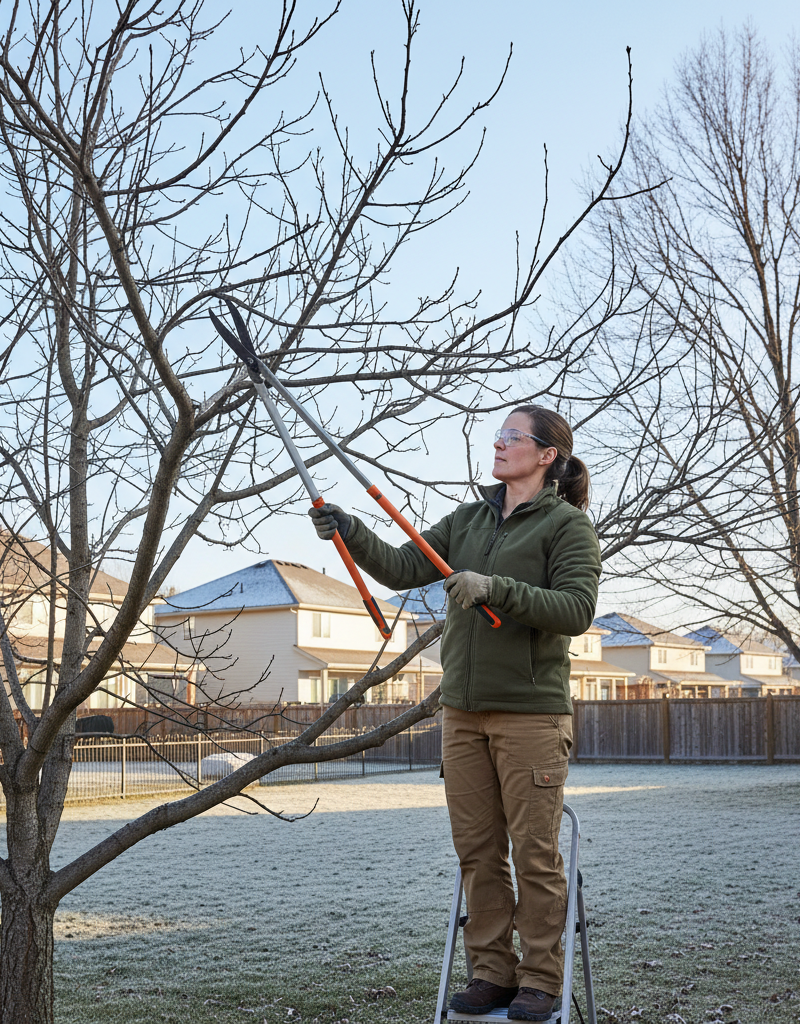
While knowing when to prune is critical, knowing when to call a pro is equally important. If branches are near power lines, if you need to use a ladder for pruning, if a branch is over 2 inches in diameter and requires a saw, or if you're dealing with a very tall or mature tree, it's best to call a licensed arborist. Professionals have the specialized tools, safety equipment, and expertise to handle large cuts safely and effectively, ensuring the tree's health and your safety. They can also diagnose complex tree health issues, recommend proper structural corrections for large trees, and identify potential risks that might be hidden to the untrained eye. If a tree looks stressed, has significant disease, or has large dead limbs, a pro can assess the situation and provide the best course of action.
Related Articles
Keep troubleshooting with these hand-picked guides from FixlyGuide:
- The #1 Pruning Mistake Homeowners Make (And How to Time It Right) — Pruning at the wrong time can severely damage your trees. Learn the optimal timing for different tree types to promote health and vibrant g…
- The #1 Pruning Mistake Homeowners Make (It Harms Your Trees!) — Discover the most common pruning mistake homeowners make and how bad timing can permanently damage your trees. Learn the optimal windows fo…
- The #1 Lawn Aeration Mistake Most Homeowners Make (And How to Fix It) — Timing is everything when it comes to lawn aeration, and doing it at the wrong time can do more harm than good for your grass.
- Why Are Your Tree's Leaves Turning Brown? 5 Hidden Culprits You Might Be Missing — Brown leaves on your tree can signal anything from simple thirst to a serious disease, but pinpointing the exact cause is crucial for savin…
- The 3 Hidden Reasons Your Tree Leaves Turn Brown (and the Easy Fixes) — Discover the often-overlooked environmental stressors and specific diseases that cause tree leaves to brown, and learn simple, actionable s…
- The $150 Upgrade Hiding 2x More Pantry Space — Stop losing items in the back of your pantry; learn the expert method for installing pull-out shelves to maximize storage and accessibility…
What should this project cost?
Enter your project details for a realistic cost range before you call anyone.
Cost depends heavily on which system turns out to be the source.
- Regional adjustment
- National average
- Labor share (typical)
- ~$1,620
- Quotes to collect
- 3 written estimates
Educational estimate based on national averages — not a binding quote. Always confirm with written local estimates.
Get the print-ready PDF of this guide
A clean, ad-free, printable version you can keep on your phone or pin to the workshop wall. Free with a FixlyGuide account.
- Print-optimized layout
- Tools, materials & every step included
- Saved to your account
Frequently asked questions
What happens if I prune a tree at the wrong time of year?+
Pruning at the wrong time can stress the tree, make it more susceptible to diseases and pests, reduce future blooms or fruit, and lead to poor wound healing or undesirable growth like watersprouts. For example, pruning maples in spring can cause excessive sap bleeding, and pruning oak trees in summer increases oak wilt risk.
Can I prune dead branches anytime?+
Yes, dead, diseased, or damaged branches can and should be removed at any time of year. These branches are a hazard and a drain on the tree's resources, and removing them promptly prevents further issues. Just be sure to make clean cuts to minimize further stress.
How do I know if my tree flowers on 'old wood' or 'new wood'?+
Trees that flower on 'old wood' typically bloom early in the spring (e.g., dogwood, forsythia, lilac) and set their flower buds the previous summer. Trees that flower on 'new wood' bloom later in the spring or summer (e.g., crape myrtle, rose of Sharon) from growth produced in the current year. Research your specific tree species or consult a local gardening guide if unsure.
How much of a tree's canopy can I remove in a year?+
As a general rule, never remove more than 25% of a tree's total live canopy in a single year. Removing excessive foliage can severely stress the tree, hinder its ability to perform photosynthesis, and lead to decline or susceptibility to other problems. If significant pruning is needed, spread it out over several years.
What tools do I need for basic tree pruning?+
For basic tree pruning, you'll need sharp hand pruners for branches up to 3/4 inch, loppers for branches up to 1 1/2 inches, and a pruning saw for larger branches. Always wear safety glasses and gloves, and ensure your tools are clean and sharp to make precise cuts and prevent disease transmission.
Why shouldn't I 'top' my trees?+
Topping is the severe cutting back of a tree's main branches to stubs. It's incredibly harmful because it creates large, unhealing wounds, stimulates weak, rapid regrowth (watersprouts) that are prone to breaking, dramatically shortens the tree's lifespan, and makes the tree more susceptible to disease and decay. It significantly compromises the tree's health and structural integrity.
Discussion
Loading comments…