- Identify the drain pan: This is a shallow, rectangular pan directly underneath the evaporator coil. If it's overflowing, you've found your problem.
- Look for a vent tee: Many drain lines will have a vertical T-shaped PVC fitting somewhere along the horizontal run. One side of the 'T' is usually open (uncapped) or has a removable cap. This is an access point.
- Find the exit point: Trace the drain line to where it exits your home. This could be outside near your outdoor AC unit, into a utility sink, or to a floor drain.
Plumbing · Clog
| Project category | Plumbing |
|---|---|
| Problem type | Clog |
| Trade required | Plumbing |
| Urgency | Soon — within weeks |
| Safety risk | Low safety risk |
| DIY suitability | DIY friendly |
| Cost category | Low cost |
| Typical timeline | Same-day DIY attempt; pro visit within a day or two |
| Contractor type | Licensed plumber |
Repair option
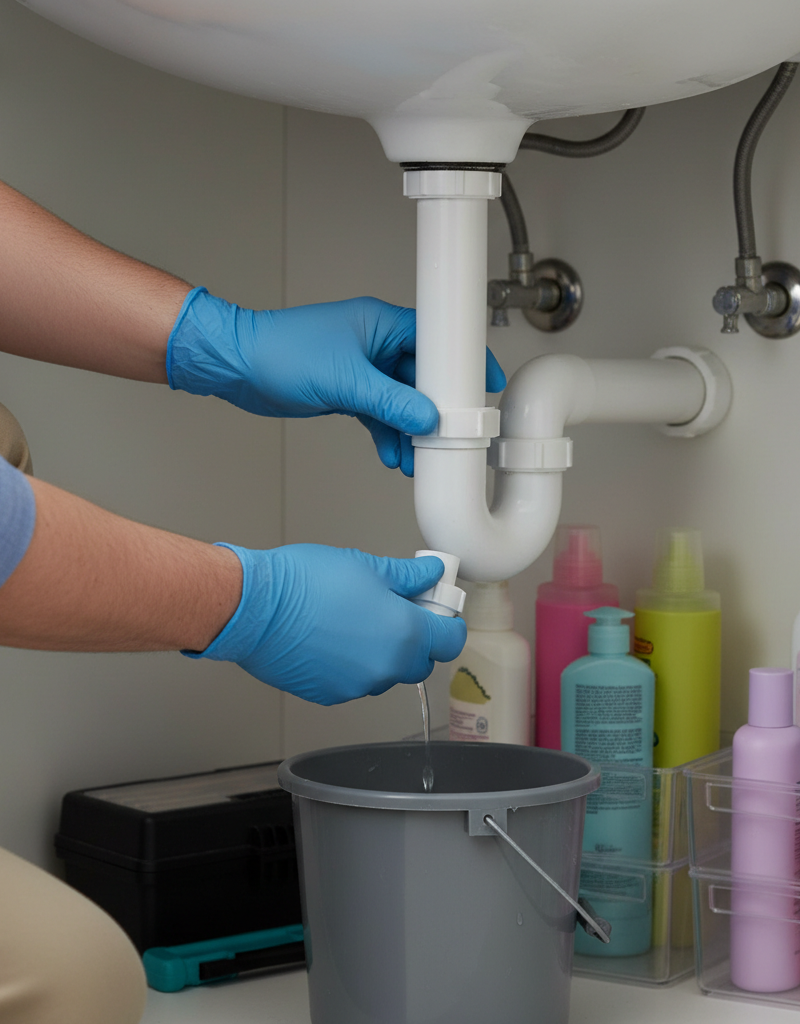
Plunger, hand auger, or trap cleanout before chemicals.
Replacement option
Line replacement when clogs return in the same spot repeatedly.
Common causes
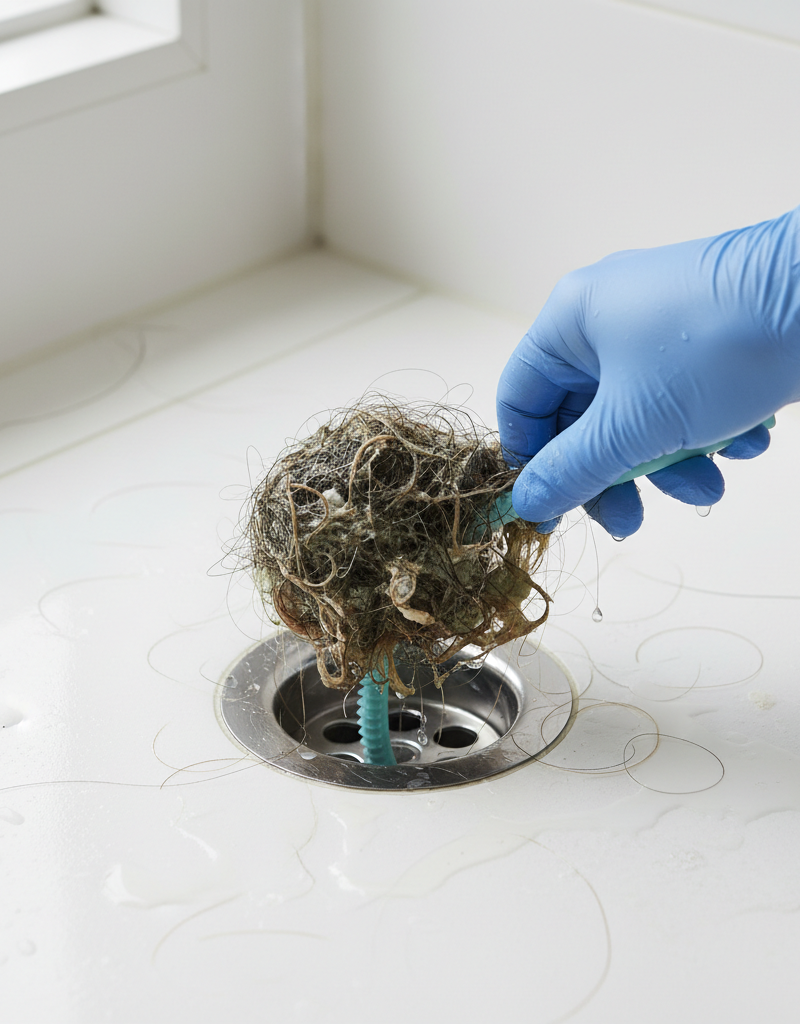
- Hair and soap buildup in the trap
- Grease cooling in the branch line
- Flushed wipes or foreign objects
Relevant tools:diy difficultydiy or hire a pro
Published June 11, 2026Last updated August 17, 2026
Tools & materials you'll need
Affiliate linksAs an Amazon Associate FixlyGuide earns from qualifying purchases — at no extra cost to you. Prices and availability are accurate as of publication and subject to change.
Quick Answer
A clogged AC drain line, also known as a condensate drain or drip line, is a common issue that occurs when algae, mold, dirt, or other debris build up inside the PVC pipe, blocking the flow of condensation. This blockage causes water to back up, overflow the drain pan, and potentially lead to significant water damage in your home, including stained ceilings, damaged drywall, and mold growth. Fortunately, clearing a clogged AC drain line is a straightforward DIY task that typically takes less than an hour and costs under $10. The most effective method involves using a wet/dry vac (Shop-Vac) to forcefully suck out the clog, followed by a preventative flush with distilled white vinegar to kill existing organic growth and prevent future blockages.
The Problem
Your air conditioning system doesn't just cool your home; it also dehumidifies it. As warm, humid air passes over the cold evaporator coils, moisture condenses out of the air, much like water droplets forming on a cold glass on a hot day. This condensation drips into a collection pan, known as the condensate drain pan, which is typically located directly beneath the indoor evaporator coil unit (often in your attic, basement, or a utility closet). From this pan, the water flows through a PVC pipe—the condensate drain line—to an outdoor drain, a utility sink, or a dedicated condensate pump.
When this drain line becomes clogged, often by a slimy buildup of mold, algae, and dirt, the water has nowhere to go. It backs up in the drain pan, eventually overflowing. This overflow is the root of the problem, as it can cause extensive damage to ceilings, walls, insulation, and flooring. In some systems, a safety float switch is installed in the drain pan. When water levels rise due to a clog, this switch trips, shutting off the AC unit to prevent overflow. While this prevents water damage, it also leaves you without air conditioning on a hot day, which is a major inconvenience. Addressing a clogged drain line promptly is crucial to maintaining your home's integrity and your AC's performance.
How It Works
To understand why your AC drain line clogs and how to clear it, it helps to visualize the system. The indoor unit of your central air conditioner houses the evaporator coil. Air from your home is drawn into this unit, passes over the cold coil, releases its humidity as condensation, and then returns to your home as cooler, drier air. The condensed water drips from the coil into a sloped plastic or metal pan – the condensate pan.
Attached to this pan is a PVC pipe, typically 3/4-inch in diameter, which acts as the main drain line. This pipe usually runs horizontally for a short distance, then slopes downwards, often through a wall or ceiling, to its exit point. Along its path, there might be a few key features: a vent tee (a vertical, uncapped T-shaped fitting) to prevent airlocks and ensure proper drainage, and sometimes a P-trap, which is a U-shaped bend designed to hold a small amount of water. This water in the P-trap (if present) serves two purposes: it prevents conditioned air from escaping, and it blocks sewer gases from entering your home if the drain line ties into a larger waste system. However, P-traps are also common spots for clogs to form due to standing water and debris collection. The exit point of the drain line can vary: some drain directly into a lawn or garden area, while others empty into a utility sink, a floor drain, or via a condensate pump if the drain needs to be lifted against gravity to reach its destination. The environment inside the drain line and pan – dark, damp, and often warm – creates ideal conditions for the growth of mold, mildew, and algae, forming a thick, slimy biological film that restricts water flow and eventually causes a total blockage.
Step-by-Step Fix
1. Safety First – Turn off the power to your AC unit.
Before doing any work on your AC system, always prioritize safety. Locate your thermostat and switch the system from 'Cool' to 'Off'. Then, go to your electrical service panel (breaker box) and find the circuit breaker labeled 'Furnace,' 'AC,' or 'Air Handler.' Flip this breaker to the 'Off' position. This prevents the unit from accidentally turning on while you are working and eliminates any electrical hazards.
2. Locate the Condensate Drain Line – Find the PVC pipe connected to your indoor unit.
The indoor unit (air handler) is typically located in your attic, basement, crawl space, a utility closet, or sometimes mounted in a garage. Look for a small, usually white or off-white PVC pipe, typically 3/4-inch in diameter, extending from the bottom of the rectangular drain pan directly beneath the evaporator coil. This is your condensate drain line.
- Identify the drain pan: This is a shallow, rectangular pan directly underneath the evaporator coil. If it's overflowing, you've found your problem.
- Look for a vent tee: Many drain lines will have a vertical T-shaped PVC fitting somewhere along the horizontal run. One side of the 'T' is usually open (uncapped) or has a removable cap. This is an access point.
- Find the exit point: Trace the drain line to where it exits your home. This could be outside near your outdoor AC unit, into a utility sink, or to a floor drain.
3. Clear Standing Water – Manually remove water from the drain pan.
If the drain pan is overflowing, use towels, a wet/dry vac, or a small scoop to remove as much standing water as possible. This prevents further leaks and gives you a drier working area. Be careful not to damage the float switch if one is present in the pan.
4. Clear the Clog with a Wet/Dry Vac – The most effective method for stubborn clogs.
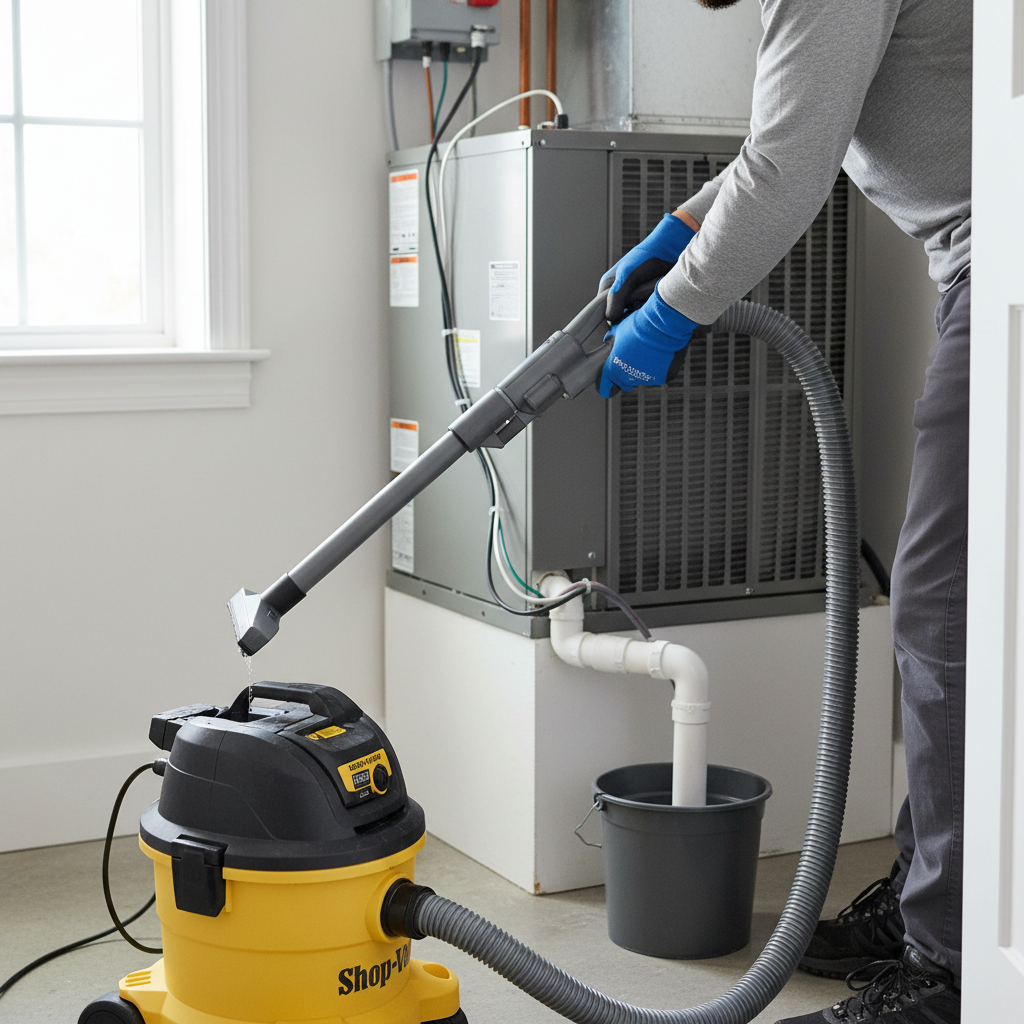
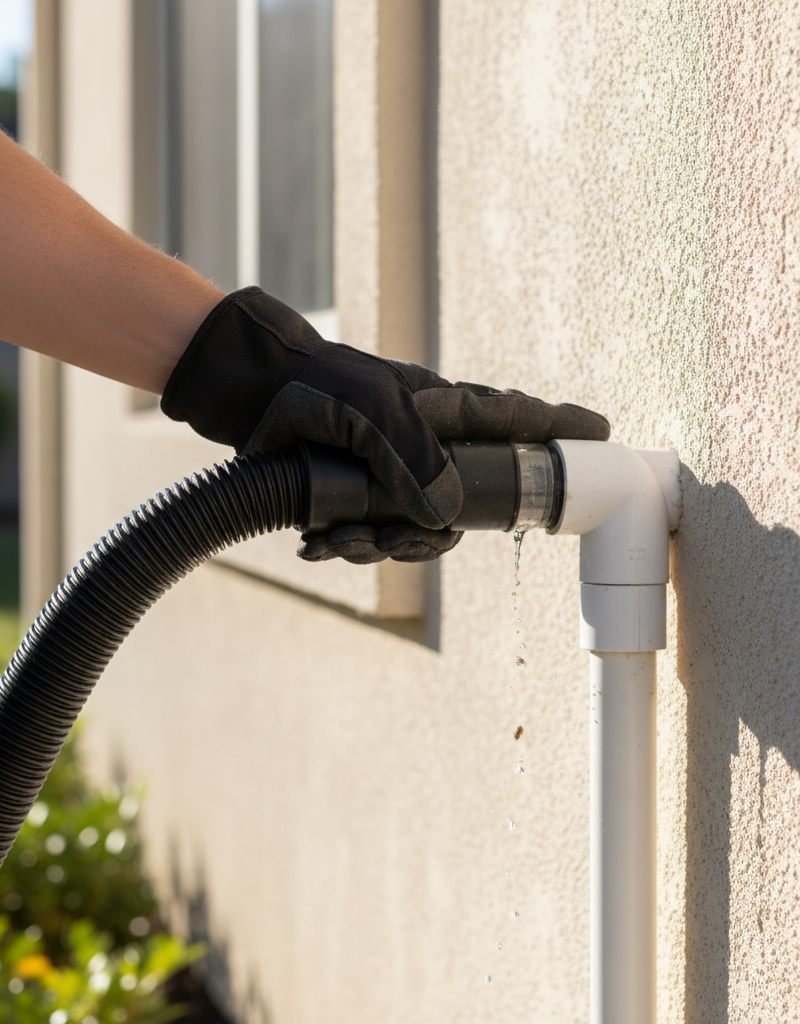
This is often the most successful step. Take your wet/dry vac (Shop-Vac) and position its hose firmly over the open end of the condensate drain line where it exits your house. If the line exits into a utility sink, place the hose directly over or into the end of the pipe. If the line exits outside, you might need to hold the hose tightly around the pipe opening, or even wrap a rag around the connection for a better seal. Turn on the Shop-Vac for 2-3 minutes. You should hear gurgling and potentially see a rush of water and gunk being sucked out. Repeat a few times if necessary. This creates a powerful suction that pulls the blockage out.
- If you have a vent tee: If your drain line has an accessible vent tee (the vertical T-shaped opening), you can also try attaching the Shop-Vac hose to this opening. Make sure you cap or block the main outdoor exit point of the drain line first to ensure maximum suction at the clog.
- If the Shop-Vac doesn't work: The clog might be too dense or located in a difficult-to-reach spot. Consider trying a coil cleaner specific for AC drains (see materials list) or, as a last resort, call a professional.
5. Flush with Distilled White Vinegar – Dissolve residual gunk and prevent future growth.
Once the immediate clog is cleared and water can flow freely, it's time to clean the line and prevent recurrence. Pour 1 cup of distilled white vinegar into the drain line. You can do this through the vent tee on the indoor unit or, if no vent tee is present, carefully pour it directly into the condensate pan itself, ensuring it flows into the drain opening. Let the vinegar sit for 30 minutes to an hour. The acidic nature of vinegar will help to dissolve any remaining mold, algae, and mildew buildup. Some sources suggest using a very mild bleach solution (1 part bleach to 16 parts water), but vinegar is generally safer for system components and less corrosive over time.
6. Flush with Water – Rinse the line clear.
After the vinegar has had time to work, follow it up with 2-3 cups of plain water. Pour this water down the same access point you used for the vinegar. This will rinse out the dissolved gunk and any remaining vinegar, ensuring a clear path for condensation. You should see or hear the water flowing freely out of the outdoor drain line exit point. If you used the condensate pan, pour slowly to avoid splashing.
7. Reassemble and Restore Power – Put everything back together and test.
Replace any caps on the vent tee. Ensure the drain pan is empty and clean. Go back to your electrical panel and flip the AC circuit breaker back to the 'On' position. Return to your thermostat and set the system to 'Cool' and a temperature lower than your current room temperature. Listen and watch the outdoor unit kick on, and after about 15-20 minutes, check the drain line exit point. You should see a steady drip or stream of water indicating proper drainage.
8. Monitor for Recurrence – Keep an eye on the drainage.
For the next few days, periodically check the drain line exit point to ensure water is consistently draining. Also, observe the drain pan for any signs of water accumulation. If you notice slow drainage or pooling water again, a more stubborn clog or another issue might be at play, warranting a repeat of the process or a professional inspection.
Common Causes
- Algae and Mold Growth: The most frequent culprit. The dark, damp, and cool environment inside the drain line and pan is perfect for biological growth, which forms a slimy, restrictive film.
- Dirt and Debris: Dust, lint, pet hair, and even small insects can get pulled into the air handler and eventually make their way into the condensate pan, contributing to clogs.
- Lack of Regular Maintenance: Skipping annual AC tune-ups means drain lines aren't flushed, allowing buildup to accumulate undisturbed over time.
- Improper Slope: If the drain line isn't installed with a sufficient downward slope, water can sit in the line, encouraging biological growth and allowing debris to settle.
- Missing or Clogged P-Trap/Vent: A P-trap that dries out can lose its water seal, allowing air to escape and potentially encouraging buildup. A clogged vent tee can also hinder proper drainage by creating an airlock.
Common Mistakes
- Using Too Much Bleach: While a very diluted bleach solution can be used, using undiluted or strong bleach can corrode certain components of your AC system, especially older metallic parts or rubber seals, as well as emit harmful fumes. Stick to distilled white vinegar for regularity.
- Ignoring the Safety Shut-Off: Neglecting to turn off the power at the breaker before working on any part of the AC system is a serious safety hazard and can lead to electric shock or damage to the unit.
- Using a Wire or Auger without Caution: While tempting, blindly snaking a wire or auger down a PVC drain line can puncture the pipe, especially if it's old or brittle, creating a much bigger (and more expensive) leak problem. Only use this method if you're certain of the pipe's path and condition, and do so gently.
- Forgetting to Flush with Water: After using vinegar or a cleaning solution, it's crucial to follow up with plain water. This rinses away the dissolved gunk and any remaining cleaning solution, preventing residual corrosive effects and ensuring a truly clear path.
- Not Checking the Outdoor Exit: Many homeowners focus only on the indoor unit. However, the clog could be near the outdoor exit point where debris might accumulate. Always check and clear both ends.
- Not Addressing the Root Cause: Simply clearing a clog without a preventative flush (like the vinegar treatment) means the problem is likely to return quickly, as the underlying algae and mold spores remain.
Cost & Time Breakdown
| Task | DIY Cost | Pro Cost | Time |
|---|---|---|---|
| Supplies for clearing clog & flush | $5–$20 | $0 (included) | 15–30 minutes |
| Professional drain line clearing | N/A | $100–$250 | 30–60 minutes |
| Water damage repair (e.g., drywall, paint) | $50–$500+ | $200–$2,000+ | Varies |
| Preventing future clogs (annual flush) | $5–$10 | $0 (included in tune-up) | 10–15 minutes |
Tips & Prevention
- Regular Vinegar Flushes: To prevent future clogs, pour 1 cup of distilled white vinegar down your AC drain line every 1-3 months, especially during humid seasons. Follow with plain water after 30 minutes.
- Keep Area Around Air Handler Clear: Ensure the area around your indoor unit is free of dust, lint, and debris that could be drawn into the system and contribute to clogs.
- Install a Condensate Trap Tablet: These slow-release tablets contain algaecides and slimicides that help prevent biological growth in the drain pan and line. Place one in the condensate pan every few months.
- Annual Professional Maintenance: Schedule an annual AC tune-up with a licensed HVAC technician. Part of their service typically includes inspecting and flushing the condensate drain line, catching potential issues before they become major problems.
- Check for Proper Slope: Periodically inspect the visible sections of your drain line to ensure it maintains a consistent downward slope, allowing gravity to assist water flow. If sections sag, they can accumulate water and debris.
- Install a Safety Float Switch: Many newer AC systems have these, but if yours doesn't, consider having one installed by an HVAC professional. This device automatically shuts off your AC if the drain pan fills up, preventing water overflow and damage.
When to Call a Professional
While clearing a simple AC drain line clog is a common and manageable DIY task, there are specific situations where calling a licensed HVAC professional is not just recommended, but essential. If you've attempted the DIY methods outlined here and the drain line remains stubbornly clogged, or if water continues to back up, it could indicate a more complex blockage deeper within the system or beyond your reach. Additionally, if you notice significant water damage to your ceilings, walls, or flooring, a professional should assess the extent of the damage and ensure there's no ongoing hidden leak. Any signs of mold growth beyond the immediate drain pan area, especially large patches or a persistent musty odor, warrant professional remediation. Furthermore, if your AC unit repeatedly shuts off due to a full drain pan (activating the safety float switch), even after a flush, an underlying issue with the AC unit itself or a hidden obstruction in the condensate system might be present. In such cases, an HVAC expert can accurately diagnose the problem, including inspecting the evaporator coil for freezing, checking the condensate pump (if applicable), and safely performing complex repairs or pipe replacements that are beyond the scope of typical DIY work, ensuring your system operates efficiently and safely.
Related Articles
Keep troubleshooting with these hand-picked guides from FixlyGuide:
- The #1 Mistake Homeowners Make When Their AC Drain Clogs (And The $5 Fix) — Discover the most common error homeowners make when tackling a clogged AC drain line and learn a simple, inexpensive solution to prevent co…
- The Secret Culprit Behind Your AC Leaks: Why Most Homeowners Miss This Easy Fix — Discover the often-overlooked reason your AC is leaking water and learn how a simple, inexpensive fix can prevent costly damage and restore…
- The $7 Secret Why Your AC is Leaking Water (And How to Fix It in 15 Minutes) — A clogged AC drain line is a common culprit for water leaks, but a simple and inexpensive fix can get your system running smoothly again.
- The Nasty Truth About Your Smelly Bathroom Sink — And the 2-Ingredient Trick to Fix It — Uncover the hidden reasons behind that foul odor wafting from your bathroom sink drain and learn a simple, two-ingredient solution to banis…
- The 5-Minute Trick to Clear Any Shower Drain Clog (Without Nasty Chemicals) — Learn how to quickly and safely clear a shower drain clog using simple tools and techniques, avoiding harsh chemical drain cleaners.
- The One Reason Your Refrigerator Fails (While the Freezer Doesn't) — If your freezer works but your refrigerator isn't cooling, the most common culprit is a blocked or malfunctioning defrost drain system.
Should you do this yourself?
Answer five quick questions before you start. Safety outranks savings every time.
Your experience with work like this
How high do you have to work?
Does the job involve any of these?
Will it need a permit?
Specialty tools
Free and instant. Educational guidance only — not a quote, inspection, or professional diagnosis.
Questions to ask before you sign
Ask every contractor the same questions and the cheapest bid stops looking cheapest. Check them off as you go — your progress is saved on this device.
Free, no signup. Bring this to every walkthrough so you compare bids on the same terms.
What should this project cost?
Enter your project details for a realistic cost range before you call anyone.
Common repairs run $150–$650; repipes and water-heater replacements reach $1,500–$4,500.
- Regional adjustment
- National average
- Labor share (typical)
- ~$754
- Quotes to collect
- 3 written estimates
Educational estimate based on national averages — not a binding quote. Always confirm with written local estimates.
Fixly Project Decision Box
- DIY difficulty
- Advanced
- Estimated time
- Homeowner checks 20–30 minutes
- Cost level
- Moderate
Main tools / materials
- Clean air filter
- Garden hose for condenser coils
- Shop vac for the condensate line
When to stop and call a pro
- Burning smell, smoke, or a tripping breaker
- Refrigerant lines iced over or hissing
- Any work inside the sealed refrigerant circuit (EPA-licensed only)
- Gas smell near a furnace — leave and call the utility
Need professional help?
Find an HVAC Pro Near YouHandle this before it gets worse
First steps that limit damage, then a way to reach a qualified pro.
- Emergency repair checklistThe first steps that limit damage before a pro arrives.Open
- Get local estimatesSend one request and compare written estimates from vetted pros.Open
- Estimate this projectGet a cost range for your scope and ZIP before you call anyone.Open
Free, no signup required. Estimates are educational guidance, not a quote or an inspection.
Frequently asked questions
How often should I clean my AC drain line?+
It is recommended to flush your AC drain line with distilled white vinegar every 1-3 months, especially during humid seasons, to prevent biological growth and potential clogs. Annual professional maintenance also typically includes a drain line inspection and flush.
Can a clogged AC drain line cause mold?+
Yes, a clogged AC drain line can absolutely cause mold. When water overflows the drain pan, it can seep into walls, ceilings, and insulation, creating a damp environment perfect for mold and mildew growth. Addressing clogs promptly is crucial to prevent mold issues.
What happens if I don't clear a clogged AC drain line?+
If you don't clear a clogged AC drain line, the overflowing water can lead to significant and costly damage to your home, including stained ceilings, damaged drywall, ruined insulation, and mold growth. In many systems, it will also cause your AC to shut down to prevent further damage, leaving you without cooling.
Is it safe to pour bleach down an AC drain line?+
While some sources suggest a very diluted bleach solution, it's generally safer and less corrosive to use distilled white vinegar to clean your AC drain line. Strong bleach can potentially damage certain AC components over time and release harmful fumes. If you do use bleach, ensure it's heavily diluted (1 part bleach to 16 parts water).
How do I know if my AC drain line is clogged?+
Common signs of a clogged AC drain line include water pooling around your indoor AC unit, water dripping from the ceiling below your AC unit, a musty odor near the unit, or your AC unit shutting off unexpectedly (which often indicates the safety float switch has been activated due to a full drain pan).
Discussion
Loading comments…