- The 3 Hidden Reasons Your Bathroom Sink Stinks (And the 20-Minute Fix) — Uncover the surprising causes behind a foul-smelling bathroom sink drain and learn a simple, effective fix in just 20 minutes.
- The Nasty Truth: Your Bathroom Sink Smells Bad (And It's Not the Drainpipe) — A foul odor wafting from your bathroom sink often signals an issue beyond a simple clog, usually stemming from biofilm or a dry P-trap.
- The Nasty Truth About Your Smelly Bathroom Sink — And the 2-Ingredient Trick to Fix It — Uncover the hidden reasons behind that foul odor wafting from your bathroom sink drain and learn a simple, two-ingredient solution to banis…
- The Nasty Truth About Your Smelly Bathroom Sink: It's Not Always the Drain — Uncover the surprising culprits behind your stinky bathroom sink and learn how to banish those foul odors with simple, effective troublesho…
- The Nasty Truth: Is Your Bathroom Sink's Stink Coming From a Hidden Biofilm? — A persistent, foul odor from your bathroom sink drain often signals a hidden biofilm buildup, not just a simple clog, demanding specific cl…
Plumbing · Sewer backup
| Project category | Plumbing |
|---|---|
| Problem type | Sewer backup |
| Trade required | Plumbing |
| Urgency | Emergency — act now |
| Safety risk | High safety risk |
| DIY suitability | Licensed pro only |
| Cost category | Major investment |
| Typical timeline | Emergency response; excavation work often several days |
| Contractor type | Licensed plumber |
Repair option
Camera inspection and hydro jetting or a spot repair at the failure point.
Replacement option
Line replacement or trenchless lining when the pipe has collapsed.
Common causes
- Tree roots intruding into the main line
- Collapsed or bellied sewer pipe
- Municipal main surcharge during heavy rain
Relevant tools:emergency checklistcompare quotes
Published May 23, 2026Last updated August 17, 2026
Tools & materials you'll need
Affiliate linksAs an Amazon Associate FixlyGuide earns from qualifying purchases — at no extra cost to you. Prices and availability are accurate as of publication and subject to change.
Quick Answer
A persistent, foul odor emanating from your bathroom sink drain is most commonly attributed to a buildup of biofilm. This slimy concoction is a mix of soap scum, hair, skin cells, and bacteria that cling to the inside of your drainpipes and P-trap. Over time, this organic matter decomposes, releasing hydrogen sulfide gas, which smells remarkably like rotten eggs or a sewer. Addressing this issue involves a combination of removing the visible gunk and flushing the drain with common household ingredients like baking soda and vinegar to neutralize odors and break down remaining residue.
The Problem
That unpleasant smell wafting from your bathroom sink isn't just annoying; it's a sign of a common, yet often overlooked, plumbing issue. Unlike a gurgling sound which might indicate a deeper clog, a persistent foul odor typically points to biological growth and trapped debris within the immediate drain assembly. Over time, every time you use your sink – washing hands, brushing teeth, shaving – tiny bits of soap, hair, skin flakes, and toothpaste get washed down the drain. These elements don't always fully rinse away. Instead, they catch on rough spots, minor imperfections, or even the subtle curves inside your drain pipes. This accumulation creates a nutrient-rich environment for anaerobic bacteria. As these bacteria feed on the organic matter, they produce gases, primarily hydrogen sulfide, which has that distinctive, noxious sewer smell. The P-trap, designed to hold a plug of water to prevent sewer gases from entering your home, can also become a collection point for this biofilm, effectively becoming an odor factory itself. If your sink isn't used frequently, the water in the P-trap can evaporate, allowing sewer gases to bypass this barrier and enter your bathroom, intensifying the issue.
How It Works
Understanding how your sink drain works helps pinpoint the source of the smell. Your bathroom sink is equipped with a drain assembly that channels used water into your home's wastewater system. Key components include the drain opening, the stopper assembly (often a pop-up stopper), the tailpiece, and crucially, the P-trap. The P-trap is the U-shaped section of pipe directly below your sink. Its primary function is to always retain a small amount of water, creating a water seal. This water seal acts as a barrier, preventing noxious sewer gases (like methane and hydrogen sulfide) from your main drain lines from entering your home. It's a critical safety and comfort feature of modern plumbing.
However, this very design, while effective at blocking gases, can also become a breeding ground for odors. As water flows down the drain, it carries with it organic matter – hair, skin cells, soap scum, toothpaste, and even bits of cosmetic products. This debris often gets caught on the stopper mechanism, the inside walls of the tailpiece, or accumulates in the bottom curve of the P-trap. Over time, this organic matter forms a thick, slimy layer known as a biofilm. Within this biofilm, anaerobic bacteria thrive, decomposing the accumulated waste. The byproduct of this bacterial activity is often hydrogen sulfide gas, which is characterized by its strong, unpleasant “rotten egg” or sewer-like odor. If the sink is rarely used, the water in the P-trap can evaporate, breaking the water seal and allowing sewer gases from the main drain system to come directly into your bathroom, causing a much stronger and more pervasive odor. This is why addressing both the biofilm and ensuring the P-trap remains filled with water are key to eliminating the stench.
Step-by-Step Fix
Here's how to tackle that funky bathroom sink drain smell head-on.
-
Clear the Stopper and Visible Debris – The first line of defense is often the easiest.
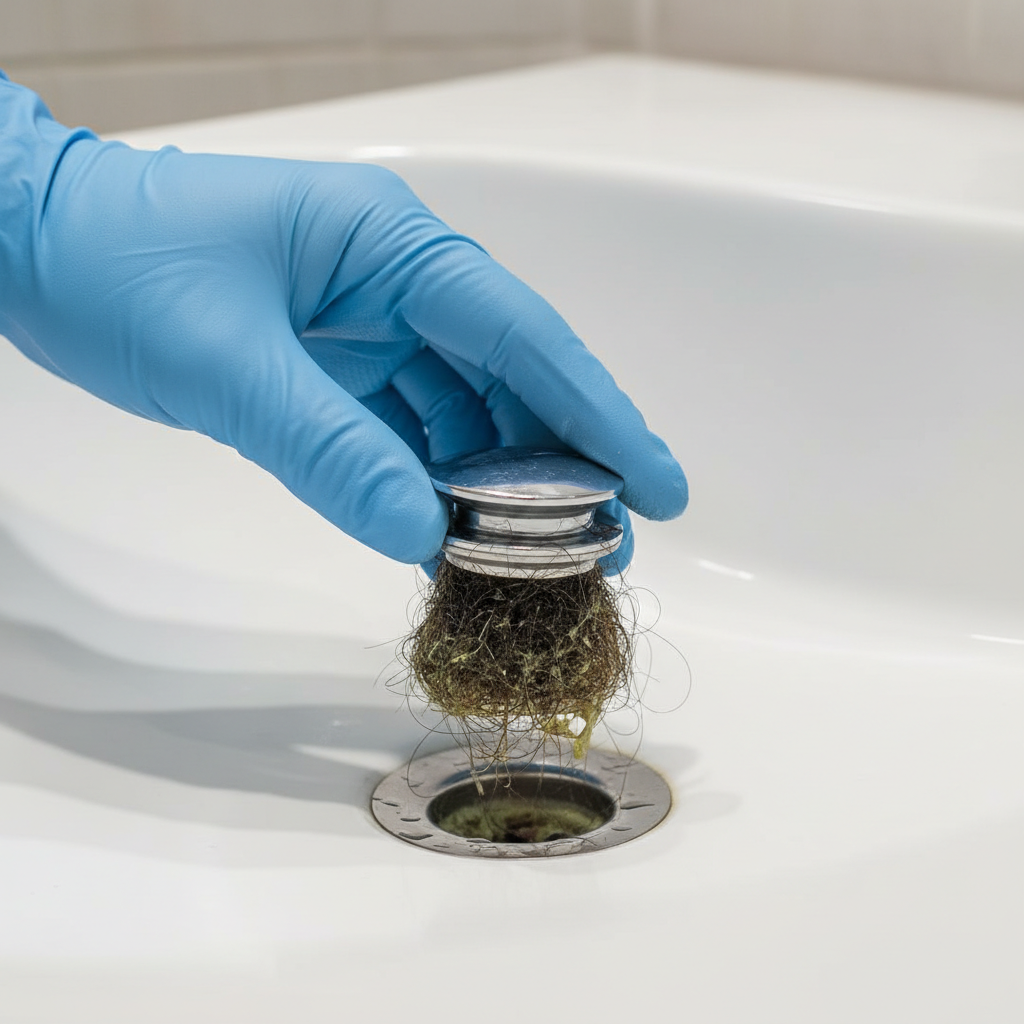
- Most bathroom sinks have a pop-up stopper. Gently pull up on the stopper or unscrew the knob on the pivot rod behind the faucet to remove it. Some stoppers simply lift out. Wear rubber gloves. Use an old rag or paper towel to wipe away any hair, soap scum, or other gunk clinging to the stopper or visible just inside the drain opening. This immediate removal prevents new biofilm from forming and can significantly reduce odors. If the stopper is especially dirty, soak it in a solution of hot water and white vinegar (1:1 ratio) while you work on the drain.
-
Flush with Hot Water – Prepare the drain for deeper cleaning.
- Once visible debris is removed, run the hottest tap water (as hot as it will get, typically 120-140°F) down the drain for 2-3 minutes. This helps to soften and partially melt greasy deposits and biofilm further down the pipe, making them easier to dislodge later. It also helps to rinse away any loose particles.
-
The Baking Soda and Vinegar Attack – Your eco-friendly odor neutralizer and gunkbuster.
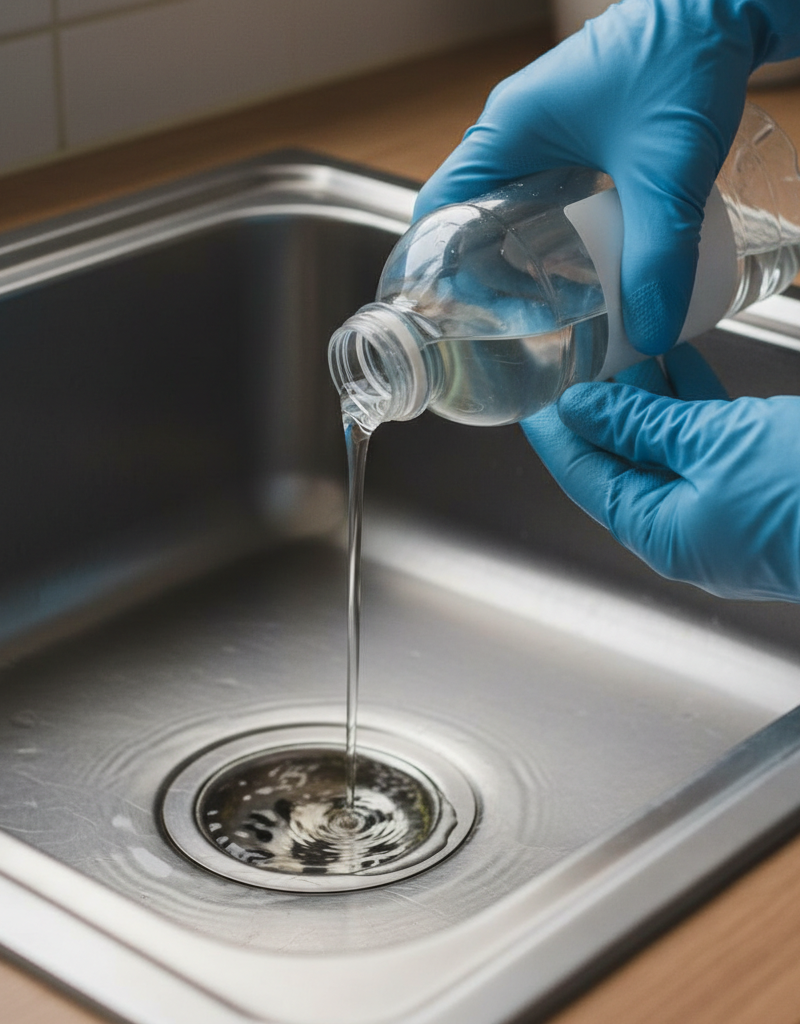
- Pour 1/2 cup of baking soda directly down the drain. Try to get as much of it into the drain opening as possible. Let it sit for 5-10 minutes. Baking soda is a natural deodorizer. Next, slowly pour 1 cup of white distilled vinegar down the drain. You'll hear and see a fizzing reaction. This chemical reaction (acid + base) is excellent for breaking down organic matter, soap scum, and light grease buildup. It's safe for most plumbing and shouldn't be confused with harsh chemical drain cleaners.
- Safety Note: Always ensure good ventilation when working with baking soda and vinegar, as the fizzing can release mild fumes. Never mix vinegar with bleach; it creates dangerous chlorine gas.
-
Let it Sit and Rinse Again – Give the solution time to work.
- Allow the baking soda and vinegar mixture to work its magic for at least 30 minutes, or even longer (2-4 hours) for stubborn odors. Some homeowners let it sit overnight. The longer it sits, the more effectively it can break down the accumulated gunk. After the waiting period, flush the drain generously with very hot tap water for another 2-3 minutes to rinse away the loosened debris and the cleaning solution.
-
Clean the Overflow (If Applicable) – A hidden source of stink.
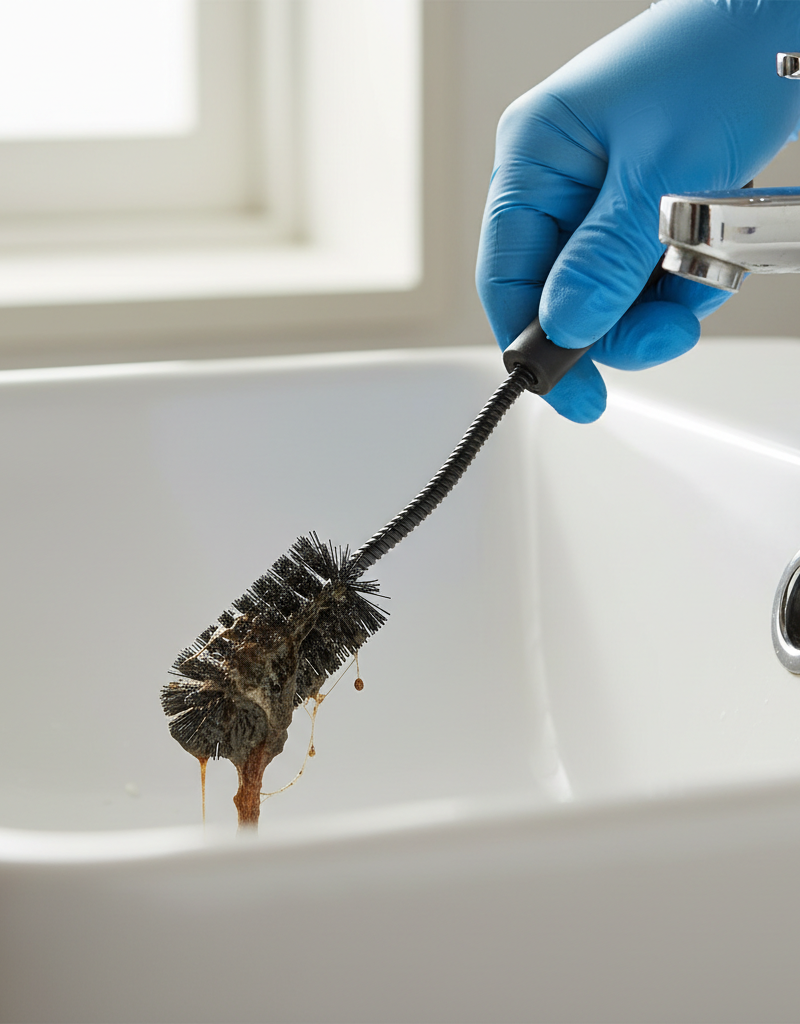
- Many bathroom sinks have an overflow hole near the top of the basin, designed to prevent flooding. This often-neglected area can also accumulate biofilm. To clean it, fill the sink with warm water (and a capful of white vinegar or a squirt of dish soap) up to the overflow hole. This allows the mixture to flow into the overflow channel and clean it. You can also use a small, flexible bottle brush to gently scrub inside the overflow opening, followed by a hot water rinse. If you have a small spray bottle, a mixture of water and vinegar can be sprayed into the overflow.
-
Check and Clean the P-trap (Advanced) – For persistent problems, a direct approach.
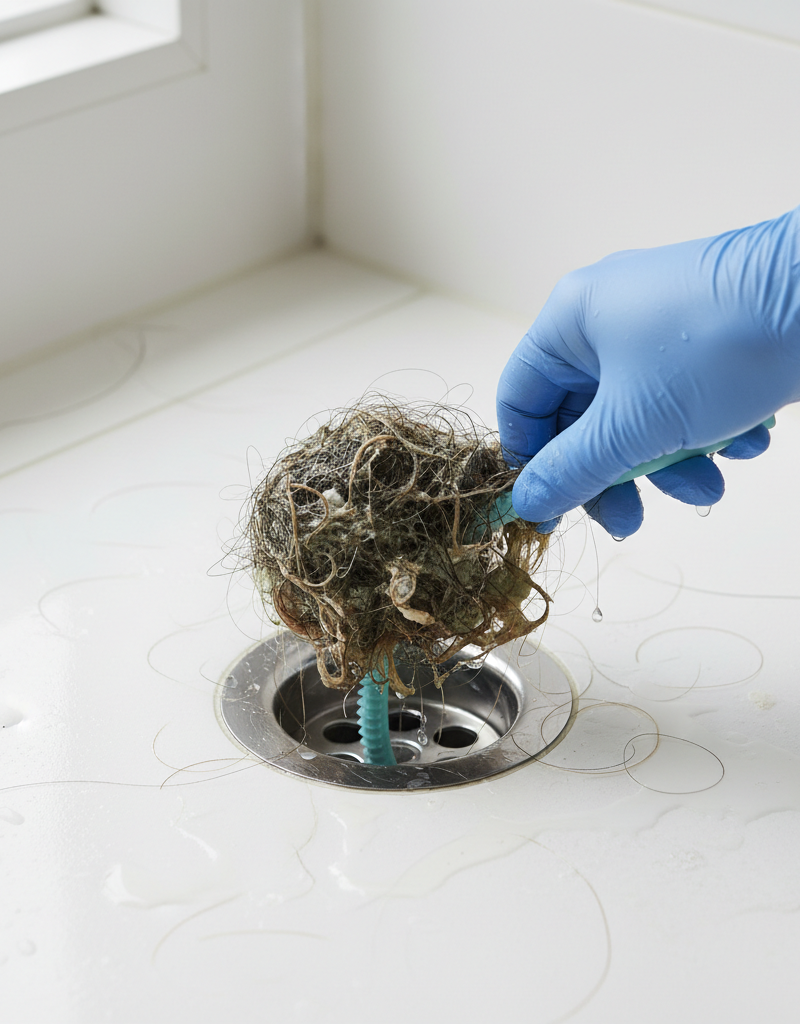
- If odors persist, the P-trap likely has a significant buildup of gunk that the flush method couldn't reach. Place a bucket directly under the P-trap to catch any water or debris. Using channel lock pliers or a basin wrench, carefully loosen the slip nuts on both sides of the P-trap. Remove the P-trap and use a scrub brush (like a bottle brush or old toothbrush) and hot, soapy water to thoroughly clean the inside. Remove all hair, slime, and debris. Reassemble the P-trap, hand-tightening the slip nuts, then give them a quarter-turn with pliers. Turn on the water slowly to check for leaks immediately. This step requires a bit more comfort with basic plumbing.
- If this doesn't work: Ensure all connections are secure. If leaks persist, disassemble and check the washers for damage or incorrect seating. You might need new rubber or plastic washers.
-
Address Dry P-traps (If Applicable) – The empty trap dilemma.
- If the smelly sink is in a guest bathroom or one used infrequently, the water in the P-trap may have evaporated, breaking the water seal. Simply run water down the drain for 30-60 seconds to refill the P-trap. This should immediately block sewer gases. Make it a habit to run water in rarely-used sinks once every few weeks.
-
Consider a Drain Cleaning Brush – A mechanical assist.
- For drains that frequently clog or smell, a flexible drain cleaning brush (also called a
Related Articles
Keep troubleshooting with these hand-picked guides from FixlyGuide:
- The 3 Hidden Reasons Your Bathroom Sink Stinks (And the 20-Minute Fix) — Uncover the surprising causes behind a foul-smelling bathroom sink drain and learn a simple, effective fix in just 20 minutes.
- The Nasty Truth: Your Bathroom Sink Smells Bad (And It's Not the Drainpipe) — A foul odor wafting from your bathroom sink often signals an issue beyond a simple clog, usually stemming from biofilm or a dry P-trap.
- The Nasty Truth About Your Smelly Bathroom Sink — And the 2-Ingredient Trick to Fix It — Uncover the hidden reasons behind that foul odor wafting from your bathroom sink drain and learn a simple, two-ingredient solution to banis…
- The Nasty Truth About Your Smelly Bathroom Sink: It's Not Always the Drain — Uncover the surprising culprits behind your stinky bathroom sink and learn how to banish those foul odors with simple, effective troublesho…
- The Nasty Truth: Is Your Bathroom Sink's Stink Coming From a Hidden Biofilm? — A persistent, foul odor from your bathroom sink drain often signals a hidden biofilm buildup, not just a simple clog, demanding specific cl…
- The Secret Culprit Behind Your Cold Shower (It's Not Always the Water Heater) — Uncover the surprising reasons your shower isn't delivering hot water, even if other fixtures are, and learn to fix them yourself.
What should this project cost?
Enter your project details for a realistic cost range before you call anyone.
Common repairs run $150–$650; repipes and water-heater replacements reach $1,500–$4,500.
- Regional adjustment
- National average
- Labor share (typical)
- ~$754
- Quotes to collect
- 3 written estimates
Educational estimate based on national averages — not a binding quote. Always confirm with written local estimates.
Fixly Project Decision Box
- DIY difficulty
- Moderate
- Estimated time
- 30 minutes – half a day
- Cost level
- Moderate
Main tools / materials
- Adjustable wrench
- Plunger or drain auger
- Bucket and towels
- Thread tape
When to stop and call a pro
- Water you cannot shut off at the fixture or main
- Sewage backing up into more than one fixture
- Water near electrical panels or outlets
- Gas water heater work beyond relighting a pilot
Need professional help?
Get a Licensed PlumberGet the print-ready PDF of this guide
A clean, ad-free, printable version you can keep on your phone or pin to the workshop wall. Free with a FixlyGuide account.
- Print-optimized layout
- Tools, materials & every step included
- Saved to your account
Frequently asked questions
Why does my bathroom sink drain smell like rotten eggs?+
The rotten egg smell (hydrogen sulfide) from your bathroom sink drain is typically caused by bacteria breaking down organic matter (like hair, soap scum, and skin cells) that has accumulated in the drainpipes, especially in the P-trap or around the stopper assembly. This creates a slimy biofilm that releases the gas.
Is it safe to pour baking soda and vinegar down the drain?+
Yes, pouring baking soda followed by white vinegar down your drain is a safe and effective DIY cleaning method for minor clogs and odors. The fizzing reaction helps to break down organic buildup. Always ensure good ventilation and never mix vinegar with bleach, as this creates dangerous chlorine gas.
How often should I clean my bathroom sink drain to prevent smells?+
To prevent recurring odors, you should clean your bathroom sink drain with hot water, baking soda, and vinegar approximately once a month. Regularly clearing hair from the stopper and flushing with hot water after use also helps slow buildup. For rarely used sinks, run water every few weeks to keep the P-trap full.
Discussion
Loading comments…