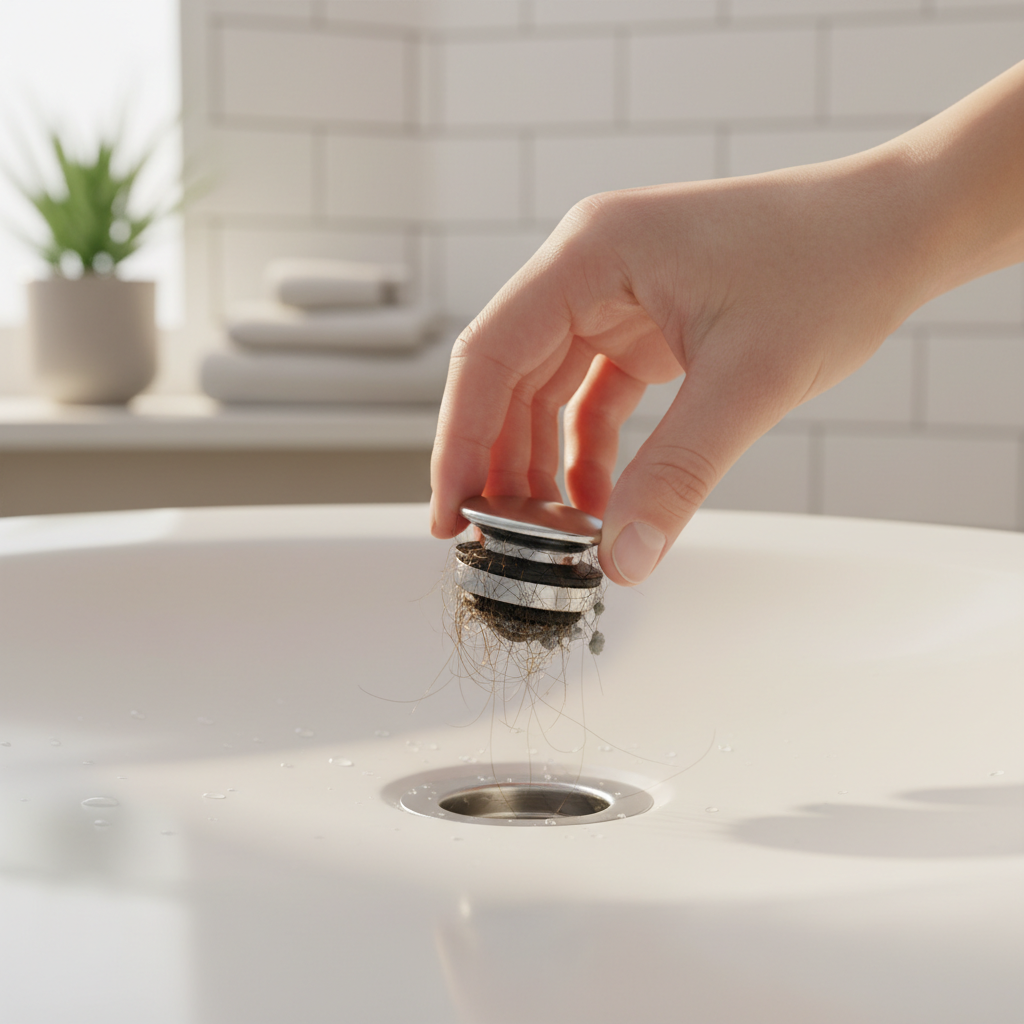
- Biological Buildup: The vast majority of odors come from biofilm (a slimy aggregation of bacteria), hair, soap scum, and toothpaste collecting on the surfaces of the P-trap and pop-up stopper.
- Food Particles (less common in bathrooms): Though less frequent than in kitchen sinks, tiny bits of organic matter can find their way down the drain and decompose.
- Dry P-Trap: If a sink isn't used often, the water in the P-trap can evaporate, allowing sewer gases to enter the home. This often presents as a strong, immediate sewer smell.
- Vent Pipe Issues: A clogged or improperly installed vent pipe can lead to negative pressure in the drain system, siphoning water from the P-trap and allowing sewer gases in. This is a more advanced plumbing problem.
- Mold and Mildew: Outside the drain, mold and mildew can grow in damp areas around the sink, base of the faucet, or weep holes in the overflow, contributing to a musty smell. Always check these external areas.
Plumbing · Leak
| Project category | Plumbing |
|---|---|
| Problem type | Leak |
| Trade required | Plumbing |
| Urgency | Emergency — act now |
| Safety risk | High safety risk |
| DIY suitability | DIY for experienced homeowners |
| Cost category | Low cost |
| Typical timeline | Shut water off now; repair usually same or next day |
| Contractor type | Licensed plumber |
Repair option
Isolate at the shutoff, replace the failed component, and dry the cavity fully.
Replacement option
Repipe the run or the branch when corrosion is widespread.
Common causes
- Failed supply line or shutoff valve
- Worn washers, cartridges, or P-trap connections
- Pinhole corrosion in older copper
Relevant tools:emergency checklistdiy or hire a pro
Published June 10, 2026Last updated August 17, 2026
Tools & materials you'll need
Affiliate linksAs an Amazon Associate FixlyGuide earns from qualifying purchases — at no extra cost to you. Prices and availability are accurate as of publication and subject to change.
Quick Answer
A smelly bathroom sink drain is usually a clear sign of biological growth and trapped debris within your drain system, particularly in the P-trap and around the pop-up stopper assembly. The pungent smell is due to anaerobic bacteria feeding on hair, soap scum, toothpaste, and skin cells. Fortunately, most of these issues can be resolved with simple DIY methods, including thorough cleaning of accessible parts and flushing the drain with effective solutions.
The Problem
That unpleasant rotten egg or mildew smell wafting from your bathroom sink isn't just annoying; it's a byproduct of bacterial colonies thriving in your drain. Every time you wash your hands, brush your teeth, or shave, a concoction of hair, skin flakes, soap residue, and toothpaste washes down the drain. Over time, this organic matter accumulates on the inside surfaces of your drainpipes, especially in the P-trap – the curved section designed to hold water and prevent sewer gases from entering your home. This dark, damp environment is a perfect breeding ground for bacteria. As these bacteria decompose the organic buildup, they release gases that create the foul odors you're experiencing. A less common but more serious issue could be a dry P-trap, allowing sewer gas to bypass the water seal, or a ventilation problem in your plumbing system.
How It Works
Your bathroom sink drain system is a marvel of simple engineering, designed to whisk wastewater away while preventing noxious sewer gases from entering your home. It begins with the drain opening, often fitted with a pop-up stopper that allows you to seal the basin. Beneath the sink, the tailpiece connects to the P-trap, a U-shaped pipe that always retains a small amount of water. This water acts as a physical barrier, creating a seal against sewer gases. After the P-trap, the drainpipe connects to the main house drain, which eventually leads to the sewer or septic system. Crucially, your plumbing system also has a vent stack, a pipe that extends through your roof. This vent allows air into the drainage system, preventing a vacuum from forming when water drains, which could otherwise siphon water out of the P-trap and break the sewer gas seal. When hair, soap scum, and other debris accumulate on the walls of the tailpiece, pop-up assembly, or the P-trap itself, it creates a hospitable environment for anaerobic bacteria. These bacteria feast on the organic matter, producing hydrogen sulfide gas – the culprit behind that distinct rotten-egg smell. If the P-trap dries out (due to infrequent use or a venting issue), its water seal is lost, allowing sewer gases to freely enter your bathroom.
Step-by-Step Fix
1. Clear the Pop-Up Stopper – Your first suspect for trapped gunk.
- How to: The pop-up stopper assembly is often the primary collection point for hair and grime. To remove it, lift the stopper in the open position. Look for a pivot rod extending from the drain tailpiece into the side of the stopper assembly. Unscrew the small nut holding the pivot rod in place (it’s usually under the sink, on the tailpiece). Gently pull the pivot rod out, and then you should be able to lift the stopper straight up and out of the drain. In some cases, stoppers simply unscrew directly from the top. Inspect the stopper and the drain opening for any accumulated hair, soap scum, or other debris. Use paper towels or an old toothbrush to thoroughly clean the stopper and the inside of the drain opening as far as you can reach.
- If this doesn't work: If the stopper is too stiff to remove, a small amount of penetrating oil might help, but be cautious not to force it. If it’s sealed beyond easy removal, proceed to the next steps and consider replacing the entire assembly if the smell persists.
2. Flush with Boiling Water – A simple, effective degreaser.
- How to: Carefully boil a large pot (about 1-2 gallons) of water. Slowly pour the boiling water directly down the drain. Allow it to sit for a few minutes. The hot water helps to melt away greasy buildup and kill some of the odor-causing bacteria. Repeat this step if necessary. For persistent odors, follow the boiling water with a good flush of hot tap water for several minutes.
- Safety Note: Always pour boiling water slowly and carefully to avoid splashes. Do not use boiling water if you have PVC pipes that are known to be old or damaged, as extreme heat can sometimes weaken them, though for typical household PVC, this is generally safe.
3. Baking Soda and Vinegar Attack – The classic effervescent clean.
- How to: Pour about ½ cup of baking soda down the drain, followed immediately by ½ cup of white distilled vinegar. You’ll hear a fizzing sound – this is the reaction breaking down organic matter. Let the mixture sit and work its magic for at least 30 minutes, or even better, overnight. After the waiting period, flush the drain thoroughly with hot tap water. For maximum effect, follow with boiling water as in Step 2.
- Tip: For stubborn clogs, you can use a funnel to ensure the baking soda gets deep into the drain.
4. Get Down to the P-Trap – When the smell is truly stubborn.
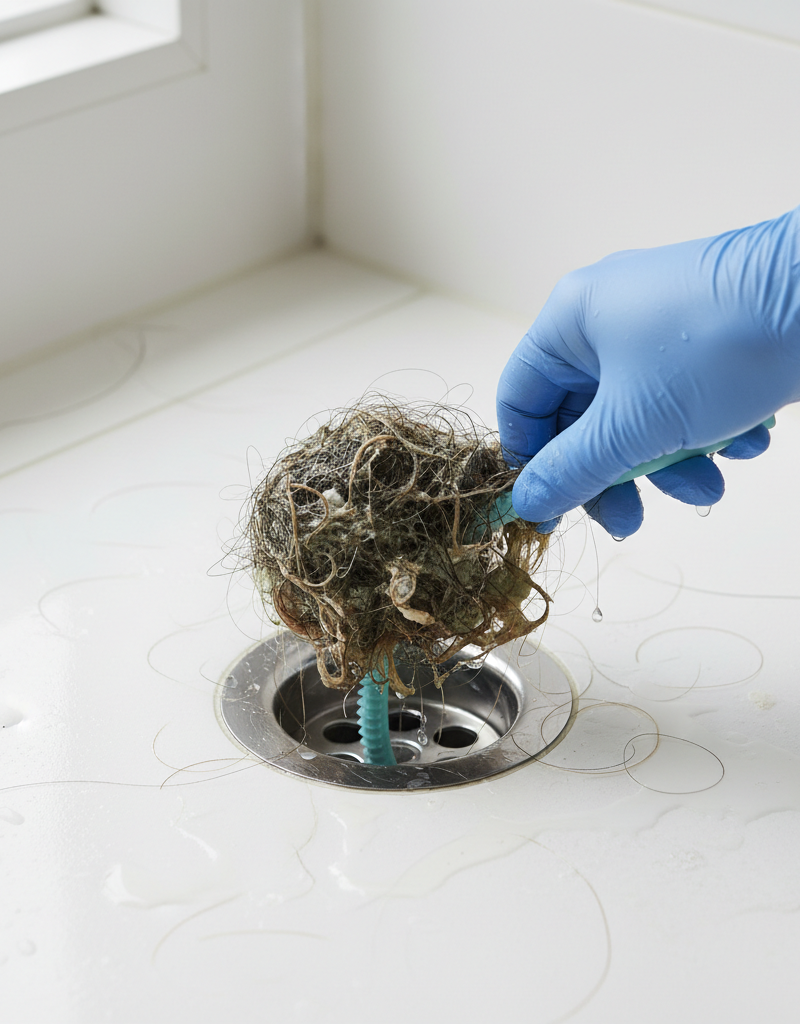
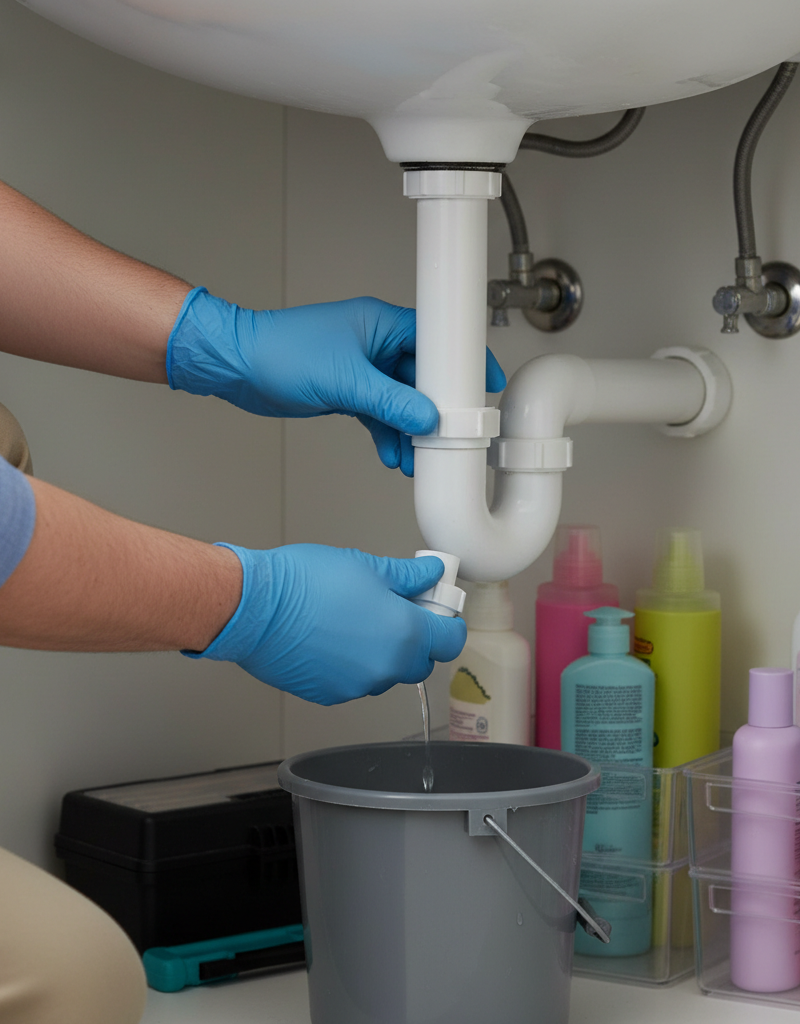
- How to: Place a bucket directly underneath the P-trap to catch any water and debris. Using adjustable pliers or a basin wrench, carefully loosen the slip nuts on both ends of the P-trap. These are usually plastic or brass. Once loosened, gently remove the P-trap. Be prepared for a small amount of water to spill out. Use an old brush, wire hanger (straightened out with a small hook at the end), or a drain cleaning brush to physically remove any hair, slime, and debris from inside the P-trap. Inspect the trap for cracks or significant corrosion. Reassemble the P-trap, hand-tightening the slip nuts first, then using pliers for a final snug tightening (don't overtighten, especially on plastic nuts). Run water to check for leaks.
- Tools: Bucket, adjustable pliers or basin wrench, old brush or wire hanger.
- Safety Note: Wear gloves. Be gentle with plastic pipes to avoid cracking them.
5. Check the Overflow Plate – A hidden breeding ground.
- How to: Many bathroom sinks have an overflow opening located near the top of the basin, designed to prevent flooding if the faucet is left running. This channel often gets overlooked during cleaning and can accumulate mold, mildew, and bacteria. With a small, stiff brush (like a bottle brush or a dedicated drain cleaning brush), spray some all-purpose cleaner or a bleach solution into the overflow opening and scrub as far as you can reach. Follow up by pouring hot water into the overflow.
6. Inspect for a Dry P-Trap – A less common, but important diagnostic.
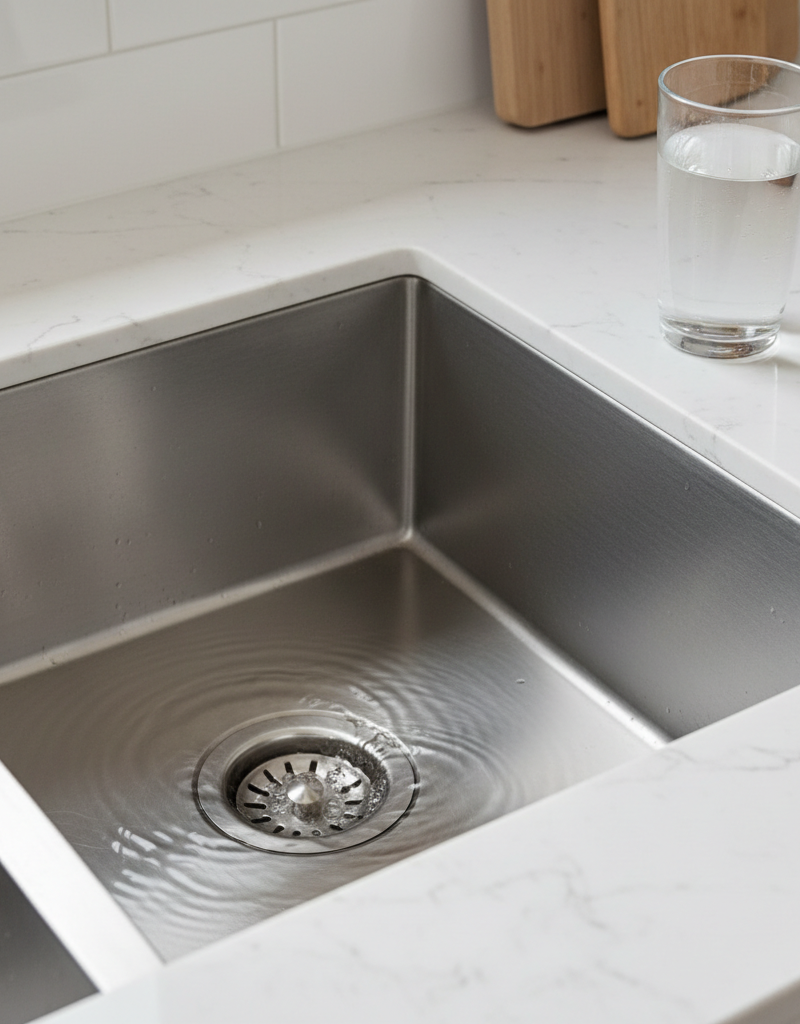
- How to: If your sink is rarely used, the water in the P-trap can evaporate, breaking the sewer gas seal. To check, simply run water in the sink for about 30 seconds. This will refill the P-trap. If the smell disappears after this, then infrequent use was likely the cause. To prevent this, make it a habit to run water in seldom-used sinks once a week.
- If the smell persists immediately after refilling: This suggests a more complex issue, possibly related to your plumbing vent system, and it's time to consider professional help.
Common Causes
- Biological Buildup: The vast majority of odors come from biofilm (a slimy aggregation of bacteria), hair, soap scum, and toothpaste collecting on the surfaces of the P-trap and pop-up stopper.
- Food Particles (less common in bathrooms): Though less frequent than in kitchen sinks, tiny bits of organic matter can find their way down the drain and decompose.
- Dry P-Trap: If a sink isn't used often, the water in the P-trap can evaporate, allowing sewer gases to enter the home. This often presents as a strong, immediate sewer smell.
- Vent Pipe Issues: A clogged or improperly installed vent pipe can lead to negative pressure in the drain system, siphoning water from the P-trap and allowing sewer gases in. This is a more advanced plumbing problem.
- Mold and Mildew: Outside the drain, mold and mildew can grow in damp areas around the sink, base of the faucet, or weep holes in the overflow, contributing to a musty smell. Always check these external areas.
Common Mistakes
- Pouring Harsh Chemicals: Many homeowners reach for aggressive chemical drain cleaners. These often contain strong acids or lye, which can damage pipes (especially older or PVC pipes), pose serious health risks if misused, and are often ineffective against biological film. They also harm the environment. Stick to natural solutions first.
- Ignoring the Pop-Up Stopper: Often, the most significant cause of the smell is easily accessible hair and grime on the pop-up stopper. Failing to clean this first means you're tackling the wrong part of the problem.
- Overtightening P-Trap Nuts: When reassembling the P-trap, overtightening plastic slip nuts can cause them to crack, leading to leaks down the road. Hand-tighten until snug, then give a quarter-turn with pliers.
- Not Using a Basin for P-Trap Removal: Removing the P-trap without a bucket underneath will result in a messy spill of stagnant water and debris onto your cabinet floor.
- Assuming a Clog is Always the Cause: While clogs contribute to buildup, the smell doesn't always indicate a full blockage. It's often the decomposition within minor buildup that's the culprit.
- Neglecting the Overflow Drain: The overflow channel is a perfect, damp, dark place for mold and bacteria to grow, contributing to an overall musty bathroom smell that often gets blamed on the main drain.
Cost & Time Breakdown
| Task | DIY cost | Pro cost | Time |
|---|---|---|---|
| Clean Pop-Up Stopper | $0 | $50–$100 | 5–10 minutes |
| Boil Water & Flush | $0 | $0 (part of service) | 10–15 minutes |
| Baking Soda & Vinegar | $2–$5 | $0 (part of service) | 30 min – overnight |
| Clean P-Trap | $0–$10 (supplies) | $100–$250 | 20–40 minutes |
| Check/Clean Overflow | $0–$5 | $0 (part of service) | 5–10 minutes |
| Diagnose Dry P-Trap | $0 | $0 (part of service) | 1 minute |
Tips & Prevention
- Regular Flushing: Flush your drains with hot water for a minute or two after heavy use. Once a week, pour boiling water down the drain to prevent buildup.
- Baking Soda & Vinegar Maintenance: Perform a baking soda and vinegar flush monthly to keep drains fresh and clear.
- Hair Catchers: Install mesh hair catchers in your sink drain to physically prevent hair and larger debris from entering the drain system. Clean these regularly.
- Clean the Pop-Up Stopper: Make it a habit to remove and clean your pop-up stopper every few months, even if you don't detect an odor.
- Run Seldom-Used Sinks: If you have a guest bathroom or utility sink that isn't used often, run water in it for 30 seconds once a week to ensure the P-trap remains full and prevents sewer gases from entering.
- Check for External Smells: Sometimes, the smell isn't from the drain itself but from mold growth under the sink, around the faucet base, or within the overflow channel of the sink basin. Keep these areas clean and dry.
When to Call a Professional
While many smelly drain issues are DIY solvable, there are specific instances when calling a licensed plumber is necessary. If you've diligently tried all the steps above – cleaning the pop-up, flushing with hot water, using baking soda and vinegar, and physically cleaning the P-trap – and the smell persists, especially if it's a strong, consistent sewer gas odor, it could indicate a more serious problem. This might include a compromised or improperly vented drain line, a cracked P-trap or drainpipe allowing gases to escape, or an issue with the main house ventilation system, which DIY efforts cannot address. Additionally, if you notice slow drainage or frequent recurring clogs alongside the smell, a professional can use specialized tools like drain snakes or cameras to diagnose and clear deeper blockages or structural issues within your plumbing system safely and effectively.
Related Articles
Keep troubleshooting with these hand-picked guides from FixlyGuide:
- The Nasty Truth About Your Smelly Bathroom Sink — And the 2-Ingredient Trick to Fix It — Uncover the hidden reasons behind that foul odor wafting from your bathroom sink drain and learn a simple, two-ingredient solution to banis…
- The Nasty Truth: Is Your Bathroom Sink's Stink Coming From a Hidden Biofilm? — A persistent, foul odor from your bathroom sink drain often signals a hidden biofilm buildup, not just a simple clog, demanding specific cl…
- The Nasty Truth: 3 Hidden Reasons Your Bathroom Sink Stinks (and the Easy Fix) — Unpleasant odors from your bathroom sink drain are often caused by common household culprits that are simple to identify and fix.
- The Nasty Truth: Your Bathroom Sink Smells Bad (And It's Not the Drainpipe) — A foul odor wafting from your bathroom sink often signals an issue beyond a simple clog, usually stemming from biofilm or a dry P-trap.
- The #1 Mistake Homeowners Make Unclogging a Shower Drain (and 5 Better Ways) — Learn the safest and most effective ways to clear a clogged shower drain using common household tools and avoiding harsh chemicals.
- The #1 Gutter Mistake You're Making (And 3 Hidden Causes of Overflow) — Overflowing gutters in heavy rain are often a sign of a deeper issue than just debris, leading to potential foundation damage and costly re…
Should you do this yourself?
Answer five quick questions before you start. Safety outranks savings every time.
Your experience with work like this
How high do you have to work?
Does the job involve any of these?
Will it need a permit?
Specialty tools
Free and instant. Educational guidance only — not a quote, inspection, or professional diagnosis.
What should this project cost?
Enter your project details for a realistic cost range before you call anyone.
Common repairs run $150–$650; repipes and water-heater replacements reach $1,500–$4,500.
- Regional adjustment
- National average
- Labor share (typical)
- ~$754
- Quotes to collect
- 3 written estimates
Educational estimate based on national averages — not a binding quote. Always confirm with written local estimates.
Fixly Project Decision Box
- DIY difficulty
- Moderate
- Estimated time
- 30 minutes – half a day
- Cost level
- Moderate
Main tools / materials
- Adjustable wrench
- Plunger or drain auger
- Bucket and towels
- Thread tape
When to stop and call a pro
- Water you cannot shut off at the fixture or main
- Sewage backing up into more than one fixture
- Water near electrical panels or outlets
- Gas water heater work beyond relighting a pilot
Need professional help?
Get a Licensed PlumberBefore you start
Check the difficulty, permits, and safety risk — then decide whether to call a pro.
- Estimate this projectGet a cost range for your scope and ZIP before you call anyone.Open
- Get local estimatesSend one request and compare written estimates from vetted pros.Open
Free, no signup required. Estimates are educational guidance, not a quote or an inspection.
Frequently asked questions
Why does my bathroom sink drain smell like rotten eggs?+
The rotten egg smell, often hydrogen sulfide gas, is typically produced by anaerobic bacteria decomposing hair, soap scum, and other organic matter trapped in your drain's P-trap or around the pop-up stopper.
Can a dry P-trap cause a drain to smell?+
Yes, if the water in your P-trap evaporates due to infrequent use, the water seal that prevents sewer gases from entering your home is broken, allowing foul odors to escape into your bathroom.
Are chemical drain cleaners safe for bad drain smells?+
Chemical drain cleaners are generally not recommended for odors. They can damage pipes, pose health risks, and often only provide a temporary fix while failing to address the underlying bacterial film that causes the smell. Natural solutions like baking soda and vinegar are safer and more effective for this issue.
How often should I clean my bathroom sink drain?+
For preventative maintenance, you should clean your pop-up stopper every few months and perform a baking soda and vinegar flush monthly. If you encounter odors, address them immediately with these cleaning methods.
What if the smell returns quickly after cleaning?+
If the smell quickly returns, it might indicate a more persistent blockage deeper in the drain, a problem with your plumbing vent system, or a dry P-trap. In such cases, or if you suspect sewer gas, it's best to consult a licensed plumber.
Discussion
Loading comments…