- Oily Soils: The primary cause is the accumulation of oils—from feet, pet fur, cooking vapors, and tracked-in asphalt or grease—that act as a dirt magnet.
- Foot Traffic Patterns: The issue is confined to predictable paths because we tend to walk in the same patterns day after day, concentrating the soil in these areas.
- Filtration Soiling: Sometimes, dark lines appear along the edges of a room or under doors. This is "filtration soiling," where air passing through gaps deposits microscopic dirt and soot onto the carpet.
- Abrasive Soil: Fine sand and grit act like sandpaper on carpet fibers. As people walk, these particles scratch and abrade the fibers, dulling their appearance and making them trap more dirt.
- Residue from Previous Cleanings: Using too much shampoo or using a low-quality detergent leaves behind a sticky residue that causes rapid re-soiling, contributing to the problem over time.
Published June 11, 2026Last updated August 17, 2026
Tools & materials you'll need
Affiliate links- AmazonHot Water Extractor1 · Also known as a carpet cleaner. Can be rented.
- AmazonPump or Trigger Sprayer1 · For applying the enzyme solution.
- AmazonSoft-Bristled Carpet Brush1 · For agitating the fibers without causing damage.
- AmazonVacuum Cleaner1 · A model with a beater bar is essential.
- AmazonFloor Fans1-2 · To speed up drying time.
- AmazonConcentrated Enzyme Cleaner16-32 oz bottle · Ensure it contains lipase and is rated for carpets.
- AmazonClean White Towels2-3 · Used to cover the area during dwell time.
- AmazonLow-Foam Carpet Rinse1 bottle · Optional, but helps prevent residue.
- AmazonGloves1 pair · Nitrile or rubber gloves to protect hands.
As an Amazon Associate FixlyGuide earns from qualifying purchases — at no extra cost to you. Prices and availability are accurate as of publication and subject to change.
Quick Answer
Those persistent dark traffic lanes in your carpet are caused by an accumulation of oily residue from skin, pets, and outdoor pollution that binds to the carpet fibers. Regular carpet shampoos can't break down these oils, so the "dark" areas are actually just dirt sticking to a greasy patch. A targeted enzyme soak is the only way to effectively dissolve this greasy buildup, releasing the trapped dirt and finally allowing your carpet to come clean.
The Problem
You’ve tried everything. You’ve vacuumed until your arm ached. You’ve rented those supermarket carpet cleaners, gone over the same spot a dozen times, and even scrubbed on your hands and knees with every "high-traffic" carpet foam on the market. Yet, no matter what you do, that ghostly, dark-gray path remains etched into your carpet, snaking its way from the doorway, around the sofa, and down the hall. It’s the ghost of a thousand footsteps, and it’s haunting your living room.
This isn’t just your imagination, and you’re not a bad housekeeper. These "traffic lanes," also known as "oxidation stains," are one of the most stubborn and misunderstood problems in carpet care. They appear dull, gray, or almost black compared to the surrounding carpet, and they seem to defy all conventional cleaning methods. The color difference can be so stark it makes an otherwise beautiful carpet look old, dirty, and worn out, even if it’s only a few years old. The frustration mounts when, after a deep cleaning, the rest of the carpet looks fantastic—bright, fluffy, and renewed—making the traffic lane appear even more prominent by contrast. It’s a cleaning battle you feel like you can never win.
How It Works
The reason those dark traffic lanes won’t lift with regular cleaning is that you’re fighting the wrong battle. The problem isn’t just dirt; it’s oil. Over time, a sticky, greasy residue builds up in high-traffic areas. This residue is a cocktail of body oils from bare feet, pet dander and fur oils, cooking grease that has become airborne and settled, and asphalt and automotive oils tracked in from outside on the soles of our shoes. This oily film tenaciously coats the carpet fibers.
Standard carpet cleaning shampoos are detergents, excellent at removing water-soluble dirt. However, they are largely ineffective against these deeply bonded, oily lipids. When you use a regular carpet cleaner, you might remove the surface layer of loose dirt, but the underlying oily film remains. As soon as the carpet dries, this sticky patch immediately begins attracting new dirt particles from the air and from foot traffic, and the dark lane reappears with frustrating speed. It’s a vicious cycle. The "darkness" you see isn't the color of the dirt itself, but the way the oily, dirt-covered fibers absorb light rather than reflecting it.
This is where an enzyme soak becomes your secret weapon. Enzymes are biological catalysts, proteins that are designed to target and break down specific types of organic molecules. In the case of carpet cleaning, enzyme-based cleaners contain a blend of proteases (which break down proteins), lipases (which break down fats and oils), and amylases (which break down starches). When applied to the traffic lane, the lipase enzymes specifically go to work on the greasy, oily residue binding the dirt to your carpet. They act like microscopic scissors, snipping the large, complex oil molecules into smaller, more water-soluble pieces. This process effectively liquefies the sticky binder, releasing its grip on both the dirt particles and the carpet fibers. Once the enzymes have done their job, the now-loosened soil and degraded oils can be easily flushed out and extracted with a standard hot water carpet cleaner, revealing the clean, oil-free fibers underneath.
Step-by-Step Fix
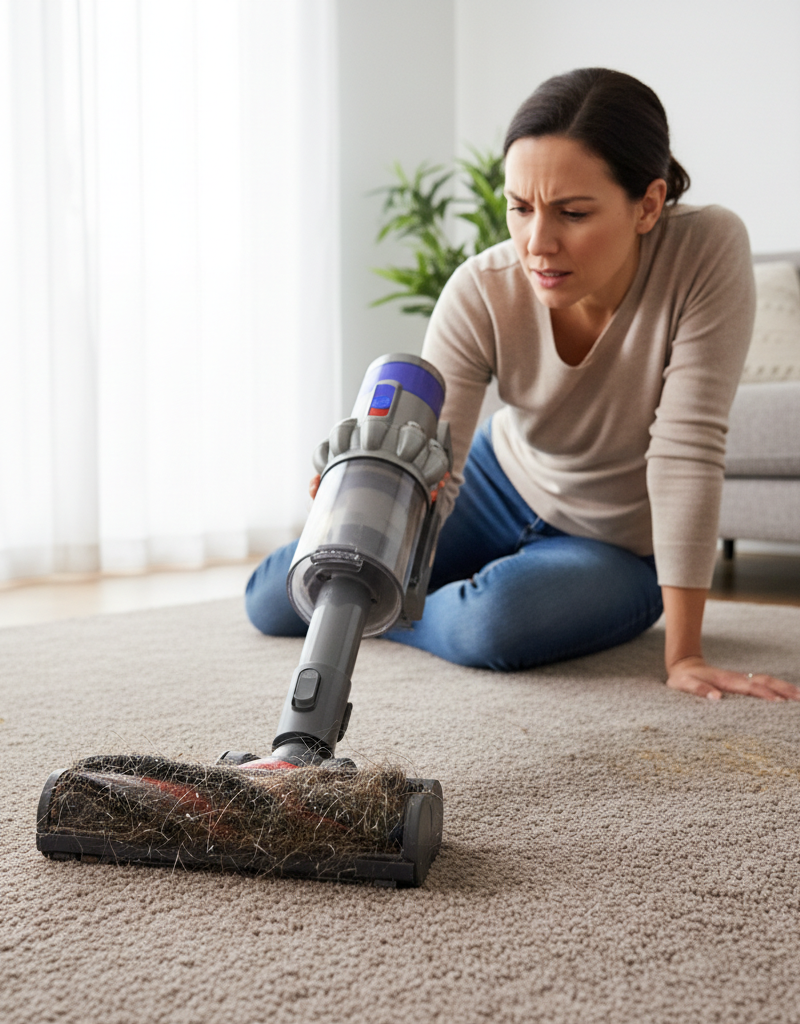
1. First, a Thorough Vacuum — Before introducing any moisture, you must remove all possible dry soil. Use a vacuum cleaner with a beater bar or rotating brush. Go over the entire traffic lane area slowly from multiple directions (north-south and east-west). This agitates the pile and lifts out deeply embedded grit, dust, and hair that would otherwise turn into mud once you add water, making your job harder.
2. Choose Your Enzyme Cleaner — Purchase a concentrated enzyme cleaner specifically designed for carpets and upholstery. These are often labeled as "pet stain and odor removers" or "enzyme pre-sprays." Look for a product containing lipase enzymes for this particular job. Avoid all-in-one shampoo-and-enzyme products; you need a dedicated pre-treatment spray for maximum effect.
3. Mix Your Solution — Following the manufacturer's instructions precisely, mix the enzyme concentrate with warm (not hot) water in a clean spray bottle. Hot water can denature and deactivate the enzymes, rendering them useless. A typical ratio is between 4 to 8 ounces of concentrate per gallon of water. For a small area, you can mix a smaller batch (e.g., 1-2 ounces in a 32-ounce spray bottle).
4. Apply the Enzyme Soak — Liberally spray the enzyme solution directly onto the dark traffic lane. The goal is to dampen the carpet fibers thoroughly, but not soak the carpet backing and pad, which can lead to mold and damage the subfloor. The fibers should feel wet to the touch. Pay special attention to the darkest areas.
5. Agitate the Area — Use a soft-bristled carpet brush or a grooming rake to gently work the enzyme solution deep into the carpet pile. Move the brush in gentle, circular motions. This step is crucial as it ensures the enzymes make contact with the oily residues coating the fibers from top to bottom, not just on the surface.
6. Let It Dwell — This is the most important step. Enzymes need time to work their magic. Cover the treated area with clean, damp, white towels to prevent the solution from evaporating. Let the solution dwell for a minimum of 30 minutes, but for heavily soiled lanes, a dwell time of 60-90 minutes is more effective. Do not let the area dry out during this time; you can lightly mist it again if needed.
7. Prepare for Extraction — While the enzymes are dwelling, prepare your hot water extraction machine (carpet cleaner). Fill the clean water tank with hot tap water and the recommended amount of a low-foaming, pH-neutral carpet rinse or shampoo. Using a pure water rinse is often best to ensure no detergent residue is left behind.
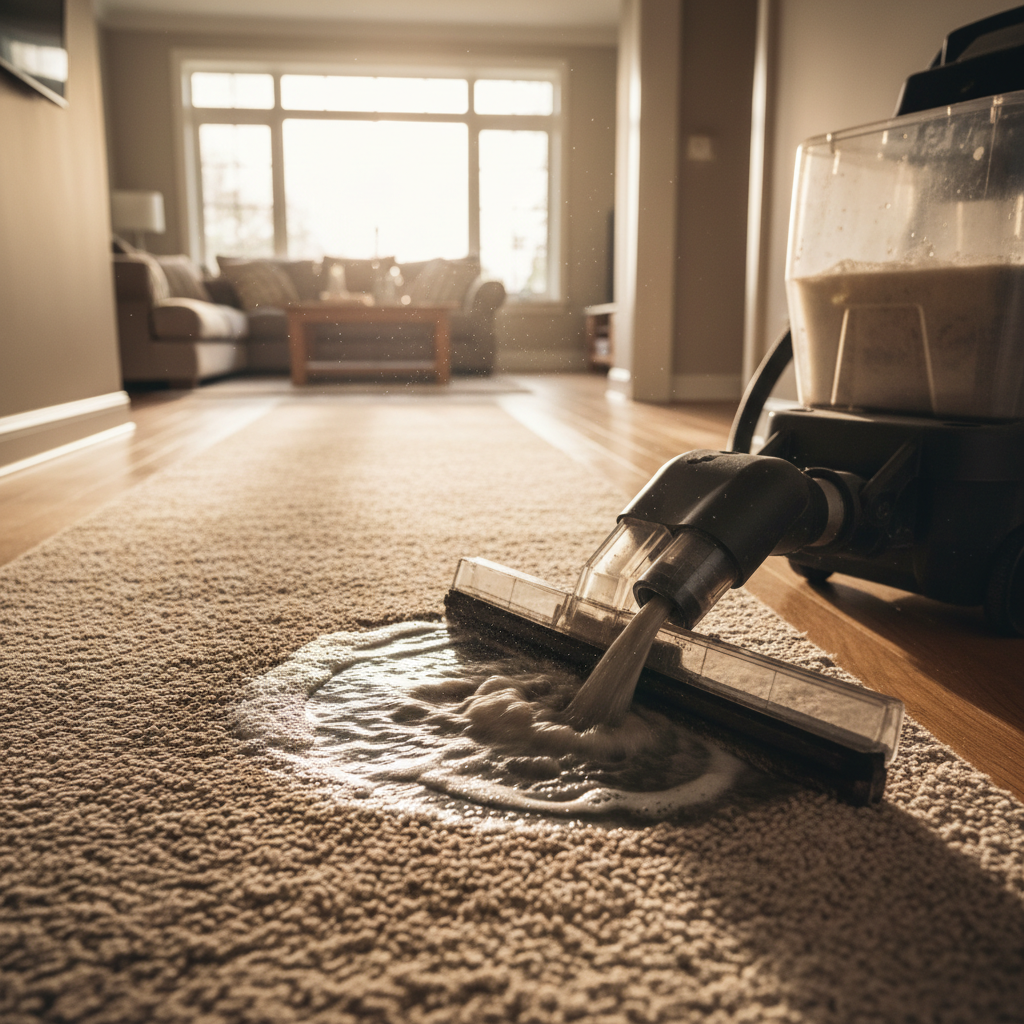
8. Extract the Soil and Residue — Once the dwell time is complete, begin cleaning the area with the hot water extractor. Work slowly, making one wet pass (depressing the spray trigger) followed by two dry passes (no spray) to suck up as much water as possible. The water you extract should look dirty and gray—this is the sign that the enzymes have successfully loosened the soil and oils.
9. Post-Groom the Carpet — After extraction, the carpet fibers in the cleaned area will be flattened. Use your carpet brush or grooming rake to gently brush the pile all in the same direction. This helps the carpet dry faster, prevents matting, and ensures a uniform, finished appearance once dry.
10. Ensure Proper Drying — Proper ventilation is key to a successful cleaning. Place floor fans blowing directly across the cleaned area and open windows or turn on your HVAC system fan to promote air circulation. The carpet should be completely dry a BIST an 8 to 12 hours. Do not walk on the damp carpet if possible.
Safety Note: Always test any cleaning solution on an inconspicuous area of the carpet (like inside a closet) to check for colorfastness. Wear gloves to protect your skin, and ensure adequate ventilation when working with cleaning solutions. Never mix different cleaning chemicals, especially those containing bleach or ammonia.
Common Causes
- Oily Soils: The primary cause is the accumulation of oils—from feet, pet fur, cooking vapors, and tracked-in asphalt or grease—that act as a dirt magnet.
- Foot Traffic Patterns: The issue is confined to predictable paths because we tend to walk in the same patterns day after day, concentrating the soil in these areas.
- Filtration Soiling: Sometimes, dark lines appear along the edges of a room or under doors. This is "filtration soiling," where air passing through gaps deposits microscopic dirt and soot onto the carpet.
- Abrasive Soil: Fine sand and grit act like sandpaper on carpet fibers. As people walk, these particles scratch and abrade the fibers, dulling their appearance and making them trap more dirt.
- Residue from Previous Cleanings: Using too much shampoo or using a low-quality detergent leaves behind a sticky residue that causes rapid re-soiling, contributing to the problem over time.
Common Mistakes
- Scrubbing Too Hard: Aggressively scrubbing a carpet with a stiff brush can permanently damage the carpet fibers, causing them to fray and look fuzzy. This damaged area will actually trap dirt more easily in the future.
- Using Too Much Shampoo: More is not better. Over-saturating the carpet with detergent leaves a sticky residue that becomes a dirt magnet, making the traffic lane reappear faster and darker than before.
- Not Allowing for Dwell Time: Spraying on the enzyme cleaner and immediately extracting it is a waste of time and money. The enzymes need a minimum of 30 minutes to break down the oils; skipping this "dwell time" means the core problem isn't being addressed.
- Using Hot Water with Enzymes: Mixing concentrated enzymes with very hot water from the tap or a kettle can "cook" them, destroying their effectiveness before they even touch the carpet.
- Soaking the Carpet Pad: Applying so much liquid that it soaks through the carpet backing and into the pad creates a risk for mold, mildew, and can even delaminate the carpet backing, ruining the carpet.
- Not Vacuuming First: Skipping the initial dry vacuuming step embeds sharp, dry soil into the fibers when they get wet, turning it into abrasive mud and making the cleaning process less effective.
Cost & Time Breakdown
| Task | DIY Cost | Pro Cost | Time |
|---|---|---|---|
| Initial Vacuuming | $0 (own vacuum) | Included | 15-20 minutes |
| Enzyme Pre-treatment | $15 - $25 (for a bottle of concentrate) | Included in deep clean price | 10 mins application + 60 mins dwell |
| Hot Water Extraction | $40 - $60 (machine rental) + $15 (rinse) | $0.25 - $0.50 per sq. ft. | 30-45 minutes per 100 sq. ft. |
| Post-Grooming & Drying setup | $0 | Included | 10 minutes |
| Total | $55 - $100 | $75 - $150 (for a typical room) | 2.5 - 3 hours (plus drying) |
Tips & Prevention
- Use Walk-Off Mats: Place high-quality mats both outside and inside every entrance to your home. A coarse mat outside scrapes off large debris, while an absorbent mat inside traps finer dirt and moisture.
- No Shoes in the House: The single most effective way to prevent traffic lanes is to adopt a strict no-shoes policy. Keep slippers or house shoes near the door for family and guests.
- Increase Vacuuming Frequency: Vacuum high-traffic areas 2-3 times a week, and the entire carpeted area at least once a week. Slow, deliberate passes are more effective than quick ones.
- Rotate Furniture: Periodically rearrange your furniture to alter the natural foot traffic paths across the carpet, distributing the wear more evenly.
- Apply Carpet Protector: After a deep cleaning, consider having a professional apply a carpet protector (like Scotchgard). This coating helps repel oils and makes dirt easier to vacuum up, extending the time between deep cleanings.
- Address Spills Immediately: Clean up spills as soon as they happen to prevent them from setting and attracting more dirt.
When to Call a Professional
While this enzyme soak method is highly effective, there are times when calling in a certified carpet cleaning professional is the better choice. If the traffic lane is extremely dark and has been present for several years, the soiling may be so deeply embedded that professional-grade equipment and chemistry are needed. Professionals use truck-mounted hot water extraction systems that operate at much higher temperatures and have significantly more powerful suction than rental units, allowing for a deeper clean and faster drying times. They can also accurately identify your carpet's fiber type (nylon, polyester, wool) and select the perfect combination of pre-sprays and rinsing agents to be both safe and effective.
Furthermore, if you’re dealing with filtration soiling along baseboards or under doorways, or if you suspect the issue might be color loss from sun-fading or chemical reactions rather than just soil, a pro is your best bet. A certified technician can diagnose these complex issues and save you from potentially making them worse. If you’ve tried the DIY method and see little improvement, it’s a sign that the problem requires a higher level of intervention.
What should this project cost?
Enter your project details for a realistic cost range before you call anyone.
Cost depends heavily on which system turns out to be the source.
- Regional adjustment
- National average
- Labor share (typical)
- ~$1,620
- Quotes to collect
- 3 written estimates
Educational estimate based on national averages — not a binding quote. Always confirm with written local estimates.
Frequently asked questions
Can I use a steam cleaner for this?+
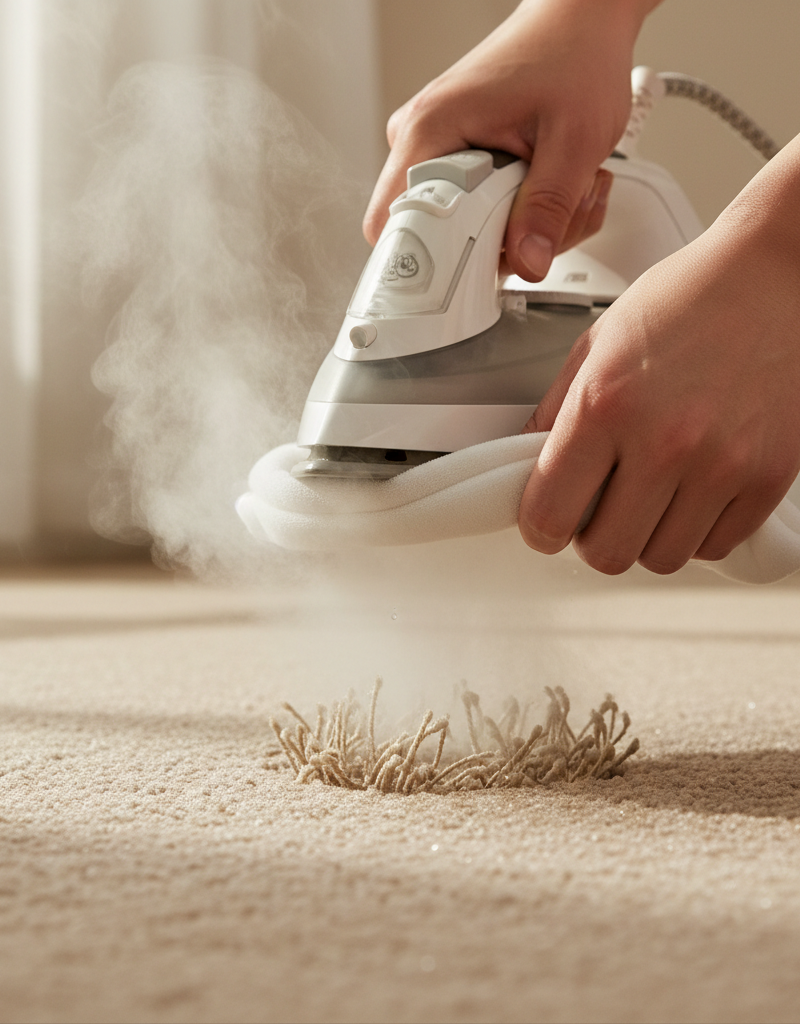
The term "steam cleaner" is often used for hot water extractors. True steam cleaners are not recommended for most carpets as the high heat can damage fibers and set stains. A hot water extractor is the correct tool for this job.
How often should I do an enzyme soak?+
You should only need to perform a deep enzyme soak on traffic lanes once or twice a year. For maintenance, regular vacuuming and cleaning up spills promptly is more important.
Will this work on wool carpets?+
You must be very careful with wool carpets. Only use an enzyme cleaner that is specifically labeled as "wool-safe." High pH cleaners and excessive heat can damage wool fibers. When in doubt, call a professional for wool carpets.
What if the dark lane comes back quickly?+
If the traffic lane reappears within a few weeks, it's likely due to a sticky residue left behind. This could be from not rinsing thoroughly enough or from using a poor-quality detergent. A professional cleaning with a pH-balancing fiber rinse may be needed to correct the problem.
Can I just mix enzymes into my carpet shampoo?+
It is not recommended. For this problem, you need to apply the enzymes as a pre-treatment and let them dwell to break down the oils *before* you rinse them away. Mixing them into the shampoo doesn't provide the necessary contact time.

Discussion
Loading comments…