- Vacuum Cleaner: One with an adjustable beater bar height and good suction.
- Large Waterproof Tarp or Plastic Sheeting: To protect your floor.
- OxiClean Versatile Stain Remover: The core of the cleaning solution. (1 scoop per gallon of hot water)
- Folex Instant Carpet Spot Remover: For pre-treating specific stains.
- Empty Spray Bottles (2): One for the cleaning solution, one for plain water for rinsing.
Published June 3, 2026Last updated August 17, 2026
Tools & materials you'll need
Affiliate linksAs an Amazon Associate FixlyGuide earns from qualifying purchases — at no extra cost to you. Prices and availability are accurate as of publication and subject to change.
Quick Answer
To deep clean a high-pile rug at home, first vacuum both sides thoroughly to remove loose debris. Spot-treat stains with a dedicated cleaner like Folex. Create a cleaning solution with OxiClean and water, lightly mist the rug, and gently agitate with a soft brush. Blot the entire rug with clean, damp microfiber towels to lift dirt and cleaning solution, then use dry towels to absorb excess moisture before letting it air dry completely.
Why This Works
High-pile or "shag" rugs are magnets for dust, pet dander, crumbs, and oily soils. Their long, plush fibers create a massive surface area where dirt can become physically and electrostatically trapped deep within the pile, far from the reach of a casual vacuuming. Cleaning them effectively without a powerful hot water extractor requires a multi-faceted approach that leverages basic surface chemistry and mechanical action.
This method is built on a few core principles:
-
Dry Particulate Removal: The overwhelming majority of dirt in a rug (up to 80%) is dry, abrasive soil. The first, most critical step is an exhaustive vacuuming of both the front and back of the rug. Vacuuming the back of the rug with the beater bar engaged vibrates the rug's foundation (the weft), dislodging deeply embedded grit and forcing it out of the pile onto the floor beneath for easy cleanup. This prevents you from turning dry dirt into mud later.
-
Targeted Stain Chemistry: Not all stains are created equal. For general water-based spills and everyday grime, a non-ionic surfactant-based cleaner like Folex is ideal. Surfactants have a water-loving (hydrophilic) head and an oil-loving (hydrophobic) tail. The tail attaches to the greasy, oily part of the stain, surrounding it to form a micelle, which is then easily lifted away with water during the blotting process. For organic stains like pet accidents, coffee, or wine, an oxygenating cleaner like OxiClean is superior. When mixed with water, its active ingredient, sodium percarbonate, breaks down into hydrogen peroxide and sodium carbonate (soda ash). The hydrogen peroxide works as a gentle oxidizing bleach, breaking the chemical bonds of the stain's chromophores (the part of the molecule that gives it color), rendering them colorless. The bubbling action also helps lift the stain particles from the fibers.
-
Controlled Moisture & Dwell Time: Oversaturation is the enemy. Soaking a high-pile rug can damage the latex backing, promote mildew growth in the dense padding, and cause browning or water stains. This method uses a fine mist of cleaning solution—just enough to dampen the fibers, not the backing. This allows the cleaning agents to work (a concept called "dwell time," typically 5-10 minutes) without waterlogging the rug's foundation. Gentle agitation with a soft brush further works the surfactants into the soil without damaging the delicate rug fibers through harsh scrubbing.
-
Mechanical Lifting & Rinsing: The "rinsing" phase is performed not by flooding the rug, but by blotting with clean, damp microfiber towels. Microfiber has a massive surface area and a slight positive charge, which attracts negatively charged dirt and cleaner residue. This blotting action, combined with capillary action, wicks the dissolved soil and cleaning solution up and out of the rug pile. Following up with dry towels is crucial for absorbing the maximum amount of remaining moisture, dramatically speeding up drying time and preventing mildew.
What You Need
- Vacuum Cleaner: One with an adjustable beater bar height and good suction.
- Large Waterproof Tarp or Plastic Sheeting: To protect your floor.
- OxiClean Versatile Stain Remover: The core of the cleaning solution. (1 scoop per gallon of hot water)
- Folex Instant Carpet Spot Remover: For pre-treating specific stains.
- Empty Spray Bottles (2): One for the cleaning solution, one for plain water for rinsing.
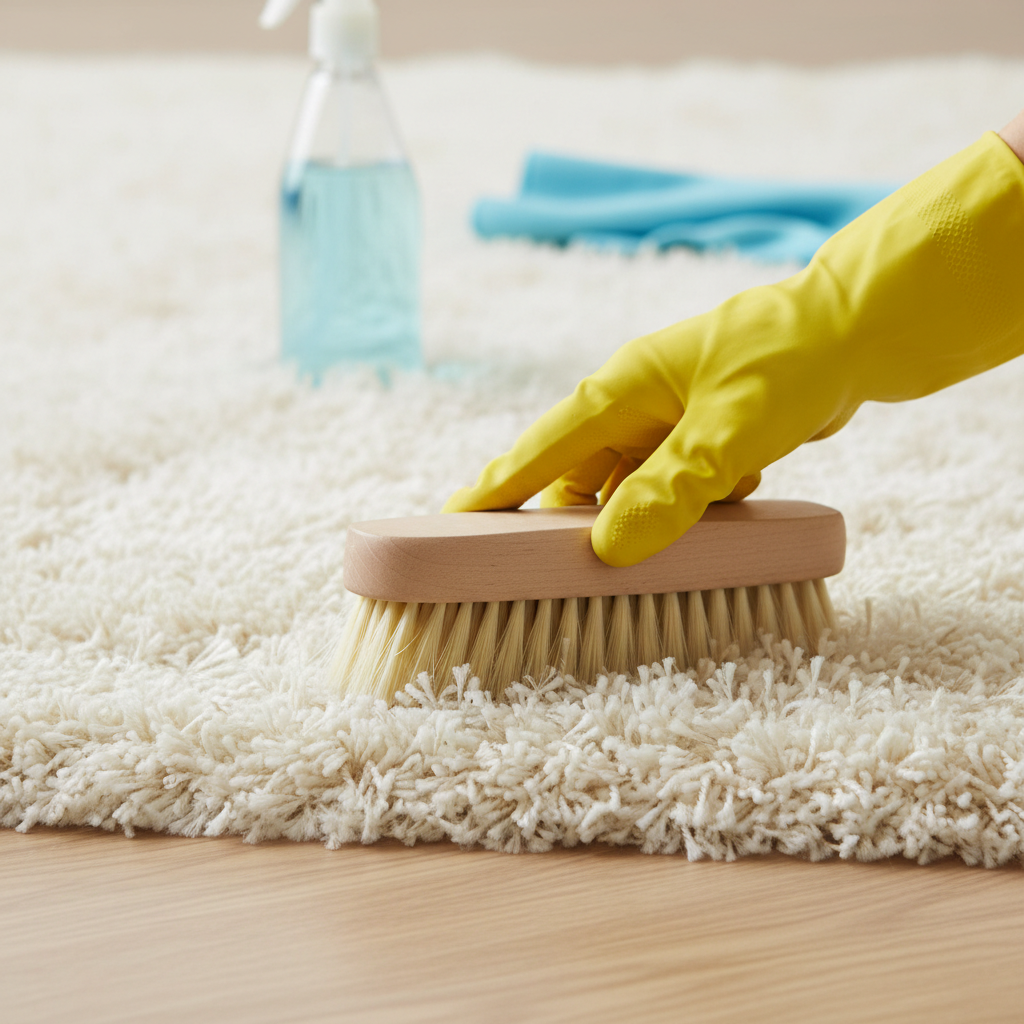
- Soft-Bristled Brush: A horsehair upholstery brush or a dedicated carpet brush is ideal. Avoid stiff nylon bristles.
- Microfiber Towels: At least 5-10 clean, absorbent towels.
- White Cotton Towels or Terry Cloths: For moisture absorption.
- Bucket: For mixing your cleaning solution.
- Box Fan and/or Dehumidifier: To speed up the drying process.
- Protective Gloves: To protect your hands from cleaning solutions.
Step-by-Step Method
-
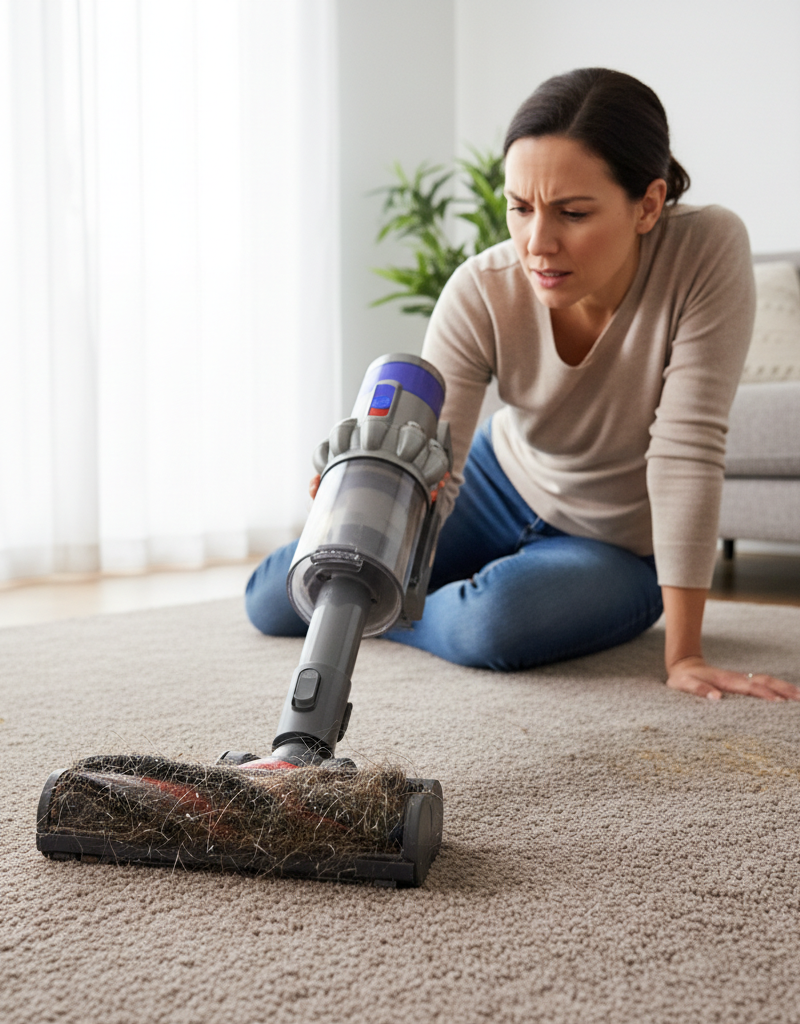
Thorough Dry Soil Removal — First, take the rug outside and give it a good shake. Then, lay it flat on a clean floor. Vacuum the entire top surface slowly, making multiple passes in different directions. If your vacuum has a height adjustment, set it to the highest pile setting. Next, flip the rug over completely. On the back side, lower your vacuum's beater bar to a lower setting and vacuum the entire backing. This vibrates the rug and dislodges a surprising amount of deeply embedded grit onto the floor below. Flip the rug back over and vacuum the pile one last time to pick up the newly loosened dirt.
-
Set Up Your Cleaning Station — Lay down a large waterproof tarp on a hard, flat surface where the rug can remain undisturbed for 24-48 hours. Place the rug on top of the tarp. This protects your floors (especially hardwood or laminate) from any moisture that might seep through.
-
Perform a Spot Test — Mix a small amount of your OxiClean solution in a cup. Apply a tiny amount to an inconspicuous corner of the rug, like an area that will be under a sofa. Let it sit for 10 minutes, then blot it with a white cloth. Check the cloth for any color transfer and inspect the rug fibers for any changes in texture or color. If you see any bleeding or damage, stop and consult a professional. Do the same with Folex on a different spot.
-
Pre-Treat Visible Stains — Address any specific spots before cleaning the entire rug. Lightly spray Folex directly onto a stain. Do not saturate. Gently agitate the area with your finger or a soft brush, working from the outside of the stain inward to prevent spreading. Let it sit for 5 minutes. Then, take a clean, damp microfiber cloth and blot the area firmly, pressing down to absorb the stain and the cleaner. Repeat if necessary.
-
Mix and Apply the Cleaning Solution — In your bucket, dissolve one full scoop of OxiClean Versatile Stain Remover into one gallon of hot water (not boiling). Stir until the powder is fully dissolved. Let the solution cool to lukewarm, then pour it into a clean spray bottle. Working in a 3x3 foot section, lightly mist the rug fibers. The goal is to make the fibers damp, not to wet the backing. The pile should feel slightly damp to the touch, not squishy.
-
Gentle Agitation and Dwell Time — After misting a section, take your soft-bristled brush and gently brush the fibers in all directions (up, down, left, right). This action works the oxygenating cleaner deep into the pile, breaking the physical bonds between dirt and fiber. Let the solution dwell for about 10 minutes. During this time, the hydrogen peroxide is actively working to break down stains and neutralize odors.
-
Blot and "Rinse" — Fill a second spray bottle with plain, cool water. Lightly mist the section you just cleaned with the plain water. Immediately follow by taking a clean, damp microfiber towel, folding it into a square, and pressing down firmly on the rug. You will see dirt transfer to the towel. Refold the towel to a clean side and continue blotting until you no longer see dirt transferring. This step effectively "rinses" the cleaning solution and the loosened soil out of the fibers.
-
Absorb All Excess Moisture — Once a section is blotted and rinsed, take a dry, thick white cotton or terry cloth towel. Lay it over the cleaned area and press down with significant body weight—you can even walk or stand on the towel. This will pull a remarkable amount of water out of the pile. Use fresh, dry towels as they become saturated. Work your way across the entire rug, repeating steps 5 through 8 for each section.
-
Groom the Pile — After the entire rug has been cleaned and blotted, the pile will likely be matted down and pointing in different directions. Take your clean, dry, soft-bristled brush and gently groom all the fibers in a single, uniform direction. This helps the rug dry without matting and restores its plush, fluffy appearance.
-
Promote Fast, Even Drying — This is a critical final step. Position box fans to blow air across the surface of the rug—not directly down at it. If you have a dehumidifier, place it in the room and turn it on high. Proper airflow is the single most important factor in preventing mildew. The rug must be allowed to dry completely, which can take 24 to 48 hours depending on the humidity and thickness of your rug. Do not walk on it during this time.
-
Final Fluffing Vacuum — Once you are absolutely certain the rug is 100% dry (feel deep within the pile and at the base), give it one last slow, gentle vacuuming. This will help lift and separate the fibers, restoring that soft, high-pile shag texture.
Common Mistakes
- Oversaturating the Rug: Soaking the rug is the most common and damaging mistake. It leads to mildew, damages the latex backing, and can cause the natural fibers in the foundation to bleed, resulting in yellowing or browning.
- Scrubbing, Not Brushing: Using a stiff brush or scrubbing aggressively will untwist and fray the yarn of the rug, permanently damaging the texture and leading to a fuzzy, worn appearance.
- Using the Wrong Cleaner: Never use high-pH cleaners, bleach, or ammonia on wool or natural fiber rugs. These can strip the natural lanolin from wool, making it brittle, or even dissolve the fibers. Always stick to pH-neutral or oxygen-based cleaners after a spot test.
- Forgetting to Rinse: Skipping the damp-towel blotting step leaves behind a sticky soap residue. This residue acts like a dirt magnet, causing the rug to get dirty again much faster.
- Not Testing First: Every rug's dye is different. Skipping a 10-minute colorfastness test in a hidden spot can lead to irreversible color bleeding and ruin the entire rug.
- Mixing Cleaning Chemicals: NEVER mix cleaning products, especially bleach and ammonia or bleach and acid (like vinegar). This method uses one primary cleaner (OxiClean) and a spot treater (Folex) at different times. Mixing chemicals can create toxic gases or cause dangerous reactions.
Cost & Time Breakdown
| Task | DIY Cost Estimate | Professional Cost Estimate | Time Required (DIY) |
|---|---|---|---|
| Supplies Acquisition | $30 - $50 (OxiClean, Folex, brush) | N/A | 30 minutes |
| Rug Cleaning (8'x10') | Included in supply cost | $150 - $300 (In-home) | 2-3 hours active work |
| Drying Time | $0 (if you own fans) | Included | 24-48 hours |
| Total | $30 - $50 | $150 - $300+ | 26-51 hours (mostly passive) |
Prevention & Maintenance
- Vacuum Weekly: Regular vacuuming is the most important maintenance step. Use the high-pile setting and suction only for the top, and flip to use the beater bar on the back once a month.
- Institute a No-Shoes Policy: Shoes track in abrasive dirt and oily grime that grinds down fibers. Making the rug a shoe-free zone will dramatically extend its life and cleanliness.
- Tackle Spills Immediately: The longer a spill sits, the more it sets. Blot fresh spills immediately with a dry cloth, then use a spot cleaner like Folex before it has a chance to become a permanent stain.
- Rotate the Rug: Rotate your rug 180 degrees every six months. This ensures even wear from foot traffic and sun exposure, preventing one side from becoming faded or matted.
- Use a Quality Rug Pad: A good pad provides a cushioning layer that reduces friction and wear on the rug's backing and fibers, and it prevents slipping.
When to Call a Professional
While this DIY method is highly effective for maintenance and moderate soil levels, certain situations warrant a professional's expertise and equipment. If your rug is made of silk, viscose, or is a valuable antique or hand-knotted piece, avoid DIY deep cleaning as these materials require specialized chemistry and handling. For large-volume saturation issues, such as a major pet accident or a flood, a professional with sub-surface extraction tools is necessary to pull moisture from the pad and subfloor. If you've tried the home method and the rug still looks dingy, or if it has deep-set, stubborn oil-based stains, a pro's truck-mounted hot water extraction system provides a level of heat and suction that simply cannot be replicated at home. Finally, if you're not confident in your ability to perform the cleaning without oversaturating the rug, calling a professional is a safer bet to protect your investment.
Should you do this yourself?
Answer five quick questions before you start. Safety outranks savings every time.
Your experience with work like this
How high do you have to work?
Does the job involve any of these?
Will it need a permit?
Specialty tools
Free and instant. Educational guidance only — not a quote, inspection, or professional diagnosis.
Estimate your own project cost
National averages are a starting point. Enter your details for a range that fits your house.
Flooring cost estimator
- Material$498 – $1,095
- Installation labor$360 – $720
Tile installs and stairs increase labor cost. Get 2–3 quotes for jobs over 200 sq ft.
Educational estimate only — always confirm with written local bids.
What should this project cost?
Enter your project details for a realistic cost range before you call anyone.
Cost depends heavily on which system turns out to be the source.
- Regional adjustment
- National average
- Labor share (typical)
- ~$1,620
- Quotes to collect
- 3 written estimates
Educational estimate based on national averages — not a binding quote. Always confirm with written local estimates.
Before you start
Check the difficulty, permits, and safety risk — then decide whether to call a pro.
Free, no signup required. Estimates are educational guidance, not a quote or an inspection.
Get the print-ready PDF of this guide
A clean, ad-free, printable version you can keep on your phone or pin to the workshop wall. Free with a FixlyGuide account.
- Print-optimized layout
- Tools, materials & every step included
- Saved to your account
Frequently asked questions
Can I use vinegar and baking soda to clean my high-pile rug?+
It's not recommended. Baking soda is abrasive and very difficult to fully vacuum out of a dense pile, leaving a gritty residue. Vinegar is an acid that can be harsh on some fibers, especially wool, and its odor can linger. Commercially formulated cleaners like OxiClean and Folex are pH-balanced and designed to rinse more cleanly.
How often should I deep clean my shag rug?+
For most households, a deep cleaning like this is recommended once every 12 to 18 months. High-traffic areas or homes with pets and kids might benefit from a deep clean every 6 to 12 months. This is in addition to weekly vacuuming and immediate spot treatment.
How can I make my rug dry faster?+
Airflow is key. Use multiple fans to blow air *across* the rug's surface. A dehumidifier in the room will also pull a significant amount of moisture from the air and the rug. Never apply direct heat from a hair dryer or space heater, as this can warp or melt synthetic fibers and damage the backing.
What's the best way to get pet hair out of a shag rug?+
For stubborn pet hair, use a window squeegee or a rubber glove. Lightly dampen the rubber edge or glove and drag it across the rug's surface; the friction will cause the hair to clump together for easy removal by hand or with a vacuum.

Discussion
Loading comments…