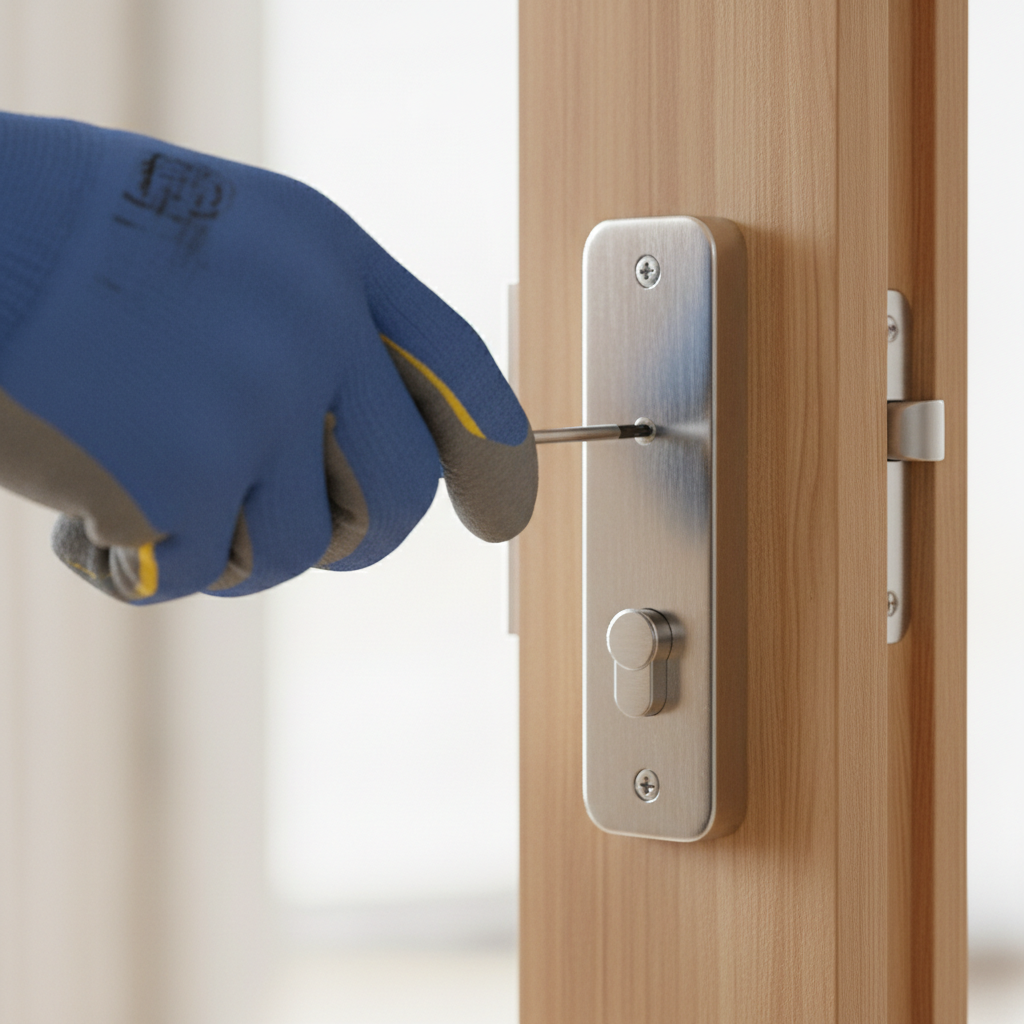
- Safety First – Protect your eyes and identify potential hazards.
- Always wear safety glasses when working with small parts or using spray lubricants, as they can splatter.
- If the door is exterior, ensure it's secured against accidental closure while working, especially if you're removing components.
General remodeling · Renovation planning
| Project category | General remodeling |
|---|---|
| Problem type | Renovation planning |
| Trade required | General contracting |
| Urgency | Planned project |
| Safety risk | Low safety risk |
| DIY suitability | Pro recommended |
| Cost category | Major investment |
| Typical timeline | Design and permitting often 2–4 months before work starts |
| Contractor type | General contractor |
Repair option
Phase the work and fix the building envelope first.
Replacement option
Full renovation with permits, design, and a general contractor.
Common causes
- Space no longer fits how the household lives
- Resale preparation
- Deferred maintenance stacking up
Relevant tools:project cost estimatorcompare quoteshome improvement material prices
Published May 21, 2026Last updated August 17, 2026
Tools & materials you'll need
Affiliate linksAs an Amazon Associate FixlyGuide earns from qualifying purchases — at no extra cost to you. Prices and availability are accurate as of publication and subject to change.
Quick Answer
A door lock that isn't turning smoothly is a common household nuisance, often caused by a combination of issues ranging from simple dirt accumulation to slightly misaligned components. Before reaching for that can of WD-40, consider that the problem might be mechanical, like loose screws in the lockset or a misaligned strike plate. A quick diagnostic check and some targeted actions, including cleaning with the right lubricant, can often restore a lock to smooth operation in under 30 minutes, saving you the cost and hassle of a locksmith.
The Problem
Imagine fumbling with your keys, trying to unlock your front door, but the key just won't turn. Or perhaps you're inside, and the thumbturn on your deadbolt feels stiff and resistant. This isn't just an annoyance; a sticky lock is a security risk, signaling potential wear and tear or improper installation that could compromise your home's safety. Beyond security, it's a daily irritation that can escalate if left unaddressed, eventually leading to a completely jammed lock, leaving you locked out or in. The good news is that most instances of a door lock not turning smoothly aren't serious and can be remedied with some basic tools and a bit of know-how.
How It Works
To understand why a lock sticks, it helps to know its basic anatomy and how it operates. A typical cylindrical lockset, like those found on most residential doors, consists of several key components working in concert: the cylinder (where you insert the key), the latch or deadbolt mechanism, the spindle (which connects the knobs/levers), and the rose (the decorative plate covering the lock mechanism on the door surface).
When you insert a key and turn it, the bitting (the cuts on the key) aligns with a series of pins inside the cylinder, creating a shear line that allows the cylinder to rotate. This rotation, in turn, engages either a cam or a tailpiece that retracts the latch or deadbolt. For the latch or deadbolt to fully extend or retract, it needs to move freely within the bore hole in the door and the mortise in the door frame.
Misalignment can occur at several points: the lockset might be loose in the door, causing the cylinder to bind; the latch or deadbolt might be rubbing against the strike plate in the door frame; or the strike plate itself might be out of alignment with the latch bolt. Over time, dirt, dust, and old grease can accumulate within the cylinder and around the moving parts of the latch mechanism, creating friction that hinders smooth operation. Even temperature and humidity changes can cause wood doors to swell or shrink, subtly shifting the door's position relative to the frame and affecting lock performance. Understanding these interactions is crucial for diagnosing and fixing a stubborn lock effectively.
Step-by-Step Fix
Before you begin, gather your tools. Sometimes a simple adjustment is all that's needed. Remember to work carefully and deliberately to avoid damaging the lock.
-
Safety First – Protect your eyes and identify potential hazards.
- Always wear safety glasses when working with small parts or using spray lubricants, as they can splatter.
- If the door is exterior, ensure it's secured against accidental closure while working, especially if you're removing components.
-
Inspect the Door and Frame – Check for visible issues and alignment problems.
- Open and close the door several times. Does it rub anywhere on the frame? Is the gap consistent around all edges?
- Look at the strike plate on the door frame. Is it securely fastened? Are the screws loose or stripped? Is the latch or deadbolt hitting the strike plate cleanly, or is it binding?
- If the door is rubbing: The door itself might be sagging. Tighten hinge screws first. If that doesn't work, shims might be needed behind hinges, or the door might need rehanging by a professional.
-
Tighten Loose Screws on the Lockset – Often the easiest and most effective fix.
- Examine the screws on both the interior and exterior escutcheon plates (the decorative plates around the knob/lever or deadbolt). Over time, these can loosen.
- Use a Phillips head screwdriver to gently tighten any loose screws. Do not overtighten, as this can strip the screws or crack the lock components.
- Also, check the screws holding the latch plate (the metal plate on the edge of the door where the latch bolt protrudes) and the deadbolt plate. Ensure they are snug.
- If screws spin freely: The threads in the wood or metal are stripped. You may need to use longer screws, or for wood, insert wood shims (toothpicks work) into the stripped hole with wood glue before reinserting the original screws.
-
Clean the Latch and Bolt Mechanism – Remove accumulated dirt and old lubricant.
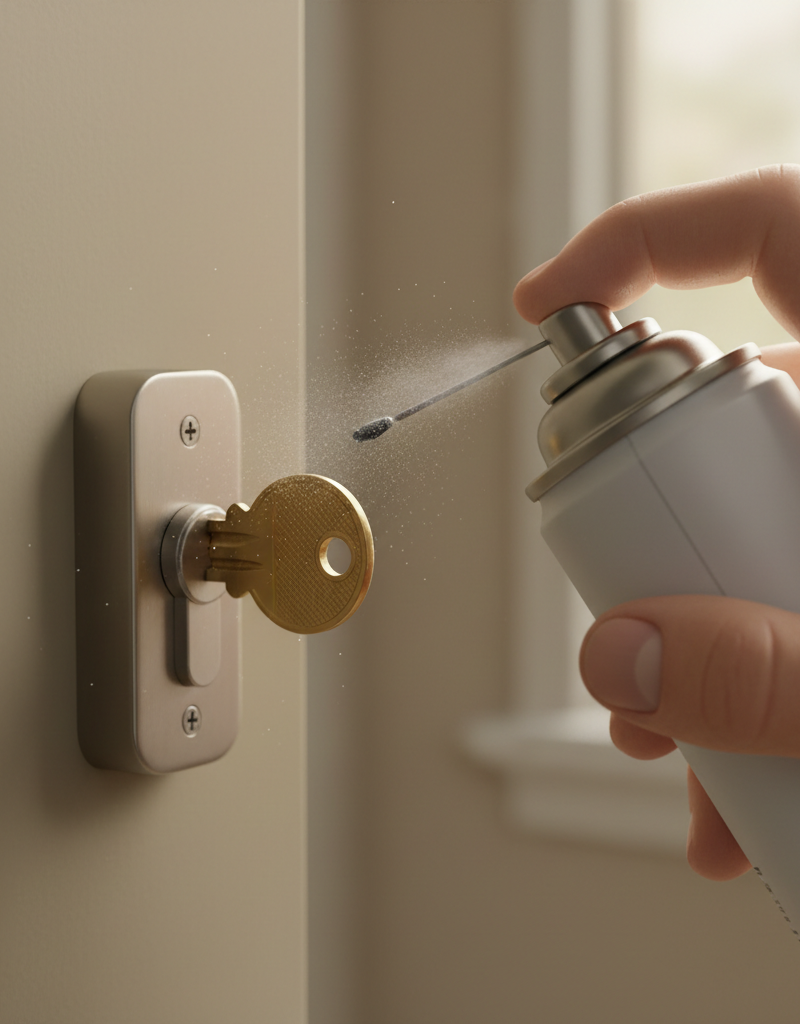
- Open the door. Use a can of compressed air to blow out any dust, dirt, or debris from around the latch bolt and deadbolt mechanisms, both on the edge of the door and inside the strike plate hole on the frame.
- Apply a small amount of graphite powder lubricant or a silicone spray lubricant (never oil-based lubricants like WD-40, which attract dirt) to the moving parts of the latch and deadbolt.
- Operate the lock several times to work the lubricant into the mechanism.
- If the mechanism is visibly corroded or damaged: Consider replacing the entire latch/deadbolt unit. Continued use of a corroded mechanism will only worsen the issue.
-
Adjust or Reseat the Strike Plate – Correct minor misalignments causing binding.
- With the door open, extend the latch or deadbolt. Look at the strike plate on the door frame. Does the bolt enter the hole smoothly?
- If the bolt is rubbing against the top, bottom, or sides of the strike plate opening, you may need to adjust its position.
- Loosen the strike plate screws just enough so you can subtly shift the plate. You might need to tap it gently with a hammer and a block of wood to move it a fraction of an inch in the needed direction.
- If the strike plate hole is too small or misaligned significantly, you might need to use a file to slightly enlarge the opening or carefully carve away a bit of wood from the door frame mortise with a chisel. Work slowly and check frequently.
- Once adjusted, tighten the screws firmly. If the existing screw holes are stripped, use longer screws or the toothpick-and-wood-glue trick mentioned earlier.
- If the strike plate is severely misaligned: You might need to remove the strike plate, fill the old screw holes and mortise with wood putty, let it dry, and then carefully re-drill pilot holes and re-chisel the mortise for correct placement.
-
Lubricate the Lock Cylinder (Keyway) – Address internal friction in the key mechanism.
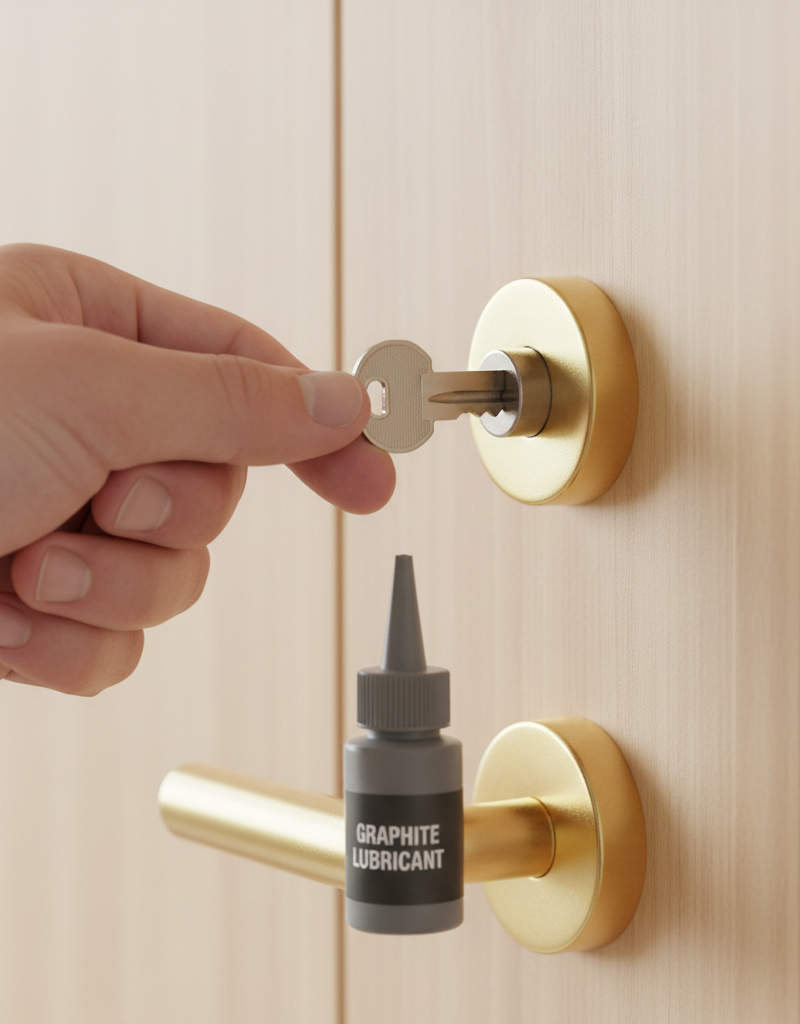
- Important Safety Note: Only use graphite powder lubricant or a specialized dry lock lubricant for the keyway. Liquid oil-based lubricants like WD-40 should NOT be used in the key cylinder as they attract dust and can gum up the delicate pin tumblers over time.
- Orient the lock cylinder so the keyway faces upwards (if possible, by removing the lock from the door if needed, though often not necessary).
- Carefully insert a small puff of graphite powder into the keyway. You can often purchase graphite in a squeeze bottle with a nozzle, making application easy.
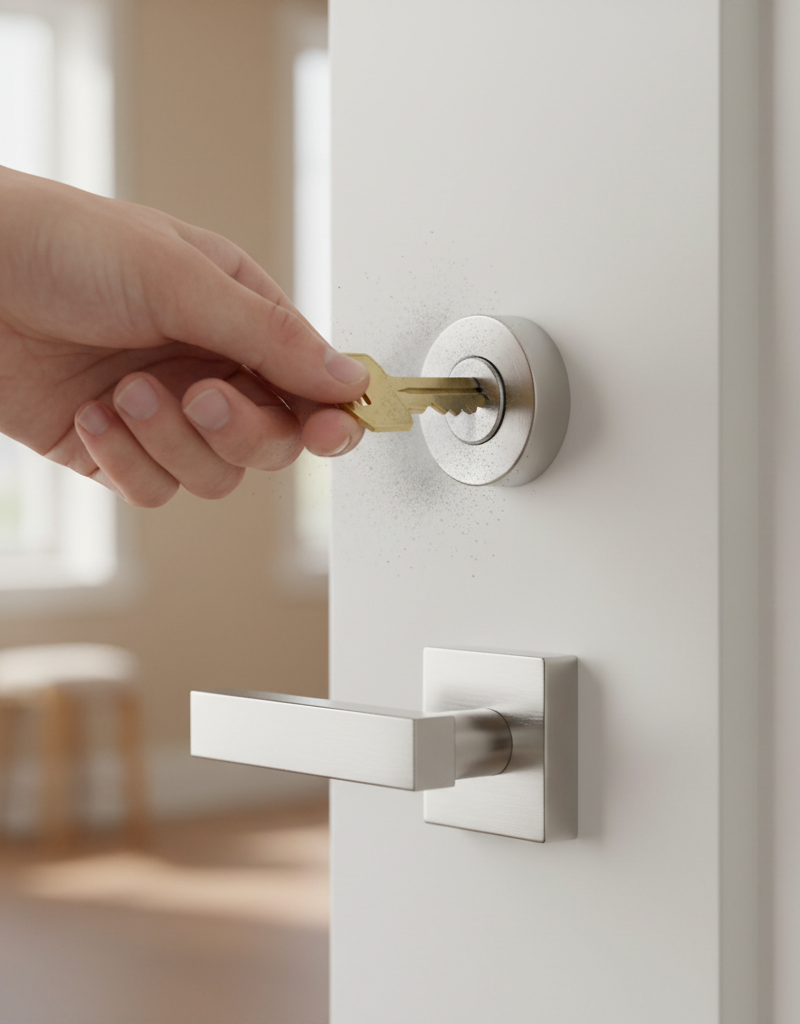
- Insert your key into the cylinder and turn it multiple times, slowly, in both directions. Remove and reinsert the key several times. This helps distribute the graphite.
- Wipe off any excess graphite from the key and the lock face with a clean cloth.
- If the key still feels rough: Repeat the process. If no improvement, the cylinder might be worn out or internally damaged, requiring replacement or professional rekeying.
-
Check Latch Bolt Tension – Ensure the spring mechanism is not binding.
- With the door open, depress the latch bolt with your finger. Does it retract smoothly and spring back out with good tension?
- If it feels sticky or weak, it usually indicates internal wear or debris within the latch mechanism itself. While some latch mechanisms allow for disassembly and cleaning, for most homeowners, it's simpler and more effective to replace the entire latch unit (the part that goes into the edge of the door).
-
Test the Repair – Confirm smooth operation before calling it done.
- Close the door gently and test the lock from both the interior and exterior (if applicable). Turn the knob/lever, operate the deadbolt, and use the key.
- It should now turn smoothly, without resistance or binding.
- If problems persist, re-evaluate each step and consider if a component might be worn out.
Common Causes
- Loose Mounting Screws: Over time, the screws holding the lockset components (knobs, levers, deadbolts, latch plates) can loosen due to daily use and vibration, leading to misalignment and friction.
- Misaligned Strike Plate: The hole in the door frame's strike plate, which the latch or deadbolt enters, may become misaligned with the bolt over time. This can happen due to house settling, changes in humidity affecting the door frame, or simply manufacturing tolerances.
- Accumulated Dirt and Grime: Dust, debris, paint overspray, and old, congealed grease can accumulate within the lock cylinder keyway and around the latch/deadbolt mechanism, creating resistance and binding.
- Improper Lubrication: Using the wrong type of lubricant (e.g., oil-based products) in the lock cylinder attracts more dirt and can eventually cause the pins to stick, worsening the problem over time rather than fixing it.
- Worn or Damaged Internal Components: Springs, pins, or other metal parts inside the lock cylinder or latch mechanism can wear out, bend, or break with age and frequent use, leading to rough operation or complete failure.
- Door Swelling or Shifting: Wood doors and frames can expand and contract with changes in humidity and temperature, causing the door to sit differently in the frame, which can affect the smooth engagement of the latch and deadbolt.
Common Mistakes
- Using WD-40 in the Lock Cylinder: This is a classic mistake. While WD-40 is a great penetrant for loosening rusted bolts, its oil-based formula attracts dust and grime, which will gum up the delicate pin tumblers inside the lock cylinder over time. Always use graphite powder or a dedicated dry lock lubricant for the keyway.
- Overtightening Screws: While tightening loose screws is often key, overtightening can strip screw threads, damage the lock mechanism, or even crack the door material, leading to more significant problems.
- Ignoring Door/Frame Alignment: Many homeowners focus solely on the lock, missing the fact that the door itself might be sagging or the frame is warped, causing the lock to bind. Always check door alignment first.
- Failing to Clean Before Lubricating: Applying lubricant over existing dirt and grime just creates a sticky paste, exacerbating the problem rather than solving it. Always clean out debris first.
- Forcing the Key: If the key doesn't turn, don't force it. This can bend or break the key inside the lock, turn a simple fix into a locksmith emergency, or damage the lock cylinder irrevocably.
- Incorrect Strike Plate Adjustment: Haphazardly filing or chiseling the strike plate opening can create sloppiness that compromises security or makes the problem worse. Make small, precise adjustments and test frequently.
Cost & Time Breakdown
| Task | DIY cost | Pro cost | Time |
|---|---|---|---|
| Lubricant & materials | $5–$15 | Included | 5–10 min |
| Tighten existing screws | $0 | Included | 5–10 min |
| Adjust strike plate | $0–$5 | Included | 10–20 min |
| Replace latch mechanism | $15–$40 | Included | 20–40 min |
| Full lockset replacement | $30–$150 | $100–$300+ | 30 min – 1 hr |
| Professional locksmith call | N/A | $75–$250+ | 30 min – 1 hr+ |
Tips & Prevention
- Regular Cleaning: Every 6-12 months, give your locks a quick clean with compressed air to remove dust and debris from the keyway and latch mechanism.
- Proper Lubrication: Only use graphite powder or dry lock lubricant in the keyway. Avoid petroleum-based products. Lubricate exterior locks more frequently due to exposure to elements.
- Check Door Alignment: Periodically check that your doors close and latch smoothly. Address any door sagging or rubbing promptly by tightening hinge screws or adjusting them.
- Don't Overload Keys: Avoid carrying a large, heavy keychain that puts stress on your key when inserted into the lock, which can wear down the pins over time.
- Duplicate Keys Properly: Get spare keys cut by a reputable locksmith or hardware store. Poorly cut keys can quickly damage the lock's internal mechanism.
- Upgrade Old Locks: If a lock is consistently problematic and very old, consider replacing it entirely. Modern locks often have better mechanisms and security features.
When to Call a Professional
While many sticky lock issues are DIY-friendly, certain situations warrant calling a licensed locksmith. If you suspect internal damage to the lock cylinder (e.g., a broken spring or pin) that isn't resolved by cleaning and lubricating, a professional can rekey or repair it without necessarily replacing the entire unit. If your key breaks off inside the lock, or if the lock is completely jammed and you're unable to unlock or lock the door, a locksmith has specialized tools and expertise to extract the key or open the lock non-destructively. Furthermore, if the problem stems from a severely warped door or frame that impacts security, or if you're dealing with a high-security lock that you're uncomfortable disassembling, a professional can offer precise solutions and ensure your home remains secure. Do not attempt complex lock repairs if you are unsure, as improper handling can compromise the lock's security or lead to further damage.
Related Articles
Keep troubleshooting with these hand-picked guides from FixlyGuide:
- The 5-Minute Secret to a Smooth-Turning Door Lock (Stop Jiggling That Key!) — Restore your sticky door lock to butter-smooth operation with this simple, five-minute lubricant trick, saving you frustration and potentia…
- The 5-Minute Trick to Fix a Door That Won't Latch (No New Hardware Needed) — Discover the simple, often overlooked reason your door isn't latching and how to fix it in minutes with basic tools, no new hardware requir…
- The 5-Minute Trick to Fix a Door That Won't Latch (No New Hardware Needed) — Discover the simple, often-overlooked reason your door won't latch and how to fix it in minutes without replacing any parts.
- The Secret Reason Your Interior Door Sticks (It's Not Always Humidity) — Before you grab a planer, discover the real culprits behind a sticking interior door and learn simple, effective fixes.
- The 5-Minute Trick to Fixing a Door That Won't Latch (No New Hardware Needed) — A door that won't latch properly is a common household nuisance, but often requires a simple, quick fix without replacing any hardware.
- That Mildew Smell in Your Washer? Here’s the Real Reason — Is a musty odor taking over your laundry room? That mildew smell from your washing machine isn't just unpleasant—it's a sign of a deeper pr…
Should you do this yourself?
Answer five quick questions before you start. Safety outranks savings every time.
Your experience with work like this
How high do you have to work?
Does the job involve any of these?
Will it need a permit?
Specialty tools
Free and instant. Educational guidance only — not a quote, inspection, or professional diagnosis.
What should this project cost?
Enter your project details for a realistic cost range before you call anyone.
Cost depends heavily on which system turns out to be the source.
- Regional adjustment
- National average
- Labor share (typical)
- ~$1,620
- Quotes to collect
- 3 written estimates
Educational estimate based on national averages — not a binding quote. Always confirm with written local estimates.
Before you start
Check the difficulty, permits, and safety risk — then decide whether to call a pro.
- Estimate this projectGet a cost range for your scope and ZIP before you call anyone.Open
- Get local estimatesSend one request and compare written estimates from vetted pros.Open
Free, no signup required. Estimates are educational guidance, not a quote or an inspection.
Get the print-ready PDF of this guide
A clean, ad-free, printable version you can keep on your phone or pin to the workshop wall. Free with a FixlyGuide account.
- Print-optimized layout
- Tools, materials & every step included
- Saved to your account
Recommended for DIYers & woodworkers
Sponsored
The Top 20 Tools for Workshops of Any Budget
No stationary machines or power tools required — plus 3 fundamental tools that can't be bought at any price.
Get the free guide
Ted's Woodworking — The #1 Woodworking Resource
Detailed instructions, dimensioned drawings, materials & cutting lists, and 3D schematics for every skill level.
See the plansSponsored: links above are affiliate links. FixlyGuide may earn a commission on qualifying purchases — at no extra cost to you.
Frequently asked questions
Why is my door lock suddenly stiff?+
A door lock can become stiff for several reasons, including loose mounting screws causing misalignment, accumulation of dirt and grime within the mechanism, a misaligned strike plate on the door frame, or the use of incorrect lubricants that attract debris. It's rarely a sudden failure but rather a gradual buildup of these issues.
Can I use WD-40 to lubricate my door lock?+
No, you should avoid using WD-40 or other oil-based lubricants in the keyway of your door lock. While they might provide temporary relief, their oily nature attracts dust and dirt, eventually leading to a gunky buildup that will worsen the lock's performance and can damage the internal pin tumblers. Always use graphite powder or a dedicated dry lock lubricant for the cylinder.
How do I know if my door lock needs to be replaced?+
Consider replacing your door lock if it remains stubborn after cleaning and proper lubrication, if the key is bent or broken inside, if internal components are visibly worn or damaged, or if the lock mechanism feels loose or wobbly even after tightening screws. Persistent issues or a feeling of compromised security are strong indicators for replacement.
What tools do I need to fix a sticky door lock?+
Most sticky door lock fixes require only basic tools: a Phillips head screwdriver, graphite powder lubricant (or dry lock lubricant), a can of compressed air, and potentially a small mallet or hammer, a chisel, and a file for strike plate adjustments. Safety glasses are also recommended.
How often should I lubricate my door locks?+
For interior locks, lubricating with graphite powder every 1-2 years is generally sufficient. Exterior locks, exposed to more elements, may benefit from lubrication every 6-12 months. Always ensure the lock is clean before applying lubricant.
Discussion
Loading comments…