- The 1 Mistake Homeowners Make When Their Ice Maker Stops (And the Easy Fix) — Before you call for service, learn the most common and easily fixable reason your refrigerator's ice maker isn't producing ice.
- The 1 Mistake Homeowners Make When Their Ice Maker Stops (And the Easy Fix) — Is your refrigerator ice maker on strike? Often, a simple oversight or minor clog is the culprit, easily fixable with basic tools.
- The 1 Mistake Homeowners Make When Their Dryer Stops Drying (And How to Fix It Free) — If your dryer is taking too long to dry clothes, the most common culprit is a clogged vent, which can be easily fixed with simple tools.
- The 1 Mistake Homeowners Make When Their Dryer Isnt Drying (And How to Fix It Free) — Most homeowners assume a slow dryer means a broken dryer, but the most common culprit is a simple, often overlooked maintenance issue that'…
- Your Refrigerator's Loud Hum? The Fix Most People Miss — A constant, loud refrigerator hum is more than annoying—it's a warning sign. Before you call a pro, discover the 1 most overlooked cause a…
Plumbing · Clog
| Project category | Plumbing |
|---|---|
| Problem type | Clog |
| Trade required | Plumbing |
| Urgency | Soon — within weeks |
| Safety risk | Low safety risk |
| DIY suitability | DIY friendly |
| Cost category | Low cost |
| Typical timeline | Same-day DIY attempt; pro visit within a day or two |
| Contractor type | Licensed plumber |
Repair option
Plunger, hand auger, or trap cleanout before chemicals.
Replacement option
Line replacement when clogs return in the same spot repeatedly.
Common causes
- Hair and soap buildup in the trap
- Grease cooling in the branch line
- Flushed wipes or foreign objects
Relevant tools:diy difficultydiy or hire a pro
Published May 2, 2026Last updated August 17, 2026
Tools & materials you'll need
Affiliate linksAs an Amazon Associate FixlyGuide earns from qualifying purchases — at no extra cost to you. Prices and availability are accurate as of publication and subject to change.
Quick Answer
Your ice maker likely isn't making ice because the water supply line leading to it is frozen solid, preventing water from reaching the ice mold. This isn't a complex mechanical failure but often a symptom of minor temperature imbalances or infrequent use. Thawing this line, checking the water filter, and ensuring proper freezer temperature are usually enough to get your ice maker running again within an hour.
The Problem
There's nothing quite as frustrating as reaching for ice and finding an empty bin. While a completely silent, non-producing ice maker might seem like a major appliance breakdown, for most homeowners, the root cause is surprisingly simple and easily fixable. You might hear the motor attempting to cycle, or perhaps detect a faint humming, but no new ice ever drops. This usually points to a lack of water supply rather than an issue with the ice-making mechanism itself. Before you envision costly repairs or a new refrigerator, understanding the common culprits—and how to diagnose them—can save you significant time and money.
How It Works
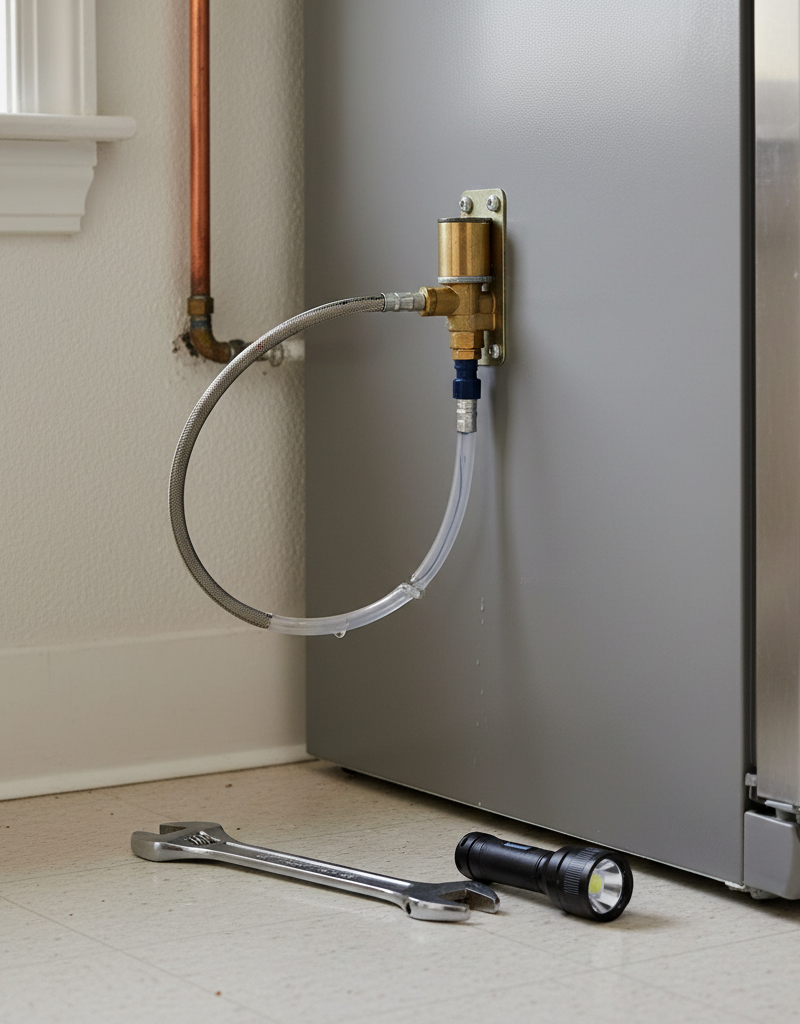
To understand why your ice maker isn't working, it helps to know how it should work. Most modern refrigerator ice makers operate on a similar principle. First, water flows from your home's main water supply, through a small water line, and often through a water filter located either inside the fridge or beneath it. This filtered water then travels to an electrically controlled water inlet valve, typically located on the back of the refrigerator. When the ice maker calls for water, this valve opens, allowing a precise amount of water into a small fill tube. This tube directs the water into the ice mold in the freezer.
Once the water fills the mold, a thermostat or thermistor monitors the temperature. When the water freezes solid, the ice maker's heating element briefly warms the mold, slightly loosening the ice cubes. Simultaneously, a motor engages, rotating ejector arms that push the cubes out of the mold and into the ice bucket. After the cubes are ejected, a feeler arm or optical sensor detects if the ice bucket is full. If not, the cycle repeats. If water isn't reaching the mold, no amount of cycling will produce ice, making the water supply path the primary suspect.
Step-by-Step Fix
1. Check the Water Supply Line — A frozen line is the most common culprit.
- Diagnosis: Pull your refrigerator away from the wall and locate the thin plastic or copper water line connected to the back. Trace it from the wall shut-off valve to the water inlet valve on the fridge, and then up to the freezer. Look for any kinks. More importantly, feel the line for cold spots, particularly where it enters the freezer or near the inlet valve. A visibly frozen bulge or an unresponsive, hard section confirms a blockage.
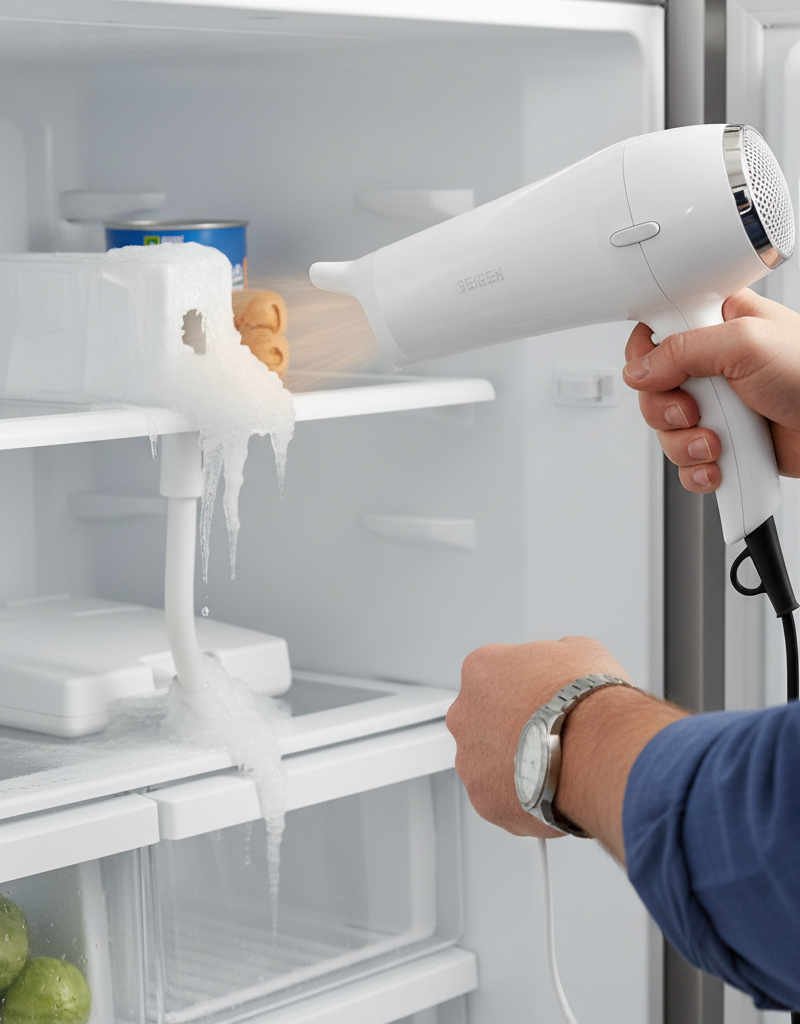
- The Fix: If the line is frozen, you have two main options: (1) Unplug the fridge and leave the freezer door open for a few hours. This allows the line to naturally thaw, but it's slow. (2) Gently use a hairdryer on a low-medium setting or apply a warm, damp cloth to the frozen section of the line. Be extremely careful not to overheat plastic components or cut the line. Once thawed, you should hear water attempting to flow or see condensation. Reconnect power after thawing. Test the ice maker after 30-60 minutes.
- Safety Note: Always unplug the refrigerator before working near water lines or electrical components.
- If this doesn't work: The blockage might be further inside the fill tube itself, requiring more targeted thawing.
2. Inspect the Water Inlet Valve — A faulty valve won't let water in.
- Diagnosis: The water inlet valve is usually located on the lower back of the refrigerator where the water supply line connects. Listen for a distinct buzzing sound when the ice maker tries to cycle. If you hear nothing, the valve might be faulty, or it's not receiving power. Check for any visible corrosion or mineral deposits.
- The Fix: First, ensure the valve is receiving water from the house supply (the shut-off valve should be open). If you suspect the valve, you can test it with a multimeter for continuity, but this is an advanced step. For most DIYers, if the line isn't frozen, replacing the valve (a relatively inexpensive part, $30-$70) is the next logical step. Ensure you get the correct part number for your refrigerator model.
- Pro Tip: Even if the valve hums, it might be partially obstructed by mineral deposits, reducing water flow. Replace if unsure.
3. Replace the Water Filter — A clogged filter chokes off water flow.
- Diagnosis: Most refrigerators have a water filter, usually located inside the fridge compartment, in the grille at the bottom, or in the back. If it's been more than 6 months since your last replacement, or if water flow from the dispenser (if you have one) is sluggish, a clogged filter is a strong possibility.
- The Fix: Purchase the correct replacement filter for your specific refrigerator model. Twist out the old filter and insert the new one according to the manufacturer's instructions. After replacement, run several gallons of water through the dispenser (if applicable) to flush out air and carbon dust before testing the ice maker. It can take 6-12 hours for the first batch of ice to form.
4. Check the Freezer Temperature — Too cold can freeze the fill tube.
- Diagnosis: If your freezer is set too low (e.g., below 0°F), the fill tube that carries water into the ice mold can freeze solid before the water even reaches the mold. Check your freezer's temperature setting via the control panel or with an appliance thermometer.
- The Fix: Adjust your freezer temperature to between 0°F and 5°F (about -18°C to -15°C). This is the optimal range for freezing food while minimizing the risk of the water line freezing. Give the refrigerator several hours to stabilize at the new temperature before retesting the ice maker.
- Key Point: Ensure your freezer isn't overpacked, which can block airflow and create cold spots.
5. Inspect the Ice Maker Assembly and Fill Tube — Internal blockages can prevent water from reaching the mold.
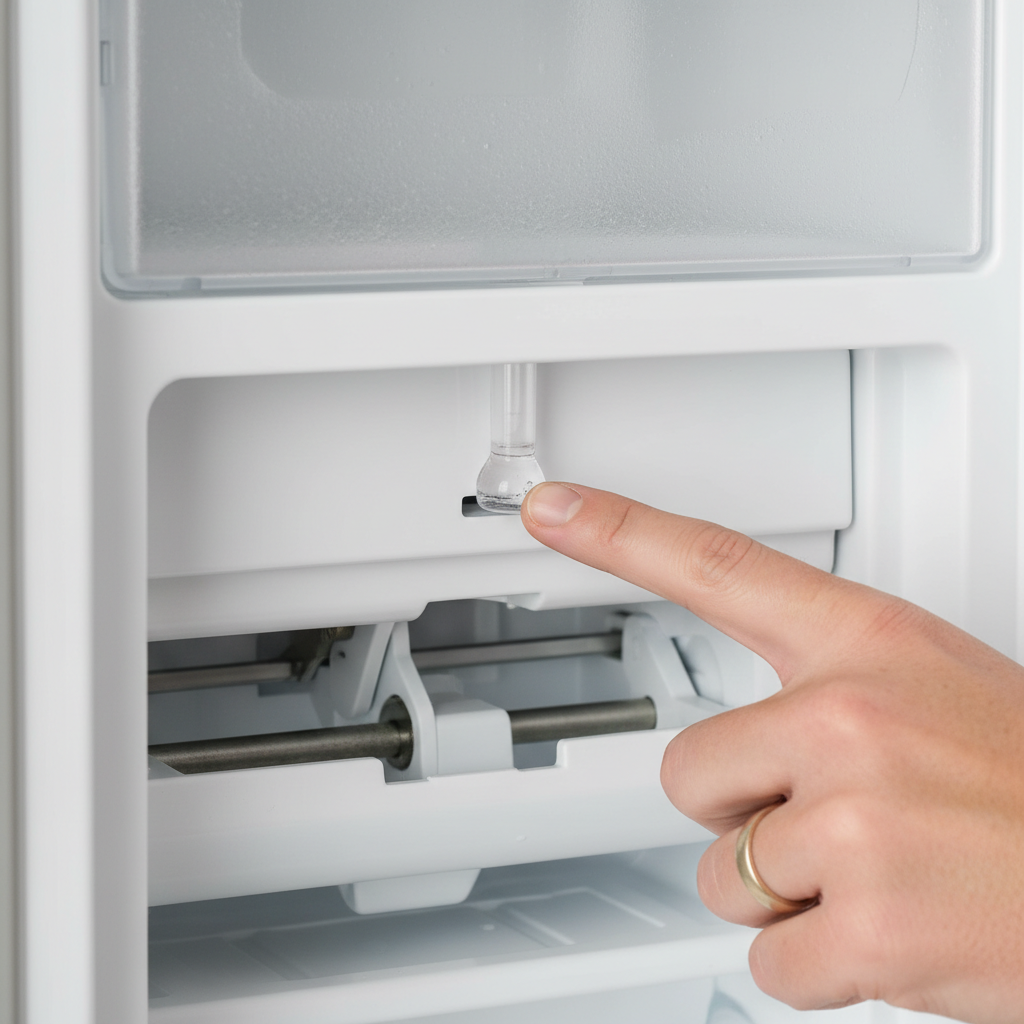
- Diagnosis: Open the freezer door and locate the ice maker assembly. Look directly above the ice mold for a small, usually clear or white, plastic fill tube. Shine a flashlight into it. Can you see ice blocking the opening? Sometimes a few drops of water can freeze and accumulate, forming a plug.
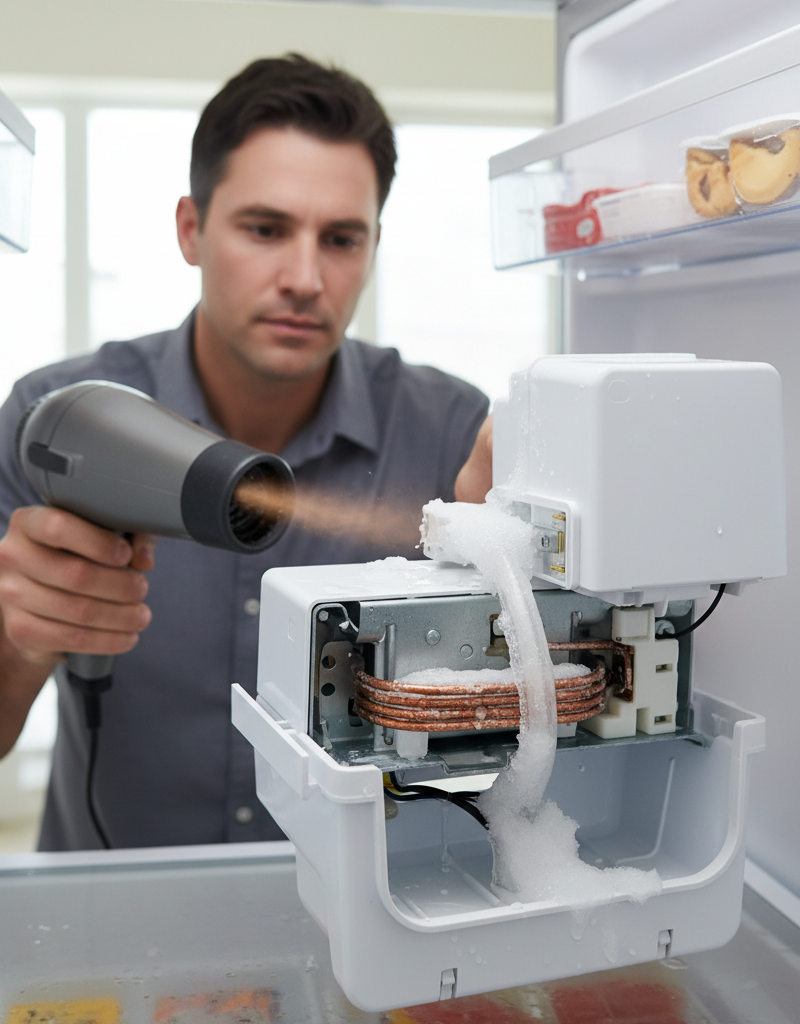
- The Fix: If the fill tube is frozen, you'll need to thaw it. Unplug the refrigerator first. Use a turkey baster or syringe to squirt warm (not hot!) water into the tube, or use a hairdryer on a very low setting, held several inches away, to gently melt the ice. Avoid excessive heat, which can damage plastic components. Once thawed, ensure the water flows freely. You might need to remove the ice maker assembly for better access, but consult your fridge's manual first.
- Warning: Do not use sharp objects to clear the fill tube, as this can puncture the line and cause leaks.
6. Reset the Ice Maker Arm/Sensor — A simple reset can sometimes clear glitches.
- Diagnosis: Many ice makers have a metal feeler arm or an optical sensor (infrared beam) that detects when the ice bin is full. If this arm is stuck in the
Related Articles
Keep troubleshooting with these hand-picked guides from FixlyGuide:
- The #1 Mistake Homeowners Make When Their Ice Maker Stops (And the Easy Fix) — Before you call for service, learn the most common and easily fixable reason your refrigerator's ice maker isn't producing ice.
- The #1 Mistake Homeowners Make When Their Ice Maker Stops (And the Easy Fix) — Is your refrigerator ice maker on strike? Often, a simple oversight or minor clog is the culprit, easily fixable with basic tools.
- The #1 Mistake Homeowners Make When Their Dryer Stops Drying (And How to Fix It Free) — If your dryer is taking too long to dry clothes, the most common culprit is a clogged vent, which can be easily fixed with simple tools.
- The #1 Mistake Homeowners Make When Their Dryer Isnt Drying (And How to Fix It Free) — Most homeowners assume a slow dryer means a broken dryer, but the most common culprit is a simple, often overlooked maintenance issue that'…
- Your Refrigerator's Loud Hum? The Fix Most People Miss — A constant, loud refrigerator hum is more than annoying—it's a warning sign. Before you call a pro, discover the #1 most overlooked cause a…
- The Surprising Culprit Behind Your Refrigerator's Water Leak (It's Not Always the Ice Maker) — Discover the most common, often overlooked reason your refrigerator is leaking water and how to fix it with simple steps.
What should this project cost?
Enter your project details for a realistic cost range before you call anyone.
Cost depends heavily on which system turns out to be the source.
- Regional adjustment
- National average
- Labor share (typical)
- ~$1,620
- Quotes to collect
- 3 written estimates
Educational estimate based on national averages — not a binding quote. Always confirm with written local estimates.
Frequently asked questions
Why is my ice maker not filling with water?+
The most common reason an ice maker isn't filling with water is a frozen water supply line or a clogged water filter. Check the thin line on the back of your fridge for ice and ensure your filter has been replaced within the last six months.
How do you unfreeze a refrigerator water line?+
To unfreeze a refrigerator water line, first unplug the appliance. You can then use a hairdryer on a low setting, held several inches away, or apply a warm, damp cloth to the frozen section of the line. Be patient and avoid excessive heat to prevent damage.
How often should I change my refrigerator water filter?+
Most refrigerator manufacturers recommend changing the water filter every six months. If you notice a decrease in water flow or a change in taste, it may be time to replace it sooner.
Discussion
Loading comments…