- Option A: Hose Pressure. Try forcing water down the top of the downspout with a strong hose nozzle.
- Option B: Plumber's Snake/Auger. For stubborn clogs, a plumber's snake can be fed from the top or bottom of the downspout to break up the blockage. Be gentle to avoid damaging the downspout.
- Option C: Disassemble. If all else fails, you may need to detach sections of the downspout, starting from the bottom, to physically remove the clog. Mark sections before removal to ensure proper reassembly.
Plumbing · Clog
| Project category | Plumbing |
|---|---|
| Problem type | Clog |
| Trade required | Plumbing |
| Urgency | Soon — within weeks |
| Safety risk | Low safety risk |
| DIY suitability | DIY friendly |
| Cost category | Low cost |
| Typical timeline | Same-day DIY attempt; pro visit within a day or two |
| Contractor type | Licensed plumber |
Repair option
Plunger, hand auger, or trap cleanout before chemicals.
Replacement option
Line replacement when clogs return in the same spot repeatedly.
Common causes
- Hair and soap buildup in the trap
- Grease cooling in the branch line
- Flushed wipes or foreign objects
Relevant tools:diy difficultydiy or hire a pro
Published May 4, 2026Last updated August 17, 2026
Tools & materials you'll need
Affiliate links- AmazonSturdy extension ladder1
- AmazonGarden hose with strong nozzle
- AmazonSmall bucket or scoop/trowel
- AmazonPlumber's snake or auger (optional)for stubborn downspout clogs
- AmazonLong level (2-4 ft minimum)for checking gutter pitch
- AmazonAdjustable wrench or hex driver setfor adjusting gutter hangers
As an Amazon Associate FixlyGuide earns from qualifying purchases — at no extra cost to you. Prices and availability are accurate as of publication and subject to change.
Quick Answer
Overflowing gutters during heavy downpours are a clear sign of a system struggling to cope, often due to blockages from leaves and other debris, an improper pitch that prevents water from flowing freely, or gutters that are simply too small for the amount of rainfall your roof collects. Resolving these issues typically involves routine cleaning, adjusting the gutter's slope, or considering a gutter upgrade to a larger size to prevent costly water damage to your home’s foundation and landscaping.
The Problem
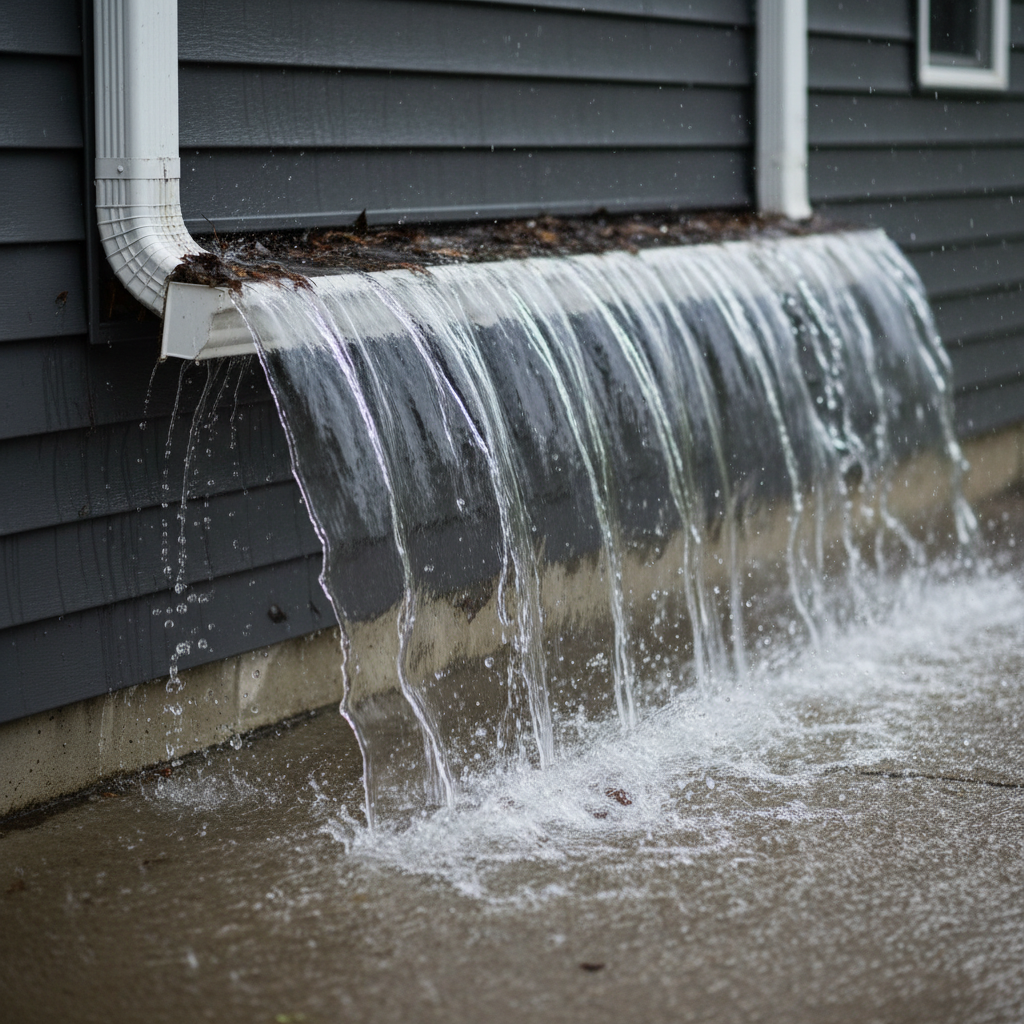
There’s nothing quite as disheartening for a homeowner as watching torrents of water cascade over the sides of their gutters during a heavy rainstorm. This isn't just an aesthetic nuisance; it's a flashing red warning sign. When gutters overflow, they fail to do their primary job: diverting rainwater safely away from your home's foundation. Instead, water pools around the base of your house, potentially leading to foundation cracks, basement flooding, eroded landscaping, damaged siding, and even dangerous ice dams in colder climates. The cumulative damage from persistent gutter overflow can quietly undermine your home's structural integrity and cost thousands in repairs down the line. It's a problem that demands immediate attention, and often, the root cause isn't as obvious as a visible leaf pile.
How It Works
A properly functioning gutter system is a remarkably simple yet effective piece of engineering crucial for protecting your home. When rain falls on your roof, it flows down the sloped surfaces, gathering at the eaves. Gutters, essentially open troughs, are installed along these eaves to collect this runoff. For the system to work, the gutters must be installed with a slight downward slope – typically about 1/16 to 1/8 inch per 10 feet – towards the downspouts. Gravity then takes over, guiding the water along the sloped gutter to the downspouts. Downspouts are vertical pipes that channel the water from the gutters all the way to the ground, where extensions or splash blocks disperse it safely away from the foundation, ideally at least 5-10 feet away.
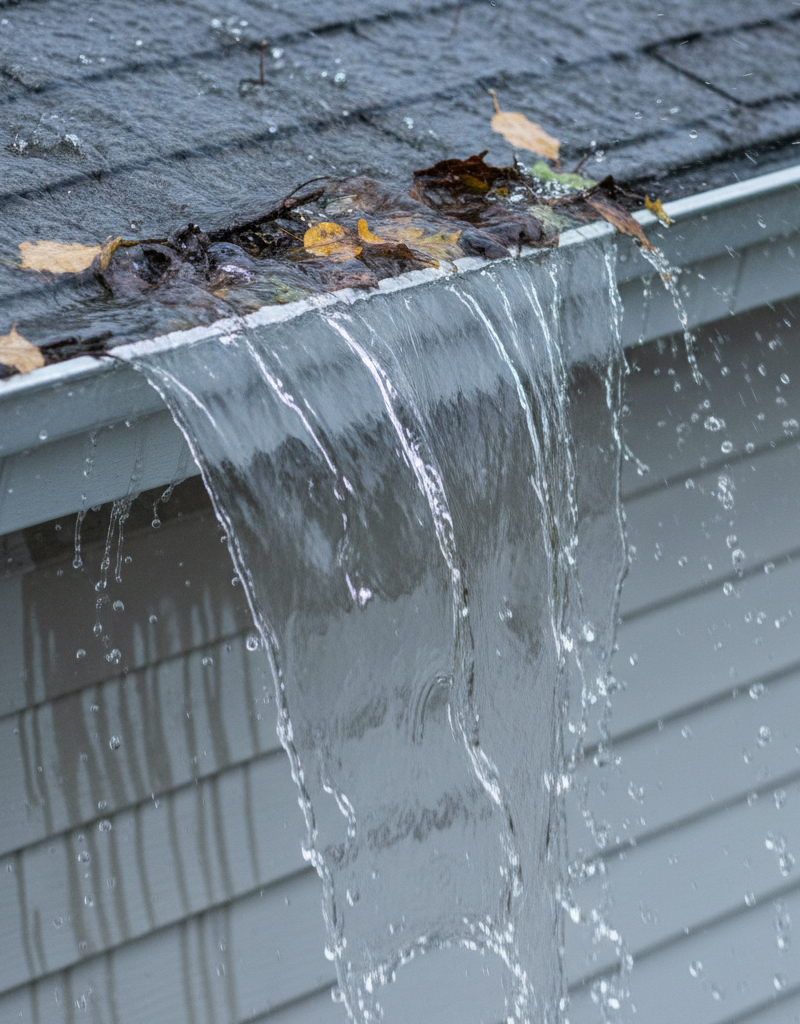
This entire system relies on unobstructed flow. When debris like leaves, twigs, shingle grit, or even small toys accumulate in the gutter trough, they create dams. Water backs up behind these dams. If the blockage is significant, the volume of water from a heavy rain event quickly exceeds the gutter's capacity, and it spills over the sides. Similarly, if the gutter doesn’t have the correct pitch, water can sit stagnant, allowing debris to collect more easily and creating localized overflows. Even if relatively clean, an undersized gutter simply can't handle the sheer volume of water from a large roof area during an intense downpour, leading to overflow even without a major clog. Understanding this delicate balance of collection, flow, and drainage is key to diagnosing and fixing the common problem of overflowing gutters.
Step-by-Step Fix
1. Prioritize Safety — Before you even think about climbing a ladder, ensure you have a stable, sturdy ladder and someone to spot you. Wear gloves to protect against sharp edges and debris. Avoid working in wet or windy conditions. ALWAYS maintain three points of contact on the ladder.
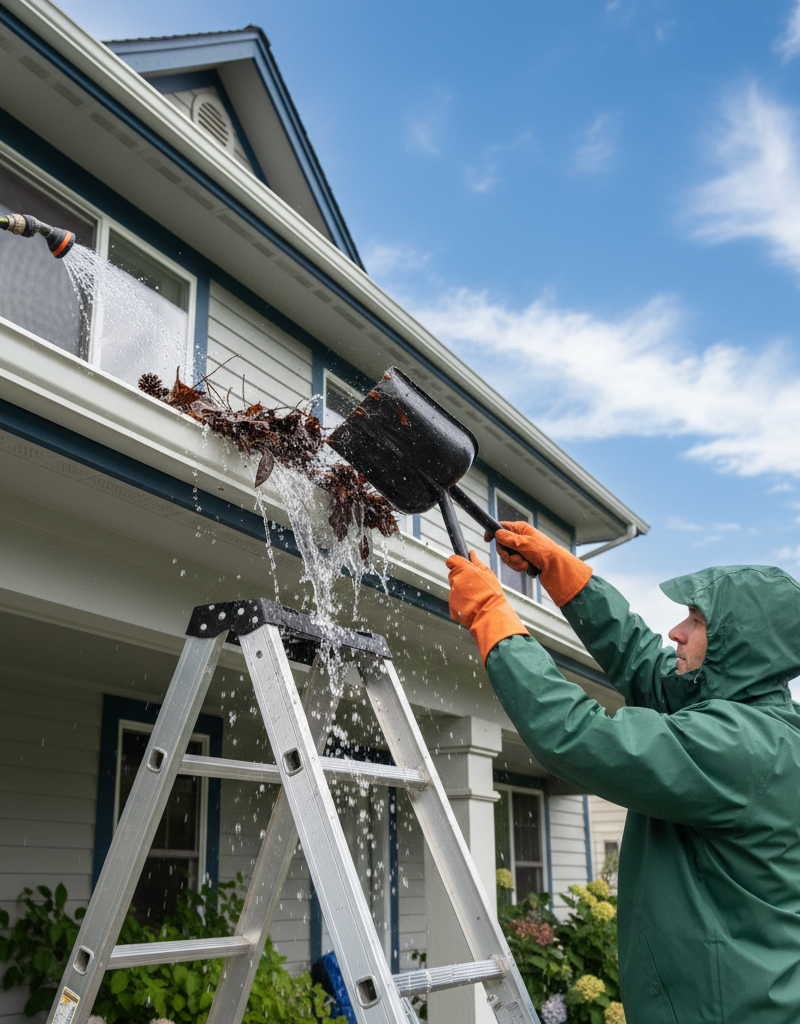
2. Clear Visible Debris — Use work gloves to manually remove large leaves, sticks, and shingle grit from the gutters. A small scoop or trowel can be helpful. Pay special attention to downspout openings.
3. Flush with Water — Once the major debris is out, use a garden hose with a strong nozzle to flush the gutters. Start from the highest point and work your way towards the downspout. Watch how the water flows. If it backs up or flows slowly, there’s likely an obstruction further down or a pitch issue. If water overflows from a particular section, it's a strong indicator of a localized clog or sag.
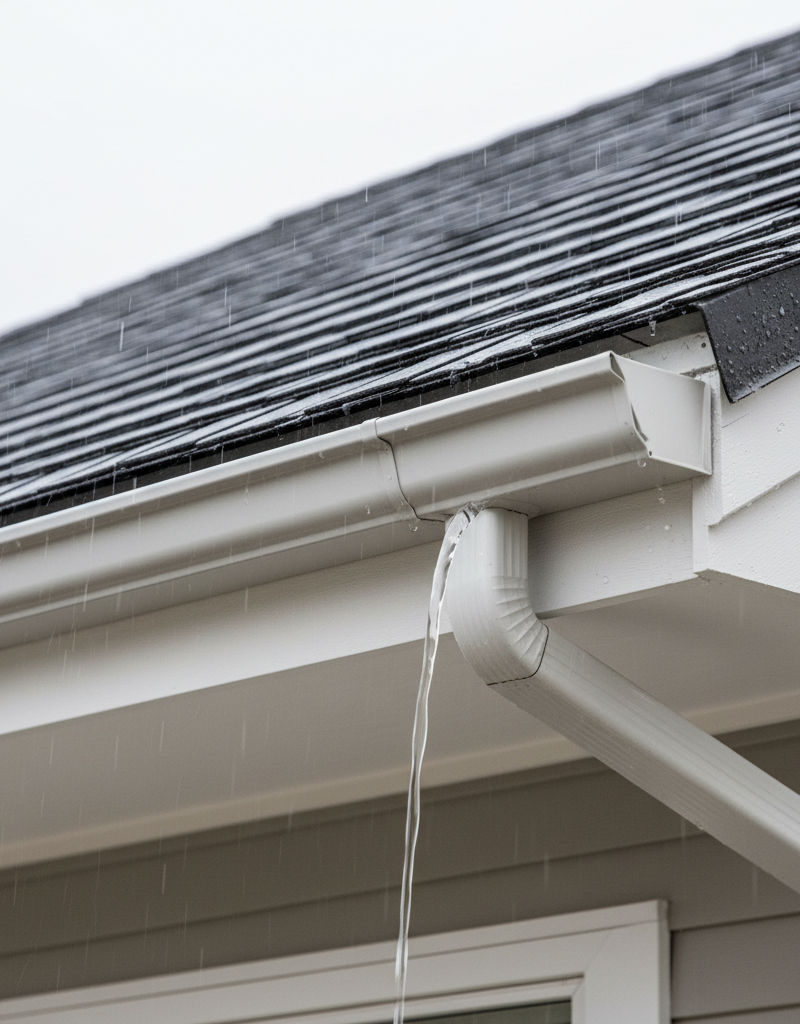
4. Clear Downspout Clogs — If water isn't flowing freely down the downspout, it's likely clogged.
- Option A: Hose Pressure. Try forcing water down the top of the downspout with a strong hose nozzle.
- Option B: Plumber's Snake/Auger. For stubborn clogs, a plumber's snake can be fed from the top or bottom of the downspout to break up the blockage. Be gentle to avoid damaging the downspout.
- Option C: Disassemble. If all else fails, you may need to detach sections of the downspout, starting from the bottom, to physically remove the clog. Mark sections before removal to ensure proper reassembly.
5. Assess Gutter Pitch — After cleaning, observe the water flow again. If water pools in sections or drains very slowly, your gutters may have an incorrect pitch.
- Check the slope: Aim for
1/16 to 1/8 inch of drop every 10 feettowards the downspout. Use a level on a long, straight board placed inside the gutter to check the slope. - Adjusting the slope: This often involves adjusting or replacing gutter hangers. Loosen the hangers, reposition the gutter section to achieve the correct pitch, and then re-secure the hangers. You might need assistance to hold the gutter in place while adjusting. Some hangers are adjustable, while others might need to be removed and reinstalled slightly higher or lower.
6. Inspect for Damage and Sagging — Look for bent, dented, or sagging sections of the gutter. Severely damaged sections may not be able to hold water effectively or maintain the correct pitch, leading to overflows.
- Minor dents: Can sometimes be gently reformed by hand.
- Sagging: Often caused by loose or inadequate hangers. Add more hangers (every
2-3 feet) or replace existing ones with stronger, screw-in hidden hangers. Ensure the hangers are anchored securely into the fascia board or roof rafters. - Rotten fascia: If the fascia board (the board the gutters attach to) is rotten, it won't hold the gutter hangers securely, leading to sagging. This requires repairing or replacing the rotten fascia before reattaching the gutters. This is a more involved repair and might necessitate professional help.
7. Evaluate Gutter Size — If your gutters are clean and properly pitched but still overflow during very heavy rains, they might be undersized for your roof area and local rainfall. This is particularly common on homes with large roof footprints or in regions with intense storm activity.
- Standard residential gutters are
5-inch K-styleor6-inch half-round. - Larger homes or specific climate zones might benefit from
6-inch K-styleor8-inch half-roundgutters, which have significantly greater water-carrying capacity. - Calculating required size: This involves factoring your roof's square footage and the maximum recorded rainfall intensity for your area. Several online calculators can help with this, or a gutter professional can assess it.
8. Consider Gutter Guards — While not a complete blockage solution, gutter guards (screens, meshes, or solid covers) can significantly reduce the amount of debris entering your gutters.
- Pros: Less frequent cleaning.
- Cons: Some designs can reduce flow capacity, and fine debris can still accumulate, requiring occasional cleaning. Not all gutter guards are equally effective, and some can even exacerbate icing issues in winter. Research different types to find one suitable for your climate and debris type.
Common Causes
- Debris Blockages (Leaves, Twigs, Shingle Grit): This is by far the most common culprit. Over time, organic matter, shingle granules, and even bird nests accumulate, forming dams that prevent water flow. The downspout entrance is a critical choke point.
- Incorrect Gutter Pitch/Slope: If gutters aren't sloped correctly (at least
1/16 to 1/8 inch per 10 feettowards the downspout), water will sit stagnant or drain too slowly, making it easier for debris to settle and for the gutter to overflow during heavy rain. - Sagging Gutters: Loose or improperly spaced hangers can cause sections of the gutter to sag, creating low spots where water collects and overflows.
- Undersized Gutters: Especially in areas with intense rainfall or on homes with large, steep roof sections, standard
5-inchgutters may simply not be large enough to handle the sheer volume of water, causing them to overwhelm quickly. - Clogged Downspouts: Even if the gutter trough is clear, a blockage within the downspout itself will prevent water from exiting the system, backing it up into the horizontal gutter section.
- Damaged or Dented Gutters: Physical damage can create depressions or obstructions that impede water flow, similar to a sag.
- Improper Downspout Outlets: If the downspout discharge isn't directed far enough away from the foundation, the concentrated flow can erode the soil, undermining the foundation even further.
Common Mistakes
- Ignoring Regular Cleaning: Many homeowners wait until an overflow occurs to clean their gutters. Regular cleaning (
twice a year, or quarterly if surrounded by trees) is crucial to prevent buildup before it becomes a problem. - Not Checking Downspouts: Often, the gutter itself appears clear, but the downspout is entirely clogged. Always check and flush downspouts during cleaning.
- Using a Weak Ladder or No Spotter: Ladder falls are a major cause of home repair injuries. Invest in a stable ladder and always have someone holding it for you, especially when working at height.
- Assuming Gutter Guards Eliminate Cleaning: While helpful, most gutter guards still require occasional maintenance. Fine debris can still get through or build up on top, reducing effectiveness over time.
- Incorrectly Adjusting Pitch: Guessing the pitch or over-sloping can create new problems, either by making water flow too fast (leading to splash-out at downspouts) or creating new low spots. Always use a level and follow the
1/16 to 1/8 inch per 10 feetrule. - Neglecting Downspout Extensions: Diverting water right next to the foundation, even with clean gutters, defeats their purpose. Always ensure extensions carry water
at least 5-10 feetaway from your home.
Cost & Time Breakdown
| Task | DIY Cost | Pro Cost | Time |
|---|---|---|---|
| Gutter Cleaning (basic) | $0 (your time) | $75–$200 | 1–3 hours |
| Downspout Unclogging | $0–$20 (snake) | $100–$250 | 30 min–1 hour |
| Adjusting Gutter Pitch | $0–$50 (hangers) | $150–$400 | 1–4 hours |
| Replacing Damaged Sections | $30–$80/10 ft | $200–$600+ | 2–6 hours |
| Gutter Guard Installation | $100–$500 | $500–$2,000+ | 4–8 hours |
| Gutter System Replacement | $500–$1,500+ | $1,000–$5,000+ | 1–3 days |
Tips & Prevention
- Routine Cleaning Schedule: Clean your gutters at least twice a year, ideally in late spring after tree pollen and seeds fall, and again in late fall after leaves have dropped. If you have many trees, consider quarterly cleaning.
- Install Longer Downspout Extensions: Ensure your downspout extensions are directing water at least
5 to 10 feetaway from your home's foundation. Consider flexible extensions or buried drainage systems for a more discreet look. - Trim Overhanging Branches: Pruning trees and bushes that hang over your roof will significantly reduce the amount of debris falling into your gutters.
- Inspect Gutters from the Ground: Periodically walk around your house and visually inspect the gutters. Look for obvious sags, dents, or signs of vegetative growth. This can catch minor issues before they become major problems.
- Check for Shingle Granule Buildup: A significant amount of shingle granules in the gutters can indicate an aging roof that may need repairs or replacement soon. While it's normal to see some, excessive amounts contribute to clogging.
- Consider a Rain Barrel: If local regulations allow, installing a rain barrel at a downspout can help manage water runoff and provide free water for your garden, taking some load off the drainage system during light to moderate rain.
When to Call a Professional
You should call a professional if you're uncomfortable working on a ladder, especially on a multi-story home, or if the problem persists after you've tried basic cleaning and adjustments. A professional can accurately assess gutter pitch, identify subtle damage, or determine if your existing gutters are undersized. If you suspect hidden structural damage to your fascia board or roofline, or if you need to replace significant sections of your gutter system or the entire system, a licensed gutter installer or roofing contractor has the specialized tools and expertise to ensure a proper and safe installation. They can also provide long-term solutions like larger gutter systems or advanced gutter guard installations that are beyond the scope of typical DIY projects. Additionally, if you notice water pooling near your foundation or signs of basement leaks, a professional assessment is crucial to prevent costly water damage.
Related Articles
Keep troubleshooting with these hand-picked guides from FixlyGuide:
- The #1 Gutter Mistake That Causes Overflow (And How to Fix It in 20 Minutes) — Overflowing gutters during heavy rain are usually caused by a readily fixable clog, often due to a common cleaning mistake.
- The #1 Gutter Overflow Culprit in Heavy Rain (It’s Not Just Clogs) — Discover why your gutters overflow during heavy rain, often due to an overlooked issue beyond simple clogs, and how to fix it.
- The 3 Hidden Reasons Your Deck Boards Warp (and the Easy Fixes) — Deck board warping can ruin your outdoor space, but understanding the root causes and applying simple fixes can restore your deck's beauty.
- The One Overlooked Mistake After Storm Damage: Finding Missing Roof Shingles Fast — Storms can rip off roof shingles, exposing your home to further damage. Learning how to safely assess and temporarily patch your roof is cr…
- Why Your Roof Only Leaks in Sideways Rain (It's Not the Shingles) — That maddening leak that only appears during severe, wind-driven rain isn't your shingles—it's a sign that water is being forced sideways b…
- This 1 mistake destroys countless roofs (hidden in your gutters) — Proper gutter cleaning and maintenance are essential for protecting your home’s roof, foundation, and landscaping from water damage. Learn…
What should this project cost?
Enter your project details for a realistic cost range before you call anyone.
Spot repairs commonly run $400–$1,800; full replacement typically $9,000–$18,000 for an average home.
- Regional adjustment
- National average
- Labor share (typical)
- ~$2,948
- Quotes to collect
- 3 written estimates
Educational estimate based on national averages — not a binding quote. Always confirm with written local estimates.
Fixly Project Decision Box
- DIY difficulty
- Professional Recommended
- Estimated time
- Inspection 1–2 hours · repairs 1–3 days
- Cost level
- High
Main tools / materials
- Binoculars for a ground-level look
- Flashlight for attic checks
- Moisture meter
- Roofing cement (temporary patch only)
When to stop and call a pro
- Active leak near lights, fans, or any wiring
- Sagging, bulging, or water-filled ceiling
- Steep, wet, or two-story roof — do not climb it
- Storm or hail damage you plan to claim on insurance
Need professional help?
Free roof assessment first — no phone calls until you ask for them.
Get Local Roofing HelpDecide what your roof needs
Two minutes of questions turns "something is wrong up there" into a clear next step.
- Repair or replace your roof?Answer 10 questions about age, leaks, and damage to get a clear next step.Open
- Compare contractor quotesScore up to four bids on price, warranty, licensing, and timeline.Open
- Get local estimatesSend one request and compare written estimates from vetted pros.Open
Free, no signup required. Estimates are educational guidance, not a quote or an inspection.
Frequently asked questions
Why do my gutters overflow only when it rains heavily?+
Overflowing only during heavy rain often indicates that your gutters are at their maximum capacity, even with minor blockages, or they might be undersized for the intense volume of water during a heavy downpour. It could also point to a subtle pitch issue that only becomes apparent when water flow is high.
How often should I clean my gutters?+
Most homes benefit from gutter cleaning at least twice a year: once in late spring (after pollen and seeds drop) and again in late fall (after deciduous trees lose their leaves). If your home is surrounded by many trees, quarterly cleaning might be necessary.
Can improper gutter pitch really cause overflow?+
Yes, absolutely. If a gutter doesn't have the correct downward slope (1/16 to 1/8 inch per 10 feet) towards the downspout, water will pool in low spots. This stagnant water allows debris to settle and accumulate more easily, leading to blockages and overflows even in moderately heavy rain.
Are gutter guards worth it to prevent overflowing?+
Gutter guards can significantly reduce the amount of large debris entering your gutters, thereby decreasing the frequency of cleaning. However, they don't eliminate it entirely, as fine shingle grit, seeds, or small leaves can still get through or accumulate on top, potentially reducing flow capacity. Their effectiveness varies greatly by type and installation, and some can even contribute to ice dams in winter.
What's the difference between 5-inch and 6-inch gutters?+
The primary difference is water-carrying capacity. A 6-inch K-style gutter can handle approximately 40% more water than a 5-inch K-style gutter. This makes 6-inch gutters ideal for larger roofs, steeper pitches, or areas that experience very heavy rainfall, significantly reducing the likelihood of overflow.
Discussion
Loading comments…