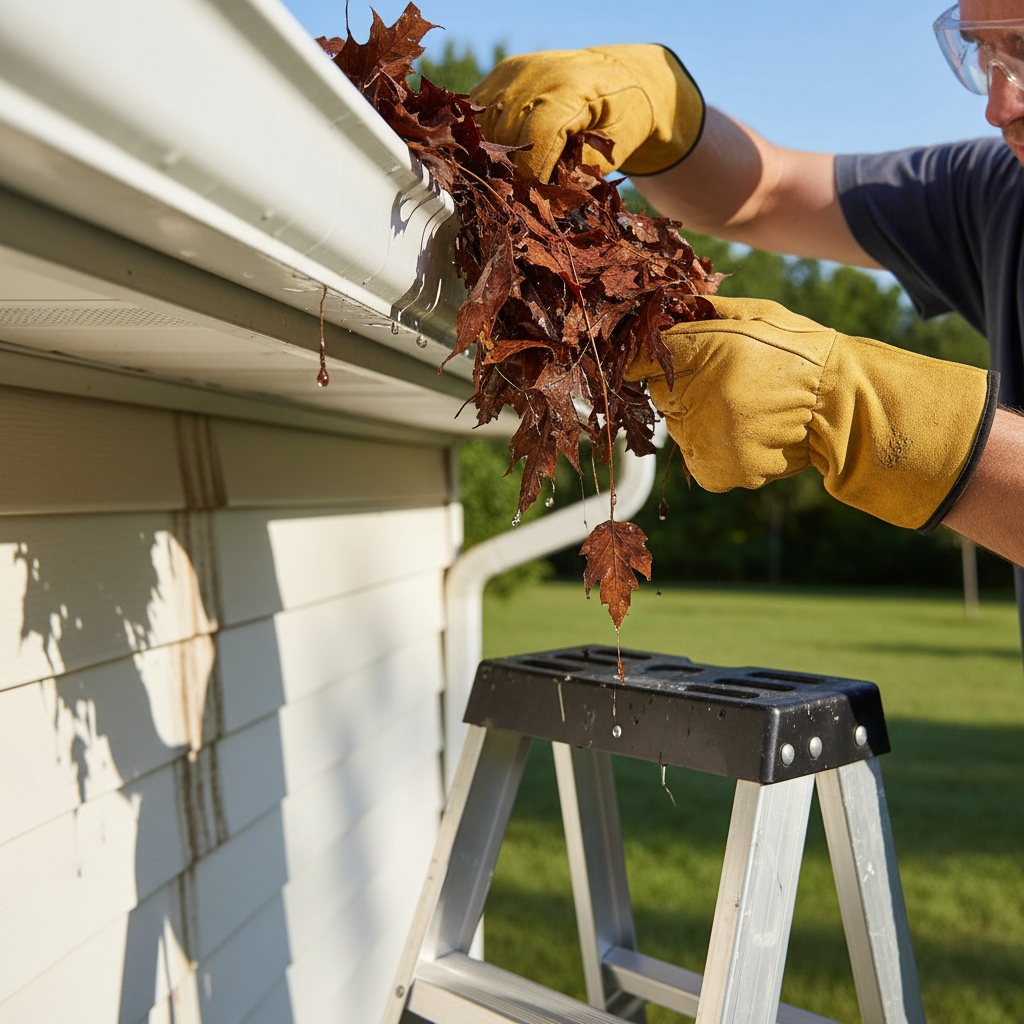
- Clogged Gutters: This is by far the most common culprit. Leaves, twigs, shingle grit, dirt, and other airborne debris accumulate in the gutter troughs, forming a dam that prevents water from flowing.
- Clogged Downspouts: Often, debris washes into the downspout openings and gets stuck, particularly in the elbow joints. This creates a severe bottleneck, causing water to back up in the main gutter channel.
- Improper Gutter Pitch: If gutters aren't installed with the correct slope (a slight incline towards the downspouts), water will sit stagnant or flow too slowly, allowing debris to settle and accumulate, leading to clogs and overflows.
- Sagging Gutters: Over time, especially if gutters frequently hold heavy debris or ice, the fasteners can pull away from the fascia, causing sections of the gutter to sag. This creates low spots where water pools and eventually overflows.
- Damaged or Disconnected Sections: Cracks, holes, or separation at seams can allow water to escape before it reaches the downspout, making it appear as if the gutter is overflowing, even if a full blockage isn't present.
Plumbing · Clog
| Project category | Plumbing |
|---|---|
| Problem type | Clog |
| Trade required | Plumbing |
| Urgency | Soon — within weeks |
| Safety risk | Low safety risk |
| DIY suitability | DIY friendly |
| Cost category | Low cost |
| Typical timeline | Same-day DIY attempt; pro visit within a day or two |
| Contractor type | Licensed plumber |
Repair option
Plunger, hand auger, or trap cleanout before chemicals.
Replacement option
Line replacement when clogs return in the same spot repeatedly.
Common causes
- Hair and soap buildup in the trap
- Grease cooling in the branch line
- Flushed wipes or foreign objects
Relevant tools:diy difficultydiy or hire a pro
Published July 22, 2026Last updated August 17, 2026
Tools & materials you'll need
Affiliate links- AmazonSturdy extension ladderEnsure it extends at least 3 feet above the gutter line
- AmazonHeavy-duty work gloves
- AmazonSafety glasses
- AmazonSmall garden trowel or gutter scoopFor scraping out stubborn debris
- AmazonGarden hose with strong nozzle
- AmazonPlumber's snake or bent coat hangerFor clearing downspout clogs
As an Amazon Associate FixlyGuide earns from qualifying purchases — at no extra cost to you. Prices and availability are accurate as of publication and subject to change.
Quick Answer
Overflowing gutters during heavy rainfall are almost always a tell-tale sign of a blockage within your gutter system. This blockage, typically formed by an accumulation of leaves, twigs, shingle grit, and other debris, prevents rainwater from flowing freely to and through the downspouts. When the water has nowhere to go, it backs up, spills over the sides of the gutters, and can lead to significant damage to your home's foundation, siding, landscaping, and even cause basement flooding. The good news is that for most homeowners, this is a relatively straightforward problem to diagnose and fix with some routine maintenance.
The Problem
You're standing at your window during a downpour, only to watch sheets of water cascade over your gutters like an uncontrolled waterfall. Instead of channeling rainwater safely away from your home, your gutters are actively contributing to the problem, potentially deluging your foundation and landscaping. This isn't just an aesthetic issue; it's a structural threat. Unmanaged rainwater runoff can erode soil around your foundation, leading to cracks, leaks in your basement or crawl space, and even compromise the structural integrity of your home over time. Beyond the foundation, overflowing gutters can also damage siding, accelerate paint deterioration, create fertile ground for mold and mildew growth, and even lead to dangerous icy patches on walkways in colder climates. The core issue is almost invariably a disruption in the seamless flow of water that the gutter system is designed to provide.
How It Works
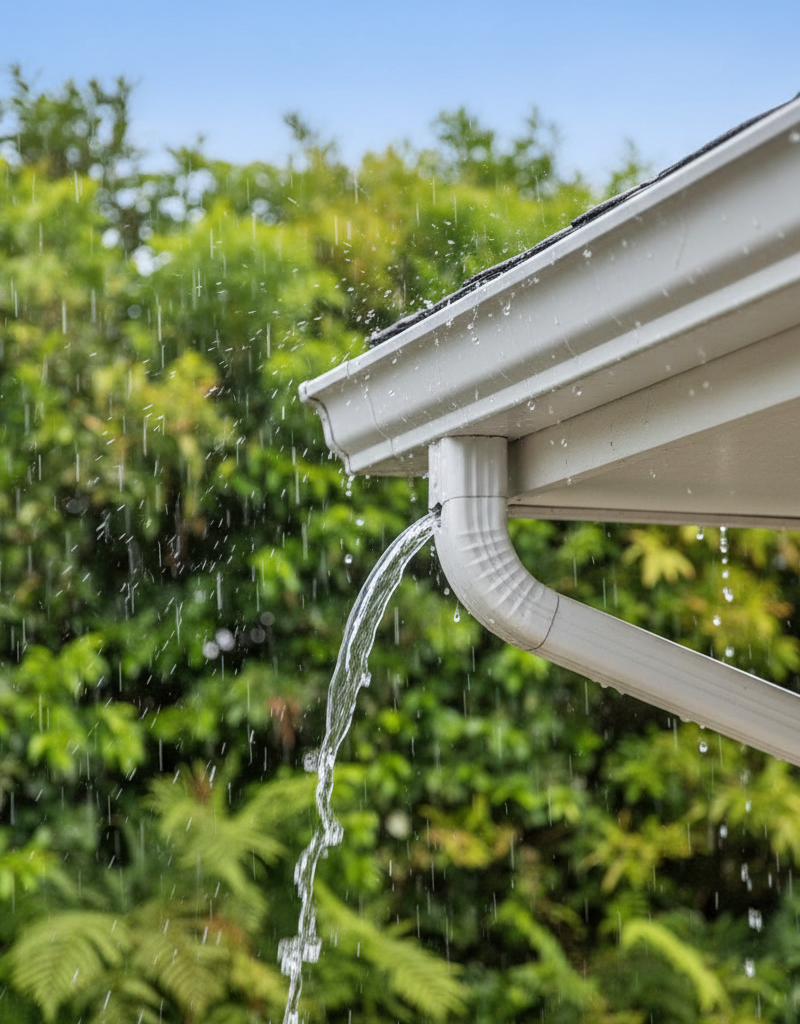
Your home's gutter system is a critical component of its exterior drainage infrastructure, designed to protect the roof, fascia, foundation, and landscaping from water damage. When rain falls on your roof, gravity channels it towards the roof's edge. The gutters, essentially troughs running along these edges, collect this water. From the gutters, the water is then directed through a series of downspouts, which are vertical pipes designed to carry the water safely away from the house, typically discharging it several feet from the foundation or into a drainage system. A properly functioning gutter system ensures that thousands of gallons of water from a single rainstorm are diverted away from your home, preventing concentrated runoff that could otherwise cause significant erosion and damage.
For this system to work effectively, water must be able to flow unimpeded from the highest point (the roof) through the gutters and downspouts, and finally away from the foundation. The gutters themselves need to be pitched (sloped) correctly, typically about ¼ inch per 10 feet, towards the downspouts to encourage flow. Downspouts need to be open and clear. Any obstruction at any point in this pathway can cause a bottleneck. Leaves, pine needles, small branches, shingle grit, bird nests, and even tennis balls can accumulate in the gutters or clog the downspout openings. When these blockages occur, the water builds up behind the obstruction, eventually reaching the top of the gutter walls and spilling over, negating the entire purpose of the system. The sheer volume of water during a heavy rainstorm exacerbates the issue, as the system's capacity is quickly overwhelmed by even a minor blockage.
Step-by-Step Fix
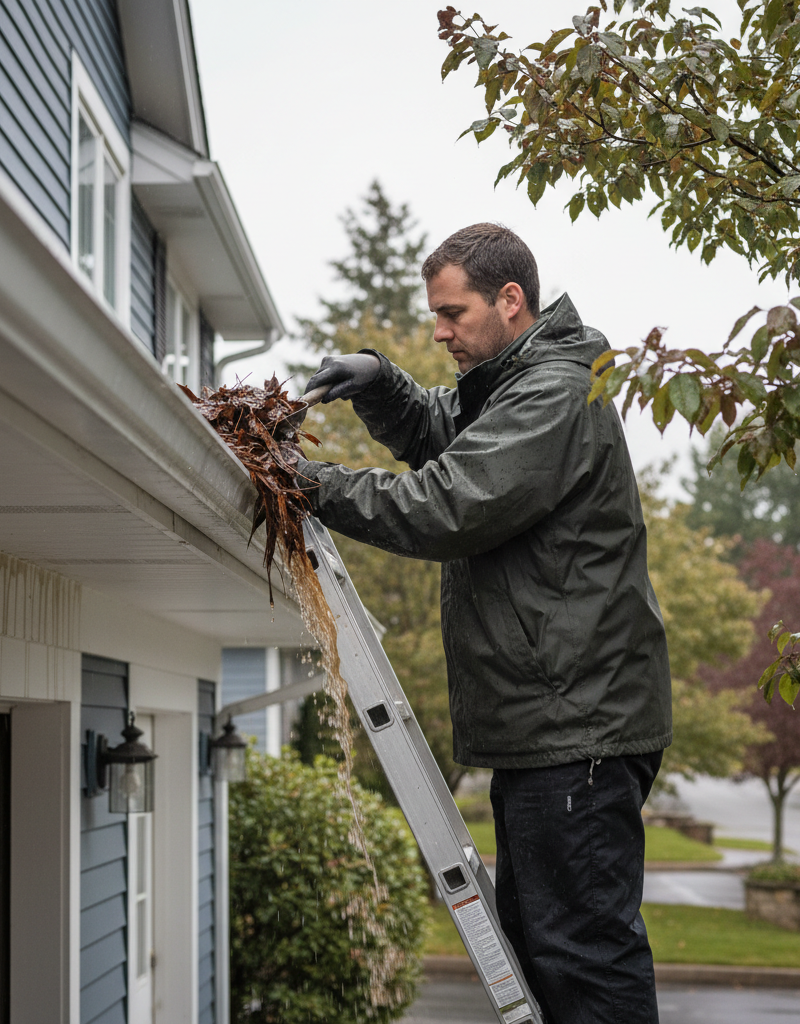
1. Prioritize Safety — Before you begin any work on a ladder, ensure it is stable and on firm, level ground. Wear non-slip gloves to protect your hands from sharp debris and potential toxins. Consider wearing safety glasses to prevent debris from falling into your eyes. Never work on gutters during or immediately after a rainstorm when surfaces are slick.
- Safety First: Always use a sturdy ladder and have someone spot you. If your roof is steep or you're uncomfortable on a ladder, hire a professional. Never overreach; always move the ladder.
- Gear Up: Work gloves, safety glasses, and sturdy, non-slip shoes are essential.
2. Clear Gutter Channels of Large Debris — Begin by manually removing large debris from the gutter troughs. This includes leaves, twigs, pine needles, and any other visible obstructions. Work your way around the house, pulling the debris towards you and depositing it into a bucket or tarp for easy disposal.
- Tools: Work gloves, small scoop or trowel, bucket or tarp.
- Technique: Start at one end near a downspout and work your way across. Pay special attention to corners and areas near downspout openings where debris tends to accumulate.
3. Rinse Gutters with a Garden Hose — Once all large debris is removed, use a garden hose with a strong nozzle to flush out any remaining dirt, shingle grit, and smaller particles. Start from the end furthest from the downspout and work your way towards it, allowing the water to carry the debris down into the downspout.
- Diagnostic: Observe if water flows freely down the downspout. If it backs up, the downspout is likely clogged.
- Pressure: A high-pressure nozzle can help dislodge stubborn grime.
4. Address Clogged Downspouts — If water isn't flowing freely through the downspout, it's clogged. The most common location for downspout clogs is at the top bend or elbow.
- Method 1 (Hose Pressure): Try flushing water from the top of the downspout with the garden hose. If this doesn't work, try flushing from the bottom opening upwards.
- Method 2 (Manual Removal): If accessible, carefully remove the downspout from the gutter and try to dislodge the clog manually with a plumber's snake or a straightened coat hanger. Some downspouts have removable sections, making this easier.
- Method 3 (Plunger): If the clog is close to the top, a toilet plunger can sometimes create enough suction to dislodge it.
5. Inspect for Proper Gutter Pitch — While the gutters are clean, check their slope. Water should flow consistently towards the downspouts, not away from them or pool in sections.
- Diagnosis: If water pools in certain sections, the gutter may have sagged or been installed with an incorrect pitch.
- Adjustment: This often requires repositioning existing gutter hangers or installing new ones to correct the slope. Aim for a ¼-inch drop per 10 feet of length.
6. Check for Damaged Gutter Sections — Look for any dents, holes, or separated seams where water could be escaping. Small holes can be patched with gutter sealant or flashing tape.
- Repair vs. Replace: Minor damage can often be repaired, but extensively damaged sections might need replacement.
- Sealant Application: Ensure surfaces are clean and dry before applying sealant for a strong bond.
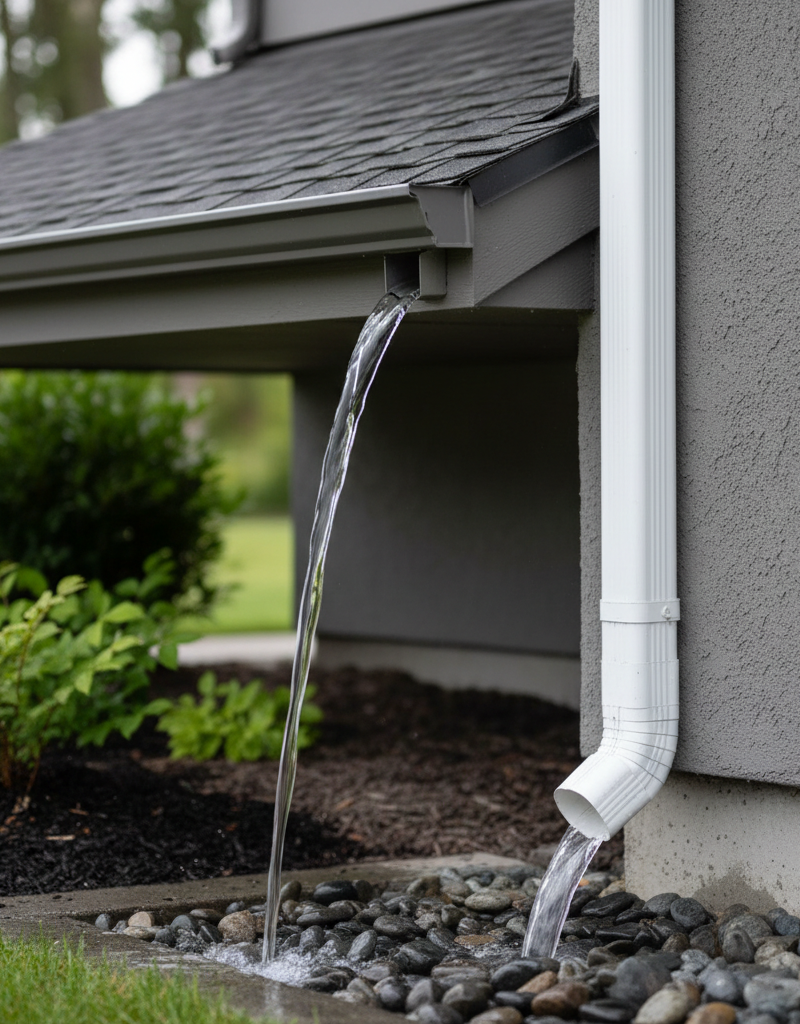
7. Ensure Downspout Extensions Are Functional — Downspout extensions are crucial for carrying water far enough away from your foundation. Ensure they are attached, unobstructed, and direct water at least 5-10 feet away from the house.
- Clearance: Make sure the extensions aren't blocked by landscaping or debris.
- Slope: They should also slope away from the house to prevent water from pooling near the foundation.
8. Consider Gutter Guards (Optional but Recommended) — Gutter guards can significantly reduce the frequency of gutter cleaning by preventing larger debris from entering the troughs. There are various types, including screens, micro-mesh, and solid covers.
- Types: Research which type is best for your specific debris (e.g., micro-mesh for pine needles, larger screens for leaves).
- Installation: Some are DIY-friendly, while others are best installed by professionals.
Common Causes
- Clogged Gutters: This is by far the most common culprit. Leaves, twigs, shingle grit, dirt, and other airborne debris accumulate in the gutter troughs, forming a dam that prevents water from flowing.
- Clogged Downspouts: Often, debris washes into the downspout openings and gets stuck, particularly in the elbow joints. This creates a severe bottleneck, causing water to back up in the main gutter channel.
- Improper Gutter Pitch: If gutters aren't installed with the correct slope (a slight incline towards the downspouts), water will sit stagnant or flow too slowly, allowing debris to settle and accumulate, leading to clogs and overflows.
- Sagging Gutters: Over time, especially if gutters frequently hold heavy debris or ice, the fasteners can pull away from the fascia, causing sections of the gutter to sag. This creates low spots where water pools and eventually overflows.
- Insufficient Gutter Size: In some cases, especially on homes with large or steep rooflines, the existing gutters might simply be too small to handle the volume of water generated during heavy rainfall. This is more common in areas that experience intense, infrequent downpours.
- Damaged or Disconnected Sections: Cracks, holes, or separation at seams can allow water to escape before it reaches the downspout, making it appear as if the gutter is overflowing, even if a full blockage isn't present.
- Debris in Splash Blocks/Extensions: Even if downspouts are clear, if the ground-level splash blocks or downspout extensions are blocked or not directing water far enough from the foundation, water can back up, negillifying the entire system.
Common Mistakes
- Ignoring Regular Maintenance: Waiting for an overflow during a storm means you're already behind. Gutters should be checked and cleaned at least twice a year, ideally in late spring and late fall, or more frequently if you have many trees.
- Using a Weak Hose: Trying to clear heavy debris with a weak stream of water is ineffective and can leave behind substantial gunk that will quickly re-clog. Use a strong nozzle.
- Overlooking Downspout Openings: Many DIYers focus only on the main gutter channel and neglect to check the critical downspout entry points and the downspouts themselves. These are prime locations for severe clogs.
- Improper Ladder Safety: Rushing or using an unstable ladder is a major safety hazard. Always work safely, ensure the ladder is secure, wear appropriate footwear, and never overreach.
- Incorrect Gutter Pitch Assumption: Assuming your gutters are sloped correctly. Even if they were initially, settling or damage can alter the pitch, leading to standing water and blockages. Always verify the pitch.
- Neglecting Downspout Extensions: Failing to ensure rain diverters or downspout extensions are properly attached, clear of obstructions, and directing water several feet away from the foundation defeats the purpose of a clean gutter system.
Cost & Time Breakdown
| Task | DIY Cost | Pro Cost | Time |
|---|---|---|---|
| Gutter/Downspout Cleaning | $0–$20 | $150–$300 | 1–3 hours |
| Minor Gutter Repair (Sealant) | $10–$25 | $100–$200 | 30–60 minutes |
| Downspout Extension | $15–$50 | $50–$100 | 15–30 minutes |
| Gutter Guard Installation | $100–$500+ | $500–$2000+ | 4–8 hours |
| Pitch Correction | $0–$50 | $200–$400 | 1–2 hours |
Tips & Prevention
- Regular Cleaning Schedule: Plan to clean your gutters at least twice a year – once in the spring after tree budding and once in the late fall after leaves have dropped. If your property has many trees, especially pines, consider quarterly checks.
- Install Gutter Guards: While not entirely maintenance-free, quality gutter guards can drastically reduce the frequency of cleaning by keeping most leaves and debris out of the troughs. Choose a type suitable for the debris common in your area.
- Trim Overhanging Branches: Pruning tree branches that hang directly over your roof and gutters will reduce the amount of organic debris falling into them. This also helps prevent damage during high winds.
- Extend Downspouts: Ensure all downspouts have extensions that direct water at least 5-10 feet away from your home's foundation. Consider burying drainage pipes or installing rain barrels for efficient water management.
- Inspect Annually for Damage: Perform a visual inspection of your entire gutter system annually. Look for sagging sections, loose hangers, cracks, holes, or disconnected seams. Addressing minor issues quickly can prevent larger problems and costly repairs.
- Check Gutter Pitch: Periodically verify that your gutters maintain the correct pitch toward the downspouts. Use a level or simply observe water flow during a light rain. Adjust hangers as needed to correct any pooling.
When to Call a Professional
While gutter cleaning and minor repairs are often a manageable DIY task, there are specific situations where calling a licensed professional is the safest and most effective course of action. If your home has multiple stories, a very steep roof pitch, or you're uncomfortable working on ladders at significant heights, a professional gutter cleaning service is highly recommended to prevent injury. Additionally, if you suspect your gutters are improperly sized for your roof's runoff capacity, if there are widespread signs of sagging or significant damage to multiple sections, if you're experiencing persistent foundation leaks despite clear gutters, or if downspouts are extensively clogged and beyond a simple snake or hose flush, it's time to bring in an expert. Professionals can accurately diagnose underlying pitch problems, perform seamless gutter repairs, or recommend and install a properly sized and functioning gutter system, ensuring long-term protection for your home's foundation and structure.
Related Articles
Keep troubleshooting with these hand-picked guides from FixlyGuide:
- The #1 Gutter Mistake You're Making (And 3 Hidden Causes of Overflow) — Overflowing gutters in heavy rain are often a sign of a deeper issue than just debris, leading to potential foundation damage and costly re…
- The 3 Hidden Reasons Your Gutters Fail in Heavy Rain (It’s Not Just Leaves) — Overflowing gutters during heavy rain often stem from a few common, yet overlooked, issues beyond simple leaf clogs, leading to potential s…
- The #1 Reason Your Gutters Overflow (It's Not Clogging) — Discover the surprising true cause of overflowing gutters during heavy rain and how a simple fix can prevent costly water damage to your ho…
- Is Your Gutter Sagging After Every Storm? The Hidden Flaw Most Homeowners Miss — Discover the overlooked reason your gutters sag after every storm and learn the lasting fix that most homeowners miss.
- The #1 Mistake Homeowners Make After Finding Missing Shingles (And How to Fix It Right) — Discover the crucial steps to take after a storm rips shingles from your roof, ensuring a proper, lasting repair and preventing costly futu…
- The #1 Mistake Homeowners Make Cleaning Gutters (And How to Fix It) — Discover the biggest gutter cleaning mistake that leads to costly roof damage and learn the right way to protect your home.
Should you do this yourself?
Answer five quick questions before you start. Safety outranks savings every time.
Your experience with work like this
How high do you have to work?
Does the job involve any of these?
Will it need a permit?
Specialty tools
Free and instant. Educational guidance only — not a quote, inspection, or professional diagnosis.
What should this project cost?
Enter your project details for a realistic cost range before you call anyone.
Spot repairs commonly run $400–$1,800; full replacement typically $9,000–$18,000 for an average home.
- Regional adjustment
- National average
- Labor share (typical)
- ~$2,948
- Quotes to collect
- 3 written estimates
Educational estimate based on national averages — not a binding quote. Always confirm with written local estimates.
Fixly Project Decision Box
- DIY difficulty
- Professional Recommended
- Estimated time
- Inspection 1–2 hours · repairs 1–3 days
- Cost level
- High
Main tools / materials
- Binoculars for a ground-level look
- Flashlight for attic checks
- Moisture meter
- Roofing cement (temporary patch only)
When to stop and call a pro
- Active leak near lights, fans, or any wiring
- Sagging, bulging, or water-filled ceiling
- Steep, wet, or two-story roof — do not climb it
- Storm or hail damage you plan to claim on insurance
Need professional help?
Free roof assessment first — no phone calls until you ask for them.
Get Local Roofing HelpDecide what your roof needs
Two minutes of questions turns "something is wrong up there" into a clear next step.
- Repair or replace your roof?Answer 10 questions about age, leaks, and damage to get a clear next step.Open
- Compare contractor quotesScore up to four bids on price, warranty, licensing, and timeline.Open
- Get local estimatesSend one request and compare written estimates from vetted pros.Open
Free, no signup required. Estimates are educational guidance, not a quote or an inspection.
Frequently asked questions
Why do my gutters overflow only in heavy rain?+
Gutters typically overflow only during heavy rain because a partial clog reduces their capacity. During light rain, the reduced flow might still pass, but a downpour overwhelms the restricted pathway, causing water to back up and spill over.
How often should I clean my gutters to prevent overflow?+
Most homes benefit from gutter cleaning at least twice a year: once in late spring after tree budding and again in late fall after all leaves have dropped. Homes surrounded by many trees may require more frequent cleaning, potentially quarterly.
Can overflowing gutters damage my house?+
Yes, overflowing gutters can cause significant damage, including foundation cracks, basement flooding, eroded landscaping, damaged siding and fascia boards, and accelerated paint deterioration. It's crucial to address overflows promptly.
Are gutter guards worth it for preventing overflows?+
Gutter guards can significantly reduce the amount of debris entering your gutters, thereby reducing the frequency of cleaning and the risk of clogs and overflows. However, they are not entirely maintenance-free and may still require occasional cleaning.
What's the ideal slope for gutters?+
Gutters should be installed with a slight pitch or slope towards the downspouts, generally about ¼ inch of drop for every 10 feet of gutter length. This ensures proper drainage and prevents water from pooling.
Discussion
Loading comments…