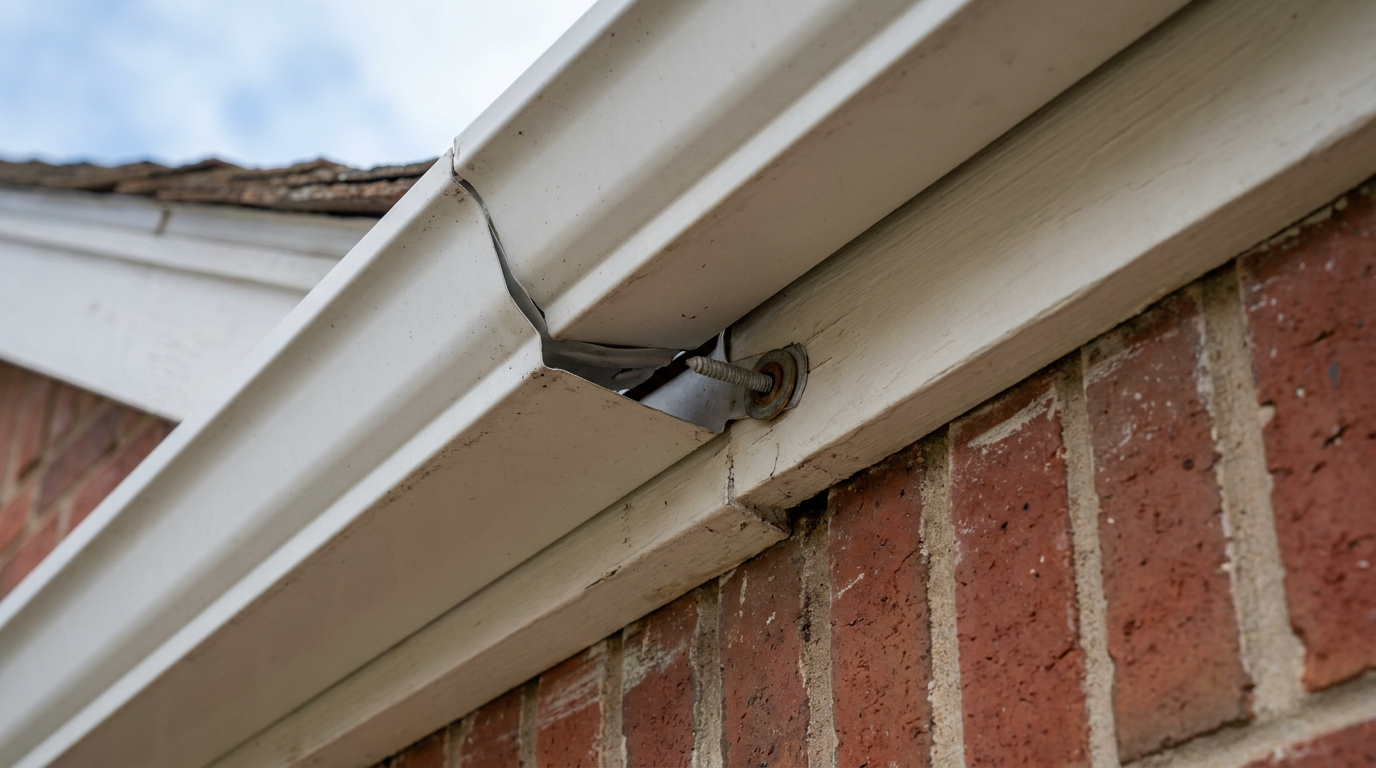
- Problem: This is the one I hear most. Usually it’s a clog near the downspout or a high spot in the gutter run. Water backs up, finds a new drip point, and hits metal below — that’s your ping.
- Fix: Get on the ladder and look inside the gutter right where the sound starts. Odds are you’ll find a wad of leaves and shingle grit acting like a little dam.
- Tools: Ladder, gutter scoop or trowel, heavy-duty gloves, bucket, garden hose with spray nozzle.
- Action: Scoop out the debris. Once the big junk’s gone, flush the gutter and the downspout with the hose so you know it’s clear. The dripping should quit right away.
Roofing · Aging roof
| Project category | Roofing |
|---|---|
| Problem type | Aging roof |
| Trade required | Roofing |
| Urgency | Planned project |
| Safety risk | Low safety risk |
| DIY suitability | Pro recommended |
| Cost category | High cost |
| Typical timeline | Plan 4–12 weeks ahead for scheduling and material lead time |
| Contractor type | Licensed roofing contractor |
Repair option
Maintenance repairs to buy a season or two while you budget.
Replacement option
Planned replacement, which is almost always cheaper than a leak-driven emergency.
Common causes
- Normal weathering past the shingle service life
- Poor attic ventilation cooking the shingles from below
- Repeated repairs on the same slopes
Relevant tools:repair or replace roofproject cost estimatorhome improvement material prices
Published October 19, 2026Last updated October 19, 2026
Tools & materials you'll need
Affiliate linksAs an Amazon Associate FixlyGuide earns from qualifying purchases — at no extra cost to you. Prices and availability are accurate as of publication and subject to change.
Quick Answer
If your gutters are making noise, it’s usually one of four things: thermal expansion (popping/banging), a clog causing drips, loose hangers making scraping or rattling sounds, or pests nesting inside. That annoying “ping... ping... ping” after a storm is often just a little clog forcing water to drip from a new spot. A sudden “bang!” on a hot afternoon? Yeah, that’s usually the metal expanding and contracting. Most of the time, you’re looking at basic maintenance — tighten a fastener, clear a downspout, call it a day — and that can keep you from getting into bigger trouble like water damage or foundation issues.
The Problem
Gutters are supposed to be the quiet workers on the house, doing their job in the background while nobody thinks about them. So when they start popping, banging, dripping, scraping, or rattling, it gets your attention fast. And for good reason. Those noises aren’t just irritating; they’re the gutter system telling you something’s off. Ignore it long enough and you’ll wind up with the stuff gutters are meant to prevent: foundation damage, siding rot, landscape erosion, even a flooded basement. A dripping sound might be a small leak today, but it can turn into a seam failure the next time a Texas downpour rolls through. A loud bang could be harmless thermal expansion — or it could mean the gutter’s pulling away from the house, one fastener at a time.
I pulled a gutter run in Frisco last month that had been “making a little noise” for weeks. Turned out one short clog had water dribbling onto a loose metal edge, and the homeowner thought it was something in the attic. No dice. The gutter was the whole problem.
How It Works
Your gutter system is a pretty simple fix for a pretty massive physics problem: all the water that comes off your roof has to go somewhere. One inch of rain on a 2,000-square-foot roof makes about 1,240 gallons of water. Without gutters, that water dumps straight off the edge, cuts trenches in your landscaping, soaks the soil next to your foundation, and splashes mud all over your siding. Gutters catch that water and move it into the downspouts, which send it away from the house.
Most residential gutters in North America are aluminum. Light stuff. Doesn’t rust easy. They’re hung along the fascia board — that’s the trim board right under the roof edge — with a slight slope, about 1/4 inch of fall for every 10 feet of run. That slope uses gravity to move water toward the downspouts. Hangers or brackets hold the whole setup up, usually every 24-36 inches, because you’re not just supporting the gutter itself — you’re supporting water, leaves, grit, and whatever else blows in there.
Once you understand that layout, the noises make more sense. The system depends on a clean, solid path for water. Break that path — loose hanger, open seam, debris dam — and the house starts talking to you. Usually in the form of racket.
Step-by-Step Fix
Before you start, a safety note I don’t mess around with: ALWAYS use a sturdy, properly-placed ladder. Don’t stand on the top two rungs. If the ground’s soft, have somebody foot the ladder. And if the roof’s steep or you hate heights, this is pro work. Plain and simple.
1. Identify the Sound and Location
- Before you climb, just listen. Is it a steady drip? A sharp bang when the sun hits? A rattle in the wind? Figure out where it’s loudest on the house. That first little bit of detective work saves you a pile of time. Drip usually means a clog or leak; bang usually means thermal expansion or a loose gutter starting to fail.
2. The Dripping or "Ping" Sound
- Problem: This is the one I hear most. Usually it’s a clog near the downspout or a high spot in the gutter run. Water backs up, finds a new drip point, and hits metal below — that’s your ping.
- Fix: Get on the ladder and look inside the gutter right where the sound starts. Odds are you’ll find a wad of leaves and shingle grit acting like a little dam.
- Tools: Ladder, gutter scoop or trowel, heavy-duty gloves, bucket, garden hose with spray nozzle.
- Action: Scoop out the debris. Once the big junk’s gone, flush the gutter and the downspout with the hose so you know it’s clear. The dripping should quit right away.
3. The "Bang!" or "Pop!" Sound
- Problem: Nine times out of ten, this is thermal expansion. Long aluminum runs — especially over 40 feet — grow and shrink with temperature swings. On a hot Texas afternoon, a gutter can expand by as much as 1/2 inch. If it’s pinned too tight at the end caps or downspout outlets, it binds and lets go with a pop or bang.
- Fix: You’ve got to give it some room to move.
- Tools: Ladder, drill with a 1/8" bit, aviation snips, high-quality gutter sealant.
- Action: Find where the run is binding, usually around the downspout outlet. You might have to disconnect the downspout. You’re trying to create a small gap. Sometimes that means trimming the gutter end a bit, but more often it means enlarging the downspout hole. You want the gutter to slide a little behind the downspout connector. Seal the new connection with a bead of weatherproof gutter sealant. If this doesn’t work, a pro can put in a proper expansion joint.
4. The Scraping or Grinding Sound
- Problem: Wind usually brings this one out. It usually means a loose hanger or spike. The fastener’s pulled out of the fascia board, so the gutter can move. Then you get scraping against the gutter or the gutter rubbing the fascia.
- Fix: Tighten or replace the loose fastener.
- Tools: Ladder, drill/driver, new gutter screws (long-threaded fasteners that replace old spikes).
- Action: From the ladder, grab the gutter and wiggle it gently. You’ll feel the loose spot quick. If you’ve got old-style gutter spikes, don’t just pound them back in — they’ll be loose again before you know it. Pull the old spike. Drive a new gutter screw into that same hole. The screw bites into fresh wood and pulls everything snug. Do the same on any other loose sections.
5. The Rattling or Buzzing Sound
- Problem: Most of the time, it’s a loose downspout strap or a piece of debris — a stick, a leaf, something like that — trapped in the downspout and vibrating with wind or water flow. Could be pests too.
- Fix: Secure the downspout and check for blockages.
- Tools: Ladder, drill/driver or screwdriver, gloves.
- Action: Give the downspout a gentle shake. If it rattles, tighten the screws on the straps that hold it to the wall. If the straps are already solid, the problem’s probably inside. Tap the downspout from top to bottom. If the sound changes, you found the clog. Use a plumber’s snake or a high-pressure hose nozzle from the bottom up to break it loose. If you think pests are in there — wasp nests are common — be careful and call pest control if you need to.
Common Causes
- Thermal Expansion: Metal grows when it’s hot and shrinks when it’s cold. Long, continuous gutter runs with no expansion joints are the big reason for loud banging noises, especially where temperatures swing a lot.
- Minor Debris Dams: You don’t need a gutter stuffed full of leaves to cause trouble. One wet clump of oak tassels or pine needles can trap enough water to force a drip over the edge and make that “ping” sound.
- Loose Fasteners: Gutter spikes and screws can loosen over time from the weight of water, snow, ice, and the metal’s constant expanding and contracting. That leads to rattling, scraping, and eventually sagging.
- Improper Slope: If the gutter doesn’t pitch toward the downspout right, water sits in low spots. That standing water breeds mosquitoes and can keep dripping long after the storm’s gone.
Common Mistakes
- Hammering Old Spikes: When a gutter spike works loose, hammering it back into the same hole is only a band-aid. The wood’s already stripped. You need a new, longer screw or a new spot for the fastener.
- Ignoring a Drip: Folks hear a “ping” and try to live with it. Bad move. That drip points to a clog or a leak. Leave it alone and the water damages whatever it’s hitting, and the small clog turns into a real mess.
- Using the Wrong Sealant: Don’t grab whatever caulk’s sitting in the garage. Use a high-quality, flexible sealant made for gutters and outdoor use. Silicone or polyurethane-based gutter sealants stay flexible and waterproof through heat and cold.
- Mismatching Metals: Never fasten a copper gutter with a steel screw or vice-versa. When two different metals touch and water’s present, you get a galvanic reaction, and the “less noble” metal corrodes fast. That thing’s toast.
Cost & Time Breakdown
This is one of the cheapest DIY projects you can take on. The material cost is low, and the payoff from avoiding water damage is huge.
| Task | DIY Cost | Pro Cost | Time |
|---|---|---|---|
| Cleaning & Flushing Gutters | $0–$15 (for a nozzle) | $150–$300 | 1–2 hours |
| Tightening/Replacing Hangers | $10–$20 (for a box of screws) | $100–$250 | 1 hour |
| Sealing a Minor Leak/Joint | $8–$12 (for a tube of sealant) | $125–$275 | 30 minutes |
| Clearing a Downspout Clog | $0–$25 (for a basic snake) | $100–$200 | 30–60 minutes |
Tips & Prevention
- Clean them twice a year: Once in late spring after the seeds and pollen have dropped, and once in late fall after the leaves are down. That’s the easiest way I know to prevent 90% of gutter problems.
- Install Gutter Guards: They’re not magic — you’ll still need to check them now and then — but decent gutter guards can cut way down on debris and help prevent the little clogs that cause drips.
- Check the Slope: After a light rain, take a look. If water’s sitting anywhere, that section doesn’t have enough slope. You may have to re-hang part of the run to get it draining right.
- Trim Overhanging Trees: Fewer branches over the roof means fewer leaves and twigs ending up in the gutters. Simple, but it works.
When to Call a Professional
Most of these noises are straightforward DIY fixes. Still, there are times you need to step back and call a professional gutter contractor if you run into any of this:
- Fascia Board is Rotting: If you pull a loose gutter spike and the wood behind it feels soft, spongy, or dark with rot, you’ve got a bigger issue. The fascia has to be replaced before the gutter can be attached properly.
- Long, Sagging Runs: If a whole section of gutter — 10 feet or more — is sagging or pulling away from the house, a simple screw fix usually won’t cut it. The whole section probably needs to be re-hung and re-sloped.
- The Gutters are Damaged: If the gutter itself is bent, crushed, or cracked over a long stretch, sealant isn’t a real fix. That section needs replacement. Seamless gutters are even more specialized, since they take a machine to fabricate.
- You're Uncomfortable on a Ladder: No repair’s worth a trip to the emergency room. Gutter work means reaching and leaning off a ladder, and that’s where people get hurt. If you don’t feel 100% safe and steady, call a pro. Cheaper than a medical bill, every time.
Related Articles
Keep troubleshooting with these hand-picked guides from FixlyGuide:
- The Mystery of the Loose Siding Panel: Why It Flaps and How to Fix It Right — Loose siding panels aren't just an eyesore; they can lead to serious water damage if not addressed quickly. Learn why your siding is flappi…
- The #1 Mistake Homeowners Make When Sealing a Deck (And How to Fix It) — Discover the crucial, often-missed step in deck sealing that prevents premature wear and water damage, ensuring your wood deck lasts for ye…
- Roof Deck Leaking Into House? 7 Causes and the Fix for Each — A roof deck leaking into your house is a serious problem. We’ll walk through the 7 most common causes, from failed flashing to clogged drai…
- The Urgent Truth About Missing Roof Shingles (And Your 3-Step Fix) — High winds can rip shingles off your roof, exposing your home to immediate water damage – here’s how to assess, temporary patch, and plan p…
- Your Roof is Leaking. Now What? — A leaking roof after a storm is a homeowner's nightmare. Learn how to safely install a temporary roof tarp to prevent further water damage…
- Why Your Smoke Alarm Won't Stop Blaring (When There's No Fire!) — False alarms from your smoke detector are more than just annoying; they can make you ignore real emergencies. Learn why they happen and how…
Should you do this yourself?
Answer five quick questions before you start. Safety outranks savings every time.
Your experience with work like this
How high do you have to work?
Does the job involve any of these?
Will it need a permit?
Specialty tools
Free and instant. Educational guidance only — not a quote, inspection, or professional diagnosis.
What should this project cost?
Enter your project details for a realistic cost range before you call anyone.
Spot repairs commonly run $400–$1,800; full replacement typically $9,000–$18,000 for an average home.
- Regional adjustment
- National average
- Labor share (typical)
- ~$2,948
- Quotes to collect
- 3 written estimates
Educational estimate based on national averages — not a binding quote. Always confirm with written local estimates.
Fixly Project Decision Box
- DIY difficulty
- Professional Recommended
- Estimated time
- Inspection 1–2 hours · repairs 1–3 days
- Cost level
- High
Main tools / materials
- Binoculars for a ground-level look
- Flashlight for attic checks
- Moisture meter
- Roofing cement (temporary patch only)
When to stop and call a pro
- Active leak near lights, fans, or any wiring
- Sagging, bulging, or water-filled ceiling
- Steep, wet, or two-story roof — do not climb it
- Storm or hail damage you plan to claim on insurance
Need professional help?
Free roof assessment first — no phone calls until you ask for them.
Get Local Roofing HelpDecide what your roof needs
Two minutes of questions turns "something is wrong up there" into a clear next step.
- Repair or replace your roof?Answer 10 questions about age, leaks, and damage to get a clear next step.Open
- Compare contractor quotesScore up to four bids on price, warranty, licensing, and timeline.Open
- Get local estimatesSend one request and compare written estimates from vetted pros.Open
Free, no signup required. Estimates are educational guidance, not a quote or an inspection.
Frequently asked questions
Why does my gutter make a loud banging noise in the summer?+
That loud pop or bang is almost always due to thermal expansion. Your aluminum gutters expand in the heat and contract as it cools. If the gutter was installed too tightly, it binds and releases with a sudden, loud noise. It's usually not a structural problem, but it is annoying.
Is a dripping sound from my gutter a serious problem?+
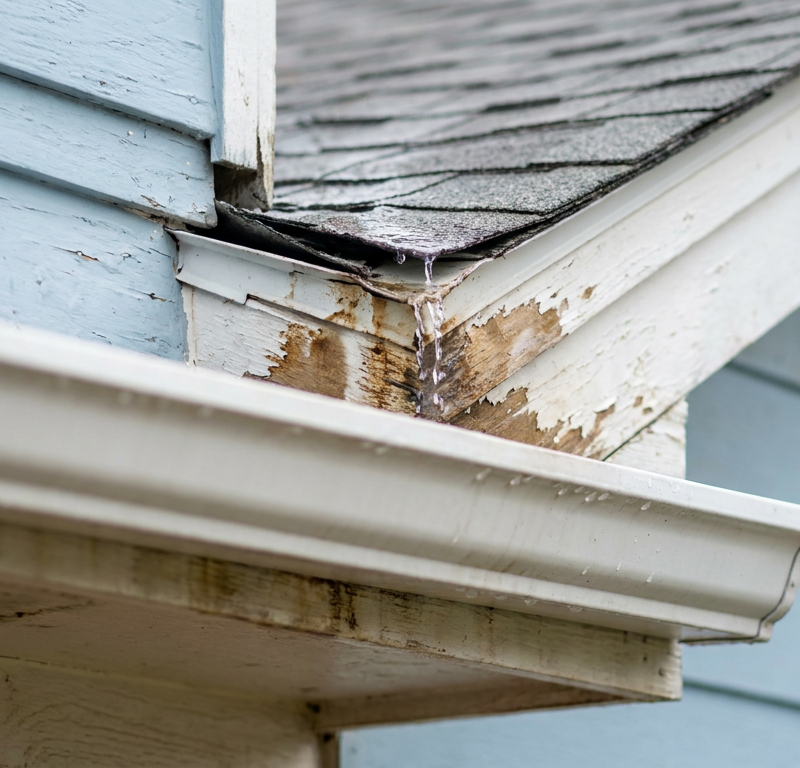
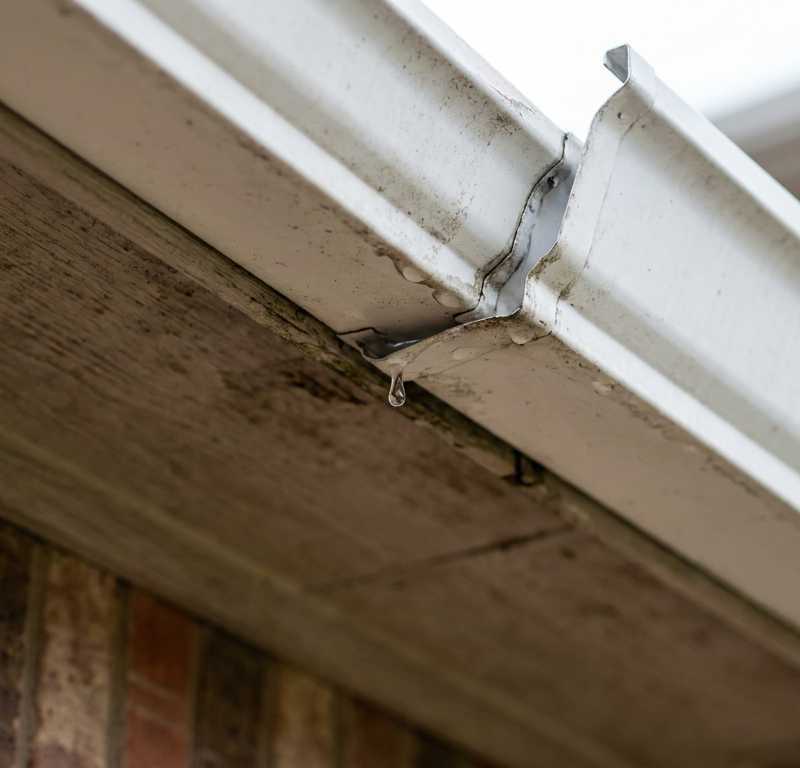
It can be. A dripping or 'pinging' sound means water isn't flowing correctly to the downspout. It's usually a small clog or a leak starting. While a small issue now, it can lead to water overflowing, damaging your fascia, foundation, or siding if you don't clear the blockage.
What does it mean if my gutters rattle in the wind?+
A rattling sound is a clear sign that a gutter hanger or downspout strap has come loose. The wind is causing the loose section to move and vibrate against the house or other gutter parts. You should tighten these fasteners immediately to prevent the gutter from sagging or detaching completely.
My downspout makes a gurgling noise when it rains, is that normal?+
Some gurgling during heavy rain is normal as air and water mix in the downspout. However, loud or persistent gurgling, especially in lighter rain, can indicate a partial blockage. Debris is restricting flow, causing water to back up and drain slowly, creating that sound.
Can animals make noise in gutters?+
Yes, absolutely. Birds often build nests in gutters, and squirrels may use them as a highway. The scratching and rustling sounds could be pests. In some cases, wasps or hornets build nests inside downspouts, creating a buzzing sound.
Why do my gutters drip for hours after it stops raining?+
This is a classic sign of improper slope. If your gutters aren't sloped correctly toward the downspouts (about 1/4 inch every 10 feet), water will pool in low spots. This standing water then slowly evaporates or finds a tiny seam to drip through, causing a drip that lasts long after the storm.
How can I stop my downspout from making noise where it hits the splash block?+
That 'ping' on a splash block can be annoying. An easy fix is to place a small, flat rock inside the splash block directly under the downspout opening. You can also buy a small piece of artificial turf or a rubber guard to glue to the impact spot. This dampens the sound of the dripping water.
Is it safe to put screws into my fascia board to tighten gutters?+
Yes, it's the recommended method. The old spike-and-ferrule system works loose over time. Replacing them with long, threaded gutter screws provides a much stronger, more permanent hold by biting into the wood of the fascia and rafter tails behind it.
Discussion
Loading comments…