- Applying Sealant to Wet Wood: Wood must be completely dry for sealants to penetrate and cure correctly. Applying sealant to damp wood traps moisture beneath the surface, leading to premature peeling, blistering, and mildew growth.
- Skipping Brightener/Neutralizer: After stripping and cleaning, wood often needs to be brightened to restore its natural pH and color. Skipping this can result in a dull finish and can even affect the penetration of certain sealants.
- Ignoring Minor Repairs: Before sealing, address loose boards, protruding nails, or significant cracks. These issues will only worsen and compromise the integrity of the sealant layer.
Landscaping · Deck or fence project
| Project category | Landscaping |
|---|---|
| Problem type | Deck or fence project |
| Trade required | Landscaping |
| Urgency | Planned project |
| Safety risk | Moderate safety risk |
| DIY suitability | DIY for experienced homeowners |
| Cost category | High cost |
| Typical timeline | Most builds 3–10 days depending on size |
| Contractor type | Landscaping contractor |
Repair option
Replace failed boards, posts, and hardware; reseal the surface.
Replacement option
Rebuild when framing or the ledger connection is unsafe.
Common causes
- Rot at posts and ledger
- Storm damage
- Adding outdoor living space
Relevant tools:home improvement material pricesproject cost estimator
Published June 11, 2026Last updated August 18, 2026
Tools & materials you'll need
Affiliate links- AmazonGarden sprayer or roller (for cleaner)
- AmazonStiff bristle brush
- AmazonGarden hose with good pressure
- AmazonPressure washerOptional, but useful for stubborn areas if used carefully
- AmazonOrbital or pole sanderWith 80-120 grit sandpaper
- AmazonHigh-quality brush, roller, or pad applicator (for sealant)
As an Amazon Associate FixlyGuide earns from qualifying purchases — at no extra cost to you. Prices and availability are accurate as of publication and subject to change.
Quick Answer
Many homeowners rush the deck sealing process, primarily overlooking the critical preparatory steps. The number one mistake is applying new sealant over an improperly cleaned or prepared surface. This leads to poor adhesion, premature peeling, mildew growth, and ultimately, a much shorter lifespan for your deck's protective coating. A thorough cleaning, stripping of old sealant, and light sanding are non-negotiable for a professional, long-lasting finish.
The Problem
Your beautiful wood deck, once a vibrant extension of your home, takes a beating from the elements. Over time, sunlight, rain, snow, and daily foot traffic wear down its protective seal. You might notice the wood changing color, becoming gray, faded, or even developing unsightly black spots of mold and mildew. Water no longer beads up on the surface but soaks in, signaling that the wood is exposed and vulnerable to rot, warping, and splintering. Perhaps you've tried sealing it before, only to have the sealant peel or fail within a year or two. This isn't just an aesthetic issue; it's a structural one. Unsealed or poorly sealed wood is an open invitation for moisture intrusion, which can compromise the integrity of your deck boards, railings, and even the underlying support structure. The problem isn't usually the sealant itself, but the preparation – or lack thereof – before application.
How It Works
Wood is a hygroscopic material, meaning it readily absorbs and releases moisture from its environment. This constant fluctuation causes the wood fibers to expand and contract, leading to checks, cracks, and warping. Sealants and stains work by creating a protective barrier on or within the wood, preventing water penetration and slowing down the degradation caused by UV radiation. Transparent and semi-transparent sealants typically penetrate the wood fibers, allowing the natural grain to show through while offering some protection. Solid stains and paints form an opaque film on the surface, providing more robust protection but obscuring the wood grain. Most deck-specific sealants contain UV inhibitors, fungicides, and mildewcides to combat the twin threats of sun damage and biological growth.
For a sealant to effectively protect the wood, it must adhere properly. Imagine trying to stick a piece of tape to a dusty, greasy surface – it won't hold. The same principle applies to deck sealants. Old, peeling sealant, dirt, grime, algae, and mildew all create barriers that prevent new sealant from bonding directly with the wood fibers. When a new layer is applied over an unprepared surface, it sits on top of these contaminants or old coatings. As the deck experiences temperature changes and moisture cycles, this poorly adhered layer will inevitably lift, bubble, and peel. Proper preparation ensures that the wood's pores are open and clean, allowing the new sealant to penetrate deeply and form a strong, lasting bond, maximizing its protective qualities and aesthetic appeal. Skipping this crucial step is akin to building a house on a shaky foundation – it's doomed to fail prematurely.
Step-by-Step Fix
1. Clear the Deck — Remove all furniture, planters, grills, and anything else from the deck surface. This ensures unobstructed access to every board and prevents damage to your belongings during the cleaning process.
2. Perform a Water Test — Sprinkle water on several areas of your deck. If the water beads up, your old sealant is still doing its job, and simply cleaning might suffice. If the water soaks into the wood, it's time to reseal.
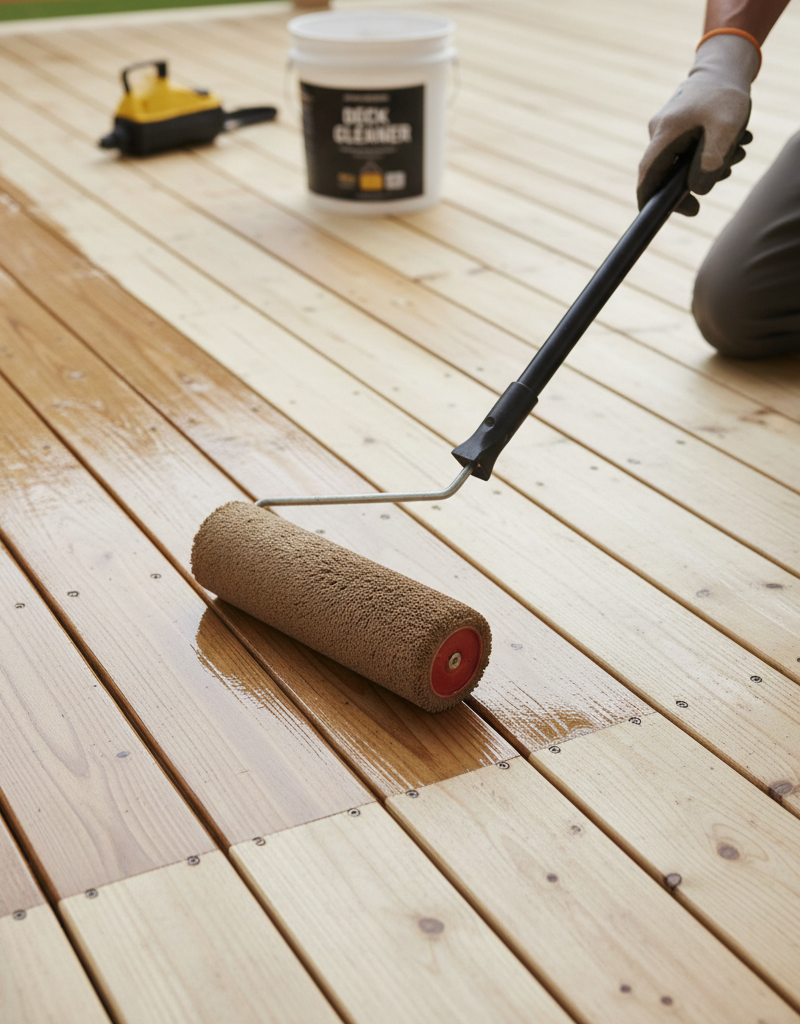
3. Clean the Deck Thoroughly — Mix a deck cleaner (or a solution of 1 part bleach to 4 parts water, plus a squirt of dish soap) in a bucket. Apply the cleaner to the deck surface with a garden sprayer or roller, working in small sections. Allow it to sit for 10-15 minutes, ensuring it doesn't dry out. Scrub stubborn areas with a stiff bristle brush. Rinse thoroughly with a garden hose – a pressure washer can be used but with extreme caution.
*   **Safety Note:** Always wear eye protection, gloves, and old clothes when working with deck cleaners or bleach. Keep children and pets away from the area. If using a pressure washer, use a wide fan tip (25-40 degrees) and keep the nozzle moving constantly at least 12 inches from the surface to avoid damaging the wood fibers.
*   **If you have mildew:** Use a dedicated mildew cleaner or the bleach solution mentioned above. Scrub well.
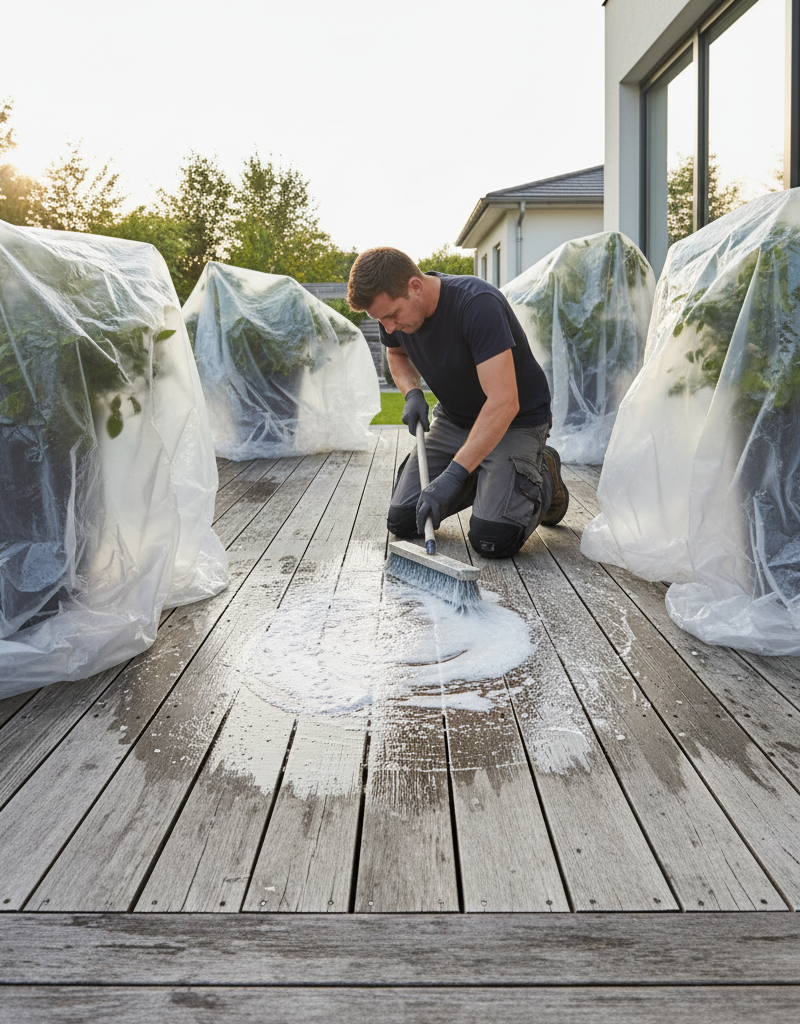
4. Strip Old Sealant (If Necessary) — If previous layers of sealant are peeling, discolored, or unevenly applied, you'll need to strip them. Apply a chemical deck stripper according to the manufacturer's directions. Allow it to dwell, then gently scrub and rinse away. This step is critical for proper adhesion of new sealant. Always test on an inconspicuous area first.
* **Pro Tip:** Stripping is messy. Protect surrounding plants and house siding with plastic sheeting. Neutralize stripped wood if directed by the stripper manufacturer, typically with an oxalic acid-based brightener.
5. Sand Rough Spots — Once the deck is completely dry (allow 24-48 hours), inspect for raised grain, splinters, or rough areas. Lightly sand these spots with 80-120 grit sandpaper or an orbital sander. This creates a smooth surface for the sealant to adhere to and improves the overall feel of the deck. Vacuum or sweep up all sanding dust.
6. Brighten and Neutralize the Wood (Optional but Recommended) — After stripping and/or heavy cleaning, wood can sometimes look dull or fuzzy. A deck brightener (often an oxalic acid solution) restores the wood's natural color and neutralizes any lingering stripper chemicals. Apply, let sit, and rinse according to product instructions. Allow the deck to dry for at least 48 hours, or longer if humidity is high.
7. Mask Off Adjacent Surfaces — Use painter's tape and masking paper or plastic sheeting to protect house siding, railings, and adjacent concrete from sealant drips or overspray. This saves a lot of cleanup later.
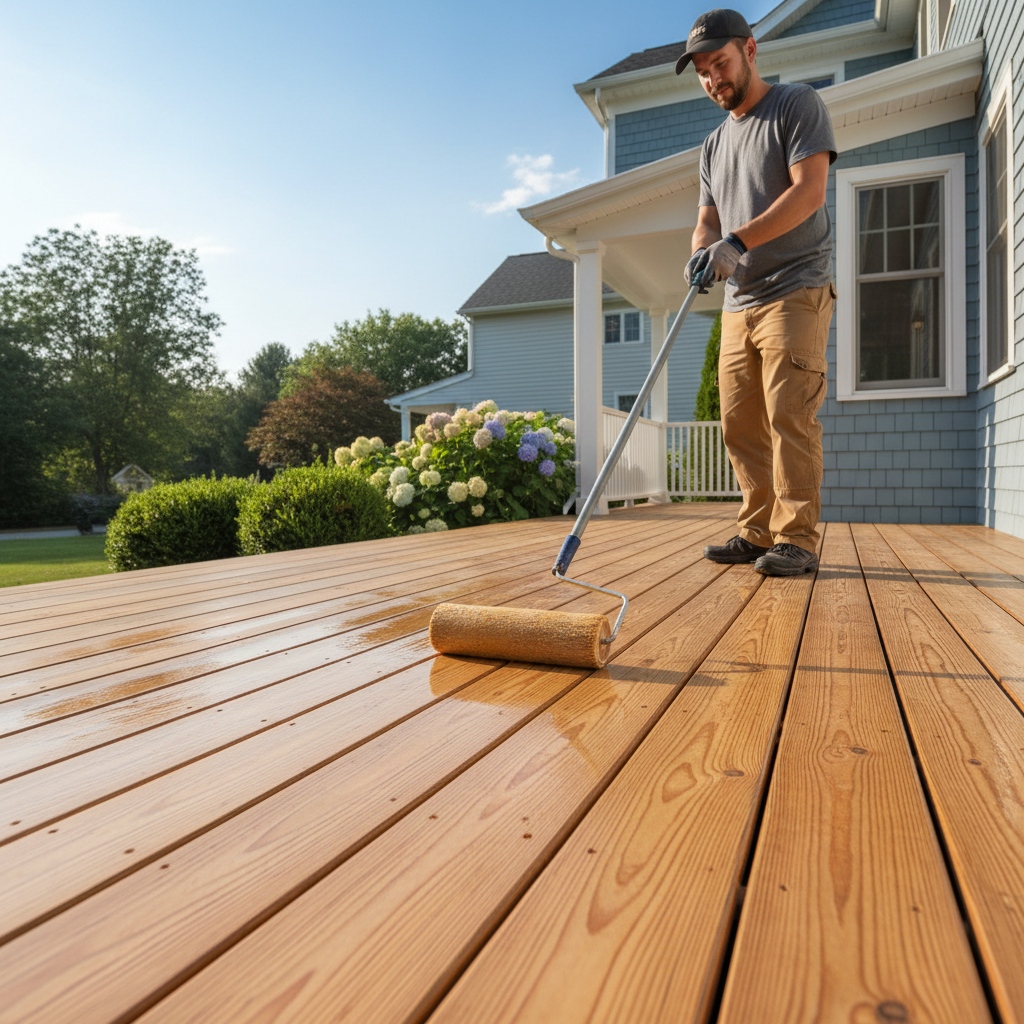
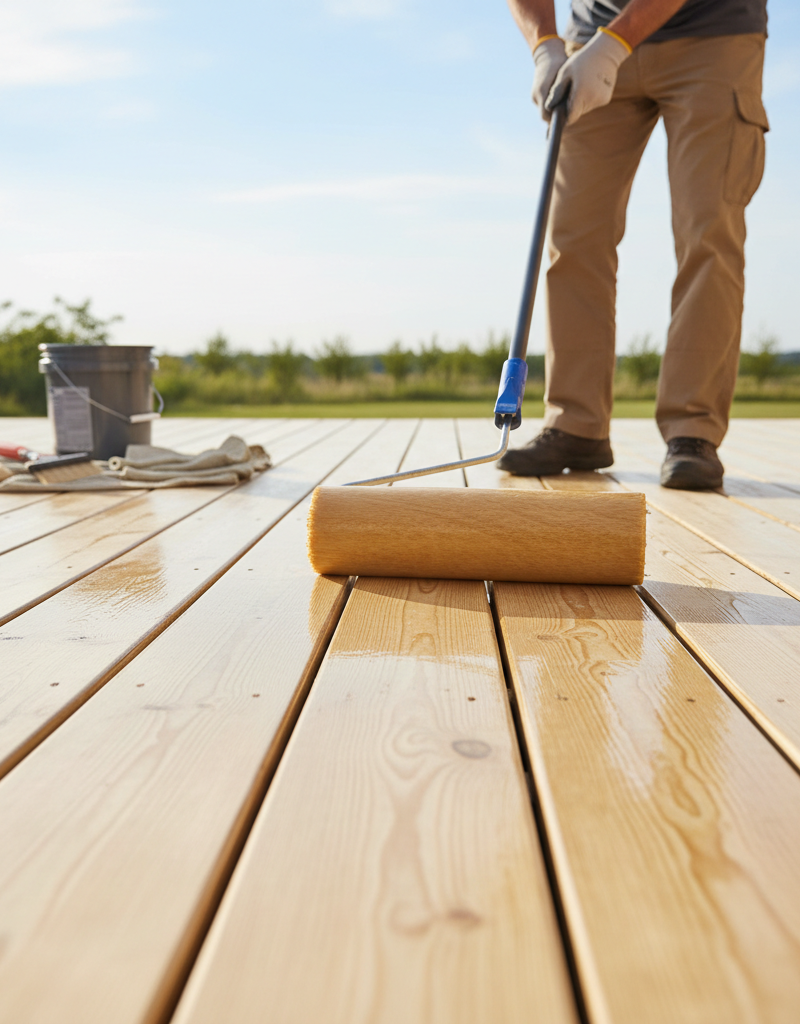
8. Apply the First Coat of Sealant — Choose a dry, warm day with no rain in the forecast for at least 24-48 hours. Stir the sealant thoroughly. Using a high-quality brush, roller, or pad applicator, apply a thin, even coat of sealant, working in sections along the length of 2-3 boards at a time. Avoid applying too much, which can lead to puddling and a sticky finish. Work from one end of a board to the other, maintaining a wet edge to prevent lap marks. For vertical surfaces like railings, apply with a brush.
* **If using a sprayer:** Back-brush immediately after spraying to ensure even penetration and prevent pooling.
9. Allow Proper Drying Time — Consult the sealant manufacturer's instructions for drying times between coats. This can vary significantly, from a few hours to 24 hours. Do not rush this step, as applying a second coat too soon can trap moisture and cause problems.
10. Apply the Second Coat (If Recommended) — Many sealants recommend or require a second coat for optimal protection, especially for heavily used decks or those exposed to harsh weather. Apply the second coat thinly and evenly, just as you did the first. Again, check manufacturer instructions.
11. Final Cure — Allow the deck sealant to cure fully before replacing furniture or allowing heavy foot traffic. This can take anywhere from 24 hours to several days, depending on the product and environmental conditions. Walking on it too soon can scuff or damage the fresh finish.
Common Causes
- Inadequate Surface Preparation: This is, by far, the leading cause of sealant failure. Dirt, grime, mildew, and old, failing sealant prevent new sealant from adhering properly to the wood. Neglecting to strip old coatings or thoroughly clean the wood surface creates a weak bond that quickly breaks down.
- Applying Sealant to Wet Wood: Wood must be completely dry for sealants to penetrate and cure correctly. Applying sealant to damp wood traps moisture beneath the surface, leading to premature peeling, blistering, and mildew growth.
- Over-Application of Sealant: Applying too much sealant, especially in thick puddles, prevents proper drying and curing. This results in a sticky, tacky surface that attracts dirt and can peel unevenly. Sealants are designed to penetrate, not to sit thick on the surface.
- Wrong Type of Sealant for Wood/Climate: Not all sealants are created equal. Using an interior product outdoors, or a product not suited for your specific wood type (e.g., dense hardwoods vs. softwoods like cedar), or your local climate (e.g., high humidity vs. dry heat), can lead to poor performance and short lifespan.
- Skipping Brightener/Neutralizer: After stripping and cleaning, wood often needs to be brightened to restore its natural pH and color. Skipping this can result in a dull finish and can even affect the penetration of certain sealants.
- Ignoring Minor Repairs: Before sealing, address loose boards, protruding nails, or significant cracks. These issues will only worsen and compromise the integrity of the sealant layer.
Common Mistakes
- Skipping the Stripping Step: Many homeowners think a simple wash is enough. If there's any existing, failing sealant, you must strip it off, or your new coat will peel quickly.
- Pressure Washing Too Aggressively: Using too high a pressure or too narrow a tip can gouge and permanently damage wood fibers, creating an uneven surface that seals poorly and splinters easily. Always use a wide fan tip (25-40 degrees) and keep it moving.
- Applying Sealant in Direct Sunlight or Extreme Heat: This causes the sealant to flash dry too quickly, preventing proper penetration and leading to blotchy, uneven results. Apply in cooler morning or late afternoon hours.
- Failing to Maintain a Wet Edge: When rolling or brushing, if you let the edge of your applied sealant dry before overlapping with the next section, you'll end up with unsightly lap marks.
- Not Protecting Surrounding Areas: Sealant spills or overspray on siding, plants, or concrete are difficult and time-consuming to clean up. Always mask off adjacent surfaces diligently.
- Ignoring the Forecast: Sealing a deck requires a sustained period of dry weather. Applying sealant just before rain guarantees an inferior, damaged finish and wasted effort.
Cost & Time Breakdown
| Task | DIY Cost | Pro Cost | Time |
|---|---|---|---|
| Deck Cleaner/Stripper | $20–$50 | Included | 1–3 hours applying/scrubbing |
| Deck Stain/Sealant (5-gal) | $150–$250 | Included | 2–4 hours applying |
| Brushes/Rollers/Pads | $30–$60 | Included | Included |
| Pressure Washer Rental (if needed) | $40-$80/day | Included | 2–4 hours washing |
| Sandpaper/Sander discs | $10–$20 | Included | 1–2 hours sanding |
| Total (DIY vs. Pro) | $250–$460 | $500–$1500+ | 1–3 days (drying time) |
Tips & Prevention
- Annual Cleaning: Even if your deck doesn't need resealing, give it a good scrubbing once a year to remove dirt, pollen, and mildew. This extends the life of your sealant.
- Regular Inspections: Periodically check your deck for signs of wear: fading color, water soaking in, splintering wood, or areas where the sealant has started to degrade. Address small problems before they become big ones.
- Reapply a Maintenance Coat: Depending on your climate and sealant type, consider a light maintenance coat every 2-3 years, or as the water test indicates. This is often just a cleaning and a single sealant coat without full stripping, making it much faster.
- Use High-Quality Products: Invest in a reputable deck cleaner, brightener, and sealant. Cheaper products often offer inferior protection and shorter lifespans, costing you more in the long run.
- Protect from Furniture Scratches: Place felt pads under outdoor furniture legs to prevent them from scratching and wearing down the sealant.
- Clear Debris Regularly: Sweep leaves, dirt, and other organic debris off the deck frequently. This prevents moisture from being trapped against the wood surface, which can lead to mildew and sealant breakdown.
When to Call a Professional
While resealing a deck is a common DIY project, there are specific situations where calling a licensed professional is advisable. If your deck shows significant signs of structural damage, such as widespread rot, severely warped boards that compromise safety, or loose railings, a professional carpenter or deck repair specialist should be called immediately. They can assess the extent of the damage and perform necessary repairs or replacements. Additionally, if your deck is exceptionally large, multi-tiered, or has intricate railing systems, the labor and time commitment can be substantial. A professional will have the specialized equipment, experience, and manpower to complete the job efficiently and effectively, ensuring thorough preparation and proper sealant application, often with warranties on their work. If you're uncomfortable with chemical strippers, pressure washing, or simply lack the time and patience for the extensive prep work involved, a pro can save you considerable effort and ensure a superior, longer-lasting result that protects your significant investment.
Related Articles
Keep troubleshooting with these hand-picked guides from FixlyGuide:
- The 3 Hidden Mistakes That Make Your Deck Sealer Fail (And How to Fix Them) — Properly sealing your wood deck protects it from the elements, but common mistakes often lead to early failure. Learn how to reseal your de…
- The #1 Mistake Homeowners Make When Sealing a Deck (and How to Fix It) — Prevent costly damage and extend your deck's life by avoiding common sealing errors and following a simple, effective resealing process.
- The #1 Gutter Mistake You're Making (And 3 Hidden Causes of Overflow) — Overflowing gutters in heavy rain are often a sign of a deeper issue than just debris, leading to potential foundation damage and costly re…
- Is Your Gutter Sagging After Every Storm? The Hidden Flaw Most Homeowners Miss — Discover the overlooked reason your gutters sag after every storm and learn the lasting fix that most homeowners miss.
- The #1 Reason Your Gutters Overflow (It's Not Clogging) — Discover the surprising true cause of overflowing gutters during heavy rain and how a simple fix can prevent costly water damage to your ho…
- The #1 Mistake Homeowners Make When Caulking a Bathroom Sink (And How to Fix It) — Discover the most common caulk mistake homeowners make around bathroom sinks and follow simple steps to achieve a lasting, watertight seal.
Get deck & patio quotes from local pros
Tell us about your project and we'll match you with vetted contractors in your area. Free, no obligation, and we never sell your info.
Should you do this yourself?
Answer five quick questions before you start. Safety outranks savings every time.
Your experience with work like this
How high do you have to work?
Does the job involve any of these?
Will it need a permit?
Specialty tools
Free and instant. Educational guidance only — not a quote, inspection, or professional diagnosis.
What should this project cost?
Enter your project details for a realistic cost range before you call anyone.
Spot repairs commonly run $400–$1,800; full replacement typically $9,000–$18,000 for an average home.
- Regional adjustment
- National average
- Labor share (typical)
- ~$2,948
- Quotes to collect
- 3 written estimates
Educational estimate based on national averages — not a binding quote. Always confirm with written local estimates.
Decide what your roof needs
Two minutes of questions turns "something is wrong up there" into a clear next step.
- Repair or replace your roof?Answer 10 questions about age, leaks, and damage to get a clear next step.Open
- Compare contractor quotesScore up to four bids on price, warranty, licensing, and timeline.Open
- Get local estimatesSend one request and compare written estimates from vetted pros.Open
Free, no signup required. Estimates are educational guidance, not a quote or an inspection.
Frequently asked questions
How often should I reseal my wood deck?+
The frequency depends on your climate, the type of wood, and the quality of the sealant. Generally, translucent sealants last 1-2 years, semi-transparent 2-3 years, and solid stains 3-5 years. Perform a water test annually: if water soaks in instead of beading up, it's time to reseal.
What happens if you don't strip old deck sealant?+
If you don't strip old, failing sealant, the new coat won't adhere properly to the wood. It will sit on top of the old, degraded layer, leading to premature peeling, flaking, and a much shorter lifespan for your new finish. Proper adhesion is key to durability.
Can I use a pressure washer to clean my deck?+
Yes, but with caution. Use a wide fan tip (25-40 degrees) and keep the nozzle at least 12 inches from the wood surface, moving constantly. Too high pressure or too close can gouge and permanently damage the wood fibers, creating an uneven surface that seals poorly.
Discussion
Loading comments…