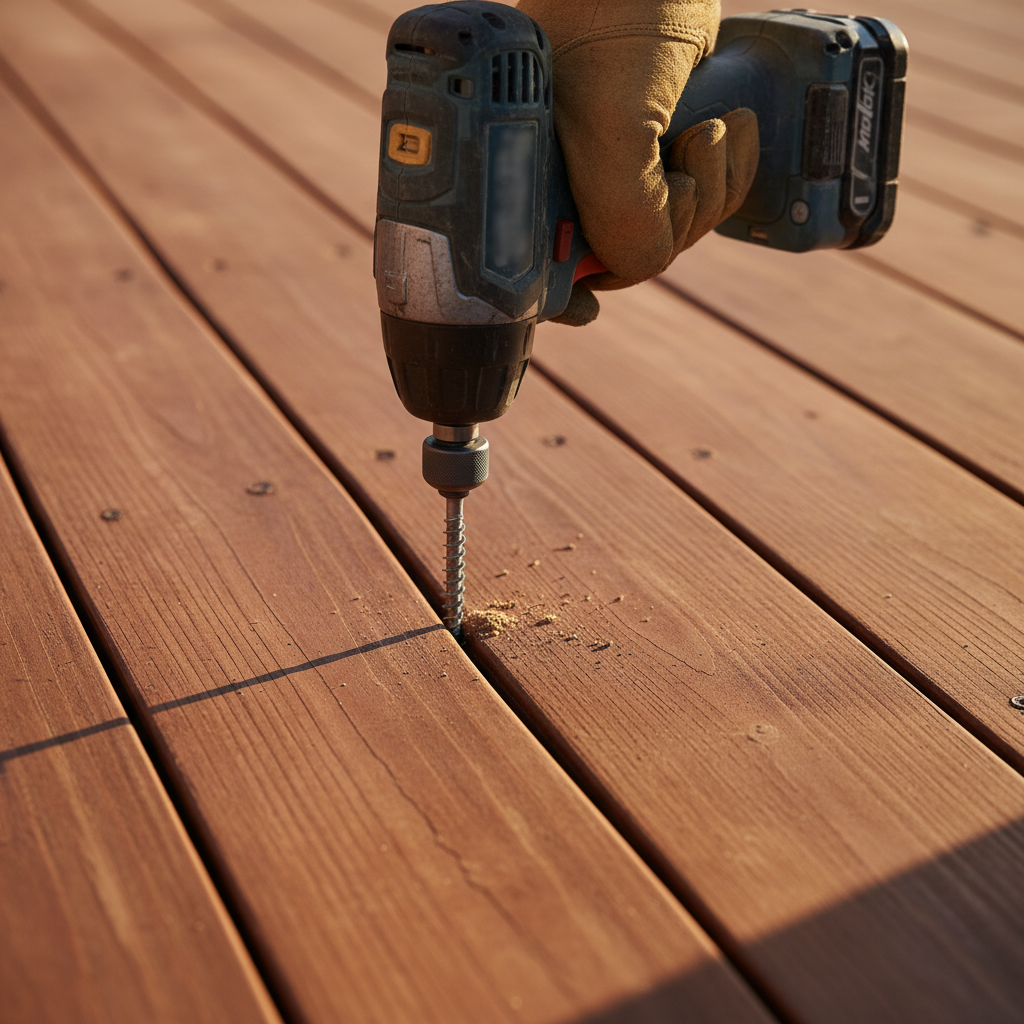
- Improper Fastening: Using too few fasteners, fasteners that are too short, or not pre-drilling pilot holes can allow boards to move and warp freely. Improperly driven or loose fasteners also contribute to the problem.
- Incorrect Board Spacing: Boards installed too tightly together have no room to expand when they absorb moisture, leading to buckling and warping. Conversely, overly wide spacing can allow for excessive movement.
- Lack of Sealing/Maintenance: Unsealed or poorly maintained wood is highly susceptible to moisture absorption and UV damage, both of which accelerate warping. Regular sealing protects the wood from the elements.
- Exposure to Direct Sun: Intense, prolonged sun exposure can dry out the top surface of boards rapidly, especially composite decks or dark-colored wood, contributing to cupping.
Landscaping · Deck or fence project
| Project category | Landscaping |
|---|---|
| Problem type | Deck or fence project |
| Trade required | Landscaping |
| Urgency | Planned project |
| Safety risk | Moderate safety risk |
| DIY suitability | DIY for experienced homeowners |
| Cost category | High cost |
| Typical timeline | Most builds 3–10 days depending on size |
| Contractor type | Landscaping contractor |
Repair option
Replace failed boards, posts, and hardware; reseal the surface.
Replacement option
Rebuild when framing or the ledger connection is unsafe.
Common causes
- Rot at posts and ledger
- Storm damage
- Adding outdoor living space
Relevant tools:home improvement material pricesproject cost estimator
Published April 28, 2026Last updated August 17, 2026
Tools & materials you'll need
Affiliate linksAs an Amazon Associate FixlyGuide earns from qualifying purchases — at no extra cost to you. Prices and availability are accurate as of publication and subject to change.
Quick Answer
Deck boards warp primarily due to a moisture imbalance within the wood, often exacerbated by improper fastening or inadequate ventilation. Fixing minor warping typically involves re-securing the boards with stronger fasteners, adding additional screws, or using specialized deck repair tools. For severe cases, replacement might be necessary. Crucially, preventative measures like proper sealing, adequate board spacing, and ensuring good air circulation beneath the deck can significantly reduce the likelihood of future warping.
The Problem
There’s nothing quite like a beautiful, flat deck to enjoy the outdoors. But when your deck boards start to cup, crown, or twist, it can quickly become an eyesore and even a tripping hazard. Warping isn't just about aesthetics; it compromises the structural integrity of your deck over time, creating gaps where water can pool, leading to rot and further damage to the substructure. Left unaddressed, warped boards can lead to loose railings, weakened joists, and a significantly shortened lifespan for your entire deck. Identifying the cause is the first step, as different types of warping often point to specific underlying issues—be it moisture, sunlight, or installation errors. Understanding these nuances will guide you to the most effective and lasting solution, rather than just a temporary patch.
How It Works
Wood is a hygroscopic material, meaning it absorbs and releases moisture from its environment. This interaction with water is the primary driver of wood movement, including warping. When one side of a deck board dries out faster or gets wetter than the other, the wood fibers on that side shrink or expand at a different rate. This differential stress causes the board to bend. For instance, if the top surface of a deck board is exposed to the sun and dries quickly while the underside remains damp due to shade or poor ventilation, the top surface will contract, pulling the edges upward and causing the board to "cup" (forming a concave shape, like a U). Conversely, if the underside dries more rapidly, the edges might go down, creating a "crown." Twisting occurs when moisture content varies unevenly across the width and thickness of a board, often exacerbated by grain patterns. Deck boards are constantly battling the elements: rain, humidity, sunlight, and even sprinkler systems. The way they are cut from the log also plays a role; flat-sawn lumber tends to cup more than quarter-sawn lumber. Furthermore, the type of wood matters: denser hardwoods like ipe are less prone to warping than softer woods like some pines. The underlying deck structure also influences how boards behave; widely spaced joists can allow more movement between fastening points, increasing the chances of bowing or cupping.
Step-by-Step Fix
1. Safety First – Before you begin any work, put on safety glasses and work gloves. If you're using power tools, ensure you understand their operation and potential hazards. Clear the deck of any furniture or obstructions.
2. Assess the Damage – Identify which boards are warped and the type of warp (cupping, crowning, twisting). Determine if the warping is minor (a slight bend) or severe (significant distortion, splitting). Check if the fasteners are loose or popped up.
3. Clean the Deck Surface – Use a stiff brush or a pressure washer (on a low setting with a wide fan tip) to clean any dirt, debris, or mildew off the warped boards and surrounding areas. This helps you get a clear view of the wood and improves the effectiveness of any treatments.
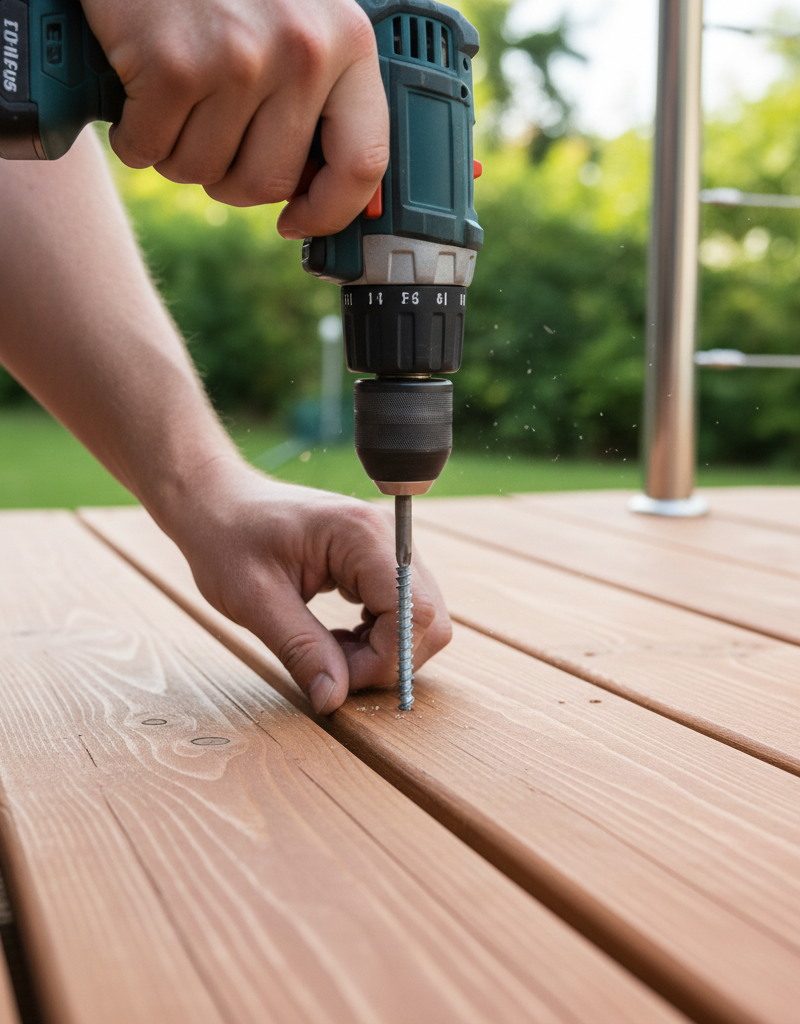
4. Re-Fasten Minor Cupping/Crowning – For boards with slight cupping or crowning where the fasteners are still holding, you can try adding additional deck screws. Pre-drill pilot holes to prevent splitting (especially with hardwood). Use two screws per joist, about 1 inch from each edge. If existing screws are loose, remove them, slightly re-position, and drive in new, longer deck screws.
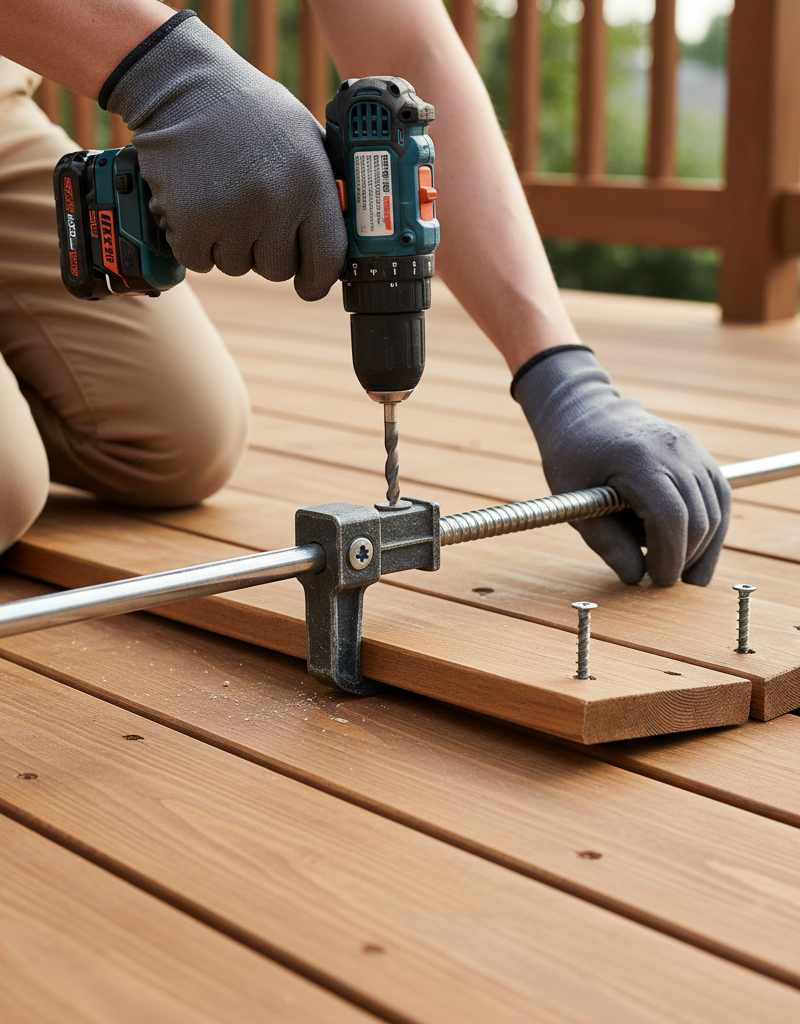
5. Use a Deck Board Straightener (for Moderate Warping) – For boards that have lifted or twisted moderately, a specialized deck board straightener tool can be invaluable. This tool allows you to wedge or lever the warped board back into position, holding it firmly while you drive in new fasteners. Ensure the board is properly aligned with the surrounding boards and secure it with two 2.5-inch to 3-inch exterior-grade deck screws per joist.
6. Address Board Spacing – Warping can sometimes be a symptom of too-tight board spacing. If boards are butted up against each other, they have no room to expand. A deck board spacer can help create uniform gaps (typically 1/8 to 1/4 inch) between boards. If boards are swollen and touching, you might need to temporarily remove them, shave a small amount from the edge, and re-fasten.
7. Flip or Replace Severely Warped Boards – If a board is severely twisted, split, or has begun to rot, it's often best to replace it. For cupped boards, sometimes flipping them over can provide a temporary fix, but the underlying moisture issue needs to be addressed. To replace, carefully remove all fasteners, pry up the old board, and install a new, pre-treated deck board. Ensure the new board is the same thickness and type of wood for consistency.
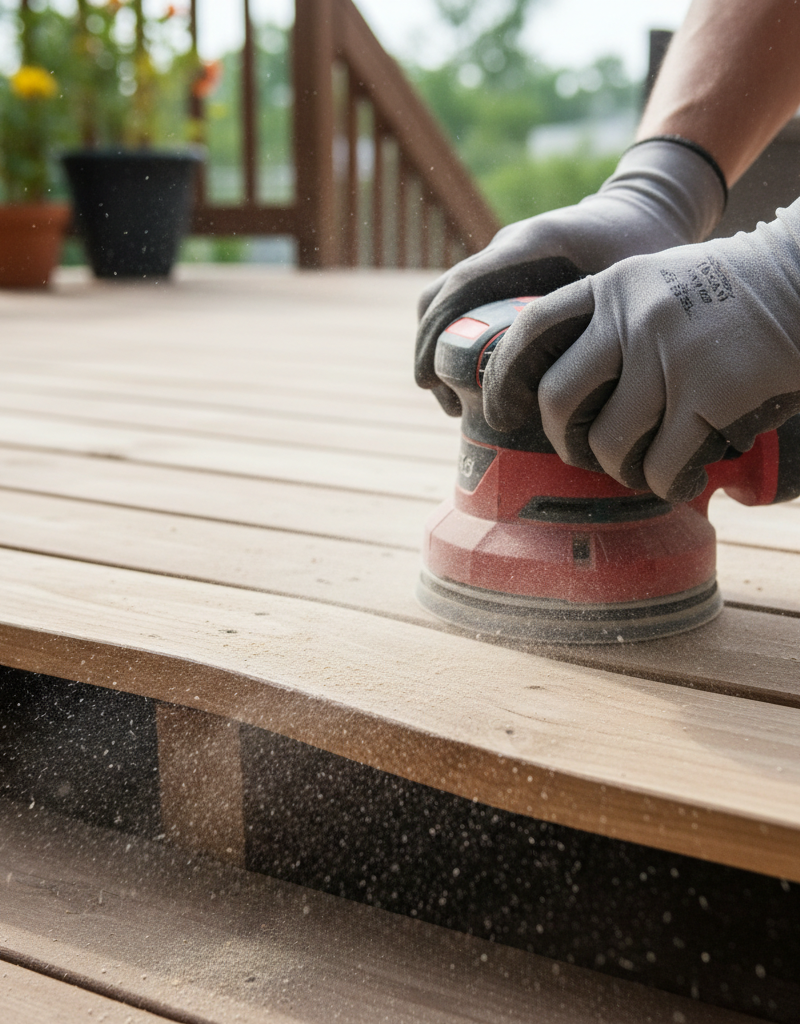
8. Sand and Finish – Once boards are re-fastened or replaced, sand any rough edges or high spots. Apply a high-quality, penetrating deck sealant or stain to all surfaces (top, bottom, and edges, if accessible for new boards) to minimize future moisture absorption and movement. Re-apply sealant every 1-3 years depending on product and exposure.
9. Enhance Ventilation – Inspect the underside of your deck. Ensure there's adequate airflow. Clear away any overgrown landscaping, debris, or stored items that might be blocking ventilation. Consider adding lattice with larger openings or even small foundation vents if the area is particularly stagnant.
Common Causes
- Moisture Imbalance: This is the most prevalent cause. When one side of a board consistently gets wetter or dries out faster than the other, it creates internal stress, leading to cupping or crowning. This can be due to poor drainage, sprinkler overspray, inadequate deck sealing, or insufficient ventilation beneath the deck.
- Improper Fastening: Using too few fasteners, fasteners that are too short, or not pre-drilling pilot holes can allow boards to move and warp freely. Improperly driven or loose fasteners also contribute to the problem.
- Incorrect Board Spacing: Boards installed too tightly together have no room to expand when they absorb moisture, leading to buckling and warping. Conversely, overly wide spacing can allow for excessive movement.
- Poorly Milled Lumber: Some deck boards, especially those cut from the outer sections of a log (flat-sawn), are inherently more prone to warping due to the grain pattern. Buying higher-quality, kiln-dried, or pressure-treated lumber can mitigate this risk.
- Lack of Sealing/Maintenance: Unsealed or poorly maintained wood is highly susceptible to moisture absorption and UV damage, both of which accelerate warping. Regular sealing protects the wood from the elements.
- Exposure to Direct Sun: Intense, prolonged sun exposure can dry out the top surface of boards rapidly, especially composite decks or dark-colored wood, contributing to cupping.
Common Mistakes
- Ignoring the Underside: Many homeowners only focus on the top of the deck. Neglecting to seal the underside (especially of new boards) or improve ventilation below can leave the wood highly vulnerable to moisture imbalance and warping.
- Using Interior Screws: Standard wood screws are not designed for outdoor use. They will corrode, lose their holding power, and contribute to boards popping up or warping. Always use exterior-grade deck screws (stainless steel or coated) that are resistant to corrosion.
- Not Pre-drilling: Especially with denser woods like cedar or redwood, failing to pre-drill pilot holes can lead to splitting the board, weakening its integrity, and making it more prone to warping around the fasteners.
- Over-tightening Fasteners: While you want screws to be snug, over-tightening can strip the wood fibers, reduce holding power, and create stress points that encourage splitting or warping.
- Applying Sealant to Dirty Wood: Applying a sealant or stain over dirt, mildew, or old finishes will trap impurities, prevent proper adhesion, and result in a less effective and shorter-lived protective layer.
- Buying Unsuitable Lumber: Opting for the cheapest, wettest lumber can be a false economy. Investing in quality, properly dried, and pressure-treated deck boards specifically designed for outdoor use will save you headaches down the line.
Cost & Time Breakdown
| Task | DIY cost | Pro cost | Time |
|---|---|---|---|
| Re-fasten existing boards | $15–$50 | $100–$250 | 1–2 hours |
| Replace 1–3 warped boards | $30–$100 | $200–$500+ | 2–4 hours |
| Deck board straightener rental | $20–$40/day | N/A | Varies |
| Full deck cleaning & sealing | $50–$200 | $300–$1000+ | 4–8 hours |
| Evaluate & improve ventilation | $0–$50 (materials) | $100–$300 | 1–3 hours |
Tips & Prevention
- Proper Board Spacing: When installing new deck boards, use spacers to ensure consistent gaps (1/8 to 1/4 inch) between boards. This allows for expansion, contraction, and drainage.
- Seal All Sides: Whenever possible, seal or stain all four sides of new deck boards before installation. This equalizes moisture absorption and significantly reduces warping.
- Use Quality Fasteners: Invest in high-quality exterior-grade deck screws (stainless steel or ceramic-coated) rather than nails, which have less holding power. Use two fasteners per joist per board.
- Ensure Proper Ventilation: Trim back shrubs and plants that are too close to the deck. Ensure there are no obstructions beneath the deck that could trap moisture. Consider adding lattice with ample openings.
- Regular Cleaning and Sealing: Clean your deck annually and reapply a good quality penetrating deck sealant or stain every 1-3 years, depending on the product and local climate. This creates a barrier against moisture and UV rays.
- Store Lumber Properly: If you're undertaking a new deck project, store new lumber flat, off the ground, and covered in a well-ventilated area until you're ready to install it. This allows it to acclimate to your local environment.
When to Call a Professional
While many deck warping issues can be tackled by a competent DIYer, there are specific situations where calling a professional is the wisest choice. If you notice widespread warping affecting a significant portion of your deck, it could indicate serious underlying issues with the deck's substructure, such as sagging joists, inadequate framing, or even foundational problems. Similarly, if the warping is accompanied by extensive rot or pest damage to the support beams, ledger board, or joists, a professional deck builder or structural engineer can properly assess the extent of the damage and recommend safe, lasting repairs. Any signs of major structural instability, such as excessive bouncing, visible cracks in support posts, or railings feeling dangerously loose, warrant immediate professional inspection. Professionals have the tools and expertise to identify hidden problems, safely replace damaged structural components, and ensure your deck meets local building codes and safety standards, preventing costly and dangerous failures down the line.
Related Articles
Keep troubleshooting with these hand-picked guides from FixlyGuide:
- The #1 Mistake That Warps Deck Boards (And How to Fix It for Good) — Prevent and repair warped deck boards by understanding the underlying causes and implementing effective, long-term solutions.
- The #1 Mistake That Makes Deck Boards Warp (And the Easy Fix) — Discover the most common reason deck boards warp and how a simple, proactive fix can restore your deck's appearance and longevity.
- The #1 Mistake Homeowners Make When Sealing a Deck (and How to Fix It) — Prevent costly damage and extend your deck's life by avoiding common sealing errors and following a simple, effective resealing process.
- The $5 Secret to Doubling Your Deck's Lifespan (Most Homeowners Miss This) — Learn the simple, affordable secret to proper deck resealing that can significantly extend its life and protect it from the elements, preve…
- How to Reseal a Wood Deck: A Step-by-Step Fix — Resealing your wood deck protects it from weather and extends its life. This guide covers how to properly prepare and apply new sealant for…
- The 3 Hidden Reasons Your Door Won't Latch (And the Easy DIY Fixes) — Don't live with a door that refuses to latch; discover simple, DIY solutions for common door latch problems and restore security and privac…
Get deck & patio quotes from local pros
Tell us about your project and we'll match you with vetted contractors in your area. Free, no obligation, and we never sell your info.
Should you do this yourself?
Answer five quick questions before you start. Safety outranks savings every time.
Your experience with work like this
How high do you have to work?
Does the job involve any of these?
Will it need a permit?
Specialty tools
Free and instant. Educational guidance only — not a quote, inspection, or professional diagnosis.
What should this project cost?
Enter your project details for a realistic cost range before you call anyone.
Spot repairs commonly run $400–$1,800; full replacement typically $9,000–$18,000 for an average home.
- Regional adjustment
- National average
- Labor share (typical)
- ~$2,948
- Quotes to collect
- 3 written estimates
Educational estimate based on national averages — not a binding quote. Always confirm with written local estimates.
Decide what your roof needs
Two minutes of questions turns "something is wrong up there" into a clear next step.
- Repair or replace your roof?Answer 10 questions about age, leaks, and damage to get a clear next step.Open
- Compare contractor quotesScore up to four bids on price, warranty, licensing, and timeline.Open
- Get local estimatesSend one request and compare written estimates from vetted pros.Open
Free, no signup required. Estimates are educational guidance, not a quote or an inspection.
Frequently asked questions
Why do deck boards warp?+
Deck boards primarily warp due to an imbalance in moisture content. One side of the board dries or gets wetter faster than the other, causing the wood fibers to expand or contract unevenly. This can be exacerbated by improper fastening, poor ventilation, and inadequate sealing.
Can you fix a warped deck board?+
Yes, minorly warped deck boards can often be fixed by adding more fasteners, using a deck board straightener tool, or in some cases, flipping the board. Severely warped or damaged boards are usually best replaced.
How do you prevent deck boards from warping?+
Prevent warping by ensuring proper spacing between boards, sealing all sides of the lumber before installation, using quality exterior-grade fasteners, maintaining good ventilation underneath the deck, and regularly cleaning and re-sealing the deck surface.
What kind of screws should I use for deck boards?+
Always use exterior-grade deck screws made of stainless steel or ceramic-coated steel. These are designed to resist corrosion and provide superior holding power compared to standard wood screws or nails.
Is it better to screw or nail deck boards?+
Screws are generally better than nails for deck boards as they provide superior holding power, are less likely to pop out over time due to wood movement, and allow for easier removal if a board needs to be replaced.
Discussion
Loading comments…