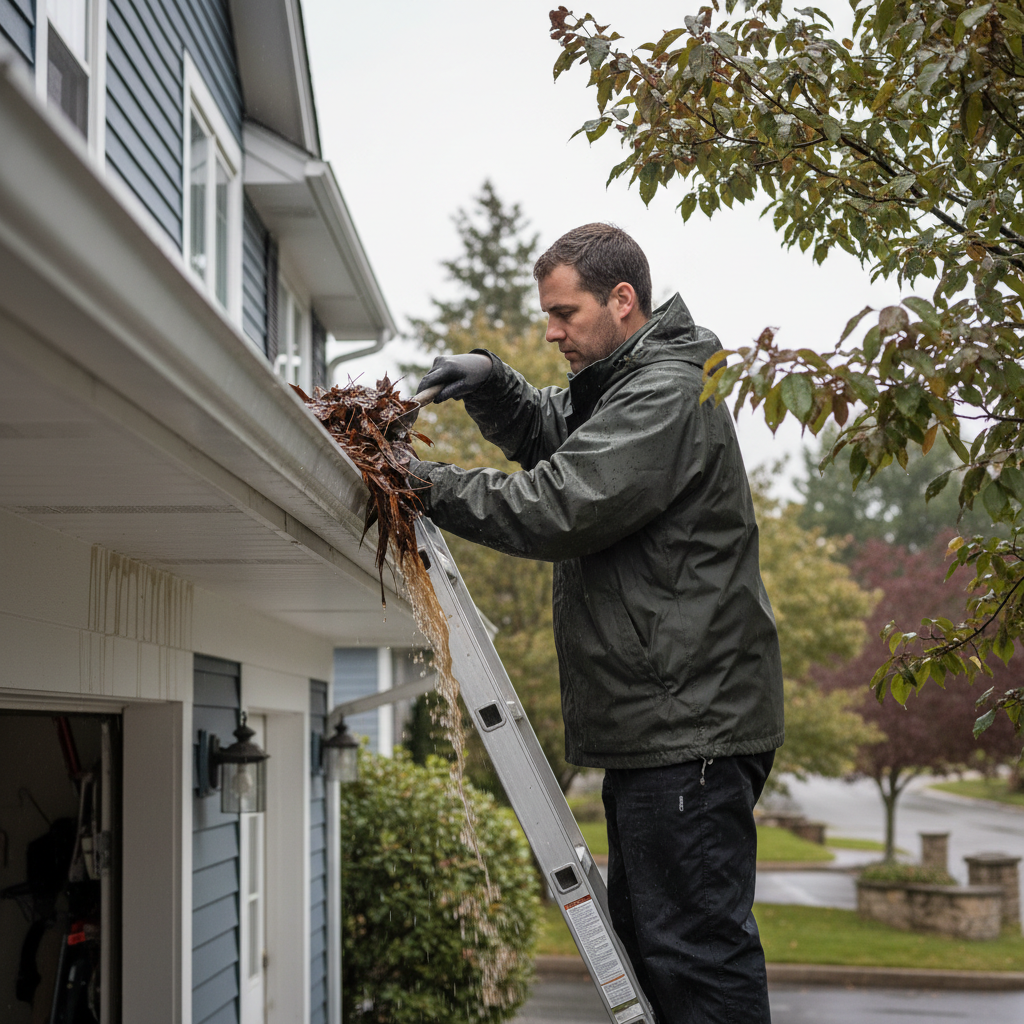
- Safety First: Always use a sturdy extension ladder. Position it on a firm, level surface. Have someone spot you if possible. Wear heavy-duty work gloves to protect your hands from sharp debris and potential pests.
- Gather Tools: You'll need a gutter scoop or a small garden trowel, a bucket, and a garden hose with good water pressure.
- Flush with Water: Once cleaned, use your garden hose to flush water through the gutter towards the downspout. Watch for the water to flow freely. If it backs up, you likely have a clog in the downspout itself.
Plumbing · Clog
| Project category | Plumbing |
|---|---|
| Problem type | Clog |
| Trade required | Plumbing |
| Urgency | Soon — within weeks |
| Safety risk | Low safety risk |
| DIY suitability | DIY friendly |
| Cost category | Low cost |
| Typical timeline | Same-day DIY attempt; pro visit within a day or two |
| Contractor type | Licensed plumber |
Repair option
Plunger, hand auger, or trap cleanout before chemicals.
Replacement option
Line replacement when clogs return in the same spot repeatedly.
Common causes
- Hair and soap buildup in the trap
- Grease cooling in the branch line
- Flushed wipes or foreign objects
Relevant tools:diy difficultydiy or hire a pro
Published June 26, 2026Last updated August 17, 2026
Tools & materials you'll need
Affiliate links- AmazonExtension ladderSturdy and tall enough to safely reach your gutters
- AmazonGutter scoop or small garden trowel
- Amazon5-gallon bucket1
- AmazonGarden hose with strong nozzle
- AmazonPlumber's snake or stiff wireIf downspouts are severely clogged
- Amazon4-foot levelFor checking gutter slope
- AmazonCordless drill/driverWith appropriate bit for gutter hanger screws
As an Amazon Associate FixlyGuide earns from qualifying purchases — at no extra cost to you. Prices and availability are accurate as of publication and subject to change.
Quick Answer
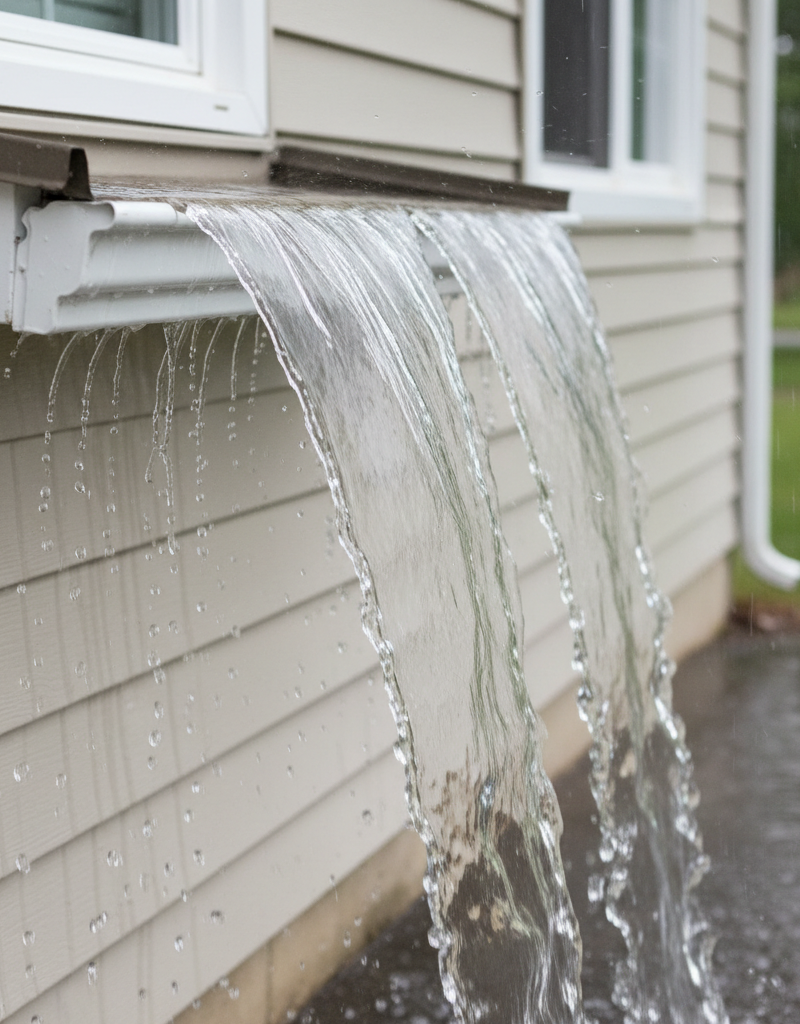
Overflowing gutters during heavy rain are a clear sign of a problem that needs immediate attention to prevent costly water damage to your roof, fascia, foundation, and landscaping. The most common culprits are blockages from leaves and debris, improper gutter slope, or an undersized gutter system for the volume of water shed by your roof. Most homeowners can address blockages and minor slope issues themselves, but understanding when to call a professional for more complex problems like system capacity or seamless gutter repair is crucial.
The Problem
When a downpour hits, your home's gutter system is designed to channel thousands of gallons of water safely away from your foundation. If your gutters are overflowing, gushing water over the sides, it means this critical system is failing. That overflowing water isn't just making your yard muddy; it's actively eroding soil around your foundation, potentially leading to basement leaks, crawl space dampness, and even structural damage over time. It can also cause fascia board rot, deteriorate siding, and create unsightly trenches in your flowerbeds. Identifying the specific reason for the overflow – be it a simple clog or a more complex installation issue – is the first step toward safeguarding your home from water-related damage.
How It Works
Your gutter system is essentially a carefully engineered miniature aqueduct for your roof. When rain falls, it flows down the sloped surface of your roof into the gutters, which are typically installed with a subtle pitch – about 1/4 inch of drop for every 10 feet of run – towards the downspouts. This slope is critical; it uses gravity to move water efficiently. The downspouts then carry the water vertically to ground level, where extensions direct it several feet away from your home's foundation. A properly functioning system relies on an unobstructed pathway and adequate capacity. The size of your gutters (e.g., 5-inch K-style, 6-inch half-round) and the number/size of downspouts are calculated based on your roof's square footage and the maximum rainfall intensity in your region. If any part of this system is compromised – a clog, a flattened section, or insufficient capacity – water backs up, overwhelms the system, and cascades over the edges, failing in its primary duty to protect your home.
Step-by-Step Fix
1. Clear Gutter and Downspout Clogs — This is the most common cause of overflowing gutters. A thorough cleaning can often resolve the issue.
- Safety First: Always use a sturdy extension ladder. Position it on a firm, level surface. Have someone spot you if possible. Wear heavy-duty work gloves to protect your hands from sharp debris and potential pests.
- Gather Tools: You'll need a gutter scoop or a small garden trowel, a bucket, and a garden hose with good water pressure.
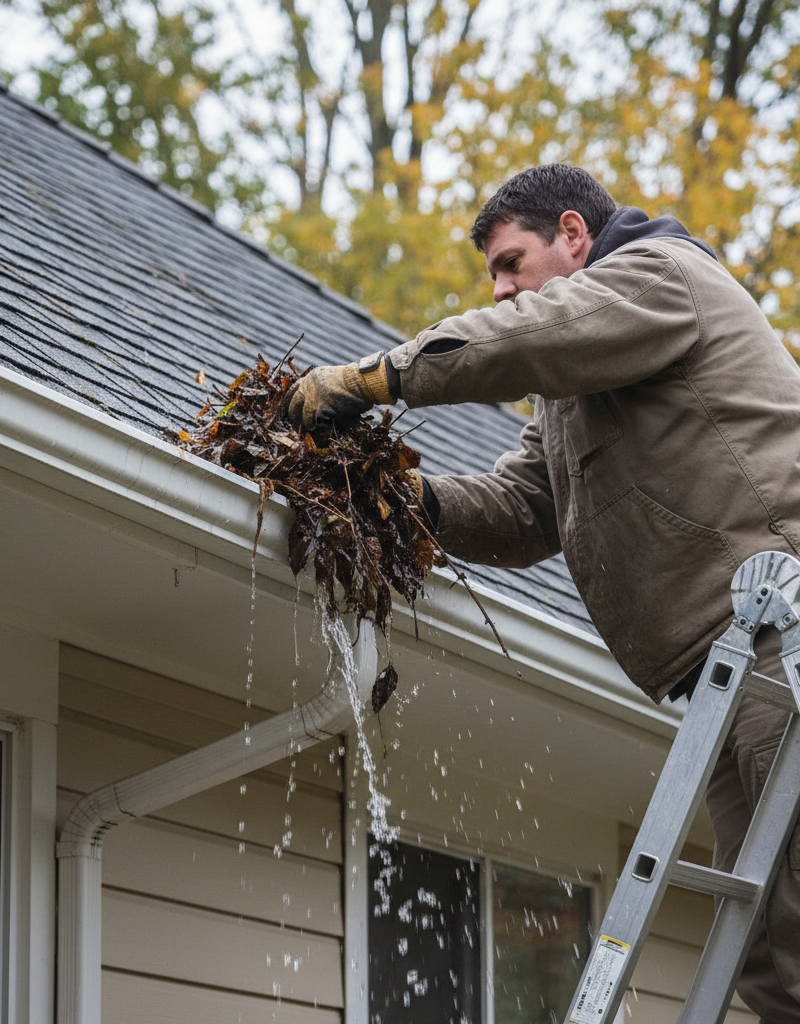
- Start at the Lowest Point: Begin cleaning near a downspout and work your way up the gutter run. Scoop out leaves, twigs, shingle grit, and any other debris. Place it directly into your bucket for easy disposal. Don't throw debris onto the ground directly below, as it can create more mess or clog your landscape drains.
- Flush with Water: Once cleaned, use your garden hose to flush water through the gutter towards the downspout. Watch for the water to flow freely. If it backs up, you likely have a clog in the downspout itself.
- Clear Downspout Clogs: If the downspout is clogged, try flushing intensely from the top. If that doesn't work, you may need to disconnect the downspout from the elbow near the bottom. Use a plumber's snake or a stiff wire to dislodge the obstruction. A wet/dry shop vac can also be effective at sucking out stubborn debris. Reattach the downspout securely.
2. Check and Adjust Gutter Slope — An improper slope can cause water to pool and overflow, even in clean gutters.
- Visual Inspection: After cleaning, watch a light rain or use a hose to simulate rain. Observe if water pools in any section of the gutter rather than draining smoothly towards the downspout. Use a level – a 4-foot or longer level is ideal – to check the slope. Place it inside the gutter, away from debris.
- Determine Correction: If water is pooling, you'll need to adjust the hangers or fasteners that secure the gutter to the fascia board. The goal is a gentle slope of about 1/4 inch per 10 feet towards the downspout.
- Adjust Hangers: For hidden hangers (most common), locate the screw holding the hanger to the fascia. Loosen the screw slightly, gently lift or lower the gutter section to achieve the correct slope, then tighten the screw firmly. For spike-and-ferrule systems, you may need to carefully tap the spike in or pull it out slightly. Be gentle to avoid damaging the fascia or gutter.
- Recheck: Use the level again and re-evaluate with water to ensure the newly adjusted section drains correctly. Remember to work incrementally.
3. Inspect and Repair Downspout Extensions — Proper discharge away from the foundation is just as important as clear gutters.
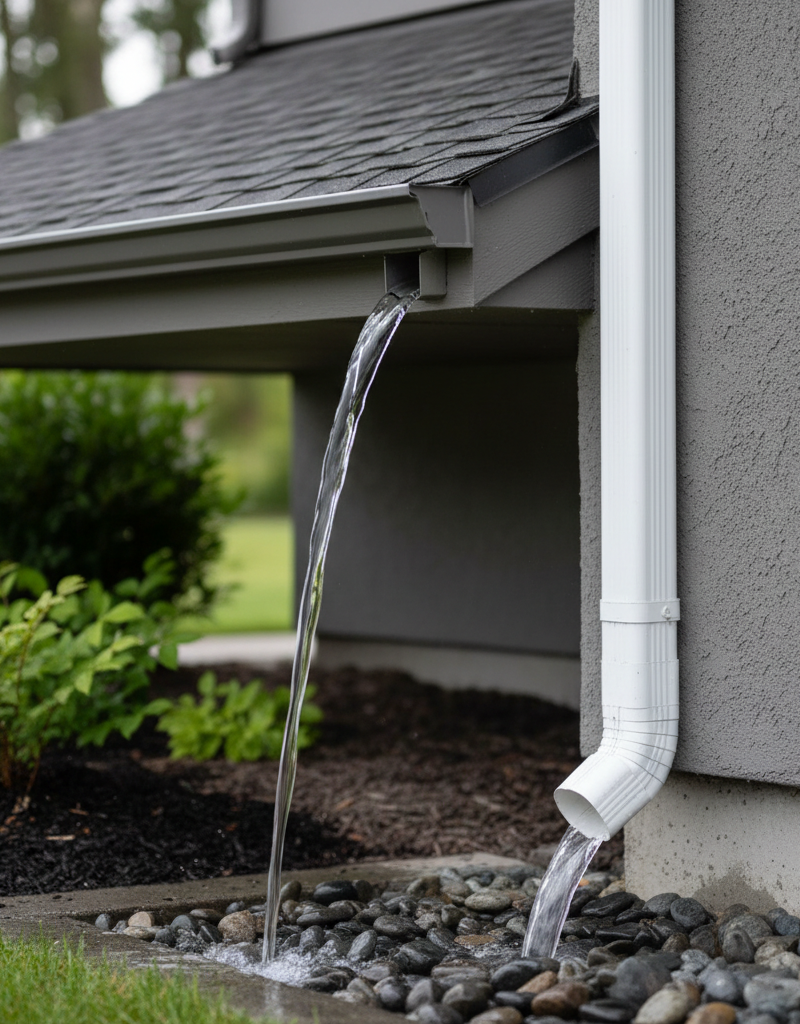
- Assess Condition: Ensure all downspout extensions are securely attached and free of cracks or holes. Critically, verify they direct water at least 5-10 feet away from your home's foundation. Shorter extensions are often ineffective during heavy rains.
- Clear Obstructions: Ensure the extensions themselves are clear of leaves, mud, or other debris. Regularly check the discharge point for blockages from landscaping or sediment buildup.
- Add or Replace Extensions: If extensions are missing, too short, or damaged, purchase new ones. Flexible plastic or rigid aluminum extensions are readily available. Consider roll-out extenders that automatically deploy during rain. Ensure the connection to the downspout is tight to prevent leaks at the joint.
- Consider Rain Barrels/Splash Blocks: If direct extension isn't feasible, rain barrels can collect water for later use, or robust splash blocks can diffuse water over a wider area, minimizing erosion.
Common Causes
- Debris Blockage: The most frequent culprit. Leaves, twigs, shingle grit, and even bird nests or tennis balls can create dams that prevent water flow.
- Improper Gutter Pitch/Slope: If gutters are not angled correctly towards downspouts, water will pool and eventually overflow, even when clean.
- Clogged Downspouts: Debris that makes it past the main gutter can get stuck in the narrower downspout, creating a major backup.
- Undersized Gutter System: The gutters themselves may be too small for the volume of water your roof sheds, especially if you live in an area with intense rainfall or have a very large roof.
- Sagging Gutters: Over time, gutters can pull away from the fascia, creating low spots where water collects and overflows.
- Damaged Gutters: Dents, holes, or corrosion can compromise the structural integrity, leading to leaks and inefficient water diversion.
Common Mistakes
- Ignoring the Problem: Thinking it's "just a bit of overflow" can lead to thousands in foundation, siding, or basement damage down the line. Act quickly.
- Not Checking Downspouts: Many homeowners clean the main gutter but forget that a clogged downspout renders the entire segment useless.
- Using a Weak Hose to Clean: A low-pressure garden hose won't effectively clear packed-in debris. You need a strong stream to really flush out the system.
- Improper Ladder Safety: Falls from ladders are a leading cause of home repair injuries. Always use the three-point contact rule and have a spotter if working at height.
- Assuming Gutter Guards Solve Everything: While gutter guards reduce debris, some fine sediment can still get through or even accumulate on top, requiring occasional cleaning.
- Incorrect Slope Adjustments: Over-pitching or under-pitching can both cause drainage issues. Aim for the recommended 1/4 inch per 10 feet.
Cost & Time Breakdown
| Task | DIY cost | Pro cost | Time |
|---|---|---|---|
| Gutter & downspout cleaning | $0–$20 | $100–$250 | 1–2 hours |
| Gutter slope adjustment | $0–$50 | $150–$400 | 1–3 hours |
| Downspout extension repair/add | $10–$50 | $50–$100 (part of service) | 15–30 minutes |
| Gutter section replacement | $50–$150/10 ft | $200–$500/10 ft | 2–4 hours |
| Full gutter system replacement | $1,000–$3,000+ | $1,500–$6,000+ | 1–3 days |
Tips & Prevention
- Regular Cleaning: Clean your gutters at least twice a year, typically in late spring after tree pollen has fallen and in late fall after leaves have dropped. If you have many trees, you might need to clean more frequently.
- Install Gutter Guards: While not foolproof, quality gutter guards (mesh, screen, or reverse curve) can significantly reduce the frequency of cleaning by keeping larger debris out.
- Trim Overhanging Branches: Cut back tree branches that extend directly over your roof and gutters. This reduces the amount of leaves, twigs, and sap falling into them.
- Inspect Annually: Once a year, preferably in late spring, walk around your home and visually inspect your entire gutter system. Look for sags, disconnected sections, rust, or other signs of wear and tear.
- Check Downspouts: Ensure downspout extensions are always in place and directing water well away from your foundation.
- Consider Gutter Size: If you frequently experience overflowing gutters despite regular cleaning, your system might be undersized for your roof and local rainfall. This often requires professional assessment.
When to Call a Professional
While many gutter issues are DIY-friendly, certain situations warrant calling a licensed professional. If you suspect your entire gutter system is undersized for your home
Related Articles
Keep troubleshooting with these hand-picked guides from FixlyGuide:
- The #1 Gutter Mistake You're Making (And 3 Hidden Causes of Overflow) — Overflowing gutters in heavy rain are often a sign of a deeper issue than just debris, leading to potential foundation damage and costly re…
- The #1 Reason Your Gutters Overflow (It's Not Clogging) — Discover the surprising true cause of overflowing gutters during heavy rain and how a simple fix can prevent costly water damage to your ho…
- The 3 Hidden Reasons Your Gutters Fail in Heavy Rain (It’s Not Just Leaves) — Overflowing gutters during heavy rain often stem from a few common, yet overlooked, issues beyond simple leaf clogs, leading to potential s…
- The #1 Gutter Mistake Worsening Your Roof Damage (And The Easy Fix) — Overflowing gutters in heavy rain are typically caused by blockages, incorrectly sloped sections, or undersized gutters, leading to potenti…
- The Secret Reason Your Gutters Overflow (It's Not Always Clogs) — Discover the hidden culprits behind overflowing gutters during heavy rain and how to diagnose and fix them before they cause serious home d…
- The #1 Mistake Homeowners Make Cleaning Gutters (And How to Fix It) — Discover the biggest gutter cleaning mistake that leads to costly roof damage and learn the right way to protect your home.
Should you do this yourself?
Answer five quick questions before you start. Safety outranks savings every time.
Your experience with work like this
How high do you have to work?
Does the job involve any of these?
Will it need a permit?
Specialty tools
Free and instant. Educational guidance only — not a quote, inspection, or professional diagnosis.
What should this project cost?
Enter your project details for a realistic cost range before you call anyone.
Spot repairs commonly run $400–$1,800; full replacement typically $9,000–$18,000 for an average home.
- Regional adjustment
- National average
- Labor share (typical)
- ~$2,948
- Quotes to collect
- 3 written estimates
Educational estimate based on national averages — not a binding quote. Always confirm with written local estimates.
Fixly Project Decision Box
- DIY difficulty
- Professional Recommended
- Estimated time
- Inspection 1–2 hours · repairs 1–3 days
- Cost level
- High
Main tools / materials
- Binoculars for a ground-level look
- Flashlight for attic checks
- Moisture meter
- Roofing cement (temporary patch only)
When to stop and call a pro
- Active leak near lights, fans, or any wiring
- Sagging, bulging, or water-filled ceiling
- Steep, wet, or two-story roof — do not climb it
- Storm or hail damage you plan to claim on insurance
Need professional help?
Free roof assessment first — no phone calls until you ask for them.
Get Local Roofing HelpDecide what your roof needs
Two minutes of questions turns "something is wrong up there" into a clear next step.
- Repair or replace your roof?Answer 10 questions about age, leaks, and damage to get a clear next step.Open
- Compare contractor quotesScore up to four bids on price, warranty, licensing, and timeline.Open
- Get local estimatesSend one request and compare written estimates from vetted pros.Open
Free, no signup required. Estimates are educational guidance, not a quote or an inspection.
Frequently asked questions
Why do my gutters always overflow during heavy rain but not light rain?+
During light rain, minor clogs or a slightly incorrect slope might still allow enough water to pass. However, heavy rainfall introduces a much greater volume of water, quickly overwhelming any partial blockage or slight inefficiency in the drainage system, leading to noticeable overflow.
Can overflowing gutters cause foundation damage?+
Absolutely. Water continually overflowing from gutters pools around your home's foundation. Over time, this can saturate the soil, leading to hydrostatic pressure against your foundation walls, causing cracks, leaks in basements or crawl spaces, and even shifting of the foundation itself. It also promotes soil erosion.
How often should I clean my gutters?+
A good rule of thumb is to clean your gutters at least twice a year: once in late spring after tree pollen and 'helicopters' have dropped, and again in late fall after all leaves have fallen. If your property has many overhanging trees, you may need to clean them more frequently, perhaps every two to three months.
What's the ideal slope for gutters?+
Gutters should have a gentle slope of approximately 1/4 inch of drop for every 10 feet of horizontal run towards the nearest downspout. This pitch ensures gravity effectively moves water along the gutter channel without it pooling or backing up. Too much slope can look unsightly, and too little will lead to standing water.
Discussion
Loading comments…