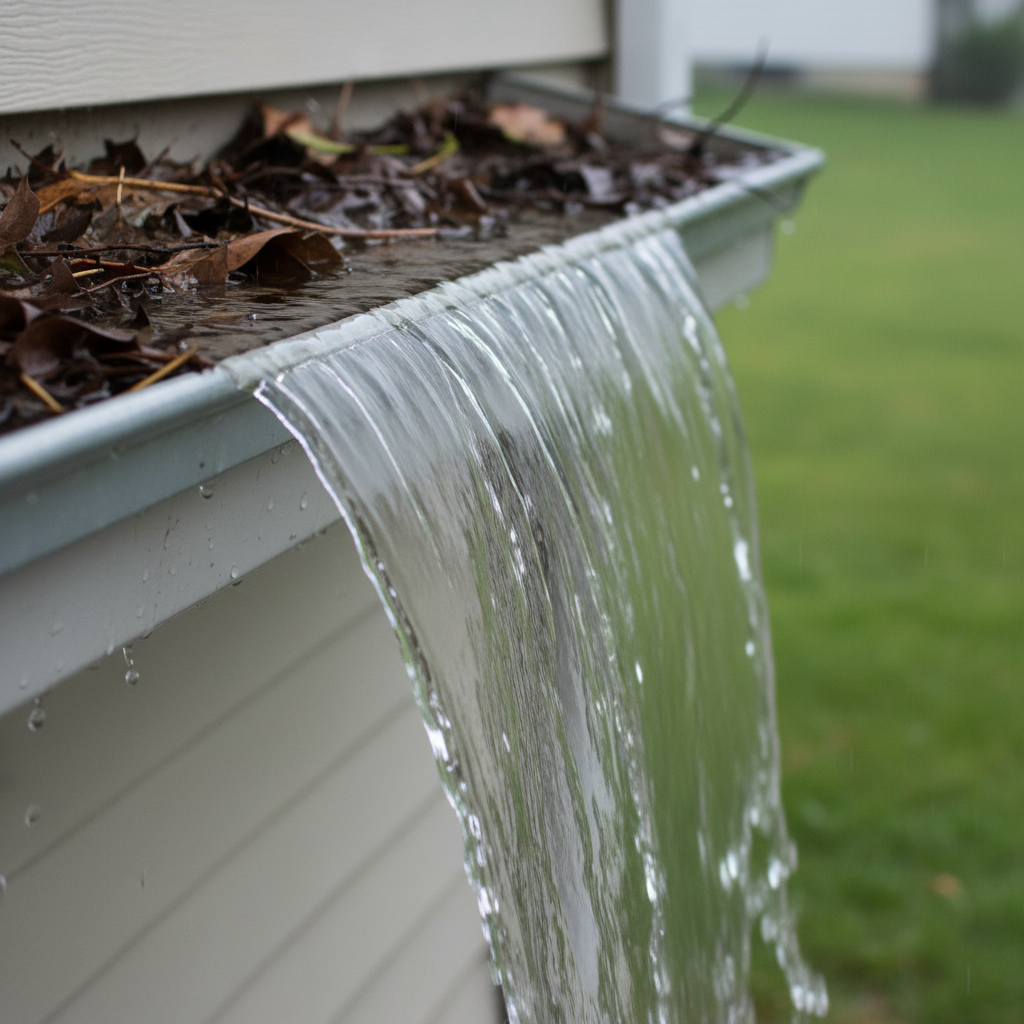
- Debris Accumulation: This is the overwhelming primary cause. Leaves, pine needles, twigs, shingle grit, seeds, and even small toys or bird nests can form dams, blocking water flow. This is especially true in autumn or after heavy storms.
- Clogged Downspouts: Often, debris washes into the downspout opening and gets stuck in an elbow or a narrower section, creating a bottleneck that backs up water into the main gutter trough.
- Damaged or Bent Gutters: Dents or bends from ladders, falling branches, or severe weather can create depressions that trap water and debris, fostering clogs.
Gutters · Overflowing or clogged gutters
| Project category | Gutters |
|---|---|
| Problem type | Overflowing or clogged gutters |
| Trade required | Gutters |
| Urgency | Soon — within weeks |
| Safety risk | Moderate safety risk |
| DIY suitability | DIY for experienced homeowners |
| Cost category | Low cost |
| Typical timeline | Half a day for cleaning; 1 day for replacement |
| Contractor type | Gutter installer |
Repair option
Clean, reslope, and reseal seams; extend downspouts away from the foundation.
Replacement option
Replace with larger-capacity gutters when overflow is chronic.
Common causes
- Debris buildup
- Undersized gutters or downspouts
- Improper slope or loose hangers
Relevant tools:maintenance calendardiy or hire a pro
Published July 23, 2026Last updated August 17, 2026
Tools & materials you'll need
Affiliate links- AmazonSturdy extension ladderEnsure it's rated for your weight plus carried items
- AmazonGutter scoopPlastic is preferred to avoid scratching gutters
- AmazonGarden hose with nozzleFor flushing and testing water flow
- AmazonPlumber's snake/augerOptional, for stubborn downspout clogs
- AmazonStiff-bristled brushFor scrubbing stubborn grime after major clogs are removed
As an Amazon Associate FixlyGuide earns from qualifying purchases — at no extra cost to you. Prices and availability are accurate as of publication and subject to change.
Quick Answer
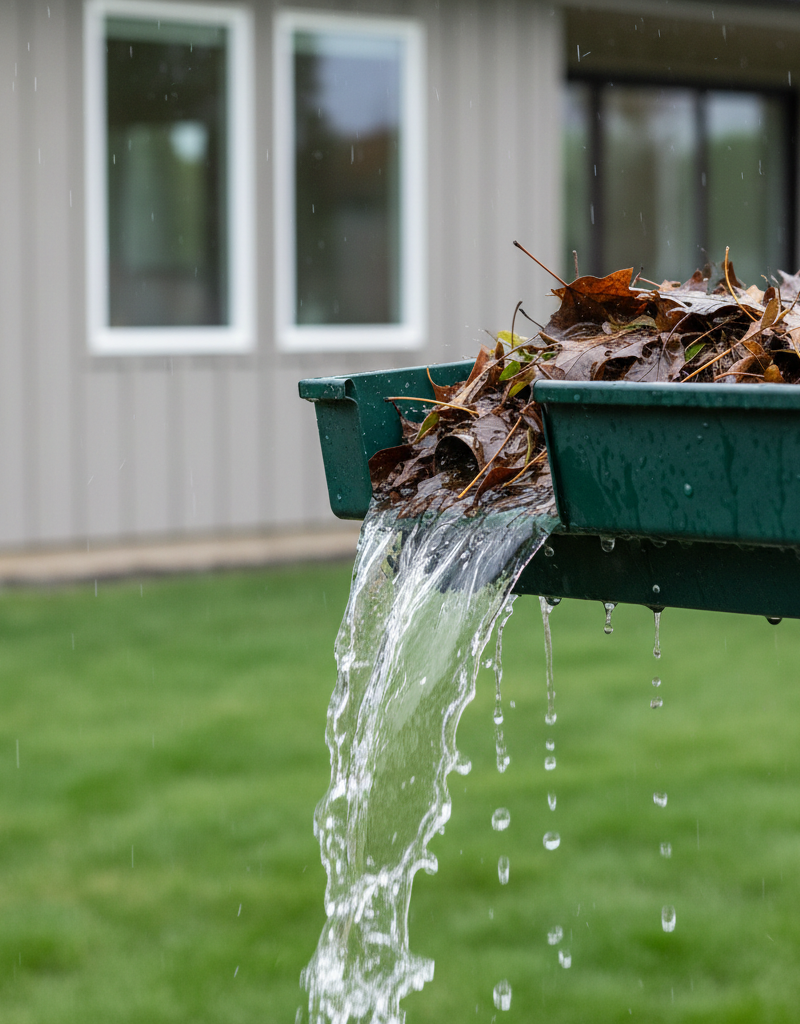
When heavy rain turns your gutters into miniature waterfalls, spilling water over the sides instead of channeling it away, the culprit is almost always a blockage. While it might seem like a widespread problem, often only one section or even a single downspout is affected. This localized overflow stems from debris – leaves, shingle grit, sticks, and even small toys – accumulating and creating a dam that obstructs the natural flow of water towards the downspout. Clearing these blockages is typically a straightforward task that can be completed in minutes, saving your home from potential foundation, fascia, and landscaping damage.
The Problem
You've seen it: a deluge of rain, and suddenly, one section of your gutter can't keep up. Water pours over the edge, creating an unwelcome waterfall directly onto your foundation, landscaping, or even worse, into your basement. This isn't just an aesthetic issue; persistent overflowing gutters can lead to significant and costly home damage. The constant deluge erodes soil around the foundation, potentially compromising its integrity. Water splashing onto siding can lead to rot, mold, and mildew. Damaged landscaping, stained driveways, and eroded pathways are also common casualties. Understanding why this happens – specifically why only one section might be failing – is the first step in protecting your home from the elements.
How It Works
Your home's gutter system is a deceptively simple yet critical component designed to manage rainwater. It works on the principle of gravity and surface tension. Rain falls on your roof, flows down the shingle surface, and is collected by the horizontal gutter troughs installed along the roof's edge. These troughs are subtly sloped, typically about 1/16 to 1/8 inch per 10 feet, directing water towards strategically placed downspouts. Downspouts are vertical pipes that carry the collected water safely away from your home's foundation, often to a splash block, buried drain, or rain barrel.
The efficiency of this system hinges on an unobstructed path. As water enters the gutter, surface tension helps it cling to the gutter's interior and continue its flow. However, leaves, shingle grit, pine needles, dirt, twigs, and even airborne seeds can accumulate. When these materials build up, they begin to reduce the effective cross-section of the gutter trough. If the blockage is significant, especially near a downspout or at an elbow, it can entirely dam the water flow. Instead of continuing its journey, the water backs up behind the obstruction. As more rain pours in, the water level rises until it has no choice but to spill over the lowest point of the gutter's edge, often directly where the worst of the clog is located. This localized overflow during heavy rain indicates a specific point of failure in the system, rather than a general design flaw.
Step-by-Step Fix
This fix focuses on identifying and clearing localized blockages. Always prioritize your safety.
-
Safety First – Before you begin, ensure the weather is clear. Avoid working on a ladder during rain, high winds, or icy conditions. Wear sturdy, non-slip shoes and work gloves. If your roof is high or you're uncomfortable on a ladder, consider hiring a professional. Place your ladder on firm, level ground and have someone spot you if possible.
-
Visual Inspection (Ground Level) – Identify the overflowing section. Stand back from your house during or just after a heavy rain. Note precisely which gutter sections and downspouts are overflowing. Look for visible debris, sections that appear to sag, or downspout elbows that are obviously clogged. You might see a dark stain on the fascia or siding directly below an overflowing area, indicating a recurring problem spot.
-
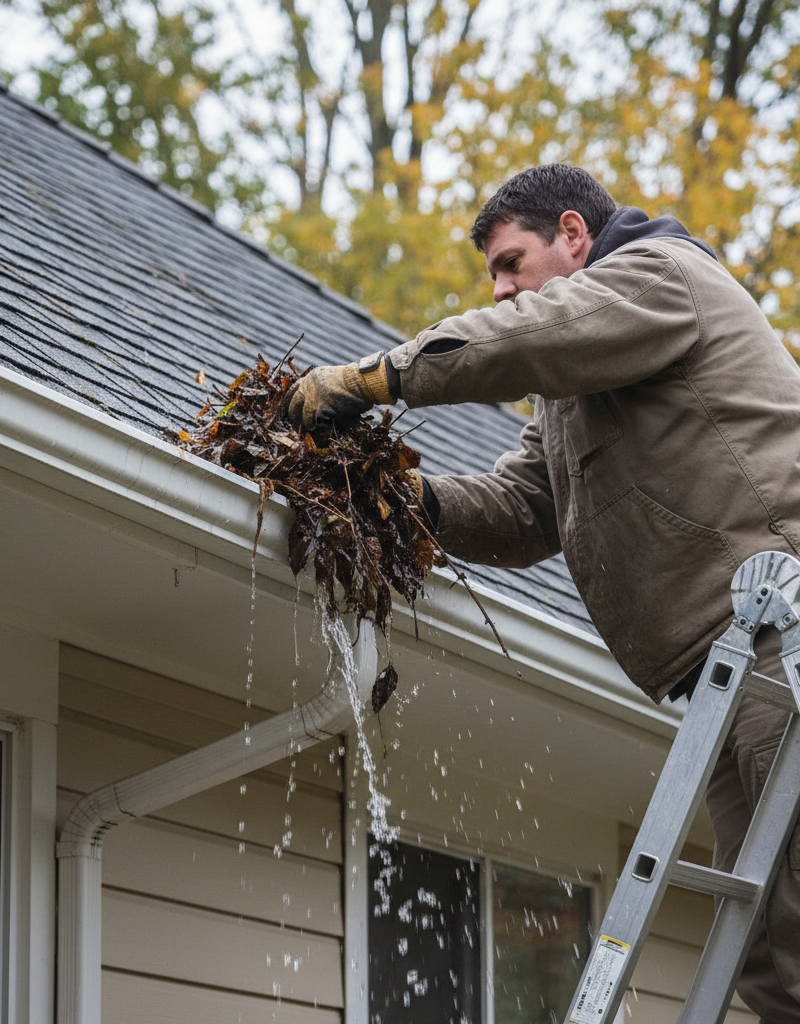
Ladder Access & Initial Debris Removal – Position your ladder safely and begin clearing. Climb the ladder with your bucket and hand scoop. Start at one end of the overflowing section and systematically remove large debris (leaves, sticks, shingle grit) from the gutter trough. Scoop it into the bucket, not onto the ground below, to avoid creating additional mess or damaging landscaping. Work your way along the affected gutter section.
- Tool Tip: A plastic gutter scoop is ideal for minimizing damage to the gutter finish.
-
Check Downspout Entry – Focus on the downspout opening. Often, the most severe clogs occur right where the gutter connects to the downspout. Clear out any debris packed into the downspout opening. Remove any downspout screens or filters, clean them, and reinstall them if they are in good condition. If they are torn or heavily damaged, replace them.
-
Flush with Water – Use a garden hose to test the flow. Once the visible debris is removed, use a garden hose to run water into the gutter upstream from the suspected clog. Observe how the water flows towards and into the downspout. It should flow freely and exit the bottom of the downspout without backing up. If water still backs up, the blockage is likely deeper inside the downspout.
-
Clear the Downspout (Top-Down) – Address downspout clogs from above. If the flush test reveals a downspout clog, first try to blast it clear from the top with the garden hose at full pressure. Aim the nozzle directly into the downspout opening. Sometimes, this is enough to dislodge lighter clogs.
-
Clear the Downspout (Bottom-Up) – Access the downspout from the ground. If blasting from the top doesn't work, go to the bottom of the downspout. Remove any splash blocks or extensions. If the downspout is connected to an underground drain, you may need to disconnect it temporarily (usually a few screws or clips). Try to push the hose upwards into the downspout from the bottom. This can sometimes dislodge the clog, or at least break it up enough for the water from above to push it through.
-
Use a Plumber's Snake (if necessary) – For stubborn downspout clogs. If water and hose pressure fail, a plumber's snake (auger) can be effective. Feed the snake from the top of the downspout, carefully pushing it until you encounter the blockage. Rotate and push the snake through the clog. Once you feel resistance ease, retract the snake, and then flush the downspout with water again to remove any remaining debris.
- Safety Note: Always wear gloves when using a snake. Be careful not to dent or damage the downspout material.
-
Reassemble and Final Test – Secure everything and verify flow. Reattach any disconnected downspout sections or extensions. Run water through the gutter one last time with the hose, observing the entire system from the gutter trough to the downspout exit to ensure unimpeded flow.
-
Check Gutter Slope – Ensure proper drainage. While you're on the ladder, visually confirm the gutter has a slight slope towards the downspout. If you notice standing water in the gutter after clearing debris, the slope might be incorrect. This is a more involved fix, potentially requiring adjusting hanger brackets, but standing water will lead to recurring clogs.
Common Causes
- Debris Accumulation: This is the overwhelming primary cause. Leaves, pine needles, twigs, shingle grit, seeds, and even small toys or bird nests can form dams, blocking water flow. This is especially true in autumn or after heavy storms.
- Clogged Downspouts: Often, debris washes into the downspout opening and gets stuck in an elbow or a narrower section, creating a bottleneck that backs up water into the main gutter trough.
- Sagging Gutters: If a gutter section sags due to loose hangers, improper installation, or accumulated weight of debris and water, it can create a low point where water pools instead of flowing towards the downspout. This standing water attracts more debris and leads to overflows.
- Improper Gutter Slope: Gutters should have a slight downward slope (1/16 to 1/8 inch per 10 feet) towards the downspouts. If the slope is insufficient or incorrect, water won't drain efficiently, leading to standing water and eventual blockages.
- Damaged or Bent Gutters: Dents or bends from ladders, falling branches, or severe weather can create depressions that trap water and debris, fostering clogs.
- Lack of Gutter Guards (Sometimes Worsens): While gutter guards are designed to prevent debris, poorly designed or clogged guards can themselves become part of the problem. Fine debris or shingle grit can sometimes pass through certain guard types and still clog the gutter, or large debris can accumulate on top of the guards, creating its own dam and simply diverting water over the edge before it even enters the gutter.
Common Mistakes
- Ignoring the Problem: Believing a gutter overflow is a minor issue. Ignoring it leads to significant and expensive damage over time, including foundation cracks, basement flooding, fascia rot, and landscape erosion.
- Working on a Wet or Unstable Ladder: This is extremely dangerous. Always ensure your ladder is on solid, level ground and that you are working in dry, calm weather conditions. Falls from ladders are a leading cause of home repair injuries.
- Failing to Check Downspouts: Many DIYers clear the main gutter trough but forget that the downspout connection and the downspout itself are critical points for clogs. A clear trough with a blocked downspout will still overflow.
- Pushing Debris Down the Downspout: Rather than carefully removing debris, some homeowners attempt to shove it down the downspout. This often compacts the clog, making it much harder to remove and potentially damaging the downspout itself.
- Not Flushing the System: After clearing visible debris, it's crucial to flush the gutter and downspout with water to ensure full flow and catch any residual small blockages.
- Overlooking Gutter Slope and Alignment: Regularly clearing debris is good, but if your gutters constantly clog or overflow in the same spot, suspect a problem with the gutter's pitch or alignment. Ignoring this ensures recurring issues.
Cost & Time Breakdown
| Task | DIY Cost | Pro Cost | Time |
|---|---|---|---|
| Initial Inspection & Clearing | $0-$10 | $100-$250 | 15-30 min |
| Downspout Unclogging (Hose) | $0 | (Incl. in above) | 5-10 min |
| Downspout Unclogging (Snake) | $15-$30 | $150-$350 | 30-60 min |
| Gutter Hanger Adjustment | $5-$20 | $150-$300 | 20-40 min |
| Minor Gutter/Downspout Repair | $10-$50 | $100-$400 | 30-90 min |
| Full Gutter Cleaning Service | (N/A) | $150-$400 | 1-3 hours |
Tips & Prevention
- Regular Cleaning Schedule: Aim to clean your gutters at least twice a year – once in late spring after tree pollen and seeds have fallen, and again in late fall after all leaves have dropped. If you have many overhanging trees, you may need to clean more frequently.
- Install Gutter Guards (Thoughtfully): While not foolproof, quality gutter guards (like mesh or micro-mesh) can significantly reduce the amount of debris entering your gutters, extending cleaning intervals. Avoid cheap, flimsy guards that can easily dislodge or trap debris themselves.
- Trim Overhanging Branches: Pruning trees and bushes so their branches don't hang directly over your roof and gutters will drastically reduce the amount of leaves, twigs, and other debris that falls into your system.
- Inspect After Storms: After heavy winds or major storms, quickly inspect your gutters for dislodged sections, visible clogs, or new damage from falling branches.
- Check Downspout Extensions: Ensure downspout extensions are directing water at least 5-10 feet away from your foundation. Clear any blockages in the extensions themselves. Consider adding permanent extensions or underground drains if splash blocks aren't sufficient.
- Address Sagging Immediately: If you notice any gutter sections sagging or pulling away from the fascia, reattach them promptly. Loose hangers can worsen existing problems and lead to permanent damage.
When to Call a Professional
While localized gutter clogs are often a DIY fix, there are clear instances when calling a professional is the smarter, safer, and ultimately more cost-effective choice. If you frequently experience overflowing gutters despite regular cleaning, this could indicate an underlying issue with your gutter system's design, slope, or size that requires expert assessment. If climbing a ladder to reach your gutters is unsafe due to height, steep pitches, or personal discomfort, a professional gutter cleaning service is essential. Additionally, if you suspect hidden damage to your gutters or fascia, or if the problem persists after your best efforts to clear it, a licensed contractor can diagnose intricate issues like improperly pitched gutters, compromised fasteners, or damage to the roof's edge that is contributing to the overflow. They have the right equipment and experience to safely and effectively resolve complex gutter problems, preventing more extensive and costly home damage in the long run.
Related Articles
Keep troubleshooting with these hand-picked guides from FixlyGuide:
- The #1 Reason Your Gutters Overflow (It's Not Clogging) — Discover the surprising true cause of overflowing gutters during heavy rain and how a simple fix can prevent costly water damage to your ho…
- The #1 Gutter Mistake That Causes Overflow (It's Not Clogs!) — Discover the often-overlooked culprit behind overflowing gutters during heavy rain and learn the surprising, easy fix most homeowners miss.
- Wind Lifted Your Shingles? The 7 Immediate Steps to Prevent Roof Leaks — Discover the crucial steps to take immediately after a storm rips shingles from your roof to prevent costly water damage and temporary repa…
- The #1 Gutter Mistake That Causes Overflow (And How to Fix It in 20 Minutes) — Overflowing gutters during heavy rain are usually caused by a readily fixable clog, often due to a common cleaning mistake.
- The Secret Reason Your Gutters Overflow (It's Not Always Clogs) — Discover the hidden culprits behind overflowing gutters during heavy rain and how to diagnose and fix them before they cause serious home d…
- The Secret Culprit Behind Your Leaky Refrigerator (It's Not What You Think) — Discover the often-overlooked reason your refrigerator is leaking water and how a simple, inexpensive fix can prevent costly damage.
Should you do this yourself?
Answer five quick questions before you start. Safety outranks savings every time.
Your experience with work like this
How high do you have to work?
Does the job involve any of these?
Will it need a permit?
Specialty tools
Free and instant. Educational guidance only — not a quote, inspection, or professional diagnosis.
Estimate your own project cost
National averages are a starting point. Enter your details for a range that fits your house.
Roof replacement cost
- Per square (installed)$604 – $866
Add $500–$2,500 if decking is rotten and needs replacement. Storm damage may be covered by insurance.
Educational estimate only — always confirm with written local bids.
What should this project cost?
Enter your project details for a realistic cost range before you call anyone.
Spot repairs commonly run $400–$1,800; full replacement typically $9,000–$18,000 for an average home.
- Regional adjustment
- National average
- Labor share (typical)
- ~$2,948
- Quotes to collect
- 3 written estimates
Educational estimate based on national averages — not a binding quote. Always confirm with written local estimates.
Fixly Project Decision Box
- DIY difficulty
- Professional Recommended
- Estimated time
- Inspection 1–2 hours · repairs 1–3 days
- Cost level
- High
Main tools / materials
- Binoculars for a ground-level look
- Flashlight for attic checks
- Moisture meter
- Roofing cement (temporary patch only)
When to stop and call a pro
- Active leak near lights, fans, or any wiring
- Sagging, bulging, or water-filled ceiling
- Steep, wet, or two-story roof — do not climb it
- Storm or hail damage you plan to claim on insurance
Need professional help?
Free roof assessment first — no phone calls until you ask for them.
Get Local Roofing HelpDecide what your roof needs
Two minutes of questions turns "something is wrong up there" into a clear next step.
- Repair or replace your roof?Answer 10 questions about age, leaks, and damage to get a clear next step.Open
- Compare contractor quotesScore up to four bids on price, warranty, licensing, and timeline.Open
- Get local estimatesSend one request and compare written estimates from vetted pros.Open
Free, no signup required. Estimates are educational guidance, not a quote or an inspection.
Get the print-ready PDF of this guide
A clean, ad-free, printable version you can keep on your phone or pin to the workshop wall. Free with a FixlyGuide account.
- Print-optimized layout
- Tools, materials & every step included
- Saved to your account
Frequently asked questions
Why do my gutters overflow only in heavy rain?+
Gutters often overflow only during heavy rain because lighter rainfall may pass through partial blockages. Heavy rain, however, quickly overwhelms the reduced capacity of a partially clogged gutter or downspout, causing water to back up and spill over the sides.
Can overflowing gutters damage my house?+
Yes, overflowing gutters can cause significant damage, including foundation erosion and cracks, mold and mildew on siding, rotting fascia boards, damaged landscaping, and even basement flooding. It's crucial to address overflows promptly.
How often should I clean my gutters?+
A general rule is to clean your gutters at least twice a year: once in late spring and once in late fall. Homes with many overhanging trees may require more frequent cleaning, perhaps three to four times a year.
What's the best way to prevent gutter clogs?+
The best prevention methods include regular cleaning, trimming overhanging tree branches, and considering the installation of high-quality gutter guards (like mesh or micro-mesh types) that effectively keep debris out while allowing water to flow freely.

Discussion
Loading comments…