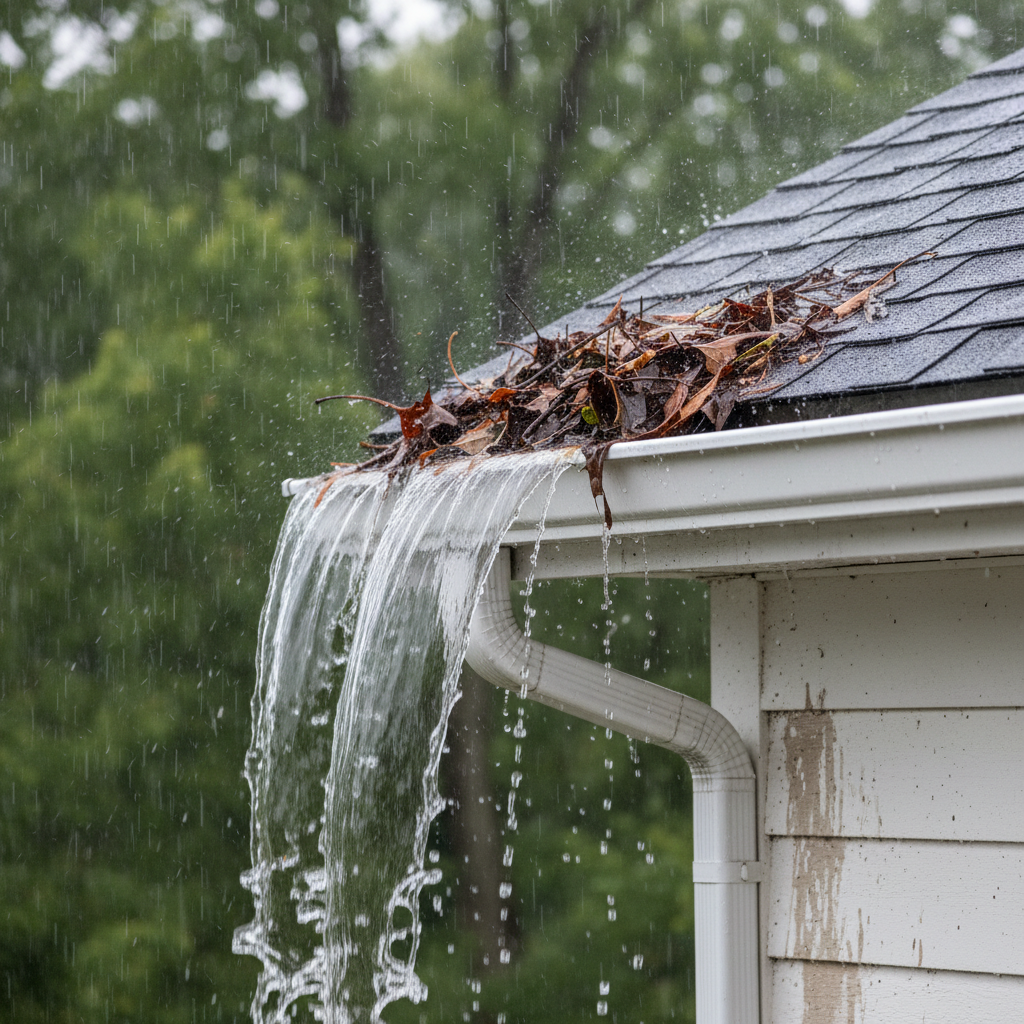
- Begin by physically removing large debris by hand while wearing gloves. Work from the downspout end towards the opposite end. Collect debris in a bucket or tarp rather than letting it fall to the ground.
- Use a small trowel or gutter scoop to scrape out smaller, compacted material and sludge. Pay close attention to corners and around gutter hangers where debris tends to accumulate.
- Pro Tip: For stubborn, caked-on mud, a strong stream of water from a garden hose can help dislodge it, but ensure your downspouts are clear first.
Plumbing · Clog
| Project category | Plumbing |
|---|---|
| Problem type | Clog |
| Trade required | Plumbing |
| Urgency | Soon — within weeks |
| Safety risk | Low safety risk |
| DIY suitability | DIY friendly |
| Cost category | Low cost |
| Typical timeline | Same-day DIY attempt; pro visit within a day or two |
| Contractor type | Licensed plumber |
Repair option
Plunger, hand auger, or trap cleanout before chemicals.
Replacement option
Line replacement when clogs return in the same spot repeatedly.
Common causes
- Hair and soap buildup in the trap
- Grease cooling in the branch line
- Flushed wipes or foreign objects
Relevant tools:diy difficultydiy or hire a pro
Published May 29, 2026Last updated August 17, 2026
Tools & materials you'll need
Affiliate linksAs an Amazon Associate FixlyGuide earns from qualifying purchases — at no extra cost to you. Prices and availability are accurate as of publication and subject to change.
Quick Answer
Overflowing gutters during heavy rain are a common homeowner headache, signaling that your home's drainage system isn't functioning as it should. While a visible clog of leaves and debris is the most frequent culprit, the problem can also be more subtle, involving incorrect gutter pitch, downspout issues, or even gutters that are simply too small for the volume of water your roof sheds. Addressing these issues promptly is crucial to prevent costly water damage to your foundation, fascia, and landscaping.
The Problem
You're watching a torrential downpour, and instead of water neatly flowing through your downspouts, it's cascading over the edges of your gutters like a waterfall. This isn't just an aesthetic issue; it's a serious indicator of a failing gutter system. When gutters overflow, the large volume of water isn't channeled safely away from your home. Instead, it can saturate the soil around your foundation, leading to hydrostatic pressure that can crack basement walls. It can also cause erosion, damage landscaping, rot fascia boards, and even lead to water in your basement or crawl space. The constant dripping can also stain siding and create icy patches in winter. Identifying and resolving the underlying cause is paramount to protecting your home's structural integrity and value.
How It Works
A properly functioning gutter system is a carefully engineered network designed to collect rainwater from your roof and divert it safely away from your home's foundation. The process begins with your roof's surface, which sheds water into the gutters. These U-shaped channels, typically made of aluminum, vinyl, or copper, are installed along the eaves of your roof. Crucially, gutters are not installed perfectly level; they are sloped at a slight angle—typically about a quarter inch for every 10 to 20 feet of run—towards the downspouts. This subtle pitch, often imperceptible to the naked eye, relies on gravity to keep the water flowing efficiently. Once the water reaches a downspout, it flows vertically through the pipe and is then directed away from the house, usually via an elbow and an extender, often at least 5 to 10 feet from the foundation. The size of your gutters and downspouts is also critical; they must be adequately sized to handle the maximum volume of water expected during heavy rainfall, which depends on local climate, roof size, and roof pitch. When any part of this system fails—whether it's a blockage, incorrect slope, or insufficient capacity—water will inevitably find the path of least resistance: over the gutter's edge.
Step-by-Step Fix
1. Prioritize Safety — Before doing any work, ensure your ladder is stable on level ground and wear appropriate safety gear.
* **Safety First:** Always use a sturdy extension ladder. Have someone spot you if possible. Wear work gloves to protect your hands from sharp edges and debris. Safety glasses are a good idea, especially if you're dealing with dried, brittle leaves or other airborne particles. NEVER work on a ladder during active rain or high winds.
2. Clear Visible Gutter Clogs — The most common culprit is a buildup of leaves, twigs, and other debris.
*   Begin by physically removing large debris by hand while wearing gloves. Work from the downspout end towards the opposite end. Collect debris in a bucket or tarp rather than letting it fall to the ground.
*   Use a small trowel or gutter scoop to scrape out smaller, compacted material and sludge. Pay close attention to corners and around gutter hangers where debris tends to accumulate.
*   **Pro Tip:** For stubborn, caked-on mud, a strong stream of water from a garden hose can help dislodge it, but ensure your downspouts are clear first.
3. Address Downspout Blockages — Clogs here can back up the entire system.
*   After clearing the main gutter troughs, use a garden hose to flush water down each downspout. Check if water flows freely out the bottom.
*   If a downspout is clogged, try flushing from the top first. If that doesn't work, you may need to detach the downspout sections (usually held by screws) and clear the obstruction directly. A plumber's snake can be effective for persistent blockages.
*   **If this doesn't work:** If you can't clear a downspout clog, carefully disassemble the different sections (usually held by sheet metal screws) to locate and remove the blockage. Reassemble securely.
4. Verify Gutter Pitch — Improper slope prevents water from draining.
*   Place a 4-foot level on the bottom of a clean gutter section, starting near a downspout. You should observe a very slight downward slope towards the downspout.
*   The recommended pitch is typically 1/4 inch of drop for every 10 to 20 feet of gutter run. If your gutter appears level or slopes away from the downspout, its pitch needs adjustment.
*   **To adjust pitch:** Gutter hangers (brackets that attach the gutter to the fascia board) are usually adjustable. Loosen the screws holding the hangers, gently raise or lower the gutter section as needed to establish the correct pitch, then re-secure the screws. Work in small increments.
5. Inspect for Water Damage & Leaks — Damaged sections can exacerbate overflowing.
*   Look for visible dents, sagging sections, or holes in the gutter material. These can cause water to pool or escape prematurely.
*   Check all seams and end caps for leaks. Apply gutter sealant to address minor leaks at seams.
*   **If this doesn't work:** Large holes, severe dents, or widespread rust often necessitate replacing the damaged section of the gutter, or in severe cases, the entire gutter run.
6. Consider Gutter Guards — Preventative measure against future clogs.
*   Gutter guards come in various forms (mesh, solid, reverse-curve) and can significantly reduce the amount of debris entering your gutters, though none are 100% maintenance-free.
*   Research different types to find one suitable for your home and budget. Install them according to manufacturer instructions, ensuring they don't impede water flow off the roof.
7. Assess Gutter and Downspout Size — Sometimes the system is simply undersized.
*   If your gutters are clean and pitched correctly but still overflow during heavy downpours, especially in specific sections, they might be undersized for your roof's surface area and local rainfall intensity. Standard residential gutters are 5-inch K-style, but larger 6-inch gutters or additional downspouts may be necessary for very large roofs or areas with extreme rainfall.
*   **When to Call a Pro:** Determining proper gutter sizing often requires specialized calculations based on roof pitch, square footage, and local rainfall data. If you suspect undersized gutters, it's best to consult with a professional gutter installer.
Common Causes
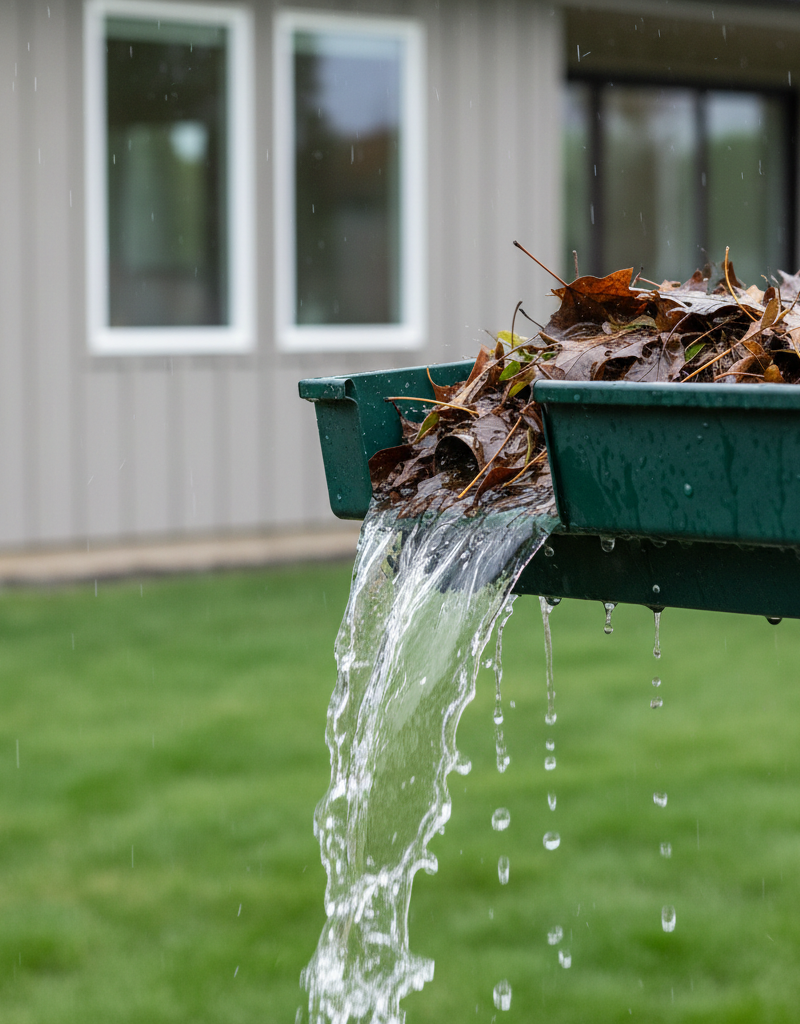
- Debris Blockages: The most frequent cause. Leaves, twigs, shingle grit, pine needles, and even small animal nests can quickly accumulate, especially in corners and near downspout openings, restricting water flow.
- Improper Gutter Pitch: If gutters are not sloped correctly (typically 1/4 inch per 10-20 feet towards downspouts), water will pool, becoming stagnant and eventually overflowing, especially under heavy rainfall.
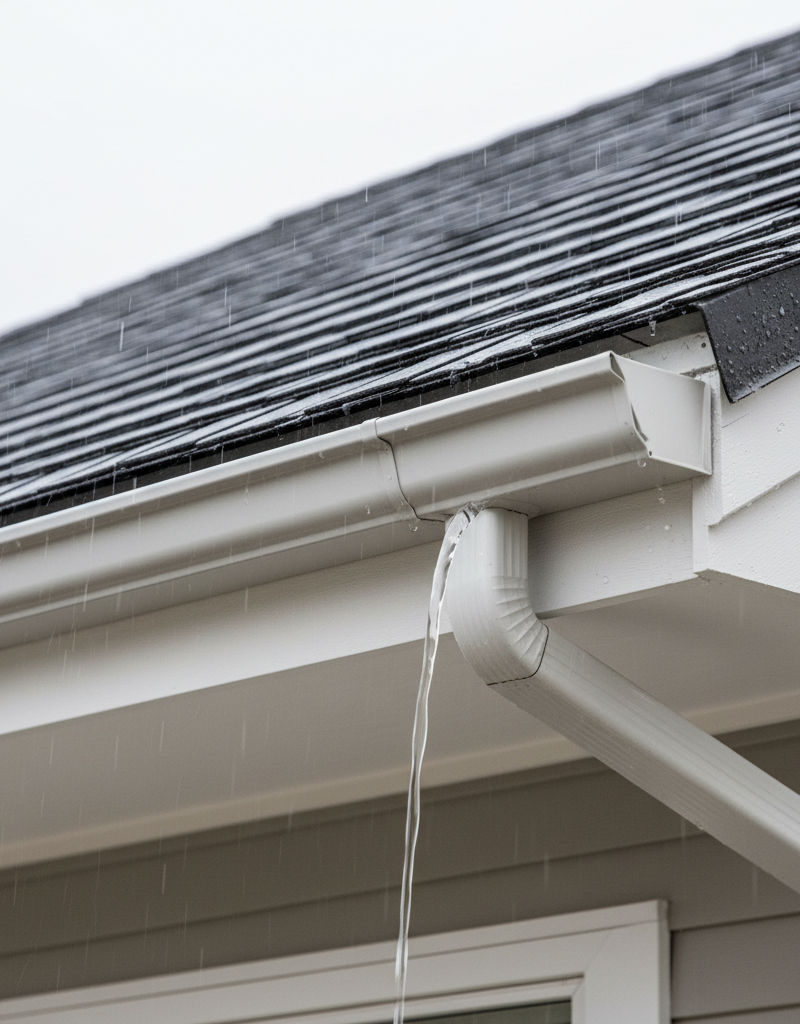
- Clogged Downspouts: Debris that makes it past the gutter can get stuck in the narrower downspout pipes, creating a bottleneck that causes water to back up and overflow.
- Undersized Gutters or Downspouts: In areas with heavy rainfall or on large roofs, standard 5-inch gutters or too few downspouts may be insufficient to handle the volume of water, leading to overflow even when clean.
- Damaged or Sagging Gutters: Gutters pulled away from the fascia, severely dented sections, or compromised hangers can alter the pitch and create low spots where water collects and spills over.
Common Mistakes
- Ignoring Regular Cleaning: Many homeowners wait until overflow is visible. Regular cleaning (at least twice a year, more if you have many trees) is crucial prevention.
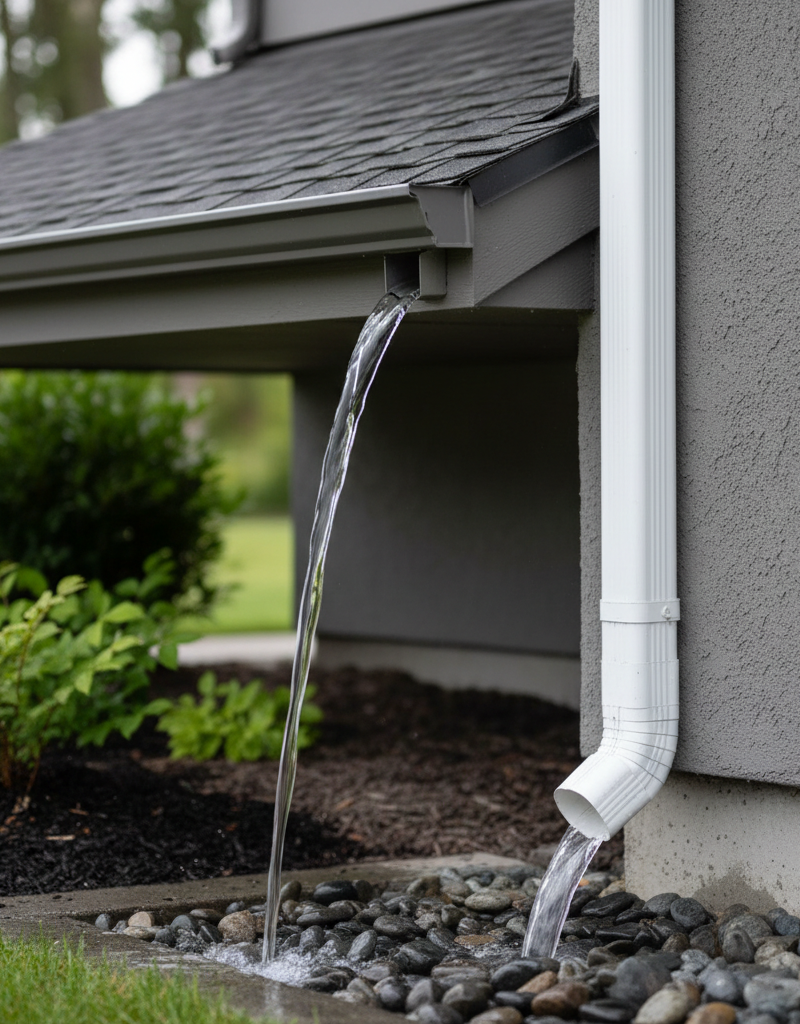
- Overlooking Downspout Extensions: Water successfully exiting the downspout but landing right next to the foundation hasn't been diverted properly. Always ensure downspout extenders direct water at least 5-10 feet away.
- Guessing on Gutter Pitch: Eyeballing the slope often leads to incorrect installation. Use a level and measure for accurate pitch to ensure proper drainage.
- Attempting DIY Repairs on Damaged Fascia: If overflowing gutters have caused significant rot to your fascia board, simply reattaching gutters to the damaged wood is a temporary fix. Professionals should assess and repair the underlying rot.
- Using Ladders Improperly: Rushing or not securing a ladder on stable ground is incredibly dangerous. Always follow ladder safety guidelines, ensure rungs are clear, and don't overreach.
- Ignoring Small Leaks: What seems like a minor drip today can worsen over time and indicate a compromised seam or small hole that will contribute to larger overflow issues later.
Cost & Time Breakdown
| Task | DIY Cost | Pro Cost | Time |
|---|---|---|---|
| Gutter Cleaning & Flushing | $0–$10 | $100–$250 | 1–2 hours |
| Adjusting Gutter Pitch | $0–$20 | $150–$400 | 1–3 hours |
| Minor Gutter/Seam Repair | $10–$50 | $150–$300 | 30 min–1 hour |
| Downspout Unclogging | $0–$20 | $100–$200 | 30 min–1 hour |
| Gutter Guard Installation | $100–$600+ | $500–$3,000+ | 2–6 hours |
| New Section/Replacement Gutters | $50–$150/foot | $300–$1,000+/foot | 4–8+ hours |
Tips & Prevention
- Regular Cleaning Schedule: Plan to clean your gutters at least twice a year, usually in late spring after tree pollen has fallen and in late fall after leaves have dropped. If you have many trees, consider quarterly cleaning.
- Install Gutter Guards: While not entirely maintenance-free, gutter guards can significantly reduce the frequency and intensity of gutter cleaning, especially in heavily treed areas. Different types offer varying levels of protection and cost.
- Extend Downspouts: Ensure all downspouts have extenders that direct water at least 5-10 feet away from your home's foundation to prevent erosion and basement flooding.
- Trim Overhanging Branches: Keep trees and bushes trimmed away from your roofline. This reduces the amount of leaves, twigs, and other debris that can fall into your gutters.
- Check for Sagging or Damage: Perform a visual inspection of your gutters from the ground periodically. Look for obvious sags, dents, or sections pulling away from the fascia, which can indicate poor pitch or compromised hangers.
- Monitor Water Flow: During the next rain, step outside (safely!) and observe how water flows through your gutters and downspouts. This direct observation can quickly reveal problem areas.
When to Call a Professional
While many gutter issues can be resolved by a diligent homeowner, there are specific situations where a professional is highly recommended. If you find yourself consistently dealing with overflowing gutters despite regular cleaning, or if you suspect your gutters are severely undersized for your home's roof area, a professional gutter installer can perform a detailed assessment. They have the expertise to calculate the appropriate gutter and downspout sizing for your specific roof pitch and local rainfall data. Furthermore, if the problem involves significant damage to your fascia board, rotting wood, or if working at heights on a ladder makes you uncomfortable or presents a safety risk, it's always best to defer to the experts. Professionals are equipped with the right tools and safety gear to handle tough clogs, make structural repairs, or install entirely new gutter systems ensuring code compliance and long-term effectiveness.
Related Articles
Keep troubleshooting with these hand-picked guides from FixlyGuide:
- The #1 Gutter Mistake You're Making (And 3 Hidden Causes of Overflow) — Overflowing gutters in heavy rain are often a sign of a deeper issue than just debris, leading to potential foundation damage and costly re…
- The 3 Hidden Reasons Your Gutters Fail in Heavy Rain (It’s Not Just Leaves) — Overflowing gutters during heavy rain often stem from a few common, yet overlooked, issues beyond simple leaf clogs, leading to potential s…
- The #1 Reason Your Gutters Overflow (It's Not Clogging) — Discover the surprising true cause of overflowing gutters during heavy rain and how a simple fix can prevent costly water damage to your ho…
- The Secret Reason Your Gutters Overflow (It's Not Always Clogs) — Discover the hidden culprits behind overflowing gutters during heavy rain and how to diagnose and fix them before they cause serious home d…
- The #1 Gutter Mistake Worsening Your Roof Damage (And The Easy Fix) — Overflowing gutters in heavy rain are typically caused by blockages, incorrectly sloped sections, or undersized gutters, leading to potenti…
- The #1 Mistake Homeowners Make Cleaning Gutters (And How to Fix It) — Discover the biggest gutter cleaning mistake that leads to costly roof damage and learn the right way to protect your home.
Should you do this yourself?
Answer five quick questions before you start. Safety outranks savings every time.
Your experience with work like this
How high do you have to work?
Does the job involve any of these?
Will it need a permit?
Specialty tools
Free and instant. Educational guidance only — not a quote, inspection, or professional diagnosis.
What should this project cost?
Enter your project details for a realistic cost range before you call anyone.
Spot repairs commonly run $400–$1,800; full replacement typically $9,000–$18,000 for an average home.
- Regional adjustment
- National average
- Labor share (typical)
- ~$2,948
- Quotes to collect
- 3 written estimates
Educational estimate based on national averages — not a binding quote. Always confirm with written local estimates.
Fixly Project Decision Box
- DIY difficulty
- Professional Recommended
- Estimated time
- Inspection 1–2 hours · repairs 1–3 days
- Cost level
- High
Main tools / materials
- Binoculars for a ground-level look
- Flashlight for attic checks
- Moisture meter
- Roofing cement (temporary patch only)
When to stop and call a pro
- Active leak near lights, fans, or any wiring
- Sagging, bulging, or water-filled ceiling
- Steep, wet, or two-story roof — do not climb it
- Storm or hail damage you plan to claim on insurance
Need professional help?
Free roof assessment first — no phone calls until you ask for them.
Get Local Roofing HelpDecide what your roof needs
Two minutes of questions turns "something is wrong up there" into a clear next step.
- Repair or replace your roof?Answer 10 questions about age, leaks, and damage to get a clear next step.Open
- Compare contractor quotesScore up to four bids on price, warranty, licensing, and timeline.Open
- Get local estimatesSend one request and compare written estimates from vetted pros.Open
Free, no signup required. Estimates are educational guidance, not a quote or an inspection.
Frequently asked questions
How do I know if my gutters are overflowing?+
The most obvious sign is water cascading over the edges of your gutters instead of draining through the downspouts. You might also notice standing water in the gutters, streaks on your siding, or erosion around your home's foundation during or after heavy rain.
How often should gutters be cleaned?+
As a general rule, gutters should be cleaned at least twice a year: once in late spring after tree pollen and seeds have fallen, and again in late fall after all the leaves have dropped. Homes with many nearby trees may require more frequent cleaning.
Can overflowing gutters cause foundation damage?+
Yes, absolutely. When gutters overflow, large amounts of water soak the soil directly around your home's foundation. This can lead to hydrostatic pressure against basement walls, causing cracks, leaks, and potentially severe structural damage over time. It can also cause soil erosion.
What is the correct pitch for gutters?+
The correct pitch for gutters is typically recommended to be about 1/4 inch of drop for every 10 to 20 feet of gutter run, sloping towards the nearest downspout. This subtle slope is essential for ensuring gravity effectively drains water away and prevents pooling.
Are gutter guards worth it to prevent overflowing?+
Gutter guards can be very effective at reducing the amount of debris that enters your gutters, thereby minimizing clogs and reducing the frequency of cleaning. However, no gutter guard system is 100% maintenance-free, and some types can still allow small debris or shingle grit to accumulate. Their effectiveness depends on the type chosen and the specific environment.
Discussion
Loading comments…