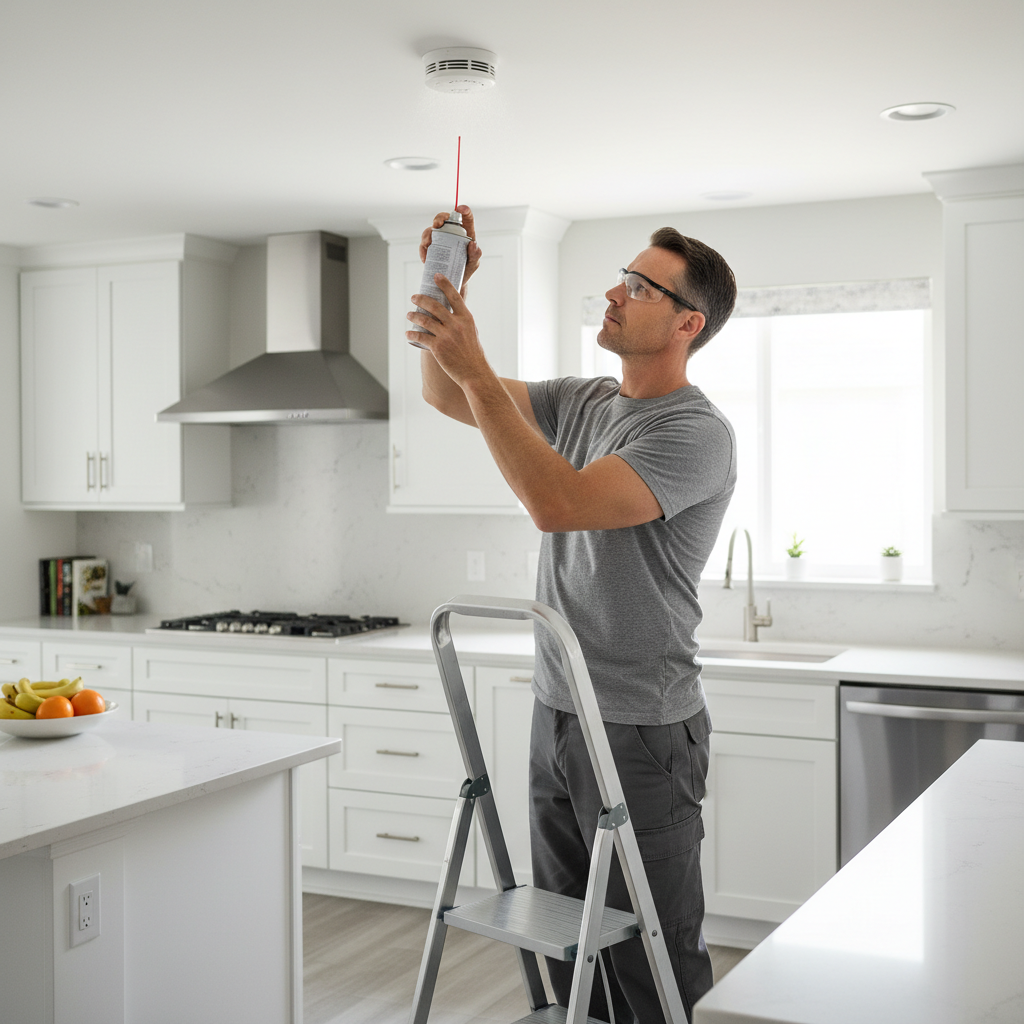
- Clean the Detector – Get the Gunk Out
- First thing’s first: dust, cobwebs, and even tiny insects love to move into smoke alarms. They can mimic smoke particles and trip the sensor.
- Tools: Step ladder, can of compressed air, soft brush (like a paintbrush).
- Safety: Kill the power first. If it’s hardwired, flip the breaker. If it’s battery-only, pop the battery out.
- Twist the detector counter-clockwise off its mounting plate. Gently vacuum the outside with a brush attachment or use compressed air to blow the dust out of the vents. Don’t use wet rags or cleaning sprays — those can wreck the internals.
Electrical · Panel or service upgrade
| Project category | Electrical |
|---|---|
| Problem type | Panel or service upgrade |
| Trade required | Electrical |
| Urgency | Planned project |
| Safety risk | High safety risk |
| DIY suitability | Licensed pro only |
| Cost category | High cost |
| Typical timeline | Permit plus utility scheduling, commonly 2–6 weeks |
| Contractor type | Licensed electrician |
Repair option
Add a subpanel when the main service is adequate.
Replacement option
Full service upgrade with utility coordination and permits.
Common causes
- Obsolete or recalled panel brands
- Service capacity too small for added loads
- No room for required AFCI/GFCI breakers
Relevant tools:project cost estimatorcompare quotes
Published September 3, 2026Last updated September 3, 2026
Tools & materials you'll need
Affiliate linksAs an Amazon Associate FixlyGuide earns from qualifying purchases — at no extra cost to you. Prices and availability are accurate as of publication and subject to change.
Quick Answer
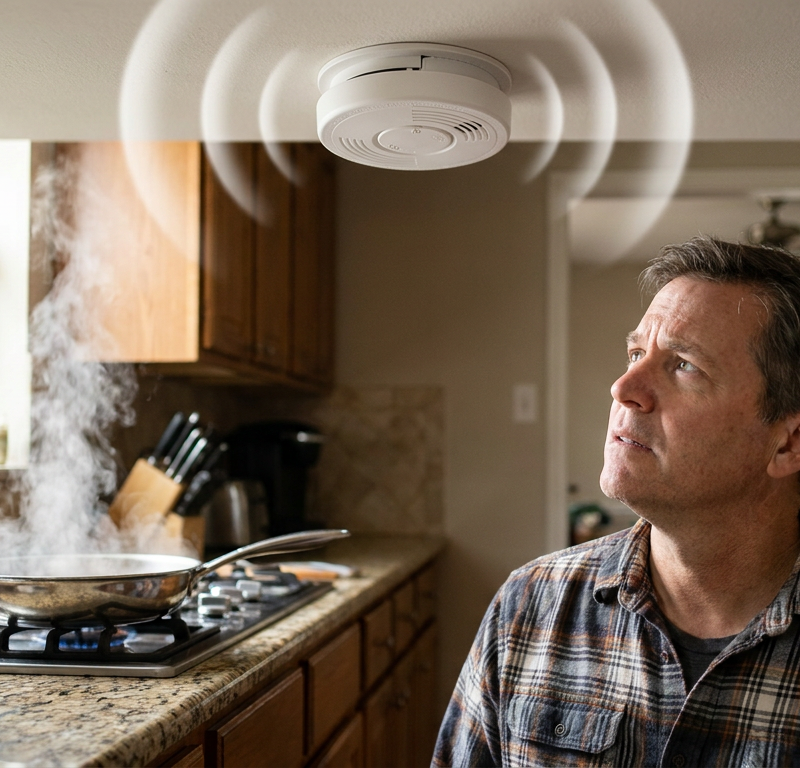
False alarms are a pain, I know. You’re just trying to cook dinner or take a hot shower, and then that smoke alarm starts hollering like the place is on fire. Most times, it’s not some big failure — it’s dust, steam, a bad spot, or a unit that’s just plain old. Clean it, check where it’s mounted, and if it’s been hanging around too long, swap it out. That’s usually the fix.
The Problem
I’ve heard it a hundred times: "My smoke alarm keeps going off, but there’s no fire!" And yeah, it’ll make you jump every single time. That piercing shriek, the mad scramble to silence it, then the second-guessing — is it broken, or is something really wrong? That’s the part folks hate. When your smoke or CO detector starts wailing without a clear threat, it’s not just annoying; it can make people tune it out. And that’s bad news. Real emergencies get missed that way. You don’t want to be the one who ignores a legit fire because the thing’s cried wolf ten times already.
How It Works
If you want to stop the false alarms, you’ve gotta know what’s happening inside the box. Most homes have either ionization or photoelectric smoke detectors, or sometimes a combination unit. CO detectors are their own animal, but they get bundled in the same kind of housing a lot of the time. Here’s the short version:
-
Ionization Smoke Detectors: These bad boys use a tiny bit of radioactive material — don’t freak out, it’s safe — to ionize the air in a small chamber. That makes a small, steady electrical current. When smoke particles, which are electrically charged, drift in there, they mess with that current. The alarm sees the disruption and BEEP BEEP BEEP! These are quick on small, fast-burning fires that throw off tiny smoke particles. Downside? They can get twitchy around steam from a shower or high humidity. They’re a little too eager sometimes.
-
Photoelectric Smoke Detectors: These work a different way. There’s a light source and a sensor inside, usually set up so the beam doesn’t hit the sensor directly. When smoke gets in the chamber, the particles scatter the light and bounce some of it into the sensor. Once the sensor "sees" enough light, the alarm goes off. These usually do better with slow, smoldering fires that make bigger smoke particles. They’re also less likely to freak out over cooking fumes, but dust can still fool ’em.
-
Carbon Monoxide (CO) Detectors: These don’t detect smoke at all. They use an electrochemical sensor or a metal oxide semiconductor sensor that reacts with CO gas. When CO is present, it triggers a chemical reaction that changes the sensor’s electrical conductivity, and off the alarm goes. These are critical because CO is colorless, odorless, and tasteless — a silent killer if there ever was one. False alarms on CO units are less common, but VOCs from cleaning products, strong chemical fumes, or really high humidity can still cause trouble.
All of these detectors are built to be sensitive. That’s the point. But that sensitivity also means they can get tricked by junk in the air or weird conditions in the house. Your job is figuring out what’s setting yours off.
Step-by-Step Fix
Before you start yanking things off the ceiling, take a breath. Most false alarm fixes are pretty simple. Safety first, though — if you think it might be a real fire or a CO leak, get out and call 911.
-
Clean the Detector – Get the Gunk Out
- First thing’s first: dust, cobwebs, and even tiny insects love to move into smoke alarms. They can mimic smoke particles and trip the sensor.
- Tools: Step ladder, can of compressed air, soft brush (like a paintbrush).
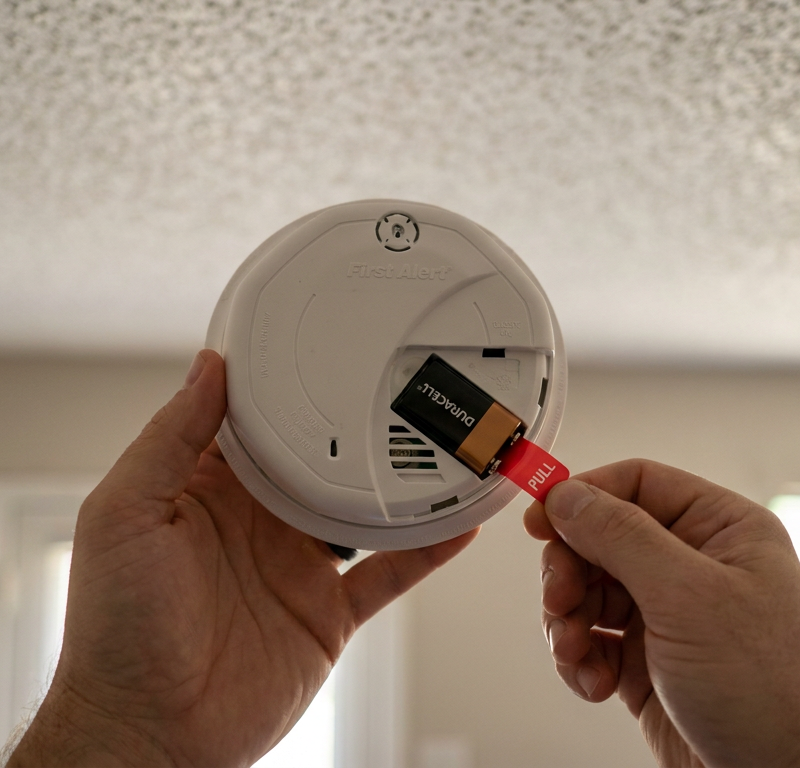
- Safety: Kill the power first. If it’s hardwired, flip the breaker. If it’s battery-only, pop the battery out.
- Twist the detector counter-clockwise off its mounting plate. Gently vacuum the outside with a brush attachment or use compressed air to blow the dust out of the vents. Don’t use wet rags or cleaning sprays — those can wreck the internals.
- If this doesn’t work: Go back over it. Sometimes there’s a little dust bunny tucked in there where you can’t see it.
-
Check Its Location – Is It in the Wrong Spot?
- Detectors are picky about where they live. Put one too close to a bathroom, kitchen, or fireplace and you’re asking for false alarms.
- Rules of Thumb: Keep smoke alarms at least 10 feet from cooking appliances and showers. Don’t stick them near heating vents, return air vents, or ceiling fans that can push smoke or steam right into the unit. And don’t shove them into those dead-air ceiling corners either — they need decent circulation.
- If yours is sitting in one of those bad spots, you may need to move it. That can mean patching a hole and running new wire if it’s hardwired, which might be an electrician job.
- A specific memory: I had a call in Marietta last month from a lady who was sure her detector was haunted. Every time she made toast, it went nuts. Turns out the previous homeowner had mounted the smoke alarm directly above the toaster oven, maybe 3 feet away. She thought she was doing the right thing by putting it where smoke would rise — no dice. Moved it 12 feet over, and the "ghost" quit bothering her.
-
Address Humidity – Dry It Out
- High humidity, especially from steamy showers or a humidifier running full blast, can trip ionization detectors. Water vapor can act a lot like smoke particles.
- Crack a window or run the exhaust fan when you shower or use a humidifier. If the detector’s in a hallway by the bathroom, shut the bathroom door during showers.
- In high-humidity spots, you might do better with a photoelectric detector instead of an ionization unit, or a combo unit that uses both technologies.
-
Investigate Cooking Fumes – Toast, Grease, and Searing
- Even if nothing’s burning, heavy cooking smoke — especially frying or searing — can set off smoke alarms. This is super common with ionization types.
- Use the range hood fan every time you cook. Open a window if you need to get the fumes moving out. If the alarm keeps going off while you’re cooking, it may simply be too close to the kitchen. Go back to step 2.
-
Check for Pests – Tiny Intruders
- Spiders, earwigs, and other little insects can crawl into the sensing chamber and trip the alarm. They’re light enough to float around and block the light or mess with the current.
- A good blast of compressed air helps here too — same drill as step 1. And make sure the detector’s seated right on its base.
-
Examine for Chemical Fumes – VOCs and Aerosols
- Painting, cleaning with strong chemicals, using hairspray, or even some air fresheners can release volatile organic compounds (VOCs) that fool CO detectors and sometimes smoke detectors too.
- Keep the place well ventilated when you’re using those products. If a CO alarm keeps going off after one specific cleaner or spray, try it with windows open or keep it away from the detector.
-
Test the Detector – Is It Functioning Correctly?
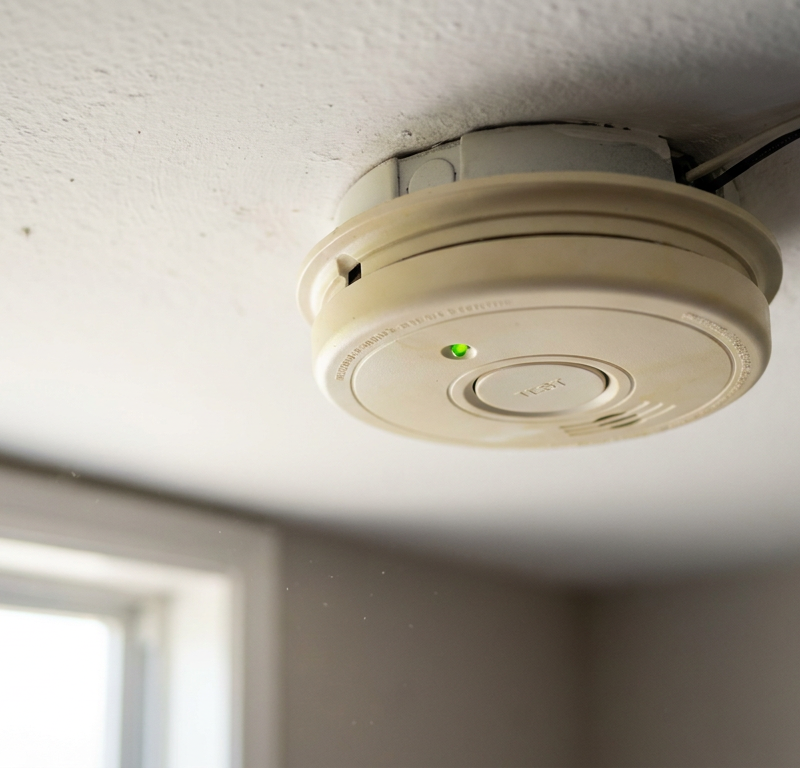
- After you’ve cleaned and repositioned it, test the detector. Press and hold the "Test" button. You should get a loud alarm. If you don’t, or if it still false alarms, the unit might be on its way out.
- Some detectors have a "hush" button that quiets the alarm for about 8-10 minutes. Handy for cooking-related false alarms, sure, but it doesn’t fix the root problem.
-
Replace Old Detectors – They Don’t Last Forever
- Smoke detectors, both ionization and photoelectric, have a lifespan of about 10 years from the date of manufacture. After that, the sensors wear out, which makes them more prone to false alarms or, worse, failure to catch a real fire.
- Check the Date: Look for a manufacture date (MFG Date) or replace-by date on the back or side of the unit. If it’s over 10 years old, it’s time for a new one. CO detectors usually have a 5-7 year lifespan.
- Pro Tip: When you replace them, write the installation date on the inside with a permanent marker. Saves you a headache later.
Common Causes
- Dust and Debris: Usually the top offender. Stuff building up inside the sensing chamber makes the detector think there’s smoke.
- Steam and High Humidity: Showers, humidifiers, all that moist air — it can trip ionization alarms fast.
- Cooking Fumes: Smoke or even heavy vapor from cooking can set off detectors that are too close to the kitchen.
- Insects: Tiny bugs crawling into the sensing chamber can block light or disrupt current.
- Chemical Vapors: VOCs from cleaners, paint, or aerosols can set off CO sensors or sometimes smoke sensors.
- Detector End-of-Life: Sensors wear down over time, and that can make them extra sensitive as they creep toward the 10-year replacement mark.
- Battery Issues (less common for false alarms, more for chirps): A low battery usually gives you a chirp, but a failing battery can cause weird, intermittent behavior.
Common Mistakes
- Ignoring the problem: Too many false alarms and folks start pulling batteries or disabling units. That leaves the house unprotected. Don’t do it.
- Not cleaning regularly: A quick blast of compressed air once a year can save you a pile of grief.
- Placing detectors improperly: Put them next to bathrooms, kitchens, or dead-air spaces and you’re asking for trouble.
- Not checking the manufacture date: These aren’t "install it and forget it" devices. They expire, usually after 10 years for smoke and 5-7 for CO.
- Assuming all alarms are the same: Ionization and photoelectric units react differently. Using the wrong type in the wrong spot — like ionization near a kitchen — can turn into constant false alarms.
- Using household cleaners inside the unit: Spraying window cleaner or furniture polish into the sensor can mess it up for good.
Cost & Time Breakdown
False alarms are usually a DIY fix that costs you more in frustration than money, but sometimes the unit’s just done. Here’s what you might be looking at.
| Task | DIY cost | Pro cost | Time |
|---|---|---|---|
| Cleaning detector | $0–$10 | N/A | 10–15 minutes |
| Battery replacement | $5–$25 | N/A | 2–5 minutes |
| Replacing old unit (hardwired) | $30–$80 | $150–$300 | 15–30 minutes |
| Relocating unit (simple) | $0–$20 | $100–$250 | 30–60 minutes |
| Relocating unit (complex, wiring) | $50–$100 | $250–$500+ | 1–4 hours |
Tips & Prevention
- Clean Annually: Get in the habit of vacuuming or blowing compressed air through your smoke alarms once a year, especially the ones near kitchens and bathrooms. I tell my clients to do it when they change the clocks for daylight saving.
- Test Monthly: Hit that test button once a month. If the alarm sounds, that’s a good sign — doesn’t prove the sensor’s perfect, but it tells you it’ll holler when it should.
- Replace on Schedule: Mark your calendar for 10 years from the MFG date for smoke alarms and 5-7 years for CO alarms. When that date rolls around, replace the whole unit. No ifs, ands, or buts.
- Proper Placement: Follow the manufacturer’s placement rules. Keep units at least 10 feet from cooking fumes, steamy bathrooms, and dusty workshops.
- Ventilation is Key: Use exhaust fans in kitchens and bathrooms every chance you get. That pulls moisture and cooking byproducts out of the house and cuts down on false triggers.
- Opt for Dual-Sensor or Photoelectric: In spots that deal with cooking fumes or steam, go with a photoelectric smoke detector or a dual-sensor (ionization and photoelectric) unit. They’re less touchy about those false alarm triggers.
When to Call a Professional
Look, most false alarm issues you can handle yourself. But there are times you need to wave the white flag and call in the pros. If your hardwired smoke alarm keeps going off after you’ve cleaned it, checked the age, and ruled out a bad location, you may be looking at a wiring issue or a faulty unit that needs an electrician to sort out. Don’t mess with live electrical wires unless you know exactly what you’re doing — a shock from household current (120V or 240V) can be deadly. If multiple interconnected alarms are tripping all over the house, or if you suspect a real CO leak and the detector’s alarming — especially with symptoms like headache, dizziness, or nausea — get out immediately and call the fire department. They’ve got the right gear to check gas levels safely. If you’re not comfortable on a ladder, or you just can’t figure out why that darn thing keeps shrieking, it’s time to bring in an experienced handyman or electrician. Better safe than sorry.
Related Articles
Keep troubleshooting with these hand-picked guides from FixlyGuide:
- The Real Reason Your Smoke Alarm Chirps Every 30 Seconds (It's Not Always the Battery) — Don't just swap batteries; a smoke detector chirping every 30 seconds can signal various issues, from dust to improper installation, demand…
- The Surprising Reason Your Ceiling Fan Wobbles (It’s Not Always What You Think) — A wobbling ceiling fan is more than just annoying; it can be a symptom of various issues, from loose screws to unbalanced blades, impacting…
- The Surprising Reason Your Ceiling Fan Wobbles (It’s Not Always What You Think) — A wobbling ceiling fan isn't just annoying; it can be a safety concern. Learn the real culprits behind the shake and how to fix them.
- The Annoying Chirp: 3 Hidden Reasons Your Smoke Detector Won't Shut Up — That persistent smoke detector chirp isn't always a low battery; several lesser-known issues can cause it.
- The Secret Cause of Ceiling Fan Wobble (It's Not Always What You Think) — A wobbling ceiling fan isn't just annoying; it can be a sign of a deeper issue. Learn the common culprits and how to restore balance safely.
- The Buzzing Microwave: Is It a Symptom or a Fire Hazard? — A buzzing microwave can be more than just annoying; it might signal a serious issue that needs immediate attention, from a faulty magnetron…
What should this project cost?
Enter your project details for a realistic cost range before you call anyone.
Outlet and switch work usually $150–$400; panel upgrades commonly $1,800–$4,200.
- Regional adjustment
- National average
- Labor share (typical)
- ~$709
- Quotes to collect
- 3 written estimates
Educational estimate based on national averages — not a binding quote. Always confirm with written local estimates.
Fixly Project Decision Box
- DIY difficulty
- Professional Recommended
- Estimated time
- Diagnosis 1–2 hours
- Cost level
- Moderate
Main tools / materials
- Non-contact voltage tester
- Outlet tester
- Flashlight
When to stop and call a pro
- Burning smell, scorch marks, or a warm outlet or switch plate
- A breaker that trips again right after being reset
- Any work inside the service panel
- Aluminum wiring or cloth-insulated wiring
Need professional help?
Talk to a Licensed ElectricianGet the print-ready PDF of this guide
A clean, ad-free, printable version you can keep on your phone or pin to the workshop wall. Free with a FixlyGuide account.
- Print-optimized layout
- Tools, materials & every step included
- Saved to your account
Frequently asked questions
How do I stop my smoke alarm from false alarming?+
Start by cleaning the detector with compressed air to remove dust and debris. Check its location to ensure it's not too close to kitchens, bathrooms, or vents. If it's old, it's likely time for a replacement.
Why does my smoke alarm go off when I shower?+
If you have an ionization smoke detector, it's highly sensitive to steam and high humidity. Ensure your bathroom fan is on, the door is closed during showers, or consider moving the detector further from the bathroom entrance.
How often should I clean my smoke detector?+
I recommend cleaning your smoke detector at least once a year. A quick vacuum or blast with compressed air helps remove dust and cobwebs that can cause false alarms.
What's the lifespan of a smoke detector?+
Most smoke detectors have a lifespan of 10 years from the date of manufacture. CO detectors typically last 5-7 years. Always check the 'MFG Date' on the back of the unit and replace it proactively.
Can cooking trigger a smoke alarm?+
Absolutely. Heavy cooking smoke, especially from frying or searing, can easily trigger smoke alarms, particularly ionization types. Use your range hood fan, and if it's a persistent problem, your detector might be too close to the kitchen.
Are all smoke detectors the same?+
No. Ionization detectors are good for fast-flaming fires, while photoelectric detectors are better for slow, smoldering fires. Some units combine both technologies. Knowing which type you have can help understand why it's false alarming.
Can insects cause a smoke alarm to go off?+
Yes, tiny insects crawling into the sensing chamber can block the light or interfere with the current, leading to a false alarm. Regular cleaning with compressed air can help prevent this.
When should I call an electrician for smoke alarm issues?+
If you have hardwired smoke alarms that are constantly false alarming after you've tried cleaning and checking their age, or if multiple interconnected units are tripping, it might indicate a wiring issue best handled by a licensed electrician. Never try to diagnose complex electrical problems yourself.
What if my CO detector is false alarming?+
CO detector false alarms are less common but can be triggered by strong chemical fumes (VOCs), aerosols, or very high humidity. Ventilate the area well. If the alarm persists and you rule out chemical causes, or if you feel unwell, exit the house immediately and call 911 for a professional check for carbon monoxide.
Where are the best places to install smoke detectors to prevent false alarms?+
Install smoke detectors on every level of your home, including basements and outside sleeping areas. Keep them at least 10 feet from cooking appliances, showers, and heating vents. Avoid 'dead air' spaces like ceiling corners. Follow manufacturer instructions for optimal placement.
Discussion
Loading comments…