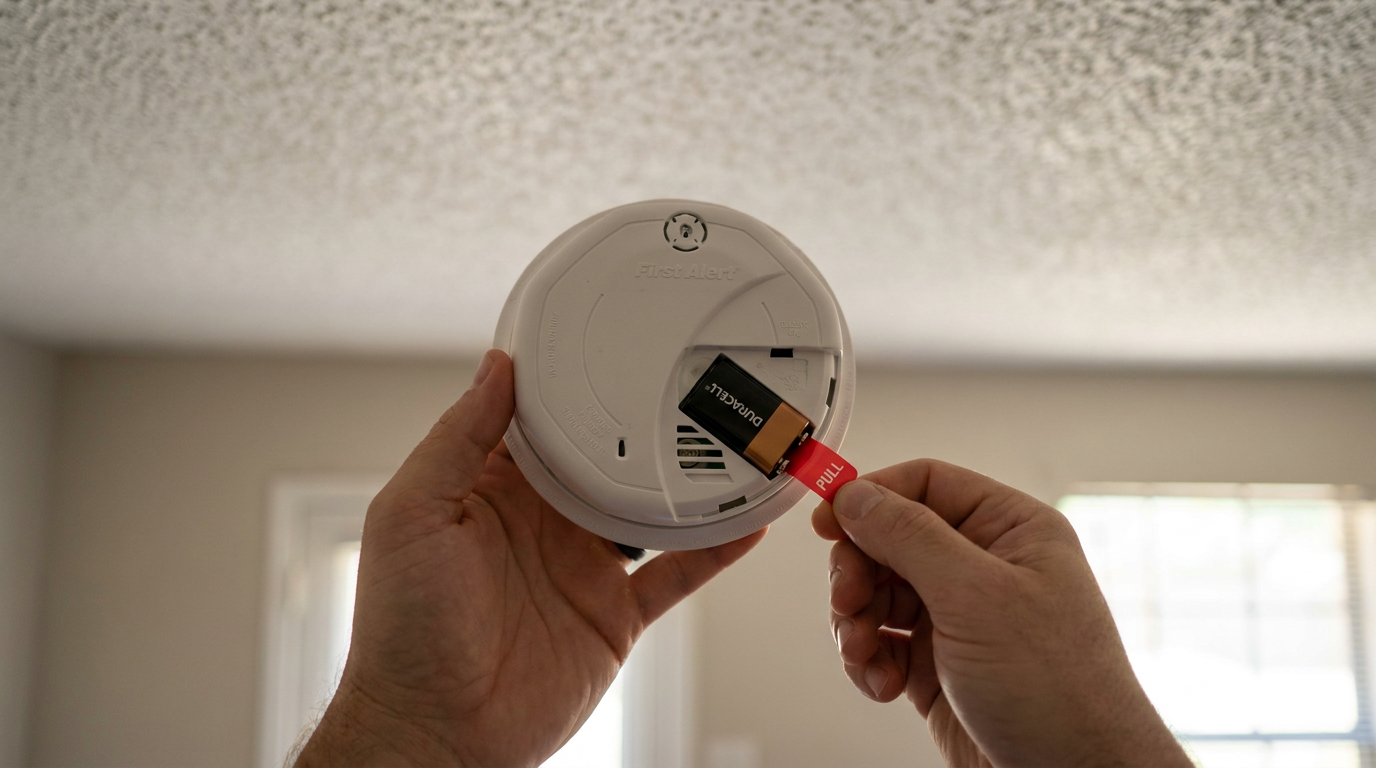
- Battery Pull-Tab: The number one reason a new detector chirps. Easy to miss when you’re just trying to get the thing mounted and move on.
- Dead-on-Arrival Battery: The included battery came out of the box bad.
- Loose Battery Connection: Battery wasn’t snapped in all the way.
- Improper Seating: The detector isn’t fully twisted and locked onto its mounting ring, so the hardwire connection never quite makes it.
- Residual Charge: The detector remembered a fault from the install and needed a hard reset to clear the error.
Electrical · Panel or service upgrade
| Project category | Electrical |
|---|---|
| Problem type | Panel or service upgrade |
| Trade required | Electrical |
| Urgency | Planned project |
| Safety risk | High safety risk |
| DIY suitability | Licensed pro only |
| Cost category | High cost |
| Typical timeline | Permit plus utility scheduling, commonly 2–6 weeks |
| Contractor type | Licensed electrician |
Repair option
Add a subpanel when the main service is adequate.
Replacement option
Full service upgrade with utility coordination and permits.
Common causes
- Obsolete or recalled panel brands
- Service capacity too small for added loads
- No room for required AFCI/GFCI breakers
Relevant tools:project cost estimatorcompare quotes
Published October 7, 2026Last updated October 7, 2026
Tools & materials you'll need
Affiliate links- Amazon9V Alkaline Battery1 · High-quality, from a reputable brand.
As an Amazon Associate FixlyGuide earns from qualifying purchases — at no extra cost to you. Prices and availability are accurate as of publication and subject to change.
Quick Answer
If your new smoke detector is chirping, nine times out of ten it’s a bad or poorly seated backup battery. First thing, pull the plastic tab if it’s still in there. If that doesn’t stop it, swap the factory battery for a fresh, good-quality alkaline one and make sure it’s snapped in tight. A detector that isn’t fully seated on the mounting bracket can chirp too.
The Problem
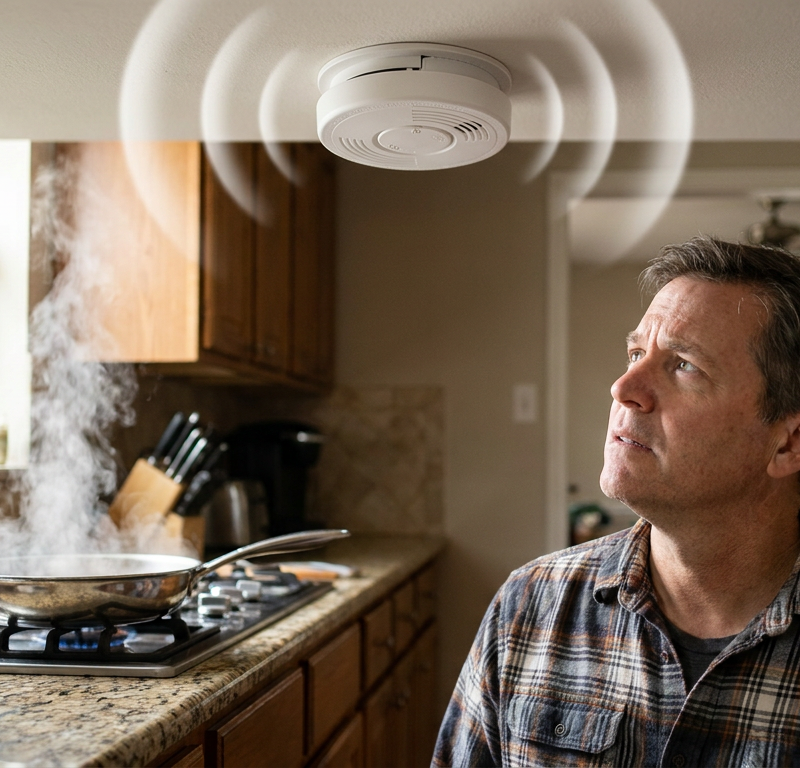
You did the job. Bought the detector, climbed the ladder, got it mounted to protect the family. Then it starts chirping every 30 to 60 seconds—that same nails-on-a-chalkboard noise the old one made. Feels like a bad unit, right? Usually isn’t. Brand-new smoke alarms can chirp for a handful of simple reasons, and most of the time you can knock it out in under five minutes without pulling out a single tool.
How It Works
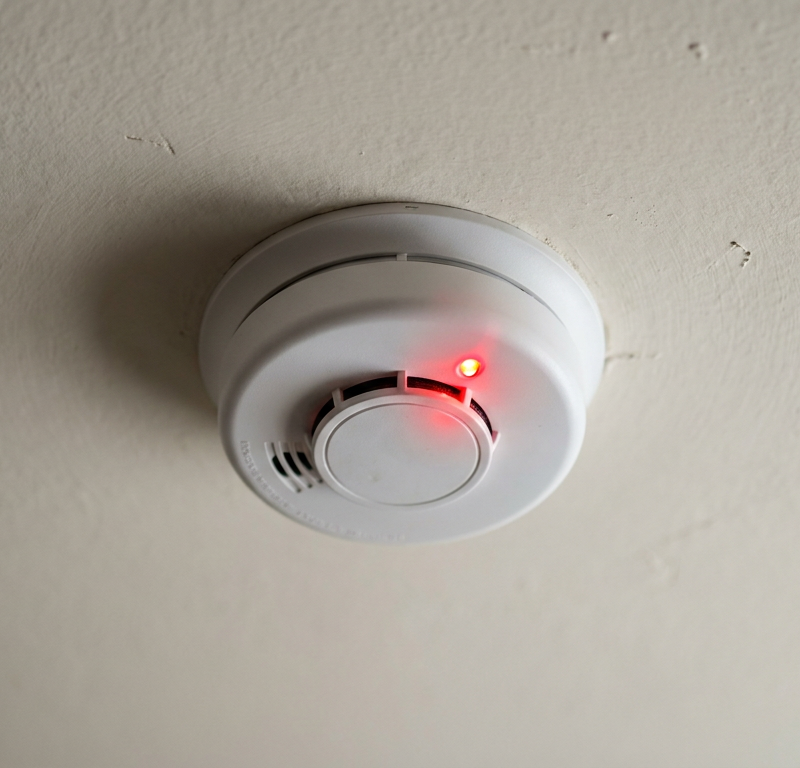
Modern smoke alarms, even hardwired ones, have a backup battery. That’s not optional; it’s what keeps the thing alive when the power goes out. When you first install a detector, it runs a self-check and looks at its power sources. That steady chirp is the alarm’s way of saying something’s off during that startup sequence.
I think of it like a boot-up error. The little brain inside is basically saying, "I see AC power (if it's hardwired), but my battery is missing, dead, or not making a solid connection." That chirp isn’t a smoke warning. It’s a fault signal. The unit will also chirp if it isn’t fully and securely seated on its mounting bracket. That’s a safety feature so the contacts line up right and the detector knows it’s ready to go. Until it sees both a solid main power source AND a healthy backup, it’ll keep complaining. Your job is to figure out which one’s giving it grief.
Step-by-Step Fix
-
Check the Battery Pull-Tab. A brand-new smoke detector usually has a little plastic tab or strip keeping the backup battery from making contact during shipping. Miss that, and the detector’s basically telling you it’s got no battery. Twist it off the base, pop open the battery door, and pull that tab all the way out. Don’t just shove it aside. Remove it. Give it about 60 seconds before you put the detector back up and see if the chirping shuts up.
-
Replace the Factory Battery. Yep, even on a detector right out of the box. The battery that came with it might be a cheap little cell that was DOA (dead on arrival) or just sat around long enough to go weak in a warehouse. Happens more than folks think. Put in a fresh, name-brand 9V alkaline battery. Don’t go with a rechargeable unless the manufacturer specifically says it’s fine—most of ’em aren’t built for that. Make sure the positive (+) and negative (-) ends line up right and the battery snaps in solid. If it’s loose, you’ve still got a problem.
-
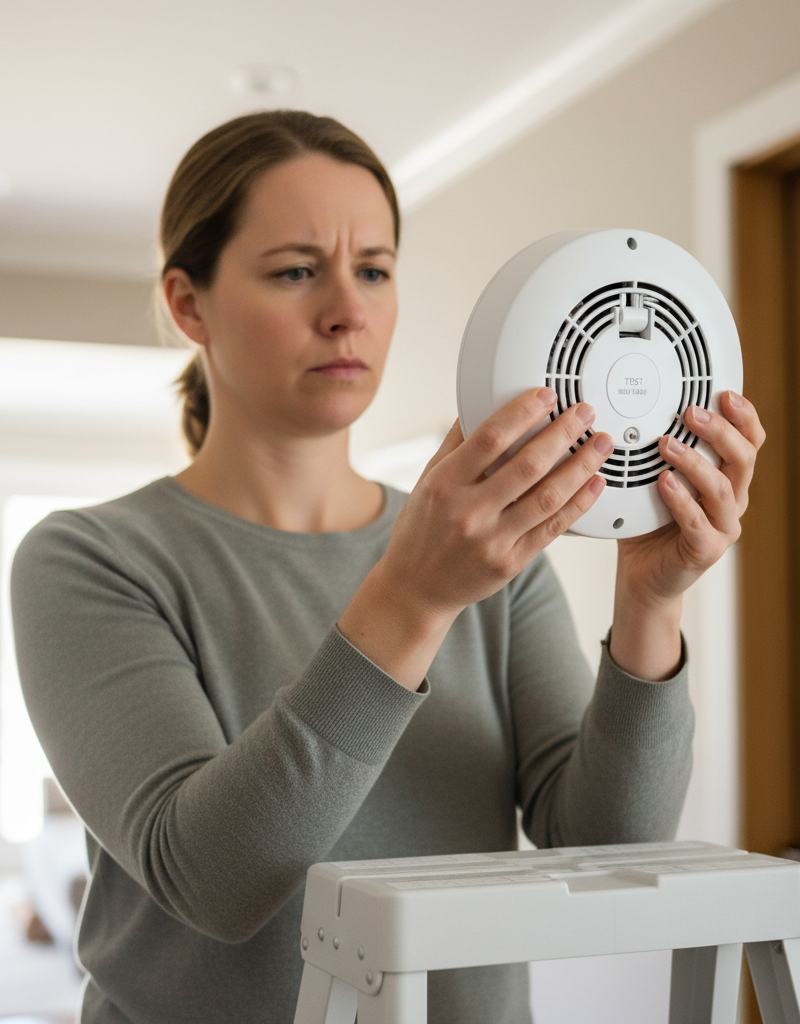
Reset the Detector. Sometimes the battery fix isn’t enough because the detector’s little processor still has the fault stored in memory. You’ve got to clear it with a hard reset. Take the detector down, pull the new battery back out. If it’s hardwired, unplug the power harness. Then press and hold the "Test/Silence" button on the front for 15-20 seconds. That bleeds off leftover charge in the capacitors and forces a real reboot. I pulled a water heater in Frisco last month that had exactly this kind of stubborn startup issue—not the same appliance, sure, but the same deal: a reset solves a lot more than people expect.
-
Reinstall and Test. Reconnect the power harness first on hardwired models. Then pop in your fresh battery. Shut the battery door and twist the detector back onto the mounting bracket. Make sure it locks or clicks all the way. If it’s even a hair off, the contacts won’t meet right and, you guessed it, chirp city. Wait a minute or two. If it stays quiet, hit the "Test" button. You should get the full, loud alarm pattern, which tells you everything’s working like it should.
Common Causes
- Battery Pull-Tab: The number one reason a new detector chirps. Easy to miss when you’re just trying to get the thing mounted and move on.
- Dead-on-Arrival Battery: The included battery came out of the box bad.
- Loose Battery Connection: Battery wasn’t snapped in all the way.
- Improper Seating: The detector isn’t fully twisted and locked onto its mounting ring, so the hardwire connection never quite makes it.
- Residual Charge: The detector remembered a fault from the install and needed a hard reset to clear the error.
Common Mistakes
- Using an old battery: Don’t “borrow” one from another gadget. Use a fresh battery straight from the package.
- Ignoring the fit: Hanging from the ceiling doesn’t mean it’s installed right. If it isn’t fully twisted and locked, it’s not correct.
- Tossing the manual: Every model’s a little different. That skinny booklet has the exact reset steps and battery requirements for your unit.
- Getting frustrated and giving up: That chirp is meant to bug you. It’s doing its job. Don’t just yank the battery and walk away—follow the steps and finish the fix.
Cost & Time Breakdown
| Task | DIY Cost | Pro Cost | Time |
|---|---|---|---|
| Replace Backup Battery | $2–$5 | N/A | 2 minutes |
| Reset Detector | $0 | N/A | 3 minutes |
| Re-seat on Bracket | $0 | N/A | 1 minute |
| Full Replacement (if truly defective) | $20–$50 | $75–$150 | 5-10 minutes |
Tips & Prevention
- Write the Date: Grab a permanent marker and write the install date right on the back of the new detector. Makes it a lot easier to track that 10-year lifespan.
- Buy Quality Batteries: When it’s time to replace the backup battery (you’ll get a different chirp at end-of-life), go with lithium batteries. They cost more, but they last longer and handle temperature swings better.
- Test Monthly, Replace Yearly: Get in the habit of hitting the test button on all your detectors on the first of every month. Swap the backup batteries once a year, even if they haven’t started chirping yet. I like doing it when the clocks change for daylight saving time—easy to remember.
- Keep them Clean: Dust and cobwebs can mess with the sensor. Once a year, use the soft brush on your vacuum to gently clean around the vents on the smoke detectors.
When to Call a Professional
Honestly, if it’s one new detector chirping, you almost never need a pro. The steps above fix it 99% of the time. But if you’ve got a hardwired system and ALL of your (new) interconnected alarms are chirping, or you’ve already tried everything and the thing won’t shut up, there could be an electrical issue in the house. If you’re not 100% comfortable messing with household wiring, call an electrician. They can check for stuff like a loose neutral wire or low voltage on the circuit—both can cause those stubborn, maddening false alarms.
Related Articles
Keep troubleshooting with these hand-picked guides from FixlyGuide:
- The Real Reason Your Smoke Alarm Chirps Every 30 Seconds (It's Not Always the Battery) — Don't just swap batteries; a smoke detector chirping every 30 seconds can signal various issues, from dust to improper installation, demand…
- Why Your Smoke Alarm Won't Stop Blaring (When There's No Fire!) — False alarms from your smoke detector are more than just annoying; they can make you ignore real emergencies. Learn why they happen and how…
- The 30-Second Chirp: Why Most Homeowners Misdiagnose Their Smoke Detector (And The Real Fix) — A smoke detector chirping every 30 seconds almost always means a dying battery, but it can also signal an expired unit or a buildup of dust.
- Why Your Smoke Detector Just Dies After 5 Years (And What to Do) — Think your smoke alarm should last forever? Think again. Here's why your detectors fail silently after a few years and what you absolutely…
- Why One Smoke Detector Triggers Them All (And How to Stop the Chaos) — Find out why a single smoke detector going off can cause all the others in your home to blare, and how to troubleshoot these interconnected…
- Why Your Paint Just Won't Cover (and How to Stop the Struggle) — Struggling with paint that just won't cover the old color, even after multiple coats? I'll show you why it happens and how to fix it for go…
Should you do this yourself?
Answer five quick questions before you start. Safety outranks savings every time.
Your experience with work like this
How high do you have to work?
Does the job involve any of these?
Will it need a permit?
Specialty tools
Free and instant. Educational guidance only — not a quote, inspection, or professional diagnosis.
What should this project cost?
Enter your project details for a realistic cost range before you call anyone.
Outlet and switch work usually $150–$400; panel upgrades commonly $1,800–$4,200.
- Regional adjustment
- National average
- Labor share (typical)
- ~$709
- Quotes to collect
- 3 written estimates
Educational estimate based on national averages — not a binding quote. Always confirm with written local estimates.
Before you start
Check the difficulty, permits, and safety risk — then decide whether to call a pro.
- Estimate this projectGet a cost range for your scope and ZIP before you call anyone.Open
- Get local estimatesSend one request and compare written estimates from vetted pros.Open
Free, no signup required. Estimates are educational guidance, not a quote or an inspection.
Get the print-ready PDF of this guide
A clean, ad-free, printable version you can keep on your phone or pin to the workshop wall. Free with a FixlyGuide account.
- Print-optimized layout
- Tools, materials & every step included
- Saved to your account
Frequently asked questions
Why is my brand new smoke detector chirping every 30 seconds?+
This is almost always a battery issue. Either the plastic pull-tab wasn't removed, the included battery is dead, or it isn't seated correctly. It's a fault signal, not a smoke alarm.
I put a new battery in and it's still chirping. What now?+
The detector's memory likely needs to be cleared. Take it down, remove the battery, then press and hold the 'Test' button for 15-20 seconds to perform a hard reset. This usually resolves the issue.
Can I use a rechargeable 9V battery in my smoke detector?+
It's not recommended. Most smoke detectors are designed for the specific voltage curve of alkaline or lithium batteries. Using rechargeable batteries can cause malfunctions or low-battery warnings long before the battery is actually empty.
How do I know if the smoke detector is seated on the bracket correctly?+
You should feel a distinct 'click' or 'lock' as you twist it into the final position. If it feels loose or you can twist it back and forth easily, it's not properly seated. An improper connection to the hardwire harness is a common cause of chirping.
My new hardwired smoke detector is chirping. Is the wiring bad?+
It's possible, but unlikely to be the first cause. First, follow all the battery and reset steps. If a single unit is still chirping, the unit itself might be faulty. If ALL interconnected alarms are chirping, it could indicate a wiring issue on the circuit that requires an electrician.
Does the brand of battery matter for a smoke detector?+
Yes. Always use high-quality alkaline or lithium batteries from a reputable brand like Duracell or Energizer. The cheap, no-name batteries included with the device often fail prematurely.
How long should a smoke detector last before it needs to be replaced?+
Every smoke and CO detector must be replaced after a maximum of 10 years (and some models, only 7). They have a finite lifespan. Look for a 'replace by' or 'manufacturing' date on the back of the unit.
What's the difference between a chirp and a full alarm?+
A chirp is a short, single, high-pitched sound that happens every 30-60 seconds to indicate a fault (like a low battery). A full alarm is a continuous, loud, and unmistakable pattern of beeps indicating the detection of smoke or carbon monoxide.
Discussion
Loading comments…