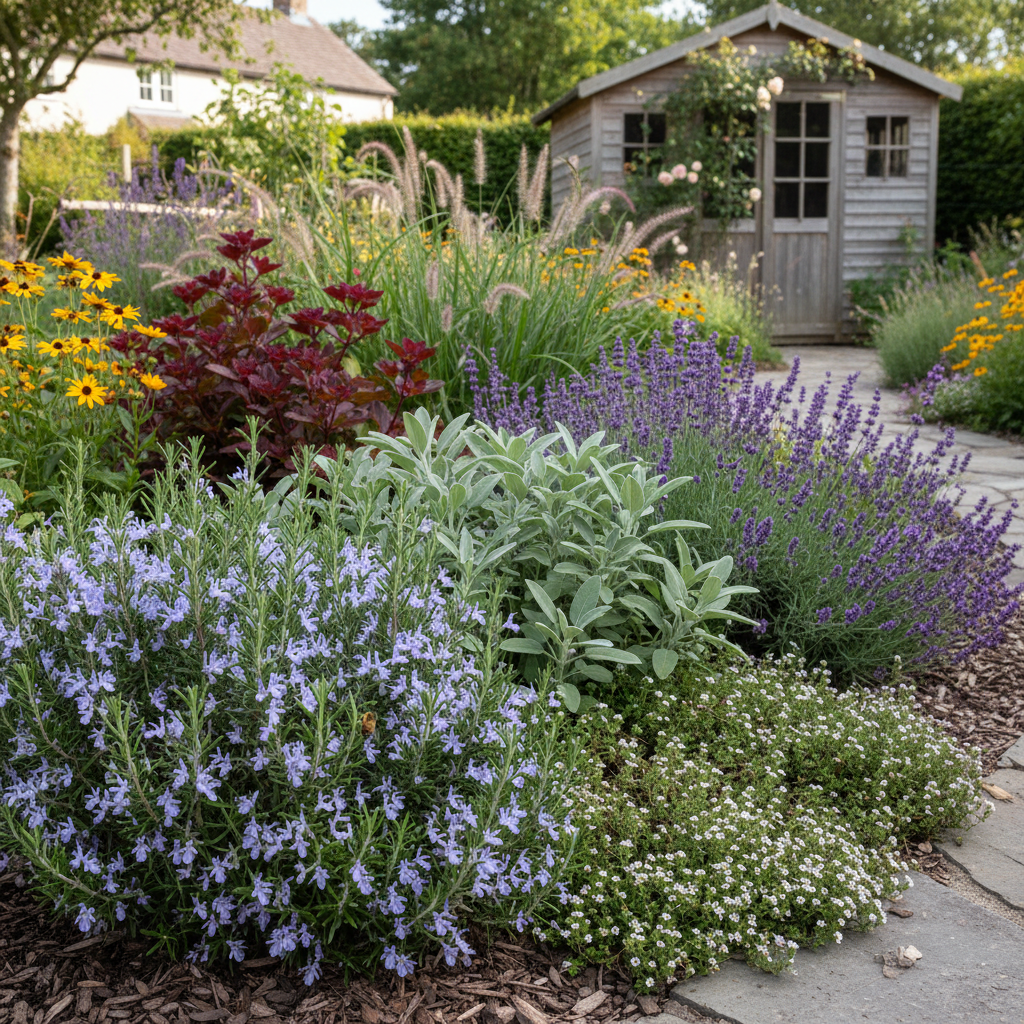
- Assess Your Site — Identify sun exposure, soil type, and drainage.
- Sunlight: Most culinary herbs thrive in full sun (at least 6 hours direct sunlight daily). Note areas that get morning sun, afternoon sun, or dappled shade. Mark these on a sketch of your yard.
- Existing plants: Consider what's already thriving (or struggling) in the areas you're targeting. This gives clues about your microclimate.
Landscaping · Deck or fence project
| Project category | Landscaping |
|---|---|
| Problem type | Deck or fence project |
| Trade required | Landscaping |
| Urgency | Planned project |
| Safety risk | Moderate safety risk |
| DIY suitability | DIY for experienced homeowners |
| Cost category | High cost |
| Typical timeline | Most builds 3–10 days depending on size |
| Contractor type | Landscaping contractor |
Repair option
Replace failed boards, posts, and hardware; reseal the surface.
Replacement option
Rebuild when framing or the ledger connection is unsafe.
Common causes
- Rot at posts and ledger
- Storm damage
- Adding outdoor living space
Relevant tools:home improvement material pricesproject cost estimator
Published July 18, 2026Last updated August 17, 2026
Tools & materials you'll need
Affiliate linksAs an Amazon Associate FixlyGuide earns from qualifying purchases — at no extra cost to you. Prices and availability are accurate as of publication and subject to change.
Quick Answer
To transform your landscape into a beautiful and productive space with minimal effort, integrate versatile herbs like lavender, rosemary, thyme, sage, mint, chives, and oregano. These plants offer attractive foliage, often sport delightful flowers, and many are drought-tolerant once established, requiring less water and care than traditional ornamentals. They provide a continuous harvest for cooking, deter pests, and can thrive in various garden settings, from borders to containers, providing a sustainable and aromatic alternative to purely decorative plants. Selecting herbs that align with your garden's sun exposure and soil type is key to their success and your enjoyment.
The Problem
Many homeowners struggle with landscaping that demands constant attention, from frequent watering and fertilizing to battling pests and diseases. Traditional ornamental plants, while beautiful, often require specific care regimens that can be time-consuming and expensive. This leads to gardens that feel more like a chore than a sanctuary. Furthermore, the desire for a productive garden often competes with the need for an aesthetically pleasing one, leaving homeowners to choose between beauty and utility or to manage two separate, intensive garden areas. The challenge is finding plants that can deliver both visual appeal and practical benefits without adding to an already busy schedule, while also being resilient enough to thrive in diverse conditions.
How It Works
Herbs, by their very nature, are often hardy and adaptable plants that have been cultivated for centuries for their culinary, medicinal, and aromatic properties. Many evolved in harsh, Mediterranean-like climates, making them exceptionally tolerant of drought, poor soil, and intense sun once established. This inherent resilience is what makes them ideal for low-maintenance landscaping.
From a botanical perspective, herbs possess several characteristics that contribute to their landscaping prowess. Many, like rosemary and lavender, have woody stems and a shrub-like growth habit, providing structural interest year-round. Others, such as thyme and oregano, are groundcovers, suppressing weeds and preventing soil erosion while creating a fragrant carpet. Their foliage comes in a surprising array of colors and textures, from the silvery-green needles of rosemary to the velvety leaves of sage, adding visual depth.
Beyond their growth habits, herbs are often rich in essential oils, which contribute to their distinctive aromas and can act as natural pest deterrents. These oils, while delightful to humans, can be unappealing to common garden pests, reducing the need for chemical interventions. The flowers of many herbs, such as chives and lavender, are not only beautiful but also attract beneficial pollinators like bees and butterflies, contributing to a healthier garden ecosystem.
When incorporated into a landscape, herbs work by creating a multi-sensory experience. Their varying heights, textures, and colors provide a dynamic visual display. Their fragrances, released by the sun or with a gentle brush, add an aromatic dimension. And their culinary uses mean your landscape literally provides food for your table. They function as living mulch, border plants, specimen plants, or even in rock gardens, often thriving in conditions where more delicate ornamentals would struggle. This natural hardiness and versatility translate directly into less work for the homeowner: less watering, less pest control, and less fuss, allowing you to enjoy your garden more and maintain it less.
Step-by-Step Fix
Beyond "fixing" a problem, this section guides you through transforming your yard into a more beautiful and productive space using herbs. It's a strategic landscaping approach.
-
Assess Your Site — *Identify sun exposure, soil type, and drainage.
- Sunlight: Most culinary herbs thrive in full sun (at least 6 hours direct sunlight daily). Note areas that get morning sun, afternoon sun, or dappled shade. Mark these on a sketch of your yard.
- Soil: Dig a small hole (about 6-8 inches deep) and feel the soil. Is it sandy, loamy, or heavy clay? Many herbs prefer well-draining soil, so clay may need amendment. Consider a simple drainage test: fill the hole with water and time how long it takes to drain. If it takes more than 4-6 hours, drainage is poor.
- Existing plants: Consider what's already thriving (or struggling) in the areas you're targeting. This gives clues about your microclimate.
-
Select Your Herbs — *Choose herbs suited to your site conditions and culinary preferences.
- For full sun, well-drained soil (many herbs' preference): Rosemary, Lavender, Thyme, Sage, Oregano, Marjoram, Chives. These are generally drought-tolerant once established.
- For partial sun (4-6 hours): Mint (use cautions — see below), Lemon Balm, Parsley, Cilantro.
- Consider mature size: Some herbs, like established rosemary bushes, can grow quite large (3-5 ft tall and wide), while thyme stays low to the ground.
- Pest deterrents: Basil near tomatoes, mint to repel ants, lavender for mosquitoes.
-
Prepare the Soil — *Ensure optimal conditions for healthy growth, especially drainage.
- Enhance drainage: For heavy clay soil, amend with organic matter like compost, aged bark fines, or perlite. Mix a 2-4 inch layer into the top 8-12 inches of soil.
- Nutrient balance: While many herbs tolerate lean soil, a bit of compost improves structure and provides slow-release nutrients. Avoid overly rich soil, which can reduce essential oil concentration in some herbs (making them less flavorful/fragrant).
- pH: Most herbs prefer a slightly acidic to neutral pH (6.0-7.0). If you suspect your soil is very alkaline or acidic, a soil test can confirm, but for general purposes, good compost usually buffers pH effectively.
-
Plan Your Layout — *Design for aesthetics, accessibility, and plant compatibility.
- Visual interest: Vary heights, textures, and colors. Place taller herbs like rosemary at the back of a border, with medium-heights like sage or chives in the middle, and low-growing thyme or oregano as a front edge or groundcover.
- Accessibility: Plant frequently used culinary herbs (e.g., basil, parsley, mint) close to your kitchen door for easy access.
- Containment for invasive herbs: Crucially,
MINTis notoriously aggressive and will spread rapidly, choking out other plants. Always plant mint in a container, even if burying the container in the ground, to restrict its root system. Ensure the container has drainage holes. - Companion planting: Consider planting herbs near vegetables. Chives can deter aphids from roses, and rosemary repels cabbage moths.
-
Planting Your Herbs — *Proper planting technique for strong establishment.
- Timing: Spring and fall are generally best, avoiding extreme heat or cold.
- Digging the hole: Dig a hole twice as wide as the root ball and just as deep. Gently loosen any circling roots at the bottom of the root ball.
- Placement: Place the herb in the hole so the top of the root ball is level with the surrounding soil. Backfill with amended soil, gently firming it around the base to remove air pockets.
- Watering in: Water thoroughly after planting to help settle the soil and reduce transplant shock.
-
Initial Watering & Care — *Establish a watering routine specific to young plants.
- Consistent moisture: For the first few weeks after planting, keep the soil consistently moist but not waterlogged to encourage root development. This is crucial for establishment, even for drought-tolerant varieties.
- Reduce frequency: Once established (typically 4-6 weeks), gradually reduce watering, allowing the top few inches of soil to dry out between waterings. Mature, drought-tolerant herbs may only need supplemental water during prolonged dry spells.
- Pinch back: Pinching back young plants encourages bushier growth and prevents them from becoming leggy. For flowering herbs, removing spent flowers (deadheading) can encourage more blooms or redirect energy into foliage production.
-
Ongoing Maintenance — *Simple steps for long-term health and productivity.
- Pruning: Regularly prune herbs to maintain shape, encourage new growth, and harvest for the kitchen. Use clean, sharp bypass pruners. For woody herbs like rosemary and lavender, avoid cutting into old wood where there are no leaves.
- Fertilization (minimal): Most herbs do not require heavy fertilization. An annual top-dressing of compost in spring is usually sufficient. Over-fertilizing can lead to lush, leafy growth but diminished flavor/fragrance.
- Pest checks: Regularly inspect for pests, though essential oils in many herbs often deter them. If you spot any, try organic methods like a strong spray of water or insecticidal soap before resorting to chemicals.
- Winter protection (if needed): In colder climates, some tender perennial herbs (e.g., rosemary in Zone 6 and below) may benefit from mulching around the base or being moved indoors (if in containers) for winter.
-
Harvesting — *Enjoy the fruits of your labor with proper harvesting techniques.
- Frequent harvesting: Most herbs benefit from regular harvesting, which encourages more growth. Snip off outer leaves or stems, leaving enough foliage for the plant to continue photosynthesizing.
- Best time: Harvest in the morning after the dew has dried, when essential oils are most concentrated.
- Storage: Use fresh, dry for long-term storage, or freeze in oil or water.
Common Causes
When herbs struggle in a landscape setting, it's almost always due to one of these common environmental mismatches or care issues:
- Poor Drainage: This is perhaps the single biggest killer of many Mediterranean herbs, which despise "wet feet." Soil that retains too much moisture leads to root rot.
- Insufficient Sunlight: Most culinary herbs are sun-worshippers. Planting them in overly shady conditions results in leggy growth, weak flavor, and reduced flowering.
- Overwatering: Especially for drought-tolerant varieties, too much water after establishment suffocates roots and promotes fungal diseases.
- Over-fertilization: While counterintuitive, too much nitrogen can lead to excessive leafy growth at the expense of essential oil production, reducing the herb's characteristic flavor and aroma.
- Incorrect Pruning: Cutting too far into old, woody stems on plants like lavender or rosemary can prevent new growth and even kill the plant. Lack of pruning can also lead to leggy, unproductive plants.
- Competition from Aggressive Neighbors: Particularly with fast-spreading herbs like mint, if not contained, they can quickly outcompete and overwhelm less vigorous herbs or other landscape plants.
Common Mistakes
Homeowners often make a few key errors when integrating herbs into their landscape, inadvertently sabotaging their efforts to create an attractive and productive garden.
- Treating all herbs the same: Not all herbs have the same water, sun, or soil needs. Forgetting mint needs containment or that cilantro bolts quickly in heat will lead to disappointment.
- Planting mint directly in the ground: This is a classic blunder. Mint's aggressive runners will quickly take over your garden, choking out other plants. Always use a pot, even if sinking the pot into the ground.
- Overwatering "drought-tolerant" herbs: While young herbs need consistent moisture, once established, many Mediterranean varieties like rosemary and lavender prefer drier conditions. Constantly wet soil leads to root rot.
- Ignoring mature size: A small herb seedling can quickly become a large bush. Failing to account for the mature size of plants like rosemary or sage can lead to overcrowding.
- Heavy fertilization for flavor herbs: While some plants thrive on fertilizer, over-fertilizing culinary herbs can dilute their flavor and aroma by prioritizing leafy growth over essential oil production. Less is often more.
- Not harvesting regularly: Many herbs grow bushier and more productive with regular harvesting. Neglecting to snip back promotes leggy growth and can cause annual herbs to "bolt" (go to seed) prematurely.
Cost & Time Breakdown
| Task | DIY cost | Pro cost | Time |
|---|---|---|---|
| Herb Plants (4-6 varieties) | $20–$60 | N/A | 1–2 hours |
| Soil Amendments (compost) | $10–$30 | N/A | 30 min–1 hour |
| Basic Hand Tools | $0 (if owned) | N/A | 0 |
| Planning & Layout | $0 | N/A | 1–2 hours |
| Planting & Initial Watering | $0 | $150–$300 (per bed) | 2–4 hours |
| Ongoing Maintenance (annual) | $0 | $200–$500/year | 10–20 min/week |
Tips & Prevention
- Start small: Don't try to convert your entire yard at once. Begin with a small border or section to test which herbs thrive in your specific microclimate.
- Containers are your friend: For small spaces, or to control aggressive spreaders like mint, containers are an excellent option. They also allow you to move herbs to optimize sun exposure throughout the year.
- Observe your plants: Pay attention to how your herbs are doing. Wilting leaves can mean too little or too much water. Yellowing can indicate nutrient deficiency or poor drainage. Your plants will tell you what they need.
- Companion planting: Strategically place herbs near vegetables or other ornamentals to naturally deter pests. For example, plant basil near tomatoes to improve flavor and deter tomato hornworms.
- Rotate annual herbs: If you're growing annual herbs like basil or cilantro, consider rotating their location each year to prevent soil-borne diseases and nutrient depletion.
- Consider native alternatives: Research local native plants that have similar hardiness to Mediterranean herbs; they often require even less intervention once established.
- Mulch lightly: A thin layer of organic mulch (1-2 inches) can help retain soil moisture and suppress weeds, but ensure it doesn't pile up around the base of the plants, which can promote rot.
When to Call a Professional
While integrating herbs into your landscape is largely a DIY-friendly project, there are specific situations where a professional landscape designer or arborist can provide invaluable assistance. If you're planning a major overhaul of your entire yard, struggling with severe drainage issues across a large area that require extensive grading or the installation of subsurface drainage systems, or if you're dealing with persistent plant diseases that no amount of organic intervention seems to cure, a professional can offer expert solutions. Additionally, if you envision a complex, multi-layered permaculture design involving advanced plant guilds and specific microclimates that feel beyond your current knowledge, consulting with a specialist in sustainable landscape design would be highly beneficial to ensure a successful and thriving long-term outcome. They can help with large-scale soil amendments, irrigation systems, and proper plant selection for complex environments.
Related Articles
Keep troubleshooting with these hand-picked guides from FixlyGuide:
- The Secret Weapon Against Gaming Clutter: A $25 Custom Controller Stand You Can Build — Discover how a simple, custom-built stand using common materials can transform your gaming space, eliminating clutter and protecting your e…
- 7 Hidden Equity Drains Costing You Thousands Annually — Your home is an asset, but silent problems like minor leaks, poor insulation, and deferred maintenance can drain its value. Discover the se…
- The Single Cedar Board Secret to Attracting Bluebirds to Your Yard — Discover how to construct an ideal bluebird nesting box using just one cedar board, providing a safe and inviting habitat for these cherish…
- The Single Cedar Board Secret to Attracting Bluebirds This Spring — Discover how a single cedar board can be transformed into a welcoming home for bluebirds, enriching your yard with their vibrant presence a…
- The Single Board Secret to Attracting Bluebirds: A Quick DIY House — Discover how to construct an ideal bluebird house using just one cedar board, providing a safe and inviting home for these cherished backya…
- The 3 Hidden Reasons Your Deck Boards Warp (and the Easy Fixes) — Deck board warping can ruin your outdoor space, but understanding the root causes and applying simple fixes can restore your deck's beauty.
Your seasonal maintenance checklist
The small jobs that prevent the expensive repairs. Tick them off — progress saves on this device.
Free, no signup. Skip anything that requires roof access or working near live electrical.
What should this project cost?
Enter your project details for a realistic cost range before you call anyone.
Maintenance projects start a few hundred dollars; full redesigns often $6,000–$15,000.
- Regional adjustment
- National average
- Labor share (typical)
- ~$2,453
- Quotes to collect
- 3 written estimates
Educational estimate based on national averages — not a binding quote. Always confirm with written local estimates.
Stay ahead of the next repair
Turn this guide into a schedule you will actually follow.
- Is this a safe DIY job?Check permits, tools, and risk before you start the steps below.Open
- Estimate this projectGet a cost range for your scope and ZIP before you call anyone.Open
Free, no signup required. Estimates are educational guidance, not a quote or an inspection.
Get the print-ready PDF of this guide
A clean, ad-free, printable version you can keep on your phone or pin to the workshop wall. Free with a FixlyGuide account.
- Print-optimized layout
- Tools, materials & every step included
- Saved to your account
This article was independently written by FixlyGuide based on the source topic.
Frequently asked questions
Can I plant different herbs together?+
Yes, many herbs can be planted together. Group herbs with similar needs for sun and water. For example, Mediterranean herbs like rosemary, thyme, and lavender thrive in full sun and well-drained soil. Always plant aggressive spreaders like mint in containers to prevent them from taking over.
How often should I water my landscaping herbs?+
During the first few weeks after planting, water regularly to keep the soil consistently moist until the herbs are established. Once established, especially for drought-tolerant varieties, allow the top few inches of soil to dry out completely between waterings. Overwatering is a common problem for many herbs.
Do herbs deter pests in the garden?+
Many herbs possess natural pest-deterring properties due to their essential oils. For example, basil can deter tomato hornworms, mint repels ants, and lavender can help keep mosquitoes at bay. Incorporating a variety of herbs can contribute to a healthier, more pest-resistant garden ecosystem.
What are the easiest herbs to grow for landscaping?+
Some of the easiest and most versatile herbs for landscaping include rosemary, thyme, lavender, sage, oregano, and chives. These herbs are generally hardy, tolerant of various conditions (especially full sun and good drainage), and require minimal care once established, making them excellent choices for beginners or busy homeowners.
Can I grow herbs in containers as part of my landscape?+
Absolutely! Growing herbs in containers is an excellent way to integrate them into your landscape, especially if you have limited space, poor soil, or want to control aggressive spreaders like mint. Containers allow for flexibility in placement and can be moved to optimize sun exposure or for winter protection. Ensure containers have adequate drainage holes.


Discussion
Loading comments…