- Low Refrigerant Charge: A leak in the refrigerant lines means the system can't absorb and transfer heat effectively. The pressure and temperature relationship is precise, and any loss degrades performance.
- Dirty Coils: A layer of dirt or frost on either the indoor or outdoor coil acts as an insulator, preventing the efficient transfer of heat.
- Incorrect Thermostat Settings: Setting the thermostat to "Emergency Heat" or having an aggressive recovery setting will bypass the efficient heat pump.
- Undersized System: If the heat pump installed is too small for your home's size, insulation level, and climate, it will never be able to keep up in cold weather.
- Failing Compressor: The compressor is the heart of the system. If its valves are weak, it can't compress the refrigerant to the necessary temperature and pressure.
HVAC · High energy usage
| Project category | HVAC |
|---|---|
| Problem type | High energy usage |
| Trade required | HVAC |
| Urgency | Planned project |
| Safety risk | Low safety risk |
| DIY suitability | DIY for experienced homeowners |
| Cost category | High cost |
| Typical timeline | Assessment within weeks; replacement planned off-season |
| Contractor type | Licensed HVAC technician |
Repair option
Duct sealing, insulation, and a tune-up before touching the equipment.
Replacement option
High-efficiency replacement sized by a load calculation, not a rule of thumb.
Common causes
- Aging, low-efficiency equipment
- Leaking ducts losing conditioned air
- Insufficient attic insulation
- Oversized system short-cycling
Relevant tools:project cost estimatorrepair or replace
Published June 4, 2026Last updated August 17, 2026
Tools & materials you'll need
Affiliate linksAs an Amazon Associate FixlyGuide earns from qualifying purchases — at no extra cost to you. Prices and availability are accurate as of publication and subject to change.
Quick Answer
Heat pumps lose efficiency in cold weather because there is less ambient heat to absorb from the outside air, forcing the system to run longer and eventually rely on expensive electric resistance "heat strips." This backup heat can cost 3-5 times more than the heat pump itself, turning a normally efficient system into a major power draw during deep freezes.
The Problem
A standard air-source heat pump works brilliantly in cool weather, but as the outdoor temperature plummets toward and below freezing, you might notice two things: your house feels less comfortable, and your electric bill skyrockets. This isn't a sign that your heat pump is broken; it's a fundamental limitation of the technology. The system that was saving you money all autumn suddenly becomes an energy glutton. The culprit is its reliance on auxiliary heat, or "backup heat," which kicks in when the heat pump can no longer extract enough warmth from the frigid air. Understanding this efficiency drop and the true cost of that backup system is key to managing your home's energy consumption and comfort during the coldest months of the year.
How It Works
A heat pump doesn’t create heat like a furnace; it moves it. In heating mode, it uses a refrigerant cycle to absorb thermal energy from the outdoor air and transfer it inside. Think of it as an air conditioner running in reverse. The outdoor unit contains a coil and a fan that blows air across it. The refrigerant inside this coil is extremely cold, colder than the outside air even on a chilly day. Because heat naturally flows from a warmer object to a cooler one, the outdoor air gives up its thermal energy to the refrigerant, which then gets compressed into a hot gas. This hot gas travels to the indoor unit, where it releases its heat into your home's air handler, warming your house. The refrigerant then cools and returns outside to repeat the cycle.
The system's efficiency, measured by its Coefficient of Performance (COP), is the ratio of heat delivered to the electricity consumed. A COP of 3.0 means it delivers 3 units of heat for every 1 unit of electricity, making it 300% efficient. However, this efficiency is entirely dependent on the temperature difference between the outdoor air and the refrigerant. As the outside temperature drops, there’s less thermal energy available for the refrigerant to absorb. The heat pump has to work much harder and run longer to extract the same amount of heat. Eventually, it reaches a "balance point," typically between 25°F and 40°F, where the heat pump’s output can no longer meet the heating demand of the house. At this point, the system calls for backup.
This backup is usually an electric resistance heating element, much like the glowing coils in a toaster or space heater. This is called auxiliary or "emergency" heat. These "heat strips" are 100% efficient (a COP of 1.0), meaning every watt of electricity is converted directly into a watt of heat. While that sounds good, it's far less efficient than the heat pump's normal operation. So, when your system switches to its heat strips, your electricity consumption can easily triple, quadruple, or even quintuple for the same amount of heating. This is the thermal and financial penalty of asking a heat pump to perform a task for which it is not designed—heating a home in sub-freezing conditions.
Step-by-Step Fix
While you can't change the physics of your heat pump, you can diagnose its performance and take steps to ensure it's operating as efficiently as possible, minimizing reliance on costly auxiliary heat.
1. Determine Your Balance Point
- Action: Find the temperature at which your system consistently switches from the heat pump to auxiliary heat. Some modern thermostats show this, but you can also observe it. Note the outdoor temperature when the "AUX" or "EMERG" light on your thermostat turns on and stays on. This is your effective balance point. If it seems unusually high (e.g., above 40°F), your system may be undersized, have low refrigerant, or have incorrect settings.
2. Check Thermostat Settings
- Action: Ensure your thermostat isn't prematurely calling for auxiliary heat. Many thermostats have an "aggressive" recovery mode that uses AUX heat to raise the temperature quickly after a setback. Disable this feature. Set your thermostat to "Heat" mode, not "Emergency Heat." The "Emergency" setting locks out the heat pump entirely and runs only on the expensive heat strips.
3. Inspect the Outdoor Unit
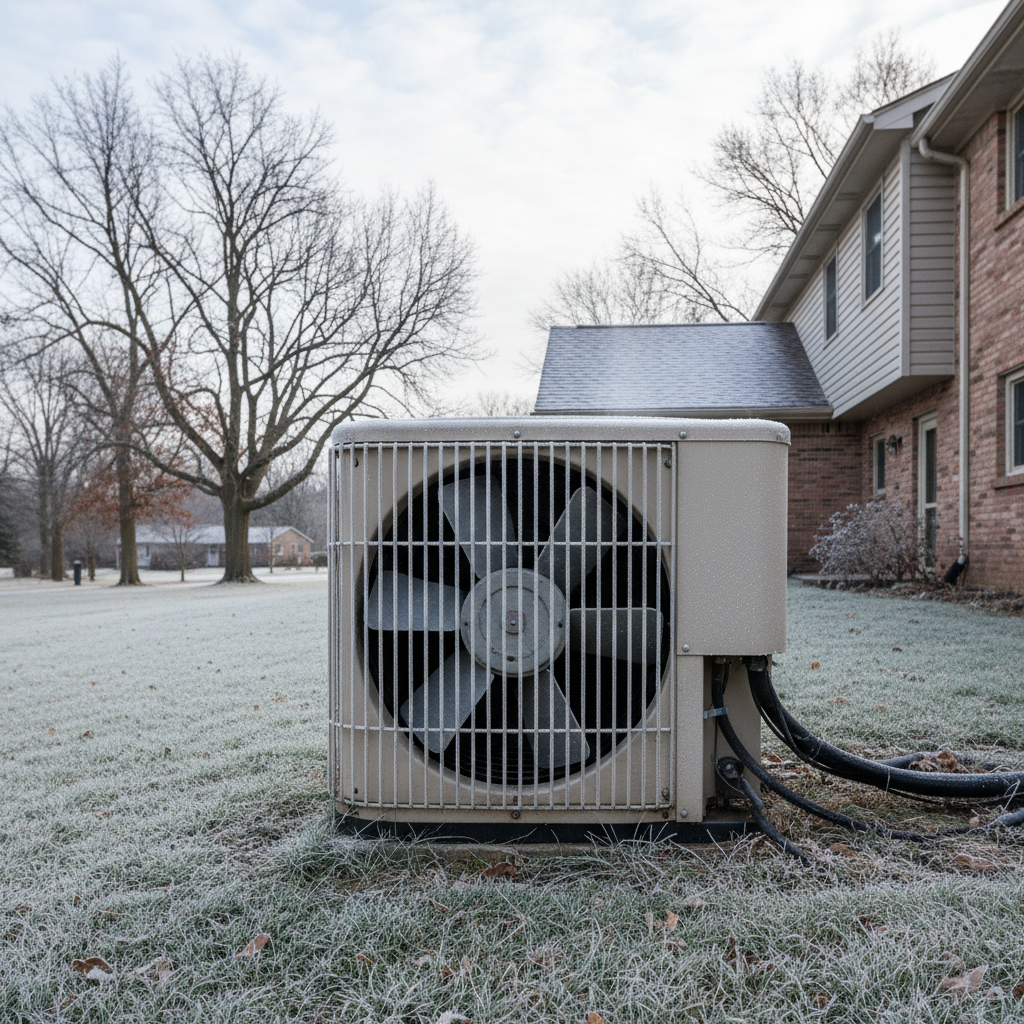
- Action: The outdoor coil needs unrestricted airflow to absorb heat. Clear away any leaves, snow, ice, or debris from the unit. Ensure there is at least a 24-inch clearance around the entire unit. Check that the unit is level; a tilted pad can impede proper oil return for the compressor, reducing efficiency.
4. Verify Defrost Cycle Operation
- Action: In cold, damp weather, the outdoor coil can frost over. Your heat pump has a defrost cycle that temporarily reverses the system to heat the outdoor coil and melt the ice. Watch the unit on a cold day. You should see a puff of steam and hear a "whoosh" sound as the cycle initiates and completes. If the unit is constantly a block of ice, the defrost control board may be faulty, severely crippling its ability to heat.
5. Clean the Indoor Coil and Filter
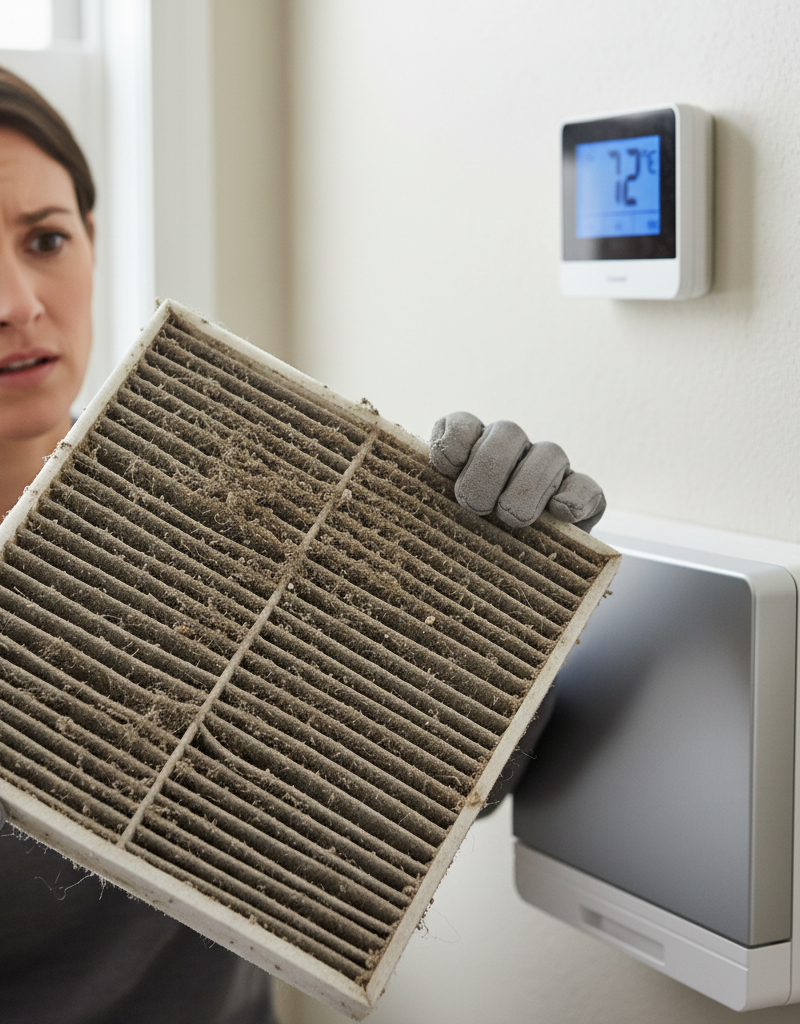
- Action: A dirty filter is the #1 cause of HVAC problems. A clogged filter or a dirty indoor coil restricts airflow, making the heat pump work harder and reducing its heat output. This lower output makes the system hit its balance point sooner. Change your filter every 30-90 days, and inspect the indoor A-coil (located in the air handler) for dust and grime buildup. If it’s dirty, it needs a professional cleaning.
6. Check Air Vents and Ductwork
- Action: Ensure all supply and return vents in your home are open and unobstructed by furniture or rugs. A surprisingly large number of performance issues stem from closed-off vents. Walk through your home and check every single one. If you have accessible ductwork in a basement or attic, look for obvious leaks, disconnected sections, or crushed ducts and seal them with mastic tape.
7. Analyze Your Electric Bill
- Action: Look at your kilowatt-hour (kWh) usage month over month. If you see a massive spike (e.g., double or triple the usage) that corresponds with the first cold snap, it’s a clear sign your auxiliary heat is working overtime. Note the average temperature for that month. This data will help you understand your home’s heating load and the financial impact of the temperature drop.
8. Perform a Temperature Differential Test
- Action: With the heat pump running (not AUX heat), place a thermometer at the return air grille and another at a supply vent near the air handler. The temperature of the air coming out should be 15-22°F warmer than the air going in. If this "Delta T" is significantly lower, it can indicate problems like low refrigerant charge, a weak compressor, or poor airflow.
Common Causes
- Low Refrigerant Charge: A leak in the refrigerant lines means the system can't absorb and transfer heat effectively. The pressure and temperature relationship is precise, and any loss degrades performance.
- Dirty Coils: A layer of dirt or frost on either the indoor or outdoor coil acts as an insulator, preventing the efficient transfer of heat.
- Incorrect Thermostat Settings: Setting the thermostat to "Emergency Heat" or having an aggressive recovery setting will bypass the efficient heat pump.
- Undersized System: If the heat pump installed is too small for your home's size, insulation level, and climate, it will never be able to keep up in cold weather.
- Failing Compressor: The compressor is the heart of the system. If its valves are weak, it can't compress the refrigerant to the necessary temperature and pressure.
- Defrost Control Board Failure: The unit gets trapped in a cycle of icing up, preventing it from working at all, and forcing the system onto backup heat.
Common Mistakes
- Cranking Up the Thermostat: Setting the thermostat 5 or 10 degrees higher won't make the house heat faster. In many systems, a large temperature jump like this is a trigger for the auxiliary heat to kick on immediately, bypassing the heat pump.
- Ignoring the "AUX Heat" Light: Homeowners often don't realize that the "AUX" light indicates they are using the most expensive form of heat. They just know the house is warm.
- Blocking the Outdoor Unit: Piling snow against the unit, planting shrubs too close, or building a deck over it will starve it of the air it needs.
- Skipping Professional Maintenance: Annual check-ups by an HVAC technician can catch small problems like low refrigerant or faulty sensors before they lead to a massive bill.
- Using Cheap, Low-MERV Filters: While they don't restrict airflow, they don't stop fine dust from coating the indoor coil over time, slowly choking the system.
- Closing Vents in Unused Rooms: This common practice can unbalance the entire HVAC system, increasing pressure in the ductwork and reducing airflow over the indoor coil, which lowers efficiency.
Cost & Time Breakdown
Here’s what you can expect to pay for diagnostics and repairs related to poor heat pump performance. Costs are for a standard 3-ton air-source heat pump.
| Task | DIY Cost | Pro Cost | Time |
|---|---|---|---|
| Full HVAC System Tune-Up | $25 (filters, cleaner) | $150 - $350 | 1-2 hours |
| Refrigerant Leak Detection & Recharge | $0 | $400 - $1,200+ | 2-4 hours |
| Replace Defrost Control Board | $0 | $350 - $700 | 1-1.5 hours |
| Replace Thermostat with Smart Model | $150 - $300 | $300 - $600 | 1 hour |
| Professional Duct Sealing | $0 | $1,000 - $4,000+ | 1-2 days |
| Monthly Cost of AUX Heat (1500 sq ft home) | N/A | $150 - $400+ extra | Varies |
Tips & Prevention
- Consider a "Dual Fuel" System: For very cold climates, the most efficient solution is a heat pump paired with a gas furnace for backup heat instead of electric strips. Natural gas is almost always cheaper than electric resistance heat.
- Seal Your Home's Envelope: The most effective way to reduce reliance on backup heat is to stop heat from escaping your house. Add attic insulation, seal air leaks around windows and doors, and ensure your crawlspace or basement is properly insulated.
- Upgrade to a Cold-Climate Heat Pump: Modern inverter-driven, cold-climate heat pumps (CCHPs) are designed to operate efficiently down to 5°F or even lower, often eliminating the need for extensive auxiliary heat use entirely.
- Use a Smart Thermostat: A smart thermostat can learn your home's heating performance and optimize the use of the heat pump, minimizing the call for AUX heat. It can pre-heat the house slowly over a longer period rather than kicking on the expensive strips.
- Lock Out Auxiliary Heat: Some thermostats allow you to set a "lockout" temperature, preventing the auxiliary heat from turning on until the outdoor temperature drops below a certain point (e.g., 25°F). This gives the heat pump maximum opportunity to do its job.
When to Call a Professional
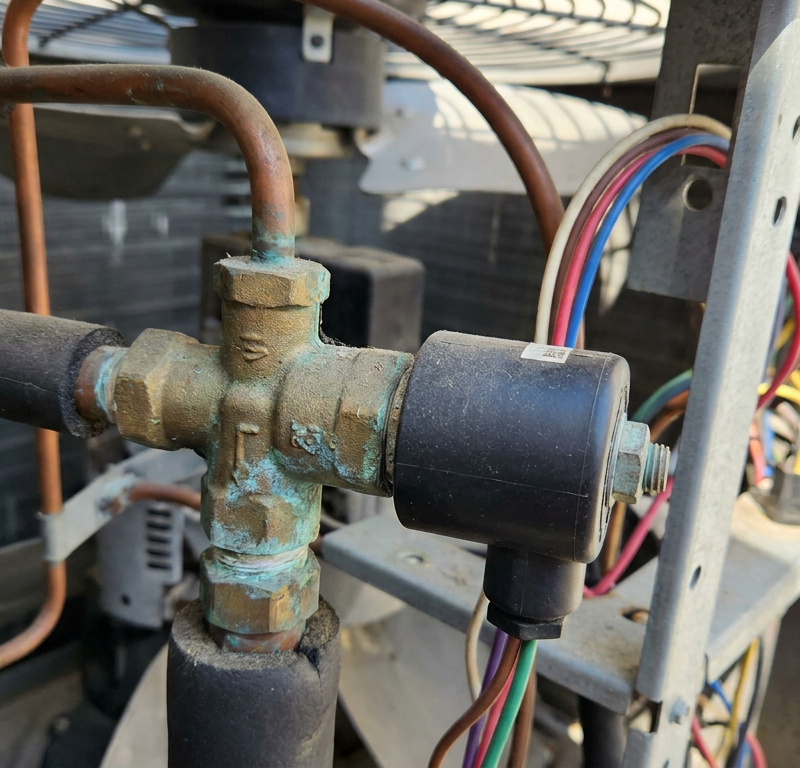
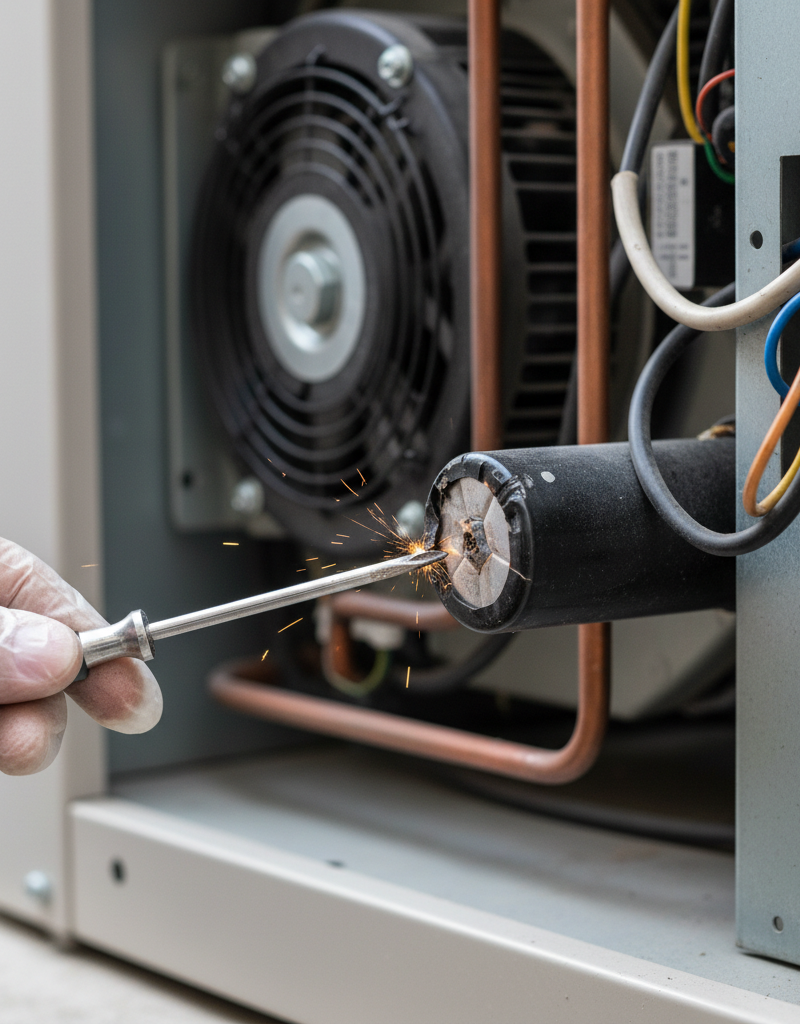
While homeowners can perform basic maintenance like cleaning coils and changing filters, several scenarios demand a licensed HVAC technician. SAFETY FIRST: Always turn off the power to both the indoor and outdoor units at the breaker panel before performing any inspection or cleaning. Refrigerant is a hazardous material under high pressure, and the electrical systems within a heat pump are complex and dangerous. Call a professional if you suspect a refrigerant leak (signs include a hissing sound, oily residue on refrigerant lines, or a system that runs but doesn't heat well). Diagnosing and replacing components like compressors, reversing valves, and control boards requires specialized tools and knowledge. If your "Delta T" test shows a very low temperature difference, or if the system is constantly freezing up despite clear coils and good airflow, it’s time to make the call. Attempting these repairs yourself can lead to further damage to the unit, personal injury, and expensive emergency calls.
Estimate your own project cost
National averages are a starting point. Enter your details for a range that fits your house.
HVAC replacement cost
- Equipment$2,200 – $3,800
- Installation labor$1,200 – $2,500
Always insist on a Manual J load calculation — sq-ft sizing is only a rough check. Federal heat-pump rebates may reduce cost significantly.
Educational estimate only — always confirm with written local bids.
Questions to ask before you sign
Ask every contractor the same questions and the cheapest bid stops looking cheapest. Check them off as you go — your progress is saved on this device.
Free, no signup. Bring this to every walkthrough so you compare bids on the same terms.
What should this project cost?
Enter your project details for a realistic cost range before you call anyone.
Service calls and common repairs run $150–$900; full system replacement typically $6,000–$12,000.
- Regional adjustment
- National average
- Labor share (typical)
- ~$1,935
- Quotes to collect
- 3 written estimates
Educational estimate based on national averages — not a binding quote. Always confirm with written local estimates.
Fixly Project Decision Box
- DIY difficulty
- Advanced
- Estimated time
- Homeowner checks 20–30 minutes
- Cost level
- Moderate
Main tools / materials
- Clean air filter
- Garden hose for condenser coils
- Shop vac for the condensate line
When to stop and call a pro
- Burning smell, smoke, or a tripping breaker
- Refrigerant lines iced over or hissing
- Any work inside the sealed refrigerant circuit (EPA-licensed only)
- Gas smell near a furnace — leave and call the utility
Need professional help?
Find an HVAC Pro Near YouCheck these numbers against your project
National averages are a starting point. These tools narrow it to your scope and ZIP.
Free, no signup required. Estimates are educational guidance, not a quote or an inspection.
Frequently asked questions
What is a good COP for a heat pump in winter?+
A good COP for an air-source heat pump on a moderately cold day (e.g., 40°F) is between 2.5 and 3.5. For a high-efficiency cold-climate model, a COP above 2.0 at 17°F is excellent. In contrast, auxiliary electric heat strips always have a COP of 1.0.
Is it cheaper to use emergency heat or space heaters?+
Both emergency heat (heat strips) and typical electric space heaters use electric resistance heating, so their energy cost is virtually identical. They both have a COP of 1.0. The main difference is that emergency heat is distributed through your whole-house ductwork, while a space heater provides localized, spot heating.
At what temperature is a heat pump not effective?+
Most standard-efficiency heat pumps start to struggle around 35-40°F and lose significant effectiveness below 25°F, where they rely heavily on backup heat. However, modern cold-climate heat pumps are designed to be effective down to 5°F or even lower.
How many hours a day should a heat pump run in winter?+
In mild winter weather (40-50°F), a properly sized heat pump might run for 6-10 hours a day. As the temperature drops towards freezing, it's normal for it to run for 15 hours or even almost continuously. Continuous running isn't necessarily a problem, as long as it's the heat pump and not the auxiliary heat that's running.
Discussion
Loading comments…