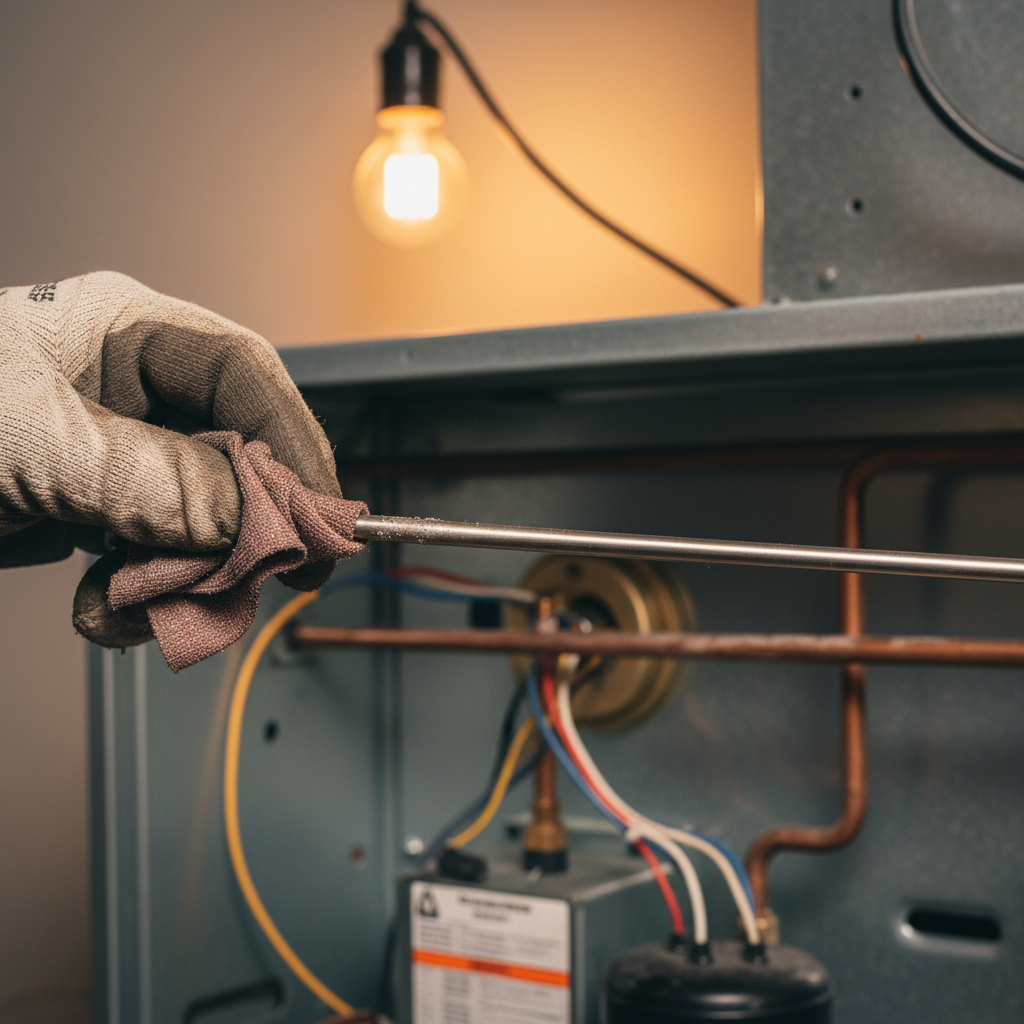
- Summertime Oxidation: During humid summer months, a fine layer of silica and other contaminants from the air settles on the sensor and oxidizes, creating an insulating barrier.
- Dust and Debris: General household dust, pet dander, and debris from nearby construction or cleaning can get pulled into the burner box and bake onto the sensor.
- Weak Flame: A poorly adjusted gas valve or dirty burners can cause a "lazy" or flickering flame that doesn't fully engulf the sensor, leading to a weak microamp signal.
- Poor Grounding: The burner assembly and furnace chassis must have a solid ground connection back to the control board to complete the flame rectification circuit. A loose or corroded ground wire can cause intermittent failures.
- Cracked Ceramic Insulator: The white or pink ceramic base of the sensor can develop fine cracks, which can short the electrical signal to the grounded burner assembly, preventing it from reaching the control board.
HVAC · High energy usage
| Project category | HVAC |
|---|---|
| Problem type | High energy usage |
| Trade required | HVAC |
| Urgency | Planned project |
| Safety risk | Low safety risk |
| DIY suitability | DIY for experienced homeowners |
| Cost category | High cost |
| Typical timeline | Assessment within weeks; replacement planned off-season |
| Contractor type | Licensed HVAC technician |
Repair option
Duct sealing, insulation, and a tune-up before touching the equipment.
Replacement option
High-efficiency replacement sized by a load calculation, not a rule of thumb.
Common causes
- Aging, low-efficiency equipment
- Leaking ducts losing conditioned air
- Insufficient attic insulation
- Oversized system short-cycling
Relevant tools:project cost estimatorrepair or replace
Published June 5, 2026Last updated August 17, 2026
Tools & materials you'll need
Affiliate links- Amazon1/4-inch Nut Driver or Socket
As an Amazon Associate FixlyGuide earns from qualifying purchases — at no extra cost to you. Prices and availability are accurate as of publication and subject to change.
Quick Answer
Your furnace flame sensor likely fails each fall due to a nearly invisible layer of carbon buildup from summertime dust and humidity. This residue insulates the sensor, tricking your furnace into thinking there is no flame. A gentle cleaning with fine-grit sandpaper or an emery cloth is a 5-minute fix that restores proper function.
The Problem
The first cold snap arrives. You dial up the thermostat, hear the familiar click, the draft inducer fan whirs, and the gas valve opens with a whoosh as the burners ignite. A beautiful blue flame appears for a few seconds... and then vanishes. The cycle repeats two or three times before the furnace gives up entirely, leaving you in the cold. This classic symptom points directly to a dirty furnace flame sensor, an issue that disproportionately strikes during the first heating cycles of the season. Homeowners are often baffled, assuming a complex and expensive failure, when the real culprit is a microscopic layer of dirt that a simple cleaning can resolve, preventing a $150-$300 service call.
How It Works
The flame sensor is a critical safety component in all modern gas furnaces. It's a simple metal rod, typically made of a kanthal alloy, mounted in the path of the burner flame. Its sole job is to confirm that when the gas valve is open, a flame is actually present. It does this through a fascinating process called "flame rectification." The flame itself conducts a very small amount of electricity. The furnace control board sends an alternating current (AC) to the flame sensor. The flame and burner assembly act as a diode, converting this AC signal into a pulsating direct current (DC). The control board is designed to look for this specific, tiny DC signal, which is measured in microamps (µA). A healthy signal is typically between 1 and 6 microamps. If the control board doesn't detect this DC signal within a few seconds of the gas valve opening, it assumes the burners failed to ignite and immediately shuts the gas valve to prevent a dangerous accumulation of unburned natural gas or propane. In the fall, after months of inactivity, the sensor rod is often coated with a thin, almost invisible film of silica, dust, and oxidized residue that settled during the humid summer months. This coating acts as an electrical insulator, preventing the microamp signal from reaching the control board, even when a perfectly healthy flame is engulfing the sensor. The board interprets this as "no flame" and initiates the safety lockout.
Step-by-Step Fix
Safety First: Before starting, turn off the electrical power to your furnace. There should be a switch on the side of the furnace or on a nearby wall. If you can't find one, turn off the corresponding breaker in your main electrical panel.
-
Locate the Flame Sensor. — Open the main service panel on your furnace. Look for a single metal rod, often bent at an L-shape, positioned in front of one of the last burners in the rack. It is held in place by a single 1/4-inch hex-head screw and has one wire attached to its base.
-
Remove the Sensor. — Using a 1/4-inch nut driver or small socket wrench, carefully remove the screw holding the flame sensor bracket. The sensor should now slide out easily from the burner assembly. Be gentle; the ceramic insulator at its base can be fragile.
-
Inspect the Rod. — Look closely at the metal rod. You won't see rust, but you may notice a dull, whitish, or slightly sooty coating. This is the insulating layer you need to remove. The rod should be shiny silver.
-
Clean the Sensor Rod. — Take a piece of very fine-grit sandpaper (400-grit or higher) or an emery cloth. Do not use steel wool or a coarse file, as these will create grooves that attract future buildup. Gently pinch the rod with the sandpaper and rub up and down, polishing the metal. You only need to clean the metal rod part, not the ceramic base.
-
Polish Until Shiny. — Continue polishing for 20-30 seconds until the rod is smooth and gleaming. The goal is to remove the microscopic oxidation, not to remove metal. Wipe the rod with a clean, dry cloth or paper towel to remove any sanding dust.
-
Reinstall the Sensor. — Carefully slide the sensor back into its original position, ensuring the rod is aligned to be in the path of the flame. Re-secure it with the 1/4-inch screw. Do not overtighten, as this could crack the ceramic insulator.
-
Reconnect the Wire. — Firmly reattach the single wire to the terminal at the base of the sensor.
-
Restore Power and Test. — Replace the furnace service panel. Turn the power back on at the breaker or wall switch. Set your thermostat to call for heat. Watch the ignition sequence. The burners should now ignite and stay lit, as the clean sensor can properly detect the flame and send the correct signal to the control board.
Common Causes
- Summertime Oxidation: During humid summer months, a fine layer of silica and other contaminants from the air settles on the sensor and oxidizes, creating an insulating barrier.
- Dust and Debris: General household dust, pet dander, and debris from nearby construction or cleaning can get pulled into the burner box and bake onto the sensor.
- Weak Flame: A poorly adjusted gas valve or dirty burners can cause a "lazy" or flickering flame that doesn't fully engulf the sensor, leading to a weak microamp signal.
- Poor Grounding: The burner assembly and furnace chassis must have a solid ground connection back to the control board to complete the flame rectification circuit. A loose or corroded ground wire can cause intermittent failures.
- Cracked Ceramic Insulator: The white or pink ceramic base of the sensor can develop fine cracks, which can short the electrical signal to the grounded burner assembly, preventing it from reaching the control board.
Common Mistakes
- Using Coarse Sandpaper or a File: This creates scratches on the sensor rod that will collect carbon and fail even faster in the future. Stick to 400-grit or finer, or a simple dollar bill in a pinch.
- Forgetting to Turn Off Power: Touching electrical components inside a furnace with the power on can lead to electric shock or damage to the furnace control board.
- Touching the Cleaned Rod with Bare Hands: Oils from your skin can transfer to the sensor and bake on, leading to a premature failure.
- Over-tightening the Mounting Screw: This is the most common way to crack the fragile ceramic insulator, which requires a full replacement of the sensor.
- Bending the Rod: The sensor is positioned precisely by the manufacturer. Bending it can move it out of the optimal flame path.
- Cleaning the Hot Surface Ignitor: Some homeowners mistake the black, silicon carbide hot surface ignitor for the flame sensor. The ignitor is extremely brittle and will break if you try to clean it.
Cost & Time Breakdown
| Task | DIY Cost | Pro Cost | Time |
|---|---|---|---|
| Flame Sensor Cleaning | $0 - $5 (for sandpaper) | $150 - $300 | 5-10 minutes |
| Flame Sensor Replacement (Part Only) | $15 - $40 | N/A | N/A |
| Professional Diagnosis & Cleaning | N/A | $150 - $300 | 30-60 minutes |
| Full Furnace Tune-up (incl. cleaning) | N/A | $200 - $450 | 60-90 minutes |
Tips & Prevention
- Annual Cleaning: Make cleaning the flame sensor a part of your annual pre-winter maintenance routine, even if it hasn't failed.
- Improve Air Filtration: Using a higher-quality furnace filter (MERV 8-11) can help reduce the amount of dust that reaches the burner compartment.
- Clean Burner Area: While the furnace is open, use a vacuum with a soft brush attachment to gently clean dust from around the burner assembly.
- Keep a Spare: A replacement flame sensor for your model is an inexpensive part to keep on hand for a quick swap if cleaning doesn't work or if the ceramic is cracked.
- Check for a Blue Flame: A healthy natural gas flame is strong and blue. If your flames are yellow or orange and seem to be "lifting" off the burners, it indicates dirty burners or a combustion air problem that needs professional service.
When to Call a Professional
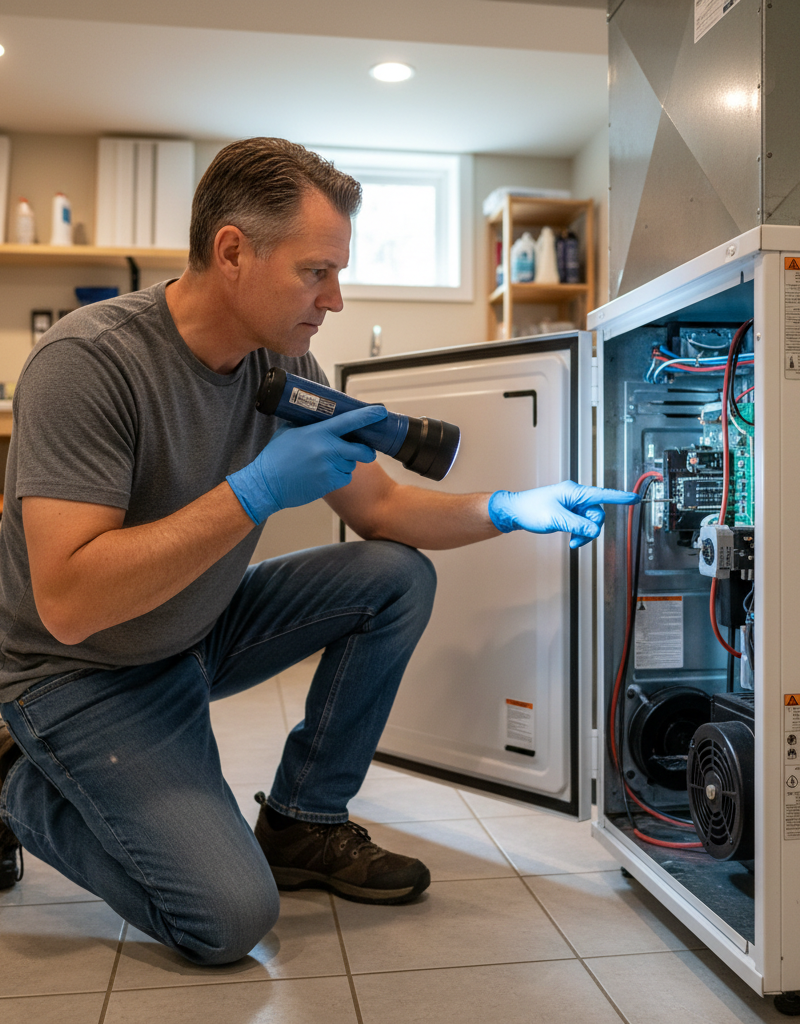
While cleaning the flame sensor is a straightforward DIY task, there are times when the problem is more complex. You should call a qualified HVAC technician if cleaning the sensor does not resolve the issue. This indicates the problem may lie with the control board, the gas valve, a poor electrical ground, or a cracked heat exchanger—all of which require professional diagnostic tools and expertise. If you ever smell gas, leave the house immediately and call your gas company and an HVAC professional from a safe location. Additionally, if you see large, flickering, yellow flames, this is a sign of poor combustion (called "flame impingement") which can produce dangerous levels of carbon monoxide and requires immediate professional attention.
Your seasonal maintenance checklist
The small jobs that prevent the expensive repairs. Tick them off — progress saves on this device.
Free, no signup. Skip anything that requires roof access or working near live electrical.
Estimate your own project cost
National averages are a starting point. Enter your details for a range that fits your house.
HVAC replacement cost
- Equipment$2,200 – $3,800
- Installation labor$1,200 – $2,500
Always insist on a Manual J load calculation — sq-ft sizing is only a rough check. Federal heat-pump rebates may reduce cost significantly.
Educational estimate only — always confirm with written local bids.
What should this project cost?
Enter your project details for a realistic cost range before you call anyone.
Service calls and common repairs run $150–$900; full system replacement typically $6,000–$12,000.
- Regional adjustment
- National average
- Labor share (typical)
- ~$1,935
- Quotes to collect
- 3 written estimates
Educational estimate based on national averages — not a binding quote. Always confirm with written local estimates.
Fixly Project Decision Box
- DIY difficulty
- Advanced
- Estimated time
- Homeowner checks 20–30 minutes
- Cost level
- Moderate
Main tools / materials
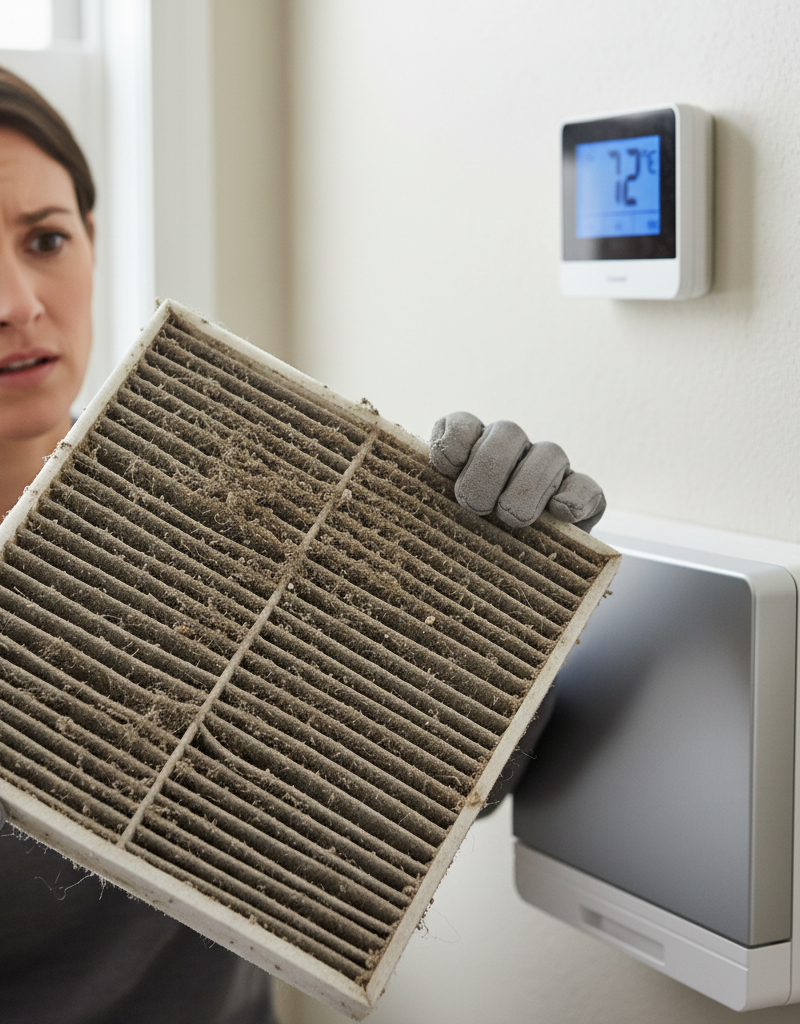
- Clean air filter
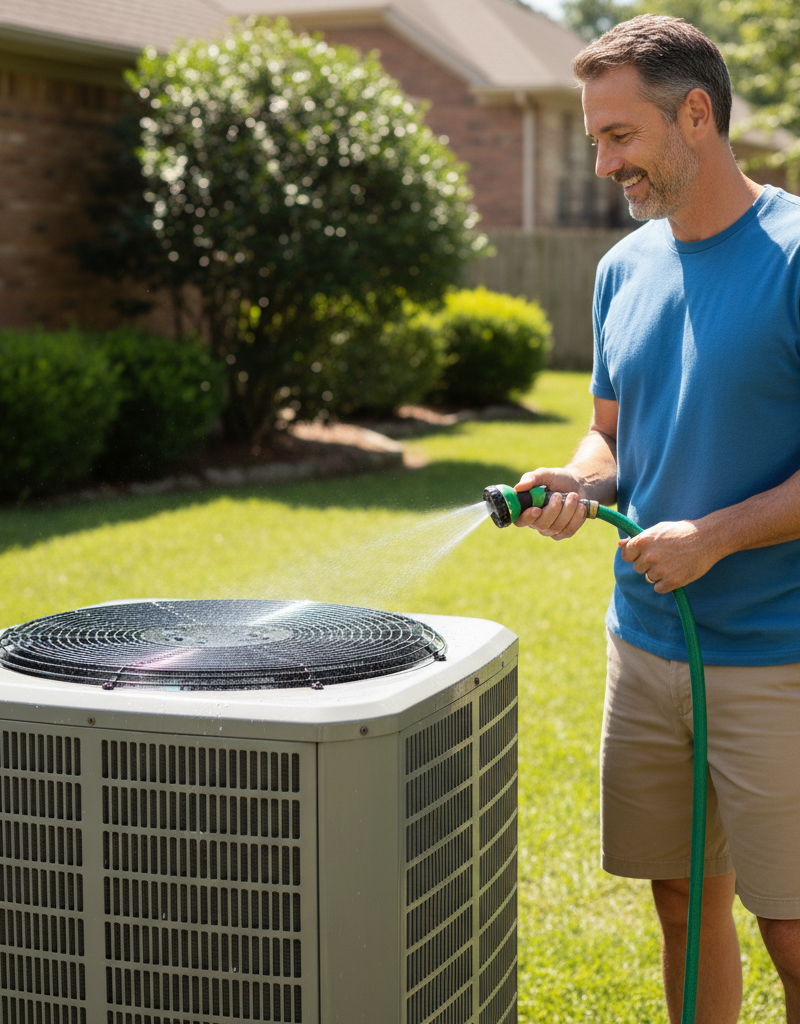
- Garden hose for condenser coils
- Shop vac for the condensate line
When to stop and call a pro
- Burning smell, smoke, or a tripping breaker
- Refrigerant lines iced over or hissing
- Any work inside the sealed refrigerant circuit (EPA-licensed only)
- Gas smell near a furnace — leave and call the utility
Need professional help?
Find an HVAC Pro Near YouGet the print-ready PDF of this guide
A clean, ad-free, printable version you can keep on your phone or pin to the workshop wall. Free with a FixlyGuide account.
- Print-optimized layout
- Tools, materials & every step included
- Saved to your account
Frequently asked questions
Can I use a dollar bill to clean a flame sensor?+
Yes, in a pinch, the fibrous texture of a paper dollar bill is abrasive enough to remove the light oxidation from a flame sensor without damaging it.
What happens if a flame sensor goes bad?+
If a flame sensor fails, it cannot confirm the presence of a flame. As a safety measure, the furnace control board will shut off the gas valve within a few seconds of ignition, causing the furnace to cycle on and off without producing heat.
How often should you clean a furnace flame sensor?+
It is best practice to clean your furnace flame sensor once a year as part of your annual heating system maintenance, typically in the fall before you use it for the first time.
Why does my furnace light but then go out?+
The most common cause of a furnace lighting and then going out after a few seconds is a dirty or faulty flame sensor. The sensor is failing to detect the flame, so the system shuts down for safety.
Discussion
Loading comments…