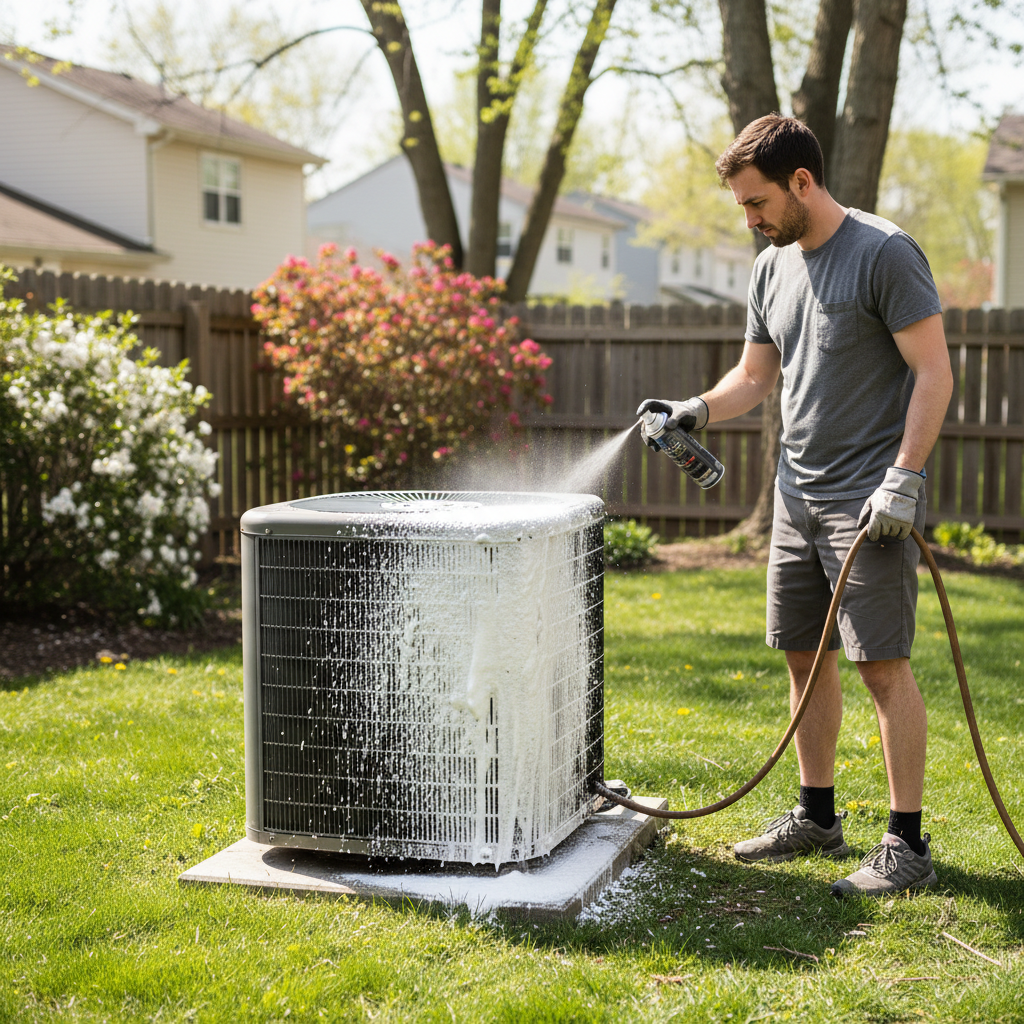
- Dirty Coils: The 1 cause of inefficiency and stress. Cleaning them is the core of the tune-up.
- Clogged Condensate Drains: Prevents major water damage and system shutdowns from float switch activation.
- Low Refrigerant: While a DIYer can't add refrigerant, an inspection can spot the oily residue of a leak early, allowing for a less expensive repair before the system is damaged from running low.
- Failing Capacitors: A visual inspection can often spot a bulging or leaking capacitor, a $15 part that can be replaced before it leaves you without AC.
- Contactor Problems: Checking for pitted or burnt contacts can prevent a "no-start" situation.
HVAC · High energy usage
| Project category | HVAC |
|---|---|
| Problem type | High energy usage |
| Trade required | HVAC |
| Urgency | Planned project |
| Safety risk | Low safety risk |
| DIY suitability | DIY for experienced homeowners |
| Cost category | High cost |
| Typical timeline | Assessment within weeks; replacement planned off-season |
| Contractor type | Licensed HVAC technician |
Repair option
Duct sealing, insulation, and a tune-up before touching the equipment.
Replacement option
High-efficiency replacement sized by a load calculation, not a rule of thumb.
Common causes
- Aging, low-efficiency equipment
- Leaking ducts losing conditioned air
- Insufficient attic insulation
- Oversized system short-cycling
Relevant tools:project cost estimatorrepair or replace
Published June 5, 2026Last updated August 17, 2026
Tools & materials you'll need
Affiliate linksAs an Amazon Associate FixlyGuide earns from qualifying purchases — at no extra cost to you. Prices and availability are accurate as of publication and subject to change.
'''
Quick Answer
A thorough spring AC tune-up involves cleaning the outdoor condenser unit and indoor evaporator coils, changing the air filter, checking refrigerant lines for damage, and testing the thermostat's calibration. Performing these key steps each year clears away a season of grime and catches small issues before they cause a complete system failure during a heatwave. This preventative maintenance is the single most effective way to ensure your system runs reliably and efficiently through the hottest months.
The Problem
The first 90°F day of the year arrives, and you confidently set your thermostat to "cool." Instead of a rush of cold air, you get… nothing. Or worse, strange noises and lukewarm air. The house quickly becomes an oven, and you're desperately calling for an emergency HVAC service, facing a multi-hundred-dollar repair bill and a week-long wait. This scenario isn't just bad luck; it's often the predictable result of neglect. Industry data consistently shows that up to 80% of all air conditioner repairs, including catastrophic compressor failures, could be prevented with regular, simple maintenance.
Over the fall and winter, your outdoor condenser unit accumulates a thick blanket of dust, pollen, leaves, and grass clippings. This debris acts like an insulator, preventing the unit from shedding heat effectively. Inside, the indoor evaporator coil and filter can become clogged with dust and pet dander, choking off airflow. These issues force your entire system to work harder, run longer, and draw more electricity, leading to incredible strain on the most expensive components: the compressor and fan motors. What begins as a simple layer of dirt can directly cause a capacitor to fail, a motor to burn out, or the compressor to overheat and seize—a repair that can cost thousands.
How It Works
To understand why an AC tune-up is so critical, you need to understand how your AC works. It’s not magic; it's a heat transfer system called the vapor-compression refrigeration cycle. Your air conditioner is essentially a heat sponge that moves heat from inside your house to the outside.
-
Evaporator Coil (The Indoor Unit): This is where the cooling happens. A cold liquid refrigerant flows through these coils. A fan blows your warm indoor air across them. The refrigerant absorbs heat from the air, causing the refrigerant to turn from a cold liquid into a cool gas. The now-chilled air is blown back into your home.
-
Compressor (The Outdoor Unit): The heart of the system. This powerful pump receives the cool, low-pressure refrigerant gas. It compresses this gas, which dramatically increases its temperature and pressure. It is now a very hot, high-pressure gas.
-
Condenser Coil (The Outdoor Unit): The hot, high-pressure gas is pumped into the condenser coils. A large fan pulls outside air across these coils. The heat from the refrigerant radiates into the outside air. As it cools, the refrigerant condenses back into a warm liquid state, releasing all the heat it absorbed from your house.
-
Expansion Valve: The warm liquid refrigerant then flows through a tiny device called an expansion valve, which lowers its pressure, making it very cold again. This cold liquid flows back to the evaporator coil, and the cycle repeats.
Now, imagine a thick layer of dirt on your condenser coils. The system can't release heat efficiently. The pressure and temperature in the compressor skyrocket, placing immense strain on it. Imagine a clogged air filter or dirty evaporator coil. The system can't absorb heat efficiently. The refrigerant may not fully evaporate, potentially sending liquid back to the compressor—an event that can destroy it instantly. A spring AC tune-up is a systematic process of cleaning and inspecting these components to ensure this heat exchange happens exactly as it was designed to.
Step-by-Step Fix
This guide covers a comprehensive DIY tune-up for a standard split-system central air conditioner.
SAFETY NOTE: You will be working with and around high-voltage electricity. Always disconnect all power before opening any access panels. If you are not 100% confident, call a professional.
1. Safety First: Kill the Power
- Breaker Off: Locate your home's main electrical panel. Find the double-pole breaker labeled "AC," "Condenser," or "HVAC." Flip it to the "OFF" position.
- Pull the Disconnect: Go outside to the condenser unit. Look for a small metal box on the wall nearby. Open it and pull out the disconnect block. You may have to turn it upside down and re-insert it, or physically remove it and set it aside. This ensures no power can reach the unit, even if someone accidentally flips the breaker back on.
2. Clean the Outdoor Condenser Unit
- Remove Debris: Use a shop vacuum to suck out all the leaves, dirt, and grass from the bottom of the unit.
- Wash the Coils: Set your garden hose to a gentle spray (never a high-pressure jet). From about 12-18 inches away, spray water from the inside of the coils outward to push debris away from the unit. Work your way around the entire unit, top to bottom. For heavily grimy coils, use a commercially available, no-rinse coil cleaner spray (available at home improvement stores). Follow the product directions, letting it foam up and then gently rinsing.
3. Inspect and Straighten Condenser Fins
- Examine the Fins: Look closely at the delicate aluminum fins on the condenser coils. They are often bent by hail, string trimmers, or debris. Bent fins block airflow just like dirt does.
- Straighten Gently: Purchase an inexpensive "fin comb" designed for this purpose. These tools have different teeth spacings to match your unit's fins-per-inch (FPI) count. Gently run the comb over the bent areas in an upward or downward motion to straighten them. Do not force it.
4. Check the Condenser Fan
- Look for Damage: Inspect the fan blades for any cracks or chips.
- Test for Wobble: Gently try to wiggle the fan blades up-and-down and side-to-side. There should be almost no play. Excessive movement indicates worn bearings, meaning the motor may fail soon. Listen for scraping sounds as you spin it by hand (with the power off!).
5. Level the Condenser Pad
- Check for Level: Place a small level on top of the condenser unit. It should be perfectly level. A unit that has settled and is now tilted can cause the compressor's lubricating oil to pool incorrectly and lead to premature failure.
- Correct if Needed: If it's slightly off-kilter, you may be able to use a pry bar to lift one side and shore it up with weather-resistant shims or gravel.
6. Inspect the Refrigerant Lines
- Locate the Lines: You will see two copper pipes running from the condenser to your house. One, the larger one, should be covered in black foam insulation (the suction line). The smaller one is the liquid line.
- Inspect Insulation: Check the foam insulation for deterioration or gaps. This insulation is critical for efficiency; it prevents the cold suction line from "sweating" and keeps the refrigerant from gaining heat on its way back to the compressor. Replace damaged sections with new foam insulation from a hardware store.
- Look for Leaks: Inspect the visible copper lines, especially at the joints, for any oily or greasy residue. Refrigerant is mixed with oil, so an oily film is a tell-tale sign of a leak. This requires a professional to fix.
7. Clean the Indoor Evaporator Coil
- Locate the Coil: The evaporator coil is inside your home, part of the air handler or furnace. It's usually located in a V-shape or A-shape configuration above the furnace blower, behind an access panel. Turn off the power to the furnace/air handler at the breaker panel.
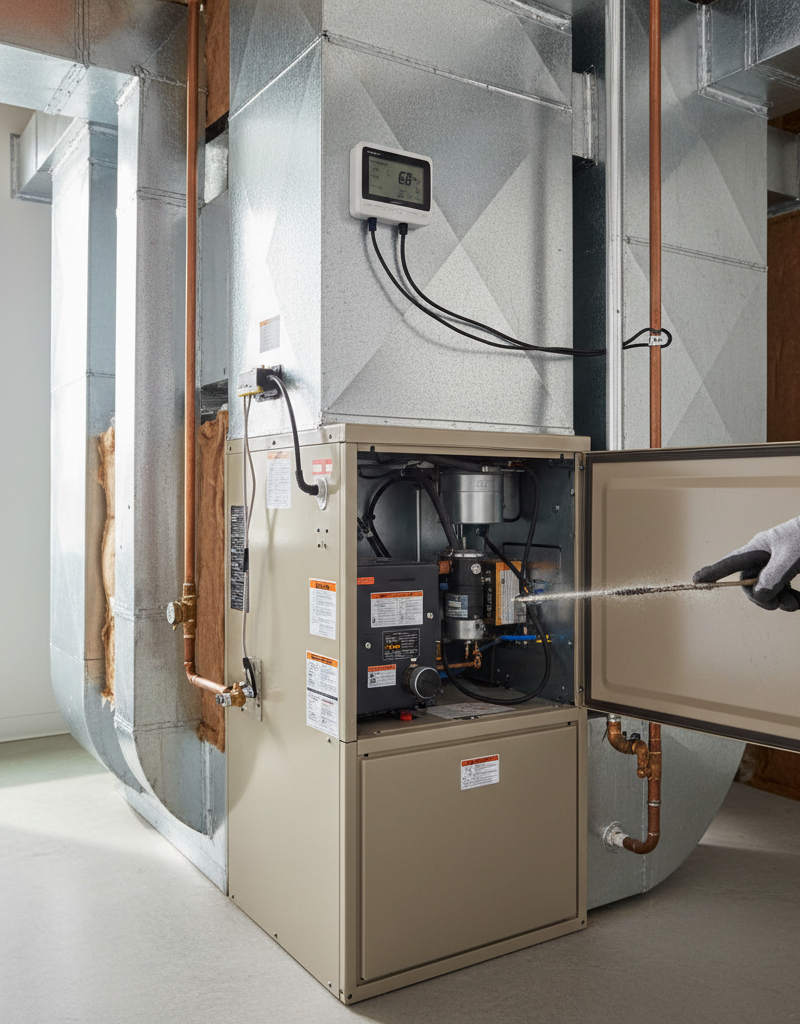
- Access and Clean: Remove the access panel. You may need a nut driver or screwdriver. If the coil is dirty (often looks like a fuzzy blanket of dust), spray it liberally with a no-rinse evaporator coil cleaner. The foam will loosen the grime, which will then drip down into the drain pan and be washed away once the system runs. Do not use brushes as you can easily damage the coil.
8. Clear the Condensate Drain Line
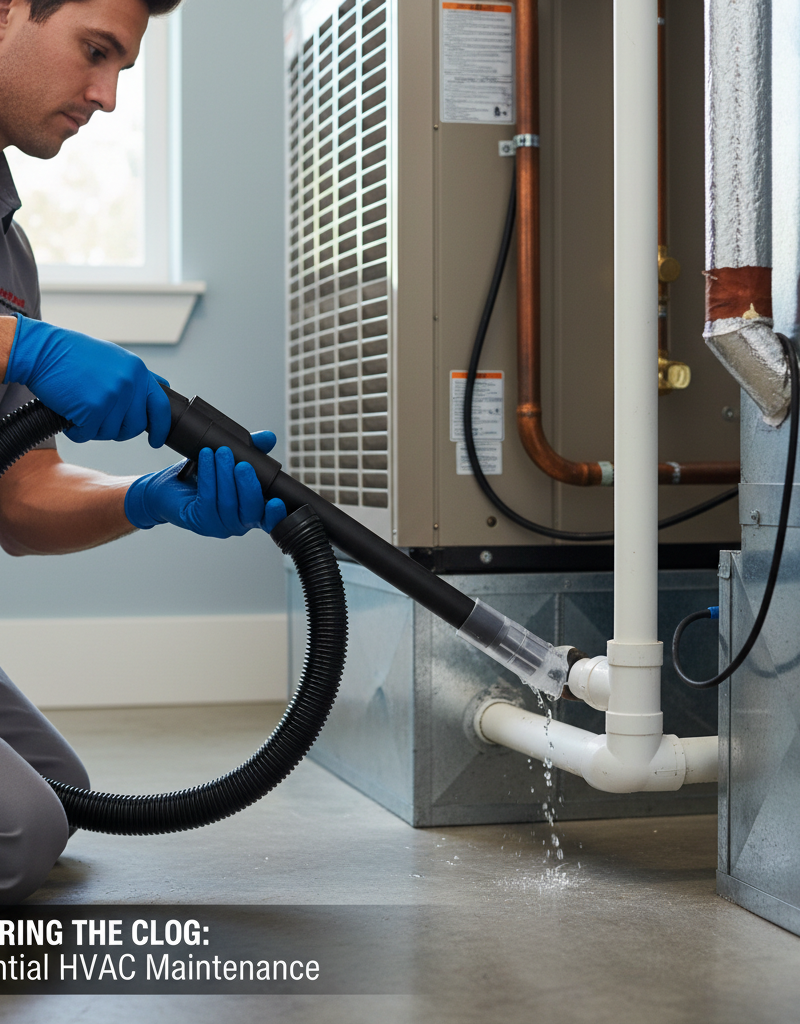
- The Culprit of Water Damage: As your AC removes humidity, water drips from the evaporator coil into a drain pan and flows out a PVC pipe. This line can get clogged with algae and sludge, causing water to back up and overflow, potentially causing thousands in water damage.
- Clear the Line: Find where the PVC pipe exits your air handler. There should be a T-fitting with a cap. Remove the cap. Use a wet/dry shop vacuum to suck the clog out from the exterior drain termination point. Let it run for 2-3 minutes. You can also pour a 1:1 mixture of distilled vinegar and water down the T-fitting to kill any algae buildup.
9. Change the Air Filter
- The Easiest Step: This is the single most important task for maintaining airflow. A clogged filter starves the system of air.
- Replace It: Locate the filter slot in your air handler or return air vent. Slide the old filter out, note the size written on the frame, and slide a new one in, paying close attention to the airflow arrow. A MERV 8-11 filter is a good balance of filtration and airflow for most systems.
10. System Test Run
- Restore Power: Re-install all access panels securely. Re-insert the outdoor disconnect and flip the breakers for the AC and air handler back to "ON."
- Test Operation: Go to your thermostat and set it to "Cool," turning the temperature down by 5-10 degrees. The system should start up. Go outside and listen to the condenser. It should be running smoothly with no loud grinding or banging. Go inside and feel the air coming from the vents; it should be noticeably colder than the room air within 5-10 minutes.
Common Causes of Failure Prevented by a Tune-Up
- Dirty Coils: The #1 cause of inefficiency and stress. Cleaning them is the core of the tune-up.
- Clogged Condensate Drains: Prevents major water damage and system shutdowns from float switch activation.
- Low Refrigerant: While a DIYer can't add refrigerant, an inspection can spot the oily residue of a leak early, allowing for a less expensive repair before the system is damaged from running low.
- Failing Capacitors: A visual inspection can often spot a bulging or leaking capacitor, a $15 part that can be replaced before it leaves you without AC.
- Contactor Problems: Checking for pitted or burnt contacts can prevent a "no-start" situation.
- Dirty Air Filters: The leading cause of restricted airflow, which leads to frozen evaporator coils and taxed blower motors.
Common Mistakes
- Forgetting to Turn Off Power: The most dangerous mistake. Always verify power is off at both the breaker and the disconnect.
- Using a Pressure Washer: The high pressure will flatten the delicate aluminum fins on the condenser, completely blocking airflow and ruining the unit.
- Scrubbing Coils with a Brush: It's too easy to bend the fins on either the evaporator or condenser. Always use chemical cleaners and gentle rinsing.
- Spraying Water on Electrical Components: When washing the condenser, avoid spraying water directly into the side electrical access panel where the capacitor and contactor are housed.
- Mixing Refrigerants or Using Sealants: Never add "stop-leak" products or attempt to top off the system yourself. This can cause permanent damage and is illegal without EPA certification.
- Ignoring a Leveled Pad: An unlevel unit puts stress on refrigerant lines and the compressor motor bearings, guaranteeing a shorter lifespan.
Cost & Time Breakdown
| Task | DIY Cost | Pro Cost (Annual Service Agreement) | Time |
|---|---|---|---|
| Full DIY AC Tune-Up | $30 - $75 | $150 - $300 | 2-4 hours |
| Air Filter Replacement | $5 - $30 | (Included) | 5 minutes |
| Coil Cleaner (Can) | $10 - $20 | (Included) | 30 minutes |
| Fin Comb | $5 - $15 | (Included) | 15 minutes |
| Capacitor Replacement | $15 - $50 (part only) | $125 - $250 | 30 minutes |
| Professional Refrigerant Recharge | N/A | $200 - $600+ (depending on type/amount) | 1-2 hours |
Tips & Prevention
- Maintain Clearance: Keep bushes, weeds, and any other obstructions at least 2 feet away from all sides of your outdoor condenser unit to ensure proper airflow.
- Change Filters Religiously: Do not go longer than 3 months without a filter change. If you have pets or allergies, change it monthly. Mark it on your calendar.
- Use a Programmable Thermostat: Set it to a higher temperature when you're away. Allowing the system to run less extends its life and saves money.
- Listen to Your System: You will become familiar with its normal operating sounds. If you hear a new buzzing, grinding, or clanking, investigate it immediately.
- Alternate DIY and Pro: Even if you perform this checklist every spring, it's wise to have a professional technician service the unit every 2-3 years. They can perform checks on refrigerant pressures and electrical amperage draws that are beyond the scope of a DIY tune-up.
- Seal Your Home: The less work your AC has to do, the longer it will last. Check for drafts around windows and doors and use caulk or weatherstripping to seal them.
When to Call a Professional
This guide is for preventative maintenance, not major repairs. You must call a licensed HVAC professional if you encounter any of the following:
- Refrigerant Issues: If you see oily residue on the copper lines, hear a hissing sound, or if your system is blowing cool but not cold air, you likely have a refrigerant leak. Handling refrigerant requires an EPA 608 certification by law.
- Electrical Problems: If you are not 100% comfortable with electrical work, do not attempt to replace capacitors, contactors, or diagnose wiring. A mistake here can be fatal or destroy expensive components.
- The System Won't Start: After performing your tune-up, if the system doesn't power on, something beyond basic maintenance is wrong. It could be a simple thermostat issue or a major component failure.
- Loud, Mechanical Noises: A loud grinding, screeching, or banging from the outdoor unit often signals a failing compressor or an imminent fan motor failure. Shut the system off immediately at the breaker to prevent further damage and call for service. Remember, the compressor is the most expensive part to replace.
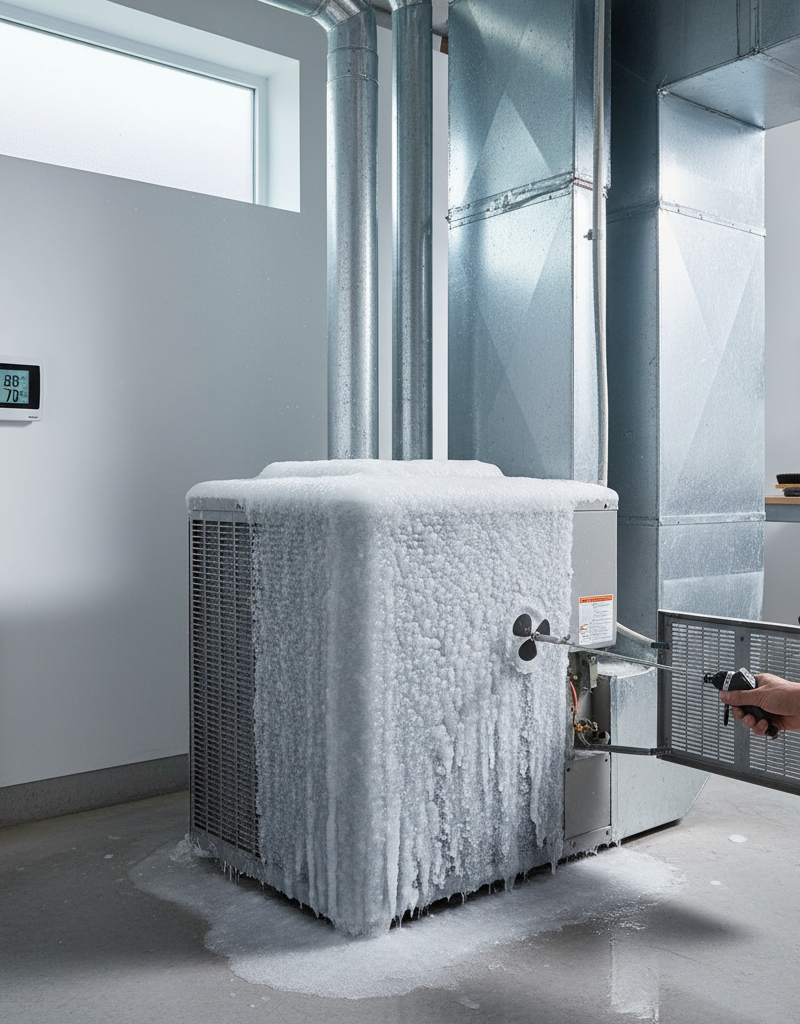
- Ice on the Coils: If you see ice forming on the evaporator coil or the larger, insulated refrigerant line, turn the system off but leave the fan running to thaw it. This is usually caused by low refrigerant or poor airflow, both of which may require a professional diagnosis. '''
Your seasonal maintenance checklist
The small jobs that prevent the expensive repairs. Tick them off — progress saves on this device.
Free, no signup. Skip anything that requires roof access or working near live electrical.
Estimate your own project cost
National averages are a starting point. Enter your details for a range that fits your house.
HVAC replacement cost
- Equipment$2,200 – $3,800
- Installation labor$1,200 – $2,500
Always insist on a Manual J load calculation — sq-ft sizing is only a rough check. Federal heat-pump rebates may reduce cost significantly.
Educational estimate only — always confirm with written local bids.
What should this project cost?
Enter your project details for a realistic cost range before you call anyone.
Service calls and common repairs run $150–$900; full system replacement typically $6,000–$12,000.
- Regional adjustment
- National average
- Labor share (typical)
- ~$1,935
- Quotes to collect
- 3 written estimates
Educational estimate based on national averages — not a binding quote. Always confirm with written local estimates.
Stay ahead of the next repair
Turn this guide into a schedule you will actually follow.
Free, no signup required. Estimates are educational guidance, not a quote or an inspection.
Frequently asked questions
How often should I really do an AC tune-up?+
You should perform this comprehensive tune-up once every year, ideally in the spring before you need to use your AC for the first time. This ensures it's clean and ready for the peak summer demand.
What is the difference between a DIY tune-up and a professional one?+
A DIY tune-up covers essential cleaning and visual inspections. A professional tune-up adds critical diagnostics a homeowner can't perform, such as checking refrigerant pressure, measuring electrical amperage draws on motors, testing capacitors under load, and deep cleaning of the indoor blower wheel.
Can I add refrigerant to my AC myself?+
No. It is illegal for anyone without an EPA 608 certification to handle or purchase refrigerants. Furthermore, adding refrigerant without fixing the underlying leak is pointless, and over- or under-charging a system can cause severe damage.
What is the single most important step in an AC tune-up?+
Cleaning the outdoor condenser coils. A dirty condenser is the most common cause of inefficiency, high energy bills, and system strain that leads to premature failure of the compressor and fan motor.
Discussion
Loading comments…