- Stage materials in your dry two-car garage.
- Offer to handle trash by renting a $375 20-yard roll-off dumpster directly from your municipal waste provider.
- Clear the room down to the baseboards before Day 1.
Published November 6, 2026Last updated November 6, 2026
Tools & materials you'll need
Affiliate linksAs an Amazon Associate FixlyGuide earns from qualifying purchases — at no extra cost to you. Prices and availability are accurate as of publication and subject to change.
Quick Answer
A contractor quote that comes in double or triple what you expected usually isn’t an accident, and it’s not always some guy trying to rob you blind either. A lot of times it’s a straight-up “walk-away price” because their schedule’s jammed, the job’s hiding structural or code problems, or the access is a logistical headache from hell. I’d tackle it by breaking the project into an itemized scope of work, getting two more estimates from mid-sized local trades, and asking the bidder plain as day which line items are pushing the risk premium up.
The Problem
You waited three weeks for a general contractor to walk your master bathroom or look at your sagging front porch. You shook hands, swapped niceties, then waited another week for the paperwork. Then the PDF lands in your inbox: $48,000 for a project you budgeted at $18,000.
Your first reaction is usually anger. I get it. It feels like they looked at you and thought, “This one’s got money to burn.”
Here’s the thing from behind the tool belt: contractors don’t usually toss out some huge number just to see if you’ll bite. When an estimate shows up wildly inflated, the contractor is telling you something. Maybe they’re buried in work and pricing in the pain of reshuffling other crews. Maybe they see red flags in your framing, unpermitted 1970s wiring, or old cast-iron plumbing that could turn a three-day repair into a month-long mess. Or, bluntly, they handed you the “I don’t really want this job, but for this insane amount of money I’ll clear my calendar” price.
Once you understand why that number’s so high, you get some leverage back. You don’t have to scrap the remodel or raid retirement. You just need to know how to break apart the estimate, knock down the contractor’s perceived risks, and get bids the right way.
How It Works
Contractor pricing isn’t a retail shelf tag. It’s a working calculation of labor, materials, markup, overhead, and risk.
A normal bid starts with direct costs: raw materials, specialty subcontractors like a licensed master electrician or plumber, and hourly site labor. Then you’ve got general conditions—dumpster rentals, city permit fees, temporary floor protection—and overhead and profit (O&P), which usually runs between 15% and 30%. In hot markets like North Texas, where trade labor stays booked three months out, that O&P climbs quick.
Total Bid = Direct Labor + Direct Materials + Subcontractor Bids + General Conditions + (Overhead & Profit) + Risk Contingency
The real swings happen in that last piece, the one nobody can see: the risk contingency multiplier. When I walk into a crawlspace and spot galvanized pipe transitioning to PVC with an unshielded rubber boot, or I see 1/2-inch drywall sagging under an undocumented attic load, my risk meter spikes. If I quote a fixed price and then run into framing rot or an ungrounded 60-amp electrical subpanel, that loss comes out of my pocket. So guys pad the estimate by 40% to 100% like it’s insurance against your house.
And if their calendar’s already stuffed with straightforward, high-margin tract remodels, your awkward, custom, permit-heavy job means pulling their best finish carpenters off reliable work. You’re not just paying for lumber and nails. You’re paying for opportunity cost, plus the headaches they can already see coming.
Step-by-Step Fix
When a quote makes your eyes pop, don’t blow up, ghost the bidder, or jump at the cheapest Craigslist special you can find. Work it in order. That’s how you get back to sane numbers.
-
Request a Line-Item Cost Breakdown — Don’t try to haggle over one lump number like "$32,000 for kitchen overhaul." Call or email the estimator and say, “We appreciate the proposal, but this is over our budget; can you send an itemized breakdown for labor, materials, subcontractor allowances, and permit fees?” If they won’t break it down, that tells you plenty about how they’ll handle change orders later.
- Script to use: “We want to see where the bulk of the expense lives so we can adjust materials or scope to match our budget.”
- Red flag: A contractor who gets prickly or wants an upfront fee just to show line items.
-
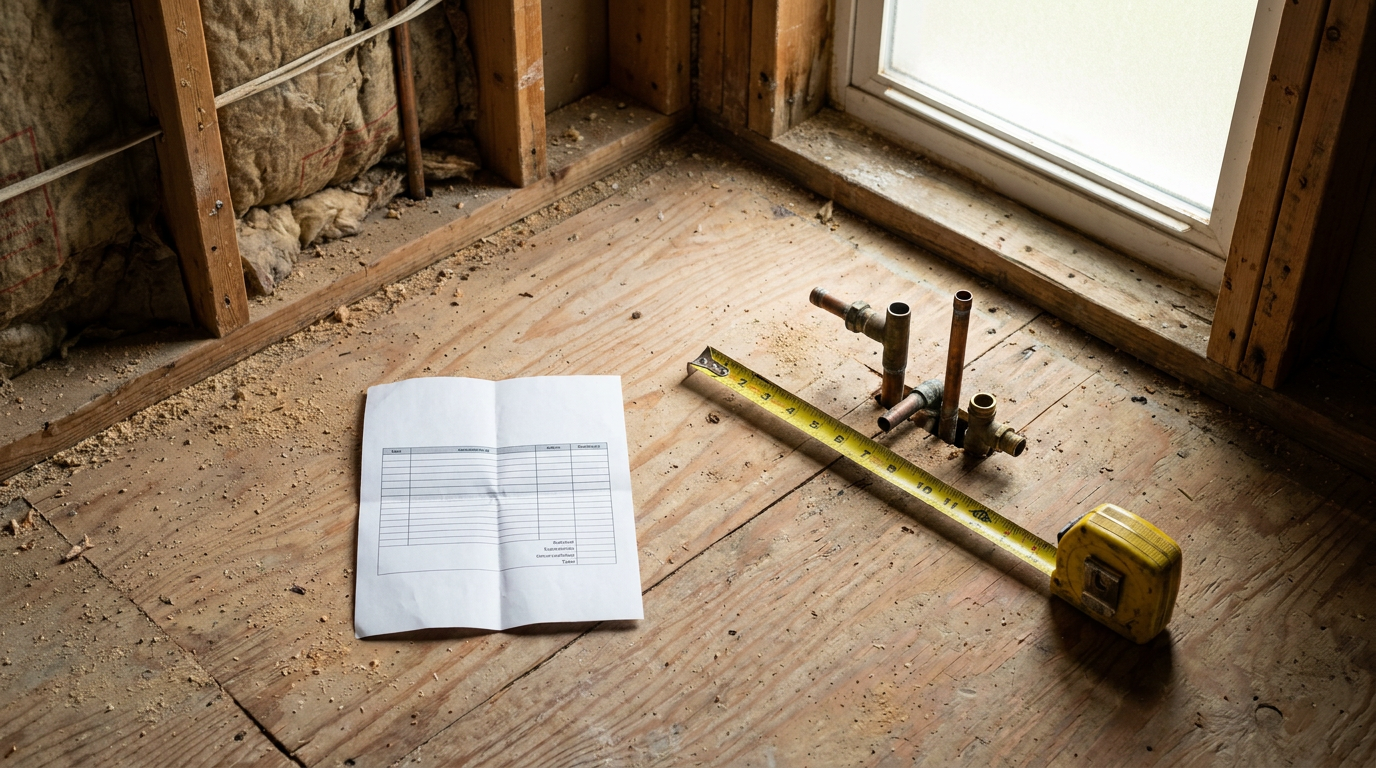
Conduct a Forensic Scope Audit — Print the sheet and mark every task where the price doesn’t make sense to you. Watch for fat “allowances” (like $8,000 for tile when you only need 120 square feet of basic ceramic subway tile at $2.50 per square foot) or mushy lines like “site preparation and structural evaluation” that hide thousands in vague dollars.
- Tools: A spreadsheet, yellow highlighter, and your tape measure.
- What to watch for: Duplicate allowances where demolition labor gets charged twice across different trades.
-
Schedule a 10-Minute "De-Risking" Phone Call — Call the contractor back with your highlighted sheet in front of you and ask one simple question: “What part of this project made your team the most nervous?” That flips the tone from arguing to actually talking shop.
- You’ll usually get the real story: “Well, you’ve got knob-and-tube in that wall,” or “We don’t know if that beam is bearing weight,” or “Parking an 8-yard dumpster in your narrow alley is going to take extra permits and flaggers.”
- Once they name the fear driving the contingency, you’ve got something solid to solve.
-
Isolate and Eliminate the Unforeseen Hazards — Take the structural or mechanical unknowns that scared them and get them off the table before you rebid. If the contractor was worried about load-bearing status, spend $400 to $600 to hire an independent licensed structural engineer to write a signed letter and stamp a framing plan.
- Engineer visit: Hand a contractor a stamped plan, and you’ve wiped out a whole lot of guesswork.
- Plumbing camera run: If sewer tie-ins are the issue, pay a plumber $150 to run a camera down the cleanout and save the video file on a flash drive for the next bidders.
-
Pare Back Logistical Pain Points — Look at the physical stuff slowing the crew down and driving labor through the roof. If you’re on a steep hill, a tight zero-lot-line lot, or the third floor of a condo without a service elevator, labor time doubles because every bag of concrete takes forever to haul.
- Stage materials in your dry two-car garage.
- Offer to handle trash by renting a $375 20-yard roll-off dumpster directly from your municipal waste provider.
- Clear the room down to the baseboards before Day 1.
-
Source High-End Finish Materials Separately — Contractor markups on finish goods—fixtures, tile, vanities, specialty lumber, and lighting—routinely land between 15% and 35%. Ask if they’ll do a “labor and rough materials only” contract, where they supply framing lumber, drywall, thin-set, and copper, and you buy the decorative fixtures and get them to the jobsite ahead of time.
- Warning: You own inspection, inventory, and warranties on anything you buy; if a faucet shows up with a cracked brass casting, the contractor’s downtime is on your dime.
- Make sure all materials are in the room before the crew starts, or you’ll stall the schedule.
-
Solicit Two New Bids Using a Rigid Scope of Work Document — Don’t just invite two more contractors over to give their personal “vision” for your space. Write a tight, single-page Scope of Work (SOW) that spells out the dimensions, exact brands and models of fixtures, the structural engineer’s plan, and the jobsite rules (e.g., work hours 8:00 AM to 5:00 PM, garage staging permitted).
- Make all three contractors bid on identical specs so you’re comparing apples to apples.
- Require every bid to separate rough materials, finish materials, direct labor, and subcontractor allowances.
-
Adjust Your Project Timing for Off-Peak Seasons — If your roof or siding quote came in stupid high in June or July—when every exterior crew in the South is swamped and baking in 100°F heat—ask for the bid to be repriced for a late October or November install. Availability drives pricing; booking a masonry or roofing contractor during their slow winter window can shave 10% to 20% off direct labor costs.
Common Causes
Why did that estimate make your stomach drop? In 95% of cases, it comes down to these plain operational realities:
- The "Go-Away" (Walk-Away) Price: The contractor’s got three live jobs, the drywall crew is behind, and their pipeline’s full for the next six months. They don’t want to flat-out say “no” because they like keeping future work warm, or maybe they’re thinking if you’ll pay an obscene sum, they’ll grind through it and figure it out.
- Hidden Mechanical and Structural Liabilities: A seasoned tradesperson looks past the paint and sees a slight 1/4-inch bounce in the subfloor, a main panel with burned bus bars, or horizontal cracks in a masonry foundation wall. They know that once they touch one piece of drywall, the city inspector may make them bring the whole room up to the 2021 International Residential Code (IRC), which adds a pile of unbudgeted labor.
- Site Accessibility and Parking Nightmares: If a crew has to park four blocks away, haul 80-pound bags of concrete up two flights of exterior stairs, or protect a customer’s $30,000 custom herringbone parquet floor with three layers of Ram Board, the quote will jump fast. Time spent protecting surfaces and hauling materials is dead labor you’re paying for.
- Client Risk Profile ("Pain in the Neck" Tax): Contractors read body language and expectations fast. If you pull out a 40-page binder on the first walk-through, micromanage every answer, mention your last three contractors ended up in court, or change your mind five times about layout while standing in the kitchen, the bid is gonna carry a hefty friction surcharge.
- Wild Swings in Volatile Trade Subcontracts: Master mechanical trades—plumbers, HVAC techs, master electricians—are in demand and charge hard. If your project means moving an HVAC return plenum through a load-bearing joist cavity, relocating a 3-inch cast-iron soil stack, or upgrading from a 100-amp to a 200-amp main service panel, those sub-bids alone can add $10,000 to $15,000 before the general contractor even picks up a hammer.
Common Mistakes
- Accepting an Obscenely Cheap Bid on the Rebound: After staring at a $40,000 bid, an $11,000 estimate from some unvetted contractor feels like a gift. Don’t sign it right away. A bid that’s way lower than everybody else usually means the contractor missed half the scope, doesn’t carry general liability or workers’ comp insurance, or plans to claw the money back with aggressive change orders once your walls are open.
- Negotiating Hard on the Contractor's Profit Margin: Don’t ask a business owner to work for free. Trying to shove their 20% O&P margin down their throat wrecks trust before the job starts. Instead, negotiate the scope—change the tile, ditch the pocket door, pull the electrical rework out, or do your own demo work to lower the total.
- Giving Incomplete or Open-Ended Instructions: Telling a contractor to “give me a quote to make this bathroom nice and modern” is how you get a monster estimate. A good contractor will assume top-shelf waterproofing systems like Schluter Kerdi, high-end custom solid brass fixtures, and fancy tile patterns so they don’t under-bid. Give them your exact finish choices up front.
- Failing to Verify Local Permitting Realities: Some cities require licensed master trades to pull permits even for simple fixture swaps or moving a gas line two feet. If a contractor knows your local building department is slow, charges $1,200 for residential plan reviews, and fails rough-in inspections over dumb little things, they’re baking those waiting days right into labor.
Cost & Time Breakdown
To put astronomical quotes in perspective, here’s what common baseline projects actually cost when you compare realistic DIY labor, fair mid-tier trade pricing, and the high-risk, overbooked quotes homeowners run into all the time:
| Project Type | Realistic DIY Cost | Fair Pro Cost (Mid-Tier) | Outrageous/Risk-Inflated Bid | Average Timeline |
|---|---|---|---|---|
| Full Bathroom Remodel (40 sq ft) | $3,500 – $6,000 | $12,000 – $18,000 | $32,000 – $50,000+ | 2–3 weeks |
| Panel Upgrade (100A to 200A) | Not recommended | $2,200 – $4,500 | $7,500 – $11,000 | 1–2 days |
| Sewer Line Trenchless Replacement (50 ft) | Not recommended | $4,500 – $8,500 | $14,000 – $22,000 | 1–2 days |
| Hardwood Floor Refinishing (800 sq ft) | $800 – $1,400 | $3,200 – $4,800 | $8,500 – $13,000 | 3–5 days |
| Custom Tile Shower Pan & Surround | $1,200 – $2,200 | $4,500 – $7,500 | $12,000 – $18,000 | 4–6 days |
Tips & Prevention
- Draft a Complete "Packet" Before Calling Trades: Before you start inviting contractors over, put together your spec sheet: floor plan sketches with measurements down to the inch, photos of your breaker box and water shutoffs, inspiration images, and the exact model numbers of finish fixtures you want.
- Ask the "Availability Question" First: In the first five minutes on the phone, ask: “What does your project schedule look like over the next 60 to 90 days?” If they say they’re booked solid through autumn, don’t have them come out to estimate your summer project; you’re almost guaranteed to get a padded walk-away price.
- Perform Your Own Non-Destructive Investigation: If you want to remodel an older bathroom, crawl under it or check the basement below. Look for old water stains, rotting subflooring, or abandoned plumbing runs. If you spot trouble, point it out up front so the contractor doesn’t have to price the worst case.
- Get References for the Exact Same Project Type: A contractor who mainly does ground-up custom additions might bid a small powder-room remodel at a ridiculous rate because their business model isn’t built for tiny jobs. Hire the contractor whose core work matches your job size.
- Avoid Calling Contractors Right After Regional Disasters: If an ice storm, hurricane, or major hail event just hit your area, insurance restoration work pays trades a premium. Any private remodel quote you get during that stretch is gonna be inflated to compete with fast insurance money.
When to Call a Professional
Knowing how to read an estimate doesn’t mean you should grab a reciprocating saw and start swinging at everything yourself. Structural changes, high-voltage electrical, and deep plumbing work call for licensed, insured trades. If an estimate is wildly high because your house has major foundation movement (stair-step mortar cracks larger than 1/4-inch), active knob-and-tube or ungrounded cloth wiring, or deteriorated lead or orangeburg sewer lines, that high price is reflecting real danger.
In those situations, don’t DIY to save a buck. Split the dangerous infrastructure repairs from the cosmetic finishes. Hire a licensed master trade directly to fix the electrical service panel, reinforce the sagging floor joists, or repipe the water lines to modern PEX-A. Once the heavy structural and mechanical liabilities are repaired and inspected, bring in a general contractor or finish trade to bid the rest of the cosmetic work. You’ll usually see the next round of bids come down hard once the real hazards are off the table.
Related Articles
Keep troubleshooting with these hand-picked guides from FixlyGuide:
- The 3 Hidden Ways Your — Uncover the surprising habits and hidden household issues that are silently increasing your homeownership costs and learn how to fix them.
- Hidden Water Leak in Your House? 5 Spots Homeowners Miss and the Fix for Each — Hidden water leaks can quietly destroy your home and drive up bills. Here are five concealed leak zones, how to test them, and step-by-step…
- Heart Attack Snow? Why Wet Winter Slush Is Dangerous—and 9 Steps to Clear It Safely — "Heart attack snow" is heavy, water-logged slush that spikes cardiovascular strain. Learn the physics behind it, how to clear it safely, an…
- 7 Hidden Equity Drains Costing You Thousands Annually — Your home is an asset, but silent problems like minor leaks, poor insulation, and deferred maintenance can drain its value. Discover the se…
- The Surprising Reason Your House Ticks and Pops At Night (And What It Means) — That unsettling ticking or popping sound in your house at night is usually normal thermal expansion and contraction, but sometimes it signa…
- The Drip You Can't Ignore: Why Your Garbage Disposal Leaks (And How to Stop It) — Don't let a leaky garbage disposal ruin your cabinets and create a mold problem; discover the real reasons behind the drips and how to fix…
Questions to ask before you sign
Ask every contractor the same questions and the cheapest bid stops looking cheapest. Check them off as you go — your progress is saved on this device.
Free, no signup. Bring this to every walkthrough so you compare bids on the same terms.
What should this project cost?
Enter your project details for a realistic cost range before you call anyone.
Cost depends heavily on which system turns out to be the source.
- Regional adjustment
- National average
- Labor share (typical)
- ~$1,620
- Quotes to collect
- 3 written estimates
Educational estimate based on national averages — not a binding quote. Always confirm with written local estimates.
Check these numbers against your project
National averages are a starting point. These tools narrow it to your scope and ZIP.
- Estimate this projectGet a cost range for your scope and ZIP before you call anyone.Open
- Get local estimatesSend one request and compare written estimates from vetted pros.Open
Free, no signup required. Estimates are educational guidance, not a quote or an inspection.
Get the print-ready PDF of this guide
A clean, ad-free, printable version you can keep on your phone or pin to the workshop wall. Free with a FixlyGuide account.
- Print-optimized layout
- Tools, materials & every step included
- Saved to your account
This article was independently written by FixlyGuide based on the source topic.
Frequently asked questions
What is a walk-away quote or F-U bid?+
This is an intentionally inflated estimate designed to make you look elsewhere without the contractor explicitly saying no. Contractors use walk-away prices when their schedule is booked months out, when the project logistics are exceptionally difficult, or when they sense the client will be difficult to work with. If you actually accept the bid, the massive profit margin makes it worth their while to hire extra subs or work overtime.
How many contractor bids should I get for a major project?+
Always aim for three written estimates based on the exact same scope of work. Getting fewer than three gives you no baseline to spot an outlier, while getting more than five wastes trade professionals' time and creates decision fatigue. Make sure all bidders are quoting identical materials and permit plans.
Can you negotiate with a contractor who gave a high estimate?+
Yes, but you should negotiate the scope of work rather than demanding they lower their profit margin. Ask the contractor which specific line items carry the highest labor or material costs, and ask what changes you can make—such as handling demolition yourself or selecting different materials—to bring the price down to your budget.
Is the lowest bid always the best option if quotes are far apart?+
A low bid is often far more dangerous than an inflated one. Contractors who come in dramatically below market value frequently miss major scope items, lack proper liability and workers' compensation insurance, use substandard materials, or plan to hit you with massive change orders once your walls are already ripped open.
What does an allowance mean on a contractor estimate?+
An allowance is a line-item budget placeholder for materials or subcontracts that haven't been finalized yet (like tile, plumbing fixtures, or cabinetry). High allowances drive up the estimate, while unrealistically low allowances are used by unethical contractors to make an initial bid look cheaper than it really is. Always ask what specific products are factored into each allowance.
Should I let a contractor work without pulling permits to lower the price?+
Permits protect you by requiring independent city building inspectors to verify that structural, electrical, and plumbing work meets minimum safety codes. If a contractor asks you to skip permits to save money, they are exposing you to serious financial liability, potential insurance claim denials if a fire or flood occurs, and disclosure issues when you sell your home.
Why are contractor labor rates so high right now?+
Labor costs reflect real-time supply and demand in your specific housing market. In booming metropolitan regions, licensed master plumbers, electricians, and experienced carpenters are in high demand, and contractors must pay premium wages to retain skilled crews, which directly drives up your estimate.
Can I save money by purchasing my own materials for the contractor to install?+
Many general contractors will agree to a labor-only contract where you order and pay for the vanity, tile, and plumbing trim kits directly. However, you will be responsible for inspecting materials for shipping damage, handling returns, and paying extra labor costs if your material deliveries are delayed and stall the contractor's crew.


Discussion
Loading comments…