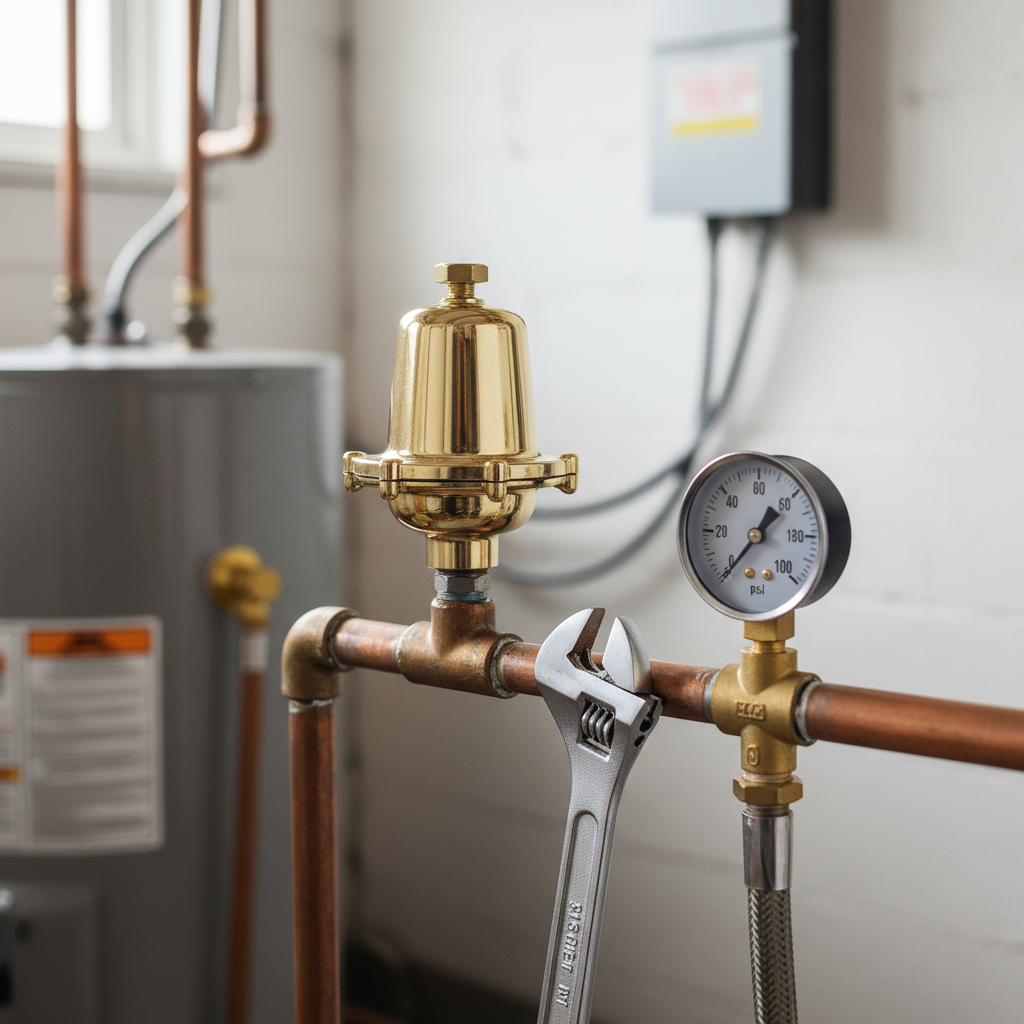
- Failing Water Pressure Regulator: The most frequent culprit. Internal components wear out, get stuck, or lose calibration, restricting water flow. This accounts for over 70% of whole-house low pressure calls not related to supply issues.
- Main Water Shut-off Valve Partially Closed: A simple oversight. If the main valve (often found near your water meter) isn't fully open, it will restrict flow to the entire house.
- Sediment Buildup in Regulator or Main Line: While less common for whole-house issues, significant sediment can accumulate over decades, especially in older galvanized pipes or within the regulator itself, impeding flow.
- Leaking Pipes (Hidden): A significant, undetected leak in your main supply line or within your walls can divert a large volume of water, causing a noticeable pressure drop throughout the house.
- Well Pump Issues (for well users): If you're on a well system, a failing well pump, a leak in the well line, or a malfunctioning pressure tank could be the cause.
Plumbing · Clog
| Project category | Plumbing |
|---|---|
| Problem type | Clog |
| Trade required | Plumbing |
| Urgency | Soon — within weeks |
| Safety risk | Low safety risk |
| DIY suitability | DIY friendly |
| Cost category | Low cost |
| Typical timeline | Same-day DIY attempt; pro visit within a day or two |
| Contractor type | Licensed plumber |
Repair option
Plunger, hand auger, or trap cleanout before chemicals.
Replacement option
Line replacement when clogs return in the same spot repeatedly.
Common causes
- Hair and soap buildup in the trap
- Grease cooling in the branch line
- Flushed wipes or foreign objects
Relevant tools:diy difficultydiy or hire a pro
Published July 9, 2026Last updated August 17, 2026
Tools & materials you'll need
Affiliate links- AmazonRags or towelsfew
As an Amazon Associate FixlyGuide earns from qualifying purchases — at no extra cost to you. Prices and availability are accurate as of publication and subject to change.
Quick Answer
Low water pressure affecting your entire home is frequently due to a malfunctioning or incorrectly set water pressure regulator, rather than extensive pipe blockages. This crucial device typically sits near your main water shut-off valve, stepping down the high incoming pressure to protect your home's plumbing. When it fails or drifts, it chokes the water supply, leading to frustratingly weak flow from all your fixtures.
The Problem
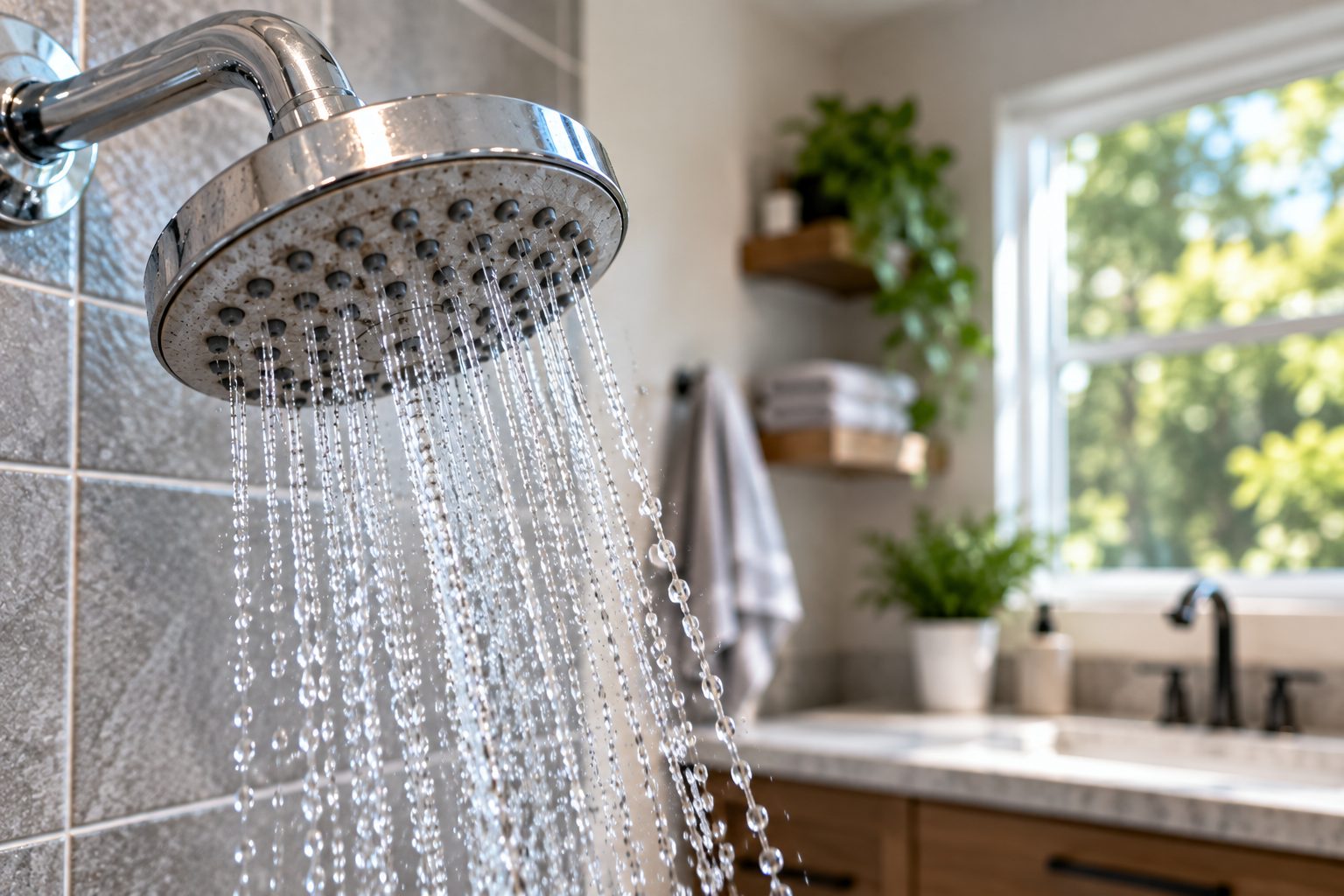
Imagine stepping into the shower, expecting a refreshing blast, only to be met with a pathetic dribble. Or trying to fill a pot for cooking and watching the water trickle in agonizingly slowly. This isn't just an inconvenience; it can impact everything from doing laundry and washing dishes to flushing toilets effectively. When low water pressure affects every faucet and appliance in your house, the root cause is almost certainly upstream of your individual fixtures. It's not a localized clog in a single aerator or showerhead, but rather an issue with the main water supply entering your home. While many homeowners jump to conclusions about corroded pipes or a failing water heater, the most common and often overlooked culprit is a faulty or misadjusted water pressure regulator.
How It Works
Your home's plumbing is designed to operate within a specific pressure range, typically between 40 and 60 pounds per square inch (psi). Municipal water supplies, however, often deliver water at much higher pressures, sometimes exceeding 80 psi, to ensure adequate flow across large distances and to multi-story buildings. This is where the water pressure regulator comes in.
Located near your main water shut-off valve, usually on the hose bib side if you have one, this cylindrical or bell-shaped brass device acts as a guardian for your plumbing system. Inside, a spring-loaded diaphragm or piston responds to the incoming water pressure. When the pressure is too high, it compresses the spring and closes a valve orifice, restricting flow. As water is used in the house, the pressure downstream of the regulator drops, and the spring pushes the valve open, maintaining a consistent output pressure. This ensures that your pipes, fixtures, and appliances aren't subjected to damagingly high pressures, which can cause leaks, burst pipes, and premature wear on components like washing machine hoses and toilet fill valves.
Over time, the internal components of a pressure regulator can wear out, accumulate sediment, or lose their calibration. The spring can weaken, the diaphragm can stiffen, or the valve seat can become corroded. When this happens, the regulator can inadvertently restrict the water flow even when household demand is high, leading to a noticeable drop in pressure throughout your entire home. It might also get stuck in a partially closed position, consistently delivering insufficient pressure.
Step-by-Step Fix
1. Test Your Water Pressure — Verify the problem and get a baseline reading.
Before you do anything else, confirm that your low pressure is indeed a whole-house issue and get an objective measurement. A simple water pressure gauge (available at any home improvement store for around $10-$20) screws onto an exterior hose bib. Turn off all water-using appliances and fixtures inside the house, then open the hose bib fully. The gauge will show you the static water pressure. A healthy range is 40-60 psi. If it's consistently below 40 psi, especially if it was previously higher, your regulator is a prime suspect.
- Safety Note: Always ensure the gauge is securely attached to prevent water spray.
- If this doesn't work: If the gauge reads above 60 psi, your problem isn't low pressure at the main, but possibly an issue with clogged individual fixtures or specific branch lines.
2. Locate Your Water Pressure Regulator — Identify the culprit's location.
Your main water pressure regulator is typically found on the main water line where it enters your house, usually after the main shut-off valve and before any branch lines. It often looks like a bell-shaped or cylindrical brass fitting. In some homes, especially older ones or those with constant high municipal pressure, it might be located in a crawl space, basement, or utility room.
- What to look for: A brass device, often with a hexagonal bolt or an adjustment screw on top, in line with your main water supply pipe.
- Difficult to find?: If you can't locate it, check near your water meter or where your main water line connects to the house. Sometimes, it's buried in an in-ground utility box near the street, but in such cases, it's best left to a professional.
3. Prepare for Adjustment — Ensure safe and effective manipulation.
Before attempting any adjustments, gather your tools. You'll likely need an adjustable wrench to loosen the locknut (if present) and a flathead screwdriver or hex key for the adjustment screw. It's also a good idea to have your water pressure gauge handy to re-test after each small adjustment. Turn off any major water-using appliances (dishwasher, washing machine) to avoid sudden pressure fluctuations during the process.
- Tools: Adjustable wrench, flathead screwdriver or hex key, water pressure gauge.
- Safety: Wear gloves to protect your hands, and have towels ready in case of minor drips.
4. Adjust the Regulator (Small Increments!) — Increase pressure carefully.
Most pressure regulators have an adjustment screw on the top or side, often secured by a locknut. Loosen the locknut first, if present (turn counter-clockwise). Then, turn the adjustment screw clockwise in small increments (quarter-turns) to increase the pressure. Turning it counter-clockwise will decrease pressure. After each small adjustment, open a nearby cold water faucet for 30-60 seconds to allow the system to equalize, then re-test the pressure with your gauge at the most distant hose bib or a bathroom sink. Aim for a pressure between 50-55 psi.
- Critical: Make very small adjustments. Over-pressurizing your system can cause damage.
- If no change: If several adjustments yield no significant change in pressure, the regulator is likely failing internally and needs replacement.
5. Re-tighten the Locknut — Secure your new setting.
Once you've achieved your desired pressure (typically 50-55 psi for optimal performance and longevity of your plumbing system), tighten the locknut (if applicable) clockwise. This will prevent the adjustment screw from vibrating loose over time and ensure your pressure remains consistent. Be careful not to overtighten, which could strip the threads.
- Verification: Retest the pressure one last time after tightening the locknut to confirm it hasn't shifted.
6. Consider Regulator Replacement (If Adjustment Fails) — When repair isn't enough.
If adjusting the screw yields no change in pressure, or if the pressure fluctuates wildly, your pressure regulator has likely failed and needs to be replaced. This is a more involved plumbing task that requires shutting off the main water supply, potentially cutting pipes (depending on the type of regulator), and making new connections. While experienced DIYers might tackle this, many homeowners opt to call a licensed plumber for regulator replacement to ensure it's done correctly and up to code.
- Professional help: If you're uncomfortable with soldering, working with SharkBite fittings, or dealing with main water lines, call a plumber.
Common Causes
- Failing Water Pressure Regulator: The most frequent culprit. Internal components wear out, get stuck, or lose calibration, restricting water flow. This accounts for over 70% of whole-house low pressure calls not related to supply issues.
- Main Water Shut-off Valve Partially Closed: A simple oversight. If the main valve (often found near your water meter) isn't fully open, it will restrict flow to the entire house.
- Sediment Buildup in Regulator or Main Line: While less common for whole-house issues, significant sediment can accumulate over decades, especially in older galvanized pipes or within the regulator itself, impeding flow.
- Leaking Pipes (Hidden): A significant, undetected leak in your main supply line or within your walls can divert a large volume of water, causing a noticeable pressure drop throughout the house.
- Municipal Supply Issues: Sometimes, the problem isn't in your home. Your utility company might be performing maintenance, there could be a main break in your area, or they might be temporarily reducing pressure. This is usually communicated via service alerts.
- Well Pump Issues (for well users): If you're on a well system, a failing well pump, a leak in the well line, or a malfunctioning pressure tank could be the cause.
Common Mistakes
- Diagnosing Without a Gauge: Guessing about pressure levels is a common mistake. Always use a pressure gauge to accurately assess your system's pressure before making any adjustments or further diagnoses.
- Ignoring the Main Shut-off Valve: Before blaming the regulator, a quick check to ensure your main shut-off valve is fully open can save you time and unneeded work. It's a simple, often overlooked step.
- Adjusting Regulator Too Drastically: Turning the adjustment screw multiple full turns at once can dangerously over-pressurize your system, leading to burst pipes or damaged appliances. Always make small, quarter-turn adjustments.
- Forgetting to Equalize Pressure: After each adjustment, failing to open a faucet and let water run for a minute means your pressure gauge reading might not be accurate. The system needs to equalize.
- Not Checking for Municipal Issues: Before assuming an internal problem, a call to your water utility or a quick check of local service alerts can rule out external factors beyond your control.
- Attempting Regulator Replacement Without Experience: Replacing a pressure regulator involves working on your main water line, requiring proper shut-off, pipe cutting, and sealing. If not done correctly, it can lead to significant leaks and water damage. This is often best left to a professional.
Cost & Time Breakdown
| Task | DIY Cost | Pro Cost | Time |
|---|---|---|---|
| Water Pressure Gauge | $10–$20 | Included | 5 minutes |
| Adjust Pressure Regulator | $0 (tools you own) | $150–$300 | 20–40 minutes |
| Replace Pressure Regulator (Parts) | $60–$150 | $60–$150 | 1–2 hours |
| Replace Pressure Regulator (Labor) | N/A | $200–$500 | 2–4 hours |
| Consult Plumber (if needed) | N/A | $75–$150 (trip fee) | 30–60 minutes |
Tips & Prevention
- Regular Pressure Checks: Invest in a water pressure gauge and check your home's static pressure annually, especially if you notice subtle changes in water flow. This proactive check can catch issues before they become severe.
- Know Your Regulator's Location: Familiarize yourself with the location of your main water shut-off valve and your pressure regulator. Knowing where these are is crucial for emergencies and basic maintenance.
- Watch for Warning Signs: Pay attention to fluctuating pressure, banging pipes (water hammer), or sudden drops in pressure. These can indicate a failing regulator or other issues.
- Clean Aerators and Showerheads: While not a whole-house solution, regularly cleaning aerators and showerheads prevents mineral buildup from masking pressure problems or adding to the perception of low flow.
- Consider a Whole-House Filter: If you live in an area with particularly hard water or sediment, a whole-house water filter installed before your pressure regulator can extend its life by preventing internal build-up.
- Annual Visual Inspection: Briefly inspect your pressure regulator for any signs of corrosion, leaks, or drips. Early detection of a small issue can prevent a larger failure.
When to Call a Professional
While adjusting a pressure regulator is a manageable DIY task, there are clear instances when a professional plumber is essential. If you attempt to adjust the regulator and find no change in pressure, or if the pressure remains erratic, the regulator likely needs replacement. This job involves shutting off the main water supply, potentially cutting into main water pipes, and ensuring watertight, code-compliant connections – tasks that can lead to significant water damage if not performed correctly. Similarly, if you suspect a leak in your main water line due to an unexplained drop in pressure, or if you're on a well system and suspect a pump or pressure tank issue, it's best to call a plumber. Any work involving gas lines or significant structural changes should always be handled by licensed professionals to ensure safety and adherence to local building codes. If your main shut-off valve is stuck or leaking, a plumber can address these issues without extensive damage. Don't hesitate to seek professional help if you're uncomfortable or unsure at any point in the diagnostic or repair process.
Related Articles
Keep troubleshooting with these hand-picked guides from FixlyGuide:
- The #1 Hidden Culprit Behind Your Whole-House Low Water Pressure (It's Not Your City!) — Discover the most common, often overlooked cause of low water pressure throughout your entire home and how to fix it yourself.
- The #1 Hidden Culprit Behind Your Whole-House Low Water Pressure (It's Not Your City!) — Discover the most common, overlooked cause of low water pressure throughout your entire home and how to easily diagnose and fix it yourself.
- The #1 Mistake Homeowners Make When Diagnosing Low Water Pressure (It's Not Your Pipes) — Discover the most common, overlooked culprit behind low water pressure impacting your entire home and learn how to fix it yourself with bas…
- The Secret Culprit Behind Your Whole-House Low Water Pressure (It's Not Always the City) — Whole-house low water pressure can be a frustrating and complex issue, ranging from simple fixes homeowners can do to signs that require a…
- The #1 Mistake Homeowners Make When Diagnosing Low Water Pressure (It's Not Your Pipes!) — Low water pressure throughout your house often points to a single, easily overlooked culprit: your main water shut-off valve.
- The #1 Mistake Homeowners Make After Finding Missing Shingles (And How to Fix It Right) — Discover the crucial steps to take after a storm rips shingles from your roof, ensuring a proper, lasting repair and preventing costly futu…
What should this project cost?
Enter your project details for a realistic cost range before you call anyone.
Common repairs run $150–$650; repipes and water-heater replacements reach $1,500–$4,500.
- Regional adjustment
- National average
- Labor share (typical)
- ~$754
- Quotes to collect
- 3 written estimates
Educational estimate based on national averages — not a binding quote. Always confirm with written local estimates.
Fixly Project Decision Box
- DIY difficulty
- Moderate
- Estimated time
- 30 minutes – half a day
- Cost level
- Moderate
Main tools / materials
- Adjustable wrench
- Plunger or drain auger
- Bucket and towels
- Thread tape
When to stop and call a pro
- Water you cannot shut off at the fixture or main
- Sewage backing up into more than one fixture
- Water near electrical panels or outlets
- Gas water heater work beyond relighting a pilot
Need professional help?
Get a Licensed PlumberRecommended for DIYers & woodworkers
Sponsored
The Top 20 Tools for Workshops of Any Budget
No stationary machines or power tools required — plus 3 fundamental tools that can't be bought at any price.
Get the free guide
Ted's Woodworking — The #1 Woodworking Resource
Detailed instructions, dimensioned drawings, materials & cutting lists, and 3D schematics for every skill level.
See the plansSponsored: links above are affiliate links. FixlyGuide may earn a commission on qualifying purchases — at no extra cost to you.
Frequently asked questions
How do I know if my water pressure regulator is bad?+
The most common sign of a bad water pressure regulator is consistently low water pressure throughout your entire house, even when no other water is being used. You might also notice fluctuating pressure, or water hammer (banging pipes) when fixtures are quickly turned off. Testing your pressure with a gauge at a hose bib will show readings consistently below 40 psi, or if adjustment attempts yield no change.
Where is the water pressure regulator usually located?+
Your main water pressure regulator is typically located on the main water supply line where it enters your house. This is often found near your main water shut-off valve, usually on an exterior wall, in a basement, crawl space, or utility room. It looks like a brass bell-shaped or cylindrical device in line with the pipe.
Can I adjust my water pressure regulator myself?+
Yes, adjusting a water pressure regulator is often a DIY-friendly task. You'll typically need an adjustable wrench and a flathead screwdriver or hex key. The key is to make very small, quarter-turn adjustments and re-test the pressure with a gauge after each change, aiming for 50-55 psi, to avoid over-pressurizing your system.
What PSI should my house water pressure be?+
For most residential plumbing systems, the ideal water pressure should be between 40 and 60 pounds per square inch (psi). A pressure of 50-55 psi is often considered optimal, providing strong flow for showering and appliances without putting excessive strain on your plumbing system.

Discussion
Loading comments…