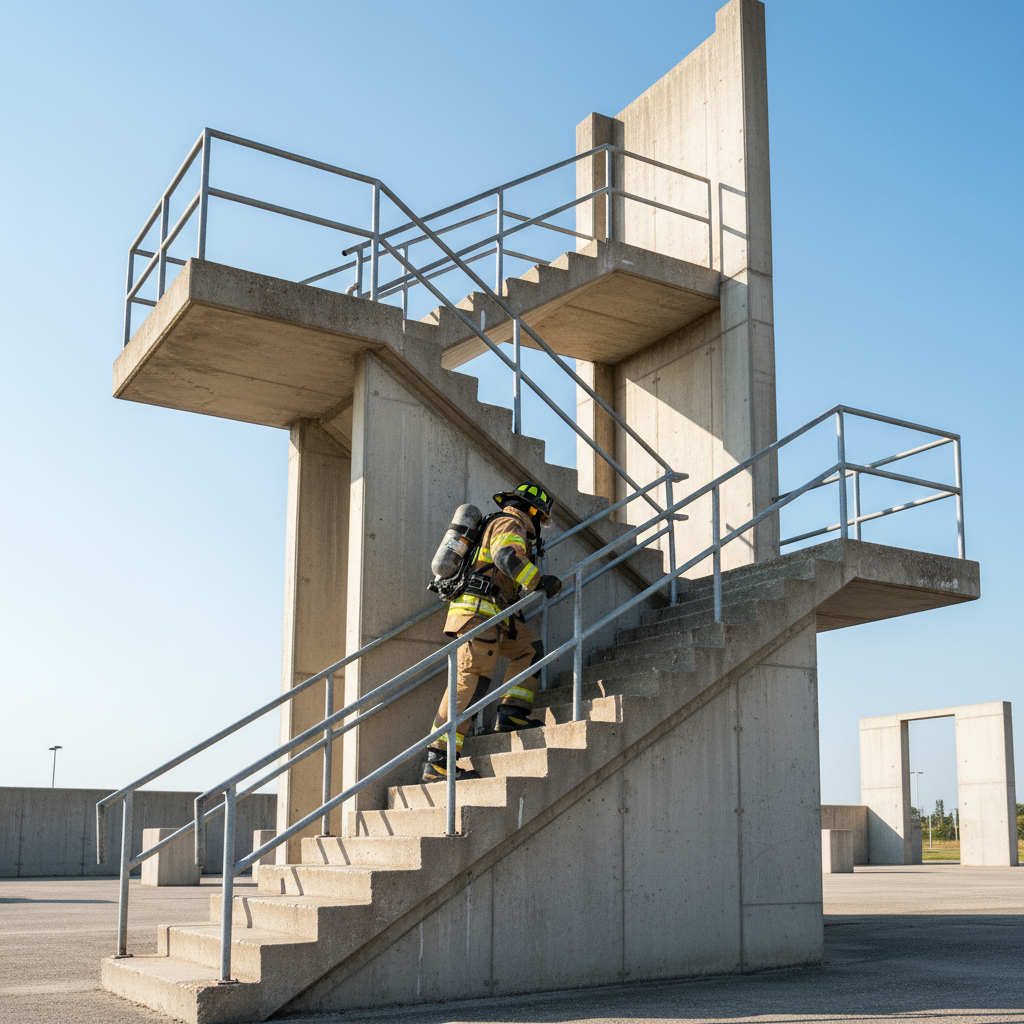
- Inspect Your Staircase for Safety — Regularly check for hazards.
- Tools/Materials: Flashlight, tape measure, small level.
- Walk up and down your stairs, paying attention to loose treads, risers, or handrails. Look for worn carpet, splintered wood, or protruding nails/screws. Ensure all balusters are secure.
- Check that handrails are firmly attached to wall studs and are at a consistent, comfortable height (typically 34-38 inches above the lead edge of the stair nosing).
- Measure the rise and run of each step; inconsistencies can be tripping hazards. If you find significant issues like wobbling structural components or major cracks, consult a carpenter or general contractor.
Published July 18, 2026Last updated August 17, 2026
Tools & materials you'll need
Affiliate linksAs an Amazon Associate FixlyGuide earns from qualifying purchases — at no extra cost to you. Prices and availability are accurate as of publication and subject to change.
Quick Answer
Ever noticed a set of stairs leading to a seemingly blank wall or nowhere in particular? These enigmatic 'staircases to nowhere' are practical, purpose-built training structures. Firefighters utilize them to hone their physical conditioning, practice hose line advancement, and develop critical decision-making skills in simulated emergency conditions, ultimately preparing them to save lives.
The Problem
Fighting fires and performing rescues in multi-story buildings presents immense physical and tactical challenges. Firefighters must be able to rapidly ascend and descend multiple flights of stairs, often carrying heavy equipment, while managing hose lines, searching for victims, and navigating smoke-filled environments. Without specialized training structures, it would be difficult to consistently replicate these strenuous and complex scenarios safely and effectively. Simply put, real-world emergencies demand a level of physical and mental preparedness that only dedicated, repetitive training can build.
How It Works
Firefighter training staircases are designed to mimic the arduous conditions encountered during actual emergencies. These structures come in various forms, from standalone towers to sections integrated into larger training facilities or even repurposed older buildings. The core principle involves creating a multi-story environment where firefighters can practice ascending and descending with full gear, which can weigh upwards of 70-80 pounds, including their self-contained breathing apparatus (SCBA) and tools.
One common training exercise is 'stair climbing' or 'stair repeats.' Firefighters, often in full turnout gear, ascend and descend the stairs repeatedly, sometimes with added resistance like carrying additional equipment or dragging charged (water-filled) hose lines. This builds cardiovascular endurance, leg strength, and muscle memory crucial for sustained effort during an incident. The design often incorporates landings and different stair configurations (straight runs, switchbacks) to simulate various building layouts.
Beyond physical conditioning, these staircases are vital for tactical training. Fire crews practice hose deployment, advancing charged hose lines up and down flights of stairs, which requires coordinated teamwork to manage the weight and stiffness of the hose while maintaining forward progress. They learn how to navigate turns, manage kinks, and ensure a continuous water supply. Furthermore, these environments are used for search and rescue drills, where firefighters might practice locating a simulated victim on an upper floor, packaging them, and safely evacuating them down the stairs. The controlled nature of these training structures allows instructors to introduce varying scenarios, observe techniques, and provide immediate feedback, refining a firefighter's skills without the inherent dangers of a live incident.
Step-by-Step Fix
Given that these 'staircases to nowhere' are specialized training facilities, there isn't a homeowner 'fix' in the traditional sense. However, understanding their purpose can inspire homeowners to consider their own readiness and home safety. Below are steps to ensure your home's stairs are safe and that you are prepared for emergencies.
-
Inspect Your Staircase for Safety — *Regularly check for hazards.
- Tools/Materials: Flashlight, tape measure, small level.
- Walk up and down your stairs, paying attention to loose treads, risers, or handrails. Look for worn carpet, splintered wood, or protruding nails/screws. Ensure all balusters are secure.
- Check that handrails are firmly attached to wall studs and are at a consistent, comfortable height (typically 34-38 inches above the lead edge of the stair nosing).
- Measure the rise and run of each step; inconsistencies can be tripping hazards. If you find significant issues like wobbling structural components or major cracks, consult a carpenter or general contractor.
-
Ensure Adequate Lighting — Proper illumination prevents falls.
- Tools/Materials: Appropriate light bulbs (LED recommended), maybe a step stool.
- Staircases, especially those without natural light, need consistent and sufficient illumination from top to bottom. Replace any burnt-out bulbs immediately.
- Consider adding motion-sensor lighting or night lights at the top and bottom of the stairs for enhanced safety, especially for nighttime trips.
- Avoid placing furniture or decorative items that obstruct light paths or cast confusing shadows on the stairs.
-
Clear Clutter Immediately — A clear path is a safe path.
- Safety Note: Never leave items on stairs, even 'just for a minute.'
- Make it a strict rule in your household: nothing gets stored on the stairs. This includes shoes, laundry baskets, bags, or toys. These are primary tripping hazards.
- Develop a system, like designated baskets at the top and bottom of the stairs, for items that need to move between floors, and ensure they are carried safely or moved when the path is clear.
-
Install or Repair Handrails — Critical for stability and fall prevention.
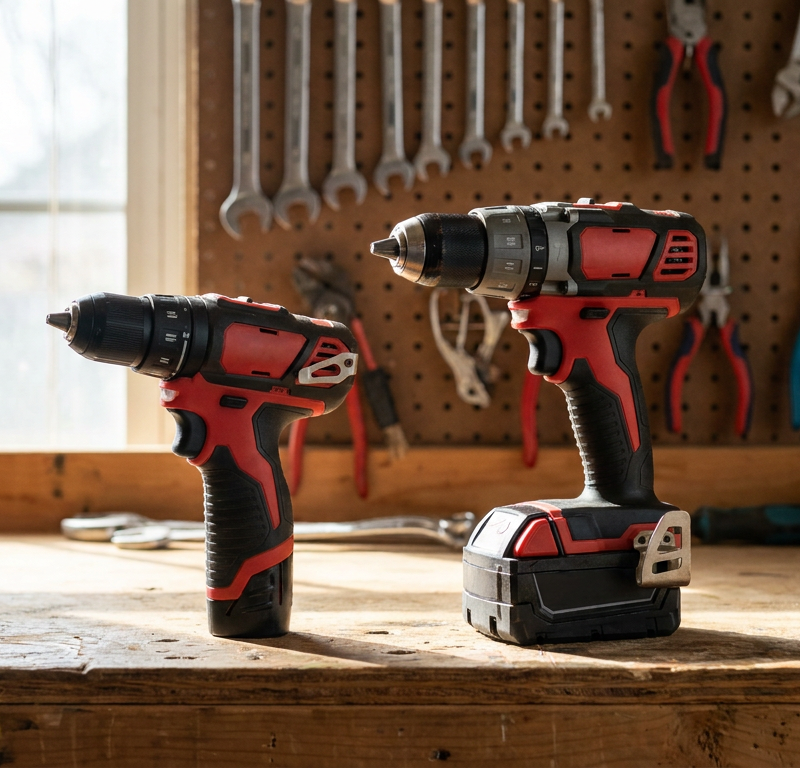
- Tools/Materials: Power drill, stud finder, appropriate screws (3-inch minimum), measuring tape, level, impact driver or screwdriver, wood filler/paint if repairing.
- Every staircase should have at least one sturdy handrail; stairs wider than 44 inches often require two. Ensure the handrail is graspable (e.g., 1.25 to 2 inches in diameter) and runs continuously from the top to the bottom step.
- If installing, locate wall studs for secure mounting. If repairing, tighten loose brackets or replace stripped screws with longer ones or use wall anchors designed for heavy loads.
- If this doesn't work: If the wall studs are widely spaced or the wall material is weak (e.g., plaster and lath), you may need to install blocking within the wall or use specialized heavy-duty toggle anchors.
-
Address Slippery Surfaces — Traction is key.
- Tools/Materials: Anti-slip treads/strips, carpet cleaner, mop, appropriate cleaning solutions.
- For hardwood or tile stairs, consider applying clear anti-slip treads or strips. These are virtually invisible but provide significant traction.
- If you have carpeted stairs, ensure the carpet is securely fastened and not bunched up. Regularly clean carpets to remove dirt and oils that can make them slick.
- Avoid waxing or polishing stair treads, as this can create an extremely hazardous, slippery surface.
-
Practice Home Fire Drills — Essential for personal safety.
- Safety Note: Establish two escape routes from every room, including windows. Practice drills regularly.
- While you won't be navigating
Related Articles
Keep troubleshooting with these hand-picked guides from FixlyGuide:
- The Surprising Reason Your House Ticks and Pops At Night (And What It Means) — That unsettling ticking or popping sound in your house at night is usually normal thermal expansion and contraction, but sometimes it signa…
- The 12 Checks That Prevent 80% of Costly Home Repairs — Don't wait for a disaster. Our comprehensive monthly home maintenance checklist reveals the surprising, simple tasks that catch small issue…
- Is Your Water Heater Lying? The Real Reason You Have No Hot Water — A malfunctioning water heater thermostat is often the secret culprit behind frustrating hot water issues, from icy showers to dangerously s…
- The Secret 5 Bugs Invading Homes (It's Not Just Lanternflies) — Discover the five most common invasive bugs pest professionals treated last year that homeowners often overlook, and learn how to protect y…
- The Single Cedar Board Secret to Attracting Bluebirds This Spring — Discover how a single cedar board can be transformed into a welcoming home for bluebirds, enriching your yard with their vibrant presence a…
- The 48-Hour Lawn Killer: One Fertilizer Mistake That Turns Grass Yellow — Discover the surprising reason your lawn turned yellow seemingly overnight after fertilizing, and how to fix it before permanent damage occ…
What should this project cost?
Enter your project details for a realistic cost range before you call anyone.
Cost depends heavily on which system turns out to be the source.
- Regional adjustment
- National average
- Labor share (typical)
- ~$1,620
- Quotes to collect
- 3 written estimates
Educational estimate based on national averages — not a binding quote. Always confirm with written local estimates.
Get the print-ready PDF of this guide
A clean, ad-free, printable version you can keep on your phone or pin to the workshop wall. Free with a FixlyGuide account.
- Print-optimized layout
- Tools, materials & every step included
- Saved to your account
This article was independently written by FixlyGuide based on the source topic.
Frequently asked questions
What is a 'staircase to nowhere'?+
A 'staircase to nowhere' refers to a set of stairs in a building or dedicated facility that appears to lead to an upper floor or landing with no further access, a wall, or a non-functional doorway. Their primary purpose is often for firefighter training or architectural studies.
Why do firefighters use 'staircases to nowhere'?+
Firefighters use these deliberate structures to simulate real-world conditions. They practice ascending and descending with heavy gear, deploying hose lines, and performing search and rescue drills, building crucial physical endurance, tactical skills, and muscle memory for emergencies.
Are 'staircases to nowhere' dangerous in a home?+
While the term 'staircase to nowhere' usually refers to training structures, having a set of domestic stairs that is obstructed, poorly lit, or leads to a non-functional area could potentially pose a hazard in your home, especially during an emergency or at night. Ensure all stairs in your home are safe, well-lit, and lead to an accessible, safe area.
Discussion
Loading comments…