- Make one spot for dirty plates. Pick a section of counter near the trash. If plates land straight in a sink full of water, whoever washes them has to fish out the scraps later.
- Put a spatula beside the trash. People are more likely to scrape a plate if they don’t have to open three drawers looking for something to scrape it with. A flexible spatula works especially well for gravy and mashed potatoes.
- Give leftovers their own landing spot. Keep food-storage containers away from the scrap bowl. That way, nobody throws out the dressing you wanted for tomorrow or dumps half a casserole into the sink to free up the dish.
- Put a removable strainer in the drain opening. Empty what it catches into the trash. It’s a backup for stray scraps, not a substitute for scraping plates.
- Give helpers one sentence of direction. Try: “Leftovers go here, scraps go there, and leave the roasting pan for me.” That’s easier to follow than a list of everything your disposal doesn’t like.
Plumbing · Clog
| Project category | Plumbing |
|---|---|
| Problem type | Clog |
| Trade required | Plumbing |
| Urgency | Soon — within weeks |
| Safety risk | Low safety risk |
| DIY suitability | DIY friendly |
| Cost category | Low cost |
| Typical timeline | Same-day DIY attempt; pro visit within a day or two |
| Contractor type | Licensed plumber |
Repair option
Plunger, hand auger, or trap cleanout before chemicals.
Replacement option
Line replacement when clogs return in the same spot repeatedly.
Common causes
- Hair and soap buildup in the trap
- Grease cooling in the branch line
- Flushed wipes or foreign objects
Relevant tools:diy difficultydiy or hire a pro
Published November 19, 2026
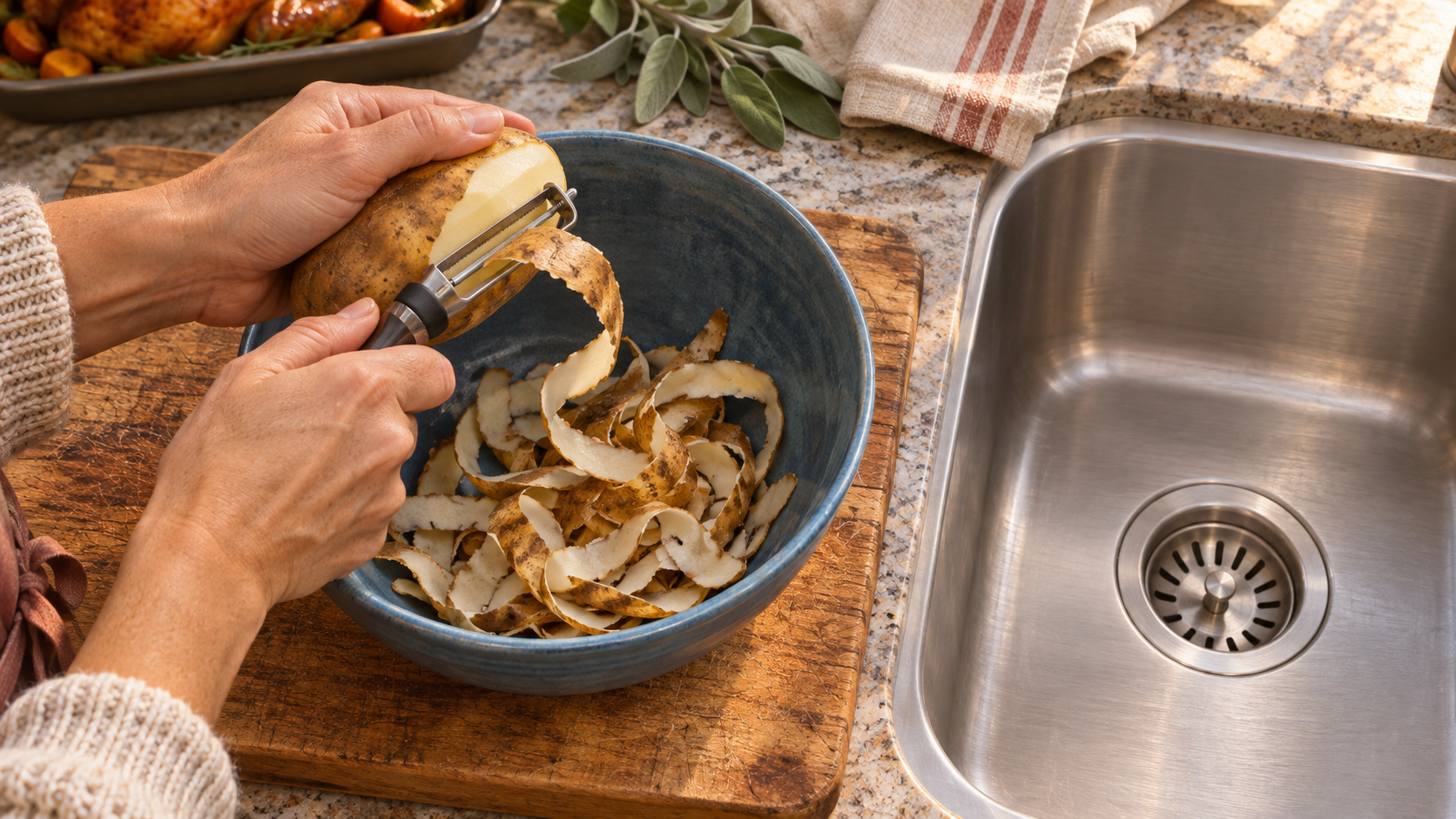
The most useful thing you can put beside your kitchen sink on Thanksgiving morning is an empty bowl. Give the person peeling potatoes a place to drop the skins, and you’ve solved one cleanup problem before the oven is even warm. Set aside a container for cooled turkey drippings, too. Once six people are carrying plates into your kitchen, nobody wants to stop and figure out where the gravy goes.
To prevent a Thanksgiving kitchen sink clog, keep cooking fats and bulk food scraps out of the drain, even if you have a garbage disposal. Let unwanted grease cool and collect it in a container. Scrape plates before washing them. If your sink is already slow, address it before the holiday. And if water starts backing up during cleanup, stop adding water instead of trying to push the problem through. fortworthtexas.gov
Here’s how to put that advice to work in a real kitchen, including what to do with several gallons of turkey-fryer oil in North Texas.
Why Thanksgiving exposes a drain problem you barely noticed
Think about an ordinary Tuesday. You wash one skillet, rinse two plates, and walk away. Even a slow sink has time to empty before you use it again. Thanksgiving is different. Someone drains potatoes while another person scrapes a roasting pan. Then a guest pulls the stopper on a sink full of dishwater. If that drain was already struggling, this may be the first time anyone notices water coming back up.
HomeServe reported that its network of partner plumbers saw an average 19% increase in call volume the day after Thanksgiving compared with an average Friday. That’s one provider’s experience, not a national figure, but its plumbers identified food waste in drains as a common reason for holiday calls. homeserve.com
For a homeowner, the useful part is knowing what to watch for before dinner. If the sink has started holding water while you wash a skillet, or if you routinely wait for one basin to empty before using the other, don’t write that off as “just how this kitchen works.” A slow drain is easier to discuss with a plumber on an ordinary weekday than while a dozen guests are waiting for dessert.
What should never go down the sink during holiday cleanup?
Start with the foods that leave the most residue or arrive at the sink in the largest quantities. A little potato left on a fork is a different problem from two pounds of peelings. The goal is to keep the bulk of the meal out of the plumbing, not to get every plate spotless before you wash it.
| What’s left after cooking | Where it should go |
|---|---|
| Turkey drippings and rendered fat | Reserve what you intend to use for gravy. Let unwanted fat cool, then collect it in a suitable container. |
| Used turkey-fryer or other cooking oil | Let it cool completely, transfer it to a sealable container, and check local recycling instructions. |
| Potato peels, pumpkin pulp, and celery strings | Collect them in a prep bowl. Use your food-scrap program if it accepts them; otherwise, put them in the trash. |
| Poultry skin, bones, and large food scraps | Scrape them into the trash rather than feeding them to the disposal. |
| Leftover gravy, buttery sauces, and greasy dressing | Scrape the bulk into a waste container. Wipe the remaining greasy film from the dish before washing. |
| Cooked rice, pasta, stuffing, and mashed potatoes | Save edible leftovers. Scrape discarded portions off plates before they reach the sink. |
North Texas drain guidance specifically calls out fats in meat, sauces, gravy, dairy products, and cooking oil. Consumer Reports also flags poultry skin and pumpkin pulp as troublesome for disposals. That distinction matters: the thing most likely to slip past you may be a bowl of gravy, not an obvious pan of grease. defendyourdrainsnorthtexas.org
Can you pour turkey grease down the drain if you run hot water?
No. Hot water can make grease disappear from the sink without getting it safely out of the plumbing. Fat that flows freely in a warm pan can cool and accumulate farther along the line. A clean-looking sink tells you what happened at the drain opening, not what happened inside the pipe. North Texas utilities recommend keeping oils and grease out of both the drain and the garbage disposal. defendyourdrainsnorthtexas.org
Here’s an easy way to handle the roasting pan: before the turkey goes in the oven, decide which container you’ll use for unwanted drippings. When the turkey is done, separate the juices you want for the meal. Leave the remaining fat somewhere stable to cool. Once it’s cool enough to handle safely, collect it. Scrape the pan and wipe the thin greasy layer that remains with a paper towel, then put the towel in the trash. Now the pan is ready to wash. defendyourdrainsnorthtexas.com
What if someone has already poured a little grease down the drain? A single mistake doesn’t tell you whether there’s a blockage. If everything is draining normally, concentrate on keeping the next panful out. If the sink starts draining slowly or backing up, stop using it and note what changed. Pouring more products down the drain makes it harder to tell what’s happening.
Can potato peels go in the garbage disposal?
For Thanksgiving prep, put the peels in a bowl instead. A disposal may handle small scraps in ordinary use, but peeling an entire bag of potatoes directly over it gives you a large pile to deal with all at once. Starchy leftovers and fibrous scraps are among the holiday foods plumbing providers identify as problems. Your disposal’s instructions are the place to check what your particular unit can handle. homeserve.com
A useful kitchen habit is to give the scrap bowl to the person holding the peeler. A bowl sitting across the room rarely gets used. One sitting directly beneath the potato catches the peel without anyone having to think about it. The same setup works when trimming green beans, cleaning out a pumpkin, or stripping celery for dressing.
And don’t mistake a running disposal for a clear drain. The appliance and the pipe have different jobs. Even if the motor runs and food disappears from sight, the ground material still has to travel through the drain. If water is already standing in the basin, stop feeding scraps into it.
Where DFW homeowners can recycle turkey-fryer oil
A skillet might leave a spoonful of grease. A turkey fryer leaves you with an entirely different cleanup job: a heavy container of used oil that you probably don’t want sitting in the garage until spring.
For the 2026 Holiday Grease Roundup, the North Central Texas Council of Governments announced 68 free collection locations across the region. Use the North Texas Holiday Grease Roundup locator to find a participating location and check its instructions before you drive. Don’t assume the closest facility keeps the same hours or accepts the same materials as one in the next city. nctcog.org
If you’re frying a turkey, choose your return container and drop-off location before Thanksgiving. Keep the empty cooking-oil jug and its cap if they’re suitable for transporting the cooled oil. After cooking, leave the oil to cool completely before transferring it. Seal the container, label it “used cooking oil,” and keep it upright for the trip. Don’t pour warm oil into a plastic jug just to get the patio cleaned up faster. defendyourdrainsnorthtexas.com
One detail can save you a wasted trip: check what your location means by “cooking oil.” A jug of used fryer oil and a tub of gravy mixed with meat scraps are different materials. If the collection page doesn’t say it accepts the second one, ask rather than mixing it into the jug.
Set up a cleanup station guests will actually use
The best setup works even when somebody who has never cooked in your kitchen volunteers to wash dishes. Here’s a five-minute version:
- Make one spot for dirty plates. Pick a section of counter near the trash. If plates land straight in a sink full of water, whoever washes them has to fish out the scraps later.
- Put a spatula beside the trash. People are more likely to scrape a plate if they don’t have to open three drawers looking for something to scrape it with. A flexible spatula works especially well for gravy and mashed potatoes.
- Give leftovers their own landing spot. Keep food-storage containers away from the scrap bowl. That way, nobody throws out the dressing you wanted for tomorrow or dumps half a casserole into the sink to free up the dish.
- Put a removable strainer in the drain opening. Empty what it catches into the trash. It’s a backup for stray scraps, not a substitute for scraping plates.
- Give helpers one sentence of direction. Try: “Leftovers go here, scraps go there, and leave the roasting pan for me.” That’s easier to follow than a list of everything your disposal doesn’t like. If you have a small kitchen, skip the elaborate setup. A scrap bowl, an accessible trash can, and a place to stack plates will do most of the work. The point is to make the right choice the easiest one when the counter is crowded.
What to do if the kitchen sink backs up during dinner
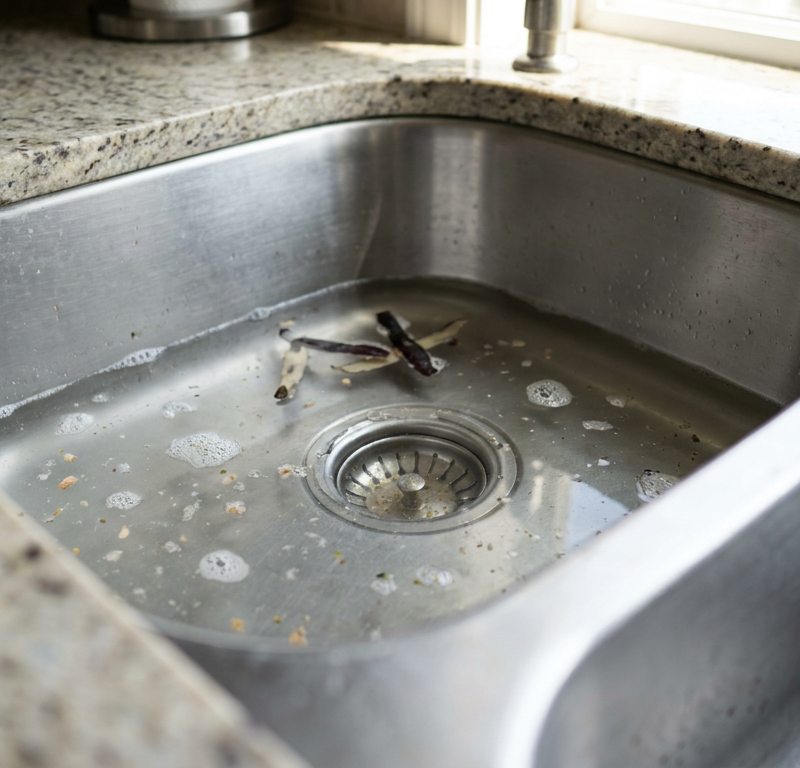
First, turn off the faucet. Pause dishwashing, leave the disposal off, and don’t start the dishwasher while the sink is holding water. The immediate job is to keep the water level from rising. You don’t need to diagnose the pipe before you can prevent an overflow.
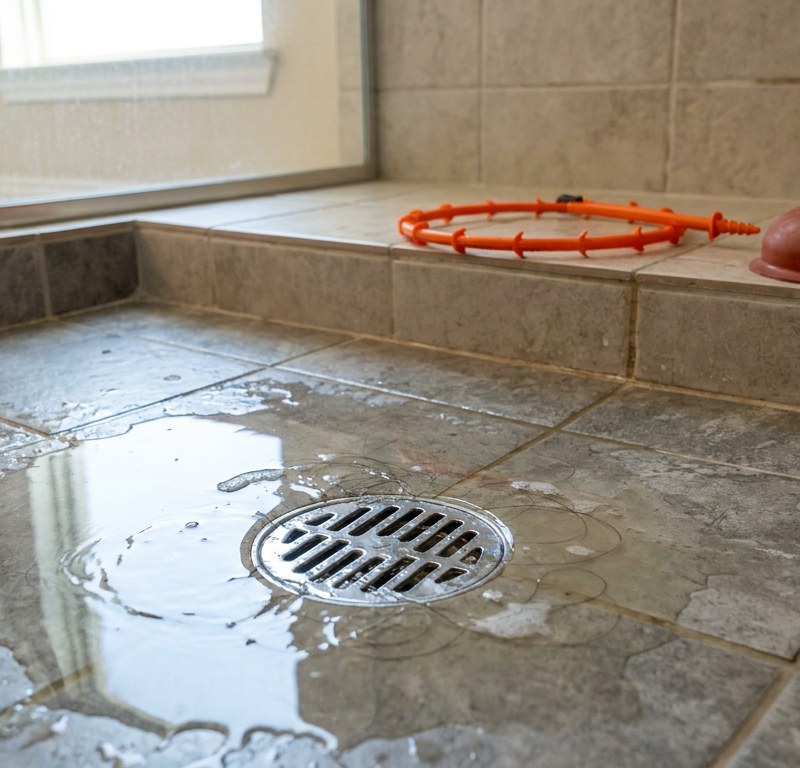
Next, notice where the water appeared. A kitchen sink that drains slowly while the rest of the house seems normal gives a plumber a different starting point from wastewater coming up through a tub or floor drain. If multiple fixtures are backing up, stop household water use, avoid flushing, keep children and pets away from wastewater, and contact a plumber promptly. Don’t run other fixtures just to recreate a backup you’ve already seen. fixlyguide.com
Skip chemical drain openers. If someone has already used one, tell the plumber what product went in before anyone works on the drain. And if you need help deciding how urgent the situation is, use Fixly Guide’s drain backup guide to compare the symptoms you’re seeing. fixlyguide.com
When you call, give the plumber observations instead of a diagnosis. For example: “Both kitchen basins filled up during cleanup. The sink had been slow for about a week. We stopped using it, and we haven’t added a drain cleaner.” That gives the person answering the phone a timeline, the affected fixture, and one important safety detail. It’s more useful than guessing that the disposal needs replacing.
Three questions to ask before booking a holiday plumbing visit
“Based on these symptoms, does this need an emergency visit?” Tell the plumber whether the water has stopped rising, whether you can leave the affected fixture unused, and whether any other drains are involved. An isolated kitchen problem and sewage entering a living space deserve different conversations. fixlyguide.com
“What does the quoted price cover?” Ask whether there’s a separate dispatch or holiday fee, whether the quoted amount covers diagnosis or an attempt to clear the line, and whether you’ll approve additional work before it begins. Write down the answer while you’re on the phone. If one company quotes a visit fee and another quotes a drain-clearing service, the two numbers aren’t directly comparable.
“If the clog comes back, what should I document?” A quick note about the date, which fixtures were involved, and what the plumber found gives you something concrete to refer to next time. Keep the invoice with that note. If more extensive work is recommended later, ask what the plumber observed and how the proposed repair addresses that finding. You can use Fixly Guide’s free My Home account to keep project details and contractor quotes together. fixlyguide.com
The Thanksgiving sink checklist worth saving
- Before shopping: Check whether the sink already drains slowly. If you’ll fry a turkey, pick a local oil drop-off site and save the empty jug.
- Before cooking: Set out a scrap bowl, a strainer, and a container for cooled grease.
- Before guests help: Point out where leftovers, dirty plates, and food scraps belong.
- Before washing pans: Collect unwanted fat, scrape off food, and wipe away greasy residue.
- If water backs up: Stop adding water. Note which fixtures are affected. Get prompt help for multiple backups or sewage. fortworthtexas.gov If you do just one thing before Thanksgiving, put that scrap bowl beside the cutting board before the first potato gets peeled. It costs nothing, nobody needs instructions, and it keeps a whole side dish’s worth of peelings out of your plumbing.
Follow Fixly Guide for practical homeowner checklists, repair-cost guidance, and help deciding when to call a contractor.
Your seasonal maintenance checklist
The small jobs that prevent the expensive repairs. Tick them off — progress saves on this device.
Free, no signup. Skip anything that requires roof access or working near live electrical.
What should this project cost?
Enter your project details for a realistic cost range before you call anyone.
Common repairs run $150–$650; repipes and water-heater replacements reach $1,500–$4,500.
- Regional adjustment
- National average
- Labor share (typical)
- ~$754
- Quotes to collect
- 3 written estimates
Educational estimate based on national averages — not a binding quote. Always confirm with written local estimates.
Before you start
Check the difficulty, permits, and safety risk — then decide whether to call a pro.
- Is this a safe DIY job?Check permits, tools, and risk before you start the steps below.Open
- Estimate this projectGet a cost range for your scope and ZIP before you call anyone.Open
- Get local estimatesSend one request and compare written estimates from vetted pros.Open
Free, no signup required. Estimates are educational guidance, not a quote or an inspection.
Discussion
Loading comments…