- Time Constraints: Busy schedules leave little room for manual scrubbing, skimming, and vacuuming, turning pool ownership into a chore rather than a pleasure.
- Ineffective Manual Cleaning: Human error leads to missed spots, especially in corners, on steps, or along the waterline, resulting in less-than-pristine pool conditions.
- High Energy Costs of Main Pump: Running the main pool pump for extended periods just for filtration can be expensive. Robotic cleaners operate independently and are typically more energy-efficient.
- Algae Prevention: Consistent, thorough scrubbing by a robot helps prevent algae from taking hold on pool surfaces, reducing the need for harsh chemical treatments.
Published May 23, 2026Last updated August 17, 2026
Tools & materials you'll need
Affiliate linksAs an Amazon Associate FixlyGuide earns from qualifying purchases — at no extra cost to you. Prices and availability are accurate as of publication and subject to change.
Quick Answer
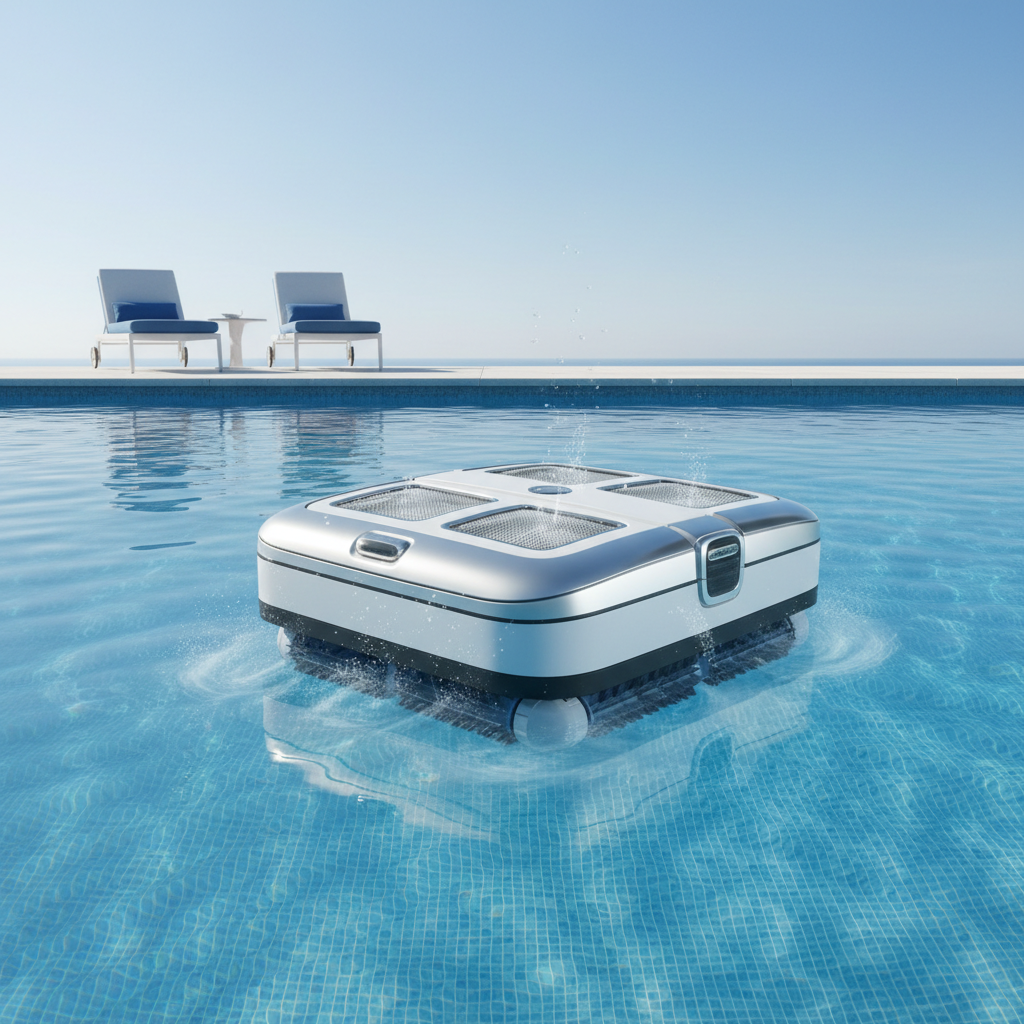
Robotic pool cleaners are autonomous devices designed to navigate and clean your swimming pool, scrubbing surfaces and filtering water to remove debris. They operate independently of your pool's main filtration system, often resulting in cleaner water and reduced chemical use. Choosing the right one can save you hours of manual scrubbing and maintenance each week.
The Problem
Traditional pool cleaning methods are time-consuming and often inefficient. Manually scrubbing walls, skimming debris, and vacuuming the bottom can easily consume several hours of your weekend, especially for larger pools. This constant upkeep can deter homeowners from enjoying their pools to the fullest. Beyond the time commitment, manual cleaning can be inconsistent, leaving some areas overlooked, and it often stirs up fine sediment, requiring extra filtration or chemical treatment. Furthermore, relying solely on your pool's built-in filtration system to handle all debris places strain on your pump and filter, leading to increased energy consumption and more frequent backwashing or filter cartridge replacements.
How It Works
Robotic pool cleaners are essentially self-contained cleaning machines. They operate by drawing water through an internal pump, which then passes it through a fine-mesh filter basket or bag, trapping dirt, leaves, and other debris. Unlike pressure-side or suction-side cleaners that rely on your pool's pump, robotic cleaners use their own low-voltage motors. These motors not only power the internal filtration but also drive the wheels or tracks that allow the robot to move around the pool. Many advanced models incorporate sophisticated onboard computers and sensors, including gyroscopes and accelerometers, to map your pool's dimensions and optimize their cleaning path. Some even use sonar or infrared sensors to detect walls and obstacles, ensuring comprehensive coverage and preventing them from getting stuck. Brushes, typically made of PVC or rubber, are strategically placed to agitate and scrub the pool's surfaces, dislodging stubborn algae and grime before it's vacuumed up. Once the cleaning cycle is complete, or the filter is full, the robot can be easily removed, and its filter basket cleaned, a task that generally takes only a few minutes.
Step-by-Step Fix
While robotic pool cleaners are largely autonomous, there are a few "fixes" and setup steps to ensure optimal performance and longevity.
-
Initial Setup and Placement — Unpack and prepare your robot
- Carefully unbox your robotic pool cleaner and read the manufacturer's instructions. Most models require minimal assembly, often just attaching the floating cable. Ensure the power supply is placed at least 10 feet from the pool edge, away from direct sunlight or splashes. Submerge the cleaner slowly into the pool, tilting it to release any trapped air bubbles. The robot should sink to the bottom smoothly.
- Safety Note: Always ensure the power supply is unplugged before handling the robot in or near the water.
-
Understand Cleaning Modes — Optimize for your pool's needs
- Many robotic cleaners offer different cleaning modes, such as "floor only," "walls and floor," or "waterline." Consult your manual to select the appropriate mode for your cleaning session. For weekly maintenance, a comprehensive "walls and floor" cycle is usually best. If you notice a specific problem, like a dirty waterline, you can run a targeted cycle.
-
Regular Filter Cleaning — Maintain filtration efficiency
- After each cleaning cycle, remove the filter basket or bag and rinse it thoroughly with a garden hose. This is crucial for preventing a build-up of debris, which can reduce suction power and cleaning effectiveness. For very fine dust or pollen, you may need to gently scrub the filter mesh. Allow the filter to air dry completely before reinserting it if recommended by the manufacturer.
- If this doesn't work: If filters always seem clogged after a short time, consider if there's an underlying problem like excessive debris in the pool from nearby trees, or if your pool chemistry is off, causing algae growth.
-
Cable Management — Prevent tangles and wear
- Uncoil the majority of the floating cable before each use to prevent tangles and kinks, which can interfere with the robot's movement and reduce its reach. Avoid leaving excess cable coiled on the deck during operation; it can create a tripping hazard and potentially damage the cable over time. Some advanced models include swivel mechanisms in their cables to prevent tangling.
-
Brush Inspection and Cleaning — Ensure optimal scrubbing
- Periodically inspect the brushes for wear or lodged debris (like hair or string). Remove any entangled material to ensure the brushes can effectively scrub the pool surfaces. Worn brushes can reduce cleaning performance and may need to be replaced according to the manufacturer's recommendations, typically every 1-2 years depending on usage.
-
Impeller Check — Clear blockages for strong suction
- If you notice reduced suction or debris not being picked up, check the impeller (the fan-like mechanism that draws water) for blockages. Hair, leaves, or even small stones can get lodged here. Refer to your manual for instructions on how to safely access and clear the impeller. Always disconnect power first.
-
Software Updates (for Smart Models) — Keep features current
- If your robotic pool cleaner is a "smart" model with Wi-Fi connectivity, check for firmware updates occasionally. Manufacturers often release updates to improve navigation, add new features, or fix bugs. Follow the app's instructions for seamless updates. This is akin to updating your phone or computer.
-
Off-Season Storage — Protect your investment
- When closing your pool for the season, ensure the robotic cleaner is thoroughly cleaned, dried, and stored in a cool, dry place, away from direct sunlight and freezing temperatures. Disconnect the power supply and coil the cable neatly. Proper storage extends the life of your unit.
Common Causes
Homeowners often turn to robotic pool cleaners due to several common frustrations with traditional pool maintenance:
- Time Constraints: Busy schedules leave little room for manual scrubbing, skimming, and vacuuming, turning pool ownership into a chore rather than a pleasure.
- Ineffective Manual Cleaning: Human error leads to missed spots, especially in corners, on steps, or along the waterline, resulting in less-than-pristine pool conditions.
- High Energy Costs of Main Pump: Running the main pool pump for extended periods just for filtration can be expensive. Robotic cleaners operate independently and are typically more energy-efficient.
- Filter System Strain: The pool's main filter can become overwhelmed by excessive debris, requiring frequent backwashing (for sand or D.E. filters) or cartridge cleaning/replacement (for cartridge filters), increasing water waste and maintenance.
- Algae Prevention: Consistent, thorough scrubbing by a robot helps prevent algae from taking hold on pool surfaces, reducing the need for harsh chemical treatments.
Common Mistakes
Even with a high-tech robotic pool cleaner, homeowners can make mistakes that hinder its performance or longevity:
- Not Cleaning the Filter After Every Use: This is the most common error. A clogged filter severely impacts suction and overall cleaning effectiveness, leading to dirt being redistributed rather than collected.
- Leaving the Cleaner in the Pool Constantly: While convenient, continuous submersion can accelerate wear and tear on seals, motors, and plastic components due to prolonged exposure to pool chemicals and UV rays.
- Ignoring Cable Tangles: A tangled cable restricts the robot's movement, potentially damaging the cable's internal wiring over time and leaving parts of the pool unclean.
- Not Checking the Impeller: Blockages in the impeller reduce water flow and suction, causing the robot to perform poorly. This is often overlooked when troubleshooting.
- Overlooking Brush Wear: Worn brushes cannot effectively scrub surfaces, leaving dirt and algae behind. Neglecting replacement reduces the robot's cleaning power significantly.
- Improper Storage: Storing the robot in direct sunlight, extreme temperatures, or a damp environment can lead to premature failure of electronic components and plastic parts.
Cost & Time Breakdown
| Task | DIY cost | Pro cost | Time |
|---|---|---|---|
| Robotic Cleaner Purchase | $500–$2,000 | N/A | N/A |
| Weekly Filter Cleaning | $0 | N/A | 5–10 minutes |
| Brush Replacement (DIY) | $30–$80 | N/A | 15–30 minutes |
| Impeller Clearing (DIY) | $0 | N/A | 10–20 minutes |
| Annual Service/Check (Pro) | N/A | $100–$200 | 1–2 hours |
Tips & Prevention
- Run Schedules: Utilize programmable cleaning schedules if your robot offers them. Running the cleaner 2-3 times a week for 2-3 hours can keep most pools sparkling without constant attention. Consider scheduling during off-peak electricity hours to save money.
- Pre-Clean Heavy Debris: If a storm has dumped a large amount of leaves or branches into your pool, manually skim out the largest debris first. This prevents the robot's filter from clogging too quickly and protects its impeller.
- Maintain Pool Chemistry: A balanced pool chemistry reduces the likelihood of algae growth and scale buildup, making the robot's job easier and extending the life of its components. Improper pH or chlorine levels can also prematurely wear out plastic and rubber parts.
- Inspect Regularly: Beyond just cleaning the filter, give your robot a quick visual inspection before and after each use. Look for cracks in the casing, frays in the cable, or unusual wear on the wheels/tracks.
- Deep Clean Filters Periodically: For very fine sediment, a regular hose rinse might not be enough. Every few weeks, soak the filter basket or bag in a mild detergent solution (like dish soap and water) to break down oils and fine particles, then rinse thoroughly.
When to Call a Professional
While robotic pool cleaners are designed for DIY maintenance, there are specific situations where professional help is warranted. If your robotic cleaner completely stops working, displays error codes you can't troubleshoot with the manual, or exhibits intermittent power issues, it's time to contact a licensed pool equipment repair technician. They have the specialized tools and diagnostic equipment to identify and fix internal electrical or motor malfunctions. Additionally, if your unit is still under warranty, attempting complex repairs yourself could void it. For issues beyond routine filter cleaning, brush replacement, or impeller clearing, such as motor seizure, circuit board failure, or repeated sensor errors, a professional can provide certified repairs or advise on replacement options, ensuring you don't worsen the problem or spend money on incorrect parts.
Related Articles
Keep troubleshooting with these hand-picked guides from FixlyGuide:
- The 7 Critical Household Filters You're Forgetting (And What They Cost You) — Neglected household filters are quietly costing you money, diminishing air quality, and paving the way for expensive repairs. Discover the…
- The Secret Window AC Trick That Slashes Your Summer Electric Bill By 30% — Mastering simple window AC maintenance can significantly reduce your cooling costs and extend the life of your unit, often by more than 30%.
- The Secret Power Tool Hiding in Your Garage for a Speedier Clean — Unlock the hidden potential of your cordless drill to tackle stubborn household grime, soap scum, and dirt with specialized cleaning attach…
- Is a Wall-Mounted Pressure Washer Right for Your Garage? The Unvarnished Truth — Discover if a wall-mounted pressure washer is the right cleaning solution for your home, offering a powerful and space-saving alternative t…
- 7 Hidden Equity Drains Costing You Thousands Annually — Your home is an asset, but silent problems like minor leaks, poor insulation, and deferred maintenance can drain its value. Discover the se…
- What's That Burning Dust Smell When Your Heat Kicks On? The HVAC Secret — That burning dust smell when your furnace starts is usually harmless, but it signals it's time for some essential HVAC maintenance.
What should this project cost?
Enter your project details for a realistic cost range before you call anyone.
Cost depends heavily on which system turns out to be the source.
- Regional adjustment
- National average
- Labor share (typical)
- ~$1,620
- Quotes to collect
- 3 written estimates
Educational estimate based on national averages — not a binding quote. Always confirm with written local estimates.
Get the print-ready PDF of this guide
A clean, ad-free, printable version you can keep on your phone or pin to the workshop wall. Free with a FixlyGuide account.
- Print-optimized layout
- Tools, materials & every step included
- Saved to your account
This article was independently written by FixlyGuide based on the source topic.
Frequently asked questions
How often should I run my robotic pool cleaner?+
For most pools, running your robotic cleaner 2-3 times a week for 2-3 hours per session is sufficient to maintain a clean pool. Adjust frequency based on debris load and pool usage.
Can I leave my robotic pool cleaner in the pool all the time?+
It's generally not recommended to leave your robotic cleaner in the pool constantly. Prolonged exposure to chemicals and UV rays can accelerate wear and tear. Remove it after each cleaning cycle, clean the filter, and store it properly.
Why is my robotic pool cleaner not picking up debris?+
The most common reasons for a robotic cleaner not picking up debris are a clogged filter basket/bag, a blocked impeller, or worn brushes. Always check and clean these components first. Also, ensure the unit is fully submerged and purged of air.
How long do robotic pool cleaners last?+
With proper care and maintenance, a good quality robotic pool cleaner can last anywhere from 3 to 7 years. Factors like usage frequency, pool chemistry, and proper storage significantly impact its lifespan.
Are robotic pool cleaners worth the cost?+
For many homeowners, the time savings, reduced chemical use, and consistently cleaner pool provided by a robotic pool cleaner make it a worthwhile investment, despite the initial cost.
Discussion
Loading comments…