
- Missing or cracked shingles: These are clear entry points for water. Pay extra attention after severe weather.
- Curling or buckling shingles: Shingles that are curling at the edges or buckling in the middle indicate aging or improper installation.
- Discoloration: Dark streaks or patches can indicate algae or moss growth, which holds moisture and can degrade shingles over time.
Plumbing · Leak
| Project category | Plumbing |
|---|---|
| Problem type | Leak |
| Trade required | Plumbing |
| Urgency | Emergency — act now |
| Safety risk | High safety risk |
| DIY suitability | DIY for experienced homeowners |
| Cost category | Low cost |
| Typical timeline | Shut water off now; repair usually same or next day |
| Contractor type | Licensed plumber |
Repair option
Isolate at the shutoff, replace the failed component, and dry the cavity fully.
Replacement option
Repipe the run or the branch when corrosion is widespread.
Common causes
- Failed supply line or shutoff valve
- Worn washers, cartridges, or P-trap connections
- Pinhole corrosion in older copper
Relevant tools:emergency checklistdiy or hire a pro
Published May 23, 2026Last updated August 17, 2026
Tools & materials you'll need
Affiliate links- AmazonBinoculars1 pair
- AmazonDigital camera or smartphone with zoomFor documenting findings
- AmazonNotepad and penFor recording observations
- AmazonComfortable walking shoesFor safely navigating around the house
- AmazonLong-sleeved shirt and pantsFor sun protection and comfort
- AmazonLadder (optional)Only for inspecting gutters and soffits, *not* for climbing onto the roof.
No materials required.
As an Amazon Associate FixlyGuide earns from qualifying purchases — at no extra cost to you. Prices and availability are accurate as of publication and subject to change.
Quick Answer
Inspecting your roof from the ground is a smart and safe way to keep an eye on its condition. By using a good pair of binoculars and walking around your home, you can identify many common issues like missing or damaged shingles, excessive granule loss, deteriorating flashing, and clogged gutters. This proactive approach helps you catch potential problems early, often preventing minor issues from escalating into expensive leaks or structural damage, and informs you when it's time for professional intervention without ever needing to step foot on the roof itself.
The Problem
Many homeowners neglect regular roof inspections, often waiting until a visible leak appears inside their home. This delayed action can turn a relatively simple and inexpensive repair into a major, costly undertaking involving interior damage, mold remediation, and extensive roof work. The primary problem is an unawareness of how to effectively and safely assess roof health from the ground, leading to missed early warning signs that could prevent catastrophic failure. Without a routine ground-level inspection, problems like lifted shingles, compromised flashing, or granule deterioration go unnoticed, accelerating the aging process of the roof and leaving your home vulnerable to water intrusion and structural damage.
How It Works
Your roof is a complex system designed to shed water and protect your home from the elements. Understanding its basic components helps you know what to look for during an inspection. The most common roofing material is asphalt shingles, which consist of a fiberglass mat saturated with asphalt and coated with ceramic granules. These granules protect the asphalt from UV degradation and contribute to the shingle's fire resistance and color.
Shingles are laid in overlapping courses, creating a waterproof barrier. Underneath the shingles, you'll find an underlayment (typically felt or synthetic material) which provides an additional layer of protection. This underlayment is installed over the roof decking, usually plywood or OSB, which is fastened to the roof trusses or rafters – the structural framework of your roof.
Crucial to water diversion are the various flashing components. Flashing is thin, waterproof material (often metal) used to seal joints, seams, and penetrations on the roof, such as around chimneys, skylights, vent pipes, and in valleys where two roof planes meet. Properly installed flashing prevents water from seeping into these vulnerable areas.
Ventilation is another key aspect. Ridge vents, soffit vents, and other specialized roof vents allow air to circulate through the attic. This circulation helps regulate attic temperature, reducing heat buildup in summer and preventing ice dam formation in winter. Proper ventilation also prevents moisture accumulation, which can lead to mold, mildew, and premature deterioration of roof decking and insulation.
Finally, the gutter system, though technically separate, is integral to roof health. Gutters and downspouts collect rainwater runoff from the roof and direct it away from the foundation. Clogged or damaged gutters can cause water to back up onto the roof, seep behind fascia boards, or pool around the foundation, leading to various water damage issues. Understanding how these elements work together provides a framework for identifying signs of wear, damage, or improper function during your ground-level inspection.
Step-by-Step Fix
A ground-level roof inspection is not a "fix" in itself, but a diagnostic process. The "fix" is identifying problems early so you can address them.
1. Gear Up Safely — Gather your essential tools for a thorough, safe inspection.
Before you even step outside, grab a quality pair of binoculars with at least 7x magnification. A digital camera or smartphone with a good zoom feature is also indispensable for documenting findings. You might also want a notepad and pen to jot down observations. Ensure you're wearing comfortable shoes and appropriate clothing for walking around your property. Never attempt to get on the roof yourself, especially if you're not trained or comfortable with heights.
2. Walk the Perimeter — Begin your visual assessment by circling your home.
Start by walking around the entire perimeter of your house, maintaining a distance that allows you to see the roofline clearly, without straining your neck too much. Look for any obvious sagging or unusual dips in the roof planes. A healthy roofline should appear straight and uniform. Take photos of anything that looks remotely out of place.
3. Examine Shingle Integrity — Scrutinize individual shingles for damage and wear.
Using your binoculars, zoom in on different sections of the roof. Look for:
- Missing or cracked shingles: These are clear entry points for water. Pay extra attention after severe weather.
- Curling or buckling shingles: Shingles that are curling at the edges or buckling in the middle indicate aging or improper installation.
- Granule loss: Examine gutters and downspout splash blocks for an accumulation of shingle granules, which look like coarse sand. Excessive granules suggest the shingles are nearing the end of their lifespan. Light granule loss is normal, but large amounts are a red flag.
- Discoloration: Dark streaks or patches can indicate algae or moss growth, which holds moisture and can degrade shingles over time.
4. Inspect Flashing & Penetrations — Focus on critical areas where water often infiltrates.
These are the most common leak points. Use your binoculars to closely inspect:
- Chimneys: Look for cracks in the chimney crown, deteriorating mortar joints (re-pointing might be needed), and any gaps in the flashing where the chimney meets the roof. Metal flashing should be clean, tight, and free of rust or bends.
- Vent pipes: Check the rubber boot (often called a "neoprene boot" or "pipe collar") around plumbing vents for cracks or deterioration. This is a very common source of leaks.
- Skylights: Examine the sealant around skylights for cracking or peeling. Look for signs of water staining around the interior frame of the skylight from inside your home, especially after rain.
- Valleys: These are the V-shaped channels where two roof sections meet. Ensure they are free of debris and that the shingles (or metal flashing) in the valley are intact and lying flat.
5. Assess Gutters & Downspouts — Verify proper water drainage around your home.
While not strictly part of the roof structure, healthy gutters are essential for roof longevity.
- Clogs: Look for leaves, twigs, and shingle granules blocking gutters. Clogged gutters can cause water to back up under shingles or pool around your foundation.
- Sags or detached sections: Gutters should have a slight slope towards the downspouts and be firmly attached to the fascia. Sags indicate potential pooling, and detached sections mean water isn't being diverted correctly.
- Downspout discharge: Ensure downspouts direct water at least 5-10 feet away from your foundation.
6. Look for Soffit & Fascia Damage — Identify signs of water or pest intrusion along the eaves.
The soffit is the underside of your roof's eaves, and the fascia is the board running along the edge.
- Rot or peeling paint: These are strong indicators of moisture damage, often from overflowing gutters or ice dams.
- Holes or nests: Look for signs of pest entry (birds, squirrels, insects) which can compromise the attic and roof structure.
7. Check for Sagging Decking — Identify structural issues from the ground and attic.
From the ground, look along the roof plane for subtle dips or bows, especially between rafters. From inside your attic (if accessible and safe), use a strong flashlight to check the underside of the roof deck. Look for:
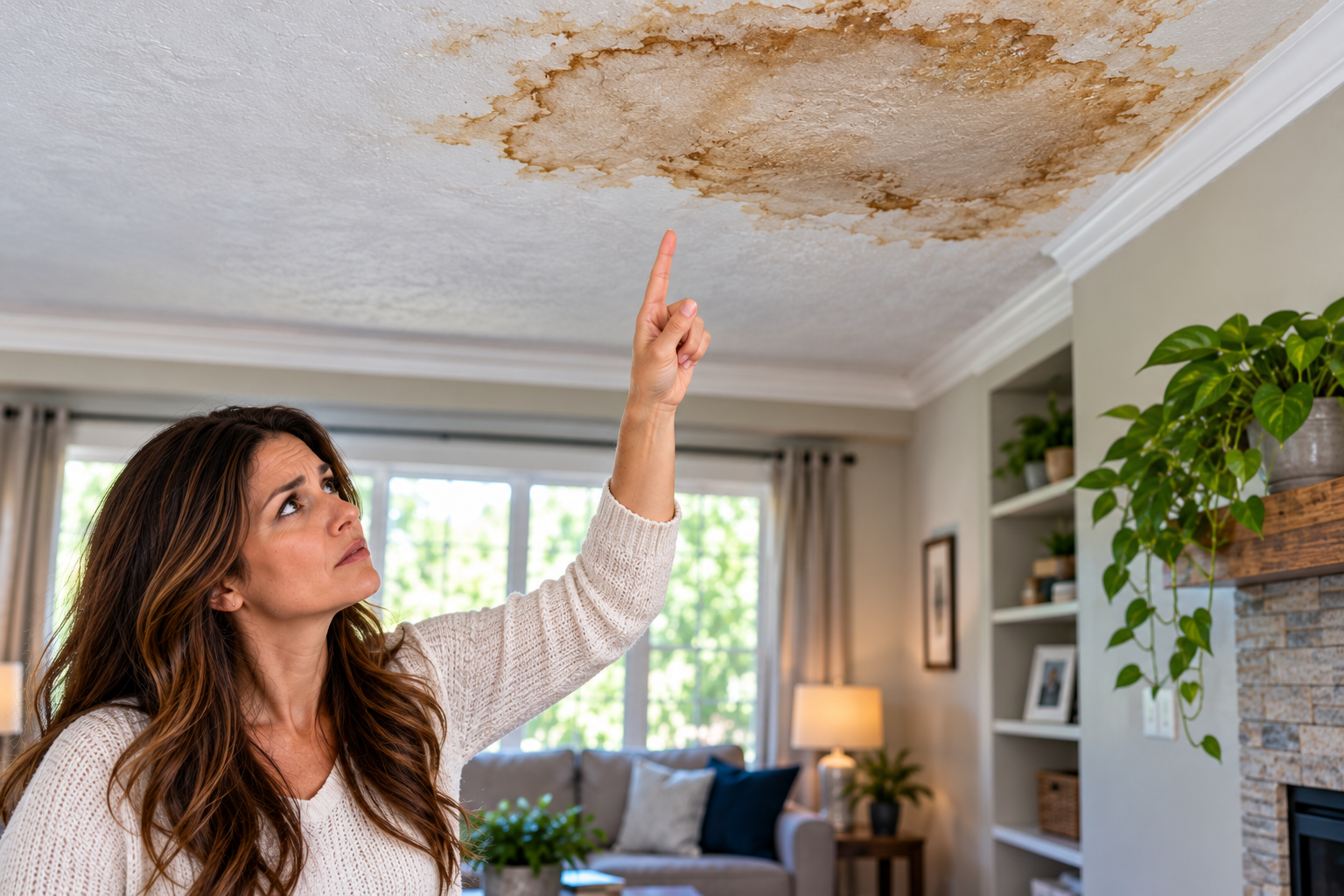
- Water stains or streaks: These indicate current or past leaks.
- Mold or mildew: Evidence of prolonged moisture problems.
- Daylight: If you can see daylight coming through the roof, you have a serious penetration that needs immediate attention.
8. Document & Monitor — Keep records and watch for changes.
Take clear photos of any issues you find. Note their location (e.g., "north side, near chimney"). Keep these records and compare them during future inspections. A small crack today might be a significant problem next year. Regular monitoring helps you track deterioration and decide when professional repair is necessary.
Common Causes
- UV Exposure: The sun's ultraviolet rays are the primary enemy of asphalt shingles, causing them to dry out, lose flexibility, and shed protective granules over time. This is a slow, relentless process but is the leading cause of material degradation.
- Storm Damage: High winds can lift and tear shingles, hail can bruise and crack them, and heavy rain or snow can exacerbate existing weaknesses. Even seemingly minor storms can inflict damage that only becomes apparent weeks or months later.
- Thermal Expansion & Contraction: The daily and seasonal heating and cooling cycles cause roofing materials to expand and contract. Over years, this movement can stress shingles, flashing, and fasteners, leading to cracks, loosening, and fatigue.
- Improper Installation: A roof installed incorrectly from the start often fails prematurely. Issues like insufficient nailing, improper shingle overhang, or faulty flashing details can lead to leaks and shingle loss much sooner than expected.
- Lack of Maintenance: Neglecting to clean gutters, trim overhanging branches, or address minor repairs allows small problems to grow into major ones. Debris accumulation, especially in valleys, traps moisture and accelerates deterioration.
- Poor Ventilation: An attic that isn't properly ventilated traps heat and moisture, which can "cook" the underside of the roof deck and shingles, significantly reducing their lifespan and contributing to issues like shingle curling and warping.
- Age: Simply put, roofs have a lifespan. Even under ideal conditions, asphalt shingles will eventually wear out, typically between 15 and 30 years, depending on the material quality, climate, and maintenance.
Common Mistakes
- Ignoring the Gutters: Many homeowners focus solely on the roof surface and overlook the critical role of gutters. Clogged gutters cause water to back up, leading to fascia rot, soffit damage, and even water intrusion under the eaves. Always check and clean your gutters.
- Waiting for a Leak: A visible leak inside your home often means the roof has been failing for some time and internal damage has already occurred. Regular ground-level inspections can catch issues long before they manifest as interior leaks.
- Disregarding Small Details: A single missing shingle tab or a small crack in a vent boot might seem insignificant, but these are often the first points of failure that can lead to larger, more expensive problems if left unaddressed.
- Assuming a DIY Fix for Everything: While ground-level inspection is DIY, actual roof repairs can be dangerous and complex. Attempting to walk on a damaged roof or perform repairs without proper safety gear and experience can lead to injury or further damage. Know when to call a professional.
- Forgetting About the "Hard-to-See" Areas: The side of the roof facing away from the street, or sections obscured by trees, are often neglected. These areas can have significant damage that goes unnoticed. Make sure to circle your entire home and use binoculars for all sections.
- Not Documenting Findings: Relying on memory is a mistake. Take photos, note dates, and record observations. This creates a history of your roof's condition, making it easier to track deterioration and make informed decisions about repairs or replacement.
Cost & Time Breakdown
| Task | DIY cost | Pro cost | Time |
|---|---|---|---|
| Ground-level inspection | $0 | N/A | 30–60 minutes |
| Minor shingle repair (DIY) | $10–$50 | N/A | 1–2 hours |
| Gutter cleaning (DIY) | $0 (if you have ladder) | $100–$250 | 1–3 hours |
| Professional roof inspection | N/A | $0–$300 (often waived with repair) | 1–2 hours |
| Shingle replacement (pro) | N/A | $400–$1,000 (per square) | 2–5 days (full roof) |
| Flashing repair (pro) | N/A | $200–$600 | Half-day |
Tips & Prevention
- Regular Inspections (Twice Yearly): Schedule ground-level inspections twice a year, typically in spring and fall. Spring inspections help identify winter damage, while fall inspections prepare your roof for the colder months.
- Clean Gutters Regularly: Clear gutters of leaves, twigs, and debris at least twice a year, or more often if you have many overhanging trees. This prevents water backup and ensures proper drainage away from your foundation.
- Trim Overhanging Branches: Keep tree branches trimmed back at least 6-8 feet from your roof surface. This prevents leaves from accumulating, reduces damage from falling branches, and minimizes access points for pests.
- Monitor for Granule Loss: Periodically check your gutters and downspout splash blocks for an accumulation of shingle granules. A small amount is normal, but a significant collection is a strong indicator that your shingles are wearing out.
- Address Moss/Algae Promptly: While not immediately damaging, moss and algae hold moisture against the shingles, accelerating their deterioration. Consider a zinc or copper strip installation along the ridge to inhibit growth, or a cautious cleaning with a low-pressure garden hose (never a pressure washer).
- Keep Records: Maintain a file of your inspection notes, photos, and any repair invoices. This documentation can be invaluable for insurance claims, warranty tracking, and assessing the long-term health of your roof.
When to Call a Professional
You should call a licensed roofing professional if you identify any significant damage that requires walking on the roof, such as widespread missing or severely damaged shingles, extensive granule loss across large sections, or visible holes/sags in the roof deck. Any signs of water staining in your attic, persistent drips, or concerns about flashing integrity around chimneys, vents, or skylights also warrant a professional assessment, as these often indicate active leaks. Furthermore, if your inspection reveals potential structural issues, widespread moss or algae that you're uncomfortable treating, or concerns about your roof's overall age and impending replacement, a professional roofer can provide expert advice and safe, effective solutions. Never attempt to get on the roof yourself, especially if you're not trained or comfortable with heights or if the roof is steep or wet, as this poses a serious fall risk.
Safety Note:
Never climb onto your roof yourself unless you are a trained professional with appropriate safety gear. Falls from roofs are a leading cause of serious injury and death for homeowners. All inspections described in this article are specifically designed to be performed safely from the ground using binoculars or a camera. If you identify any issues that require a closer look or direct repair, always contact a licensed and insured roofing contractor.
Related Articles
Keep troubleshooting with these hand-picked guides from FixlyGuide:
- The 3 Critical Mistakes Homeowners Make Inspecting Their Roof (From the Ground) — Learn how to spot damaging roof problems safely from the ground, avoiding common pitfalls and knowing exactly what to look for.
- The 5 Hidden Warning Signs Your Roof Is Failing (Before It's Too Late) — Learn to spot critical roof issues from the ground using binoculars, protecting your home from costly damage and extending your roof's life…
- The 7 Critical Home Inspection Checks Most Homeowners Miss (and How to Do Them Yourself) — Discover the essential annual home inspection checks many homeowners overlook and learn how to perform them yourself to prevent costly repa…
- The 4 Hidden Signs Your Soffit & Fascia Are Failing (And What To Do) — Spotting early signs of soffit and fascia damage can prevent costly repairs and protect your home's structure from water and pest intrusion.
- Is Your Roofline Hiding a $10,000 Secret? 7 Warnings Your Soffit & Fascia Are Failing — Discover the critical signs of soffit and fascia damage that could indicate widespread problems and how to properly address them before the…
- Is That Hail Damage on Your Siding? 5 Hidden Signs Most Homeowners Miss — Discover how to inspect your siding for hidden hail damage, understand the different types, and navigate the repair or replacement process.
What should this project cost?
Enter your project details for a realistic cost range before you call anyone.
Spot repairs commonly run $400–$1,800; full replacement typically $9,000–$18,000 for an average home.
- Regional adjustment
- National average
- Labor share (typical)
- ~$2,948
- Quotes to collect
- 3 written estimates
Educational estimate based on national averages — not a binding quote. Always confirm with written local estimates.
Fixly Project Decision Box
- DIY difficulty
- Professional Recommended
- Estimated time
- Inspection 1–2 hours · repairs 1–3 days
- Cost level
- High
Main tools / materials
- Binoculars for a ground-level look
- Flashlight for attic checks
- Moisture meter
- Roofing cement (temporary patch only)
When to stop and call a pro
- Active leak near lights, fans, or any wiring
- Sagging, bulging, or water-filled ceiling
- Steep, wet, or two-story roof — do not climb it
- Storm or hail damage you plan to claim on insurance
Need professional help?
Free roof assessment first — no phone calls until you ask for them.
Get Local Roofing HelpDecide what your roof needs
Two minutes of questions turns "something is wrong up there" into a clear next step.
- Repair or replace your roof?Answer 10 questions about age, leaks, and damage to get a clear next step.Open
- Compare contractor quotesScore up to four bids on price, warranty, licensing, and timeline.Open
- Get local estimatesSend one request and compare written estimates from vetted pros.Open
Free, no signup required. Estimates are educational guidance, not a quote or an inspection.
Recommended for DIYers & woodworkers
Sponsored
The Top 20 Tools for Workshops of Any Budget
No stationary machines or power tools required — plus 3 fundamental tools that can't be bought at any price.
Get the free guide
Ted's Woodworking — The #1 Woodworking Resource
Detailed instructions, dimensioned drawings, materials & cutting lists, and 3D schematics for every skill level.
See the plansSponsored: links above are affiliate links. FixlyGuide may earn a commission on qualifying purchases — at no extra cost to you.
Frequently asked questions
How often should I inspect my roof from the ground?+
You should inspect your roof from the ground at least twice a year, typically in the spring to check for winter damage and in the fall to prepare for colder weather. It's also wise to do a quick visual check after any severe weather event, like a strong windstorm or hailstorm.
What's the most common sign of roof damage I can see from the ground?+
Excessive shingle granule loss (small, sand-like particles in your gutters or on the ground) is one of the most common and clear signs of an aging roof. Missing, cracked, or severely curled shingles are also very indicative of damage.
Can I really see everything from the ground with binoculars?+
While a ground-level inspection won't catch every hidden issue, a good pair of binoculars allows you to see significant signs of wear and tear, such as damaged shingles, compromised flashing details around chimneys and vents, and excessive moss growth. It's an excellent first step before calling a professional.
What should I do if I find moss or algae on my roof?+
Minor moss or algae can often be managed by ensuring proper ventilation and keeping branches trimmed. For more significant growth, consider installing zinc or copper strips along the ridge, which release tiny particles that inhibit growth. Never use a pressure washer on shingles, as it can cause significant damage. For severe cases, consult a roofing professional for safe cleaning methods.
When does granule loss mean my roof needs replacing?+
A small amount of granule loss in gutters is normal over a roof's lifespan. However, if you see large, consistent accumulations of granules, or notice bald spots on your shingles from the ground, it's a strong indicator that the shingles are severely worn and nearing the end of their service life, suggesting it's time to consider a professional roof replacement estimate.


Discussion
Loading comments…