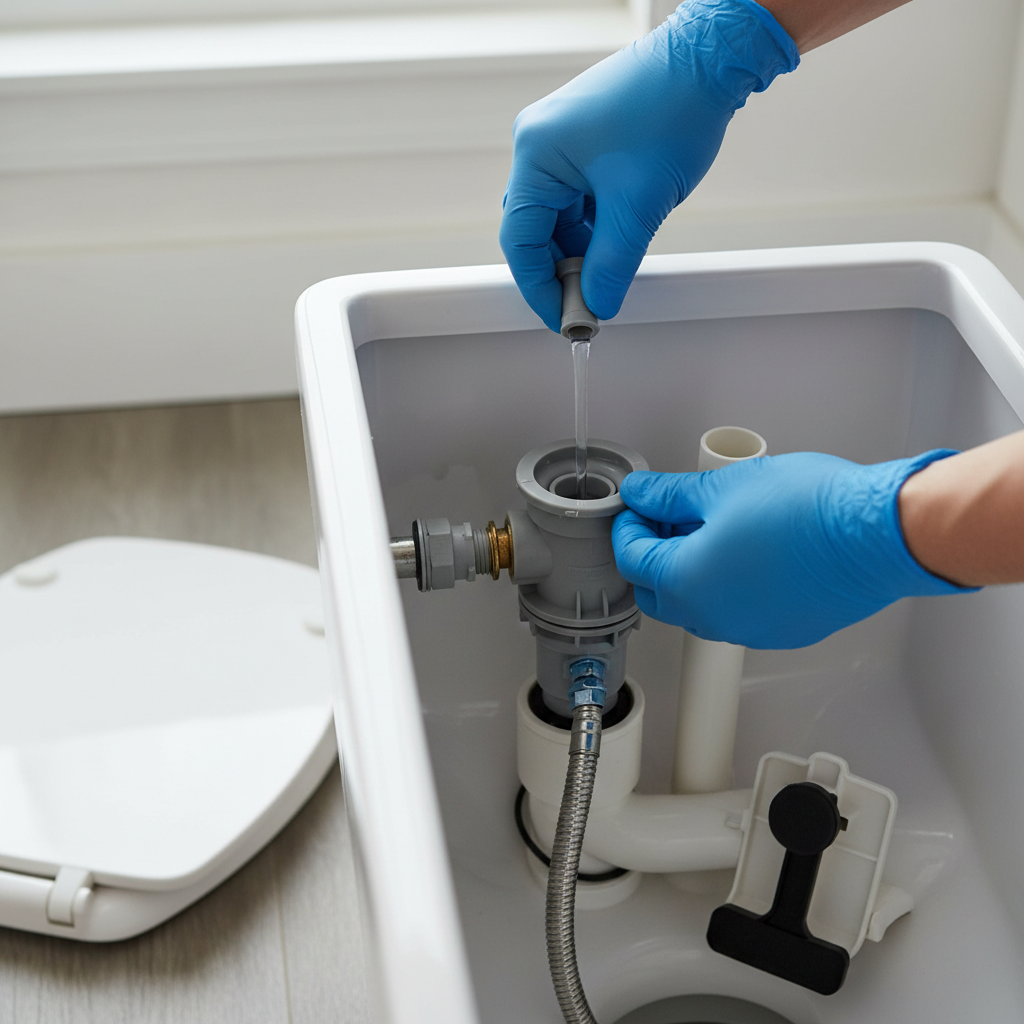
- Turn off the water supply and drain the tank completely.
- Disconnect the supply line and unscrew the large retaining nut on the underside of the tank that holds the fill valve in place.
- Remove the old fill valve.
- Follow the instructions provided with your new fill valve to install it. Typically, this involves inserting the new valve, tightening the retaining nut, adjusting the height, connecting the refill tube, and reattaching the supply line.
- Turn on the water supply slowly and check for leaks. Adjust the float level to ensure proper water level in the tank.
Plumbing · Leak
| Project category | Plumbing |
|---|---|
| Problem type | Leak |
| Trade required | Plumbing |
| Urgency | Emergency — act now |
| Safety risk | High safety risk |
| DIY suitability | DIY for experienced homeowners |
| Cost category | Low cost |
| Typical timeline | Shut water off now; repair usually same or next day |
| Contractor type | Licensed plumber |
Repair option
Isolate at the shutoff, replace the failed component, and dry the cavity fully.
Replacement option
Repipe the run or the branch when corrosion is widespread.
Common causes
- Failed supply line or shutoff valve
- Worn washers, cartridges, or P-trap connections
- Pinhole corrosion in older copper
Relevant tools:emergency checklistdiy or hire a pro
Published May 27, 2026Last updated August 18, 2026
Tools & materials you'll need
Affiliate linksAs an Amazon Associate FixlyGuide earns from qualifying purchases — at no extra cost to you. Prices and availability are accurate as of publication and subject to change.
Quick Answer
AA slow-filling toilet tank is most commonly caused by a partially closed water supply valve, a clogged or obstructed fill valve, or a damaged fill valve diaphragm. In many cases, you can diagnose and fix the issue in under an hour with basic tools and no plumbing experience. Start by checking the water supply valve and then proceed to inspect and clean the fill valve components.
The Problem
You flush your toilet, and instead of the tank refilling promptly, you're left waiting an unusually long time. This isn't just an inconvenience; a slow-filling tank can lead to longer waits between flushes, potential odor issues if the bowl isn't refilled quickly enough, and even slightly higher water bills if the fill valve isn't sealing properly after its long refill cycle. The underlying issue is almost always a restriction in the water flow from your home's main supply into the toilet tank's fill valve assembly. This restriction can be minor—like a partially closed shut-off valve—or more significant, such as mineral deposits clogging the intricate passages of the fill valve.
How It Works
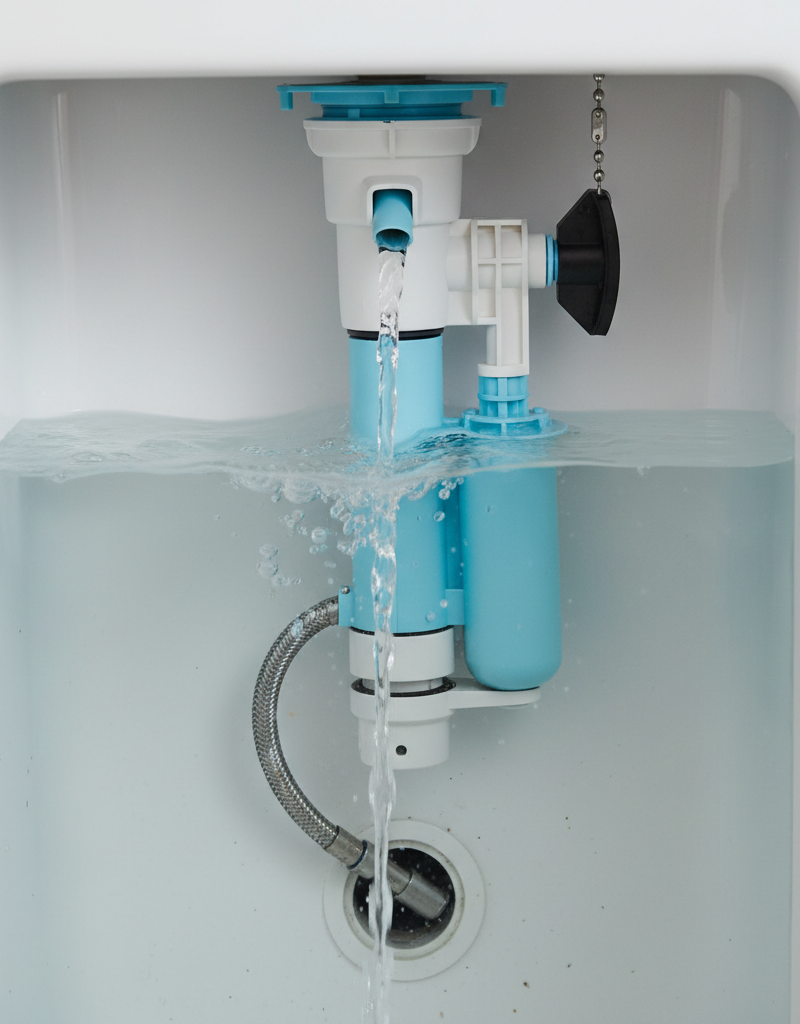
To understand why your toilet tank fills slowly, it helps to know how a toilet's fill mechanism operates. When you flush, the water in the tank rushes into the bowl, creating the siphon action that clears waste. As the tank empties, the float (either a cup on a rod or an old-fashioned ball float) drops, which in turn opens the fill valve. The fill valve is the heart of the toilet's refilling system, a complex plastic mechanism typically located on the left side of the tank. It features an inlet where fresh water from your home's supply line enters, a body that houses a diaphragm or seal, and an outlet that directs water both into the tank and into the overflow tube via a small refill tube to replenish the bowl's trap seal.
When the fill valve opens, water under pressure from your home's plumbing system flows through the valve. The diaphragm within the valve acts as a gate, opening to allow water flow and closing when the rising water level lifts the float, signaling that the tank is full. If any part of this pathway—from the main shut-off valve under the toilet to the tiny orifices within the fill valve—becomes restricted, the rate at which water can enter the tank slows down. Mineral deposits (limescale, rust), debris, or even a worn-out diaphragm can all impede this flow, leading to a frustratingly slow refill cycle.
Step-by-Step Fix
1. Inspect the Water Supply Valve – Ensure the under-toilet shut-off valve is fully open.
Locate the small oval or round handle on the wall or floor near the base of your toilet, where the flexible supply line connects. This is the toilet's shut-off valve. Over time, these valves can get bumped, or internal components can seize slightly, leaving them partially closed. Turn the handle counter-clockwise as far as it will go to ensure it's fully open. If it feels stiff or resists turning, do not force it; apply gentle, consistent pressure. Sometimes, just exercising the valve (turning it fully closed and then fully open) can dislodge minor internal debris. If you find the valve barely open, this could be your entire problem. Test the toilet's refill speed after opening.
2. Check the Fill Valve's Refill Tube – Confirm proper placement and clear any obstructions.
The small, flexible refill tube connects the top of the fill valve to the overflow tube in the center of the tank. This tube is crucial for refilling the toilet bowl after a flush, ensuring the trap seal is maintained. If this tube is kinked, submerged too deeply into the overflow pipe, or dislodged, it can create back pressure or restrict flow within the fill valve itself, slowing the tank's fill rate. Ensure it's gently curved into the overflow pipe, not inserted more than an inch or two, and free of kinks. If it's dislodged, simply reattach it to the fill valve's nipple and direct it into the overflow tube.
3. Clean the Fill Valve Inlet Filter – Flush out sediment and mineral buildup.
Safety Note: Always turn off the water supply to the toilet before working on internal tank components. Flush the toilet to empty most of the water from the tank.
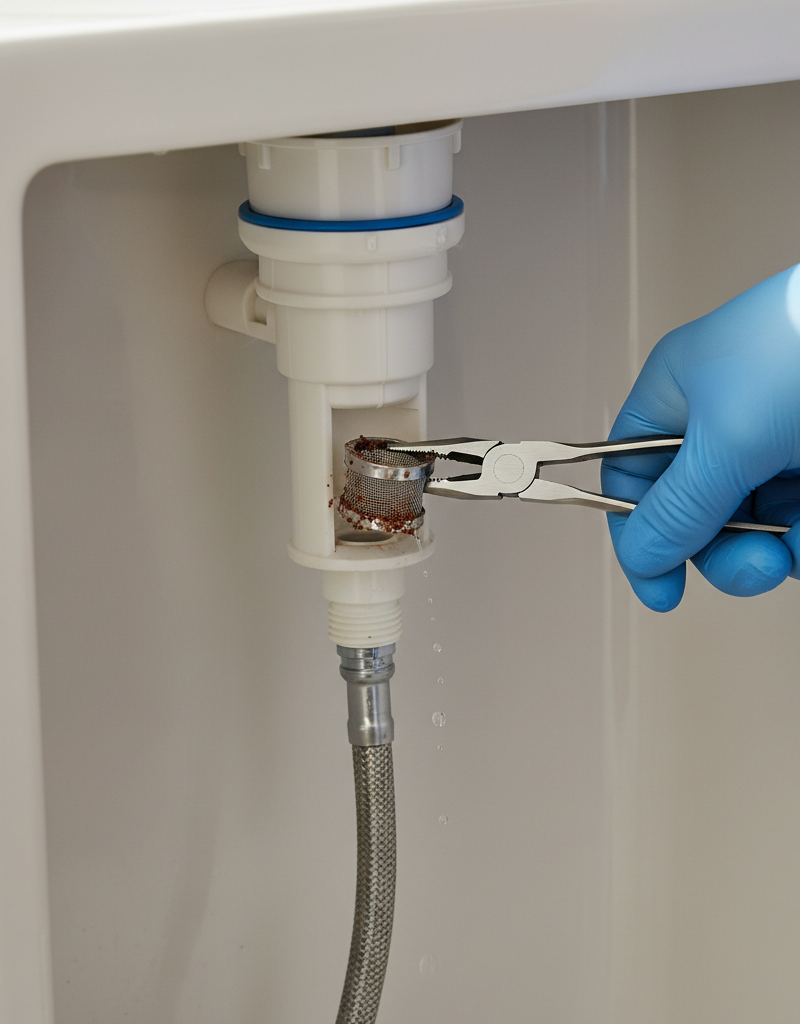
At the bottom of the toilet tank, where the fill valve stem passes through the tank floor, there's often a small screen or filter. Sediment and mineral deposits from your water supply can accumulate here, restricting water flow into the fill valve. To access it, first turn off the water supply valve below the toilet and flush the toilet to drain the tank. Disconnect the flexible supply line from the bottom of the fill valve (a towel might be helpful to catch drips). Use needle-nose pliers or a small flathead screwdriver to carefully pull out the screen filter. Rinse it thoroughly under running water to remove any debris. Use an old toothbrush if needed. Reinsert the clean filter, reconnect the supply line, and turn the water back on. Test the toilet.
4. Inspect and Clean the Fill Valve Body – Disassemble and clear internal obstructions.
Safety Note: Water supply must be off and tank drained. Some fill valve designs have different access points for internal components. Refer to your fill valve's specific model if unsure.
Many modern fill valves (especially the popular Fluidmaster 400A type) allow for easy disassembly of the top cap. Gently twist the cap counter-clockwise a quarter turn and lift it off. You'll likely see a rubber diaphragm seal underneath. Carefully remove this diaphragm and inspect it for any tears, wear, or mineral buildup. Clean both sides of the diaphragm and rinse the cap and the exposed internal parts of the fill valve body. Pay close attention to any small holes or jets within the valve body that might be clogged with sediment. A small, soft brush or even a toothpick can help dislodge stubborn deposits. Reassemble the diaphragm and cap, ensuring proper alignment, and twist clockwise to lock. Restore water supply and test.
5. Replace the Fill Valve – When cleaning isn't enough, install a new valve.
If you've tried all the previous steps and your toilet still fills slowly, the fill valve itself is likely failing and needs replacement. Internal components can wear out or become irreparably clogged. Replacing a fill valve is a common DIY project.
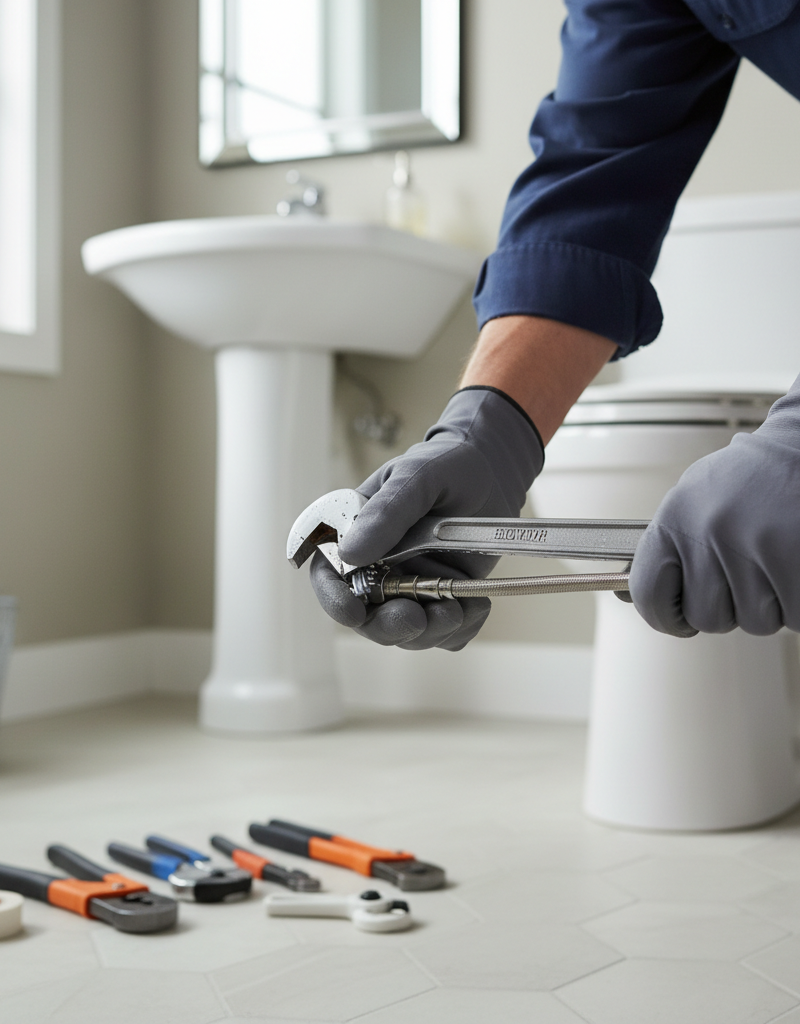
Tools: Adjustable wrench, old towels/bucket, new fill valve kit (universal fit for most toilets).
Steps:
- Turn off the water supply and drain the tank completely.
- Disconnect the supply line and unscrew the large retaining nut on the underside of the tank that holds the fill valve in place.
- Remove the old fill valve.
- Follow the instructions provided with your new fill valve to install it. Typically, this involves inserting the new valve, tightening the retaining nut, adjusting the height, connecting the refill tube, and reattaching the supply line.
- Turn on the water supply slowly and check for leaks. Adjust the float level to ensure proper water level in the tank.
Common Causes
- Partially Closed Water Supply Valve: The most straightforward and often overlooked cause. The small shut-off valve under the toilet is not fully open, restricting flow.
- Clogged Fill Valve Inlet Filter: Sediment, rust, or mineral deposits from your water supply accumulate on the small screen filter at the base of the fill valve, impeding water entry.
- Obstructed Fill Valve Diaphragm/Seal: Mineral buildup or debris can get trapped under the rubber diaphragm inside the fill valve, preventing it from opening fully.
- Worn-Out/Damaged Fill Valve Components: Over time, the plastic or rubber parts within the fill valve can degrade, warp, or lose elasticity, leading to inefficient operation.
- Kinked or Misaligned Refill Tube: The small tube that directs water from the fill valve to the overflow pipe can become bent or improperly positioned, causing back pressure.
- Low Water Pressure (House-wide): While less common for a single toilet, if all your fixtures have reduced flow, the issue might be your home's overall water pressure, a problem for a licensed plumber to diagnose.
Common Mistakes
- Ignoring the Supply Valve: Many homeowners jump straight to disassembling the fill valve without first checking the easily accessible shut-off valve. Always start with the simplest diagnostic.
- Over-tightening Connections: When reconnecting the water supply line or tightening the fill valve retaining nut, over-tightening can strip threads or crack plastic components, leading to leaks.
- Forcing Stubborn Valves: If the shut-off valve is stuck, don't use excessive force. You risk damaging the valve or the plumbing connection, potentially causing a larger leak. Gentle 'exercising' is usually better.
- Not Fully Draining the Tank: Attempting to work on the fill valve with water still in the tank will lead to a mess and make it harder to access components safely.
- Misplacing Fill Valve Parts: Small rubber seals, washers, and clips inside the fill valve are critical. Keep them organized during disassembly to ensure proper reassembly.
- Failing to Check for Leaks: After any plumbing work, always slowly turn the water back on and meticulously check all connections for drips or leaks before calling the job done.
Cost & Time Breakdown
| Task | DIY Cost | Pro Cost | Time |
|---|---|---|---|
| Check/Open Supply Valve | $0 | $0 (if included) | 1–2 minutes |
| Clean Fill Valve Inlet Filter | $0 | $75–$150 | 15–20 minutes |
| Clean Fill Valve Diaphragm | $0 | $75–$150 | 20–30 minutes |
| Replace Fill Valve | $15–$30 | $120–$250 | 30–60 minutes |
Tips & Prevention
- Regular Valve Exercise: Periodically (e.g., twice a year) turn your toilet's shut-off valve off and then fully on. This helps prevent seizing and clears minor sediment buildup.
- Water Quality: If you have hard water, mineral buildup is a constant threat. A whole-house water softener can significantly reduce maintenance needs for all your plumbing fixtures.
- Listen for Running: After flushing, listen for the toilet to refill and then stop. If you hear it frequently running or 'ghost flushing' an hour or more later, it indicates a slow leak or a fill valve not sealing properly, which can also contribute to slow filling over time.
- Inspect the Fill Valve Annually: A quick visual check inside the tank once a year can help you spot early signs of wear or mineral buildup on the fill valve components.
- Use Quality Replacement Parts: If replacing the fill valve, opt for a reputable brand (like Fluidmaster or Kohler genuine parts) to ensure longevity and reliable performance.
When to Call a Professional
While most slow-filling toilet issues are well within a competent DIYer's ability, there are specific situations where calling a licensed plumber is the wiser choice. If you've gone through all the troubleshooting steps, including replacing the fill valve, and the problem persists, it could indicate a more complex issue such as systemic low water pressure in your home, a problem with the main water supply line to your house, or even an issue within the walls that requires specialized diagnostic tools. Additionally, if the shut-off valve under the toilet is seized and you cannot turn it without fear of breaking it, or if you encounter any leaks that you cannot immediately stop, it's time to call a pro. Attempting to force a seized valve or dealing with uncontrolled leaks can quickly turn a minor problem into a major plumbing emergency, leading to significant water damage or much costlier repairs.
Related Articles
Keep troubleshooting with these hand-picked guides from FixlyGuide:
- The Secret Culprit Behind Your Slow Toilet Fill (It's Not Clogs!) — A slow-filling toilet tank is usually caused by issues with the fill valve, not clogs, affecting both water pressure and flush efficiency.…
- The 5-Minute Trick to Restore Your Kitchen Sink Sprayer's Lost Pressure — Restore your kitchen sink sprayer's low pressure with a quick, simple trick that often takes less than five minutes and requires no special…
- The 4 Hidden Reasons Your Toilet Tank Fills Slowly (And How to Fix Them in 30 Minutes) — A slow-filling toilet tank is a common, annoying problem that usually points to issues with the fill valve or water supply and can often be…
- The 4 Hidden Reasons Your Toilet Tank Fills Slowly (And How to Fix Them in Under an Hour) — A toilet tank that fills slowly is a common, annoying plumbing problem, often caused by easily fixable issues within the fill valve or wate…
- The 3 Hidden Reasons Your Toilet Tank Fills Slowly (And How to Fix Each) — Discover the common culprits behind a slow-filling toilet tank, from crucial valve issues to subtle obstructions, and learn how to restore…
- The #1 Mistake Homeowners Make When Diagnosing Low Water Pressure (It's Not Your Pipes!) — Discover the most common, often overlooked culprit behind low water pressure impacting your entire home and how to easily fix it.
Should you do this yourself?
Answer five quick questions before you start. Safety outranks savings every time.
Your experience with work like this
How high do you have to work?
Does the job involve any of these?
Will it need a permit?
Specialty tools
Free and instant. Educational guidance only — not a quote, inspection, or professional diagnosis.
What should this project cost?
Enter your project details for a realistic cost range before you call anyone.
Common repairs run $150–$650; repipes and water-heater replacements reach $1,500–$4,500.
- Regional adjustment
- National average
- Labor share (typical)
- ~$754
- Quotes to collect
- 3 written estimates
Educational estimate based on national averages — not a binding quote. Always confirm with written local estimates.
Fixly Project Decision Box
- DIY difficulty
- Moderate
- Estimated time
- 30 minutes – half a day
- Cost level
- Moderate
Main tools / materials
- Adjustable wrench
- Plunger or drain auger
- Bucket and towels
- Thread tape
When to stop and call a pro
- Water you cannot shut off at the fixture or main
- Sewage backing up into more than one fixture
- Water near electrical panels or outlets
- Gas water heater work beyond relighting a pilot
Need professional help?
Get a Licensed PlumberFrequently asked questions
Why is my toilet tank filling so slowly?+
The most common reasons are a partially closed water supply valve, a clogged filter at the base of the fill valve, or mineral buildup/damage within the fill valve itself. These issues restrict water flow into the tank.
How do I increase the water flow to my toilet?+
Start by fully opening the shut-off valve located under the toilet. If that doesn't work, clean the inlet filter at the bottom of the fill valve where the water supply line connects. You may also need to clean or replace the fill valve's internal components.
Can a bad fill valve cause slow filling?+
Yes, absolutely. A fill valve with a worn-out diaphragm, internal blockages, or damaged components will not open fully or allow water to flow efficiently, leading to a slow-filling tank. Often, cleaning or replacing the fill valve is the solution.
Is it easy to replace a toilet fill valve?+
Replacing a toilet fill valve is considered a moderate DIY plumbing task. It typically takes 30-60 minutes, requires basic tools, and involves disconnecting the water supply, removing the old valve, and installing a new universal replacement kit. Instructions usually come with the new valve.
Discussion
Loading comments…