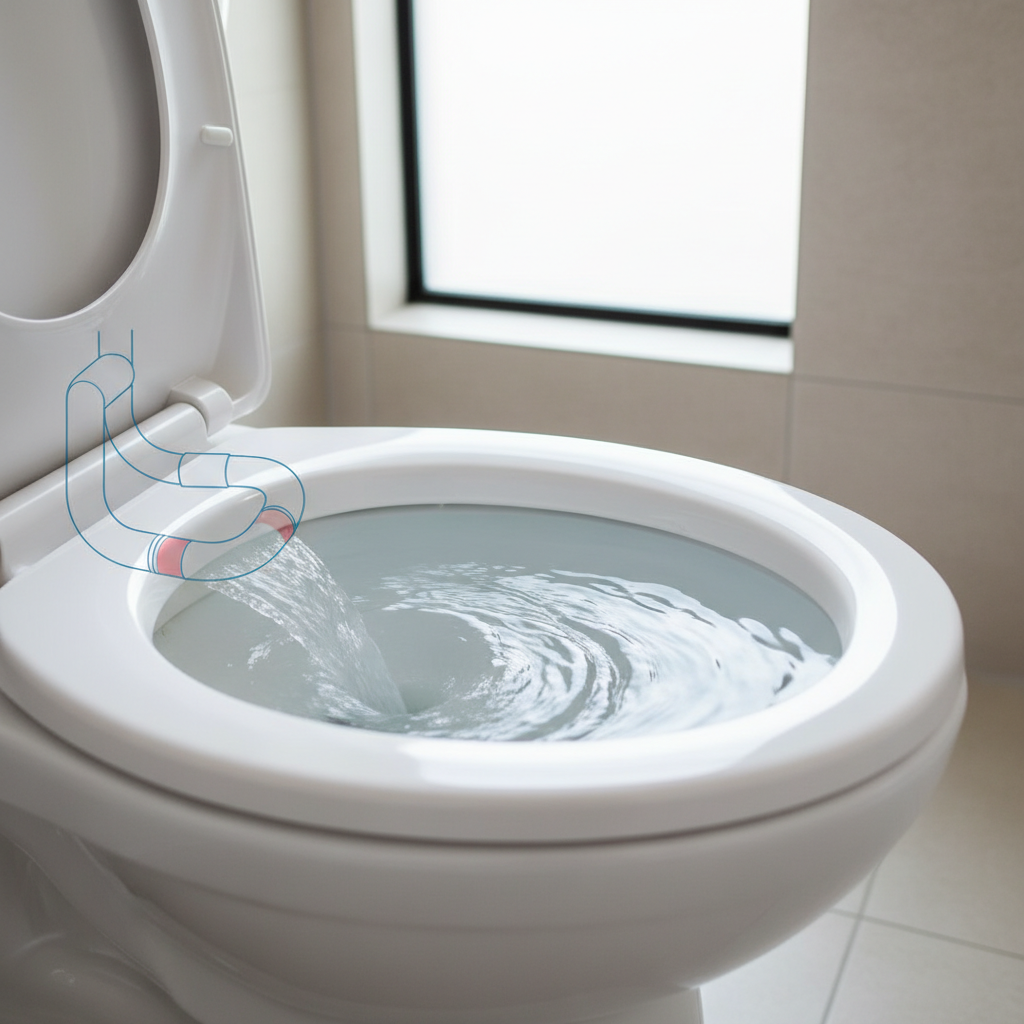
- Partial Obstruction in the Trapway: Foreign objects (toys, hygiene products) or excessive toilet paper build-up that doesn't fully block but significantly restricts flow.
- Mineral Buildup in Rim Jets/Siphon Jet: Hard water deposits reduce the water flow needed to create a strong siphoning action, leading to a weak flush.
- Worn or Misaligned Flapper: Prevents sufficient water from leaving the tank during a flush, resulting in inadequate flush volume.
- Damaged or Compromised Wax Ring: An air leak at the base of the toilet can break the siphon prematurely, weakening the flush.
- Clog in the Main Branch Line: Debris, hair, and grease accumulate further down the pipe, beyond the toilet's trap, causing recurring backups.
Plumbing · Clog
| Project category | Plumbing |
|---|---|
| Problem type | Clog |
| Trade required | Plumbing |
| Urgency | Soon — within weeks |
| Safety risk | Low safety risk |
| DIY suitability | DIY friendly |
| Cost category | Low cost |
| Typical timeline | Same-day DIY attempt; pro visit within a day or two |
| Contractor type | Licensed plumber |
Repair option
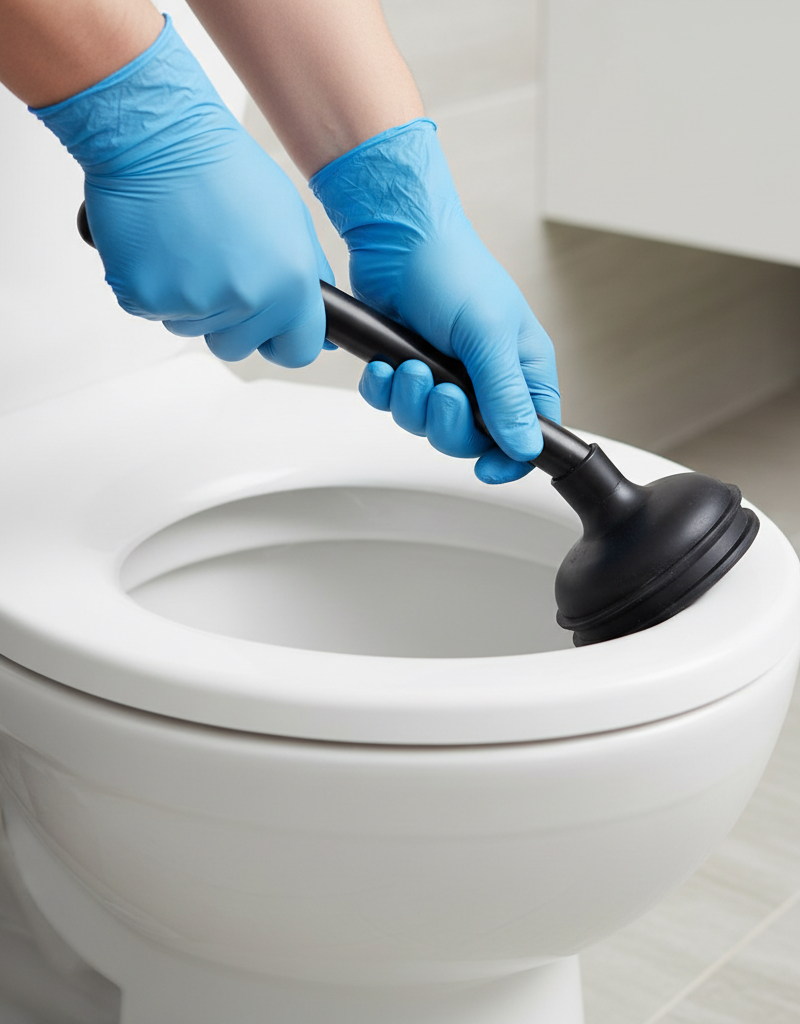
Plunger, hand auger, or trap cleanout before chemicals.
Replacement option
Line replacement when clogs return in the same spot repeatedly.
Common causes
- Hair and soap buildup in the trap
- Grease cooling in the branch line
- Flushed wipes or foreign objects
Relevant tools:diy difficultydiy or hire a pro
Published June 19, 2026Last updated August 17, 2026
Tools & materials you'll need
Affiliate linksAs an Amazon Associate FixlyGuide earns from qualifying purchases — at no extra cost to you. Prices and availability are accurate as of publication and subject to change.
Quick Answer
If your toilet clogs every few days, the most common culprits are a blocked trap, issues with the toilet's internal siphoning action, or problems further down the main drain line. Start by inspecting the trap and the rim jets for mineral buildup, then proceed to snaking the drain if necessary. Identifying the exact nature of the clog will guide you to the most effective solution, often saving you a call to the plumber.
The Problem
You flush the toilet, everything seems fine, then a day or two later, a slow drain or a partial clog appears. You plunge it, and often it clears, only to return again soon. This recurring nightmare isn't just annoying; it suggests a persistent problem beyond a simple one-off obstruction. Unlike a catastrophic, complete blockage where the bowl immediately fills to the brim, a recurring clog indicates something is impeding the smooth, consistent flow of water and waste without fully stopping it. It's often a partial obstruction, a design flaw, or a systemic issue that's slowly accumulating or degrading your toilet's flushing power.
This isn't typically about flushing 'too much' toilet paper in one go, though that can exacerbate the issue. Instead, think of it as a house with a narrowing hallway – traffic can still get through, but it slows down and backs up easily. Your goal is to find that narrow point and widen it, or remove whatever is constantly trying to squeeze through. Addressing this promptly is crucial because continued partial clogs can lead to overflow, water damage, or even indicate a more significant blockage developing in your main sewer line, which would be a much bigger and more expensive problem.
How It Works
Understanding how a toilet flushes is key to diagnosing recurring clogs. When you press the flush handle, a chain lifts the flapper valve inside the tank, allowing water to rush from the tank into the toilet bowl. This water doesn't just fill the bowl; it enters through several pathways. A large amount of water goes down a main opening at the bottom of the bowl, called the siphon jet or flush port, which initiates the siphoning action. Simultaneously, a smaller amount of water flows around the rim of the bowl, exiting through small holes called rim jets, which clean the bowl and help create the swirling vortex that aids the siphoning effect.
The rising water in the bowl, combined with the powerful rush from the siphon jet, pushes the waste into the curved trapway – the P-trap or S-trap built directly into the toilet's ceramic base. As water and waste fill this trapway, gravity and the continuous flow of water from the tank create a vacuum, or siphon, that pulls everything from the bowl down into the main drain pipe. Once enough water has passed, air breaks the siphon, and the remaining water settles in the bowl, creating a water seal that prevents sewer gases from entering your home. If any part of this system – the rush of water from the tank, the siphon jet, the rim jets, or the trapway itself – is even partially obstructed or compromised, the powerful siphoning action is weakened, leading to sluggish flushes and recurring clogs.
Step-by-Step Fix
1. Inspect the Trapway and Siphon Jet – Look for immediate obstructions
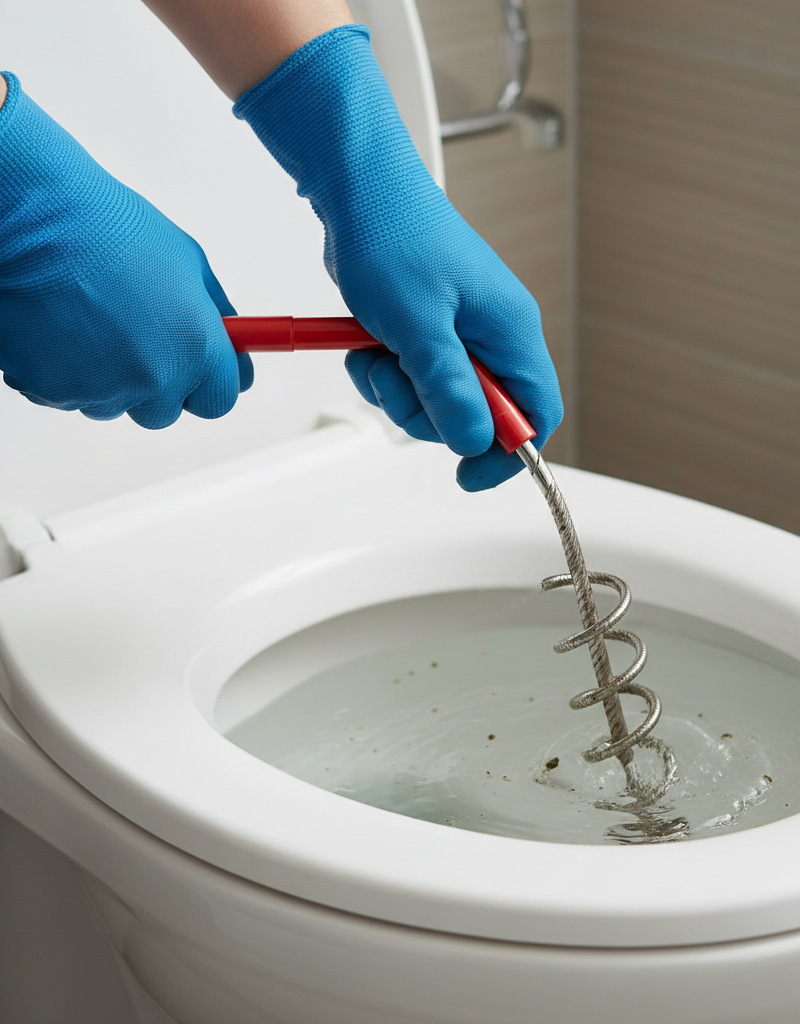
Your toilet's internal trapway is the first place potential clogs can lodge. Often, small objects or excessive paper can get caught. Begin by carefully removing any visible obstructions from the bowl. A gloved hand can retrieve items close to the entrance of the trap. For anything further down, or if you suspect a deeper snag, a toilet auger is your best friend. This flexible tool is designed to navigate the curves of the trap without scratching the porcelain. Slowly feed the auger into the toilet opening, rotating it as you go. If you feel resistance, gently twist and push to break up or retrieve the clog. Continue until the auger passes freely.
- Safety: Always wear rubber gloves. Be gentle with the auger to avoid damaging the toilet's ceramic.
- If this doesn't work: The clog might be deeper, or the issue could be with the rim jets or the main drain.
2. Clean Rim Jets and Siphon Jet – Address mineral buildup and weak flushing
Mineral deposits (limescale, rust) can build up in the small rim jets located under the toilet rim and often in the main siphon jet at the bottom of the bowl. This restricts water flow, weakening the flush. First, use a small mirror to inspect the rim jets. You might see white or green crusty deposits. Use a stiff wire, a small Allen wrench, or a bent coat hanger to poke and clear each jet hole. For more stubborn buildup, pour a cup of white vinegar into the overflow tube in the toilet tank and let it sit for at least 30 minutes, or even overnight, before flushing. The vinegar will help dissolve the minerals. Repeat if necessary.
- Tools: Small mirror, stiff wire/Allen wrench, white vinegar.
- Frequency: Consider doing this every few months, especially in hard water areas.
3. Check Flapper and Chain – Ensure full water volume for each flush
An old, warped flapper or a chain that's too long or too short can prevent the toilet tank from emptying completely during a flush, leading to an anemic flush that can't clear the trap effectively. Open the toilet tank lid and flush. Observe the flapper. Does it lift fully and stay open long enough for most of the water to empty? It should ideally stay open until the tank is nearly empty. If it closes too quickly, the chain might be too short, or the flapper itself is worn and not sealing properly. Adjust the chain so it has just a slight bit of slack when the flapper is closed. If the flapper looks deformed, cracked, or doesn't seal well, it's time to replace it. A universal flapper can be purchased at any hardware store and is usually easy to install by simply unhooking the old one and hooking on the new.
- Pro Tip: Look for specific flapper models recommended by your toilet manufacturer for optimal performance.
4. Examine the Toilet's Wax Ring and Mounting – Rule out air leaks and rocking
A compromised wax ring or a loose toilet can create a very subtle air leak at the base of the toilet when you flush. This air leak can break the siphon effect prematurely, leading to a weak flush and incomplete waste removal. Gently try to rock your toilet. Is it wobbly? If so, the T-bolts securing it to the floor might be loose, or the wax ring might be compressed or damaged. If you find significant rocking, you may need to tighten the bolts. If tightening doesn't stop the rocking or if you notice any subtle leaks around the base, you'll likely need to remove the toilet and replace the wax ring. This is a more involved task, requiring you to shut off the water, disconnect the supply line, unbolt the toilet, lift it, scrape off the old wax, and install a new wax ring, ensuring it seals properly before re-bolting everything.
- Safety: This job is heavy. Have a helper if you're not comfortable lifting the toilet.
- If you suspect a leak: You might see subtle water stains or smell sewer gas.
5. Snake Beyond the Toilet – Address clogs in the main branch line
If the problem persists after checking the toilet's internal components, the clog is likely further down the drain line, possibly in the branch line leading from your toilet to the main sewer stack. For this, you'll need a drain snake (sometimes called a plumber's auger) that can extend 15-25 feet. Remove the toilet (following step 4's procedure for removing the wax ring and securing bolts). Once the toilet is removed, insert the snake directly into the drain pipe opening in the floor. Feed the snake until you feel resistance, then crank the handle to break up or retrieve the obstruction. You might pull out hair, grease, or other debris. Run water down the exposed flange to confirm clear drainage before reinstalling the toilet with a new wax ring.
- Tools: Drain snake (15-25 ft), new wax ring, gloves, old towels.
- When to call a pro: If the snake doesn't clear the clog, or if multiple drains in your home are slow.
6. Consider Low-Flow Toilet Issues – Older low-flow models sometimes struggle
Early generation low-flow toilets (manufactured before 2000, typically using 1.6 gallons per flush or less) sometimes lacked the flushing power to consistently clear waste, especially with larger loads or certain types of toilet paper. If you have an older low-flow model and have tried all other fixes, its design might be the inherent problem. There isn't a 'fix' for this beyond replacing the toilet. Modern high-efficiency toilets (HETs) use even less water (often 1.28 GPF or less) but are designed with much more powerful flush mechanisms, making them surprisingly effective. If you suspect your toilet is simply underperforming due to age and design, an upgrade might be the most effective long-term solution.
- Research: Look for toilets with high MaP (Maximum Performance) scores to ensure strong flushing.
Common Causes
- Partial Obstruction in the Trapway: Foreign objects (toys, hygiene products) or excessive toilet paper build-up that doesn't fully block but significantly restricts flow.
- Mineral Buildup in Rim Jets/Siphon Jet: Hard water deposits reduce the water flow needed to create a strong siphoning action, leading to a weak flush.
- Worn or Misaligned Flapper: Prevents sufficient water from leaving the tank during a flush, resulting in inadequate flush volume.
- Damaged or Compromised Wax Ring: An air leak at the base of the toilet can break the siphon prematurely, weakening the flush.
- Clog in the Main Branch Line: Debris, hair, and grease accumulate further down the pipe, beyond the toilet's trap, causing recurring backups.
- Older, Inefficient Low-Flow Toilet Design: Some early low-flow models simply don't have enough power to consistently clear the waste.
Common Mistakes
- Relying solely on chemical drain cleaners: These often contain harsh chemicals that can damage pipes (especially older ones) and are typically ineffective against solid clogs, merely pushing them further down or eroding pipe material over time. They are a temporary fix at best and can create dangerous fumes.
- Over-plunging aggressively: While plunging is a useful first step, excessive, forceful plunging can damage the toilet's internal trap or even loosen the toilet from its base if applied incorrectly, creating more problems than it solves. Use a gentle but firm push-pull motion.
- Ignoring a wobbly toilet base: A rocking toilet isn't just annoying; it indicates a compromised seal (wax ring) which can lead to sewer gas leaks or subtle water damage over time, and can contribute to weak flushing by breaking the siphon.
- Assuming every clog is a 'too much toilet paper' issue: While true sometimes, a recurring clog almost always points to an underlying mechanical or structural problem that won't go away by simply using less paper.
- Not checking the rim jets: This is a surprisingly common oversight. Clogged rim jets drastically reduce flush efficiency and are often an easy fix with vinegar and a wire.
- Flushing 'flushable' wipes or other non-biodegradable items: Even if a product claims to be 'flushable,' it often doesn't break down quickly enough and is a leading cause of clogs in household plumbing and municipal sewer systems. Only human waste and toilet paper should ever be flushed.
Cost & Time Breakdown
| Task | DIY Cost | Pro Cost | Time |
|---|---|---|---|
| Inspect & Plunge | $0 (if tools owned) | $150–$250 | 5–15 minutes |
| Clean Rim Jets & Siphon Jet | $5–$10 (vinegar) | Included in service | 30 minutes – 1 hour |
| Replace Flapper | $10–$25 | $150–$200 | 15–30 minutes |
| Replace Wax Ring | $10–$25 | $250–$400 | 1–2 hours |
| Snake Beyond Toilet (w/ toilet removal) | $30–$60 (auger rental/purchase) | $200–$500 | 1–3 hours |
| Toilet Replacement | $150–$500 | $400–$800 | 2–4 hours |
Tips & Prevention
- Mindful Flushing Habits: Only flush human waste and toilet paper. Avoid so-called 'flushable' wipes, dental floss, feminine hygiene products, cotton balls, or paper towels. Even small items can accumulate over time.
- Regular Rim Jet Cleaning: In hard water areas, routinely clean your toilet's rim jets every few months with a stiff wire and vinegar to prevent mineral buildup and maintain optimal flush power.
- Check Flapper and Chain Annually: Inspect the flapper for wear and tear, and ensure the chain has proper slack. Replace the flapper at the first sign of degradation to prevent weak flushes.
- Educate Household Members: Make sure everyone understands what can and cannot be flushed down the toilet, particularly children. Post a small reminder if necessary.
- Consider a Water Softener: If you live in an area with very hard water, a whole-house water softener can significantly reduce mineral buildup in your toilet and other plumbing fixtures, extending their lifespan and preventing clogs.
- Proper Toilet Paper Use: Encourage using a reasonable amount of toilet paper per flush. If your toilet struggles with certain brands, consider switching to a thinner, quick-dissolving variety.
When to Call a Professional
While many recurring toilet clogs can be resolved with DIY efforts, there are clear signs it's time to call a licensed plumber. If you've snaked the toilet and the branch line beyond it, replaced your flapper and wax ring, cleaned the rim jets, and the problem persists, the clog is likely situated deeper in your main sewer line or is indicative of a more complex plumbing issue. This is especially true if you notice recurring clogs in multiple drains throughout your home (sinks, showers), as this points to a larger main sewer line blockage. Additionally, if you're uncomfortable removing the toilet, dealing with the potential mess of a deep drain snake, or suspect a venting issue, a professional can quickly diagnose and safely resolve the problem. Plumbers have specialized tools like video inspection cameras to pinpoint exact clog locations and powerful augers that can clear even the most stubborn blockages without damaging your pipes.
Related Articles
Keep troubleshooting with these hand-picked guides from FixlyGuide:
- Why Your Toilet Clogs Every Few Days (And the #1 Mistake Homeowners Make) — A toilet that clogs frequently is a frustrating problem, often caused by easily overlooked issues like trapway obstructions or ventilation…
- The 3 Hidden Reasons Your Toilet Clogs Repeatedly (And How to Fix Each One) — Uncover the surprising culprits behind your constantly clogging toilet and learn homeowner-friendly fixes to restore flush power.
- The Secret Reason Your Toilet Clogs Every Few Days (It’s Not What You Think) — Frequent toilet clogs often point to issues beyond simple blockages, from vent pipe problems to a failing flush mechanism, demanding a clos…
- The $5 Secret to Silencing a Running Toilet (Plumbers Hope You Don't Know) — A running toilet is usually caused by a simple issue with the flapper or its chain, leading to constant water waste and higher utility bill…
- The $5 Flapper Trick Plumbers Hope You Don't Know About Your Running Toilet — Discover the secret $5 flapper trick that often fixes a running toilet, saving you money on parts and plumber call-outs.
- Is One Drip Emitter Starving? The Secret Culprit (It's Not Clogging) — A single drip emitter refusing to hydrate your plants can be frustrating, but the fix is often simpler than you think and rarely a clog.
Should you do this yourself?
Answer five quick questions before you start. Safety outranks savings every time.
Your experience with work like this
How high do you have to work?
Does the job involve any of these?
Will it need a permit?
Specialty tools
Free and instant. Educational guidance only — not a quote, inspection, or professional diagnosis.
What should this project cost?
Enter your project details for a realistic cost range before you call anyone.
Common repairs run $150–$650; repipes and water-heater replacements reach $1,500–$4,500.
- Regional adjustment
- National average
- Labor share (typical)
- ~$754
- Quotes to collect
- 3 written estimates
Educational estimate based on national averages — not a binding quote. Always confirm with written local estimates.
Fixly Project Decision Box
- DIY difficulty
- Moderate
- Estimated time
- 30 minutes – half a day
- Cost level
- Moderate
Main tools / materials
- Adjustable wrench
- Plunger or drain auger
- Bucket and towels
- Thread tape
When to stop and call a pro
- Water you cannot shut off at the fixture or main
- Sewage backing up into more than one fixture
- Water near electrical panels or outlets
- Gas water heater work beyond relighting a pilot
Need professional help?
Get a Licensed PlumberFrequently asked questions
Why does my toilet keep clogging every other day?+
Recurring clogs often point to a partial obstruction in the trapway, mineral buildup in the rim jets or siphon jet, a faulty flapper, or a deeper clog in the main drain line. It's rarely just about 'too much' toilet paper.
Can hard water cause a toilet to clog frequently?+
Yes, hard water can deposit minerals (limescale, rust) in the toilet's rim jets and siphon jet. This buildup restricts water flow, weakening the flush and making the toilet more prone to frequent clogs. Cleaning these jets regularly with vinegar can help.
Should I call a plumber for a toilet that clogs often?+
You can often fix recurring clogs yourself by cleaning rim jets, replacing a flapper, or snaking the trap. However, if the issue persists after these steps, if multiple drains are affected, or if you're uncomfortable with the repair, it's best to call a licensed plumber to diagnose a deeper main line issue.
Can a toilet wax ring cause clogs?+
A damaged or improperly sealed wax ring can create an air leak at the base of the toilet during a flush. This air leak can break the siphoning action prematurely, leading to a weak flush that struggles to move waste effectively, contributing to recurring clogs.
What's the best toilet paper to prevent clogs?+
Opt for thin, quick-dissolving toilet paper. Avoid extra-thick, quilted, or 'ultra-soft' varieties if you have a toilet prone to clogging, as they may not break down as easily in your plumbing system.
Discussion
Loading comments…