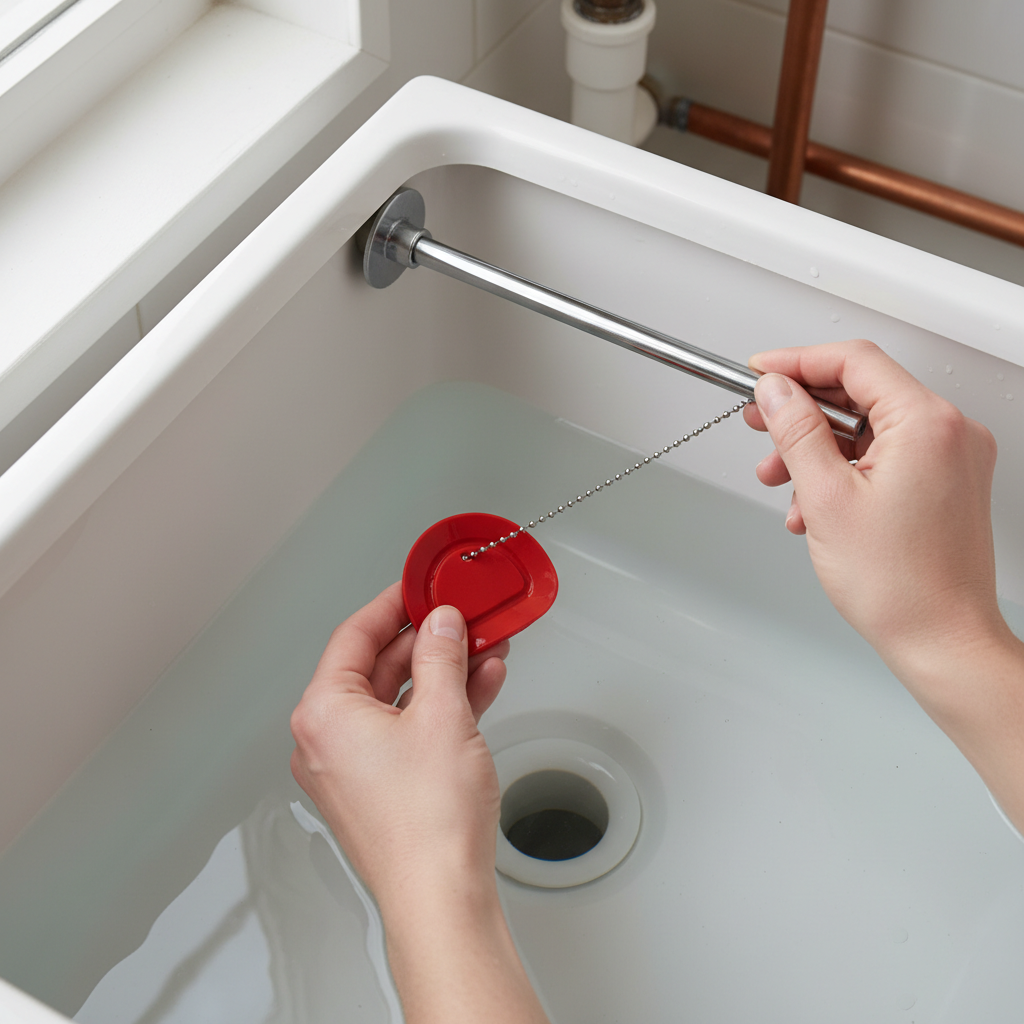
- Check the Flapper and Chain — The most common culprit.
- Open the toilet tank lid. Look inside. Flush the toilet and observe the flapper's operation.
- Doesn't seem to be sealing? Sometimes, mineral deposits can build up on the flush valve seat. Gently scrub the seat with a non-abrasive pad to remove any grime that might be preventing a good seal.
Plumbing · Leak
| Project category | Plumbing |
|---|---|
| Problem type | Leak |
| Trade required | Plumbing |
| Urgency | Emergency — act now |
| Safety risk | High safety risk |
| DIY suitability | DIY for experienced homeowners |
| Cost category | Low cost |
| Typical timeline | Shut water off now; repair usually same or next day |
| Contractor type | Licensed plumber |
Repair option
Isolate at the shutoff, replace the failed component, and dry the cavity fully.
Replacement option
Repipe the run or the branch when corrosion is widespread.
Common causes
- Failed supply line or shutoff valve
- Worn washers, cartridges, or P-trap connections
- Pinhole corrosion in older copper
Relevant tools:emergency checklistdiy or hire a pro
Published July 10, 2026Last updated August 17, 2026
Tools & materials you'll need
Affiliate linksAs an Amazon Associate FixlyGuide earns from qualifying purchases — at no extra cost to you. Prices and availability are accurate as of publication and subject to change.
Quick Answer
A persistently running toilet is usually signaling a faulty flapper or an improperly adjusted fill valve, leading to constant water waste and higher utility bills. The good news is that most of these problems are simple, inexpensive DIY fixes. Often, the solution is as quick as jiggling the flush handle, confirming the flapper chain isn't tangled, or a simple replacement of the flapper itself. You'll save water, money, and your sanity by addressing it promptly.
The Problem
You hear that ceaseless hiss or Gurgle – the sound of water constantly refilling or escaping from your toilet tank, even when it hasn't been flushed. This isn't just an annoyance; it's a silent drain on your wallet and an unnecessary waste of a precious resource. A running toilet can waste hundreds of gallons of water per day, potentially adding hundreds of dollars to your annual water bill. Over time, it can also strain your well pump or municipal water supply system. Most homeowners immediately assume the worst, but the reality is that the vast majority of running toilet issues stem from one of a few common and easily repairable components inside the tank.
The core of the problem lies in the toilet's fill and flush mechanism, which relies on a precise balance of water levels and sealing components. When this balance is disrupted, water either continuously enters the tank only to immediately drain out, or it leaks out slowly, triggering the fill valve to constantly top it off. Identifying the specific component at fault – be it the flapper, fill valve, or flush handle mechanism – is the key to a quick and effective repair.
How It Works
To understand how to fix a running toilet, let's quickly review how a standard gravity-fed toilet operates. When you flush, the flush handle connected to a lift chain pulls up the flapper (or tank ball) from the flush valve opening at the bottom of the tank. This allows water to rush from the tank into the toilet bowl, creating the siphoning action that empties the bowl's contents. As the tank empties, the flapper falls back into place, sealing the flush valve opening.
Simultaneously, as the water level in the tank drops, the float mechanism (attached to the fill valve) also drops. This movement opens the fill valve, allowing fresh water from the supply line to enter the tank. A small tube, called the refill tube, diverts some of this incoming water directly into the overflow pipe (which leads to the bowl), refilling the bowl's trap seal. As the tank fills, the float rises, and when it reaches the preset water level, it triggers the fill valve to shut off the water flow. This entire cycle is designed to be efficient and watertight. A running toilet occurs when one of these components fails to perform its duty, most commonly the flapper failing to seal or the fill valve not shutting off completely. The fill valve constantly tries to replenish water that is leaking into the bowl or flowing into the overflow tube, causing the continuous running sound.
Step-by-Step Fix
Before you begin any work inside the toilet tank, always turn off the water supply to the toilet. The shut-off valve is typically located on the wall behind or to the side of the toilet, connected by a flexible supply line. Turn it clockwise until it's snug.
-
Check the Flapper and Chain — The most common culprit.
- Open the toilet tank lid. Look inside. Flush the toilet and observe the flapper's operation.
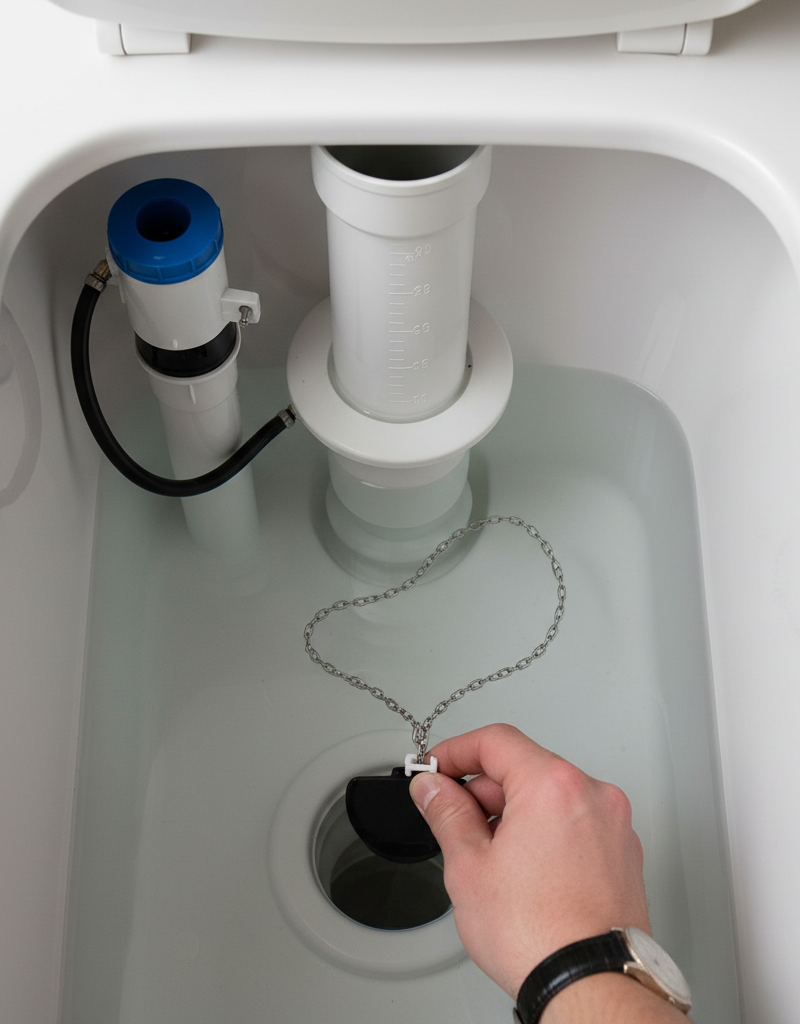
- Is the chain too long or tangled? If the chain connecting the flush handle lever to the flapper is too long, it can get caught under the flapper, preventing a complete seal. Adjust the chain to have only about 1/2 inch to 1 inch of slack when the flapper is closed. Detach and reattach with a different link. If it's tangled, untangle it carefully.
- Is the flapper itself worn or warped? Run your finger around the rubber edge of the flapper where it meets the flush valve opening. Does it feel stiff, cracked, or slimy? Over time, rubber ages and loses its pliability, preventing a watertight seal. This is a strong indicator that the flapper needs replacement.
- Doesn't seem to be sealing? Sometimes, mineral deposits can build up on the flush valve seat. Gently scrub the seat with a non-abrasive pad to remove any grime that might be preventing a good seal.
-
Test the Flapper Seal — A simple dye test.
- After turning off the water supply and removing the tank lid, add a few drops of food coloring (dark colors like blue or green work best) into the toilet tank. Do NOT flush.
- Wait 15-20 minutes. Check the toilet bowl. If you see colored water in the bowl, the flapper is definitely leaking and needs to be replaced or the chain needs adjustment.
- If no color appears, your flapper is likely fine, and the issue points to the fill valve.
-
Replace the Flapper — An inexpensive and easy DIY part replacement.
- Turn off the water supply and flush the toilet to empty the tank as much as possible.
- Disconnect the lift chain from the flush lever.
- Unclip the old flapper from the overflow pipe ears or unscrew it from the flush valve base, depending on its design. Note how it was attached.
- Take the old flapper to a hardware store to ensure you buy an exact match (or a universal replacement kit for your specific toilet brand if available). There are various types: rubber, plastic, and different mounting styles.
- Install the new flapper by clipping it onto the overflow pipe ears or screwing it into place. Reconnect the chain, ensuring 1/2 to 1 inch of slack.
- Turn the water supply back on and check for running. Flush a few times to ensure proper operation.
-
Inspect the Fill Valve's Float Height — Ensuring the water level isn't too high.
- If the water level in the tank is too high, it will continuously flow into the overflow pipe, causing the toilet to run. The water level should typically be about 1 inch below the top of the overflow pipe.
- Locate the float. Modern toilets often have a cylinder-style fill valve with an adjustable float collar.
- Adjusting the float: Squeeze the clip on the float mechanism (or twist the adjustment screw/rod, depending on the model) and slide the float down slightly. This will cause the fill valve to shut off at a lower water level.
- Flush the toilet and observe the new water level. Adjust until it's about an inch below the overflow pipe.
-
Clean or Replace the Fill Valve — If the float adjustment doesn't work.
- If your toilet is still running after adjusting the float and ensuring the flapper seals properly, the fill valve itself might be faulty. Mineral deposits can sometimes prevent the internal washer or diaphragm from sealing completely, leading to a slow leak or constant fill.
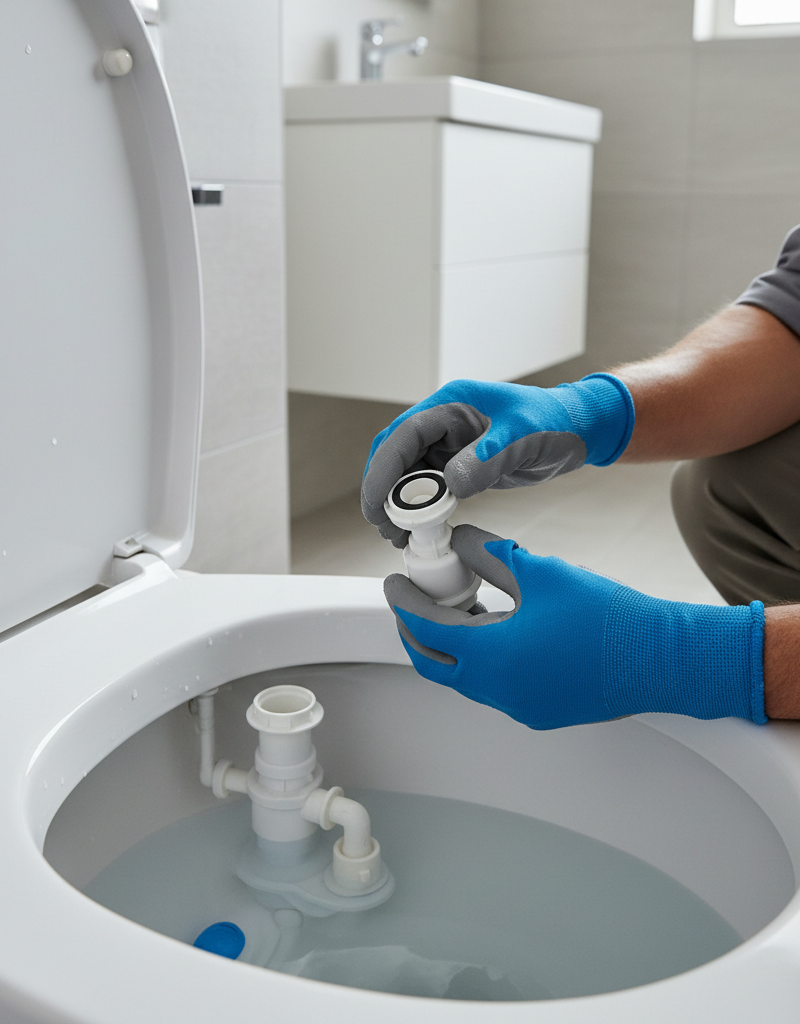
- Turn off the water. Flush the toilet to drain the tank. Disconnect the water supply line from the bottom of the fill valve (a bucket might be handy to catch residual water).
- Unscrew the large nut under the tank that holds the fill valve in place. Remove the fill valve from the tank.
- Some fill valves can be disassembled and cleaned, especially older models. Consult your manufacturer's instructions or a guide specific to your valve type. Look for rubber seals or diaphragms that might be calcified or ripped. You can try soaking small parts in white vinegar to dissolve mineral buildup.
- If cleaning doesn't work or if the valve is old/damaged, replacement is the best option. Purchase a new universal fill valve kit (Fluidmaster 400A is a popular, reliable choice).
- Install the new fill valve by inserting it into the tank hole, securing it with the nut from below, and reconnecting the water supply line. Reattach the refill tube to the overflow pipe. Adjust the new float to the correct water level.
- Turn water back on and test thoroughly.
-
Check the Flush Handle Assembly — Sometimes the simplest solutions are overlooked.
- Occasionally, the flush handle mechanism itself can be faulty. If the handle sticks in the
Related Articles
Keep troubleshooting with these hand-picked guides from FixlyGuide:
- The 30-Second Toilet Fix Plumbers Don't Want You to Know — A running toilet can waste hundreds of gallons of water per day, but often the fix is incredibly simple and takes under a minute.
- The 30-Second Toilet Fix Plumbers Don't Want You to Know — Stop that phantom-flushing toilet with this quick guide to diagnosing and fixing the most common silent water leaks.
- The 30-Second Toilet Fix Plumbers Don't Want You to Know — A continuously running toilet wastes significant water and money, but often the fix is incredibly simple and takes under a minute.
- The $2 Trick to Stop a Running Toilet (Plumbers Don't Want You to Know) — Discover the simple, two-dollar fix that can stop your running toilet in minutes, saving water and preventing costly repairs.
- The 30-Second Fix for a Humming Garbage Disposal (Plumbers Don't Want You to Know) — Before you call a plumber, try these simple steps to unjam a humming garbage disposal in under a minute and save yourself a service call.
- The 15-Minute Drywall Hole Fix Plumbers Don't Want You to Know — Discover the surprisingly simple, super-fast method for patching small drywall holes that avoids messy muds and sanding.
Should you do this yourself?
Answer five quick questions before you start. Safety outranks savings every time.
Your experience with work like this
How high do you have to work?
Does the job involve any of these?
Will it need a permit?
Specialty tools
Free and instant. Educational guidance only — not a quote, inspection, or professional diagnosis.
What should this project cost?
Enter your project details for a realistic cost range before you call anyone.
Common repairs run $150–$650; repipes and water-heater replacements reach $1,500–$4,500.
- Regional adjustment
- National average
- Labor share (typical)
- ~$754
- Quotes to collect
- 3 written estimates
Educational estimate based on national averages — not a binding quote. Always confirm with written local estimates.
Fixly Project Decision Box
- DIY difficulty
- Moderate
- Estimated time
- 30 minutes – half a day
- Cost level
- Moderate
Main tools / materials
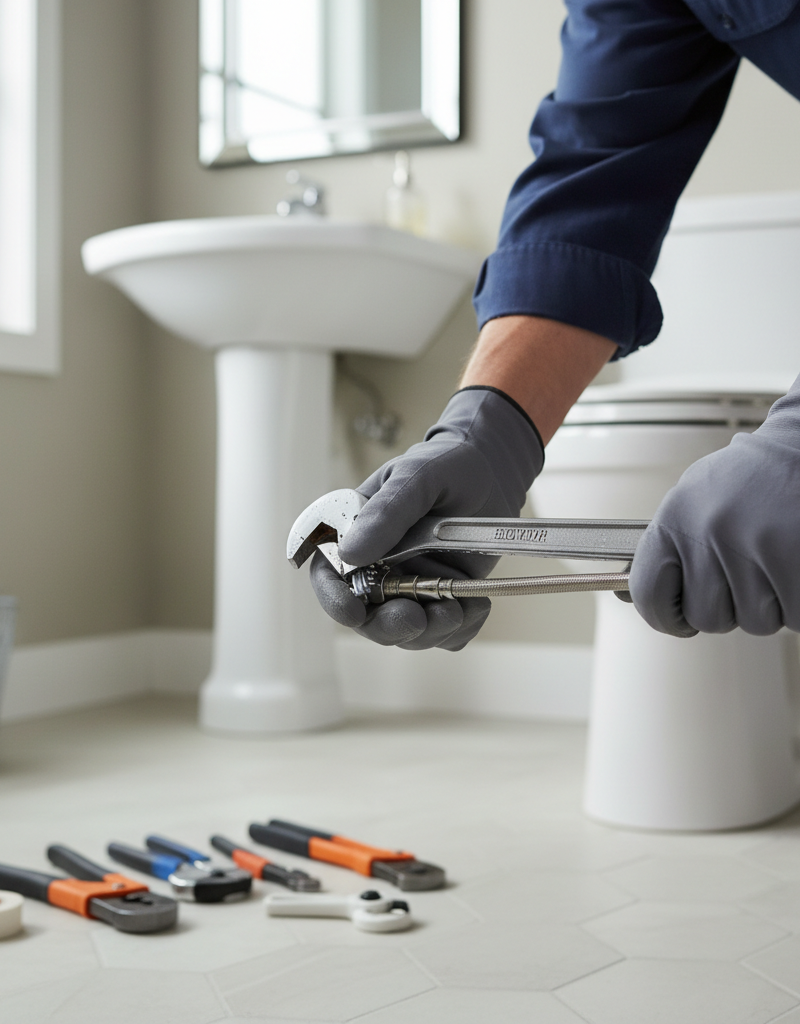
- Adjustable wrench
- Plunger or drain auger
- Bucket and towels
- Thread tape
When to stop and call a pro
- Water you cannot shut off at the fixture or main
- Sewage backing up into more than one fixture
- Water near electrical panels or outlets
- Gas water heater work beyond relighting a pilot
Need professional help?
Get a Licensed PlumberGet the print-ready PDF of this guide
A clean, ad-free, printable version you can keep on your phone or pin to the workshop wall. Free with a FixlyGuide account.
- Print-optimized layout
- Tools, materials & every step included
- Saved to your account
Frequently asked questions
Why is my toilet constantly running?+
A constantly running toilet is typically due to a faulty flapper that isn't sealing properly, allowing water to escape from the tank into the bowl, or a fill valve that isn't shutting off completely, often because the water level is too high.
How much water does a running toilet waste?+
A continuously running toilet can waste significant amounts of water, ranging from a few gallons an hour to several hundred gallons per day. This can add hundreds of dollars to your annual water bill.
Can I fix a running toilet myself?+
Yes, most running toilet issues are simple DIY fixes. Common repairs include adjusting the flapper chain, replacing a worn flapper, or adjusting the fill valve's float height. These can often be done with basic tools and inexpensive parts.
When should I call a plumber for a running toilet?+
You should call a plumber if you've attempted basic fixes like flapper and fill valve adjustments/replacements and the toilet continues to run. Also, if you're uncomfortable working with plumbing or encounter issues like persistent leaks around the base of the toilet.
Discussion
Loading comments…