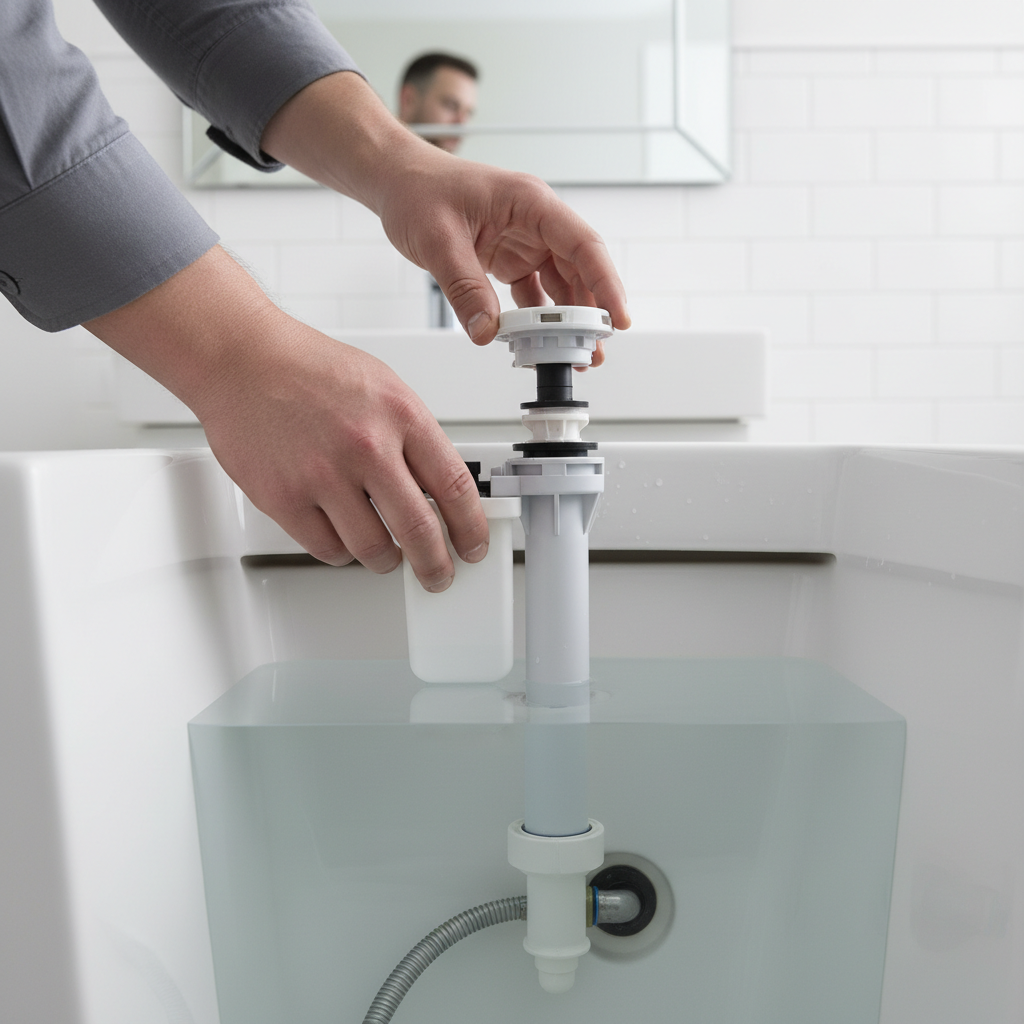
- Clogged Fill Valve Inlet Screen: Sediment, rust, or mineral deposits can accumulate at the entry point of the fill valve, restricting water flow from the supply line into the tank.
- Faulty or Worn Fill Valve Diaphragm/Seal: The rubber diaphragm or seal inside the fill valve can become stiff, torn, or covered in mineral buildup, preventing the valve from opening fully or allowing water to pass through efficiently.
- Improperly Adjusted or Obstructed Float: If the float is set too low or gets stuck, it can prematurely shut off the fill valve, leading to a slow and insufficient tank refill. A bent float arm can also cause issues.
- Low Water Pressure: While less common for just one fixture, unusually low household water pressure can manifest as a slow-filling toilet. (This would affect other fixtures too, though).
- Kinked or Clogged Refill Tube: The small tube that directs water from the fill valve to the overflow tube (to refill the bowl) can become kinked, detached, or clogged, indirectly affecting the fill cycle or resulting in an empty bowl trap.
Plumbing · Leak
| Project category | Plumbing |
|---|---|
| Problem type | Leak |
| Trade required | Plumbing |
| Urgency | Emergency — act now |
| Safety risk | High safety risk |
| DIY suitability | DIY for experienced homeowners |
| Cost category | Low cost |
| Typical timeline | Shut water off now; repair usually same or next day |
| Contractor type | Licensed plumber |
Repair option
Isolate at the shutoff, replace the failed component, and dry the cavity fully.
Replacement option
Repipe the run or the branch when corrosion is widespread.
Common causes
- Failed supply line or shutoff valve
- Worn washers, cartridges, or P-trap connections
- Pinhole corrosion in older copper
Relevant tools:emergency checklistdiy or hire a pro
Published May 4, 2026Last updated August 17, 2026
Tools & materials you'll need
Affiliate linksAs an Amazon Associate FixlyGuide earns from qualifying purchases — at no extra cost to you. Prices and availability are accurate as of publication and subject to change.
Quick Answer
A slow-filling toilet tank primarily stems from three common issues: a clogged fill valve inlet, a faulty fill valve diaphragm, or an improperly adjusted float. Most homeowners can diagnose and resolve these problems with basic tools and a bit of patience. The fix often involves cleaning the inlet screen, replacing a small, inexpensive part of the fill valve, or simply adjusting the float height. Addressing these issues can significantly improve your toilet's refill speed and overall efficiency.
The Problem
There's nothing quite as frustrating as a toilet that takes an eternity to refill after flushing. You press the handle, the water swirls, and then you're left waiting, listening to a weak trickle as the tank struggles to replenish itself. This isn't just an annoyance; a slow-filling toilet can signal underlying problems that affect your toilet's performance and water efficiency. If your tank isn't filling adequately or quickly enough, it can lead to weak flushes, phantom flushes, and a general disruption of bathroom routines. Many homeowners mistakenly think a slow fill means a major plumbing overhaul, but the reality is often much simpler, originating from easily diagnosable and fixable components within the toilet tank itself. Understanding the 'why' behind this sluggish behavior is the first step to a speedy resolution.
How It Works
To effectively troubleshoot a slow-filling toilet, it helps to understand the basic mechanics of how a toilet tank fills. When you flush, the water in the tank empties into the bowl, creating a siphoning action that pulls waste away. As the tank empties, the float (which can be a cup-style or ball-style) drops, lowering with the water level. This drop in the float's position triggers the fill valve to open. The fill valve is the primary mechanism that controls water entry into the tank. When open, it allows fresh water from the supply line to flow through a small inlet, up through the valve body, and into two main paths:
- Tank Refill: The majority of the water flows into the tank, raising the water level.
- Bowl Refill: A smaller tube, called the refill tube, directs water into the overflow tube. This water flows down into the toilet bowl, replenishing the water trap and ensuring a proper water level for the next flush.
As the water level in the tank rises, the float lifts with it. Once the water reaches a predetermined level, the float has risen high enough to activate a shut-off mechanism within the fill valve. This mechanism closes the valve, stopping the water flow. The entire cycle is designed to be relatively quick and efficient, typically taking less than a minute for a modern toilet. Problems with the fill valve's ability to open fully, supply clear water, or shut off correctly are the most common culprits behind a slow-filling tank.
Step-by-Step Fix
1. Shut Off Water & Prepare — Turn off the water supply to the toilet.
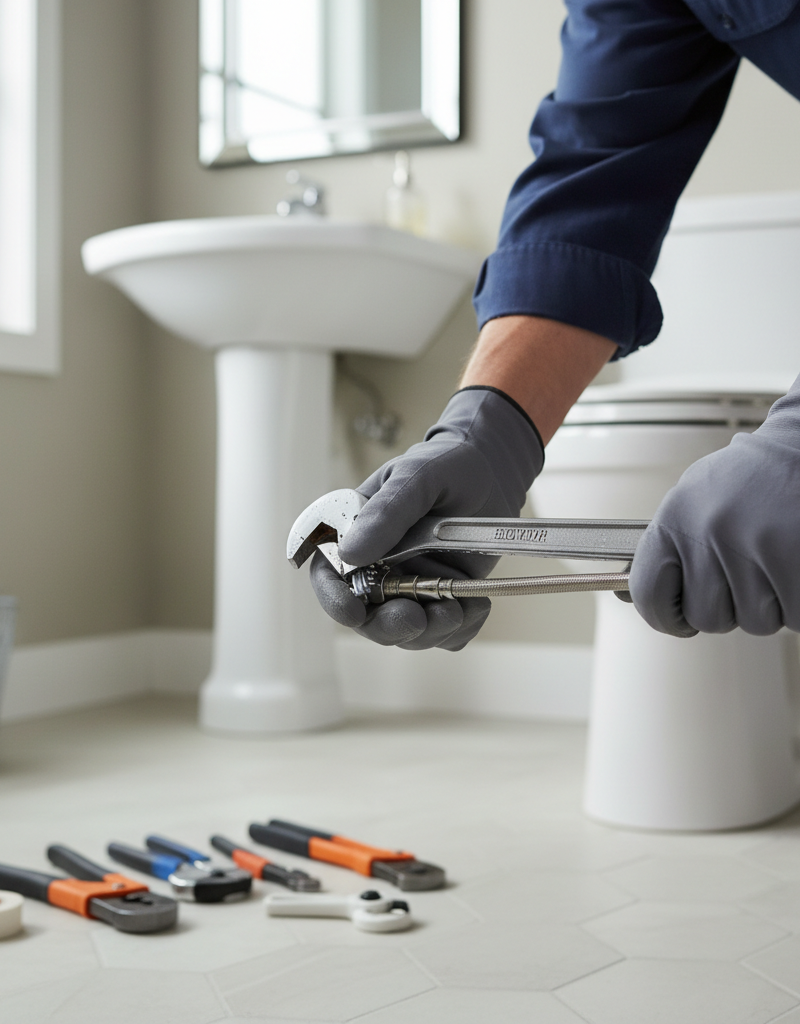
Locate the shut-off valve on the wall behind or near the base of the toilet. Turn it clockwise until the water flow completely stops. Flush the toilet to empty the tank and bowl as much as possible. Have a towel or small bucket ready to catch any residual water.
- Safety Note: Always ensure the water supply is off before working inside the toilet tank. This prevents accidental flooding.
- Tools: Adjustable wrench (for supply line if needed).
2. Check the Water Supply Line Screen — Inspect for clogs at the supply line connection.
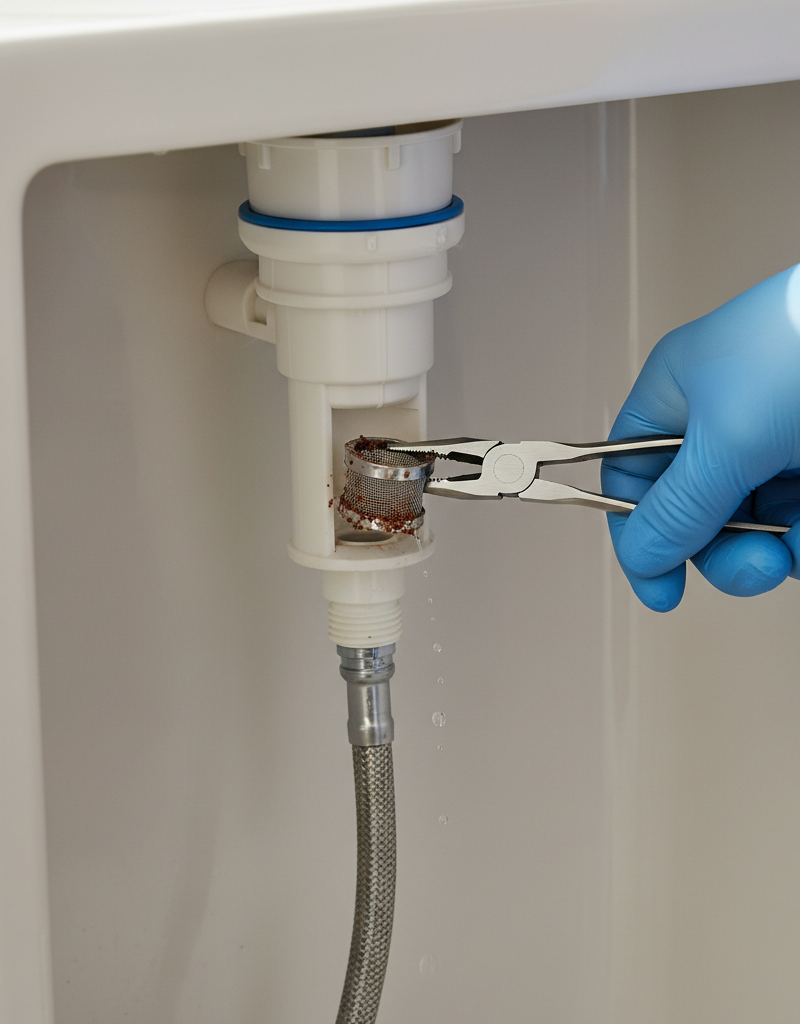
Sometimes, the problem isn't inside the tank but at the entry point to your toilet. Unscrew the flexible water supply line from the bottom of the fill valve. Look for a small filter screen inside the fill valve's inlet opening. This screen can accumulate sediment, rust particles, or mineral deposits over time, restricting water flow. Carefully remove the screen (you might need needle-nose pliers) and rinse it thoroughly under a faucet to clear any debris. If the screen is heavily damaged or corroded, consider replacing it.
- If this doesn't work: If the screen is clear but water still seems restricted, consider detaching the supply line from the wall valve and checking for clogs there too. Place the end of the supply line in a bucket and briefly turn on the main water supply to flush out any debris. Only do this briefly to avoid large messes.
3. Inspect and Adjust the Fill Valve Float — Ensure the float is moving freely and at the correct height.
Many toilets use a cup-style float that slides up and down the fill valve shaft. Ensure this float moves freely without catching on any tank components. If it's a ball-style float, check that the arm isn't bent or obstructed. The float's position dictates the tank's water level and the duration of the fill cycle. If the float is set too low, it will cause the fill valve to shut off prematurely, leading to a slow and insufficient refill. To adjust a cup-style float, pinch the clip on the side of the float or turn the adjustment screw on top of the fill valve to raise it slightly. For a ball-style float, gently bend the float arm upwards.
- Important: The water level should typically be about 1 inch below the top of the overflow tube. Adjust, then turn the water back on to test.
4. Clean or Replace the Fill Valve Diaphragm (or Washer/Seal) — Address internal valve restrictions.
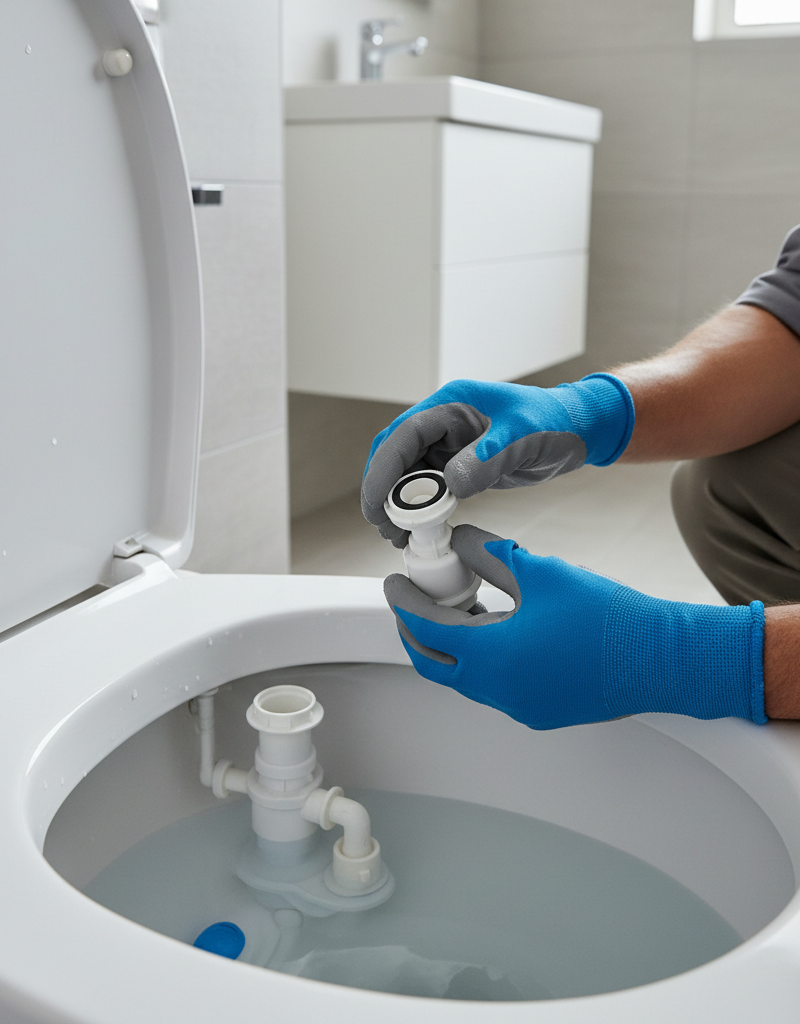
Mineral deposits or worn-out rubber components inside the fill valve are very common causes of slow filling. Most modern fill valves (especially Korky or Fluidmaster brands) have a cap that can be twisted and lifted off. Once the cap is removed, you'll expose a rubber diaphragm or a seal. Carefully remove this rubber piece. Inspect it for any tears, stiffness, or mineral buildup. You can try cleaning it gently with vinegar and a soft brush, but often, it's best to replace it if it looks worn. These replacement parts are inexpensive and readily available at hardware stores. While the cap is off, briefly place a cup over the open valve and turn on the water supply for a moment to flush out any debris from the valve body itself. This will create a quick, strong burst of water.
- If this doesn't work: If the diaphragm/seal appears fine or replacement doesn't help, the entire fill valve might need replacement. This is a common and relatively easy DIY task.
5. Check the Refill Tube — Ensure the refill tube isn't kinked or blocked.
The small refill tube connects the fill valve to the overflow tube. Its purpose is to direct a small stream of water into the bowl to replenish the trap seal. If this tube is kinked, detached, or clogged with sediment, it can restrict overall water flow into the tank or prevent the bowl from refilling properly. Ensure it's securely attached to the fill valve's nipple and inserted correctly into the overflow tube (without extending too far down, which can cause siphoning issues). Clear any visible obstructions.
- Consider: If the refill tube is consistently falling out or is too short, replace it with a new one. They are usually sold as part of a fill valve repair kit or separately.
6. Reassemble and Test — Restore water, then flush multiple times.
Once you've made your adjustments or replacements, carefully reassemble any components you've taken apart. Reconnect the water supply line (hand-tighten, then a quarter turn with a wrench, avoiding overtightening). Slowly open the shut-off valve counter-clockwise, allowing the tank to fill. Check for any leaks at the supply line connection. Flush the toilet several times, observing the rate at which the tank fills and the final water level in both the tank and the bowl. Make small, incremental adjustments to the float if the water level is still too low or too high.
- Persistence: Sometimes, a few flushes are needed for the system to settle. If the problem persists, re-evaluate each step and consider replacing the entire fill valve.
Common Causes
- Clogged Fill Valve Inlet Screen: Sediment, rust, or mineral deposits can accumulate at the entry point of the fill valve, restricting water flow from the supply line into the tank.
- Faulty or Worn Fill Valve Diaphragm/Seal: The rubber diaphragm or seal inside the fill valve can become stiff, torn, or covered in mineral buildup, preventing the valve from opening fully or allowing water to pass through efficiently.
- Improperly Adjusted or Obstructed Float: If the float is set too low or gets stuck, it can prematurely shut off the fill valve, leading to a slow and insufficient tank refill. A bent float arm can also cause issues.
- Low Water Pressure: While less common for just one fixture, unusually low household water pressure can manifest as a slow-filling toilet. (This would affect other fixtures too, though).
- Kinked or Clogged Refill Tube: The small tube that directs water from the fill valve to the overflow tube (to refill the bowl) can become kinked, detached, or clogged, indirectly affecting the fill cycle or resulting in an empty bowl trap.
Common Mistakes
- Ignoring the Supply Line Filter: Many DIYers focus solely on the fill valve inside the tank, overlooking the simple possibility of a clogged filter screen at the connection point of the water supply line to the fill valve. Check this first!
- Overtightening the Supply Line: When reconnecting the water supply line, overtightening can strip threads or crack plastic fittings, leading to leaks and potentially more significant pipe damage. Hand-tighten, then a quarter-turn with a wrench is usually sufficient.
- Adjusting the Float Too Much: Drastically changing the float height without understanding the ideal water level can lead to phantom flushing (if too high) or weak flushing (if too low). Aim for 1 inch below the overflow tube top.
- Not Flushing Out the Valve Body: When replacing the diaphragm, some homeowners forget to briefly turn on the water supply (with a cup over the valve) to flush out any loose debris from the valve's internal passages before reassembling.
- Rushing to Replace the Entire Fill Valve: While sometimes necessary, often a simple cleaning or replacement of a small, inexpensive rubber diaphragm or inlet screen can resolve the issue, saving time and money on a full replacement.
Cost & Time Breakdown
| Task | DIY Cost | Pro Cost | Time |
|---|---|---|---|
| Clean supply screen | $0 | $75–$150 | 5–10 minutes |
| Adjust float | $0 | $75–$150 | 5–10 minutes |
| Replace fill valve diaphragm | $5–$15 | $75–$150 | 15–30 minutes |
| Replace entire fill valve | $15–$30 | $150–$250 | 30–60 minutes |
| Diagnose low water pressure | $0 (DIY) | $100–$200 | 10–20 minutes (DIY) |
Tips & Prevention
- Regular Cleaning: Periodically inspect and clean the fill valve inlet screen, especially if you have hard water or older galvanized pipes that can shed sediment. Aim for once a year.
- Water Quality Check: If you consistently find sediment or mineral buildup, consider testing your home's water hardness. A whole-house filter might be a worthwhile investment to protect all your plumbing fixtures.
- Proper Float Adjustment: Always ensure the water level in the tank is about one inch below the top of the overflow tube. This maximizes flush power without leading to water waste.
- Listen for Sounds: Pay attention to any unusual noises during the fill cycle, such as whistling or prolonged hissing, as these can indicate a failing fill valve or restricted water flow before it becomes a major problem.
- Check Refill Tube Annually: Make sure the refill tube is securely attached and positioned correctly, directing water into the overflow tube without being kinked or blocked. This is a quick visual check during bathroom cleaning.
When to Call a Professional
While identifying and fixing a slow-filling toilet is often a manageable DIY task, there are specific situations where calling a licensed plumber is the wiser, safer, and more cost-effective choice. If you've tried all the above troubleshooting steps and your toilet tank still fills slowly, or if you're uncomfortable working with plumbing components, a professional can quickly diagnose and resolve the issue. You should definitely call a pro if you suspect a larger underlying plumbing problem, such as consistently low water pressure throughout your entire home (which could indicate issues with your main water supply line or pressure regulator). Additionally, if you notice water leaking from the base of the toilet, signs of a cracked tank, or encounter unexpected difficulties that go beyond a simple repair, a plumber has the expertise and specialized tools to handle complex repairs without risking further damage or a bigger mess.
Related Articles
Keep troubleshooting with these hand-picked guides from FixlyGuide:
- Why Is My Toilet Running? 7 Quick Fixes Before Calling a Plumber — A constantly running toilet wastes up to 200 gallons of water a day. Here are the 7 most common causes and how to fix each one yourself in…
- The 3 Hidden Reasons Your Pipes Freeze (And How to Thaw Them Fast) — Discover the real culprits behind frozen pipes and learn a step-by-step method to safely thaw them, preventing costly damage.
- The Secret Culprit Behind Your Leaky Refrigerator (It’s Not Always the Water Line) — Discover the most common, often overlooked, reasons your refrigerator is leaking water and how to fix them with simple DIY steps.
- Your running toilet wastes 72,000 gallons. The fix? — A running toilet is usually caused by a faulty flapper valve, wasting water and creating annoying noise, but it's a fix you can often do yo…
- The 30-Second Toilet Fix Plumbers Don't Want You to Know — Stop that phantom-flushing toilet with this quick guide to diagnosing and fixing the most common silent water leaks.
- The 3 Hidden Reasons Your Door Won't Latch (And the Easy DIY Fixes) — Frustrated by a door that refuses to latch? Discover the common culprits behind this annoying problem and learn simple, effective DIY fixes…
Should you do this yourself?
Answer five quick questions before you start. Safety outranks savings every time.
Your experience with work like this
How high do you have to work?
Does the job involve any of these?
Will it need a permit?
Specialty tools
Free and instant. Educational guidance only — not a quote, inspection, or professional diagnosis.
Before you start
Check the difficulty, permits, and safety risk — then decide whether to call a pro.
- Estimate this projectGet a cost range for your scope and ZIP before you call anyone.Open
- Get local estimatesSend one request and compare written estimates from vetted pros.Open
Free, no signup required. Estimates are educational guidance, not a quote or an inspection.
Frequently asked questions
Why is my toilet tank filling slowly?+
The most common reasons for a slow-filling toilet tank are a clogged fill valve inlet screen, a faulty or worn-out diaphragm inside the fill valve, or an improperly adjusted float that prematurely shuts off the water flow.
Can I fix a slow-filling toilet myself?+
Yes, in most cases, a slow-filling toilet can be fixed by a homeowner with basic tools. The common repairs involve cleaning the inlet screen, adjusting the float, or replacing a small rubber part within the fill valve.
How do I know if my fill valve is bad?+
Signs of a bad or failing fill valve include a slow tank refill, continuous hissing after the tank has filled, or the toilet running intermittently (phantom flushing). You can often test it by disassembling the top cap and checking the rubber diaphragm.
How do I adjust the water level in my toilet tank?+
To adjust the water level, locate the float on the fill valve. For cup-style floats, pinch the clip or turn the adjustment screw to move it up or down. For ball-style floats, gently bend the float arm. The water level should be about 1 inch below the top of the overflow tube.
Discussion
Loading comments…