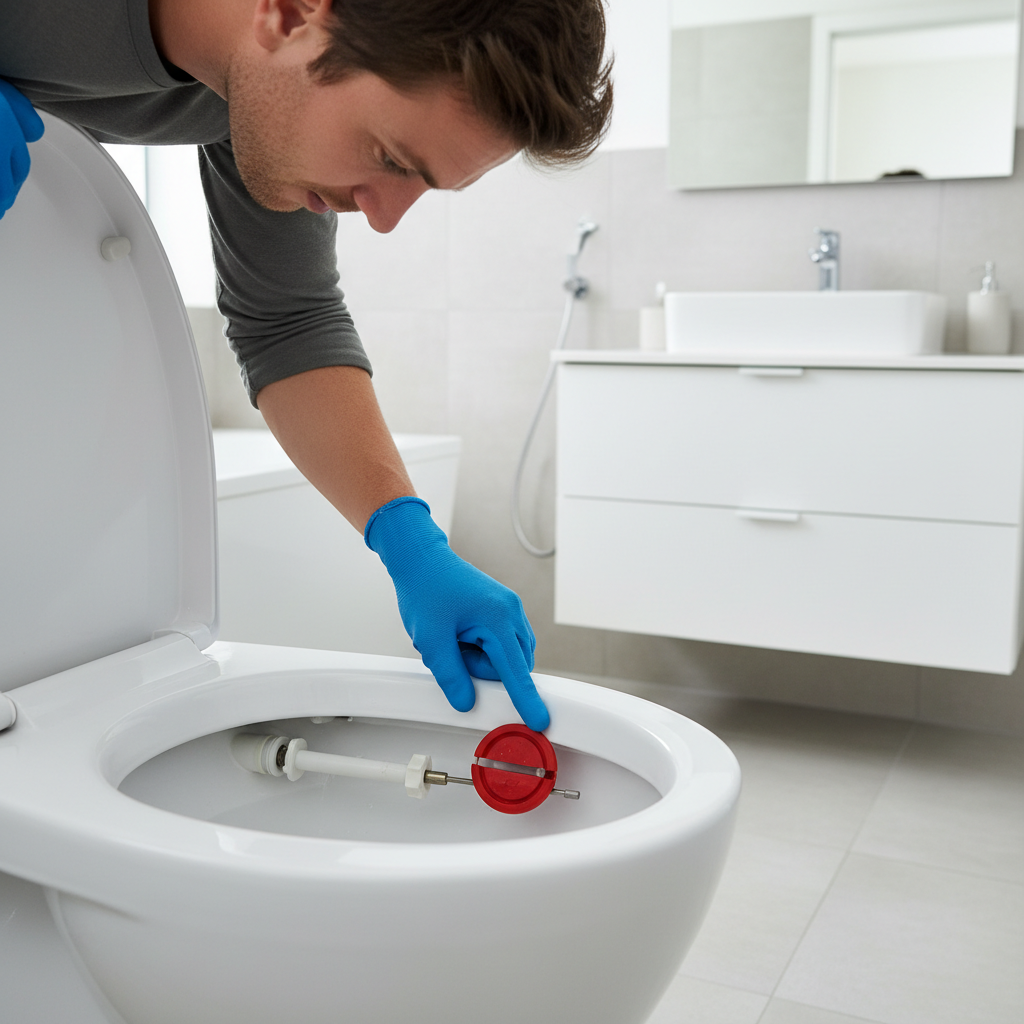
- Use a Flange Plunger: This type has an extended rubber flap that creates a better seal in the toilet's drain opening than a cup plunger. It's essential for creating proper suction.
- Create a Seal: Ensure the plunger completely covers the drain hole. If the bowl is nearly empty, add enough water to cover the plunger head to maximize suction.
- Plunge Vigorously: Push down to create a vacuum, then pull up sharply to dislodge the clog. Repeat 10-15 times. Avoid gentle pushes; you need force to create a strong pressure wave. Materials needed: Flange plunger.
Plumbing · Clog
| Project category | Plumbing |
|---|---|
| Problem type | Clog |
| Trade required | Plumbing |
| Urgency | Soon — within weeks |
| Safety risk | Low safety risk |
| DIY suitability | DIY friendly |
| Cost category | Low cost |
| Typical timeline | Same-day DIY attempt; pro visit within a day or two |
| Contractor type | Licensed plumber |
Repair option
Plunger, hand auger, or trap cleanout before chemicals.
Replacement option
Line replacement when clogs return in the same spot repeatedly.
Common causes
- Hair and soap buildup in the trap
- Grease cooling in the branch line
- Flushed wipes or foreign objects
Relevant tools:diy difficultydiy or hire a pro
Published June 19, 2026Last updated August 17, 2026
Tools & materials you'll need
Affiliate linksAs an Amazon Associate FixlyGuide earns from qualifying purchases — at no extra cost to you. Prices and availability are accurate as of publication and subject to change.
Quick Answer
If your toilet clogs every few days, the problem is likely not individual clogs but a systemic issue like a partially blocked drain line, a faulty toilet flapper, or an obstructed vent pipe. Start by checking the water level in the bowl after a flush and listening for gurgling sounds, then inspect the toilet's internal components before investigating the drain line. Often, a combination of minor issues can exacerbate a slow drain, leading to frequent blockages.
The Problem
You've plunged, you've cursed, and yet, like clockwork, your toilet decides to stage another rebellion every few days. This isn't just an inconvenience; it's a clear signal that something more persistent is at play than the occasional overload of toilet paper. A healthy toilet should flush efficiently and clear the bowl completely every time, without constant supervision or the need for a plunger. When it repeatedly struggles, it's often an indicator of a slow drain, a compromised venting system, or even an issue with the toilet's internal flushing mechanism itself. Ignoring these persistent clogs won't make them go away; in fact, it can lead to more severe plumbing issues down the line, potentially affecting other drains in your home.
Why Frequent Clogging is Different
An occasional clog, perhaps after a guest uses too much toilet paper, is one thing. But a toilet that clogs every 48 to 72 hours, even with careful use, points to a chronic underlying condition. This distinction is crucial for diagnosis. Instead of seeking out a singular obstruction each time, you need to think about what's allowing the obstructions to accumulate so frequently. This could be anything from a partially collapsed drain pipe to a vent stack that's host to a bird's nest. Identifying the true culprit requires a methodical approach, ruling out simple fixes before moving to more complex diagnostics.
How It Works
To understand why your toilet keeps clogging, it helps to know how it's supposed to work. When you flush, gravity and a siphon effect work in tandem. The flapper valve in the tank opens, releasing a surge of water into the bowl. This water rapidly fills the toilet's S-trap—the curved pipe built into the toilet's porcelain base—creating a vacuum. The weight of the water, combined with this siphon action, pulls the bowl's contents down the trap and into the main drain line. For this process to work efficiently, two crucial elements must be in place:
- Sufficient Water Volume and Speed: The tank must release enough water, fast enough, to create a powerful siphon. Issues with the flapper, fill valve, or water level in the tank can compromise this.
- Proper Venting: As water flows down the drain, air needs to enter the system behind it to prevent a vacuum from forming. This is where the vent pipe comes in. It extends from the drain line up through your roof, allowing air to equalize pressure. If the vent is blocked, the drain can't 'breathe,' leading to slow drains, gurgling, and frequent clogs as waste struggles to descend.
The drain line itself also plays a critical role. From the toilet, the waste travels through a branch line, which eventually connects to the main house drain. This main drain then carries all wastewater out to your septic system or municipal sewer. Any obstruction, narrowing, or insufficient slope in this entire pathway can impede flow and lead to recurrent clogs, especially at the point where smaller blockages begin to accumulate.
Step-by-Step Fix
1. Test Water Level & Flush Power — Check the basics first.
- Observe the Water Level: After a flush, does the bowl refill to a normal level (usually about halfway up the bowl)? If it's consistently low, it could be a sign of a partial drain clog or a ventilation issue. If it's too high, your fill valve might be miscalibrated.
- Listen for Gurgling: After flushing, do you hear gurgling sounds from the toilet, sink, or shower drain? This often indicates a vent pipe problem or a main drain partially blocked, as the system struggles to equalize air pressure.
- Assess Flush Strength: Does the water swirl weakly? Does it clear the bowl completely in one go, or does it seem to struggle, sometimes requiring a second flush? A weak flush points to issues within the tank or bowl's jet holes.
2. Inspect the Tank Components — Ensure proper water release.
- Open the Toilet Tank: Lift the lid and observe the water level. It should be about an inch below the fill valve's overflow tube. Adjust the fill valve if needed to increase water volume.
- Check the Flapper/Flush Valve: Ensure the flapper opens fully and stays open long enough for all the water to exit the tank. A worn or stiff flapper may close prematurely, leading to a weak flush. Replace if it's visibly damaged or stiff. Materials needed: Toilet flapper replacement kit (universal or specific to your toilet model). Safety Note: Turn off the water supply to the toilet before replacing the flapper.
- Examine the Chain: The chain connecting the flush lever to the flapper should have a small amount of slack, but not so much that it gets caught. Adjust if it's too long or too short.
3. Clean the Rim Jets — Restore full flushing power.
- Examine Under the Rim: Tiny holes (rim jets) under the toilet rim release water into the bowl for a powerful flush. Over time, mineral deposits can clog these. Look for visible blockages.
- Clear Blockages: Use a small wire (like a straightened coat hanger) or an Allen wrench to poke into each jet hole, dislodging any mineral buildup. Materials needed: Small wire or Allen wrench. You can also pour a cup of distilled white vinegar into the overflow tube in the tank and let it sit for 30 minutes to help dissolve mineral deposits.
4. Plunge with Purpose — The right way to dislodge mild clogs.
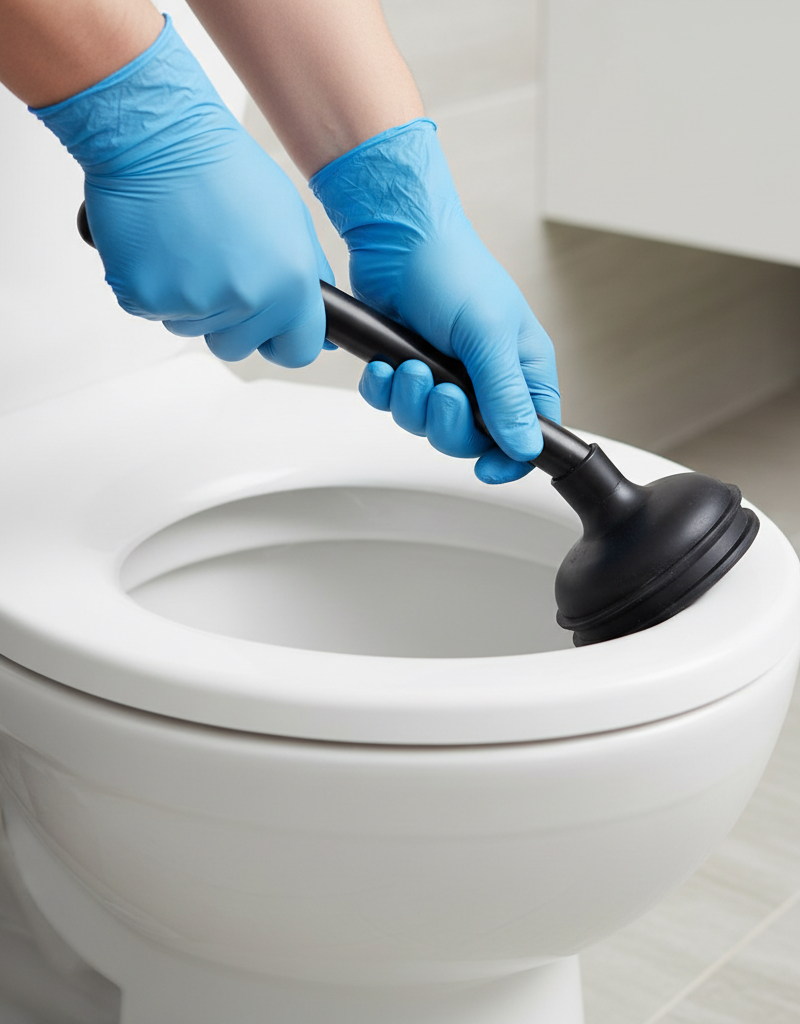
- Use a Flange Plunger: This type has an extended rubber flap that creates a better seal in the toilet's drain opening than a cup plunger. It's essential for creating proper suction.
- Create a Seal: Ensure the plunger completely covers the drain hole. If the bowl is nearly empty, add enough water to cover the plunger head to maximize suction.
- Plunge Vigorously: Push down to create a vacuum, then pull up sharply to dislodge the clog. Repeat 10-15 times. Avoid gentle pushes; you need force to create a strong pressure wave. Materials needed: Flange plunger.
5. Snake the Toilet — For deeper clogs beyond the plunger's reach.
- Use a Toilet Auger (Closet Auger): This specialized tool is designed to navigate the toilet's trap without scratching the porcelain. It has a protective sleeve and a curved end that guides the snake. Materials needed: Toilet auger.
- Insert and Crank: Carefully insert the auger end into the toilet drain opening. Crank the handle clockwise while pushing to extend the cable. When you feel resistance, continue cranking to break apart or retrieve the obstruction. Pull the auger out slowly, retracting the cable as you go.
- Flush and Test: After removing the auger, flush the toilet several times to ensure the clog is cleared. If the problem persists, the clog is likely further down the main drain.
6. Check the Vent Pipe — Often overlooked, but critical for drainage.
- Locate the Vent Stack: The main vent stack extends through your roof. Look for a pipe about 2-4 inches in diameter (usually PVC or cast iron) sticking out of the roof, typically above the bathroom. There may be multiple vents for different fixtures.
- Inspect for Obstructions: From the ground with binoculars, or safely from a ladder, look for bird nests, leaves, or other debris that might be blocking the opening. Materials needed: Binoculars, garden hose, safety ladder (if applicable).
- Flush the Vent (Caution): If you can safely access the vent pipe opening on the roof, carefully insert a garden hose a few feet down and run water for a minute or two. This can dislodge minor blockages. Safety Note: Working on a roof is dangerous. Use extreme caution, have a spotter, and secure your ladder. If unsure, call a professional.
Common Causes
- Partial Drain Line Obstruction: The most common culprit. Accumulation of toilet paper, 'flushable' wipes (which are rarely truly flushable), feminine hygiene products, hair, or even small toys can partially block the drain pipe, allowing some water to pass but holding back solids until a full clog occurs.
- Obstructed Vent Pipe: As described above, a blocked vent prevents air from entering the drain system, creating a vacuum that restricts water flow and leads to slow, gurgling drains and frequent clogs.
- Low Water Level in Tank: If the fill valve isn't adjusted correctly or is faulty, the tank may not be filling with enough water to create a powerful flush, resulting in incomplete waste removal.
- Worn or Faulty Flapper Valve: A flapper that closes too quickly or doesn't open fully can prevent sufficient water from entering the bowl, leading to a weak flush and repeated clogs.
- Clogged Rim Jets: Mineral deposits (especially in hard water areas) can restrict the flow of water from the small holes under the toilet rim, reducing the force of the flush.
- Tree Root Intrusion: For homes with older main sewer lines and nearby trees, roots can grow into small cracks in the pipes, creating a mesh-like obstruction that catches debris and causes frequent blockages in the main line, affecting all drains.
- Improper Drain Line Slope: If the branch line or main drain doesn't have an adequate downward slope (typically 1/4 inch per foot), waste and water won't flow efficiently, leading to recurring blockages.
- Old or Inefficient Toilet: Older low-flush toilets (pre-1994, using 3.5+ gallons per flush) or even some early 1.6 GPF models were not designed with modern flushing power and can struggle to clear waste effectively.
Common Mistakes
- Using Chemical Drain Cleaners: These products often contain harsh chemicals that can damage your pipes (especially older PVC or cast iron), corrode toilet components, and are ineffective against most solid toilet clogs. They can also create hazardous fumes and make a plumber's job more dangerous if they have to work with standing caustic water. Use a plunger or auger instead.
- Ignoring Gurgling Sounds: Assuming occasional gurgling from other drains (sink, shower) when the toilet flushes is normal. This is a classic sign of a vent pipe issue or a main drain clog and shouldn't be overlooked.
- Using the Wrong Plunger: A standard cup plunger designed for flat drains won't create an effective seal in a toilet bowl. A flange plunger (with the extended rubber skirt) is essential for proper toilet plunging.
- Flushing 'Flushable' Wipes: Despite manufacturers' claims, most
Related Articles
Keep troubleshooting with these hand-picked guides from FixlyGuide:
- The Secret Reason Your Toilet Clogs Every Few Days (It’s Not What You Think) — Frequent toilet clogs often point to issues beyond simple blockages, from vent pipe problems to a failing flush mechanism, demanding a clos…
- The 3 Hidden Reasons Your Toilet Clogs Repeatedly (And How to Fix Each One) — Uncover the surprising culprits behind your constantly clogging toilet and learn homeowner-friendly fixes to restore flush power.
- Why Your Toilet Clogs Every Few Days (And the #1 Mistake Homeowners Make) — A toilet that clogs frequently is a frustrating problem, but often points to a few common culprits that homeowners can diagnose and fix wit…
- Why Your Toilet Clogs Every Few Days (And the #1 Mistake Homeowners Make) — A toilet that clogs frequently is a frustrating problem, often caused by easily overlooked issues like trapway obstructions or ventilation…
- The #1 Mistake Homeowners Make with a Slow Kitchen Drain (and the Real Fix) — Before you reach for harsh chemicals, learn the right way to fix a slow kitchen sink drain and prevent future clogs.
- Is Your Gutter Sagging After Every Storm? The Hidden Flaw Most Homeowners Miss — Discover the overlooked reason your gutters sag after every storm and learn the lasting fix that most homeowners miss.
What should this project cost?
Enter your project details for a realistic cost range before you call anyone.
Common repairs run $150–$650; repipes and water-heater replacements reach $1,500–$4,500.
- Regional adjustment
- National average
- Labor share (typical)
- ~$754
- Quotes to collect
- 3 written estimates
Educational estimate based on national averages — not a binding quote. Always confirm with written local estimates.
Fixly Project Decision Box
- DIY difficulty
- Moderate
- Estimated time
- 30 minutes – half a day
- Cost level
- Moderate
Main tools / materials
- Adjustable wrench
- Plunger or drain auger
- Bucket and towels
- Thread tape
When to stop and call a pro
- Water you cannot shut off at the fixture or main
- Sewage backing up into more than one fixture
- Water near electrical panels or outlets
- Gas water heater work beyond relighting a pilot
Need professional help?
Get a Licensed PlumberFrequently asked questions
Why does my toilet clog repeatedly even with normal use?+
Repeated clogging with normal use often indicates a systemic issue, such as a partial blockage in the main drain or vent pipe, a faulty flapper allowing insufficient water into the bowl, or mineral deposits clogging the rim jets.
Can a blocked vent pipe cause my toilet to clog?+
Yes, absolutely. A blocked vent pipe prevents air from entering the drain system as water flows out. This creates a vacuum, leading to slow drainage, gurgling sounds, and frequent clogs because waste struggles to be pulled down effectively.
Are 'flushable' wipes really safe for my toilet?+
No, despite their labeling, most 'flushable' wipes do not break down like toilet paper and are a major cause of recurring clogs in toilets and main sewer lines. It's best to dispose of them in the trash.
When should I call a plumber for a constantly clogging toilet?+
You should call a plumber if you've tried plunging and augering without success, if multiple drains in your home are slow or backing up, if you suspect a main sewer line issue (like tree root intrusion), or if you can't safely access or clear a blocked vent pipe.
Discussion
Loading comments…