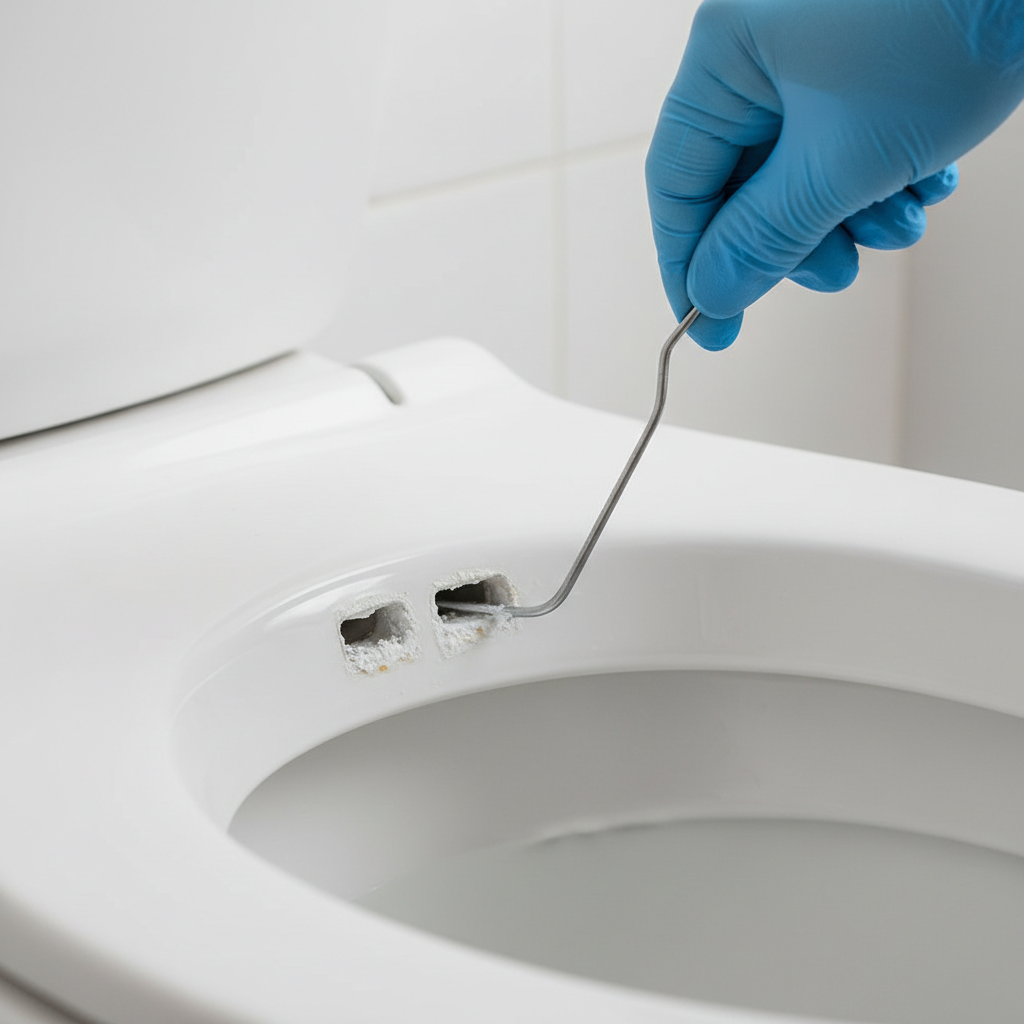
- Mineral and Limescale Buildup: Hard water leaves calcium and magnesium deposits, restricting flow in rim and siphon jets and narrowing the trapway over time. This is the most frequent sneaky culprit for recurring clogs.
- Worn Flapper or Faulty Fill Valve: Insufficient water volume in the tank or a flapper that doesn't seal/open correctly prevents a powerful flush, leaving waste behind.
- Excessive Toilet Paper / “Flushable” Wipes: Despite marketing, most
Plumbing · Clog
| Project category | Plumbing |
|---|---|
| Problem type | Clog |
| Trade required | Plumbing |
| Urgency | Soon — within weeks |
| Safety risk | Low safety risk |
| DIY suitability | DIY friendly |
| Cost category | Low cost |
| Typical timeline | Same-day DIY attempt; pro visit within a day or two |
| Contractor type | Licensed plumber |
Repair option
Plunger, hand auger, or trap cleanout before chemicals.
Replacement option
Line replacement when clogs return in the same spot repeatedly.
Common causes
- Hair and soap buildup in the trap
- Grease cooling in the branch line
- Flushed wipes or foreign objects
Relevant tools:diy difficultydiy or hire a pro
Published June 10, 2026Last updated August 17, 2026
Tools & materials you'll need
Affiliate linksAs an Amazon Associate FixlyGuide earns from qualifying purchases — at no extra cost to you. Prices and availability are accurate as of publication and subject to change.
Quick Answer
Experiencing a toilet that clogs every few days, even with normal use, is a frustrating but common issue. While it's easy to blame what goes down the drain, the real culprits are often more subtle: a weakened flush caused by mineral buildup in the rim jets and siphon jet, a partially obstructed toilet trap, or even an issue further down in the main drain line. Diagnosing and addressing these specific issues, from simple cleaning to minor plumbing work, can restore your toilet's reliable flush and prevent those annoying frequent blockages.
The Problem
You flush, and for a day or two, everything seems fine. Then, seemingly out of nowhere, you're facing another clog. This isn't the kind of dramatic, overflowing blockage caused by a child's toy or excessive toilet paper. Instead, it's a persistent, low-power clog that makes you dread every flush. This recurring problem signals that the toilet isn't efficiently moving waste through its trap and into the drain line. The lack of force, often due to constricted water flow or a minor obstruction, means waste struggles to clear the system, leading to a build-up that quickly becomes a full-blown clog again and again.
How It Works
To understand why your toilet keeps clogging, it helps to know how it's supposed to work. When you press the flush handle, a chain lifts the flapper valve inside the toilet tank. This allows water, under the force of gravity, to rush from the tank into the toilet bowl. This water doesn't just spill into the bowl; it enters through several distinct pathways. A significant portion flows through the toilet's rim, exiting small holes (rim jets) located underneath the rim. This creates a swirling action that helps clean the bowl. Crucially, a larger volume of water is directed down into a channel that leads to the siphon jet, a strategically placed opening at the bottom front of the bowl, below the water line. The rapid gush of water through this siphon jet creates a vacuum effect, drawing the bowl's contents down and out through the curved S-trap (the visible bend in the porcelain at the toilet's base) and into the main drain pipe. The momentum of this water, combined with the vacuum, is what effectively clears the bowl. If any of these pathways – especially the rim jets or the siphon jet – become partially blocked by mineral deposits, or if the trap itself has a minor obstruction, the flush power is significantly diminished, leading to incomplete waste removal and recurring clogs. A full, powerful flush is a direct result of unimpeded water flow through all these channels, creating a strong siphon that clears the bowl efficiently every time.
Step-by-Step Fix
Safety First—Always wear rubber gloves when working with toilets for hygiene. Turn off the water supply behind the toilet before any major work.
Diagnose the Flush Strength—Observe your toilet's flush carefully. A healthy flush is powerful, emptying the bowl quickly with a strong swirl and siphon. If it's sluggish, slow to drain, or requires multiple flushes, then restricted water flow is likely the problem.
Clean the Rim Jets—Mineral buildup here reduces water flow.
- Gather tools: Small mirror, wire coat hanger or Allen wrench, rubber gloves, toilet bowl cleaner.
- Method: Dip a small mirror under the rim to locate the small holes (rim jets). Use the end of a bent wire coat hanger or a small Allen wrench to poke and clear any visible mineral deposits from each jet. Apply a toilet bowl cleaner and let it sit for 30 minutes to an hour to dissolve remaining calcium before scrubbing and flushing.
Clear the Siphon Jet—This is the main driver of the flush.
- Locate: The siphon jet is a single, larger opening at the very bottom of the toilet bowl, in front of the drain hole.
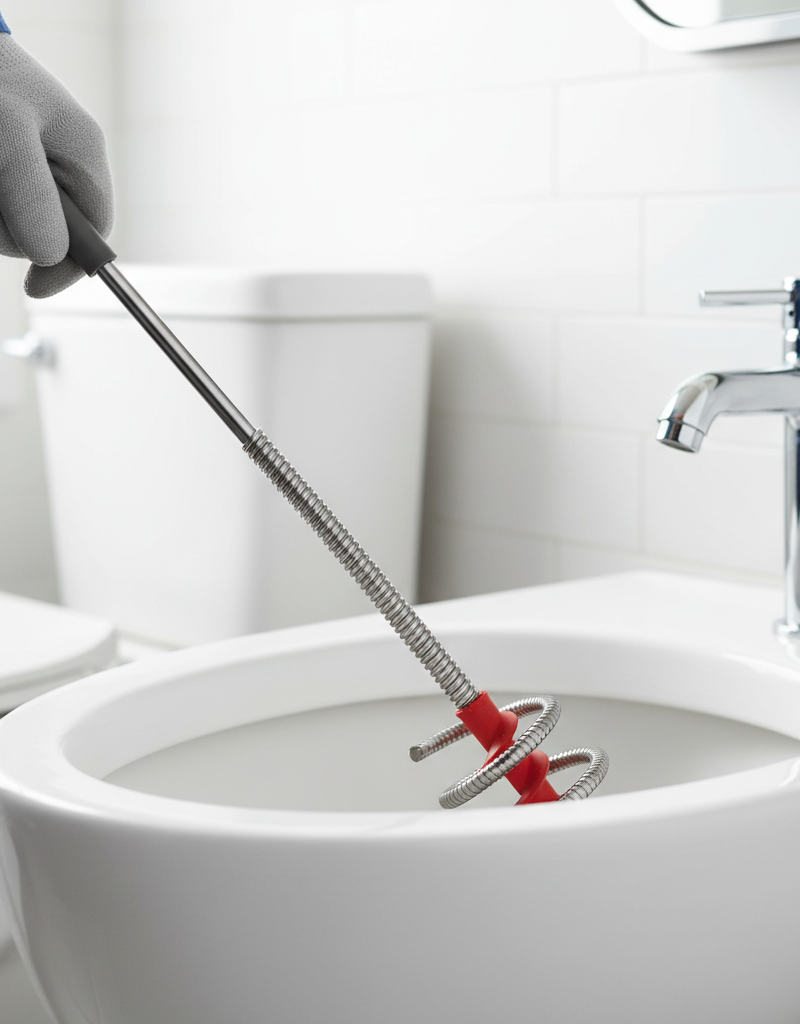
- Method: Use a firm plastic brush or the end of a stiff wire (bent at an angle if needed) to thoroughly scrub inside this opening. For stubborn buildup, carefully use a toilet brush or even a small bottle brush to reach deep inside and remove any obstructions. Pour a cup of white vinegar directly into the overflow tube in the tank (do this after turning off the water supply and flushing to empty the tank) and let it sit for several hours or overnight to dissolve mineral deposits within the internal channels. Then turn water back on and flush vigorously.
Inspect and Adjust Tank Components—Ensure proper water levels and flapper function.
- Water Level: The water level in the tank should be about an inch below the overflow tube. Adjust the fill valve if needed to achieve this.
- Flapper: Check the flapper for any signs of wear, warping, or an improper seal. A faulty flapper can cause a weak flush because not enough water leaves the tank quickly enough to create an effective siphon. Replace if necessary. Also, ensure the chain has 1-2 links of slack; too much tension can prevent a full seal, while too little can prevent a full lift.
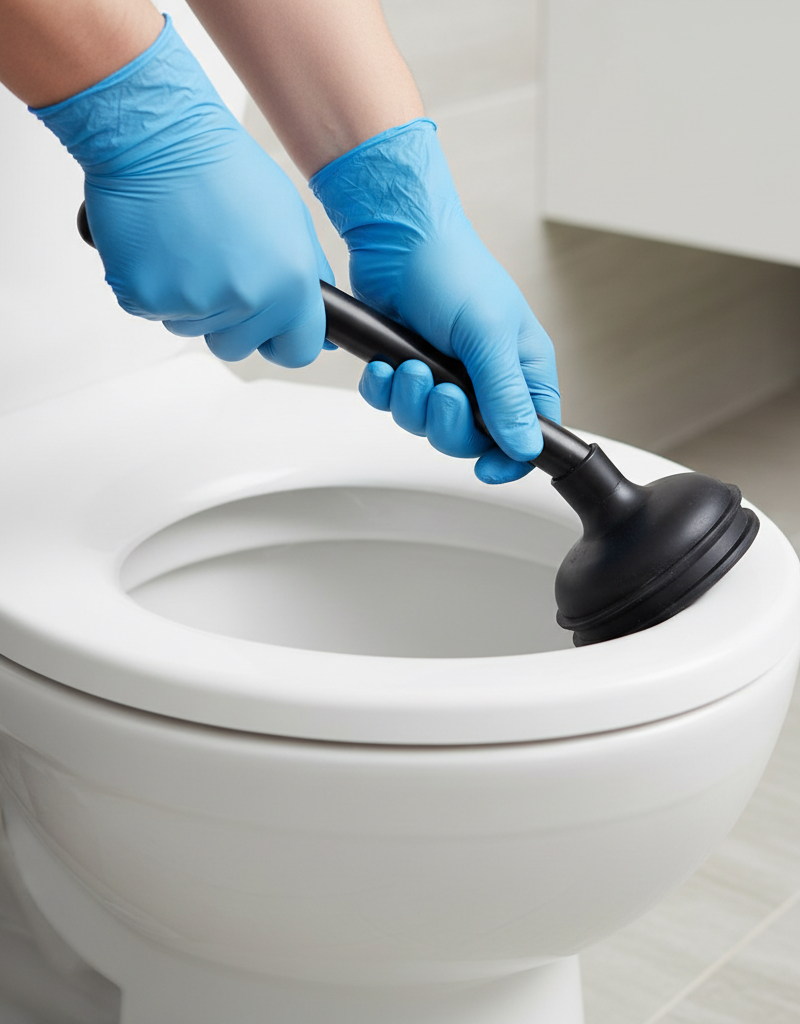
Plunge the Trap—A localized blockage in the toilet's P-trap often causes recurring clogs.
- Technique: Use a flange plunger (the type with an extended rubber lip) for the best seal. Position the plunger to create a tight seal over the drain opening. Plunge vigorously with several up-and-down strokes, keeping the seal intact. The goal is to create suction and pressure to dislodge the obstruction. Repeat several times, refilling the bowl with a bucket of water if necessary to maintain water level for plunging.
- If unsuccessful: If plunging doesn't work after a few attempts, the obstruction might be too far or too stubborn for a plunger. Do not keep plunging endlessly, as it can sometimes push water back under the toilet base if the wax ring is old or damaged.
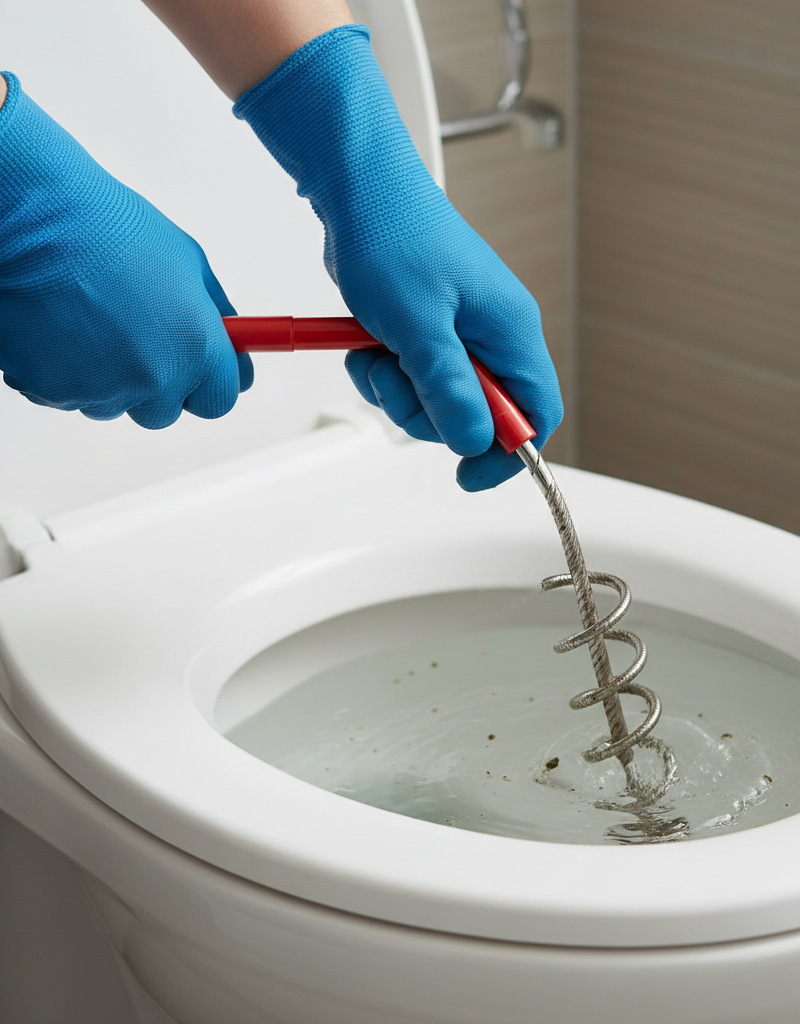
Snake the Toilet—For blockages beyond plunger reach but still within the toilet's trap or near exit.
- Tool: Use a toilet auger (closet auger), which has a protective sleeve to prevent scratching the porcelain.
- Method: Carefully feed the auger's cable into the toilet drain, turning the handle as you push. When you feel resistance, rotate the handle to grab or break apart the obstruction. Slowly pull the auger back out, clearing any material it retrieved. Flush to check. Never use a standard drain snake designed for sinks, as it can scratch the toilet bowl.
Consider a Chemical Cleaner (with caution)—As a last resort for organic clogs.
- Product: Use an enzyme-based drain cleaner, which digests organic matter without damaging pipes. Avoid harsh chemical drain cleaners (lye, sulfuric acid) as they can damage PVC pipes, corrode older metal pipes, and pose significant safety risks if they don't clear the clog and a plumber has to work with them.
- Method: Follow product instructions precisely. Pour the recommended amount into the bowl and let it sit for the specified time, then flush. Ensure good ventilation.
Inspect the Drain Line for Deeper Issues—If all else fails, the problem may be further down.
- Symptoms: If multiple fixtures are draining slowly or gurgling, the main drain line is likely affected.
- Method: This is often beyond DIY. A main line clog requires a professional plumber with specialized equipment like a large drain snake or hydro-jetter to clear the blockage. Look for signs in other bathrooms, sinks, or showers.
Common Causes
- Mineral and Limescale Buildup: Hard water leaves calcium and magnesium deposits, restricting flow in rim and siphon jets and narrowing the trapway over time. This is the most frequent sneaky culprit for recurring clogs.
- Worn Flapper or Faulty Fill Valve: Insufficient water volume in the tank or a flapper that doesn't seal/open correctly prevents a powerful flush, leaving waste behind.
- Excessive Toilet Paper / “Flushable” Wipes: Despite marketing, most
Related Articles
Keep troubleshooting with these hand-picked guides from FixlyGuide:
- The Secret Reason Your Toilet Clogs Every Few Days (It’s Not What You Think) — Frequent toilet clogs often point to issues beyond simple blockages, from vent pipe problems to a failing flush mechanism, demanding a clos…
- The 3 Hidden Reasons Your Toilet Clogs Repeatedly (And How to Fix Each One) — Uncover the surprising culprits behind your constantly clogging toilet and learn homeowner-friendly fixes to restore flush power.
- The #1 Mistake Homeowners Make with a Slow Kitchen Drain (and the Real Fix) — Before you reach for harsh chemicals, learn the right way to fix a slow kitchen sink drain and prevent future clogs.
- Why Your Toilet Clogs Every Few Days (And the #1 Mistake Homeowners Make) — A toilet that clogs frequently is a frustrating problem, but often points to a few common culprits that homeowners can diagnose and fix wit…
- Why Your Toilet Clogs Every Few Days (And the #1 Mistake Homeowners Make) — A toilet that clogs frequently is a frustrating problem, often caused by easily overlooked issues like trapway obstructions or ventilation…
- The #1 Sprinkler Winterization Mistake That Leads to $1,000s in Damage — Discover the crucial mistake many homeowners make when winterizing sprinklers and how to properly blow out your system to prevent costly fr…
What should this project cost?
Enter your project details for a realistic cost range before you call anyone.
Common repairs run $150–$650; repipes and water-heater replacements reach $1,500–$4,500.
- Regional adjustment
- National average
- Labor share (typical)
- ~$754
- Quotes to collect
- 3 written estimates
Educational estimate based on national averages — not a binding quote. Always confirm with written local estimates.
Fixly Project Decision Box
- DIY difficulty
- Moderate
- Estimated time
- 30 minutes – half a day
- Cost level
- Moderate
Main tools / materials
- Adjustable wrench
- Plunger or drain auger
- Bucket and towels
- Thread tape
When to stop and call a pro
- Water you cannot shut off at the fixture or main
- Sewage backing up into more than one fixture
- Water near electrical panels or outlets
- Gas water heater work beyond relighting a pilot
Need professional help?
Get a Licensed PlumberFrequently asked questions
Why does my toilet clog every few days even when I don't flush much paper?+
Frequent clogging with normal use often points to mineral buildup in the toilet's rim and siphon jets, which weakens the flush. A partially obstructed trap or an issue with the tank's water level or flapper can also be the cause, preventing the toilet from clearing waste efficiently.
Discussion
Loading comments…