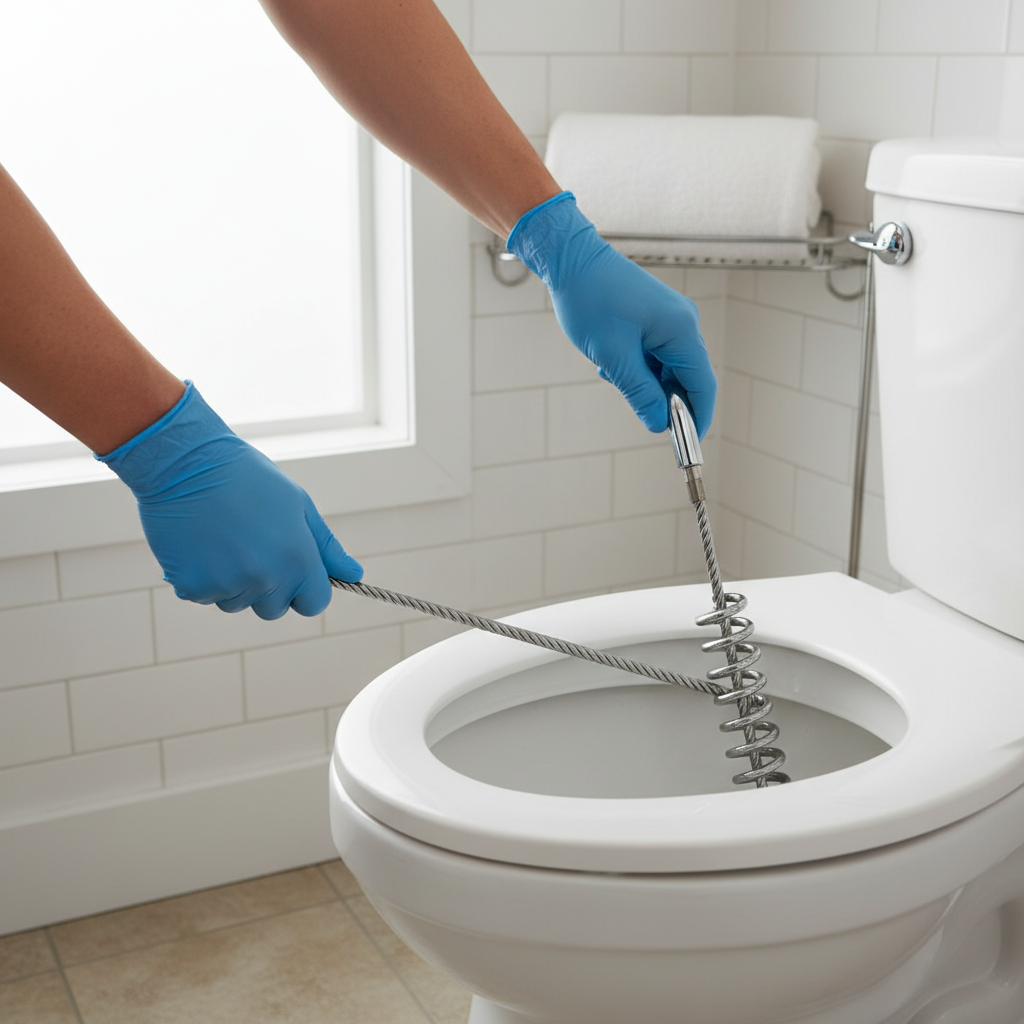
- Assess the Clog and Choose Your Weapon – Before you start, determine the severity. Is it slow to drain, or completely backed up? This informs your tool choice.
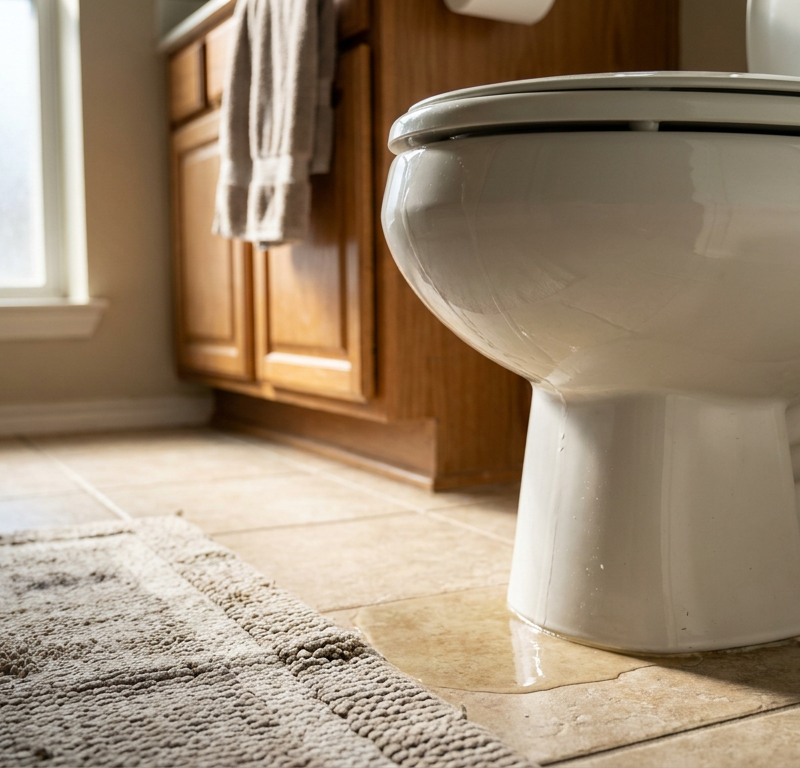
- If the water level is rising rapidly: Immediately reach for the water supply valve at the base of the toilet and turn it clockwise until the water stops. This prevents an overflow.
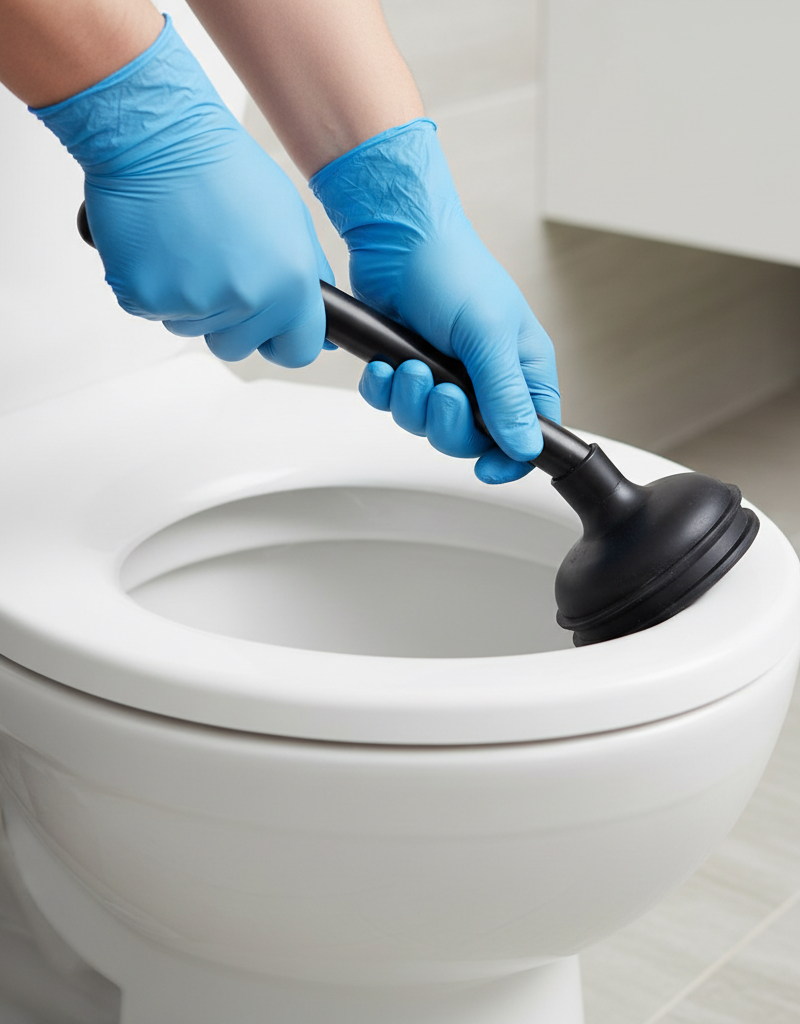
- For a partial clog (slow drain): Start with a good plunger.
- For a stubborn or recurring clog: You'll likely need a toilet auger.
Plumbing · Clog
| Project category | Plumbing |
|---|---|
| Problem type | Clog |
| Trade required | Plumbing |
| Urgency | Soon — within weeks |
| Safety risk | Low safety risk |
| DIY suitability | DIY friendly |
| Cost category | Low cost |
| Typical timeline | Same-day DIY attempt; pro visit within a day or two |
| Contractor type | Licensed plumber |
Repair option
Plunger, hand auger, or trap cleanout before chemicals.
Replacement option
Line replacement when clogs return in the same spot repeatedly.
Common causes
- Hair and soap buildup in the trap
- Grease cooling in the branch line
- Flushed wipes or foreign objects
Relevant tools:diy difficultydiy or hire a pro
Published May 30, 2026Last updated August 17, 2026
Tools & materials you'll need
Affiliate linksAs an Amazon Associate FixlyGuide earns from qualifying purchases — at no extra cost to you. Prices and availability are accurate as of publication and subject to change.
Quick Answer
Your toilet probably keeps clogging every few days due to a partial obstruction deeper in the drain line or the toilet's trap, an inefficient older toilet, or improper flushing habits. Less common but significant causes include issues with your home's main vent stack or mineral buildup. A thorough diagnostic approach, starting with effective plunging and augering, followed by inspecting the components, can help pinpoint and resolve the recurring issue, saving you from constant frustration and potential water damage.
The Problem
There's little more frustrating than a toilet that consistently refuses to flush properly, requiring a plunger every few days. This isn't just an inconvenience; it can lead to unsanitary conditions, potential water damage from overflows, and the constant stress of waiting for the next backup. A recurring clog signals an underlying issue that a simple, quick plunge often only temporarily addresses. It means something is impeding the flow of waste and water more persistently than a single accidental flush of a toy or too much tissue. Ignoring these recurring clogs can escalate a minor nuisance into a major plumbing emergency, potentially involving your main sewer line.
How It Works
To understand why your toilet keeps clogging, it helps to know how a toilet and its associated plumbing work. When you flush, water quickly fills the bowl from the tank, creating a siphoning action that pulls waste and water down the toilet trap. The toilet trap is that S-shaped bend just beneath the bowl – it always holds a small amount of water to prevent sewer gases from entering your home. From the trap, the waste enters the drain line, which slopes downwards, allowing gravity to carry it to the main sewer line or septic system.
Crucial to this whole process is the vent stack. This vertical pipe extends from your drain lines through your roof, allowing air to enter the plumbing system. This air prevents a vacuum from forming, which would otherwise slow or stop the flow of water and waste, and also vents sewer gases safely outside. If the vent line is blocked (e.g., by a bird's nest, leaves, or even an insect screen), the toilet may struggle to flush, leading to gurgling sounds, slow draining, and, you guessed it, recurring clogs.
Older toilets, especially those manufactured before 1994, often use much more water per flush (3.5 to 7 gallons per flush, or GPF) but sometimes have less efficient trapways or older designs that struggle with modern, thicker toilet paper. Modern low-flow toilets (1.6 GPF or less) rely on a stronger flush mechanism to achieve effective waste removal with less water. If one of these components – the trap, the drain line, or the vent – is partially obstructed or malfunctioning, constant clogs become an inevitable reality.
Step-by-Step Fix
Safety Note: Always wear rubber gloves when working with toilet clogs to protect against bacteria. If the toilet is overflowing, turn off the water supply valve behind the toilet immediately.
-
Assess the Clog and Choose Your Weapon – Before you start, determine the severity. Is it slow to drain, or completely backed up? This informs your tool choice.
- If the water level is rising rapidly: Immediately reach for the water supply valve at the base of the toilet and turn it clockwise until the water stops. This prevents an overflow.
- For a partial clog (slow drain): Start with a good plunger.
- For a stubborn or recurring clog: You'll likely need a toilet auger.
-
Effective Plunging Technique – Don't just push. A proper plunging technique creates suction.
- Position the plunger: Ensure the plunger cup completely covers the drain hole, creating a tight seal.
- Add water: If the bowl water is low, add enough water so the plunger cup is submerged. This helps create better suction.
- Pump firmly: Plunge with about 15-20 strong, deliberate up-and-down strokes, maintaining the seal. The goal is to dislodge the obstruction by creating pressure changes.
- Check results: Remove the plunger quickly and see if the water drains. Repeat if necessary. If it still won't clear, move to an auger.
-
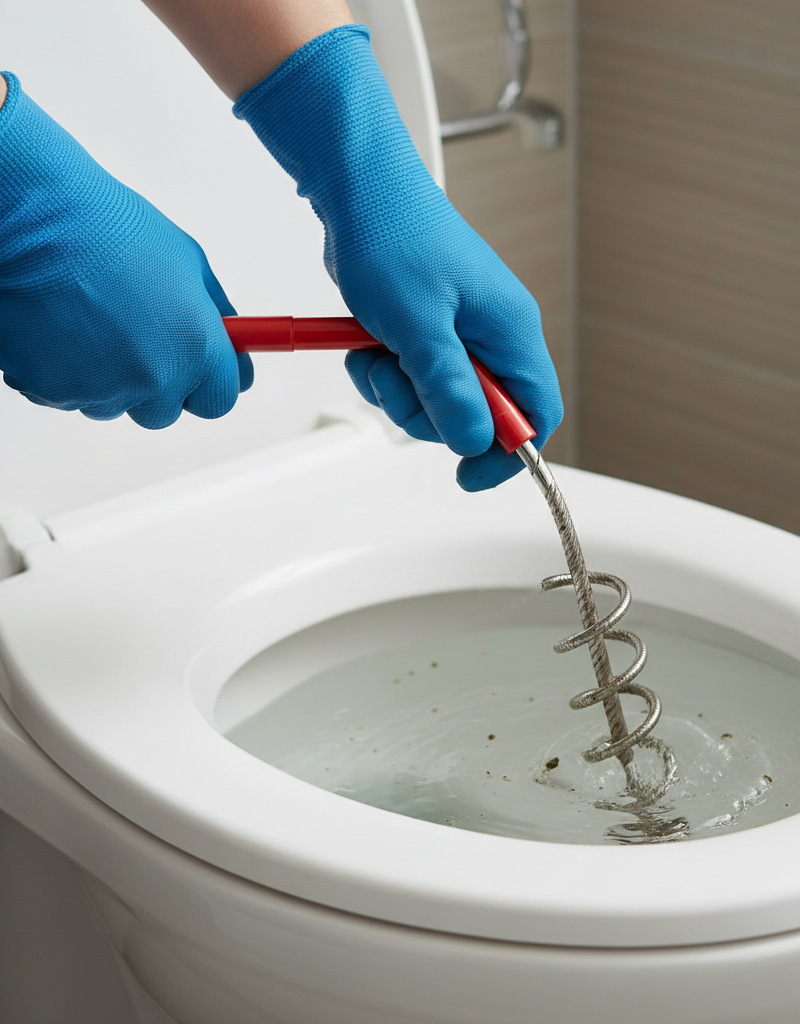
Deploy a Toilet Auger (Closet Auger) – This specialized tool is designed to clear clogs without scratching the porcelain.
- Insert the auger: Carefully insert the auger's coiled cable into the toilet drain hole. Ensure the rubber boot is protecting the porcelain.
- Crank it: Rotate the handle clockwise while pushing the cable further into the trap and drainpipe. You'll feel resistance when you hit the clog.
- Penetrate the clog: Continue turning and pushing to break through or hook the obstruction. You might feel a distinct "pop" as it clears.
- Retrieve: Once the clog is cleared or hooked, pull the auger back slowly, retrieving any material. Flush the toilet to confirm.
- If no clog found: The issue might be deeper in your drain line. If the auger goes in completely without resistance, the clog is likely further down or a different problem entirely.
-
Inspect the Vent Stack (From the Roof) – A blocked vent stack can mimic a drain clog.
- Safety First: Use a sturdy ladder and have a spotter. Do not attempt this if you are uncomfortable with heights or if the roof is wet or icy.
- Locate the vent: Find the 3-inch or 4-inch PVC or cast iron pipe extending from your roof, typically above a bathroom.
- Look for obstructions: Shine a flashlight down the pipe. Look for leaves, bird nests, dead animals, or debris. You may see a screen installed that is now clogged.
- Clear carefully: Use a long, flexible drain snake or a garden hose (with the water turned on low) to gently clear any visible obstructions. Do not force anything down the pipe that could get stuck.
-
Address Mineral Buildup (If Applicable) – Hard water can cause calcium and lime scale buildup in the toilet's jet holes and trapway, restricting flow.
- Inspect rim jets: Shine a flashlight under the rim of the toilet bowl. Look for clogged holes where water enters.
- Clean jets: Use a small wire (like a coat hanger or an Allen wrench) to poke and clear each jet hole. You can also carefully use a mirror to see the back ones.
- Chemical treatment (use with caution): For persistent buildup, turn off the water supply and flush the toilet to empty the bowl. Pour a cup or two of white vinegar into the overflow tube in the tank (which will slowly release it into the bowl jets) or directly into the bowl and let it sit overnight. Scrub well the next morning before flushing. Do not mix vinegar with bleach products.
-
Evaluate Toilet Efficiency – Older, inefficient toilets are common culprits for recurring clogs.
- Identify age: Look for the manufacturing date stamp inside the tank or on the base of the bowl. Toilets made before 1994 often use 3.5 GPF or more.
- Consider replacement: If your toilet is old and constantly clogs despite other fixes, a new high-efficiency toilet (HET) with a more powerful flush mechanism may be the best long-term solution. Modern toilets have much better trapway designs.
-
Check for Main Drain Issues (Pro Only) – If all else fails, the clog could be further down the main drain line.
- Beyond DIY: If the issue persists after clearing the toilet trap and checking the vent, it's likely a main drain issue that requires professional equipment like a larger drain snake or hydro-jetting. This is not a DIY task due to complexity and potential damage.
Common Causes
- Partial Obstruction in the Trap or Drain Line: Most frequent cause. Something is stuck (e.g., too much toilet paper, "flushable" wipes that aren't, feminine hygiene products, small toys) but not completely blocking the flow, allowing some drainage but causing frequent backups. Over time, more material gets snagged on the obstruction.
- Inefficient or Old Toilet Design: Toilets manufactured before the mid-1990s often have less powerful flush mechanisms and smaller trapways that are prone to clogging, especially with modern, thicker toilet paper.
- Blocked Vent Stack: Leaves, bird nests, or even insect screens can block the vent pipe on your roof, leading to negative air pressure in the drain lines. This prevents proper siphoning and causes sluggish flushing and gurgling, making clogs more frequent.
- Excessive Toilet Paper Use: Simply using too much paper, especially thicker brands, can overwhelm the toilet's flushing capacity, particularly in older or low-flow models.
- Hard Water Accumulation: Mineral deposits (lime, calcium) can build up in the toilet's rim jets and trapway over time, narrowing the passages and reducing flush power. This is more common in areas with hard water.
- Disposing of Non-Flushable Items: Even products labeled "flushable" (like certain wipes) do not break down like toilet paper and are a common cause of recurring clogs. Other culprits include cotton balls, dental floss, hair, and cooking grease.
- Sewer Line Issues: While less common for recurring toilet-specific clogs (usually affects multiple fixtures), a partial main sewer line blockage from tree roots or a collapsed pipe can manifest as a frequently clogging toilet.
Common Mistakes
- Ignoring Gurgling Sounds: Many homeowners disregard gurgling from the toilet or other drains as normal. Often, gurgling indicates a partial vent stack blockage or a developing drain clog. Address it early!
- Using Chemical Drain Cleaners: These harsh chemicals rarely solve the root cause of recurring clogs and can damage pipes, especially older ones. They also pose a chemical burn risk and can make a plumber's job harder.
- Applying Insufficient Plunging Pressure: A casual, weak plunge won't cut it. You need strong, deliberate strokes to create the necessary hydraulic pressure and suction to dislodge stubborn clogs.
- Using the Wrong Plunger: A flat-bottomed cup plunger works best for sinks and tubs, but a flange plunger (with an extension cone) is specifically designed to fit properly into a toilet bowl opening and create a tight seal.
- Not Checking the Vent Stack: Many DIYers focus solely on the drain and ignore the critical role of the vent stack. A blocked vent can make any drain constantly slow or clog, even if nothing is physically in the drainpipe itself.
- Flushing "Flushable" Wipes: Despite marketing, most "flushable" wipes do not disintegrate quickly enough and are a leading cause of clogs in household plumbing and municipal sewer systems. Always dispose of them in the trash.
Cost & Time Breakdown
| Task | DIY Cost | Pro Cost | Time |
|---|---|---|---|
| Plunging | $0 | $0 (if included) | 5-10 minutes |
| Toilet Auger Clearing | $20-$50 | $150-$300 | 15-30 minutes |
| Vent Stack Inspection/Clearing | $0 (DIY) | $100-$250 (minimum) | 30-60 minutes |
| Mineral Buildup Cleaning | $5-$10 (vinegar) | included if pro works | 1-4 hours (soak) |
| New Toilet Installation | $150-$400 (toilet) | $500-$1000 (total) | 2-4 hours |
| Main Drain Line Snaking | Not recommended | $200-$600 | 1-3 hours |
Tips & Prevention
- Mind What You Flush: The "only toilet paper and human waste" rule is paramount. Avoid flushing "flushable" wipes, paper towels, feminine hygiene products, dental floss, cotton balls, medication, or anything else besides natural waste and standard toilet paper.
- Use Less Toilet Paper: Encourage household members to use only the amount of toilet paper necessary. For very young children, teach them the "one-roll-at-a-time" rule (within reason).
- Periodically Clean Rim Jets: If you have hard water, regularly clean the rim jets under the toilet bowl with a wire brush or a descaling solution to prevent mineral buildup that reduces flush efficiency. Do this every 6-12 months.
- Inspect Vent Stack Annually: If you have recurring issues or live in an area with lots of trees, consider an annual (or biannual) visual inspection of your roof vent stack for obstructions. Clear any debris immediately.
- Consider a Higher-Efficiency Toilet (HET): If your current toilet is old and chronically clogs, upgrading to a modern, high-efficiency flushing toilet with a larger trapway can significantly reduce clogging issues and save water.
- Teach Good Habits: Educate everyone in your household, especially children, about proper toilet use. Explain why certain items should never be flushed.
When to Call a Professional
You should call a licensed plumber if your toilet continues to clog frequently after you've thoroughly plunged, augered, and inspected the drain and vent stack. If you suspect a clog beyond the toilet's immediate trap, or if multiple fixtures (sinks, tubs) in your home are draining slowly or backing up, it strongly indicates a main sewer line issue. Never attempt to inspect or clear your main sewer line yourself, especially if it involves accessing cleanouts that drain raw sewage, as this can expose you to health hazards and cause significant property damage if done incorrectly. A professional has specialized equipment, such as powerful augers, drain cameras, and hydro-jetting tools, to diagnose and clear deep-seated clogs, tree root intrusions, or address damaged sewer lines safely and effectively. Ignoring these signs can lead to widespread backups, costly water damage, and more extensive, expensive repairs down the line. A plumber can quickly identify if the problem is a failing toilet, a blockage in the branch line, a blocked main vent, or a more serious main sewer line obstruction.", meta_title="Toilet Keeps Clogging? The Hidden Culprit Behind Recurring Backups", meta_description="Find out why your toilet is constantly clogging and get practical, step-by-step solutions. Stop recurring backups with our comprehensive guide.", keywords=["toilet keeps clogging", "toilet clogs every few days", "fix recurring toilet clogs", "toilet plumbing problems", "blocked toilet vent", "toilet trap clog", "slow flushing toilet", "main drain clog"], faq=[default_api.CreateArticleFaq(question="Why does my toilet keep clogging every few days?", answer="Your toilet likely clogs frequently due to a partial obstruction in the trap or drain line, an inefficient older toilet design, or a blocked vent stack. Improper flushing habits, mineral buildup, and occasionally main sewer line issues can also be culprits."), default_api.CreateArticleFaq(question="Can a blocked vent cause a toilet to clog constantly?", answer="Yes, absolutely. A blocked vent stack prevents air from entering your plumbing system, creating a vacuum that restricts proper siphoning and drainage. This often leads to sluggish flushes, gurgling sounds, and recurring clogs."), default_api.CreateArticleFaq(question="Is it bad to constantly plunge a toilet?", answer="While plunging is necessary for clogs, constant, aggressive plunging can sometimes worsen a partial clog by compacting it further, or in rare cases, even damage seals or older pipes if done incorrectly. It
Related Articles
Keep troubleshooting with these hand-picked guides from FixlyGuide:
- Why Your Toilet Clogs Every Few Days (And the #1 Mistake Homeowners Make) — A toilet that clogs frequently is a frustrating problem, often caused by easily overlooked issues like trapway obstructions or ventilation…
- The Secret Culprit Behind Your Slow Sink Drain (It's Not Always Hair) — Uncover the surprising reasons your kitchen sink drains slowly and learn actionable steps to fix common clogs yourself.
- The Secret Culprit Behind That Refrigerator Water Leak (It’s Not What You Think) — Discover the surprising components that cause your refrigerator to leak water on the floor and learn how to fix it with simple steps.
- The Secret Culprit Behind Your Leaking Washing Machine (and the $15 Fix) — Discover the often-overlooked cause of washing machine leaks from the bottom and how a simple, affordable fix can save you from costly repa…
- The #1 Overlooked Reason Your Chimney Leaks (It Rots Your Roof!) — Discover the surprising, often-missed culprit behind your leaky chimney and how this common issue can silently damage your home.
- The #1 Gutter Mistake That Causes Overflow (It's Not Clogs!) — Discover the often-overlooked culprit behind overflowing gutters during heavy rain and learn the surprising, easy fix most homeowners miss.
What should this project cost?
Enter your project details for a realistic cost range before you call anyone.
Common repairs run $150–$650; repipes and water-heater replacements reach $1,500–$4,500.
- Regional adjustment
- National average
- Labor share (typical)
- ~$754
- Quotes to collect
- 3 written estimates
Educational estimate based on national averages — not a binding quote. Always confirm with written local estimates.
Fixly Project Decision Box
- DIY difficulty
- Moderate
- Estimated time
- 30 minutes – half a day
- Cost level
- Moderate
Main tools / materials
- Adjustable wrench
- Plunger or drain auger
- Bucket and towels
- Thread tape
When to stop and call a pro
- Water you cannot shut off at the fixture or main
- Sewage backing up into more than one fixture
- Water near electrical panels or outlets
- Gas water heater work beyond relighting a pilot
Need professional help?
Get a Licensed PlumberGet the print-ready PDF of this guide
A clean, ad-free, printable version you can keep on your phone or pin to the workshop wall. Free with a FixlyGuide account.
- Print-optimized layout
- Tools, materials & every step included
- Saved to your account
Frequently asked questions
Why does my toilet keep clogging every few days?+
Your toilet likely clogs frequently due to a partial obstruction in the trap or drain line, an inefficient older toilet design, or a blocked vent stack. Improper flushing habits, mineral buildup, and occasionally main sewer line issues can also be culprits.
Can a blocked vent cause a toilet to clog constantly?+
Yes, absolutely. A blocked vent stack prevents air from entering your plumbing system, creating a vacuum that restricts proper siphoning and drainage. This often leads to sluggish flushes, gurgling sounds, and recurring clogs.
Is it bad to constantly plunge a toilet?+
While plunging is necessary for clogs, constant, aggressive plunging can sometimes worsen a partial clog by compacting it further, or in rare cases, even damage seals or older pipes if done incorrectly. It's better to identify and fix the root cause.
When should I call a plumber for a constantly clogging toilet?+
You should call a plumber if the toilet continues to clog after thorough plunging and augering, if multiple drains are affected, if you suspect a main sewer line issue, or if you're uncomfortable inspecting plumbing components like the vent stack.
Do 'flushable' wipes really cause toilet clogs?+
Yes, despite their labeling, most 'flushable' wipes do not break down in water like toilet paper and are a very common cause of recurring clogs in household plumbing and city sewer systems. Always dispose of them in the trash.
Discussion
Loading comments…