- Why Your Toilet Clogs Every Few Days (And the 1 Mistake Homeowners Make) — A toilet that clogs frequently is a frustrating problem, but often points to a few common culprits that homeowners can diagnose and fix wit…
- Why Your Toilet Clogs Every Few Days (And the 1 Mistake Homeowners Make) — A toilet that clogs frequently is a frustrating problem, often caused by easily overlooked issues like trapway obstructions or ventilation…
- The Secret Reason Your Toilet Clogs Every Few Days (It’s Not What You Think) — Frequent toilet clogs often point to issues beyond simple blockages, from vent pipe problems to a failing flush mechanism, demanding a clos…
- The Secret Reason Your Toilet Clogs Every Few Days (It’s Not What You Think) — Discover the often-overlooked culprits behind a frequently clogging toilet and learn how to implement lasting fixes without calling a plumb…
- The 1 Mistake Homeowners Make with a Slow Kitchen Drain (and How to Undo It) — A slow kitchen sink drain is a common and frustrating problem, but often stems from a single preventable mistake that's easily fixed with t…
Plumbing · Clog
| Project category | Plumbing |
|---|---|
| Problem type | Clog |
| Trade required | Plumbing |
| Urgency | Soon — within weeks |
| Safety risk | Low safety risk |
| DIY suitability | DIY friendly |
| Cost category | Low cost |
| Typical timeline | Same-day DIY attempt; pro visit within a day or two |
| Contractor type | Licensed plumber |
Repair option
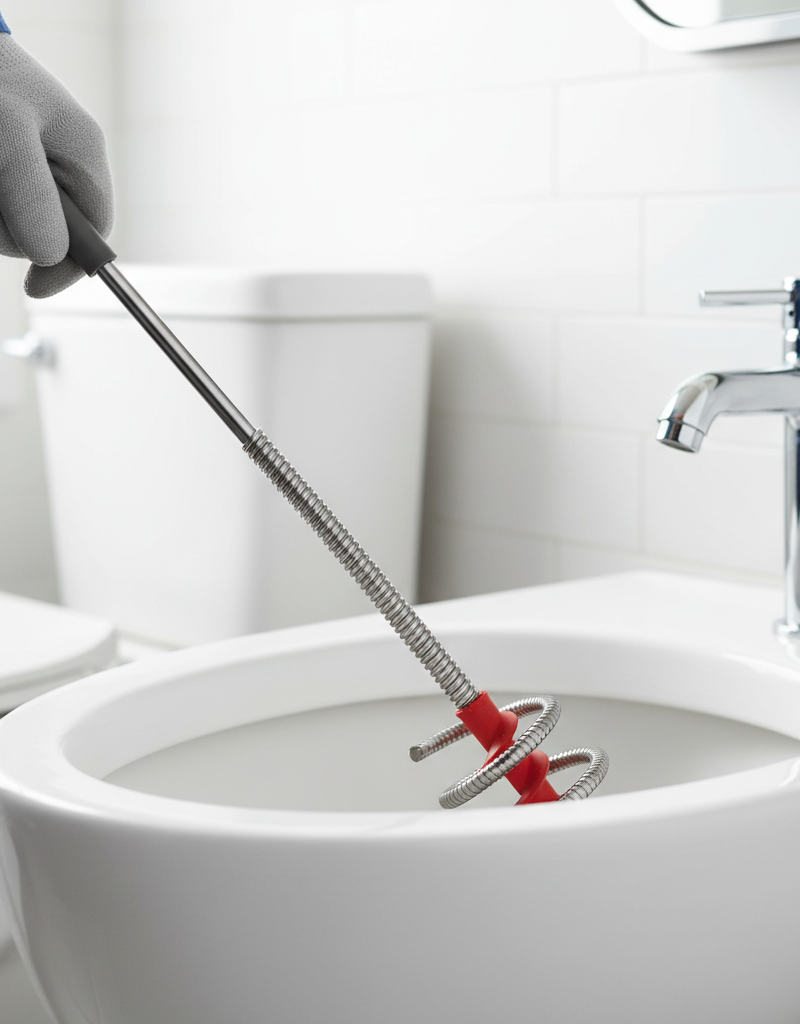
Plunger, hand auger, or trap cleanout before chemicals.
Replacement option
Line replacement when clogs return in the same spot repeatedly.
Common causes
- Hair and soap buildup in the trap
- Grease cooling in the branch line
- Flushed wipes or foreign objects
Relevant tools:diy difficultydiy or hire a pro
Published June 2, 2026Last updated August 18, 2026
Tools & materials you'll need
Affiliate linksAs an Amazon Associate FixlyGuide earns from qualifying purchases — at no extra cost to you. Prices and availability are accurate as of publication and subject to change.
Quick Answer
Your toilet probably isn't just "weak." A toilet that clogs every few days often points to a specific, underlying issue that’s not being adequately addressed. The real culprits range from a subtle loss of flush power due to a failing flapper or clogged rim jets, to partial obstructions deep within the trap or drain line, or even issues with your home's main vent stack. A systematic diagnostic approach, starting with the simplest checks and progressing to more complex troubleshooting, is essential to identifying and permanently resolving the recurring clog.
The Problem
There's nothing more annoying than a toilet that functions normally for a day or two, only to back up again with minimal use. This isn't a one-off "too much toilet paper" situation; it’s a recurring, frustrating cycle that suggests a deeper, systemic problem within your toilet or plumbing system. You might have tried plunging repeatedly, only for the issue to return, leaving you wondering if it's time for a new toilet or an expensive plumber visit. However, many common causes of frequent clogs are surprisingly simple to diagnose and fix yourself, provided you know where to look and what tools to use. The key is understanding how your toilet is supposed to work and then identifying where that process is breaking down, leading to inadequate waste removal and eventual blockages.
How It Works
To understand why your toilet keeps clogging, it helps to know how a modern gravity-fed toilet efficiently flushes waste. When you press the flush handle, it lifts a chain connected to the flapper (or flush valve seal) at the bottom of the toilet tank. This opens a large hole, allowing water to rapidly flow from the tank into the toilet bowl. This sudden rush of water, typically 1.28 to 1.6 gallons, is directed through two primary paths.
First, a significant portion of the water flows into the large siphon jet hole, located at the bottom front of the toilet bowl. This powerful jet of water initiates the siphon action, pushing the bowl's contents down the trapway. Simultaneously, some water is routed through small holes, known as rim jets, located under the rim of the toilet bowl. These jets serve two purposes: they rinse the bowl clean and, importantly, contribute to the swirling action that aids in creating a strong siphon. The combination of the siphon jet and the rim jets creates a high-pressure, high-volume flow that propels waste through the S-shaped trapway, past the wax seal, and into the drain pipe.
For an efficient flush, several components must work in harmony. The flapper must open fully and seal properly. The tank must fill to the correct water level, ensuring sufficient water volume. The siphon jet and rim jets must be clear of mineral deposits or obstructions to maintain their designed water flow and pressure. Finally, the trapway itself must be free of partial blockages, and the plumbing vent system must be unblocked to allow air to enter the drain pipes, preventing a vacuum that could impede water flow. Any disruption in this delicate balance—be it insufficient water, weak jet action, or a partial obstruction—can lead to recurring, frustrating clogs.
Step-by-Step Fix
1. Diagnose the Symptoms — Pay attention to the flush.
Before you grab any tools, observe exactly what happens when you flush. Does the water swirl weakly? Does it fill slowly after the flush? Does it drain completely but slowly, or does it rise immediately? This initial observation helps pinpoint the problem faster. A weak flush often indicates problems with water volume or jet power, while a slow drain after a seemingly good flush points more to a partial clog in the trap or drain line.
2. Check the Flapper and Tank Water Level — Ensure adequate water for a powerful flush.
Open the toilet tank lid. The water level should be about an inch below the top of the overflow tube. If it’s too low, adjust the fill valve to raise it. A common issue is a flapper that doesn't open fully or closes too soon. The chain connecting the flush handle to the flapper should have about 1/2 to 1 inch of slack. Too little slack can cause the flapper to not seal; too much slack prevents it from lifting fully. Ensure the flapper itself isn't old, stiff, or warped, which can prevent a full, quick release of water. If it looks degraded, replace it.
- Tools: None initially; small pliers if adjusting chain; replacement flapper if needed.
- Safety: Turn off the water supply to the toilet before replacing the flapper to avoid spills.
3. Clean Under-Rim Jets — Restore full flushing power.
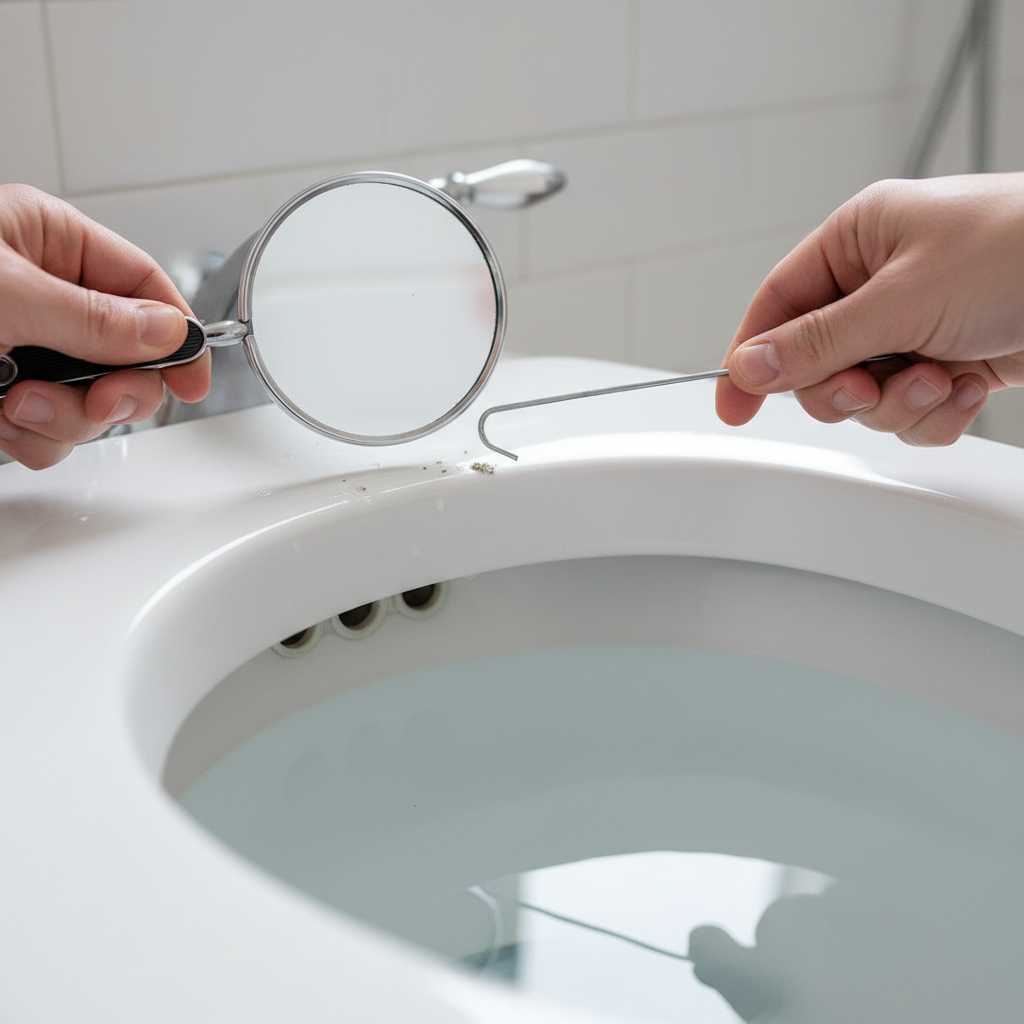
Over time, mineral deposits (lime, calcium) can build up in the small holes under the toilet rim, known as rim jets. These deposits restrict water flow, weakening the swirl action and overall flush power. Get a small mirror and a wire hanger or an Allen wrench. Using the mirror, inspect the jets. Straighten out the wire hanger or use the short end of an Allen wrench to carefully poke and clean out each jet hole. Be gentle to avoid scratching the porcelain. After cleaning, flush the toilet several times to see if the clog resolves.
- Tools: Small mirror, wire hanger or small Allen wrench, rubber gloves, toilet brush.
- Material: White vinegar (optional, for heavily mineralized jets).
- **If this doesn
Related Articles
Keep troubleshooting with these hand-picked guides from FixlyGuide:
- Why Your Toilet Clogs Every Few Days (And the #1 Mistake Homeowners Make) — A toilet that clogs frequently is a frustrating problem, but often points to a few common culprits that homeowners can diagnose and fix wit…
- Why Your Toilet Clogs Every Few Days (And the #1 Mistake Homeowners Make) — A toilet that clogs frequently is a frustrating problem, often caused by easily overlooked issues like trapway obstructions or ventilation…
- The Secret Reason Your Toilet Clogs Every Few Days (It’s Not What You Think) — Frequent toilet clogs often point to issues beyond simple blockages, from vent pipe problems to a failing flush mechanism, demanding a clos…
- The Secret Reason Your Toilet Clogs Every Few Days (It’s Not What You Think) — Discover the often-overlooked culprits behind a frequently clogging toilet and learn how to implement lasting fixes without calling a plumb…
- The #1 Mistake Homeowners Make with a Slow Kitchen Drain (and How to Undo It) — A slow kitchen sink drain is a common and frustrating problem, but often stems from a single preventable mistake that's easily fixed with t…
- The Hidden Reason Your GFCI Won't Reset (And It's Not Always a Damaged Outlet) — A GFCI outlet that won't reset can be frustrating, but often the cause isn't the outlet itself, but a hidden electrical issue downstream th…
Frequently asked questions
Why does my toilet clog every few days, even with normal use?+
Frequent clogging often points to underlying issues like mineral buildup in rim jets, a partially obstructed trapway, a failing flapper causing insufficient flush volume, or even problems with your main plumbing vent, rather than just too much toilet paper.
Can low water level in the toilet tank cause frequent clogs?+
Yes, absolutely. If the water level in your toilet tank is too low, there isn't enough water volume or pressure to create a powerful flush, leading to waste not being fully cleared and eventually causing recurring clogs. Adjust the fill valve to ensure the water level is about an inch below the overflow tube.
How do I know if my toilet's rim jets are clogged?+
You can inspect your toilet's rim jets using a small mirror. Look under the toilet rim for small holes. If you see white, crusty mineral buildup or if the water doesn't flow evenly from all the holes during a flush, your rim jets are likely clogged. Cleaning them can significantly improve flush power.
When should I call a professional plumber for recurring toilet clogs?+
You should call a professional plumber if you've tried all the DIY fixes (flapper replacement, jet cleaning, snaking the trap) and the toilet still clogs frequently, or if multiple drains in your home are slow or backing up. These are signs of a deeper issue in your main sewer line or vent stack that requires professional equipment and expertise.
Is it worth replacing an old toilet if it keeps clogging?+
If your toilet is very old (20+ years), uses excessive water (3.5+ gallons per flush), and continues to clog even after attempts to fix the common issues, replacing it might be a cost-effective solution. Newer toilets are designed for more efficient waste removal with less water, often solving recurring clog problems permanently, and saving on water bills.
Discussion
Loading comments…