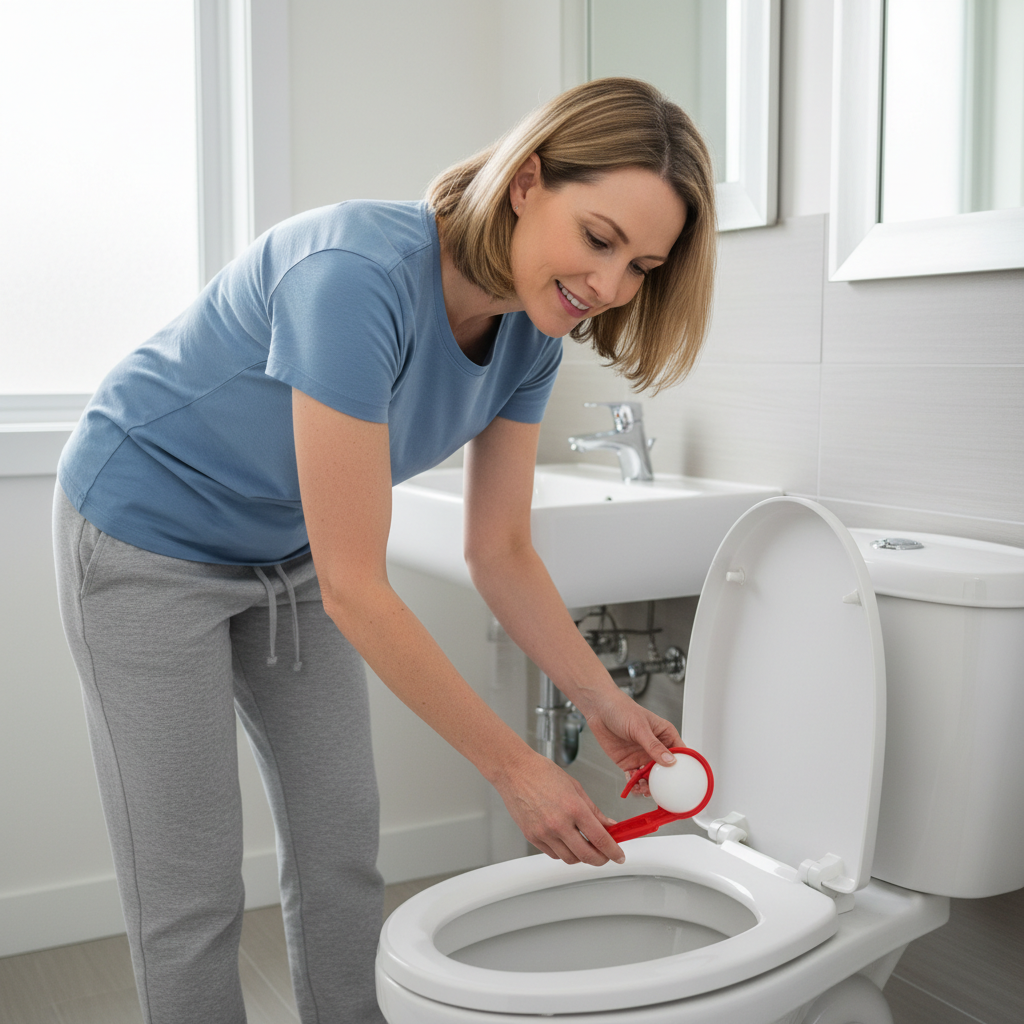
- Tools: Ladder, garden hose, wire hanger or specific vent auger.
- Safety: Working on a roof can be dangerous. Use a stable ladder and have a spotter. Do not attempt if you are uncomfortable with heights or roof work.
- Action: If you hear gurgling from the toilet or other drains when flushing, or if the toilet seems to
Plumbing · Clog
| Project category | Plumbing |
|---|---|
| Problem type | Clog |
| Trade required | Plumbing |
| Urgency | Soon — within weeks |
| Safety risk | Low safety risk |
| DIY suitability | DIY friendly |
| Cost category | Low cost |
| Typical timeline | Same-day DIY attempt; pro visit within a day or two |
| Contractor type | Licensed plumber |
Repair option
Plunger, hand auger, or trap cleanout before chemicals.
Replacement option
Line replacement when clogs return in the same spot repeatedly.
Common causes
- Hair and soap buildup in the trap
- Grease cooling in the branch line
- Flushed wipes or foreign objects
Relevant tools:diy difficultydiy or hire a pro
Published May 30, 2026Last updated August 17, 2026
Tools & materials you'll need
Affiliate linksAs an Amazon Associate FixlyGuide earns from qualifying purchases — at no extra cost to you. Prices and availability are accurate as of publication and subject to change.
Quick Answer
Frequent toilet clogging, occurring every few days, is typically caused by a combination of weak flushing power, partial drainpipe obstructions, or an improperly seated flapper. Addressing these issues can often be done with simple DIY fixes like enzyme cleaners, snaking the drain, or adjusting water levels and flapper chains. Persistent clogs after these steps may indicate deeper issues requiring professional evaluation.
The Problem
You're tired of the endless plunging, the anxiety of every flush, and the embarrassment when guests visit. A toilet that clogs every few days isn't just an inconvenience; it's a symptom of an underlying issue that needs to be diagnosed and addressed. This isn't about that one time someone flushed something they shouldn't have; this is about a systemic problem that makes your toilet unreliable. You might be experiencing slow draining, gurgling sounds, or even water backing up into other fixtures, all pointing to a recurring blockage or a compromised flushing mechanism.
The frustration builds with each failed flush. It's not always a complete blockage, but often a partial one that allows some water through, only to catch more waste with the next use, leading to another frustrating clog. This cycle suggests that the core problem isn't being fully resolved with each plunge, or that the toilet itself isn't operating at its peak efficiency. It's time to move beyond reactive plunging and understand the root causes to implement a lasting solution.
How It Works
Understanding how your toilet works is crucial to diagnosing and fixing frequent clogs. When you flush, water stored in the tank rapidly empties into the bowl. This sudden rush of water, aided by gravity and the specific design of the toilet bowl (often with siphonic action), creates a vacuum that pulls the contents of the bowl down the trapway and into the main drainpipe. The trapway is the curved S- or U-shaped pipe integral to the toilet's base, designed to hold a small amount of water (the trap seal) which prevents sewer gases from entering your home. From the trapway, waste travels into the larger waste pipe connected to your home's main drain system.
The effectiveness of this flush depends on several factors: the volume and velocity of water leaving the tank, the unimpeded flow through the trapway, and a clear drainpipe. A flapper valve in the tank controls the water release. When the handle is pressed, a lift chain pulls the flapper open, allowing water to rush into the bowl. Once the tank is nearly empty, the flapper falls back into place, sealing the tank and allowing it to refill. If the flapper doesn't open fully, closes too quickly, or the tank water level is too low, the flush won't have enough power. Similarly, any partial obstruction in the trapway or further down the drainpipe will impede the siphonic action, leading to slow drains and frequent clogs. The vent stack, a pipe extending through your roof, also plays a critical role by allowing air to enter the drain system, preventing a vacuum that would otherwise hinder water flow. Blockages in this vent can cause gurgling and slow drainage.
Step-by-Step Fix
1. Check Your Flapper & Water Level — Ensure enough water is entering the bowl with sufficient force.
- Tools: Measuring tape, small screwdriver if adjusting fill valve.
- Action: Open the toilet tank lid. The water level should be about 1 inch below the top of the overflow tube. If it's lower, adjust the fill valve mechanism to raise it. Also, observe the flapper: does it lift fully and stay open long enough for the tank to empty? A common issue is a flapper chain that's too long, allowing the flapper to close too soon, or too short, preventing full opening. Adjust the chain to have just a small amount of slack when the flapper is closed. A worn or stiff flapper might not seal properly or open fully; replace if necessary.
- If this doesn't work: Even with proper water levels, a faulty fill valve might not be delivering enough water quickly enough. Consider replacing the fill valve if the refill time is excessively slow.
2. Perform a Hot Water & Dish Soap Flush — Loosen minor organic clogs without harsh chemicals.
- Tools: Kettle or large pot, liquid dish soap.
- Safety: Do NOT use boiling water, as it can crack the porcelain bowl. Use hot tap water, heated sufficiently but not to a boil (around 140-160°F or 60-70°C).
- Action: Pour about 1/2 cup of liquid dish soap into the toilet bowl. Let it sit for 15-20 minutes, allowing it to lubricate the blockage. Then, slowly pour a gallon of hot (not boiling) water into the bowl from waist height. The heat helps break down grease and other organic matter, while the soap lubricates the path. Wait another 20 minutes before attempting to flush. This method often dislodges smaller, superficial clogs.
3. Use an Enzyme Drain Cleaner — Break down organic matter in the trap or drain line.
- Materials: Enzyme-based drain cleaner (e.g., Bio-Clean, Green Gobbler).
- Safety: Always follow the manufacturer's instructions carefully. Wear gloves and eye protection. Avoid chemical drain openers with harsh corrosives, as they can damage pipes and are dangerous.
- Action: Enzyme cleaners use beneficial bacteria to digest organic waste (hair, grease, food particles, toilet paper) gradually. They are not fast-acting but are safe for your plumbing and septic systems. Pour the recommended amount into the toilet bowl, ideally before bed, to allow it to work overnight. Repeat for several nights if necessary. This is especially effective if the recurring clog is caused by a buildup of soft organic material further down the pipe.
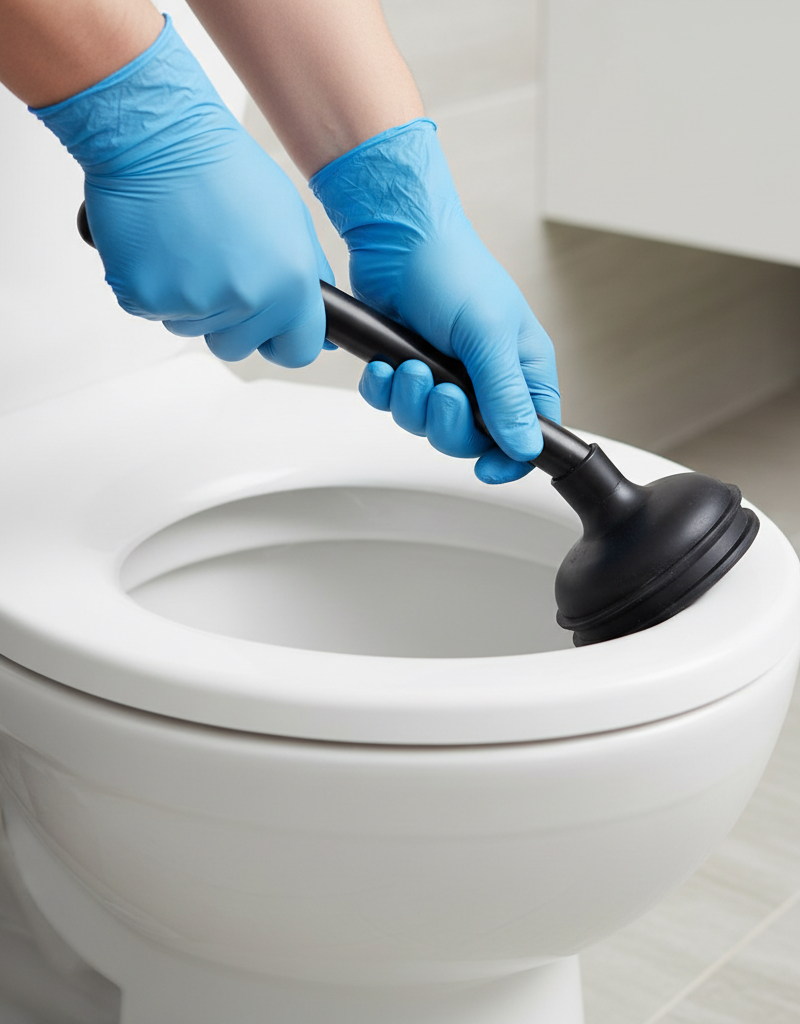
4. Power Plunge with Correct Technique — Maximize plunging effectiveness.
- Tools: High-quality flange plunger.
- Action: Ensure there's enough water in the bowl to cover the plunger's rubber cup. Position the flange (the extended part) directly into the drain opening for a tight seal. Push down slowly to expel air, then pull up sharply and push down forcefully straight down, maintaining the seal. Repeat this rapid up-and-down motion for 15-20 seconds. The goal is to create suction and pressure alternately to dislodge the clog. If the water level doesn't drop after several attempts, proceed to snaking.
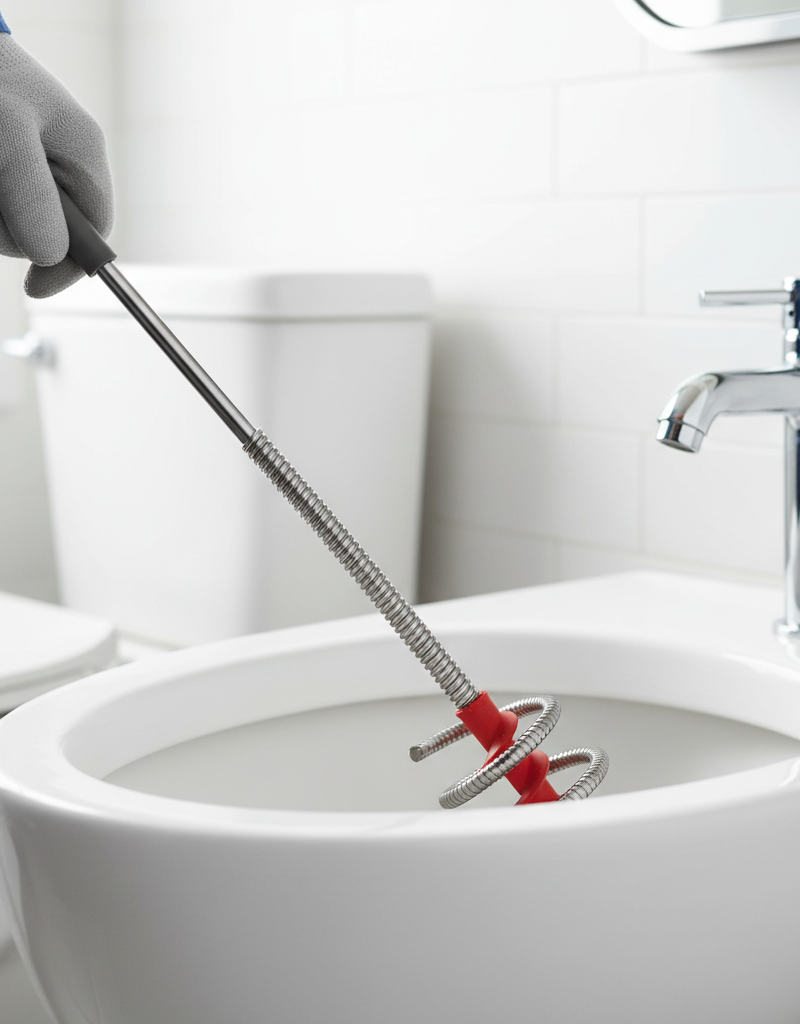
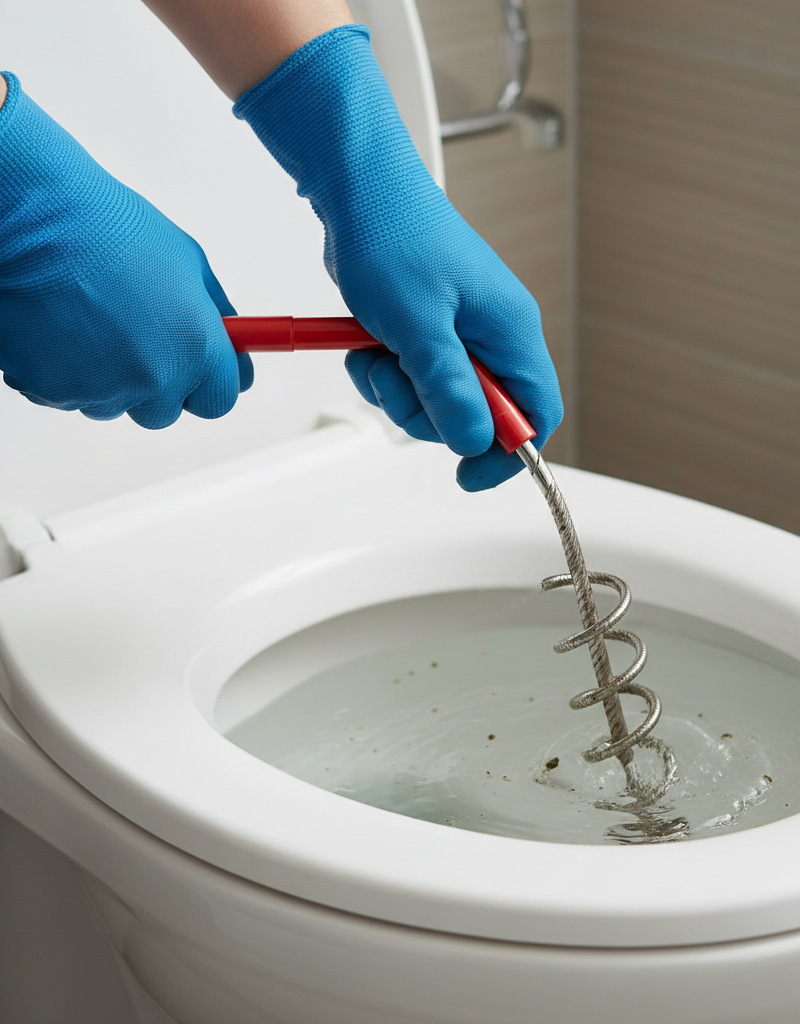
5. Snake the Toilet Trapway — Clear obstructions within the toilet's internal trap.
- Tools: Toilet auger (closet auger).
- Safety: Use a toilet auger, not a regular drain snake, to prevent scratching the porcelain.
- Action: Extend the auger cable into the toilet bowl's drain opening. Crank the handle clockwise while pushing the cable gently through the trapway until you feel resistance. Continue turning the handle to bore through the obstruction. Once you've gone past the clog, pull the auger back slowly, retrieving any material caught on the tip. Flush the toilet to check for clearance. Repeat if necessary.
6. Snake the Main Drain Line (If Trapway is Clear) — Address deeper blockages in the branch or main line.
- Tools: Standard drain snake (not a toilet auger).
- Safety: This step requires removing the toilet, which can be messy and carries a small risk of damaging the wax ring or bolts. Wear gloves and eye protection. If you're uncomfortable, consider calling a professional.
- Action: If the toilet auger didn't clear the clog and other fixtures in your bathroom are draining slowly (suggesting a common line blockage), you might need to snake the drain from the toilet flange. First, turn off the water supply to the toilet, flush to empty the tank and bowl, and disconnect the supply line. Unscrew the toilet's hold-down bolts at the base. Gently rock and lift the toilet off the flange and set it aside on old towels/cardboard. Stuff a rag into the open drainpipe to prevent sewer gas. Now, insert a standard drain snake into the open drainpipe. Feed the cable until you hit the obstruction, then crank to break it up. Slowly retrieve the snake, cleaning off any debris. Replace the toilet with a new wax ring before re-bolting and reconnecting the water supply.
7. Address Vent Stack Issues — Clear partial blockages in your home's venting system.
- Tools: Ladder, garden hose, wire hanger or specific vent auger.
- Safety: Working on a roof can be dangerous. Use a stable ladder and have a spotter. Do not attempt if you are uncomfortable with heights or roof work.
- Action: If you hear gurgling from the toilet or other drains when flushing, or if the toilet seems to
Related Articles
Keep troubleshooting with these hand-picked guides from FixlyGuide:
- The Secret Reason Your Toilet Clogs Every Few Days (It’s Not What You Think) — Frequent toilet clogs often point to issues beyond simple blockages, from vent pipe problems to a failing flush mechanism, demanding a clos…
- The 3 Hidden Reasons Your Toilet Clogs Repeatedly (And How to Fix Each One) — Uncover the surprising culprits behind your constantly clogging toilet and learn homeowner-friendly fixes to restore flush power.
- Why Your Toilet Clogs Every Few Days (And the #1 Mistake Homeowners Make) — A toilet that clogs frequently is a frustrating problem, often caused by easily overlooked issues like trapway obstructions or ventilation…
- The Dirty Secret KITCHEN SINKS DRAIN SLOWLY — And It’s NOT Always a Clog — Discover the often-overlooked culprits behind a slow-draining kitchen sink that aren't always a simple clog, and learn how to fix them.
- The Nasty Truth About Your Smelly Bathroom Sink — And the $5 Fix — A persistent foul odor from your bathroom sink drain is often caused by a forgotten gunk buildup that's easy to eliminate with basic househ…
- The #1 Reason Your Gutters Overflow (It's Not Clogging) — Discover the surprising true cause of overflowing gutters during heavy rain and how a simple fix can prevent costly water damage to your ho…
Should you do this yourself?
Answer five quick questions before you start. Safety outranks savings every time.
Your experience with work like this
How high do you have to work?
Does the job involve any of these?
Will it need a permit?
Specialty tools
Free and instant. Educational guidance only — not a quote, inspection, or professional diagnosis.
What should this project cost?
Enter your project details for a realistic cost range before you call anyone.
Common repairs run $150–$650; repipes and water-heater replacements reach $1,500–$4,500.
- Regional adjustment
- National average
- Labor share (typical)
- ~$754
- Quotes to collect
- 3 written estimates
Educational estimate based on national averages — not a binding quote. Always confirm with written local estimates.
Fixly Project Decision Box
- DIY difficulty
- Moderate
- Estimated time
- 30 minutes – half a day
- Cost level
- Moderate
Main tools / materials
- Adjustable wrench
- Plunger or drain auger
- Bucket and towels
- Thread tape
When to stop and call a pro
- Water you cannot shut off at the fixture or main
- Sewage backing up into more than one fixture
- Water near electrical panels or outlets
- Gas water heater work beyond relighting a pilot
Need professional help?
Get a Licensed PlumberBefore you start
Check the difficulty, permits, and safety risk — then decide whether to call a pro.
- Estimate this projectGet a cost range for your scope and ZIP before you call anyone.Open
- Get local estimatesSend one request and compare written estimates from vetted pros.Open
Free, no signup required. Estimates are educational guidance, not a quote or an inspection.
Frequently asked questions
Why does my toilet clog every few days?+
Toilets that clog often usually have a weak flush, a partial obstruction in the trapway or drain line, or issues with the tank components like a flapper that closes too quickly. Sometimes, an overwhelmed septic system or vent stack issues can also contribute.
Can low water pressure cause a toilet to clog?+
While low general water pressure doesn't directly affect a toilet's flush (as it relies on tank water volume and gravity), a low water *level* in the toilet tank can significantly weaken the flush. Ensure your tank's water level is about 1 inch below the overflow tube.
Is it bad to constantly plunge a toilet?+
Occasional plunging is fine, but constant, forceful plunging can sometimes worsen a partial clog by compacting it, or if done improperly, even damage the wax ring seal at the toilet's base, leading to leaks. It's better to address the root cause of frequent clogs.
When should I call a plumber for a frequently clogging toilet?+
Call a plumber if you've tried basic DIY fixes (plunging, augering, enzyme cleaners) and the toilet still clogs, if multiple drains in your home are slow or backed up, if you suspect a main sewer line issue, or if you're uncomfortable with tasks like removing the toilet to snake the drain.
Are 'flushable' wipes safe for toilets?+
Despite their label, most 'flushable' wipes do not break down like toilet paper and are a very common cause of recurring toilet and sewer line clogs. Always dispose of them in the trash.
Discussion
Loading comments…