- Is Your Toilet Always Clogging? End the Nightmare Tonight. — A frequently clogging toilet is a common and frustrating problem, but often has a simple solution homeowners can tackle themselves.
- The Secret Culprit Behind Your Kitchen Sprayer’s Drab Drizzle (It’s Not Clogging!) — Don't replace that kitchen sink sprayer head just yet! Low pressure often stems from a few hidden, easily fixable issues within your faucet…
- The Secret Reason Your Chimney Leaks During Rain (It's Not Always the Obvious Culprit) — A leaking chimney during rain can be a frustrating mystery, but often the root cause isn't what you think, leading to costly misdiagnosis.
- Dishwasher Not Draining? Easy Fixes for a Clogged Drain — A dishwasher that won't drain at the end of a cycle is a common problem, often caused by simple clogs or blockages that homeowners can fix…
- The Secret Culprit Behind Your Leaky Chimney (It’s Not Always the Obvious Fix) — A leaky chimney during rain can indicate several issues, from simple flashing problems to complex crown damage, requiring homeowners to dia…
Plumbing · Clog
| Project category | Plumbing |
|---|---|
| Problem type | Clog |
| Trade required | Plumbing |
| Urgency | Soon — within weeks |
| Safety risk | Low safety risk |
| DIY suitability | DIY friendly |
| Cost category | Low cost |
| Typical timeline | Same-day DIY attempt; pro visit within a day or two |
| Contractor type | Licensed plumber |
Repair option
Plunger, hand auger, or trap cleanout before chemicals.
Replacement option
Line replacement when clogs return in the same spot repeatedly.
Common causes
- Hair and soap buildup in the trap
- Grease cooling in the branch line
- Flushed wipes or foreign objects
Relevant tools:diy difficultydiy or hire a pro
Published April 28, 2026Last updated August 18, 2026
Tools & materials you'll need
Affiliate linksAs an Amazon Associate FixlyGuide earns from qualifying purchases — at no extra cost to you. Prices and availability are accurate as of publication and subject to change.
Quick Answer
If your toilet clogs every few days, the issue is likely not just a simple blockage but rather an underlying problem with the toilet's siphoning action, vent system, or even the main drain. Common culprits include a partially blocked vent pipe, insufficient flush volume, an aging low-flow toilet, or mineral buildup in the rim jets, all preventing a strong, efficient flush. Addressing these underlying causes, rather than just plunging, is key to stopping the frustrating cycle of frequent clogs.
The Problem
You've plunged the toilet countless times, yet every few days, you're faced with another sluggish flush or outright overflow. This isn't just an annoyance; it's a clear signal that something isn't right with your toilet's fundamental operation. A toilet that clogs frequently isn't usually just suffering from excessive waste; it's often a symptom of a deeper, systemic issue preventing the fixture from clearing waste efficiently. The problem can range from simple mineral buildup to more complex plumbing vent issues or even a partial blockage further down your drain line. Ignoring these underlying causes means you'll be locked in a never-ending battle with your plunger, constantly wasting time and potentially risking costly water damage from an unexpected overflow. Understanding the mechanics of your toilet's flush and drain system is the first step to diagnosing and permanently solving this persistent plumbing pain.
How It Works
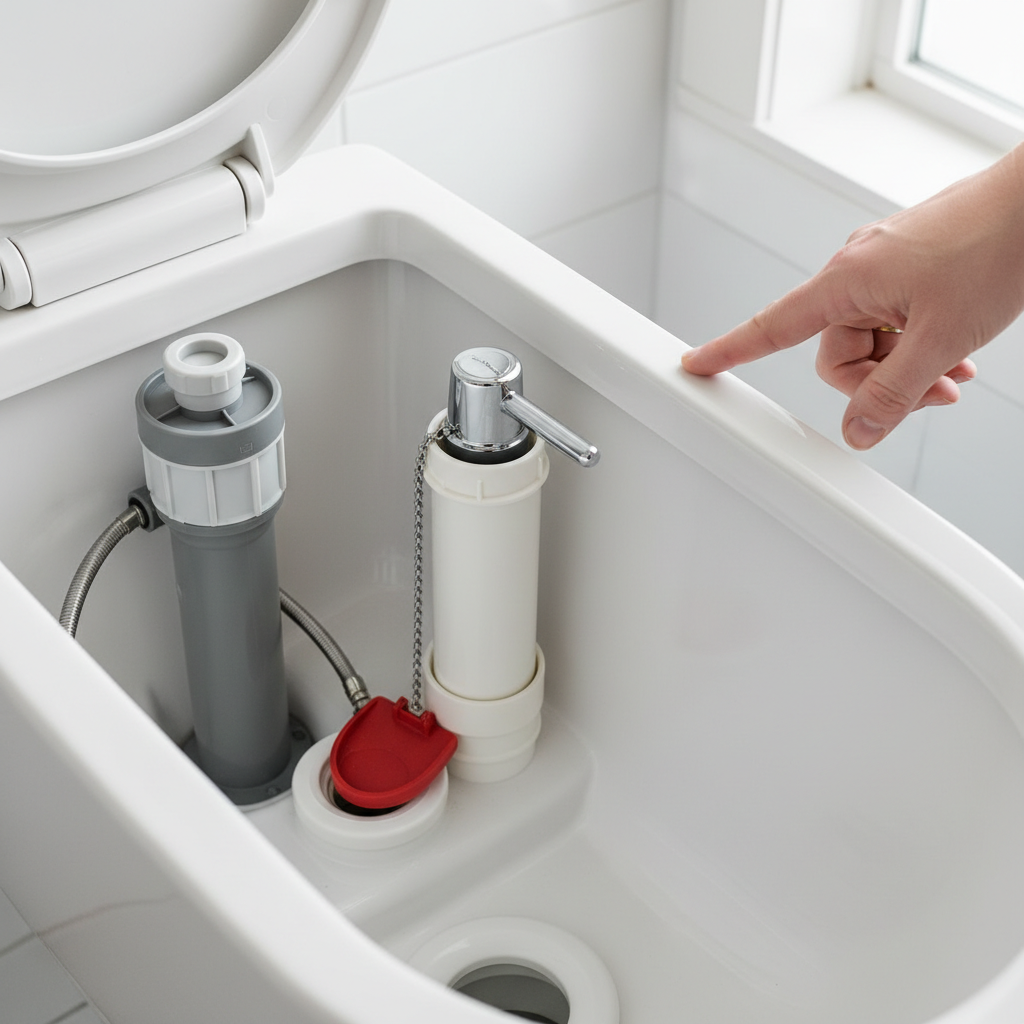
To understand why your toilet keeps clogging, it’s essential to grasp the basic mechanics of how a toilet flushes and drains. When you press the flush handle, a chain lifts the flapper valve inside the tank, allowing water to rush from the tank into the toilet bowl. This sudden influx of water raises the water level in the bowl, creating a siphoning effect. The water exits the bowl through the rim jets and a larger opening at the bottom of the bowl, called the siphon jet or flush port, creating a powerful swirling action. This action pushes the contents of the bowl down into the trapway – the curved path within the toilet's porcelain base – and then into the drain pipe. For a successful flush, a strong siphon is crucial. This siphon is maintained by a steady flow of water and proper air pressure. As water flows down the drain, air from the plumbing vent system enters the drain pipe behind it, preventing a vacuum and allowing the wastewater to move freely. If the vent pipe is blocked, air can't enter, and the drainage slows or stops, leading to a weak flush and frequent clogs. Similarly, if the rim jets or siphon jet are obstructed by mineral buildup, the water flow into the bowl is diminished, weakening the siphon and preventing the toilet from clearing its contents effectively. Modern low-flow toilets, while efficient, have narrower trapways and rely heavily on a strong, quick flush to move waste, making them more susceptible to issues that disrupt this delicate balance.
Step-by-Step Fix
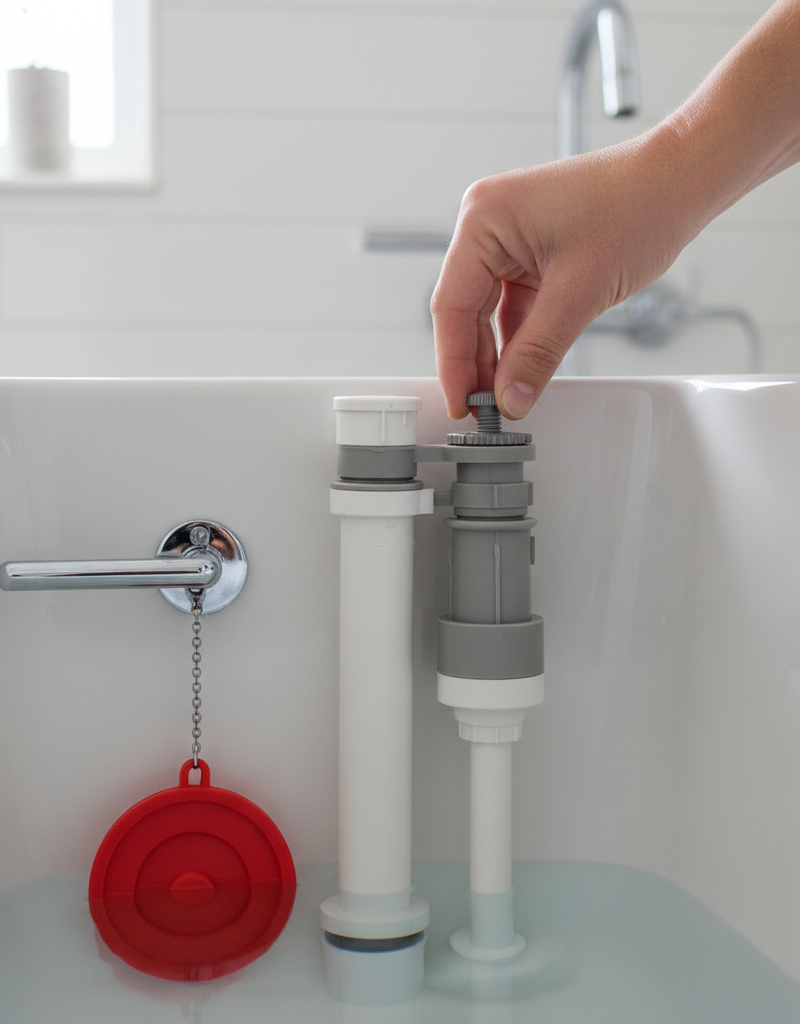
1. Check the Tank Water Level — A low water level in the tank can significantly weaken your flush. The tank needs enough water to create the necessary force for a full siphon. The water level should typically be about half an inch below the top of the overflow tube.
- To Adjust: Locate the fill valve inside the tank. There's usually an adjustment screw or a clip that allows you to raise or lower the float. Raise the float to allow more water to fill the tank.
- If this doesn't work: Check for leaks from the flapper. A leaky flapper allows water to slowly drain from the tank, leading to a reduced water level before the next flush.
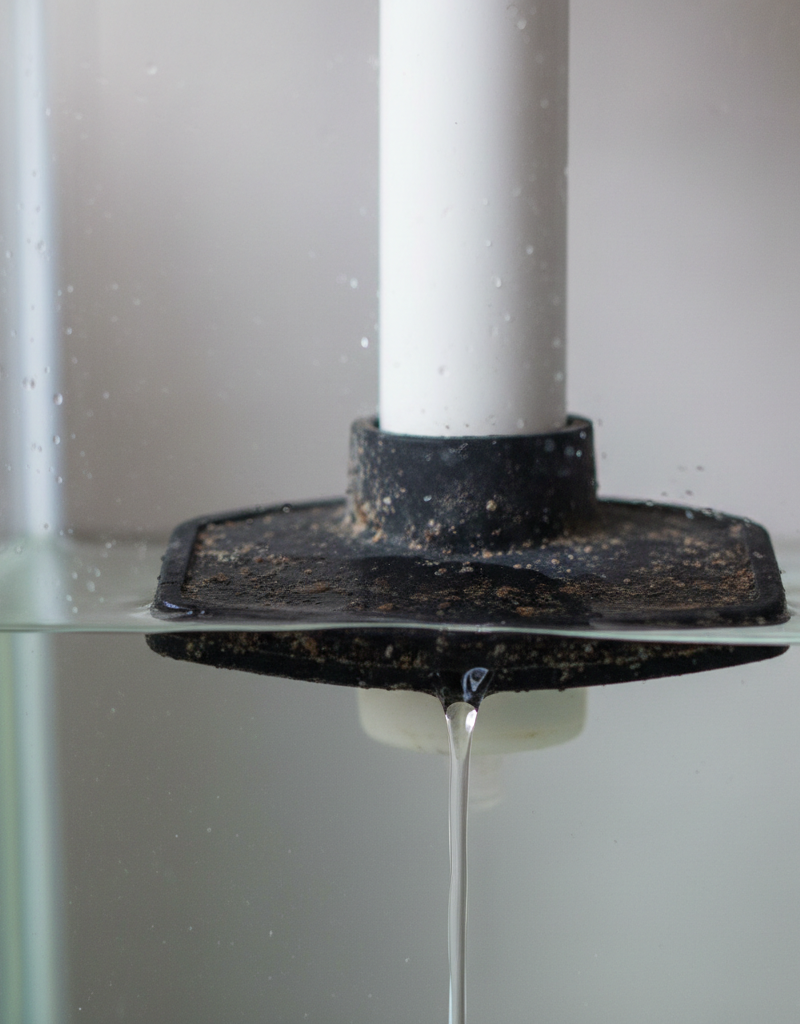
2. Inspect the Flapper Valve — A worn-out or ill-fitting flapper can prevent enough water from entering the bowl quickly, disrupting the siphon action. It might not seal properly, leading to a constantly running toilet and a weak flush.
- To Test and Replace: Lift the tank lid. Flush the toilet and observe the flapper. Does it lift fully and then seal properly? If it's stiff, cracked, or doesn't seat correctly, it needs replacement. Turn off the water supply, flush to empty the tank, and unhook the old flapper. Attach a new flapper, ensuring the chain has a slight amount of slack when the flapper is closed.
3. Clean the Rim Jets — Over time, hard water deposits and mineral buildup can partially block the small holes under the toilet rim, through which water enters the bowl during a flush. These jets create the swirling action vital for a strong flush.
- To Clean: Put on rubber gloves and grab a mirror. Look up under the rim of your toilet bowl. You'll see several small holes. Use a piece of wire (like a coat hanger bent straight) or a small Allen wrench to poke thoroughly into each jet, breaking up deposits. You can also pour a cup of vinegar into the overflow tube in the tank and let it sit for 30 minutes to an hour to help dissolve mineral buildup before scrubbing.
- Safety Note: Wear eye protection to prevent splashes. Ensure good ventilation if using harsh cleaners.
4. Clear the Siphon Jet (Main Flush Port) — The large hole at the bottom of the bowl, often opposite the siphon trap, is the main siphon jet. If this is clogged, the primary force of the flush is severely compromised.
- To Clear: Similar to the rim jets, use a bent coat hanger or a specialized toilet auger to carefully clear any obstructions. You may need to drain the toilet bowl first for better access. A toilet brush with a strong bristle can also help scrub around the opening.
5. Check for Partial Drain Line Blockage — Frequent clogs that are difficult to clear with a regular plunger might indicate a partial blockage further down the main drain line, not just in the toilet's trapway. This could be caused by grease buildup, foreign objects, or even tree roots.
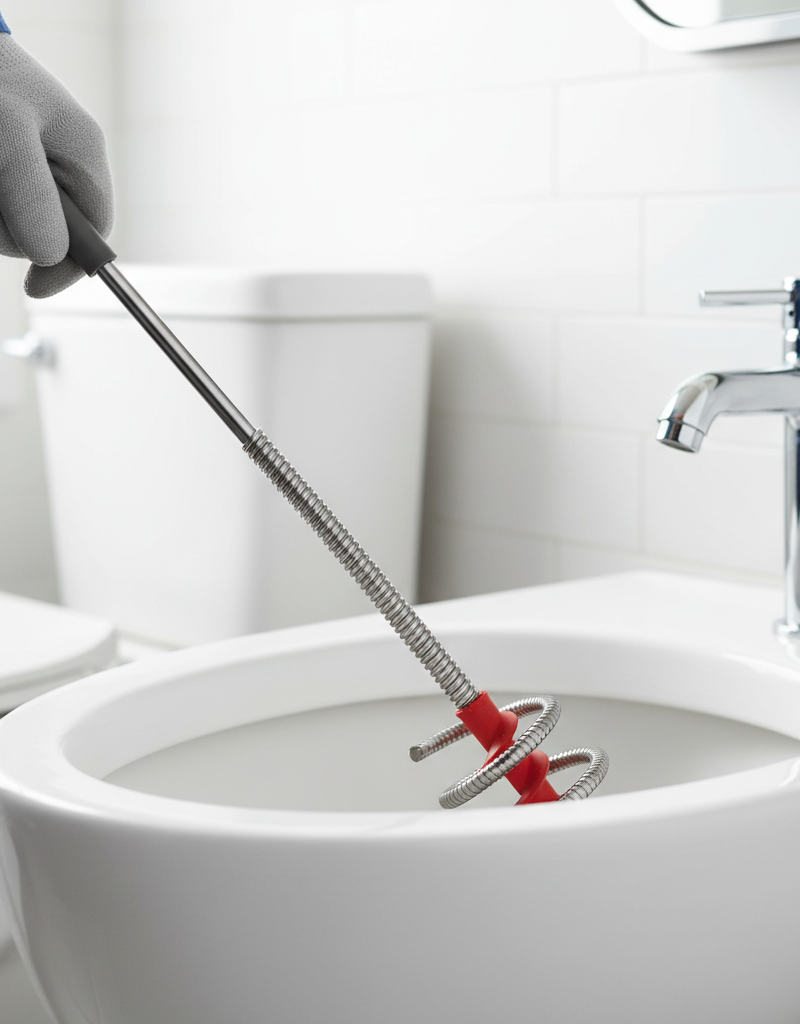
- To Diagnose: If other drains in your house (sinks, tubs) also drain slowly, it's a strong indicator of a main line issue. Try using a toilet auger (closet auger) to reach deeper into the drain than a plunger can. Feed it gently until you feel resistance, then rotate the handle to break up or retrieve the blockage.
- Pro Callout: If you suspect a main line blockage, especially if multiple fixtures are affected, or if the auger doesn't clear the clog, it's time to call a professional plumber. Tree roots can be a major issue and require specialized equipment to clear.
6. Inspect Your Plumbing Vent System — A clogged or partially blocked vent pipe is a common, yet often overlooked, cause of weak flushes and frequent toilet clogs. The vent allows air into the drain system, preventing a vacuum.
- To Inspect (from roof): This is a job for someone comfortable and safe on a ladder and roof. Safety Note: Never attempt roof work alone or in inclement weather. Use proper ladder safety. Visually inspect the vent pipe opening on your roof for obstructions like bird nests, leaves, or even dead animals. Use a garden hose to carefully flush water down the vent. If water backs up, there's a clog. If you can't clear it from the roof, you'll need a professional.
- Safety Note: This step involves working on a roof; extreme caution is advised. If you are uncomfortable or lack proper safety equipment, hire a professional.
Common Causes
- Insufficient Water Volume in Tank: If the water level in your toilet tank is too low, or if the fill valve isn't providing enough water, the flush won't have the necessary force to create a strong siphon and clear the bowl effectively.
- Blocked Rim Jets or Siphon Jet: Mineral deposits (hard water scale) or debris can build up in the small holes under the rim and the main siphon jet at the bottom of the bowl. This restricts water flow into the bowl, weakening the flush and leading to incomplete waste removal.
- Worn-Out Flapper Valve: A flapper that doesn't seal properly can lead to water slowly leaking out of the tank between flushes, reducing the available water volume for a full flush. A flapper that doesn't open fully can also impair flush strength.
- Partial Drain Line Blockage: While the toilet itself might be clear, a partial obstruction further down the main drain line – perhaps from accumulating grease, foreign objects, or even tree roots outside the house – can slow drainage and cause frequent backups in the toilet.
- Clogged Plumbing Vent: The plumbing vent pipe, which extends through your roof, equalizes air pressure in the drain system. If it's partially or fully blocked by debris (nests, leaves), a vacuum forms, preventing wastewater from draining efficiently and leading to sluggish flushes.
- Aging Low-Flow Toilets: Older low-flow toilet models (especially first-generation 1.6-gallon per flush models from the 1990s) sometimes have less efficient trapway designs. Over time, these can be more prone to clogging, especially with greater toilet paper usage or larger flushes.
- Using Too Much Toilet Paper: While less common than structural issues, consistently using excessive amounts of toilet paper, especially thicker brands, can overwhelm a toilet's flushing capacity, particularly if other underlying issues are present.
Common Mistakes
- Repeatedly Plunging Without Investigating: Continuously plunging without addressing the root cause is futile and only offers temporary relief. If the problem is a weak flush or a vent issue, plunging won't solve it long-term and can even push a partial blockage further down the line.
- Ignoring a Running Toilet: A toilet that constantly runs, even subtly, indicates a leaky flapper or fill valve. This often means the tank isn't refilling properly, leading to a weak flush and subsequent clogs. Don't dismiss a running toilet as just an annoyance.
- Using Chemical Drain Cleaners: While tempting, chemical drain cleaners can damage specific toilet components (like rubber seals) and are often ineffective against the types of partial blockages causing frequent clogs. They are also hazardous to handle and can be harmful to older pipes.
- Not Cleaning Under the Rim: Many homeowners only clean the visible parts of the bowl. Neglecting the hidden rim jets and siphon jet allows mineral buildup to slowly choke off the flush's effectiveness. These areas require specific attention.
- Assuming All Clogs Are the Same: Not every clog is due to
Related Articles
Keep troubleshooting with these hand-picked guides from FixlyGuide:
- Is Your Toilet Always Clogging? End the Nightmare Tonight. — A frequently clogging toilet is a common and frustrating problem, but often has a simple solution homeowners can tackle themselves.
- The Secret Culprit Behind Your Kitchen Sprayer’s Drab Drizzle (It’s Not Clogging!) — Don't replace that kitchen sink sprayer head just yet! Low pressure often stems from a few hidden, easily fixable issues within your faucet…
- The Secret Reason Your Chimney Leaks During Rain (It's Not Always the Obvious Culprit) — A leaking chimney during rain can be a frustrating mystery, but often the root cause isn't what you think, leading to costly misdiagnosis.
- Dishwasher Not Draining? Easy Fixes for a Clogged Drain — A dishwasher that won't drain at the end of a cycle is a common problem, often caused by simple clogs or blockages that homeowners can fix…
- The Secret Culprit Behind Your Leaky Chimney (It’s Not Always the Obvious Fix) — A leaky chimney during rain can indicate several issues, from simple flashing problems to complex crown damage, requiring homeowners to dia…
- The 3 Hidden Reasons Your Gutters Fail in Heavy Rain (It’s Not Just Leaves) — Overflowing gutters during heavy rain often stem from a few common, yet overlooked, issues beyond simple leaf clogs, leading to potential s…
Frequently asked questions
Why does my toilet clog every other day?+
Your toilet likely clogs every other day due to a weak flush, often caused by low water level in the tank, mineral buildup in the rim jets, a faulty flapper, or a partially blocked plumbing vent. These issues prevent the toilet from creating a strong enough siphon to clear waste effectively.
Discussion
Loading comments…