- Adjustment/Fix: Adjust the fill valve's float mechanism to raise the water level if needed. For an old or warped flapper, replace it with a new, universal flapper or an exact match from the toilet manufacturer.
- Tools: Measuring tape, replacement flapper (if needed)
- Pro Tip: Fill valves can also fail, leading to low tank levels. If adjusting doesn't work, consider replacing the entire fill valve assembly.
Plumbing · Clog
| Project category | Plumbing |
|---|---|
| Problem type | Clog |
| Trade required | Plumbing |
| Urgency | Soon — within weeks |
| Safety risk | Low safety risk |
| DIY suitability | DIY friendly |
| Cost category | Low cost |
| Typical timeline | Same-day DIY attempt; pro visit within a day or two |
| Contractor type | Licensed plumber |
Repair option
Plunger, hand auger, or trap cleanout before chemicals.
Replacement option
Line replacement when clogs return in the same spot repeatedly.
Common causes
- Hair and soap buildup in the trap
- Grease cooling in the branch line
- Flushed wipes or foreign objects
Relevant tools:diy difficultydiy or hire a pro
Published May 24, 2026Last updated August 17, 2026
Tools & materials you'll need
Affiliate linksAs an Amazon Associate FixlyGuide earns from qualifying purchases — at no extra cost to you. Prices and availability are accurate as of publication and subject to change.
Quick Answer
Frequent toilet clogging that appears every few days is rarely due to a single, easily cleared blockage. Instead, it typically signals a deeper, systemic issue within the toilet's flushing mechanism, drainage, or even the main vent system. Common culprits include a worn-out flapper or flush valve not allowing enough water into the bowl, mineral deposits obstructing the rim jets, a partially blocked vent pipe, or even a slow main drain issue. Identifying the specific cause is key to a lasting fix, often involving simple cleaning, component replacement, or basic drain maintenance to restore efficient flushing.
The Problem
There's nothing more frustrating than a toilet that constantly clogs. It's not just a minor inconvenience; it disrupts your household, wastes water, and can even lead to embarrassing overflows. If your toilet requires plunging every few days, you're experiencing a persistent problem that goes beyond occasional misuse. This recurring issue suggests a fundamental flaw in how your toilet is operating, rather than just an acute blockage. A healthy toilet should flush waste completely with a single flush, rarely requiring intervention. When it fails to do so repeatedly, it's a clear sign that something is impeding its ability to create the necessary siphoning action or properly evacuate the waste into the drain system. Ignoring it won't make it go away; in fact, it could exacerbate the problem and potentially lead to more significant plumbing issues down the line.
How It Works
To understand why your toilet clogs, you first need a basic grasp of how it should work. A modern gravity-fed toilet relies on a precisely engineered system to create a powerful flush. When you press the handle, a chain lifts the flapper valve inside the tank. This allows water, stored in the tank, to rush into the toilet bowl. This tank water enters the bowl through two main pathways: the large hole at the bottom of the tank (called the flush valve opening) and smaller holes located under the rim of the bowl, known as rim jets. The rim jets are crucial; they create a swirling action that helps clean the bowl and directs water towards the siphon jet, a small opening at the bottom of the bowl. As the water fills the bowl rapidly, it increases the water level and pressure, naturally initiating a siphon effect in the trapway – the curved, S-shaped channel at the bottom of the bowl. This siphon suction pulls the waste and water down the drain pipe. Once the tank is nearly empty, the flapper falls back into place, sealing the flush valve opening. Simultaneously, the fill valve (float mechanism) activates, refilling the tank and a small amount of water into the bowl through the overflow tube, restoring the correct water level for the next flush. A critical, often overlooked component is the vent pipe. This pipe rises from your drain system through the roof, allowing air to enter the drainage pipes. This air prevents a vacuum from forming, which would otherwise impede water flow and siphon traps dry. If any part of this intricate system – the water volume, the rim jets, the trapway, or the vent – is compromised, the powerful flush needed to prevent clogs will be diminished.
Step-by-Step Fix
1. Check Tank Water Level & Flapper — Ensure proper water volume and seal for a strong flush.
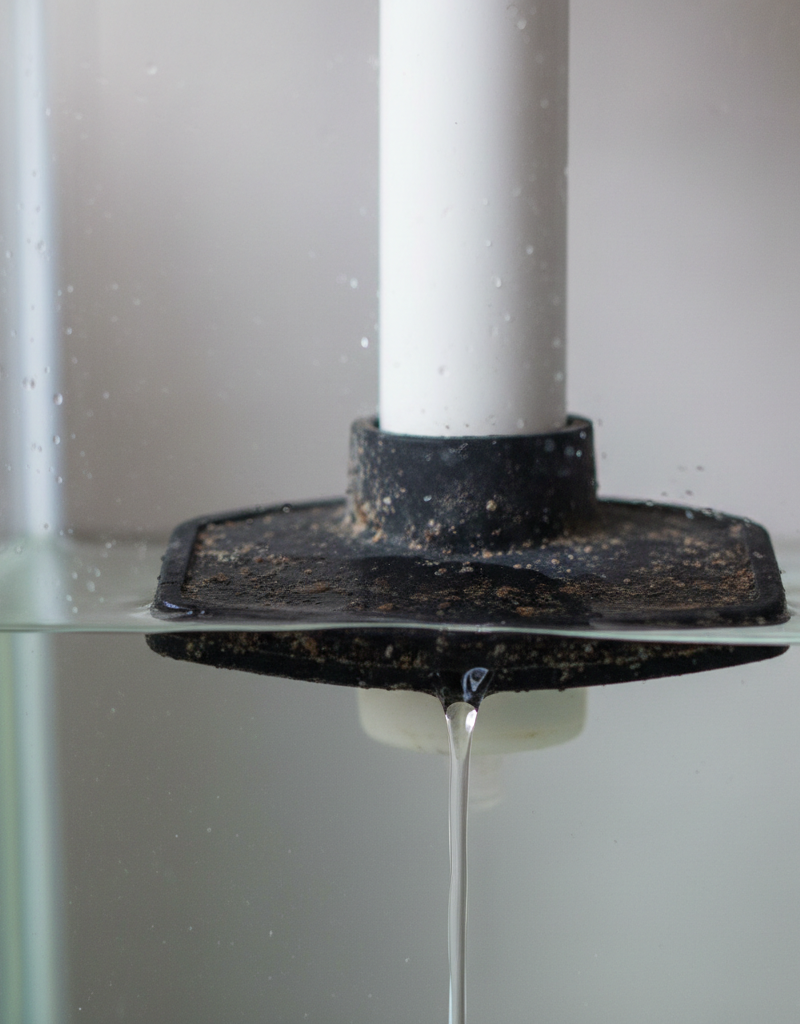
- Diagnosis: If the water level in your tank is too low, or the flapper doesn't stay open long enough, there won't be enough water to create a strong siphoning action. Look inside the tank. The water level should be about 1 inch below the top of the overflow tube. If it's lower, adjust the fill valve. Also, observe the flapper: does it seal properly? Does it lift fully and stay up until most of the water has left the tank?
- Adjustment/Fix: Adjust the fill valve's float mechanism to raise the water level if needed. For an old or warped flapper, replace it with a new, universal flapper or an exact match from the toilet manufacturer.
- Tools: Measuring tape, replacement flapper (if needed)
- Pro Tip: Fill valves can also fail, leading to low tank levels. If adjusting doesn't work, consider replacing the entire fill valve assembly.
2. Clean Rim Jets & Siphon Jet — Remove mineral buildup hindering water flow into the bowl.
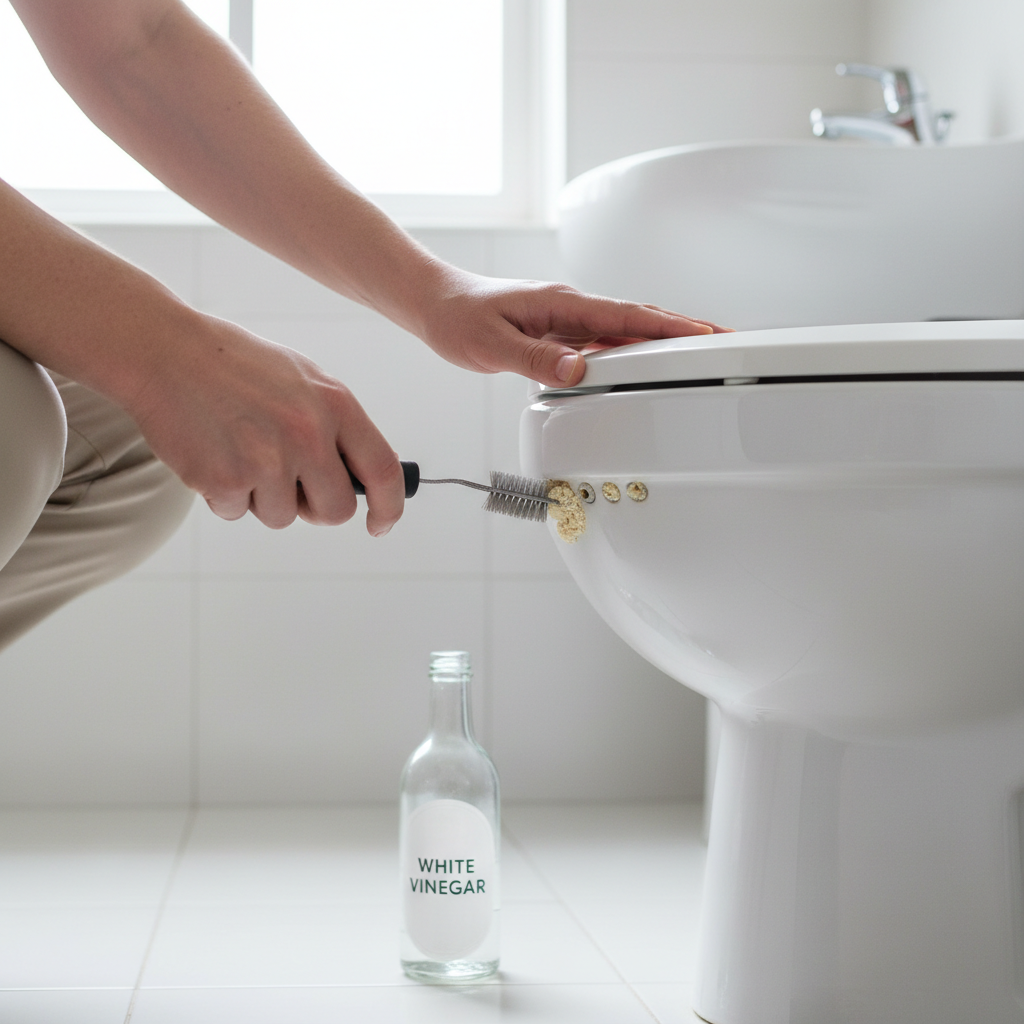
- Diagnosis: Mineral deposits (limescale, rust) can build up in the small holes under the rim and in the siphon jet hole at the bottom of the bowl. This restricts water flow, weakening the swirl and siphon. Use a mirror to inspect the rim jets; you might see white or discolored crust. Feel the siphon jet opening with your finger for obstructions.
- Cleaning: Turn off the water supply to the toilet and flush to empty the tank. Wear gloves. Use a small wire (like a coat hanger or an Allen wrench) to physically poke and clear each rim jet hole and the siphon jet. For stubborn mineral buildup, pour a cup of white vinegar down the overflow tube and let it sit for 30 minutes to an hour (or even overnight for severe cases) before flushing.
- Safety: Wear eye protection and gloves, especially when dealing with cleaning solutions.
- If this doesn't work: Consider a stronger commercial limescale remover specifically designed for toilets, following product instructions carefully.
3. Inspect the Flapper Chain — Ensure correct chain length for a full flapper lift.
- Diagnosis: If the chain connecting the flush handle to the flapper is too long, the flapper won't lift high enough for a complete flush. If it's too short, it may prevent the flapper from sealing properly, leading to a phantom flush or a constantly running toilet. There should be a small amount of slack – about 1/2 to 1 inch – when the flapper is closed.
- Adjustment: Disconnect the chain from the handle arm. Adjust the length by moving the clip to a different link, then reattach. Test the flush. The flapper should open fully and then drop to seal without obstruction.
4. Clear a Partial Trapway Obstruction — Remove debris from the toilet's internal S-bend.
- Diagnosis: Even if you don't see anything, a partial obstruction lodged in the toilet's trapway (the curving path inside the ceramic bowl) can severely restrict water flow, leading to weak flushes and recurring clogs. This is often the case with small objects, excessive toilet paper, or even hardened mineral deposits.
- Clearing: Start with a good quality toilet plunger. Ensure a tight seal over the drain hole and plunge vigorously 10-15 times. If that fails, a toilet auger (closet auger) is the next step. Gently feed the auger cable into the drain opening, turning the handle clockwise to navigate the trapway. This tool is designed to go around the bends without scratching the porcelain. Once you feel resistance, retract the auger or attempt to break up/hook the obstruction. Flush thoroughly after attempting to clear.
- Tools: High-quality toilet plunger, toilet auger (closet auger)
- Caution: Never use a standard snake in a toilet; it can scratch the porcelain.
5. Unclog a Partially Blocked Vent Pipe — Restore crucial air circulation for proper drainage.
- Diagnosis: A clogged vent pipe is a common, often overlooked cause of recurrent toilet clogs and slow drains throughout the house. Signs include gurgling sounds from drains or toilets, a sewage smell, or a noticeably weaker flush, especially if the toilet seems to suck air as it flushes slowly. The clog is typically at the opening of the vent pipe on the roof, caused by leaves, bird nests, or debris. Only attempt this if you are comfortable and safe on your roof.
- Clearing: You'll need a tall ladder and someone to hold it steady. Locate the vent pipe(s) on your roof – these are usually 2-4 inch diameter PVC or cast iron pipes sticking straight up. Visually inspect the opening for obstructions. If you see debris, remove it by hand (wear gloves). For deeper clogs, you might need a garden hose to try and flush it down. If the water backs up, the clog is significant. A plumber's snake can be fed down the vent pipe to break up or retrieve deeper obstructions.
- Safety: Use extreme caution on ladders and roofs. Never go on a wet or icy roof. Consider hiring a professional for roof work if you're not comfortable.
- If this doesn't work: A heavily clogged or collapsed vent pipe will require professional intervention to locate and clear, potentially involving specialized camera inspection.
6. Address a Slow Main Drain — Identify and clear a broader plumbing system issue.
- Diagnosis: If other drains in your home (sinks, showers) are also draining slowly or gurgling when the toilet flushes, the problem might not be isolated to the toilet itself but rather a partial blockage in your main drain line. This is a more serious issue that affects the entire wastewater removal system.
- Clearing: For a main drain issue, chemical drain cleaners are generally discouraged as they can damage pipes and are often ineffective for major clogs. Start with plunging adjacent drains. If the problem persists, you'll need to use a drain snake in an accessible cleanout port (often in the basement, crawl space, or outside near the foundation). This is a more involved task and may require a longer, heavier-duty drain snake or even a professional-grade sewer auger.
- Pro Callout: If you suspect a main drain issue or are uncomfortable snaking a main line, it's best to call a licensed plumber. They have the equipment (like sewer cameras and hydro-jetters) to professionally diagnose and clear the main line without causing damage.
Common Causes
- Insufficient Water Volume: The most common culprit. If the toilet tank isn't filling to the correct level or the flapper doesn't stay open long enough, there isn't enough water mass to create a strong siphon for a full flush. This can be due to a misadjusted or faulty fill valve, a leaky flapper, or a chain that's too long.
- Obstructed Rim Jets or Siphon Jet: Mineral deposits, rust, or even mold can accumulate in the small holes under the toilet rim and in the siphon jet (the larger hole at the bottom of the bowl directly opposing the trapway). These blockages reduce the velocity and volume of water entering the bowl, weakening the swirling action and the siphon effect.
- Partial Trapway Blockage: Despite regular plunging, small non-flushable items (like cotton swabs, dental floss, small toys) or even excessive toilet paper can get lodged in the toilet's internal S-shaped trapway, creating a consistent bottleneck for waste.
- Partially Clogged Vent Pipe: The plumbing vent system allows air into your drain lines, preventing a vacuum that would slow down water flow. If the vent pipe on your roof becomes partially blocked by leaves, bird nests, or debris, it can lead to weak flushes, gurgling sounds, and recurring clogs.
- Worn-Out Flapper or Flush Valve: Over time, rubber flappers can warp, crack, or lose their elasticity, leading to incomplete seals and water loss from the tank between flushes. The entire flush valve assembly can also wear out, impacting water flow into the bowl.
- Slow Main Drain Line: If the problem isn't isolated to just one toilet, but other drains in your house are also slow or gurgling, it indicates a partial blockage in your main sewer line. This is a more significant issue requiring professional attention.
Common Mistakes
- Using Too Much Toilet Paper: While it seems obvious, consistently using excessive amounts of toilet paper, or flushing paper products not designed for toilets (like paper towels or facial tissues), can easily overwhelm the trapway and lead to clogs. Switch to thinner, septic-safe toilet paper if this is a recurring issue.
- Relying Only on Chemical Drain Cleaners: For soft clogs in the toilet, chemical drain cleaners can sometimes offer a temporary fix, but they are generally ineffective for solid obstructions and can be harmful to older pipes, septic systems, and the environment. They can also damage the rubber components of your toilet's flush mechanism. A toilet auger is a safer, more effective solution.
- Ignoring a Running Toilet: A toilet that constantly runs or
Related Articles
Keep troubleshooting with these hand-picked guides from FixlyGuide:
- The Secret Reason Your Toilet Clogs Every Few Days (It’s Not What You Think) — Frequent toilet clogs often point to issues beyond simple blockages, from vent pipe problems to a failing flush mechanism, demanding a clos…
- Why Your Toilet Clogs Every Few Days (And the #1 Mistake Homeowners Make) — A toilet that clogs frequently is a frustrating problem, often caused by easily overlooked issues like trapway obstructions or ventilation…
- The 3 Hidden Reasons Your Toilet Clogs Repeatedly (And How to Fix Each One) — Uncover the surprising culprits behind your constantly clogging toilet and learn homeowner-friendly fixes to restore flush power.
- Why Your Toilet Clogs Every Few Days (And the #1 Mistake Homeowners Make) — A toilet that clogs frequently is a frustrating problem, but often points to a few common culprits that homeowners can diagnose and fix wit…
- The $5 Flapper Trick Plumbers Hope You Don't Know About Your Running Toilet — Discover the secret $5 flapper trick that often fixes a running toilet, saving you money on parts and plumber call-outs.
- Is Your Gutter Sagging After Every Storm? The Hidden Flaw Most Homeowners Miss — Discover the overlooked reason your gutters sag after every storm and learn the lasting fix that most homeowners miss.
Should you do this yourself?
Answer five quick questions before you start. Safety outranks savings every time.
Your experience with work like this
How high do you have to work?
Does the job involve any of these?
Will it need a permit?
Specialty tools
Free and instant. Educational guidance only — not a quote, inspection, or professional diagnosis.
What should this project cost?
Enter your project details for a realistic cost range before you call anyone.
Common repairs run $150–$650; repipes and water-heater replacements reach $1,500–$4,500.
- Regional adjustment
- National average
- Labor share (typical)
- ~$754
- Quotes to collect
- 3 written estimates
Educational estimate based on national averages — not a binding quote. Always confirm with written local estimates.
Fixly Project Decision Box
- DIY difficulty
- Moderate
- Estimated time
- 30 minutes – half a day
- Cost level
- Moderate
Main tools / materials
- Adjustable wrench
- Plunger or drain auger
- Bucket and towels
- Thread tape
When to stop and call a pro
- Water you cannot shut off at the fixture or main
- Sewage backing up into more than one fixture
- Water near electrical panels or outlets
- Gas water heater work beyond relighting a pilot
Need professional help?
Get a Licensed PlumberBefore you start
Check the difficulty, permits, and safety risk — then decide whether to call a pro.
- Estimate this projectGet a cost range for your scope and ZIP before you call anyone.Open
- Get local estimatesSend one request and compare written estimates from vetted pros.Open
Free, no signup required. Estimates are educational guidance, not a quote or an inspection.
Frequently asked questions
Why does my toilet clog every few days?+
Frequent toilet clogging every few days often indicates underlying issues beyond a simple blockage. Common causes include insufficient water volume due to a faulty fill valve or flapper, mineral buildup in the rim jets, a partially obstructed vent pipe, or a slow main drain line affecting the entire plumbing system. It's rarely just about what you're flushing if it's a recurring problem.
How do I clean the rim jets in my toilet?+
To clean toilet rim jets, first turn off the water supply and flush the toilet to empty the tank. Use a small mirror to inspect under the rim for mineral buildup. Then, use a small wire (like a coat hanger) or an Allen wrench to poke and clear each jet hole. For stubborn deposits, pour a cup of white vinegar down the overflow tube, let it sit for at least 30 minutes (or overnight), and then scrub and flush. Wear gloves and eye protection.
Can a clogged vent pipe cause a toilet to clog?+
Yes, absolutely. A partially clogged vent pipe is a common, yet often overlooked, cause of recurring toilet clogs and weak flushes. The vent pipe allows air into the drain system, preventing a vacuum that would impede water flow. If it's blocked, your toilet and other drains may gurgle, drain slowly, and clog frequently. Clearing debris from the vent opening on your roof can often resolve this.
When should I call a plumber for a constantly clogging toilet?+
You should call a plumber if you've tried all DIY fixes without success, especially if you suspect a main drain line blockage that affects multiple fixtures in your home. Also call a professional if you're uncomfortable climbing on the roof to inspect the vent pipe, or if you notice sewage backing up, or water damage, as these indicate more serious plumbing issues.
Discussion
Loading comments…