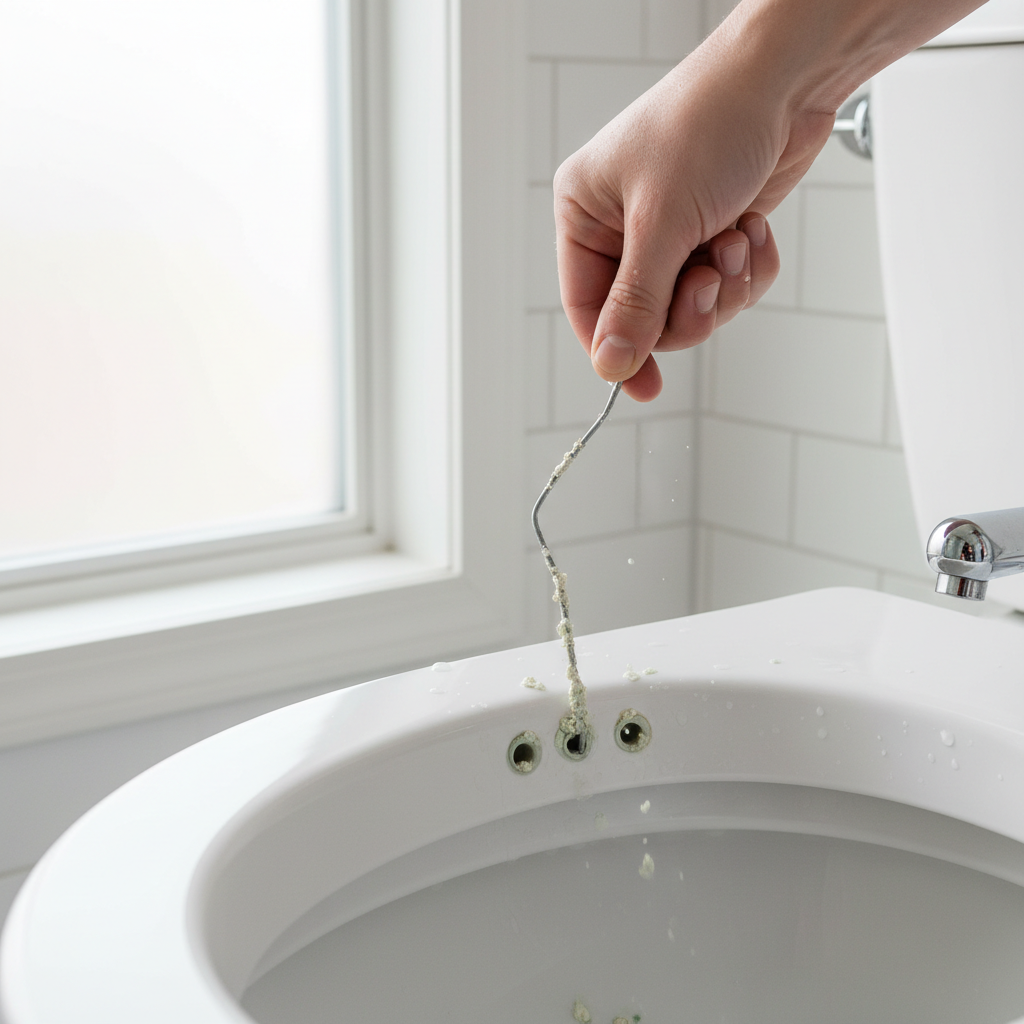
- Tools: Small mirror, coat hanger wire or small screwdriver, rubber gloves, white vinegar
- Safety: Wear eye protection to avoid splashing cleaning solutions.
- If this doesn't work: Move on to inspecting the toilet's trapway.
Plumbing · Clog
| Project category | Plumbing |
|---|---|
| Problem type | Clog |
| Trade required | Plumbing |
| Urgency | Soon — within weeks |
| Safety risk | Low safety risk |
| DIY suitability | DIY friendly |
| Cost category | Low cost |
| Typical timeline | Same-day DIY attempt; pro visit within a day or two |
| Contractor type | Licensed plumber |
Repair option
Plunger, hand auger, or trap cleanout before chemicals.
Replacement option
Line replacement when clogs return in the same spot repeatedly.
Common causes
- Hair and soap buildup in the trap
- Grease cooling in the branch line
- Flushed wipes or foreign objects
Relevant tools:diy difficultydiy or hire a pro
Published May 27, 2026Last updated August 17, 2026
Tools & materials you'll need
Affiliate linksAs an Amazon Associate FixlyGuide earns from qualifying purchases — at no extra cost to you. Prices and availability are accurate as of publication and subject to change.
Quick Answer
Frequent toilet clogging, often occurring every few days, typically isn't a sign of a major sewer line issue unless accompanied by other drains backing up. Instead, it's usually a combination of what gets flushed, an inefficient toilet, or minor, recurring obstructions within the trap or drain line. Resolving it involves improving flush habits, ensuring the toilet's fill and flush mechanisms are working optimally, and occasionally performing a deeper clearing of the localized plumbing.
The Problem
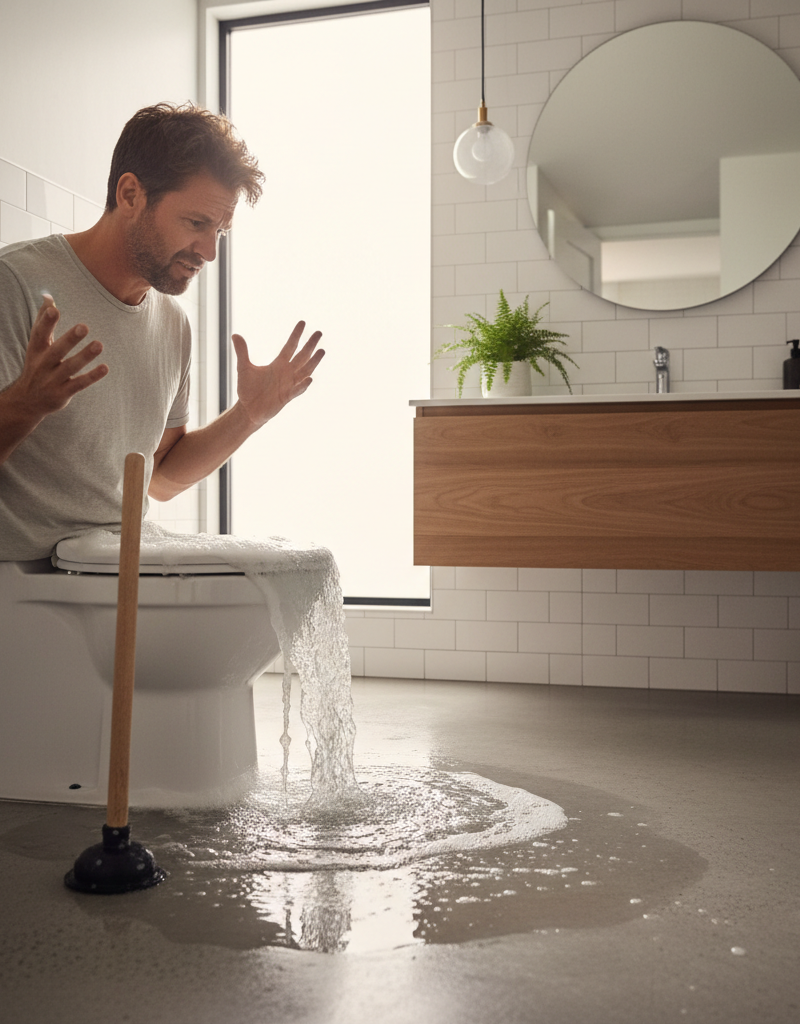
There's nothing quite as frustrating as a toilet that seems to have a mind of its own when it comes to clogging. You plunge it, it clears, and then a few days later, sometimes even the very next flush, you're facing the same murky water and the ominous threat of an overflow. This isn't just an inconvenience; it can be a health hazard and a source of constant stress for homeowners. The recurring nature suggests that you're not dealing with a one-off blockage from an accidental drop-in, but rather a persistent underlying issue that needs a systematic approach to diagnose and fix. It's often misunderstood, leading to endless plunging without ever addressing the root cause, leaving homeowners feeling helpless and frustrated.
How It Works
To understand why a toilet clogs, it helps to visualize how it flushes. When you press the handle, a chain lifts a flapper valve at the bottom of the tank, releasing a surge of water into the bowl. This water, driven by gravity and the force of the tank's contents, enters the rim jets and a large opening at the bottom of the bowl called the siphon jet. The water from the rim jets cleans the bowl, while the water from the siphon jet increases the water level in the bowl, creating a powerful siphoning action. This siphon pulls waste and water from the bowl down through the trapway (a curved path designed to hold water and block sewer gases) and into the main drainpipe.
For an efficient flush, you need adequate water volume, sufficient water pressure (even for gravity-fed toilets, this means a rapid, unimpeded flow from tank to bowl), and an unobstructed trapway and drain line. If any of these components are compromised – whether due to low tank water levels, a slow-closing flapper, mineral buildup in the rim jets, or partial blockages in the trapway or further down the drain – the siphoning action can weaken, making the toilet unable to clear waste effectively. Over time, these partial blockages can accumulate more material, eventually leading to a full clog with even small amounts of waste, perpetuating the cycle of recurring clogs.
Step-by-Step Fix
1. Check Tank Water Level & Flapper — *Ensure your toilet has enough water for a powerful flush.
Open the toilet tank lid. The water level should typically be about half an inch to an inch below the top of the overflow tube. If it's too low, adjust the fill valve to raise it. Also, inspect the flapper – the rubber seal at the bottom of the tank. It should open fully and remain open long enough for the entire tank to drain before seating properly. If it's warped, stiff, or closing too quickly, it won't create an effective flush. Replace a faulty flapper as needed. A new, flexible flapper ensures a complete and vigorous flush, preventing weak flushes that leave waste behind.
- Tools: None (or screwdriver for fill valve adjustment, new flapper if needed)
- If this doesn't work: Proceed to clear the rim jets.
2. Clear Clogged Rim Jets — *Improve water flow into the bowl for a stronger siphon.
Mineral deposits can clog the small holes (rim jets) under the toilet rim, reducing the amount of water flushing into the bowl and weakening the siphoning action. Wear gloves and use a small mirror to see the underside of the rim. Use a coat hanger wire or a small screwdriver to poke and clear out any visible mineral buildup in these holes. For stubborn clogs, you can pour a cup or two of vinegar down the overflow tube in the tank and let it sit for 30 minutes to an hour before flushing. This helps dissolve deposits and improve water access. Repeat this process quarterly as part of routine maintenance.
- Tools: Small mirror, coat hanger wire or small screwdriver, rubber gloves, white vinegar
- Safety: Wear eye protection to avoid splashing cleaning solutions.
- If this doesn't work: Move on to inspecting the toilet's trapway.
3. Plunge Effectively — *Attempt to dislodge obstructions localized in the trapway.
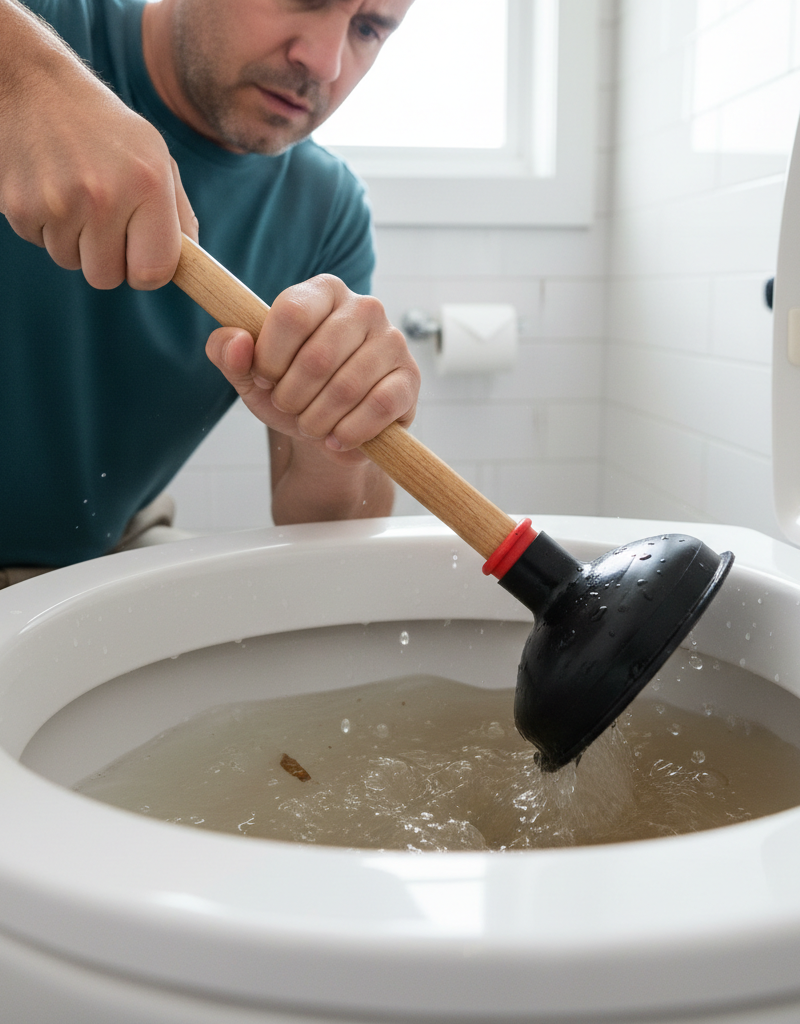
Before using chemicals, try a high-quality toilet plunger. Make sure the plunger creates a tight seal over the drain opening. Plunge with firm, consistent pushes and pulls, maintaining the seal, for about 10-15 repetitions. The goal is to create suction and pressure to dislodge the blockage. Add enough water to the bowl to cover the bell of the plunger for maximum effectiveness. If the water level drops gradually after plunging, it indicates a partial clog has moved but might not be fully clear. Be patient and repeat. Avoid harsh, sudden plunges that can splash dirty water or damage the wax seal at the toilet's base.
- Tools: High-quality flange plunger
- Safety: Wear rubber gloves and eye protection.
- If this doesn't work: It's time to try a toilet auger.
4. Use a Toilet Auger (Closet Auger) — *Reach and clear clogs beyond the plunger's reach within the trapway.
For clogs deeper in the trapway that a plunger can't clear, a toilet auger (also known as a closet auger) is the next step. This tool has a flexible cable with a crank handle and a rubberized sleeve to protect the porcelain bowl. Insert the auger's curved end into the drain opening, then slowly push and crank the handle clockwise. You'll feel resistance when you hit the clog. Keep cranking and pushing until you either break through the blockage or pull it out. Be gentle to avoid scratching the toilet's porcelain. Once you've cleared or retrieved the blockage, slowly retract the auger and flush the toilet several times to confirm free flow. This is crucial for avoiding recurring clogs.
- Tools: Toilet auger (closet auger)
- Safety: Be gentle with the auger to avoid scratching the bowl or damaging the wax seal.
- If this doesn't work: The issue might be further down the drain line or due to a compromised wax ring.
5. Inspect the Wax Ring and Flange — *Ensure a proper seal and stable toilet for effective flushing.
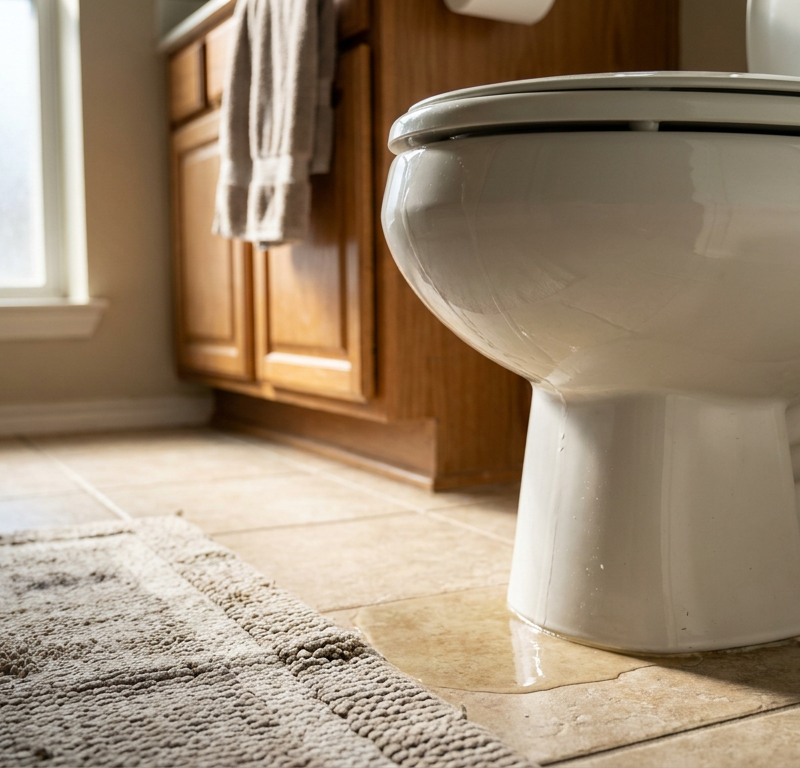
If the toilet wobbles, or if you notice water leaking from the base during flushing, the wax ring seal might be compromised. A bad wax ring can cause air leaks, weakening the siphon, and can also lead to foul odors. To check and replace it, you'll need to turn off the water, drain the tank and bowl, disconnect the water supply line, and unbolt the toilet from the floor. Carefully lift the toilet and inspect the old wax ring and the flange—the pipe fitting on the floor. Replace the old wax ring with a new one (waxless rings are also available and sometimes easier to install) and inspect the flange for cracks or damage. Repair or replace a damaged flange before resetting the toilet. Improper installation here can weaken flush performance and cause leaks. This is a moderate DIY task, but often necessary for persistent clogs and odors.
- Tools: Adjustable wrench, new wax ring (or waxless seal), utility knife, large sponge/bucket for water removal
- Safety: Toilets are heavy; get help lifting if needed to prevent back injury. Turn off water supply before beginning.
- If this doesn't work: If the problem persists after verifying the internal mechanisms and the wax ring, the issue may be further down the drainpipe or in the main house drain. At this point, it's best to consult a professional plumber.
Common Causes
- Flushing 'Unflushables': The most common culprit. Items like wet wipes (even
Related Articles
Keep troubleshooting with these hand-picked guides from FixlyGuide:
- The Secret Reason Your Toilet Clogs Every Few Days (It’s Not What You Think) — Discover the often-overlooked culprits behind a frequently clogging toilet and learn how to implement lasting fixes without calling a plumb…
- Why Your Toilet Clogs Every Few Days (And the #1 Mistake Homeowners Make) — A toilet that clogs frequently is a frustrating problem, often caused by easily overlooked issues like trapway obstructions or ventilation…
- Why Your Toilet Clogs Every Few Days (And the #1 Mistake Homeowners Make) — A toilet that clogs frequently is a frustrating problem, but often points to a few common culprits that homeowners can diagnose and fix wit…
- The Secret Reason Your Toilet Clogs Every Few Days (It’s Not What You Think) — Frequent toilet clogs often point to issues beyond simple blockages, from vent pipe problems to a failing flush mechanism, demanding a clos…
- The 30-Second Toilet Fix Plumbers Don't Want You to Know — Stop that phantom-flushing toilet with this quick guide to diagnosing and fixing the most common silent water leaks.
- The Secret Reason Your Interior Door Sticks (It's Not Always Humidity) — Before you grab a planer, discover the real culprits behind a sticking interior door and learn simple, effective fixes.
What should this project cost?
Enter your project details for a realistic cost range before you call anyone.
Common repairs run $150–$650; repipes and water-heater replacements reach $1,500–$4,500.
- Regional adjustment
- National average
- Labor share (typical)
- ~$754
- Quotes to collect
- 3 written estimates
Educational estimate based on national averages — not a binding quote. Always confirm with written local estimates.
Fixly Project Decision Box
- DIY difficulty
- Moderate
- Estimated time
- 30 minutes – half a day
- Cost level
- Moderate
Main tools / materials
- Adjustable wrench
- Plunger or drain auger
- Bucket and towels
- Thread tape
When to stop and call a pro
- Water you cannot shut off at the fixture or main
- Sewage backing up into more than one fixture
- Water near electrical panels or outlets
- Gas water heater work beyond relighting a pilot
Need professional help?
Get a Licensed PlumberFrequently asked questions
Why does my toilet clog every few days?+
Frequent toilet clogging is often due to a combination of flushing inappropriate items (like 'flushable' wipes), a weak flush caused by low tank water levels or clogged rim jets, or a partial obstruction in the trapway or drain line that slowly accumulates more waste.
Can low water pressure cause a toilet to clog?+
While toilets don't rely on house water pressure in the same way faucets do, a weak or incomplete flush (often due to low water levels in the tank or blocked rim jets) doesn't generate enough siphoning action to clear waste effectively, leading to recurring clogs. Ensuring the tank fills adequately and quickly is key.
Should I use chemical drain cleaners for a frequently clogging toilet?+
No, chemical drain cleaners are generally not recommended for toilets. They can damage plumbing, especially older pipes or wax seals, and may not fully clear the blockage, instead creating a corrosive soup that makes professional intervention more hazardous. Mechanical tools like plungers and augers are safer and more effective.
How do I know if the clog is in the main sewer line?+
If the clog is in the main sewer line, you'll typically experience problems with multiple drains in your home, not just the toilet (e.g., sink backing up when toilet flushes, shower draining slowly). You might also hear gurgling noises from other drains. If only one toilet is affected, the problem is likely localized.
How often should I clean my toilet's rim jets?+
Cleaning your toilet's rim jets annually or semi-annually is a good preventative measure, especially if you have hard water. If you notice a weak flush or recurring clogs, check and clean them immediately.
Discussion
Loading comments…