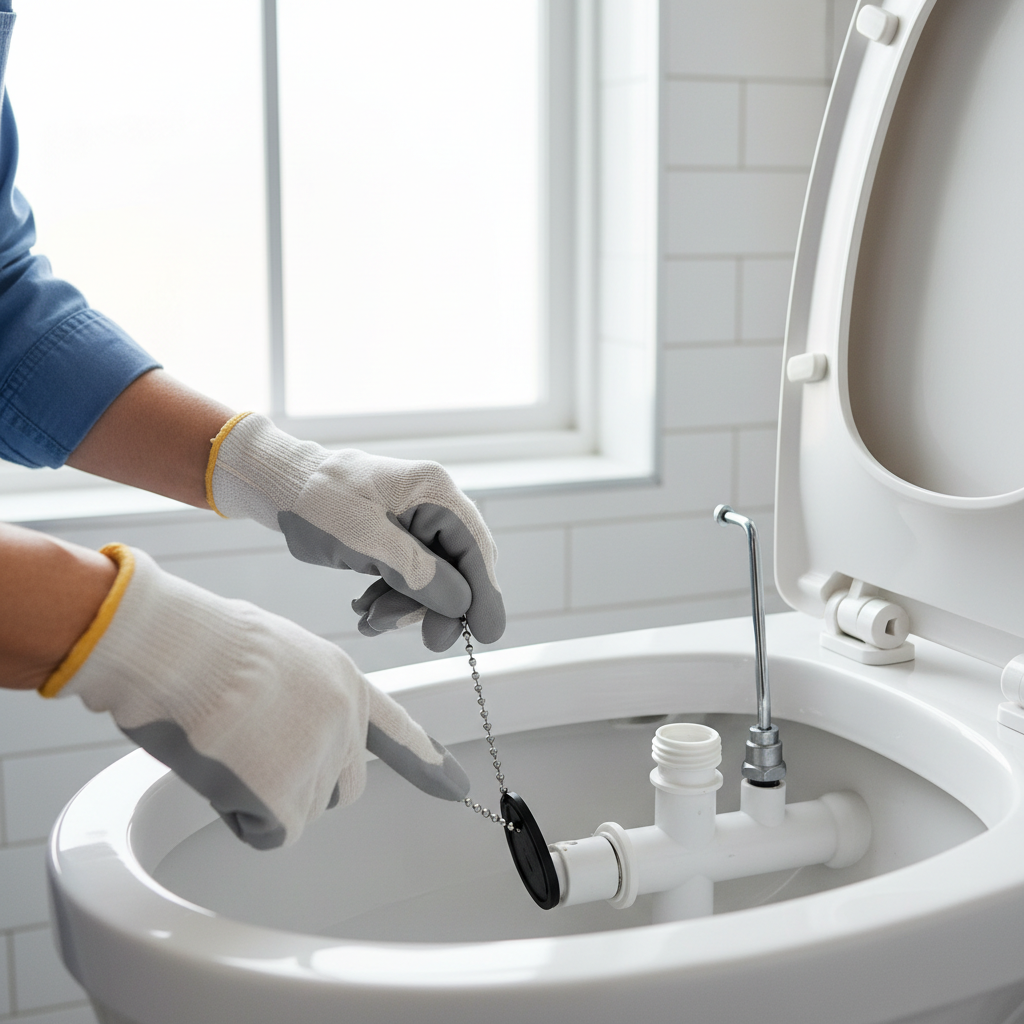
- Ignoring the Tank Components: Many homeowners focus solely on the bowl, overlooking issues like a low water level, a worn flapper, or a misadjusted chain in the tank, all of which directly impact flush strength.
- Assuming All Clogs are the Same: A partial, recurring clog requires a different approach than a single, severe blockage. Failing to differentiate can lead to ineffective troubleshooting (e.g., using a plunger for a weak flush issue).
- Not Checking the Rim Jets: Mineral buildup in these small holes under the toilet rim significantly reduces the water flow into the bowl during a flush, weakening the siphon action and contributing to clogs.
Plumbing · Clog
| Project category | Plumbing |
|---|---|
| Problem type | Clog |
| Trade required | Plumbing |
| Urgency | Soon — within weeks |
| Safety risk | Low safety risk |
| DIY suitability | DIY friendly |
| Cost category | Low cost |
| Typical timeline | Same-day DIY attempt; pro visit within a day or two |
| Contractor type | Licensed plumber |
Repair option
Plunger, hand auger, or trap cleanout before chemicals.
Replacement option
Line replacement when clogs return in the same spot repeatedly.
Common causes
- Hair and soap buildup in the trap
- Grease cooling in the branch line
- Flushed wipes or foreign objects
Relevant tools:diy difficultydiy or hire a pro
Published June 10, 2026Last updated August 17, 2026
Tools & materials you'll need
Affiliate linksAs an Amazon Associate FixlyGuide earns from qualifying purchases — at no extra cost to you. Prices and availability are accurate as of publication and subject to change.
Quick Answer
A toilet that clogs every few days often points to an issue beyond simple overloading, such as a weak flush, a partial obstruction in the trap or drain line, a faulty flapper, or mineral buildup. Diagnosing the exact cause involves observing flush performance, inspecting internal tank components, and checking for blockages that are not always visible. Addressing these underlying problems can prevent recurring clogs and costly plumbing calls.
The Problem
There's nothing quite as frustrating as a toilet that clogs with irritating regularity. It’s not just an occasional incident; it’s a constant battle, turning a simple flush into a game of chance. You might clear one clog, only for another to appear a few days later, often without an obvious cause like excessive toilet paper. This recurring issue suggests a deeper, systemic problem within your toilet or drain system that a simple plunge can't permanently resolve. Ignoring it leads to ongoing inconvenience, potential water damage from overflows, and the persistent worry that your toilet will fail at the worst possible moment. Understanding the mechanics and common failure points is the first step to reclaiming your peace of mind and stopping those frustrating daily clogs.
How It Works
To effectively troubleshoot a frequently clogging toilet, it helps to understand how a standard gravity-fed toilet operates. When you press the flush handle, a chain lifts the flapper valve at the bottom of the toilet tank. This allows the water, stored under pressure, to rush out of the tank and down into the toilet bowl. As this water enters the bowl, it exits through small holes (rim jets) located under the rim and also through a larger opening called the siphon jet, typically at the bottom front of the bowl. This forceful entry of water into the bowl creates a siphoning action, pulling the bowl's contents down through the trapway – the curved, S-shaped channel within the ceramic base of the toilet – and into the main drain line. The trapway is designed to hold a small amount of water, forming a seal that prevents sewer gases from entering your home. Once the tank is empty, the flapper falls back into place, sealing the tank, and the fill valve refills the tank to its operational level, ready for the next flush. A strong, effective flush relies on several factors: sufficient water volume and pressure in the tank, an unobstructed path through the rim jets and siphon jet, a clear trapway, and a free-flowing drain line. Any disruption in this chain of events – from a weak flush to a partial blockage downstream – can lead to recurring clogs.
Step-by-Step Fix
1. Observe the Flush – Diagnose the initial behavior to narrow down the problem.
- Look and Listen: Does the toilet flush weakly, with water barely swirling before receding? Or does it start strong and then slowly drain? A weak initial flush often points to tank issues, while slow draining after a strong start might indicate a downstream blockage. Observe if the water level in the bowl reaches its normal height before dropping, or if it struggles to rise at all.
- Test with Dye Tablet: Drop a toilet tank dye tablet (or a few drops of food coloring) into the tank. Wait 15 minutes without flushing. If color appears in the bowl without flushing, your flapper isn't sealing properly, leading to a "phantom flush" and reduced tank volume for the next flush.
2. Check the Tank Components – Ensure your toilet is getting enough water and flushing correctly from the tank.
- Inspect Flapper & Chain: Open the toilet tank lid. The flapper should create a tight seal over the flush valve opening. Look for wear, cracks, or warping on the rubber flapper. Ensure the chain has just a small amount of slack (about 1/2 inch) when the flapper is closed. Too much slack can prevent it from opening fully; too little can cause it not to seal. Replace a worn flapper.
- Adjust Water Level: The water level in the tank should align with the waterline mark, typically 1/2 to 1 inch below the top of the overflow tube. If it's too low, adjust the fill valve. Most fill valves have an adjustment screw or a clip to raise or lower the float, which controls the water level.
- Clean Outbound Water Flow: A weak flush can be caused by mineral buildup blocking the small rim jets under the toilet bowl rim. While wearing rubber gloves, feel under the rim for these holes. Use a small wire (like a coat hanger or an Allen wrench) to poke and clear any visible blockages. You can also try pouring a cup of vinegar down the overflow tube and letting it sit for an hour to dissolve mineral deposits.
3. Clear the Trapway – This is the S-shaped path inside the toilet bowl itself.
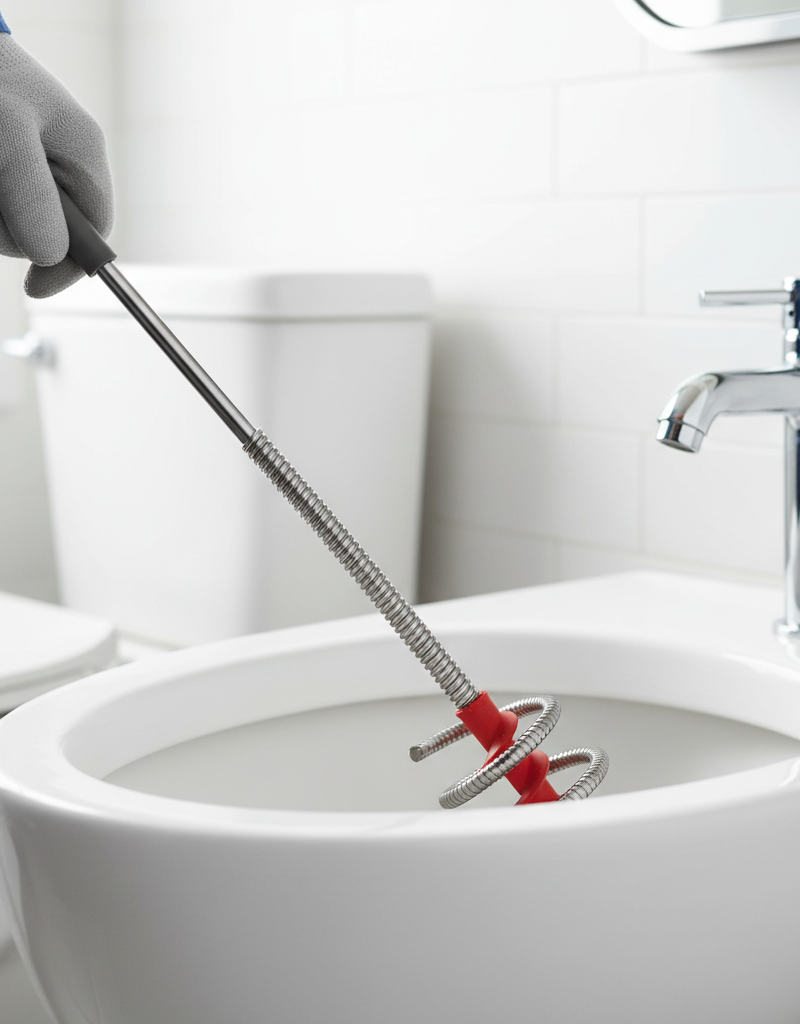
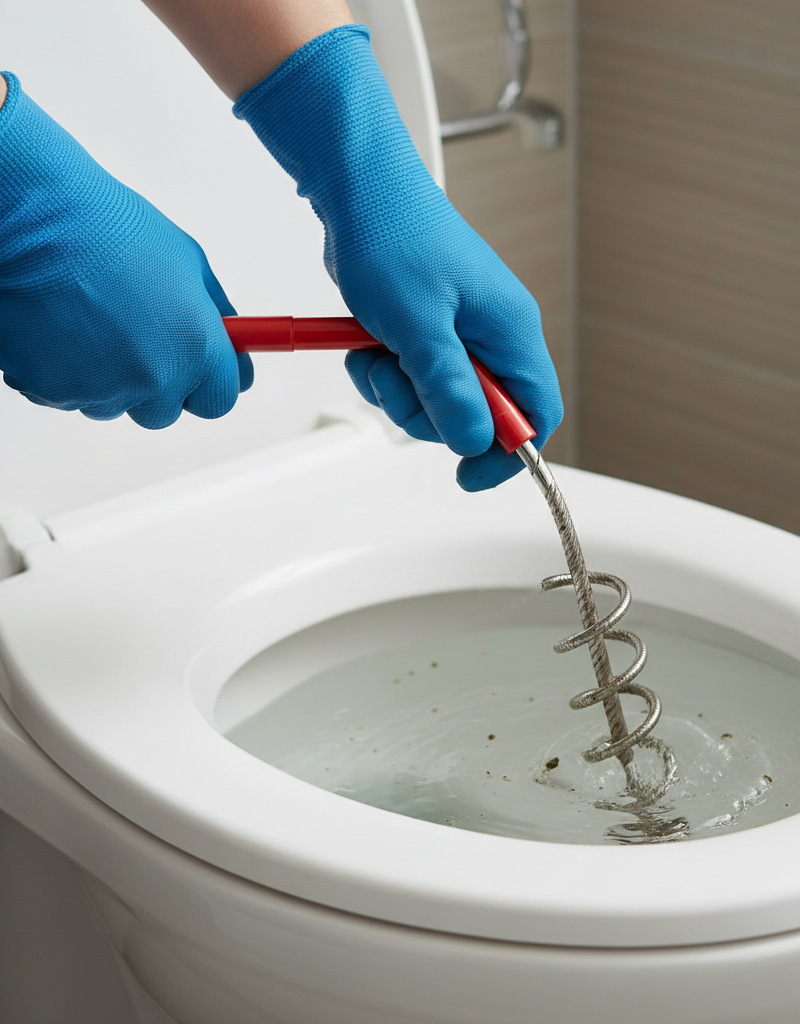
- Use a Toilet Auger: A standard plunger might not be enough for recurring trapway clogs. Use a toilet auger (also known as a closet auger) to gently clear the trap. Feed the coiled cable into the toilet bowl opening, push it until you feel resistance, then crank the handle to work through the blockage. The plastic or rubber coating on the auger protects the porcelain.
- Rock and Angle: If the auger gets stuck, try rotating it and changing its angle. Sometimes a tricky clog just needs a different approach. Pull out any retrieved material. Repeat until the auger moves freely.
4. Address Downstream Blockages – The problem may be further along the drain line.
- Chemical Drain Cleaner (Use with Caution): For organic clogs, some homeowners opt for an enzyme-based drain cleaner. Safety Note: Avoid corrosive chemical drain cleaners as they can damage pipes, harm septic systems, and pose a severe hazard if they splash or mix with other chemicals. They are rarely a permanent solution for recurring clogs. If using, follow instructions precisely.
- Main Line Inspection (Advanced): If the clog persists, or if multiple drains in your home are slow, the issue might be in the main sewer line. This is typically beyond DIY effort and requires a professional plumber with a drain camera and stronger snaking equipment. They can identify tree roots, pipe damage, or significant obstructions.
5. Consider a Toilet Replacement – Sometimes, the toilet itself is the problem.
- Low-Flow Issues: Older, first-generation low-flow toilets (1.6 gallons per flush, pre-2000s) often lacked sufficient flushing power, leading to frequent clogs. Newer high-efficiency toilets (1.28 GPF or less) have improved designs that use less water but flush more effectively. If you have an older, inefficient model, replacement might be the best long-term solution.
- Porcelain Imperfections: Over time, the internal surfaces of the trapway can become rough, calcified, or have manufacturing defects that snag waste, leading to repeated clogs. A visual inspection might be difficult, but constant snagging despite other fixes points to porcelain issues.
Common Causes
- Weak Flush: Insufficient water volume in the tank, a leaky flapper, or clogged rim jets prevent the toilet from generating enough force to clear the trapway and push waste down the drain.
- Partial Obstruction in the Trapway: Foreign objects (toys, hygiene products, excessive toilet paper) or even significant mineral buildup can create a choke point within the toilet's internal S-trap, leading to recurring blockages that a plunger only temporarily displaces.
- Issues with the Main Drain Line: Blockages further down the plumbing system, such as tree roots invading pipes, accumulated grease and debris, or even pipe damage (cracks, bellies), can slow down or impede the flow of waste from the toilet, causing it to back up and consistently clog.
- Faulty or Worn-Out Flapper: A flapper that doesn't seal correctly allows water to silently leak from the tank into the bowl, reducing the effective water volume available for a full flush. This "ghost flush" phenomenon leaves less water to create the necessary siphon action.
- Old or Inefficient Toilet Design: Early low-flow toilets (manufactured in the 1990s and early 2000s) often struggled with adequate flush power due to nascent water-saving designs. If you have an older model, its inherent design might be the root cause of frequent clogs, regardless of other fixes.
- Chronic Overloading: While you might not think you're using "too much" toilet paper, some brands are thicker and less dissolvable. Also, flushing non-flushable items (even those marketed as "flushable" wipes) can quickly accumulate and create recurring blockages.
Common Mistakes
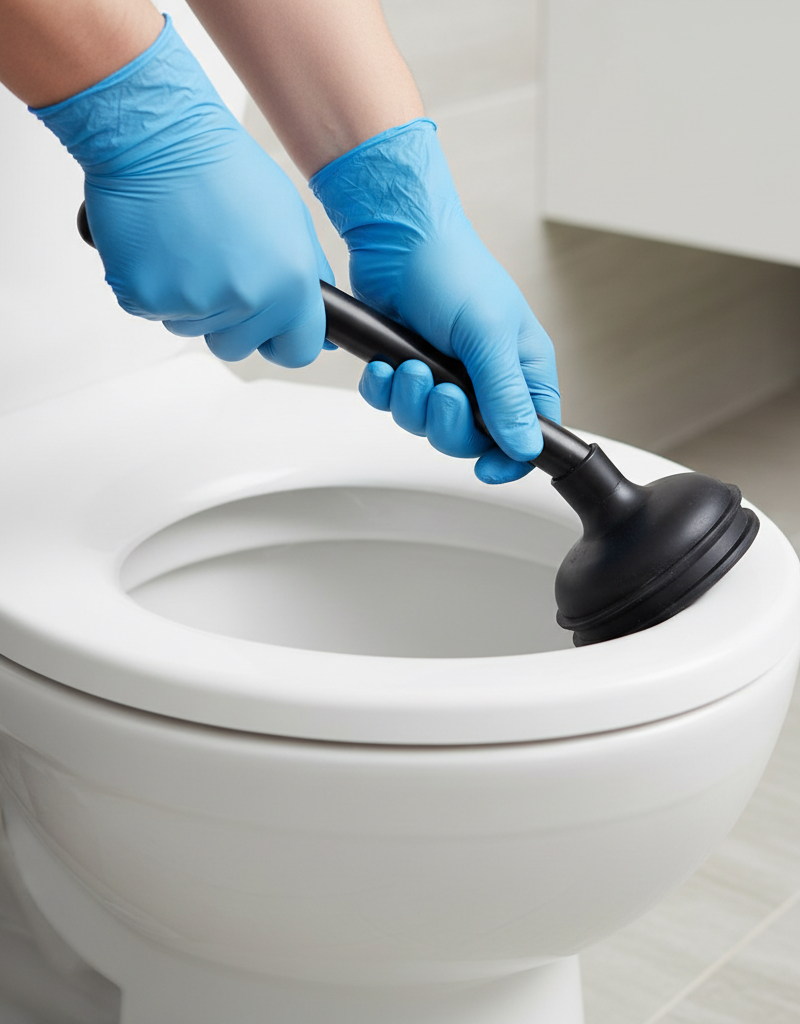
- Over-Plunging with Incorrect Technique: Vigorously plunging without a proper seal or aggressive, uncontrolled movements can sometimes push the blockage further down or even damage wax rings and pipes. Use a steady, firm downstroke followed by a sharp pull up to create both positive and negative pressure.
- Ignoring the Tank Components: Many homeowners focus solely on the bowl, overlooking issues like a low water level, a worn flapper, or a misadjusted chain in the tank, all of which directly impact flush strength.
- Relying on Corrosive Chemical Drain Cleaners: These harsh chemicals are often ineffective against recurring clogs, can damage PVC pipes, corrode older metal pipes, and pose significant health and environmental risks. They also kill beneficial bacteria in septic systems. They are a temporary fix at best.
- Assuming All Clogs are the Same: A partial, recurring clog requires a different approach than a single, severe blockage. Failing to differentiate can lead to ineffective troubleshooting (e.g., using a plunger for a weak flush issue).
- Flushing "Flushable" Wipes and Other Non-Paper Items: Products marketed as "flushable" wipes do not break down like toilet paper and are a common cause of recurring drain line blockages. Even small dental floss strands or cotton balls add to the problem over time.
- Not Checking the Rim Jets: Mineral buildup in these small holes under the toilet rim significantly reduces the water flow into the bowl during a flush, weakening the siphon action and contributing to clogs.
Cost & Time Breakdown
| Task | DIY Cost | Pro Cost | Time |
|---|---|---|---|
| Flapper replacement | $10–$25 | $75–$150 | 15–30 minutes |
| Fill valve adjustment/replacement | $20–$40 | $100–$200 | 30–60 minutes |
| Clearing trapway with auger | $0 (if owned) – $30 | $150–$300 | 30–60 minutes |
| Rim jet cleaning | $0 | Included in service | 10–20 minutes |
| Main line snaking | N/A | $200–$500+ | 1–3 hours |
| Toilet replacement | $100–$400+ | $300–$800+ | 2–4 hours (DIY) |
Tips & Prevention
- "The Dissolve Test": Before buying a new brand of toilet paper, tear off a few squares and put them in a jar of water. Shake vigorously. If the paper doesn't break down into small fibers, it's likely too dense and could cause clogs.
- Educate the Household: Ensure everyone in the home knows what can and cannot be flushed. This includes avoiding "flushable" wipes, paper towels, dental floss, cotton swabs, and feminine hygiene products.
- Regular Rim Jet Cleaning: Periodically (every 3-6 months), use a small wire or an Allen wrench to clear out the rim jets under the toilet rim to prevent mineral buildup and maintain optimal flush power.
- Check Flapper Annually: Lift your toilet tank lid once a year and inspect the flapper for signs of wear, warping, or cracking. A failing flapper is an inexpensive and easy fix that prevents many issues.
- Consider a Higher-Efficiency Toilet: If your toilet is an older, inefficient model (especially one from the 1990s), upgrading to a modern WaterSense certified toilet can provide stronger flushing power with less water, significantly reducing recurring clogs.
- Use a Wastebasket: Place a small wastebasket next to every toilet for non-flushable items, serving as a constant reminder for household members and guests.
When to Call a Professional
If you've systematically worked through the steps above—checking your tank components, clearing the trapway with an auger, and practicing good flushing habits—and your toilet continues to clog every few days, it
Related Articles
Keep troubleshooting with these hand-picked guides from FixlyGuide:
- The 3 Hidden Reasons Your Toilet Clogs Repeatedly (And How to Fix Each One) — Uncover the surprising culprits behind your constantly clogging toilet and learn homeowner-friendly fixes to restore flush power.
- Why Your Toilet Clogs Every Few Days (And the #1 Mistake Homeowners Make) — A toilet that clogs frequently is a frustrating problem, often caused by easily overlooked issues like trapway obstructions or ventilation…
- The #1 Mistake Homeowners Make When Their AC Drain Clogs (And The $5 Fix) — Discover the most common error homeowners make when tackling a clogged AC drain line and learn a simple, inexpensive solution to prevent co…
- The 3 Hidden Reasons Your Refrigerator Leaks Water (And How to Fix Them in 30 Minutes) — Discover the most common culprits behind a leaking refrigerator and learn how to diagnose and fix them quickly with this comprehensive guid…
- The $2 Trick to Stop a Running Toilet (Plumbers Don't Want You to Know) — Discover the simple, two-dollar fix that can stop your running toilet in minutes, saving water and preventing costly repairs.
- The #1 Reason Your Gutters Overflow (It's Not Clogging) — Discover the surprising true cause of overflowing gutters during heavy rain and how a simple fix can prevent costly water damage to your ho…
What should this project cost?
Enter your project details for a realistic cost range before you call anyone.
Common repairs run $150–$650; repipes and water-heater replacements reach $1,500–$4,500.
- Regional adjustment
- National average
- Labor share (typical)
- ~$754
- Quotes to collect
- 3 written estimates
Educational estimate based on national averages — not a binding quote. Always confirm with written local estimates.
Fixly Project Decision Box
- DIY difficulty
- Moderate
- Estimated time
- 30 minutes – half a day
- Cost level
- Moderate
Main tools / materials
- Adjustable wrench
- Plunger or drain auger
- Bucket and towels
- Thread tape
When to stop and call a pro
- Water you cannot shut off at the fixture or main
- Sewage backing up into more than one fixture
- Water near electrical panels or outlets
- Gas water heater work beyond relighting a pilot
Need professional help?
Get a Licensed PlumberFrequently asked questions
Why does my toilet only clog every few days instead of every flush?+
A toilet that clogs intermittently often has a partial obstruction or a weak flush that can handle small amounts of waste but struggles with larger loads. This isn't a complete blockage, but rather a bottleneck that builds up over several flushes. Issues like a leaky flapper, mineral buildup in rim jets, or a partially blocked drain line allow some waste to pass, but not consistently or efficiently.
Can I prevent recurring toilet clogs without calling a plumber?+
Yes, many recurring clogs can be prevented with DIY fixes. Start by checking your tank's water level and the condition of the flapper and chain. Clean neglected rim jets under the bowl's rim. Use a toilet auger to clear any deep trapway blockages. Most importantly, ensure only human waste and toilet paper are flushed.
How do I know if my flapper is the cause of the clogs?+
A faulty flapper can cause a weak flush because it doesn't hold enough water in the tank for a full, powerful flush. Perform the dye test: put a few drops of food coloring in your toilet tank. If, without flushing, the color appears in the bowl after 15-30 minutes, your flapper is leaking and needs replacement to restore full flush volume and prevent recurring clogs.
What's the difference between plunging and augering a toilet?+
Plunging uses air pressure to push or pull a blockage immediately near the bowl or trap. Augering, or snaking, uses a flexible, coiled cable to physically break through or retrieve a blockage much deeper in the trapway or the initial section of the drainpipe. For recurring clogs, an auger is often more effective than a plunger because it can reach and clear more stubborn, deeper obstructions.
Should I replace my toilet if it keeps clogging?+
If your toilet is an older, low-flow model (especially from the 1990s) and you've systematically tried all other fixes without success, replacement might be the best option. These older designs often lack the flushing power of modern toilets. Also, internal defects or severe calcification within the trapway of an older toilet can create stubborn snag points that no amount of cleaning or plunging can fix.
Discussion
Loading comments…