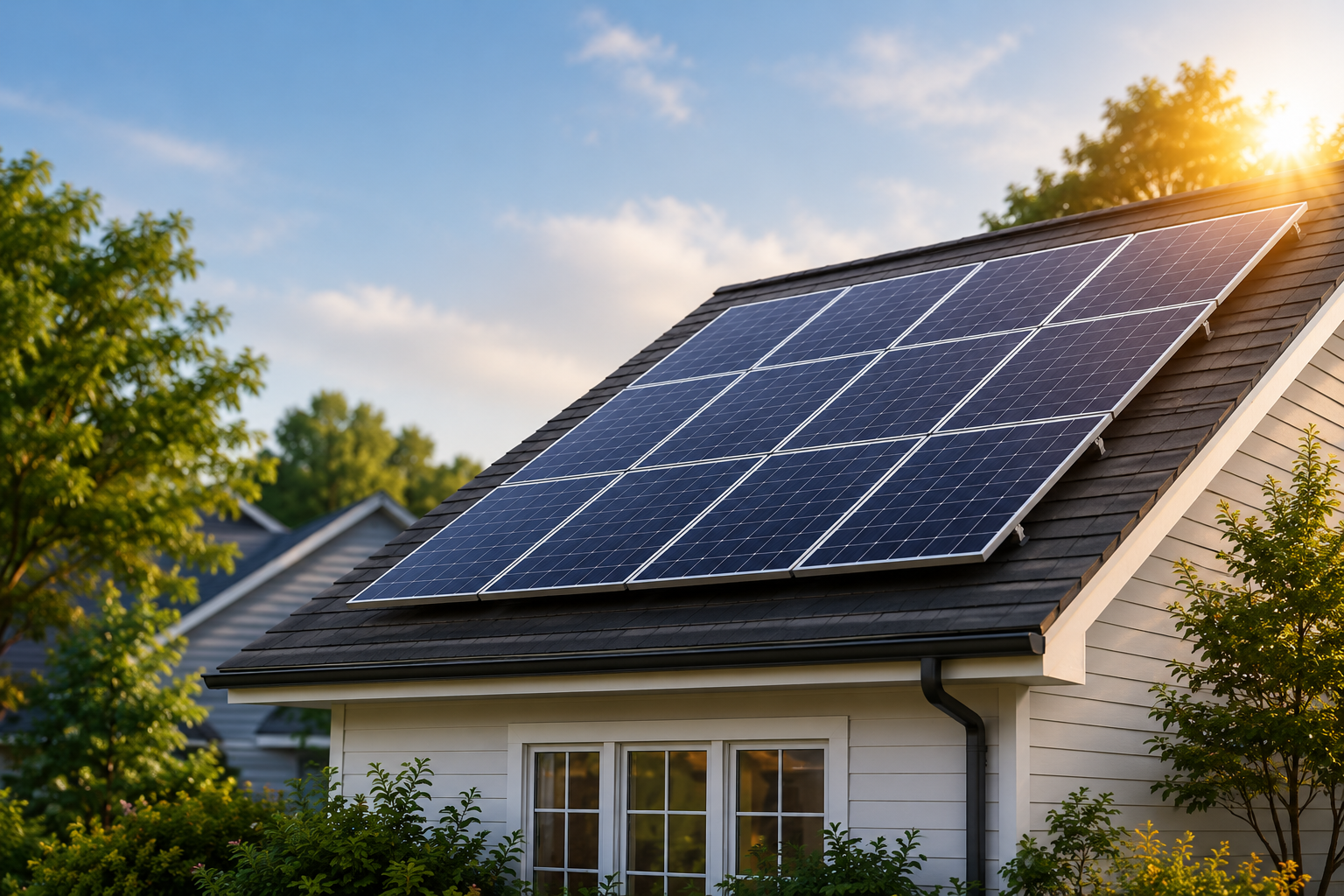
- National average: $24,500
- Typical price range: $15,000–$35,000
- Premium systems with battery backup: $40,000–$70,000+
Roofing · Aging roof
| Project category | Roofing |
|---|---|
| Problem type | Aging roof |
| Trade required | Roofing |
| Urgency | Planned project |
| Safety risk | Low safety risk |
| DIY suitability | Pro recommended |
| Cost category | High cost |
| Typical timeline | Plan 4–12 weeks ahead for scheduling and material lead time |
| Contractor type | Licensed roofing contractor |
Repair option
Maintenance repairs to buy a season or two while you budget.
Replacement option
Planned replacement, which is almost always cheaper than a leak-driven emergency.
Common causes
- Normal weathering past the shingle service life
- Poor attic ventilation cooking the shingles from below
- Repeated repairs on the same slopes
Relevant tools:repair or replace roofproject cost estimatorhome improvement material prices
Published July 26, 2026Last updated August 17, 2026
Tools & materials you'll need
Affiliate links- AmazonLicensed solar installer
As an Amazon Associate FixlyGuide earns from qualifying purchases — at no extra cost to you. Prices and availability are accurate as of publication and subject to change.
Quick Answer
Most homeowners pay $15,000 to $35,000 for a complete residential solar panel system in 2026 before incentives, with a national average around $24,500. Installed pricing runs $2.50–$4.00 per watt, and adding whole-home battery backup can push a project to $40,000–$70,000 or more.
Introduction
Installing solar panels is one of the most popular home improvement investments in 2026. Rising electricity costs, improved solar technology, and available tax incentives have made residential solar more affordable than ever. A professionally installed solar energy system can significantly reduce your monthly utility bills while increasing your home's value.
Your total cost depends on the size of the system, the type of panels you choose, roof complexity, battery storage, labor costs, and local permitting requirements.
This guide explains everything you need to know about solar panel installation costs in 2026, including pricing by system size, equipment costs, tax credits, financing options, and ways to maximize your return on investment.
Average Solar Panel Installation Cost in 2026
| System Size | Average Installed Cost |
|---|---|
| Small (4–6 kW) | $15,000–$20,000 |
| Medium (7–9 kW) | $20,000–$28,000 |
| Large (10–12 kW) | $28,000–$35,000+ |
- National average: $24,500
- Typical price range: $15,000–$35,000
- Premium systems with battery backup: $40,000–$70,000+
Battery storage, premium panels, and complex roof installations can significantly increase the total project cost.
Solar Panel Cost Per Watt
Most residential solar systems are priced by the watt. The average installed cost is $2.50–$4.00 per watt.
| System Size | Estimated Installed Cost |
|---|---|
| 6 kW | $15,000–$24,000 |
| 8 kW | $20,000–$32,000 |
| 10 kW | $25,000–$40,000 |
Solar Panel Types
Choosing the right solar panels affects both your upfront cost and long-term energy production.
Monocrystalline Solar Panels
Average cost: $3.00–$4.00 per watt installed
- Highest efficiency
- Long lifespan (25–30+ years)
- Better performance in hot weather
- Sleek black appearance
- Excellent for limited roof space
Polycrystalline Solar Panels
Average cost: $2.50–$3.50 per watt installed
- Lower upfront cost
- Reliable performance
- Good value for larger roofs
- Proven technology
Thin-Film Solar Panels
Average cost: $2.00–$3.00 per watt installed
- Lightweight
- Flexible installation options
- Performs well in partial shade
- Suitable for certain commercial and specialty applications
What Is Included in a Solar Installation?
A complete residential solar system typically includes:
- Solar panels
- Inverter
- Mounting hardware
- Electrical wiring
- Roof attachments
- Monitoring system
- Professional installation
- Permits and inspections
- Utility interconnection
These components work together to convert sunlight into usable electricity for your home.
Solar Inverter Costs
The inverter is one of the most important components of a solar energy system. It converts the direct current (DC) electricity produced by your solar panels into alternating current (AC) electricity that powers your home.
String Inverters
Average cost installed: $1,000–$3,000
- Most affordable option
- Reliable technology
- Easy maintenance
- Ideal for roofs with little shade
Microinverters
Average cost installed: $2,500–$5,500
- Maximum energy production
- Better performance with partial shade
- Individual panel monitoring
- Easier future expansion
- Longer warranties
Microinverters are often recommended for roofs with multiple angles or shading from trees.
Hybrid Inverters
Average cost installed: $3,000–$7,000
Hybrid inverters allow homeowners to integrate battery storage now or in the future, providing greater energy independence and backup power options.
Solar Battery Storage Costs
Battery systems store excess electricity generated during the day for use at night or during power outages.
Average battery cost: $8,000–$20,000+
Battery pricing depends on:
- Storage capacity
- Brand
- Backup power capability
- Installation complexity
Popular battery systems can power essential household appliances during electrical outages, making them increasingly popular in areas with frequent storms or unreliable utility service.
Roof Condition and Installation Costs
Before installing solar panels, your roof should be inspected to ensure it can support the system for the next 25–30 years. If your roof needs replacement soon, many homeowners choose to replace it before installing solar panels.
| Roof Work | Typical Cost |
|---|---|
| Roof repair | $500–$5,000 |
| Roof replacement before solar | $8,000–$25,000+ |
Installing solar on an aging roof can result in additional labor costs if the panels need to be removed later for roofing work.
Additional Solar Installation Costs
Electrical Panel Upgrade
Average cost: $1,500–$4,500
Older homes sometimes require an upgraded electrical service panel to safely support a new solar energy system.
Permits and Inspections
Average cost: $500–$2,000
Permit costs vary depending on local building departments and utility companies.
Monitoring Systems
Average cost: $300–$1,500
Many systems include smartphone apps that allow homeowners to monitor daily energy production, lifetime savings, panel performance, electricity consumption, and utility usage.
Federal Solar Tax Credit
One of the biggest financial incentives available is the Federal Residential Clean Energy Credit, which allows eligible homeowners to claim a percentage of qualifying installation costs as a federal tax credit.
Depending on current federal law and your eligibility, this incentive can reduce the overall cost of installing solar panels significantly. Because tax laws may change, it's important to consult a tax professional or review the latest IRS guidance before making purchasing decisions.
Factors That Affect Solar Installation Costs
- System size (kW)
- Roof size, pitch, and material
- Panel efficiency
- Inverter type
- Battery storage
- Electrical upgrades
- Local labor rates
- Permitting requirements
- Utility interconnection fees
- Regional sunlight exposure
Understanding these variables will help you compare estimates and choose the best solar system for your home and energy needs.
Is Solar Worth the Investment?
For many homeowners, solar panels pay for themselves over time through lower electric bills, available incentives, and increased home value. The exact payback period depends on your location, electricity rates, system size, and how much energy your household uses.
Many homeowners recover their investment in 7–15 years, while quality solar panels are designed to last 25–30 years or longer, providing years of additional energy savings after the system has paid for itself.
Benefits of Installing Solar Panels
- Lower electricity costs
- Increased home value
- Reduced dependence on the power grid
- Lower carbon footprint
- Protection from rising utility rates
- Quiet operation
- Minimal maintenance
- Long equipment lifespan
Many buyers also view homes with owned solar systems as more attractive in today's real estate market.
Repair vs. Replace Your Solar System
Solar equipment is built to last, and many issues can be repaired without replacing the entire system.
Repairs may be the better option when you have:
- A faulty inverter
- Damaged wiring
- Broken mounting hardware
- Monitoring system issues
- One or two damaged panels
- Loose electrical connections
Average repair cost: $300–$3,500
Replacement may be the better option when:
- Panels are more than 25–30 years old
- Energy production has declined significantly
- Major storm damage has affected multiple panels
- Replacement parts are no longer available
- You need a much larger system to meet increased energy demands
Modern solar panels are more efficient than older models, so replacing an aging system may produce substantially more electricity using the same roof space.
Ways to Save Money on Solar Installation
Compare Multiple Quotes
Request estimates from at least three licensed solar installers and compare equipment brands, panel efficiency, warranties, installation timeline, financing options, customer reviews, and estimated annual energy production. The lowest quote isn't always the best value if it includes lower-quality equipment or shorter warranties.
Take Advantage of Incentives
Federal, state, local, and utility incentive programs may significantly reduce your out-of-pocket costs. Some utility companies also offer:
- Cash rebates
- Net metering programs
- Performance-based incentives
- Low-interest financing
- Community solar options
Research available programs in your area before signing a contract, as incentives can vary by location.
Choose the Right System Size
Installing a system that's properly sized for your home's electricity usage helps maximize your return on investment. An oversized system may increase your upfront costs unnecessarily, while an undersized system may not generate enough electricity to offset your utility bills. A qualified installer should perform a detailed energy analysis before recommending a system size.
Finance Your Solar System
Common financing options include:
- Solar loans
- Home equity loans
- Home equity lines of credit (HELOC)
- Cash purchase
- Solar leases
- Power Purchase Agreements (PPAs)
Each option has different costs, ownership benefits, and long-term savings potential. Be sure to compare financing terms before making a decision.
Return on Investment (ROI)
Solar panels remain one of the highest-value home improvements available. Potential benefits include reduced monthly electricity bills, long-term utility savings, increased property value, potential tax incentives, protection from rising energy prices, lower environmental impact, and greater energy independence.
Over the lifespan of the system, many homeowners save tens of thousands of dollars on electricity costs.
Choosing the Right Solar Installer
Selecting an experienced installer is just as important as choosing quality equipment. Look for a contractor who:
- Is licensed and insured
- Has strong customer reviews
- Provides detailed written proposals
- Offers manufacturer-backed equipment warranties
- Includes workmanship warranties
- Handles permits and inspections
- Assists with utility interconnection
- Explains monitoring and maintenance requirements
A reputable installer should also provide realistic estimates for energy production and expected savings rather than making unrealistic promises. Professional installation helps ensure your solar system operates safely, efficiently, and reliably for decades.
Expert Tips Before Installing Solar Panels
- Get at least three written quotes from licensed solar installers.
- Verify licensing, insurance, certifications, and customer reviews.
- Compare panel efficiency, equipment brands, and warranty coverage.
- Have your roof inspected to ensure it has sufficient remaining life.
- Review financing options and compare long-term costs.
- Ask for a detailed estimate of annual energy production and projected savings.
- Understand ongoing maintenance requirements and equipment warranties.
Final Thoughts
Installing solar panels is one of the smartest long-term investments many homeowners can make. While the upfront cost may seem significant, lower monthly electric bills, available incentives, and decades of clean energy production can make solar an excellent financial decision.
By understanding solar panel installation costs in 2026, comparing multiple estimates, and choosing high-quality equipment installed by experienced professionals, you can maximize your return on investment while reducing your home's dependence on traditional energy sources.
Related Guides
- Roof Replacement Cost in 2026
- Window Replacement Cost in 2026
- Bathroom Remodel Cost in 2026
- 10 Home Renovations That Add the Most Value in 2026
At FixlyGuide, our mission is to help homeowners make confident decisions with practical, trustworthy advice — from major renovations to weekend projects.
Questions to ask before you sign
Ask every contractor the same questions and the cheapest bid stops looking cheapest. Check them off as you go — your progress is saved on this device.
Free, no signup. Bring this to every walkthrough so you compare bids on the same terms.
What should this project cost?
Enter your project details for a realistic cost range before you call anyone.
Spot repairs commonly run $400–$1,800; full replacement typically $9,000–$18,000 for an average home.
- Regional adjustment
- National average
- Labor share (typical)
- ~$2,948
- Quotes to collect
- 3 written estimates
Educational estimate based on national averages — not a binding quote. Always confirm with written local estimates.
Fixly Project Decision Box
- DIY difficulty
- Professional Recommended
- Estimated time
- Diagnosis 1–2 hours
- Cost level
- Moderate
Main tools / materials
- Non-contact voltage tester
- Outlet tester
- Flashlight
When to stop and call a pro
- Burning smell, scorch marks, or a warm outlet or switch plate
- A breaker that trips again right after being reset
- Any work inside the service panel
- Aluminum wiring or cloth-insulated wiring
Need professional help?
Talk to a Licensed ElectricianPrice your roof project
Check the numbers in this guide against your own roof and ZIP code.
- Repair or replace your roof?Answer 10 questions about age, leaks, and damage to get a clear next step.Open
- Estimate this projectGet a cost range for your scope and ZIP before you call anyone.Open
Free, no signup required. Estimates are educational guidance, not a quote or an inspection.
Frequently asked questions
How much does it cost to install solar panels in 2026?+
The average homeowner spends between $15,000 and $35,000 for a residential solar panel system before incentives, with a national average around $24,500. Final cost depends on system size, panel type, roof complexity, inverter type, battery storage, electrical upgrades, labor, and local permitting. Homes with whole-home battery backup can exceed $50,000.
How long do solar panels last?+
Most high-quality solar panels last 25–30 years or longer. Microinverters typically last 20–25 years, string inverters 10–15 years, and battery storage 10–20 years depending on technology and usage.
Do solar panels increase home value?+
In many cases, yes. Homes with owned solar systems often sell for more than comparable homes without solar thanks to lower utility costs and greater energy efficiency. The exact increase depends on your local market and whether the system is owned or leased.
Do solar panels work during cloudy weather?+
Yes. Panels still generate electricity on cloudy days, though production is lower than in full sun. Modern panels capture both direct and indirect sunlight, so systems produce power year-round in a wide range of climates.
Do solar panels work during a power outage?+
Most standard grid-tied systems shut down during an outage for utility worker safety. With battery storage or a specialized backup system, you can keep essential appliances running depending on battery size and system configuration.
What is the average solar cost per watt in 2026?+
Installed residential solar averages $2.50–$4.00 per watt. A 6 kW system runs about $15,000–$24,000, an 8 kW system $20,000–$32,000, and a 10 kW system $25,000–$40,000.
How long is the payback period for solar panels?+
Many homeowners recover their investment in 7–15 years depending on local electricity rates, sunlight exposure, incentives, and household energy use — leaving a decade or more of savings over the panels’ 25–30 year lifespan.
Discussion
Loading comments…