- Month 1: Safety + active problems.
- Months 2–3: Repairs that could worsen.
- Months 4–6: Preventive maintenance.
- Months 7–12: Optional improvements.
General remodeling · Renovation planning
| Project category | General remodeling |
|---|---|
| Problem type | Renovation planning |
| Trade required | General contracting |
| Urgency | Planned project |
| Safety risk | Low safety risk |
| DIY suitability | Pro recommended |
| Cost category | Major investment |
| Typical timeline | Design and permitting often 2–4 months before work starts |
| Contractor type | General contractor |
Repair option
Phase the work and fix the building envelope first.
Replacement option
Full renovation with permits, design, and a general contractor.
Common causes
- Space no longer fits how the household lives
- Resale preparation
- Deferred maintenance stacking up
Relevant tools:project cost estimatorcompare quoteshome improvement material prices
Published August 31, 2026Last updated August 31, 2026
Tools & materials you'll need
Affiliate linksAs an Amazon Associate FixlyGuide earns from qualifying purchases — at no extra cost to you. Prices and availability are accurate as of publication and subject to change.
Quick Answer
Just bought a house? Before you decorate, spend your first 30 days securing and understanding the home: rekey exterior locks, reset garage and smart-home access, find the main water shutoff and electrical panel, check smoke/CO alarms, review your inspection report, replace the HVAC filter, check under sinks and around toilets, photograph everything, start a house records folder — and don't blow your budget on cosmetic upgrades before you know what repairs the house needs.
You Signed the Papers. Now What?
You signed the papers.
They handed you the keys.
You walked through the front door and thought:
"This is actually MY house."
Then the boxes arrive.
The internet needs to be connected.
Someone can't find the coffee maker.
You're trying to decide where the couch goes.
And Home Depot suddenly feels like your second home.
But before you spend your first weekend choosing paint colors and replacing perfectly functional light fixtures, there are a few things worth doing first.
Because your first month as a homeowner shouldn't only be about making the house look like yours.
It should also be about:
- Understanding it.
- Securing it.
- Establishing a maintenance baseline.
- And learning what to do when something goes wrong.
Here are 25 things I'd put on every new homeowner's first-30-days checklist.
1. Change or Rekey the Exterior Locks
You received keys at closing.
Great.
Here's what you don't necessarily know:
How many other copies exist?
Previous owners. Family members. Neighbors. Contractors. House cleaners. Pet sitters. Old roommates. Who knows?
Changing or rekeying exterior locks gives you control over who has access.
Don't forget secondary exterior doors.
2. Reset the Garage Door Access
This is easy to forget.
You might receive two garage remotes. That doesn't necessarily mean only two remotes have ever been programmed.
Review the opener manufacturer's instructions for resetting or managing authorized remotes/keypads.
Then establish your own access codes.
3. Change Smart-Home Passwords and Access
Did the house come with smart locks, thermostats, doorbell cameras, security cameras, an alarm system, garage controls, lighting or irrigation controls?
Don't assume transferring physical possession automatically removes every previous digital user.
Reset accounts, passwords, access permissions and recovery information as appropriate.
4. Find the Main Water Shutoff
Do this before you need it. Not while water is spraying across your kitchen at 11:47 PM.
Find the main shutoff. Understand what it controls. Make sure responsible adults in the house know where it is.
If you're unsure how your particular system works, get appropriate guidance rather than forcing an unfamiliar valve.
This is one of the most important things a new homeowner can learn.
5. Find the Electrical Panel
Know where it is. Make sure you can access it. Look at the circuit directory.
Is it understandable? Or does it say:
"ROOM" / "OTHER ROOM" / "PLUGS?" / "BOB'S SHOP"
That's not particularly helpful.
Proper circuit identification can be useful later, but don't remove panel covers or work on energized equipment unless you're qualified to do so.
6. Locate Your Emergency and Utility Controls
Depending on the home, identify appropriate controls for systems such as water, electrical service, fuel supply where applicable, irrigation and other major equipment.
You don't need to become a technician. You need to know: who to call and what you can safely shut off during an emergency.
7. Check Smoke Alarms
Don't assume they're fine because they're attached to the ceiling.
Determine where they are, whether additional alarms are required for your home's configuration and jurisdiction, whether they're functioning according to manufacturer instructions, and their age/replacement requirements.
Do the same for carbon monoxide alarms where appropriate.
8. Locate or Obtain Fire Extinguishers
Think about accessible locations appropriate to your home. The kitchen may be an obvious consideration, but household layout matters.
Also: know how to use the extinguisher before there's a fire.
Follow manufacturer and fire-safety guidance regarding selection, placement, inspection and replacement.
9. Read Your Home Inspection Report Again
Before closing, your inspection report felt like "everything wrong with this house."
Now it becomes something different: your maintenance roadmap.
Go through it again. Highlight items that weren't addressed before closing. Then divide them into:
- 🔴 Safety/urgent
- 🟡 Repair soon
- 🟢 Maintenance/cosmetic
You now have the beginning of your home-improvement plan.
10. Make a 12-Month Repair List
Don't try to fix 47 things during your first weekend. That's how homeowners overspend, get overwhelmed, start six projects and finish one.
Instead, make a list:
- Month 1: Safety + active problems.
- Months 2–3: Repairs that could worsen.
- Months 4–6: Preventive maintenance.
- Months 7–12: Optional improvements.
Now the house feels manageable.
11. Replace or Inspect the HVAC Filter
First, find it. Then determine what size it uses, what type is appropriate for the system, and when it was last changed.
Don't automatically buy the most restrictive filter on the shelf because the package says "ULTIMATE MEGA ALLERGEN DEFENSE." HVAC systems have airflow requirements. Use a filter appropriate for your equipment and follow manufacturer/professional recommendations.
Then record the date.
12. Learn the HVAC System
You don't need to know how to repair it. But learn the basics.
Where's the indoor equipment? Outdoor equipment? Thermostat? Filter? Condensate drain? When was the system last serviced? How old is the equipment?
Save model and serial information if useful. Future-you will appreciate this.
13. Find the Water Heater
Know where it is, what type it is, the approximate age if available, and whether maintenance records exist.
Look around the area for obvious signs of leakage or deterioration.
Don't start adjusting unfamiliar controls or valves just because you watched a video online.
14. Look Under Every Sink
Yes, again. Even if your inspector already did. Why? Because now it's your house.
Create a baseline. Look beneath the kitchen sink, bathroom sinks and utility sink. Check for moisture, stains, corrosion, dripping and swollen materials.
Then you'll know what's normal when you check again next month.
15. Check the Toilets
Flush them. Make sure they aren't continuously running. Look around the base. Pay attention to unexpected movement or moisture.
A toilet shouldn't become part of the furniture you simply learn to ignore when it rocks. If something seems wrong, investigate the cause.
16. Walk Outside During a Good Rain
This might teach you more about your property than three sunny-day walkthroughs.
From a safe location, observe where roof runoff goes, whether gutters overflow, where downspouts discharge, where water collects, whether water repeatedly moves toward the house, and where erosion occurs.
You aren't trying to panic over every puddle. You're learning how your property handles water.
That's valuable information.
17. Look Up at the Roof From the Ground
Don't climb onto it. Look safely from the ground.
Notice missing or visibly damaged roofing materials, debris, damaged gutters, tree limbs contacting or threatening the roof, and anything obviously different from your inspection documentation.
Then save the approximate roof age if known.
18. Walk the Exterior
Take your phone. Photograph each side of the house.
Look at siding, brick/masonry, trim, windows, doors, fascia, decks, porches, steps, railings and foundation areas visible above grade.
Why photos? Because six months from now you may wonder: "Was that crack already there?"
Now you can check.
19. Find Out Where Your Sewer or Septic Information Is
If connected to a public sewer, keep any relevant property/service information you received.
If the property uses a septic system, understand where it is, what maintenance it requires, what records exist and when it was last serviced.
Don't wait until there's sewage in the yard to learn how your wastewater system works.
20. Learn Your Trash, Recycling and Local Service Schedule
Not glamorous. Extremely useful.
Find trash day, recycling day, bulk pickup rules, yard waste, local hazardous-waste options, HOA requirements if applicable, watering restrictions if applicable and local municipal services.
It's one of those things nobody thinks about until there's a mountain of moving boxes in the garage.
21. Create a Home Emergency Contact List
Don't wait for an emergency to start Googling "plumber near me open now PLEASE HELP."
Create a list for a plumber, electrician, HVAC company, roofer, locksmith, tree service, restoration company, insurance claims/contact information, utility emergency numbers and other professionals relevant to your property.
Verify providers before you need them.
That's one area where Fixly Guide can become genuinely useful for homeowners.
22. Start a House Records Folder
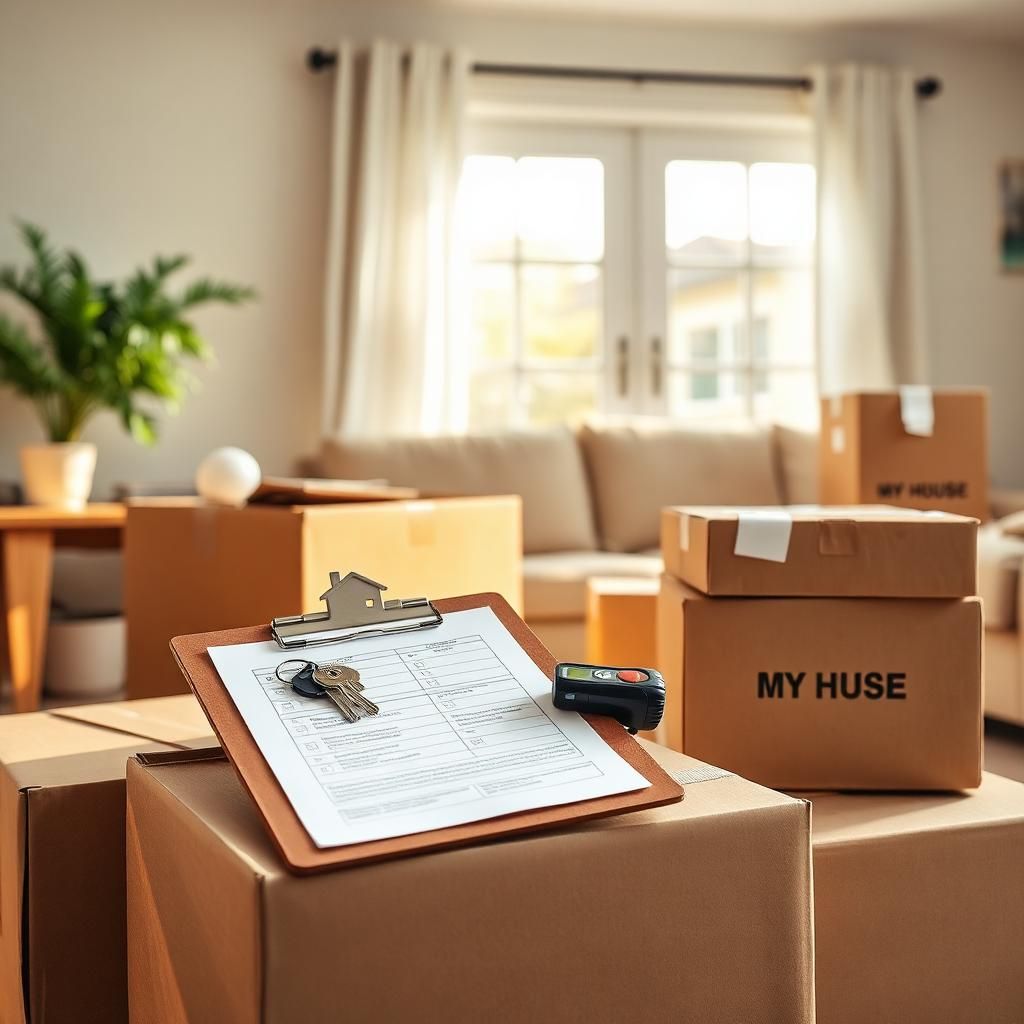
Digital, physical or both. Call it: MY HOUSE.
Keep your inspection report, closing documents, insurance information, survey, warranties, appliance manuals, roof records, HVAC records, repair invoices, contractor information, paint colors, permits and inspection records where applicable, before/after photographs and major purchase receipts.
You'd be surprised how valuable this becomes.
23. Take "Day One" Photos
This sounds unnecessary. Do it anyway.
Photograph every room, the exterior, the roof from safe ground locations, mechanical equipment, major appliances, the garage, fence, deck, existing cracks or stains and other notable conditions.
These aren't Instagram photos. They're documentation.
Months or years later, they can help you understand whether something changed.
24. Don't Immediately Remodel Everything
This might save you more money than anything else on this list.
You walk into your new kitchen and think: "These cabinets HAVE TO GO."
Maybe. But live there for a little while.
You may discover the kitchen layout actually works, the bathroom needs storage more than new tile, the room you thought would become an office works better as something else, and the expensive project you planned isn't your biggest priority.
And the house may reveal repairs you didn't anticipate.
Give yourself time to understand the home before spending your entire improvement budget.
25. Start a Home Emergency Fund
Because eventually something will break.
Not because you bought a bad house. Because houses contain roofs, HVAC equipment, water heaters, plumbing, electrical components, appliances, doors, windows, pumps, fixtures and hundreds of other components that age and fail.
Instead of treating every repair like a financial surprise, start preparing for them.
The right amount depends on your finances, home and expected repairs, but having dedicated home-repair savings can make ownership far less stressful.
BONUS: Don't Throw Away Leftover Materials
Previous owner left extra flooring, tile, roofing material, paint, brick, siding or cabinet hardware?
Before tossing everything: figure out what belongs to the house.
Matching discontinued flooring five years from now can be incredibly difficult. Those six extra planks suddenly become valuable.
Label them. Store them properly.
Your First Weekend: Do These 10
Feeling overwhelmed? Forget all 25 for now. Start here:
- ☐ Rekey/change locks
- ☐ Reset garage access
- ☐ Reset smart-home access
- ☐ Find water shutoff
- ☐ Find electrical panel
- ☐ Check smoke/CO alarms as appropriate
- ☐ Find HVAC filter
- ☐ Review inspection report
- ☐ Check beneath sinks
- ☐ Start house records folder
That's a productive first weekend.
Your First Month: Learn the House
Then spend the rest of the month learning. Don't just decorate. Observe.
What does the HVAC normally sound like? Where does rainwater collect? Which room gets hottest? Which door sticks when it's humid? How quickly do gutters fill with leaves? Where are the outdoor faucets? Which breaker controls the garage? Where are appliance shutoffs?
What's normal?
Because one of the most valuable homeowner skills is recognizing: "That's different."
You don't have to diagnose it. You just need to notice it.
The $10,000 New-Homeowner Mistake
Here's a mistake I would try hard to avoid: spending your entire available home budget on cosmetic improvements immediately after closing.
New flooring. New paint. New furniture. New countertops. New fixtures. New patio furniture.
Then three months later: HVAC problem. And suddenly the repair goes on a credit card.
Your house doesn't care that you just bought a $4,000 sectional. Mechanical systems still break.
Leave yourself financial breathing room.
New Homeowners: Don't Try to Become a Contractor
Owning a house naturally teaches you DIY skills. That's great.
Learn how to perform appropriate basic maintenance, recognize problems, use tools safely and understand your home's systems.
But also learn when NOT to DIY: electrical service equipment, major structural work, fuel-gas systems, complex roofing, major plumbing and other hazardous or regulated work.
Knowing when to call a qualified professional is also a homeowner skill.
Frequently Asked Questions
What should I do immediately after buying a house?
Start with security and safety: control access to the property, locate important shutoffs and equipment, check appropriate alarms, review your inspection report and address unresolved high-priority concerns.
Should I change the locks after buying a house?
Changing or rekeying exterior locks is a practical way to establish control over who has keys to your new property.
Should I keep my home inspection report?
Yes. It can serve as an excellent starting point for your maintenance and repair plan after closing.
Should I remodel immediately after moving in?
Unless there's a necessary repair or a project you've carefully planned, living in the home first can help you understand how you actually use the space before committing to expensive cosmetic renovations.
What maintenance records should homeowners keep?
Consider keeping inspection reports, invoices, warranties, equipment information, permits where applicable, service records and photographs of significant repairs and improvements.
The Fixly Guide New Homeowner Rule
During your first month, don't worry about making the house PERFECT.
Focus on making it: SAFE. SECURE. UNDERSTOOD. MAINTAINED.
The decorating will come. The remodeling will come. The upgrades will come.
First: learn your house.
Final Thought
Nobody hands you an owner's manual when you buy a house.
They hand you keys. And suddenly you're responsible for everything behind the front door.
That's intimidating at first.
But good homeowners don't know how to repair everything. They know their house.
They know where the shutoffs are. They notice changes. They keep records. They maintain what they can. They save for what will eventually break. And they know when a job requires somebody with more experience.
So before you spend Saturday choosing the perfect shade of kitchen paint... go find your water shutoff.
Future-you may thank you.
🏠 Your Turn
Just bought a house? Save this checklist and work through it during your first 30 days.
And if your inspection report left you with repairs you don't know how to handle, Fixly Guide can help you understand the project and connect with the right type of home professional.
Follow Fixly Guide for homeowner checklists, maintenance tips, repair costs, contractor advice and practical information that helps you take better care of your home.
Know a new homeowner? Send this to them before they spend their entire first weekend decorating.
What should this project cost?
Enter your project details for a realistic cost range before you call anyone.
Cost depends heavily on which system turns out to be the source.
- Regional adjustment
- National average
- Labor share (typical)
- ~$1,620
- Quotes to collect
- 3 written estimates
Educational estimate based on national averages — not a binding quote. Always confirm with written local estimates.
Recommended for DIYers & woodworkers
Sponsored
The Top 20 Tools for Workshops of Any Budget
No stationary machines or power tools required — plus 3 fundamental tools that can't be bought at any price.
Get the free guide
Ted's Woodworking — The #1 Woodworking Resource
Detailed instructions, dimensioned drawings, materials & cutting lists, and 3D schematics for every skill level.
See the plansSponsored: links above are affiliate links. FixlyGuide may earn a commission on qualifying purchases — at no extra cost to you.
Frequently asked questions
What should I do immediately after buying a house?+
Start with security and safety: control access to the property, locate important shutoffs and equipment, check appropriate alarms, review your inspection report and address unresolved high-priority concerns.
Should I change the locks after buying a house?+
Changing or rekeying exterior locks is a practical way to establish control over who has keys to your new property.
Should I keep my home inspection report?+
Yes. It can serve as an excellent starting point for your maintenance and repair plan after closing.
Should I remodel immediately after moving in?+
Unless there's a necessary repair or a project you've carefully planned, living in the home first can help you understand how you actually use the space before committing to expensive cosmetic renovations.
What maintenance records should homeowners keep?+
Consider keeping inspection reports, invoices, warranties, equipment information, permits where applicable, service records and photographs of significant repairs and improvements.

Discussion
Loading comments…