Tools & materials you'll need
Affiliate linksAs an Amazon Associate FixlyGuide earns from qualifying purchases — at no extra cost to you. Prices and availability are accurate as of publication and subject to change.
Quick Answer
Your AC unit freezing up outside is typically a symptom of restricted airflow, either from a dirty air filter, blocked return vents, or a clogged evaporator coil. This restriction causes the refrigerant to get too cold, leading to ice formation on the outdoor unit's coils and lines. Addressing the airflow issue promptly can prevent further damage to your HVAC system.
The Problem
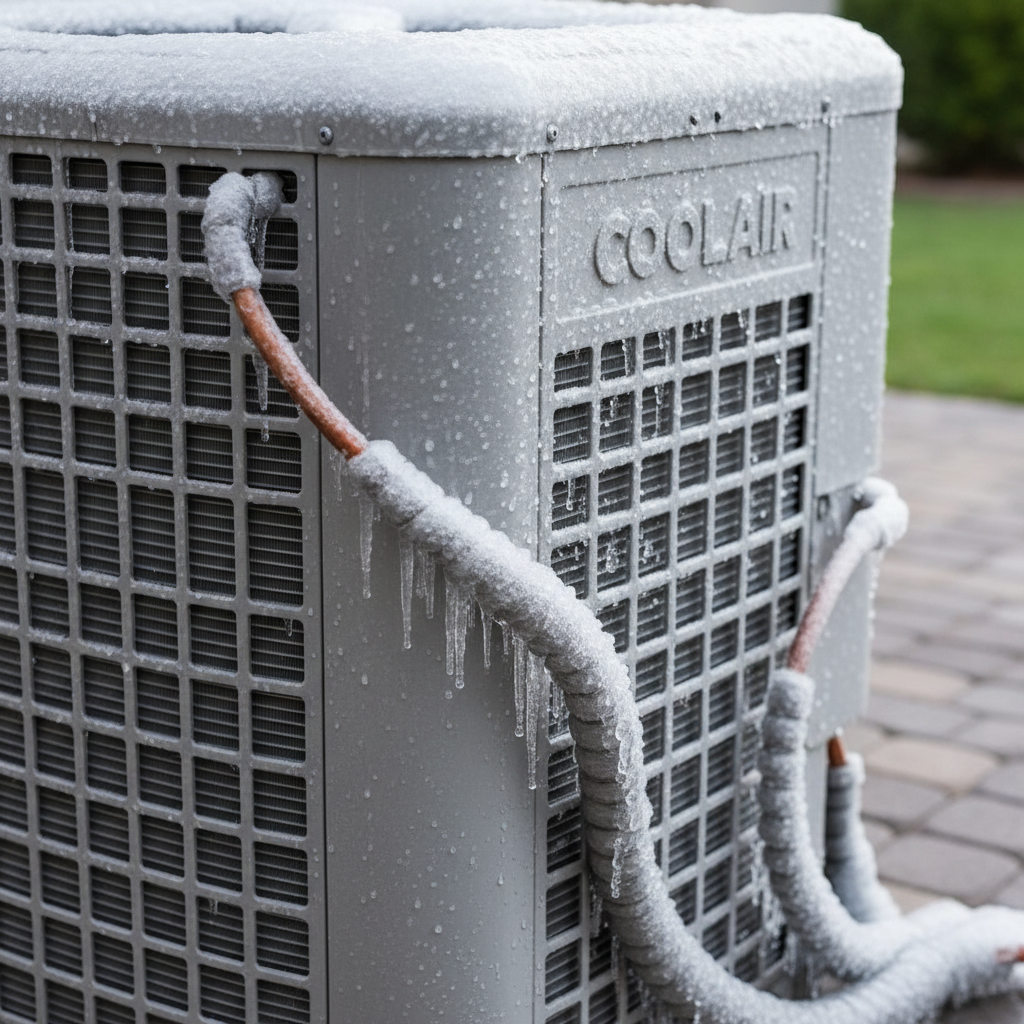
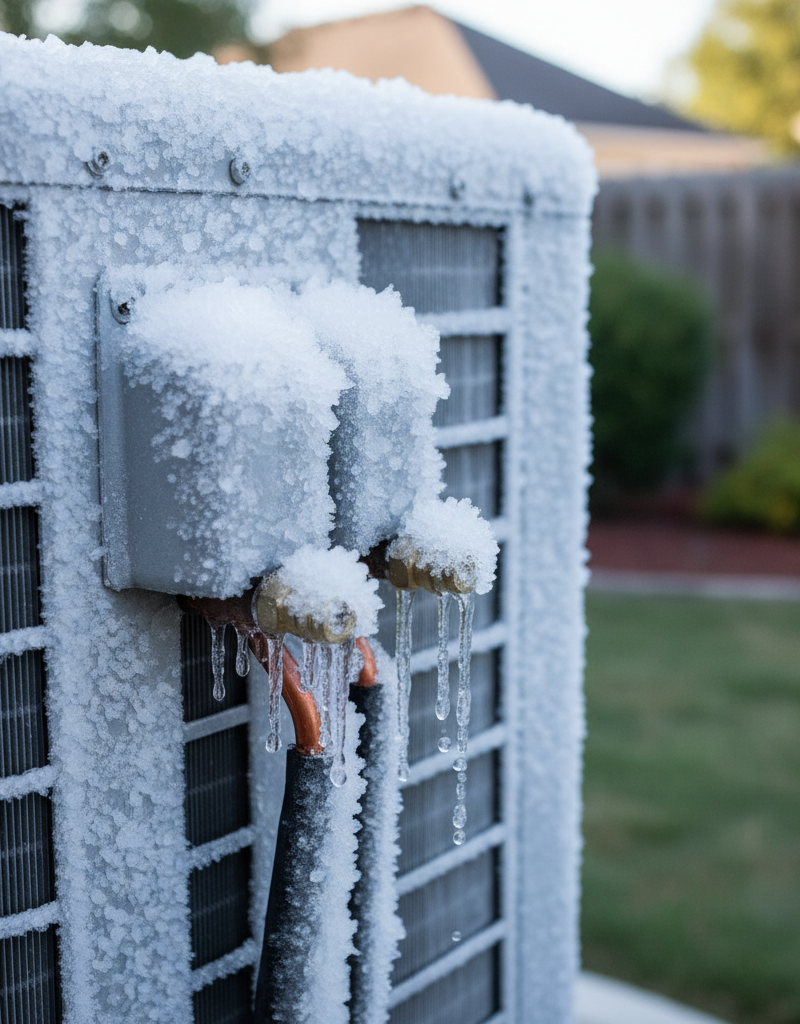
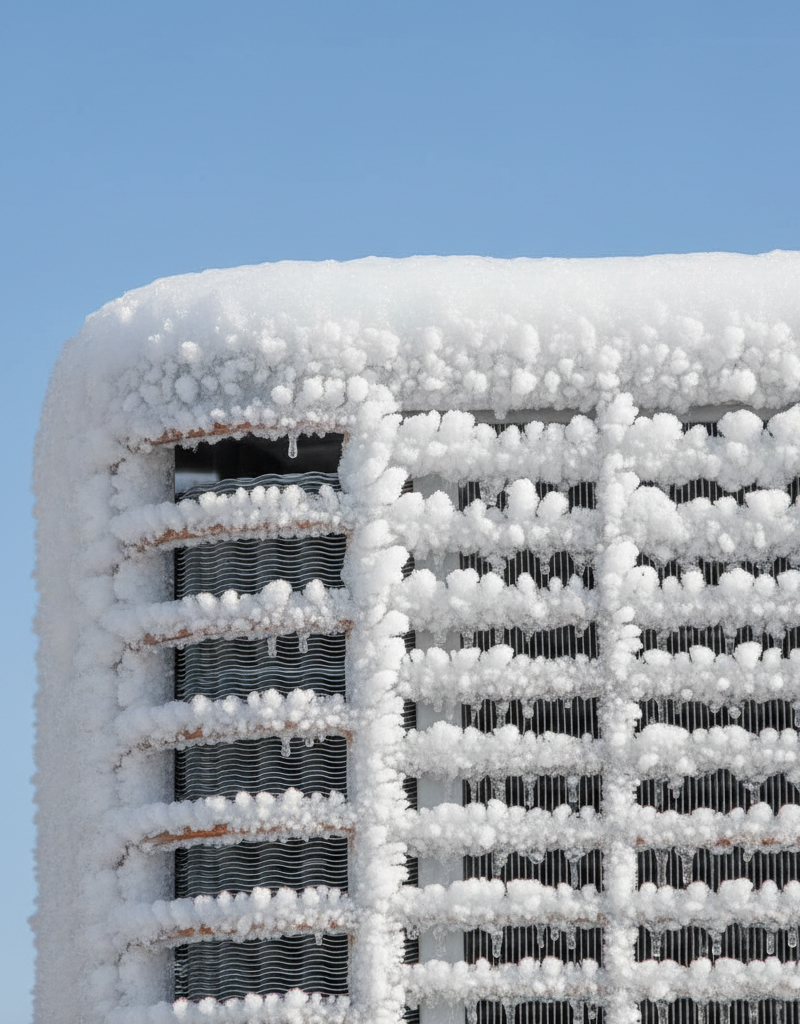
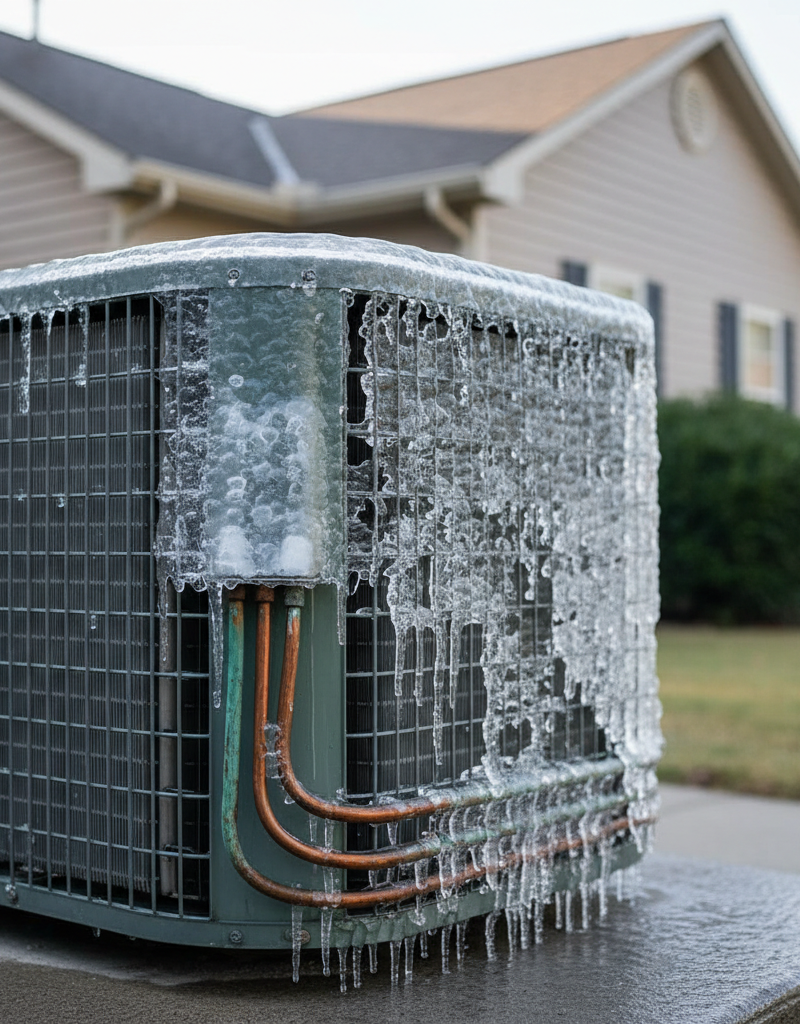
It’s a hot summer day, and you walk outside to find your air conditioner’s outdoor unit (the condenser) encased in a layer of ice, or perhaps the refrigerant lines are frosty. This isn't just an aesthetic issue; it's a clear sign of a significant problem within your AC system. When an AC unit freezes up, it loses its ability to transfer heat effectively, meaning your home won't cool down, and the system works harder, potentially leading to costly repairs. Many homeowners mistakenly believe the outdoor temperature is too cold, but in nearly all cases during cooling season, a frozen AC points to an underlying mechanical issue, most commonly related to airflow or refrigerant levels.
The danger of a frozen AC extends beyond just a lack of cooling. The ice buildup puts immense strain on the compressor, the heart of your AC system. Running a system with a frozen coil can cause the compressor to overheat and fail, a repair that can cost thousands of dollars. Additionally, as the ice melts, it can overflow the condensate pan, leading to water damage within your home, especially if the evaporator coil is located in an attic or utility closet. Understanding the root cause and addressing it quickly is crucial for the longevity and efficiency of your air conditioning system.
How It Works
To understand why your AC freezes, it helps to grasp the basic refrigeration cycle. Your AC system works by moving heat from inside your home to the outside. This is achieved through a chemical refrigerant that circulates in a closed loop, changing states between liquid and gas.
- Evaporation (Indoors): Warm indoor air is drawn over the evaporator coil, located in your indoor air handler or furnace. The liquid refrigerant inside this coil absorbs heat from the air, causing the refrigerant to evaporate and turn into a low-pressure gas. This process cools the air, which is then blown back into your home.
- Compression (Outdoors): The now warm, low-pressure gaseous refrigerant travels to the outdoor unit (condenser). Here, the compressor pressurizes and heats the refrigerant further.
- Condensation (Outdoors): The hot, high-pressure gaseous refrigerant then flows through the condenser coil in the outdoor unit. A fan pulls outdoor air over this coil, allowing the refrigerant to release its heat to the outside air, causing it to condense back into a high-pressure liquid.
- Expansion (Indoors): Finally, the high-pressure liquid refrigerant passes through an expansion valve (or metering device) just before the evaporator coil. This valve rapidly reduces the pressure of the refrigerant, causing it to cool significantly, ready to absorb more heat from your home.
The freezing problem arises when the evaporator coil (or the refrigerant lines leading to it and from the outdoor unit) gets too cold. This typically happens when the refrigerant doesn't absorb enough heat from the indoor air. If airflow over the evaporator coil is restricted, the heat transfer process is hindered. The refrigerant continues to expand and cool, but without sufficient heat absorption from the air, its temperature drops below freezing. When the coil's surface temperature falls below 32°F (0°C), any moisture in the air passing over it will condense and freeze, creating an insulating layer of ice. This ice then further restricts airflow, creating a vicious cycle that exacerbates the problem, eventually leading to the outdoor unit and its lines frosting over as the imbalance in the system propagates.
Step-by-Step Fix
1. Power Down Your AC — Safety First: Immediately turn off your air conditioner at the thermostat and the outdoor disconnect switch.
- Why: Continuing to run a frozen AC can cause severe damage to the compressor. The outdoor disconnect is typically a pull-out block or a circuit breaker located in a small box near the outdoor unit. This ensures no power reaches the unit during your inspection.
- Safety Note: Always verify the power is off before touching any components. Electric shock can be fatal.
2. Allow the Unit to Defrost — Patience is key; let all ice completely melt before proceeding.
- How: This can take anywhere from 2 to 24 hours, depending on the amount of ice and the outdoor temperature. You can speed up the process by running the fan only setting on your thermostat, which will help circulate warmer indoor air over the evaporator coil if it's the indoor unit that's frozen, or simply let nature take its course if the outdoor unit is primary affected. Do NOT chip away at the ice with tools, as you could damage the delicate coils.
- Check: Ensure all ice is gone and the coils are dry before restarting the unit.
3. Inspect and Replace Air Filter — A clogged filter is the most common culprit for restricted airflow.
- Location: Your air filter is usually located in the return air duct, often at the air handler/furnace, or sometimes behind a large return air vent grille.
- Action: Pull out the old filter and hold it up to a light source. If you can't easily see light through it, it's too dirty. Replace it with a clean filter of the correct size and MERV rating recommended by your system's manufacturer. Ensure the arrow on the filter points in the direction of airflow (towards the furnace/air handler).
- Recommendation: Change filters every 1-3 months, more frequently if you have pets or allergies.
4. Check for Blocked Return and Supply Vents — Ensure all pathways for air are open and clear.
- Return Vents: These are typically larger grilles where air is drawn into the AC system. Make sure furniture, curtains, or rugs aren't blocking them.
- Supply Vents: These are the smaller vents where cooled air is blown into rooms. Confirm they are open and unobstructed. While blocked supply vents are less likely to cause freezing directly, they contribute to overall system imbalance.
5. Clean the Outdoor Condenser Coils — Dirty outdoor coils hinder heat dissipation.
- Safety: Ensure the unit is powered off. Gently remove any visible debris (leaves, grass clippings, pet hair) from the exterior of the condenser unit. You may need to remove a few screws to take off the top grille or side panels for better access.
- Cleaning: Use a garden hose with moderate pressure to spray water from the inside out through the coils. This pushes dirt and grime out rather than pushing it deeper into the fins. Avoid using a pressure washer, which can bend the delicate fins.
- Fin Comb (If Needed): If the aluminum fins are bent and restricting airflow, a fin comb (available at hardware stores) can gently straighten them. Be very careful, as they are fragile.
6. Inspect the Evaporator Coil (Indoors) — A severely dirty indoor coil demands professional attention.
- Access: The evaporator coil is housed within your indoor air handler or furnace. Access often requires removing an access panel. Only proceed if comfortable with basic DIY and confident you won't damage components.
- Visual Check: Shine a flashlight into the coil. If it's heavily coated in dirt, dust, or grime, this is a significant airflow restriction. Light dusting can be carefully vacuumed with a brush attachment.
- Pro Callout: If the coil is heavily soiled or has a thick layer of mold or mildew, it's best to call a professional HVAC technician for a thorough cleaning. Specialized tools and chemicals are often needed, and incorrect cleaning can damage the coil.
7. Check for Leaks Around Ductwork — Air leaks reduce system efficiency.
- Identify: Look for gaps or separations in the ductwork, especially near the air handler or where ducts connect. Feel for air escaping with your hand when the system is running (after everything is defrosted and restarted).
- Seal: Use mastic sealant or HVAC-specific metallic foil tape (not duct tape, which degrades) to seal any leaks you find. This helps ensure all the air processed by your AC reaches its intended destination.
8. Restart the AC and Monitor — After defrosted and issues addressed, power up and observe.
- Process: After confirming everything is clear and dry, turn on the circuit breaker, then the disconnect switch, and finally set your thermostat to
Related Articles
Keep troubleshooting with these hand-picked guides from FixlyGuide:
- The #1 Reason Your AC Freezes Solid (It's Not What You Think) — A frozen AC unit often points to poor airflow, which can be a simple fix if you know where to look.
- The Secret Culprit Behind Your AC Blowing Warm Air (It’s Not What You Think) — Discover the unexpected reason your air conditioner is blowing warm air and how a simple, often overlooked fix can restore your home’s cool…
- The Hidden Reason Your Furnace Short Cycles — And Why Most Homeowners Get It Wrong — Furnace short cycling, characterized by frequent on-off cycles, often points to a few common issues, most of which are surprisingly easy fo…
- AC Blowing Warm Air? Easy Fixes for Common AC Problems — Discover the most common reasons your AC is blowing warm air and learn simple, actionable steps to troubleshoot and fix the issue yourself,…
- That August Chill: Why Your AC Freezes Up & How to Fix It — Is your air conditioner a block of ice in the middle of a heatwave? It seems counterintuitive, but an AC that freezes up is a common August…
- The Hidden Reason Your GFCI Trips (It’s Not Always a Bad Outlet) — A tripping GFCI outlet is a safety mechanism doing its job, often indicating a problem like moisture, a faulty appliance, or a wiring issue…
Frequently asked questions
Why does my AC keep freezing up outside?+
Your AC unit keeps freezing up because of restricted airflow, often due to a dirty air filter, blocked return vents, or a severely soiled evaporator coil. This causes the refrigerant to get too cold, turning moisture in the air into ice on the coils and lines.
Can low refrigerant cause my AC to freeze?+
Yes, while less common than airflow issues, low refrigerant can also cause your AC to freeze. With insufficient refrigerant, the pressure in the evaporator coil drops too low, causing the temperature to plunge below freezing, leading to ice buildup. If you suspect low refrigerant, contact a professional.
How long does it take for a frozen AC unit to defrost?+
A frozen AC unit can take anywhere from 2 to 24 hours to completely defrost, depending on the severity of the ice buildup and the ambient temperature. Running the fan on your thermostat (with the cooling turned off) can help speed up the process.
Is it safe to run a frozen AC?+
No, it is not safe to run a frozen AC unit. Continuing to operate a frozen system can lead to severe damage to the compressor, which is the most expensive component of your AC. Always turn off the unit immediately and allow it to fully defrost before attempting to diagnose the problem.
How often should I change my AC air filter to prevent freezing?+
To prevent freezing and maintain efficiency, you should typically change your AC air filter every 1 to 3 months. If you have pets, allergies, or live in a dusty environment, more frequent changes (monthly) may be necessary.
Discussion
Loading comments…