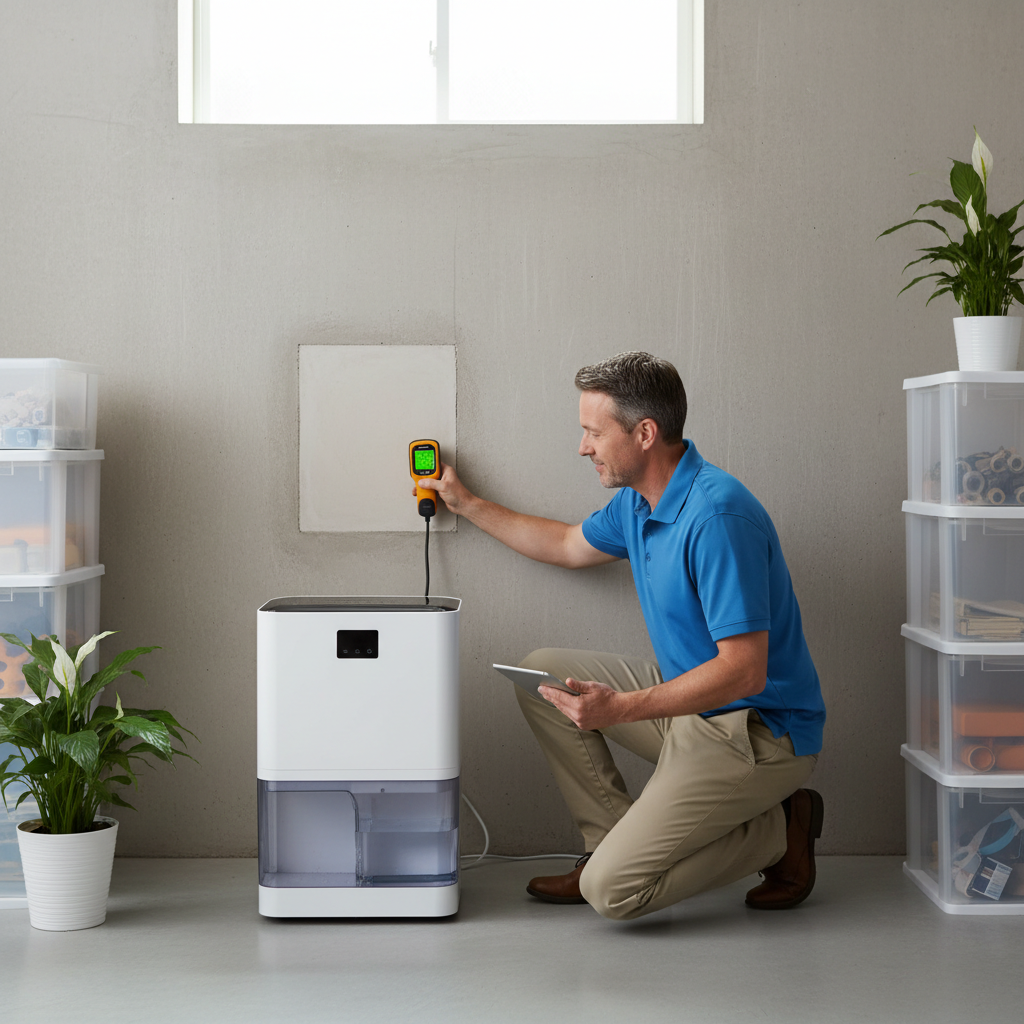
- Increase ventilation: Open windows and doors (if weather permits) to create airflow. Use fans to circulate air and direct them towards damp areas. A box fan set in a window blowing out can help exhaust humid air.
- Run a dehumidifier: A high-capacity dehumidifier is essential for reducing ambient humidity. Aim to maintain relative humidity levels below 50%. Empty the reservoir regularly or connect it to a drain for continuous operation.
- Remove wet materials: Any porous materials (cardboard boxes, fabrics, insulation, drywall) that have been wet for more than 24-48 hours should be discarded, as they are likely permanent mold havens.
Published May 26, 2026Last updated August 17, 2026
Tools & materials you'll need
Affiliate linksAs an Amazon Associate FixlyGuide earns from qualifying purchases — at no extra cost to you. Prices and availability are accurate as of publication and subject to change.
Quick Answer
AA musty basement smell is almost always a tell-tale sign of mold or mildew, which thrives in damp, humid environments. The underlying cause isn't always obvious; it can stem from anything from a small plumbing leak or foundation crack allowing groundwater in, to poor ventilation or even a clogged condensate drain. Pinpointing the exact source of moisture and thoroughly remediating it is crucial for a lasting solution, far beyond just running a dehumidifier.
The Problem
A damp, musty smell radiating from your basement isn't just unpleasant; it's a clear warning signal. This odor is produced by volatile organic compounds (VOCs) released by microscopic mold and mildew spores as they grow and multiply. These fungi not only damage building materials and stored items but can also exacerbate allergies, asthma, and other respiratory issues, especially for sensitive individuals. Ignoring the smell allows the problem to escalate, potentially leading to more extensive damage, higher remediation costs, and persistent health concerns. The key is to recognize that the smell is a symptom, and the true 'problem' is the unchecked moisture source fueling the mold growth.
How It Works
Mold and mildew are types of fungi that require three things to thrive: moisture, a food source (like drywall, wood, fabric, or dust), and a suitable temperature. Basements, by their very nature, often provide ideal conditions. They are typically cooler than the rest of the house, offering stable temperatures, and are more susceptible to moisture intrusion. Moisture can enter a basement through several pathways. High relative humidity in the air (above 60%) provides a constant supply of water vapor. This humidity can condense on cooler surfaces, creating the liquid water that mold needs. Beyond ambient moisture, physical water intrusion is a major culprit. Capillary action can draw moisture up through concrete slabs or foundation walls from damp soil outside. Cracks in the foundation, leaky window wells, or even poor exterior drainage (like clogged gutters or improper grading) can direct rainwater directly into the basement. Internally, plumbing leaks from pipes, water heaters, or even condensation on cold pipes can saturate building materials. Once moisture is present, mold spores—which are ubiquitous in the air—land on a suitable surface and begin to germinate, digest the organic material, and release the very VOCs that you detect as a musty odor. The longer the moisture persists, the larger the mold colony grows, intensifying the smell and potential damage.
Step-by-Step Fix
Here’s how to systematically tackle that musty basement smell, addressing the root causes and cleaning up the results.
Step 1: Identify and Stop the Moisture Source — The absolute first step is to locate and eliminate where the water is coming from. This requires diligent detective work.
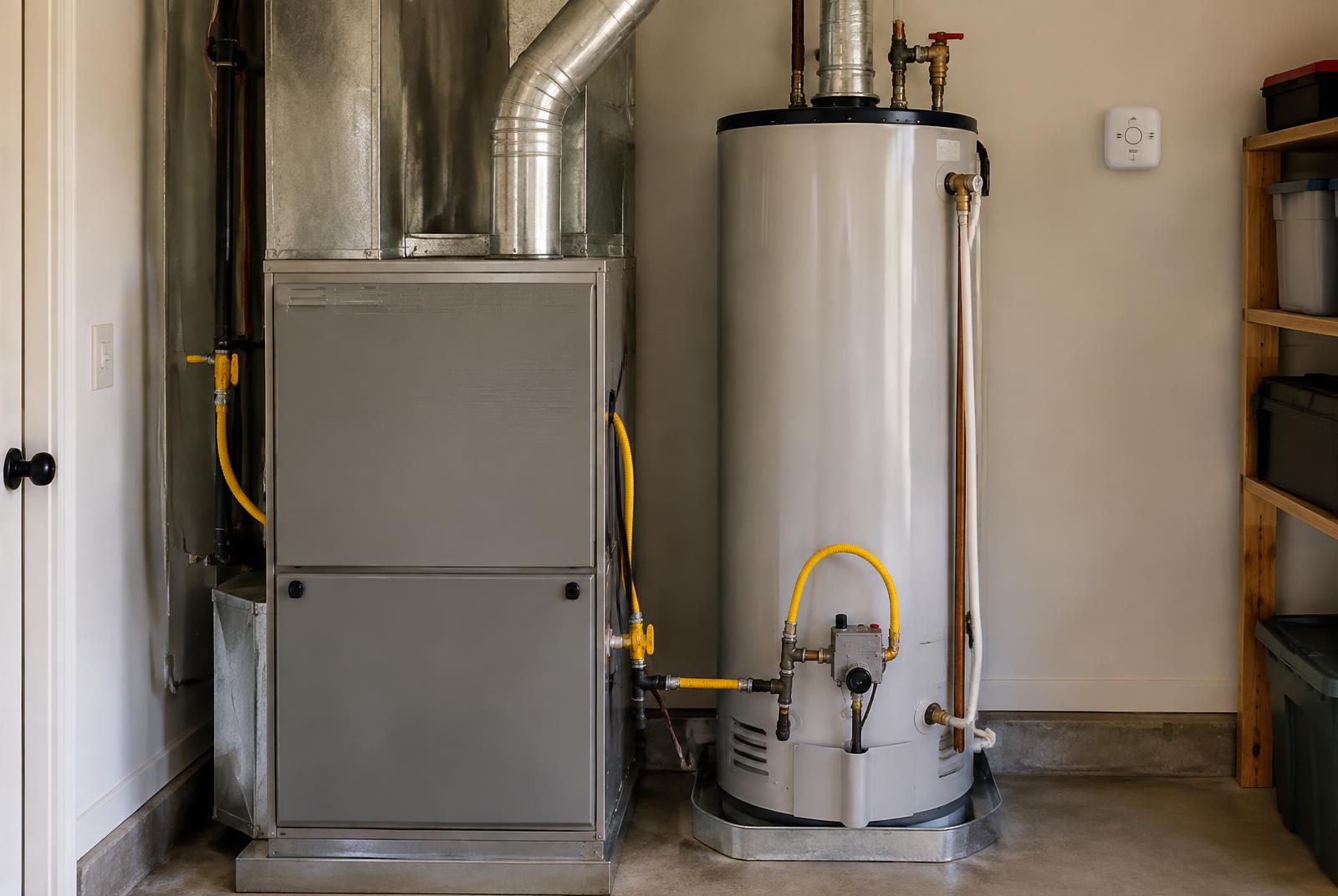
- Check for visible leaks: Inspect all exposed plumbing pipes, the water heater, laundry connections, and utility sinks for drips or puddles. Even slow leaks can contribute significant moisture over time. Pay close attention to supply lines and drain lines.
- Inspect foundation and windows: Look for cracks in concrete walls or floors, especially after rain. Check window wells for drainage issues or signs of water penetration around frames. Poor exterior grading can direct rainwater toward your foundation instead of away from it – aim for a 6-inch drop over 10 feet away from the foundation.
- Assess AC and dehumidifier drains: Ensure that your air conditioner's condensate drain line isn't clogged or leaking. If you have a basement dehumidifier, verify its reservoir isn't overflowing or its drain hose isn't kinked.
- Test for hidden moisture: If you can't find an obvious source, use a moisture meter on suspicious areas of drywall, wood, or concrete. Readings above 15-20% usually indicate significant moisture.
Step 2: Dry Out the Affected Area — Once the source is stopped, you must thoroughly dry the space to prevent further mold growth.
- Increase ventilation: Open windows and doors (if weather permits) to create airflow. Use fans to circulate air and direct them towards damp areas. A box fan set in a window blowing out can help exhaust humid air.
- Run a dehumidifier: A high-capacity dehumidifier is essential for reducing ambient humidity. Aim to maintain relative humidity levels below 50%. Empty the reservoir regularly or connect it to a drain for continuous operation.
- Remove wet materials: Any porous materials (cardboard boxes, fabrics, insulation, drywall) that have been wet for more than 24-48 hours should be discarded, as they are likely permanent mold havens.
Step 3: Clean and Remediate Mold — Once dry, it's time to tackle any existing mold or mildew.
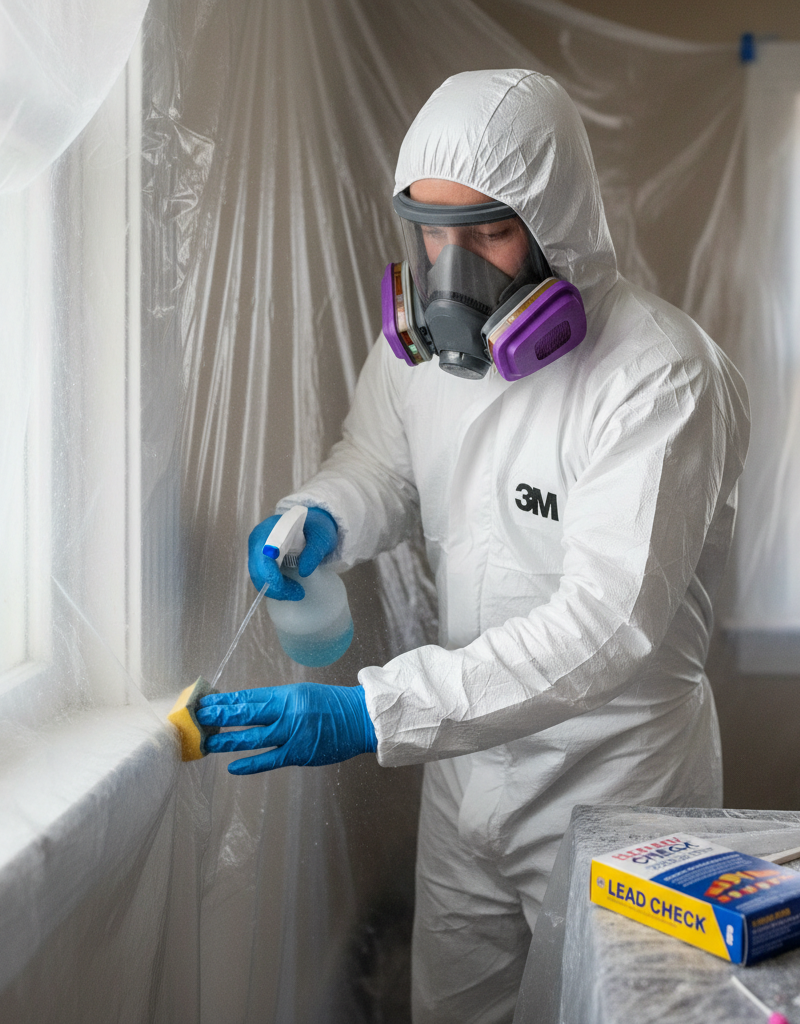
- Safety first: Wear an N95 respirator mask, gloves, and eye protection. Long sleeves and pants are also recommended to avoid skin contact with mold spores.
- Clean hard surfaces: For non-porous surfaces like concrete, tile, or metal, scrub with a stiff brush and a solution of 1 cup bleach per gallon of water, or a commercial mold killer. For less aggressive options, a solution of white vinegar (undiluted) or hydrogen peroxide also works well. Rinse thoroughly and dry completely.
- Address porous materials (if salvageable): For lightly affected wood or drywall that you're trying to save, scrub with a mild detergent and water, then dry immediately. However, remember that mold often penetrates porous materials deeply, making complete removal difficult. Often, removal and replacement are the best option for porous materials heavily contaminated with mold.
- Consider encapsulates: After cleaning and ensuring the surface is completely dry, a mold-inhibiting primer can be applied to surfaces like concrete or drywall to help prevent future growth and seal in any residual odors.
Step 4: Improve Air Circulation and Filtration — Good airflow can prevent humidity from lingering and discourage mold.
- Install exhaust fans: If your basement lacks proper ventilation, consider installing an exhaust fan, especially in laundry areas or bathrooms if they are in the basement.
- Use air purifiers: An air purifier with a HEPA filter can help remove airborne mold spores and other particulates, improving air quality and reducing odors.
- Elevate stored items: Avoid storing items directly on the concrete floor. Use shelving units or pallets to allow air circulation underneath and protect items from potential moisture.
Step 5: Maintain and Monitor — Ongoing vigilance is key to keeping musty smells at bay.
- Regular dehumidifier use: Continue to run your dehumidifier, especially during humid months. Check and clean its filter regularly.
- Periodic inspections: Routinely check pipes, the foundation, and window wells for new leaks or signs of moisture. Pay attention to changes in grading around the house.
- Clean gutters: Ensure gutters and downspouts are clear and directing water far away from the foundation.
Common Causes
- High Humidity: The most obvious cause. Basements naturally tend to be more humid due to their location beneath ground level, where cooler temperatures lead to higher relative humidity and condensation. This can be exacerbated by clothes dryers lacking proper exterior venting, indoor drying of laundry, or even just humid outside air entering through open windows.
- Plumbing Leaks: Even small, persistent leaks from pipes, water heaters, washing machines, or utility sinks can introduce enough moisture to foster mold growth. These leaks can be hidden behind finished walls, under flooring, or in inaccessible ceiling cavities.
- Foundation Issues: Cracks in the concrete foundation walls or floor slab provide pathways for groundwater to seep into the basement, especially after heavy rains. Hydrostatic pressure from saturated soil can push water through even hairline cracks via capillary action.
- Poor Exterior Drainage: Clogged or damaged gutters and downspouts that discharge water too close to the foundation can saturate the soil directly next to your house, leading to water intrusion over time. Improper grading that slopes land towards the house rather than away from it will have the same effect.
- Condensation: Cold water pipes in a warm, humid basement can 'sweat' as moisture condenses on their surface. Over time, this condensation can accumulate and create damp conditions on surrounding surfaces. Similarly, cold basement walls can become surfaces for condensation.
- Condensate Drain Problems: HVAC systems (furnaces, air conditioners, heat pumps) and stand-alone dehumidifiers produce condensate, which is routed through a drain line. If this line becomes clogged, kinked, or detached, the condensate can overflow, creating puddles and moisture issues.
Common Mistakes
- Ignoring the smell: Treating the symptom (the smell) with air fresheners instead of finding and fixing the root cause (the moisture) allows the mold problem to grow larger and more damaging.
- Insufficient drying: Not thoroughly drying out the affected area before cleaning or after a water event. Mold can reappear quickly if even a small amount of residual moisture remains.
- Not wearing proper PPE: Cleaning mold without an N95 respirator, gloves, and eye protection exposes you to airborne spores, which can lead to respiratory issues and allergic reactions.
- Leaving moldy porous materials: Trying to
Related Articles
Keep troubleshooting with these hand-picked guides from FixlyGuide:
- The 4-Hour — Transform your garden into a self-sufficient oasis with smart strategies for watering, weeding, and pest control, minimizing your effort.
- The Secret to Lush Raised Beds? It's Not Just About How You Water — Smart irrigation for raised garden beds isn't just about automation; it's about delivering the right amount of water precisely when your pl…
- The Hidden Reason Your GFCI Trips (It's Not Always a Faulty Outlet) — A continuously tripping GFCI outlet is a critical safety warning, often indicating moisture, a faulty appliance, or a wiring problem that r…
- Is That Sweet Car Smell a Secret Killer? (& 6 Other Odors to Watch For) — Unusual odors in your car aren't just unpleasant; they're often critical warnings of underlying mechanical issues that could compromise saf…
- The 5-Minute Trick to Vacation-Proof Your Garden (Before You Leave Town) — Prevent your garden from wilting while you're away with simple, proactive steps that ensure lush growth and minimal fuss upon your return.
- The #1 Pruning Mistake That Chokes Your Shrubs (And How to Fix It) — Discover the most common pruning error homeowners make that hinders shrub health and how to correct it for vibrant growth.
What should this project cost?
Enter your project details for a realistic cost range before you call anyone.
Cost depends heavily on which system turns out to be the source.
- Regional adjustment
- National average
- Labor share (typical)
- ~$1,620
- Quotes to collect
- 3 written estimates
Educational estimate based on national averages — not a binding quote. Always confirm with written local estimates.
This article was independently written by FixlyGuide based on the source topic.
Frequently asked questions
What causes a musty smell in the basement?+
A musty smell in the basement is primarily caused by mold and mildew growth, which thrives in damp, humid environments. Sources of moisture include high humidity, plumbing leaks, foundation cracks, poor ventilation, and condensation.
Is a musty basement smell dangerous?+
While not immediately life-threatening in most cases, a persistent musty smell indicates mold growth, which can trigger allergies, asthma, and other respiratory problems, especially for sensitive individuals. It can also damage your home's structure and stored items.
How do I get rid of a musty smell permanently?+
To permanently eliminate a musty smell, you must identify and fix the source of moisture. This involves repairing leaks, controlling humidity with a dehumidifier, improving ventilation, cleaning any existing mold, and addressing exterior drainage issues around your foundation.
Can I use bleach to kill mold in my basement?+
Bleach can be effective on non-porous surfaces like concrete or tile to kill surface mold. However, it's less effective on porous materials as it primarily whitens the surface without penetrating to the mold roots. Vinegar or commercial mold cleaners are often better for porous surfaces, but heavily contaminated porous materials should often be removed.

Discussion
Loading comments…