- Ignoring the problem: Continuously resetting a tripping breaker without investigating the cause can lead to serious electrical hazards, including overheating wires and potential fires.
- Overloading circuits: Plugging too many high-draw appliances into a single circuit, especially in older homes with fewer dedicated circuits. Distribute appliances or consider having a new circuit installed for heavy-use items.
- Not unplugging devices: Resetting a breaker without first unplugging all devices on the circuit. This makes it impossible to diagnose if a specific appliance is the culprit or if it's a general overload.
- DIY electrical panel work: Attempting to replace a circuit breaker or mess with wiring inside the main electrical panel without proper training and tools. This is extremely hazardous and should only be done by a licensed electrician.
Electrical · Breaker keeps tripping
| Project category | Electrical |
|---|---|
| Problem type | Breaker keeps tripping |
| Trade required | Electrical |
| Urgency | Urgent — within days |
| Safety risk | High safety risk |
| DIY suitability | Pro recommended |
| Cost category | Low cost |
| Typical timeline | Diagnosis in a single visit |
| Contractor type | Licensed electrician |
Repair option
Isolate the load, then repair the fault or replace the breaker.
Replacement option
New dedicated circuit when the load simply exceeds what the circuit was built for.
Common causes
- Genuine overload on a shared circuit
- Ground fault from moisture in an exterior box
- Failing breaker or a damaged appliance cord
Relevant tools:diy or hire a prodiy difficulty
Published May 26, 2026Last updated August 17, 2026
Tools & materials you'll need
Affiliate linksAs an Amazon Associate FixlyGuide earns from qualifying purchases — at no extra cost to you. Prices and availability are accurate as of publication and subject to change.
Quick Answer
A circuit breaker that repeatedly trips is a critical safety mechanism doing its job, protecting your home from electrical overload or a short circuit. The most common culprits are overloaded circuits (too many devices drawing power), a faulty appliance, or a short circuit in wiring. Diagnosing the issue often involves systematically unplugging devices and isolating the problem to a specific appliance or section of wiring.
The Problem
Imagine you're enjoying a quiet evening, maybe watching TV, and suddenly, the lights flicker and then everything goes dead in a section of your home. You check the electrical panel, and sure enough, a circuit breaker has flipped to the 'OFF' position. You reset it, and for a while, all is well. But then it happens again. A constantly tripping circuit breaker isn't just an inconvenience; it's a clear warning signal from your home's electrical system that something is wrong. Ignoring it or repeatedly resetting a breaker without investigating the cause can lead to damaged wiring, appliance failure, or, in the worst-case scenario, an electrical fire. Understanding why this happens and how to safely troubleshoot it is crucial for every homeowner.
How It Works
Your home's electrical system is a network of wires, outlets, switches, and appliances, all designed to deliver electricity safely. Circuit breakers are the unsung heroes of this system. Each breaker is essentially an automatic switch designed to interrupt the flow of electricity to a specific circuit if it detects an abnormality. Most residential breakers protect against two primary faults: overloads and short circuits.
An overload occurs when a circuit attempts to draw more electrical current (measured in amperes, or amps) than it's designed to handle. For example, a typical bedroom circuit might be rated for 15 amps. If you plug in a space heater (12.5 amps) and then turn on a powerful vacuum cleaner (10 amps) on the same circuit, the combined draw of 22.5 amps exceeds the breaker's limit. Inside the breaker, a bimetallic strip or an electromagnetic coil heats up or reacts to the excessive current. This reaction then physically trips a latch, causing the breaker's handle to flip to the 'OFF' or 'TRIPPED' position, cutting power to that circuit.
A short circuit is a more serious fault. It happens when a 'hot' (live) wire accidentally comes into direct contact with a 'neutral' wire or a ground wire. This creates a path of very low resistance, causing a massive surge of current to flow almost instantaneously. In response, a magnetic trip mechanism within the breaker reacts to this sudden, dramatic increase in current much faster than an overload trip, immediately cutting off power. Short circuits can be caused by frayed appliance cords, damaged wiring inside walls, or even loose connections within outlets or switches. While overloads are often gradual, short circuits are abrupt and can be quite destructive if not quickly interrupted.
The breaker's rating (e.g., 15-amp, 20-amp) is crucial. This number indicates the maximum safe current that the wiring in that circuit can safely carry without overheating. When a breaker trips, it's not failing; it's performing its intended function: protecting the wiring from overheating, which could melt insulation, damage appliances, and pose a severe fire hazard. Understanding this protective role helps homeowners appreciate the importance of never bypassing or oversizing a circuit breaker.
Step-by-Step Fix
Safety First — Always exercise extreme caution when dealing with electrical issues. If you are ever unsure, or if visual inspection reveals charred wires or burning smells, do not proceed; immediately call a licensed electrician.
-
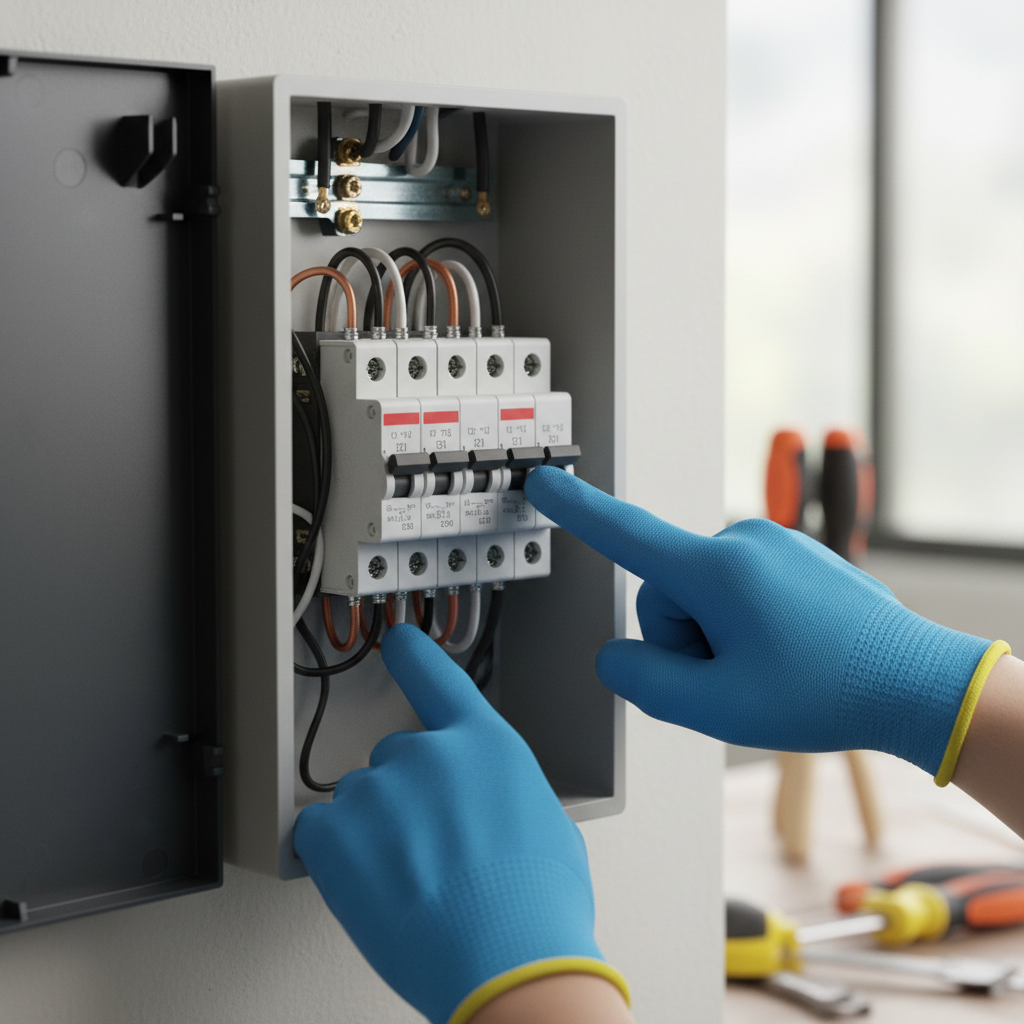
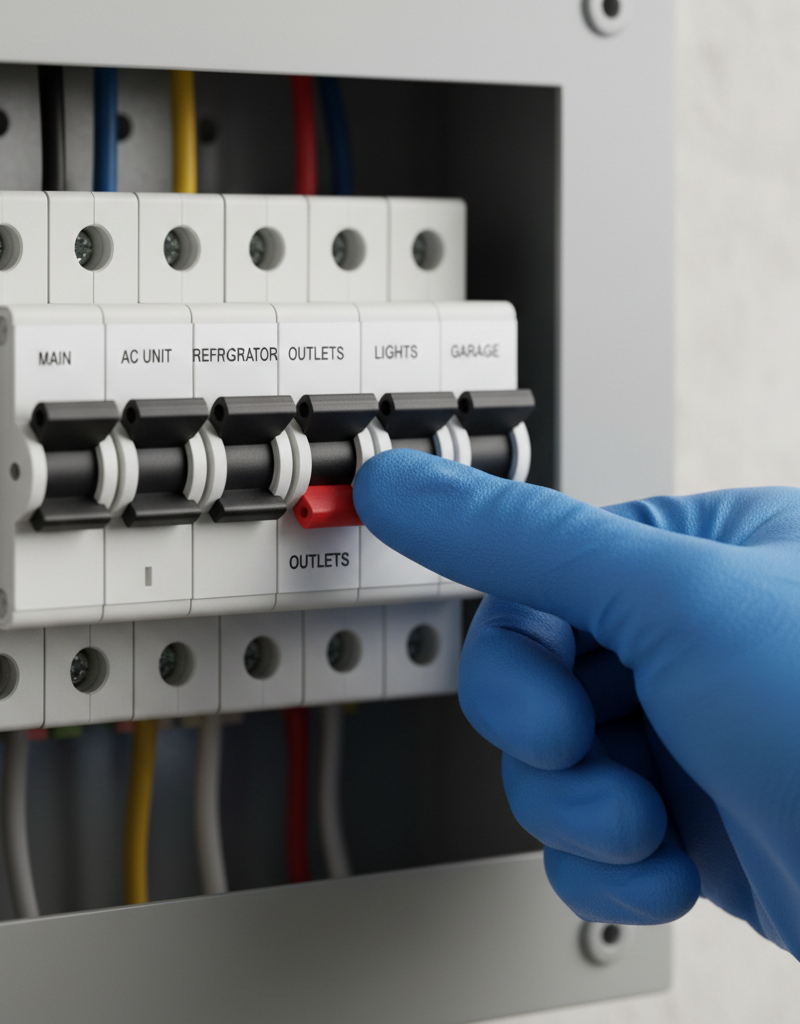
Identify the Tripped Breaker — Your electrical panel will have a row of breakers. Look for one that is in a different position than the others. It might be fully 'OFF', or often, it will be in a middle or 'TRIPPED' position. To reset it, firmly push it ALL THE WAY to the 'OFF' position first, and then push it firmly to the 'ON' position.
- If the breaker immediately trips again, do not try to reset it a third time. This indicates a serious problem that needs further investigation. Skip directly to step 4.
-
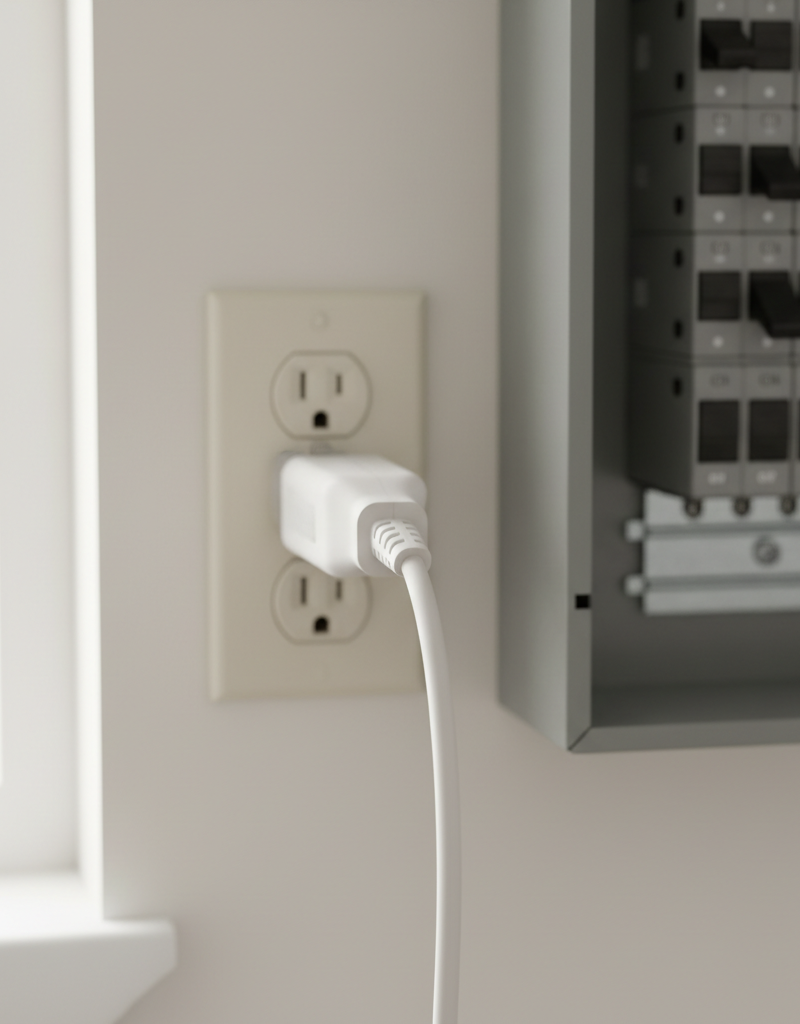
Unplug Everything on the Circuit — Before attempting to reset a persistently tripping breaker after the initial reset fails, go to every room and area served by that circuit and unplug all appliances, lamps, and devices. This includes things like phone chargers, clocks, and anything else drawing power. Only leave things that are impractical to unplug, like ceiling lights or permanently wired appliances. Reset the breaker.
- If the breaker now stays ON, congratulations! The problem is an overloaded circuit or a specific faulty device. Proceed to step 3.
- If the breaker still trips with everything unplugged, the issue is likely within the wiring itself or a permanently wired fixture. Proceed to step 4, but be prepared to call a professional.
-
Isolate the Faulty Appliance/Overload — With the breaker successfully reset and everything unplugged, begin plugging devices back in, one by one. Start with the most suspicious culprits (e.g., space heaters, hair dryers, blenders, vacuum cleaners) and devices used right before the trip. After plugging in each device, wait a few minutes.
- If the breaker trips when a specific device is plugged in, you've found your culprit. Unplug that device, and try resetting the breaker again. If it holds, the device is faulty and needs repair or replacement.
- If the breaker trips after several devices are plugged in (but no single one causes it to trip), you have an overloaded circuit. You need to redistribute your appliances to other circuits or use fewer high-draw devices simultaneously on that circuit. Consider dedicated circuits for high-power appliances.
-
Check for Short Circuits (Wiring Issue) — If the breaker trips even with all portable devices unplugged, the problem points to a short circuit within the permanent wiring, a built-in light fixture, a switch, or an outlet. This is where extra caution is needed.
- Visually inspect outlets and switches: Look for any signs of scorching, burning smells, loose wires protruding, or obvious damage. Never unscrew or tamper with an outlet or switch without first turning off the main power to the entire panel.
- Permanently wired appliances: If the circuit serves a furnace, water heater, dishwasher, or garbage disposal, try turning off the power to just that specific appliance (if it has a dedicated switch or plug) and then reset the circuit breaker. If the breaker now holds, the appliance itself is the problem.
- Loose connections: A common cause of intermittent short circuits is a loose wire connection inside an outlet or switch box. This can be dangerous as arcing can occur. If you suspect this, it's best to call a licensed electrician. Do not attempt to open up electrical boxes unless you are experienced and have confirmed the power to that circuit is OFF at the main panel.
-
Examine the Breaker Itself — While less common, sometimes the breaker itself can be faulty. A breaker that trips easily, feels excessively hot to the touch (even when not tripped), or makes crackling sounds could be failing. If you suspect a faulty breaker, do not attempt to replace it yourself. This requires specialized tools and expertise to work safely within the electrical panel, where the main power entrance is located. Call a licensed electrician.
-
Outdoor and Wet Area Circuits — If the tripped breaker controls an outdoor outlet, exterior lighting, or a bathroom/kitchen outlet, moisture ingress or a corroded connection could be the cause. Check outdoor receptacles for weather covers and ensure they are sealed. If a GFCI (Ground Fault Circuit Interrupter) outlet is tripping, test and reset it first. If it continues to trip, it has detected a ground fault and needs professional attention.
Common Causes
- Overloaded Circuit: The most frequent culprit. Drawing too much power (measured in amps) through a circuit, usually by plugging in multiple high-wattage appliances (e.g., space heater, hair dryer, toaster oven, microwave, vacuum cleaner) into outlets on the same circuit simultaneously. Modern homes often have dedicated circuits for heavy-draw appliances, but older homes might have multiple rooms or even entire floors on a single breaker.
- Short Circuit: A more serious issue where electrical current bypasses its intended path and finds a shortcut, usually due to frayed wires, damaged appliance cords, loose connections in outlets/switches, or faulty internal components in an appliance. This causes a sudden, massive surge of current.
- Ground Fault: Similar to a short circuit, but specifically when a hot wire touches a ground wire or a grounded part of an appliance or fixture (like a metal box). Ground Fault Circuit Interrupters (GFCIs) are designed to detect these faults and trip very quickly to prevent electric shock, especially in wet areas like bathrooms, kitchens, and outdoors.
- Faulty Appliance: An internal wiring issue or component failure within an appliance (like a refrigerator, washing machine, or even a toaster) can create a short circuit or draw excessive current, causing the breaker to trip.
- Loose Wiring Connections: Over time, wire connections behind outlets, switches, or in junction boxes can loosen due to vibrations, temperature changes, or improper installation. Loose connections can create resistance, generate heat, and eventually lead to arcing or short circuits.
- Bad Circuit Breaker: Less common, but breakers can wear out or become defective. A faulty breaker might trip too easily, not trip when it should, or feel unusually hot. This is a job for a professional.
Common Mistakes
- Ignoring the problem: Continuously resetting a tripping breaker without investigating the cause can lead to serious electrical hazards, including overheating wires and potential fires.
- Overloading circuits: Plugging too many high-draw appliances into a single circuit, especially in older homes with fewer dedicated circuits. Distribute appliances or consider having a new circuit installed for heavy-use items.
- Using oversized breakers: Never replace a tripped breaker with one of a higher amperage rating (e.g., replacing a 15-amp breaker with a 20-amp breaker). This is extremely dangerous as it allows more current to flow than the wiring is designed for, leading to overheating and fire risk without the breaker tripping.
- Not unplugging devices: Resetting a breaker without first unplugging all devices on the circuit. This makes it impossible to diagnose if a specific appliance is the culprit or if it's a general overload.
- DIY electrical panel work: Attempting to replace a circuit breaker or mess with wiring inside the main electrical panel without proper training and tools. This is extremely hazardous and should only be done by a licensed electrician.
- Neglecting GFCI/AFCI trips: Resetting GFCI or AFCI outlets/breakers repeatedly without understanding why they're tripping. These devices are designed to protect against specific, dangerous faults (ground faults and arc faults, respectively) and indicate a serious problem that needs professional attention if they keep tripping.
Cost & Time Breakdown
| Task | DIY cost | Pro cost | Time |
|---|---|---|---|
| Diagnosing overloaded circuit | $0 | $0 | 15–30 minutes |
| Identifying faulty appliance | $0 | $0 | 30–60 minutes |
| Replacing faulty appliance | $20–$500+ | N/A | 5–15 minutes |
| Changing light bulb/fixture | $5–$50 | $75–$150 | 10–30 minutes |
| Tightening loose outlet wires | $0 (if tools) | $100–$250 | 30–60 minutes |
| Breaker replacement | DANGEROUS | $150–$300 (per) | 1–2 hours |
| Wiring repair/new circuit | DANGEROUS | $200–$1,500+ | 2–8 hours |
Tips & Prevention
- Distribute high-load appliances: Avoid plugging multiple high-wattage devices (like space heaters, hair dryers, microwaves, toasters, blenders) into outlets on the same circuit simultaneously. Read appliance wattage ratings and be mindful of your circuit's capacity.
- Upgrade older wiring: If your home has very old wiring (e.g., knob-and-tube or ungrounded two-prong outlets), it may not be capable of handling modern electrical loads and should be professionally inspected and potentially upgraded.
- Use dedicated circuits: For major appliances like refrigerators, ovens, washing machines, and central air conditioners, ensure they are on their own dedicated circuits to prevent overloading.
- Regularly inspect cords and plugs: Check appliance cords for fraying, cracks, or damage. Replace any damaged cords immediately. Ensure plugs fit snugly into outlets – loose plugs can cause arcing and heat.
- Install GFCI and AFCI protection: Ensure your bathrooms, kitchens, laundry rooms, garages, and outdoor outlets have GFCI (Ground Fault Circuit Interrupter) protection. Consider AFCI (Arc Fault Circuit Interrupter) protection for bedroom areas, which guard against dangerous arc faults. Test GFCI outlets monthly.
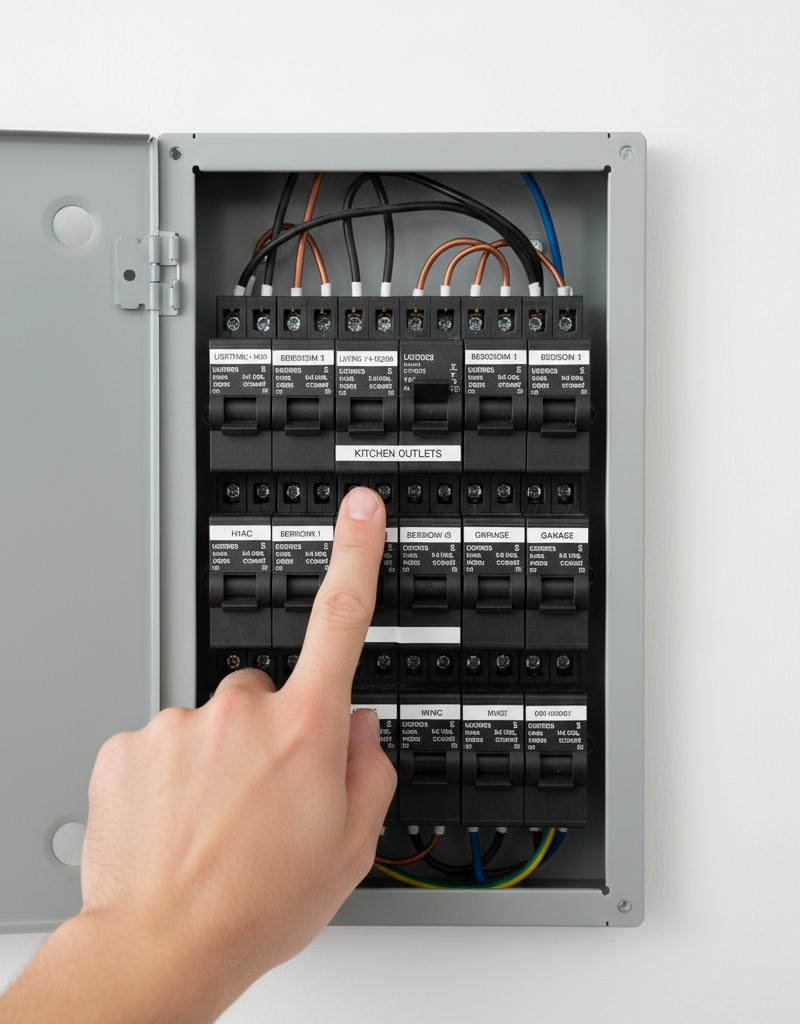
- Know your panel: Familiarize yourself with your electrical panel. Label circuits clearly so you know which breaker controls which areas or appliances.
When to Call a Professional
You should absolutely call a licensed electrician if the circuit breaker repeatedly trips even after you've unplugged all portable devices, suggesting an issue with the fixed wiring, outlets, or permanently installed fixtures. They can safely diagnose and repair hidden short circuits, faulty outlets or switches, or internal issues with permanently wired appliances. Furthermore, any suspicion of a faulty breaker itself, burning smells from the electrical panel, visible charring, or consistent flickering lights across multiple circuits warrants immediate professional attention, as these indicate serious electrical hazards beyond typical DIY troubleshooting. Never attempt to open your main electrical panel or replace a breaker yourself, as this component is always live and presents an extreme electrocution risk.
Related Articles
Keep troubleshooting with these hand-picked guides from FixlyGuide:
- The Hidden Reason Your Circuit Breaker Keeps Tripping (It's Not Always an Overload) — Discover the often-overlooked causes behind a frequently tripping circuit breaker and learn how to diagnose and fix them safely.
- The 3 Hidden Reasons Your Circuit Breaker Keeps Tripping (And How to Stop It) — Uncover the surprising culprits behind repeatedly tripping circuit breakers and learn practical, actionable steps to diagnose and resolve t…
- The Hidden Reason Your Circuit Breaker Keeps Tripping (It's Not Always an Overload) — Discover the often-overlooked electrical issues that cause circuit breakers to trip repeatedly, and how to accurately diagnose and fix them.
- Why Your Extension Cord Keeps Tripping the Breaker (And the Simple Test to Find the Hidden Cause) — Discover why your extension cord keeps tripping the circuit breaker and learn how to safely diagnose and fix the real problem with a simple…
- The Hidden Reason Your Extension Cord Keeps Tripping the Breaker (and What to Do) — Discover why your extension cord might be tripping a circuit breaker and learn how to diagnose and fix common electrical issues safely.
- The 30-Minute Trick to Stop Your Single-Handle Faucet Drip (And What Plumbers Charge if You Don't) — A persistent drip from a single-handle faucet often signals a worn-out cartridge, a common issue homeowners can fix with basic tools in und…
Should you do this yourself?
Answer five quick questions before you start. Safety outranks savings every time.
Your experience with work like this
How high do you have to work?
Does the job involve any of these?
Will it need a permit?
Specialty tools
Free and instant. Educational guidance only — not a quote, inspection, or professional diagnosis.
What should this project cost?
Enter your project details for a realistic cost range before you call anyone.
Outlet and switch work usually $150–$400; panel upgrades commonly $1,800–$4,200.
- Regional adjustment
- National average
- Labor share (typical)
- ~$709
- Quotes to collect
- 3 written estimates
Educational estimate based on national averages — not a binding quote. Always confirm with written local estimates.
Fixly Project Decision Box
- DIY difficulty
- Professional Recommended
- Estimated time
- Diagnosis 1–2 hours
- Cost level
- Moderate
Main tools / materials
- Non-contact voltage tester
- Outlet tester
- Flashlight
When to stop and call a pro
- Burning smell, scorch marks, or a warm outlet or switch plate
- A breaker that trips again right after being reset
- Any work inside the service panel
- Aluminum wiring or cloth-insulated wiring
Need professional help?
Talk to a Licensed ElectricianBefore you start
Check the difficulty, permits, and safety risk — then decide whether to call a pro.
- Estimate this projectGet a cost range for your scope and ZIP before you call anyone.Open
- Get local estimatesSend one request and compare written estimates from vetted pros.Open
Free, no signup required. Estimates are educational guidance, not a quote or an inspection.
Get the print-ready PDF of this guide
A clean, ad-free, printable version you can keep on your phone or pin to the workshop wall. Free with a FixlyGuide account.
- Print-optimized layout
- Tools, materials & every step included
- Saved to your account
Frequently asked questions
How do I know if it's an overload or a short circuit?+
An overload usually happens gradually after too many high-wattage devices are plugged into one circuit. A short circuit typically trips the breaker instantly when a faulty appliance is plugged in or turned on, or due to damaged wiring creating an immediate surge, often accompanied by a sudden spark or pop.
Can a bad circuit breaker cause frequent tripping?+
Yes, though less common, circuit breakers can wear out over time or become faulty. If a breaker trips without any apparent overload or short circuit, or if it feels hot to the touch, it might be defective and should be inspected and replaced by a licensed electrician.
Is it dangerous if my circuit breaker keeps tripping?+
Absolutely. A repeatedly tripping circuit breaker is a serious safety concern. It indicates an underlying electrical problem that could lead to overheating wires, damaged appliances, or, in the worst cases, an electrical fire if not addressed promptly and correctly.
What's the difference between a GFCI and a regular breaker?+
A regular circuit breaker protects against overloads and short circuits. A GFCI (Ground Fault Circuit Interrupter) is a specialized breaker or outlet designed to detect very small imbalances in current flow, known as ground faults, which can indicate current leaking to ground through a person. GFCIs trip quickly to prevent electric shock, especially in wet areas.
Discussion
Loading comments…