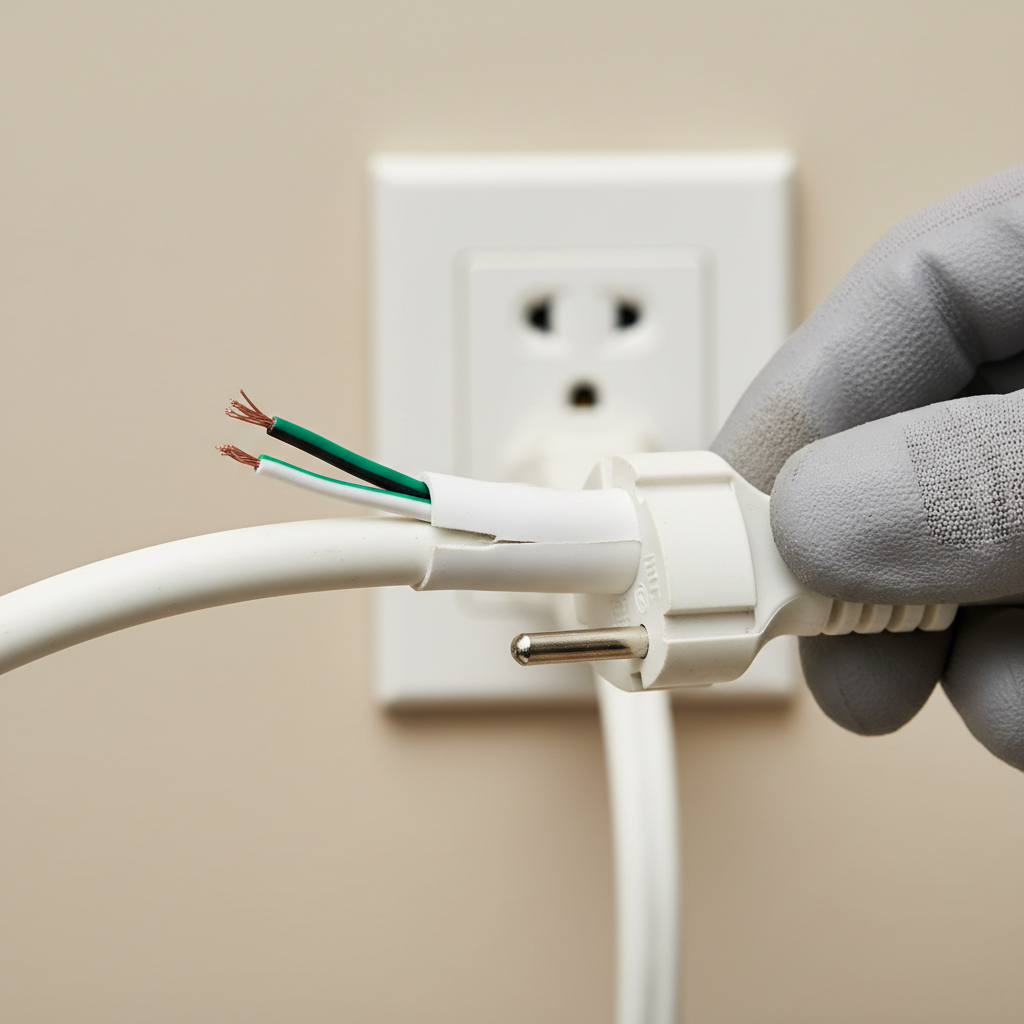
- For high-power tools (circular saws, shop vacuums, space heaters): Use 14-gauge or even 12-gauge extension cords. Avoid thin, indoor-only 16-gauge or 18-gauge cords.
- Limit length: Use the shortest practical extension cord. For heavy-duty applications, try to keep cords under 50 feet to minimize voltage drop and overheating.
- If a thin/long cord is suspected: Replace it with an appropriately gauged and shorter cord. This can often resolve nuisance trips.
Electrical · Breaker keeps tripping
| Project category | Electrical |
|---|---|
| Problem type | Breaker keeps tripping |
| Trade required | Electrical |
| Urgency | Urgent — within days |
| Safety risk | High safety risk |
| DIY suitability | Pro recommended |
| Cost category | Low cost |
| Typical timeline | Diagnosis in a single visit |
| Contractor type | Licensed electrician |
Repair option
Isolate the load, then repair the fault or replace the breaker.
Replacement option
New dedicated circuit when the load simply exceeds what the circuit was built for.
Common causes
- Genuine overload on a shared circuit
- Ground fault from moisture in an exterior box
- Failing breaker or a damaged appliance cord
Relevant tools:diy or hire a prodiy difficulty
Published July 21, 2026Last updated August 18, 2026
Tools & materials you'll need
Affiliate linksAs an Amazon Associate FixlyGuide earns from qualifying purchases — at no extra cost to you. Prices and availability are accurate as of publication and subject to change.
Quick Answer
An extension cord repeatedly tripping a circuit breaker is a clear warning sign from your home's electrical system. While many homeowners initially suspect simple overload, the culprit is often a more insidious issue like a ground fault, a short circuit within the cord or appliance, or using an extension cord that is too long or too thin (under-gauged) for the power it needs to carry. The breaker trips to protect your wiring and prevent a potential fire hazard. Fixing it involves safely diagnosing the cause, which usually means inspecting the cord, the connected devices, and the outlet itself.
The Problem
You plug in an extension cord, connect a tool or appliance, and within moments, the circuit breaker trips, plunging that area of your home into darkness. This isn't just an inconvenience; it's a safety mechanism doing its job. A tripped breaker indicates that the electrical circuit has detected an anomaly: either too much current is flowing (overload), current is flowing where it shouldn't (a ground fault or short circuit), or there's a problem with the wiring or internal components of the cord or device. Ignoring this warning or repeatedly resetting the breaker without addressing the root cause can lead to overheated wiring, damaged appliances, and, most dangerously, electrical fires.
How It Works
To understand why your extension cord trips the breaker, let's quickly review how your home's electrical system and circuit breakers function. Household electricity flows in a closed loop, from the electrical panel, through wires to outlets, then through your appliance, and back to the panel. Circuit breakers are safety devices designed to protect this loop. They monitor the current (amperage) flowing through a circuit.
There are generally three main reasons a breaker trips:
- Overload: This occurs when you try to draw more current than the circuit is designed to handle. For example, a 15-amp circuit supplying current to several devices that collectively demand 20 amps will trip. The breaker's internal bimetallic strip heats up and bends, opening the circuit.
- Short Circuit: This is a sudden, unintended low-resistance path between the hot and neutral wires, or between the hot wire and ground. This causes an immediate, massive surge in current. A magnetic coil within the breaker detects this surge and instantly trips the circuit.
- Ground Fault: Similar to a short circuit, a ground fault occurs when current deviates from its intended path and flows to the ground, perhaps through a person or a metal casing. Ground Fault Circuit Interrupters (GFCIs) in outlets or at the breaker panel are specifically designed to detect even tiny imbalances in current (as little as 5 milliamps) between the hot and neutral wires, indicating a potential shock hazard. Standard breakers can also trip on severe ground faults.
When an extension cord is introduced, it becomes part of this electrical loop. If the cord itself is damaged, too long, too thin (under-gauged), or if the appliance connected to it has an internal fault, it can create one of these fault conditions, causing the breaker to trip. The cord's insulation can wear down, exposing wires; its terminals can loosen, creating resistance and heat; or the internal wiring of an attached device can fail, leading to a short or ground fault.
Step-by-Step Fix
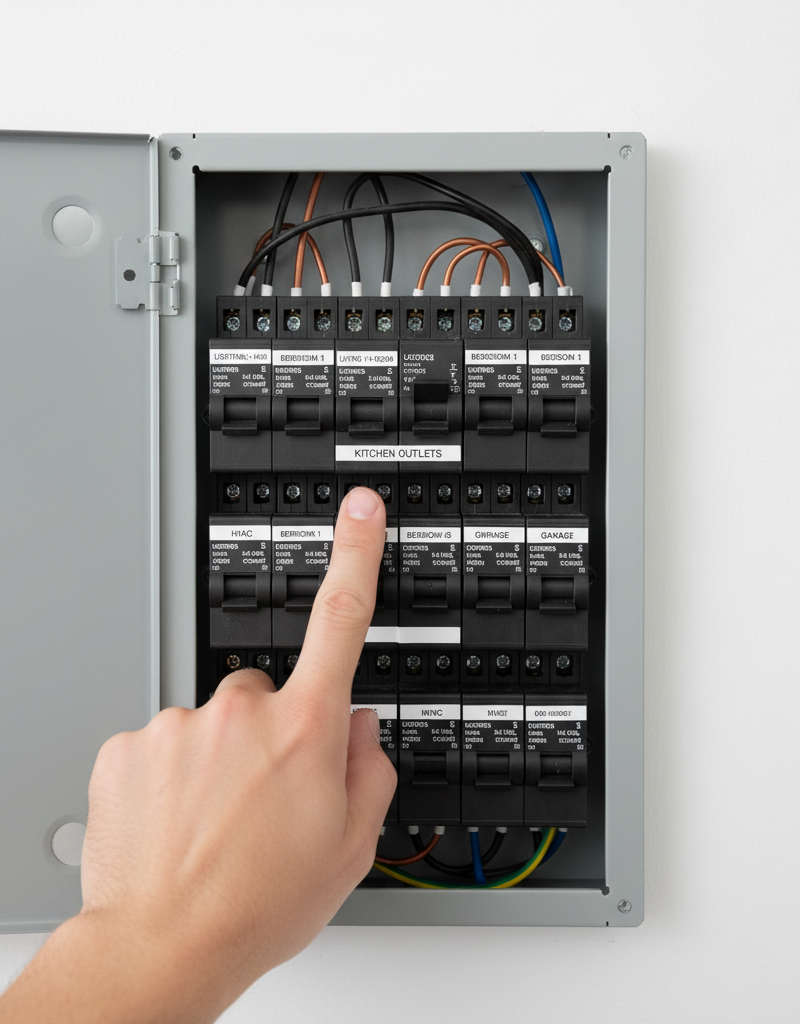
Always prioritize safety. Before touching any electrical components, unplug the extension cord from the wall. If the breaker is tripped, turn off any connected devices and then reset the breaker at your electrical panel.
Step 1: Unplug and Examine the Extension Cord— Thoroughly inspect the extension cord for any visible signs of damage. Look for cuts, nicks, frayed insulation, crushed areas, or discolored spots that indicate overheating, especially near the plugs. Check the male and female ends for bent or broken prongs, looseness, or scorch marks.
- If you find damage: Immediately discard the cord. Do not attempt to repair a damaged extension cord; the repairs are rarely safe or reliable.
- If the cord is old: Even if there's no visible damage, older cords can have internal insulation breakdown or loose connections. Consider replacing cords that are many years old, especially if they feel stiff or brittle.
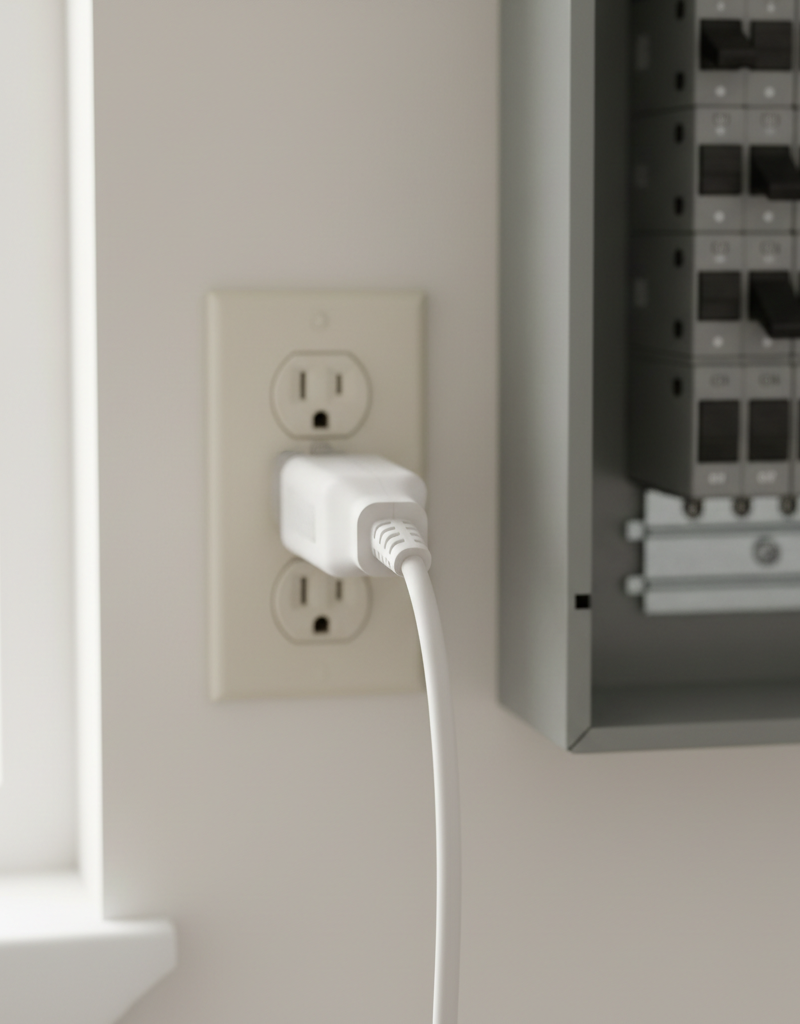
Step 2: Test the Outlet with a Known Good Device— Plug a different, known-good appliance or lamp directly into the wall outlet where you were using the extension cord. Choose a low-power device. This helps determine if the issue is with the outlet itself, the circuit, or the extension cord/original device.
- If the known-good device works: The outlet and circuit are likely fine, pointing the problem back to your extension cord or the original appliance.
- If the known-good device also trips the breaker: The issue is with the outlet, its wiring, or something else on that circuit. Call a licensed electrician. Do not attempt to diagnose or fix a faulty wall outlet or circuit yourself.
Step 3: Test the Original Appliance Directly (If Safe)— If the extension cord appears fine and the outlet works, the original appliance you were trying to use might be the problem. Plug the original appliance directly into a different, known-good wall outlet that is on a separate circuit (if possible). This isolates the appliance.
- If the appliance trips that second breaker: The appliance itself has an internal fault (short or ground fault). It needs professional repair or replacement. Do not use it with an extension cord or any outlet.
- If the appliance works directly in the wall: This suggests the issue might still be with the interaction between the appliance and the specific extension cord you were using, or a more subtle problem with the cord.
Step 4: Check for Overload (Amperage Rating)— Confirm that the total amperage draw of all devices plugged into the extension cord, and indeed the entire circuit, does not exceed the breaker's rating. Look at the wattage ratings on your appliances (or the appliance manufacturer's specifications). Divide total watts by 120 volts to get total amps. For example, a 1500-watt hair dryer draws 12.5 amps (1500W / 120V). A 15-amp circuit can safely handle about 12 amps continuously.
- Look at current ratings: Each extension cord has an amperage rating. Ensure the cord's rating is higher than the total amperage of everything plugged into it.
- Consider "startup surge": Some tools (like saws, vacuums, refrigerators) draw a significantly higher current for a fraction of a second when they first start up. This "inrush current" can briefly exceed the breaker's trip threshold even if the running current is acceptable.
- If you suspect overload: Redistribute appliances to different circuits, use a heavy-duty extension cord (lower gauge number), or avoid using multiple high-draw devices simultaneously on the same circuit.
Step 5: Verify Extension Cord Gauge and Length— The gauge (thickness) and length of an extension cord directly impact its current-carrying capacity and voltage drop. A lower gauge number means a thicker wire, which can carry more current. Longer cords increase voltage drop, meaning less power reaches your tool and more heat is generated in the cord.
- For high-power tools (circular saws, shop vacuums, space heaters): Use 14-gauge or even 12-gauge extension cords. Avoid thin, indoor-only 16-gauge or 18-gauge cords.
- Limit length: Use the shortest practical extension cord. For heavy-duty applications, try to keep cords under 50 feet to minimize voltage drop and overheating.
- If a thin/long cord is suspected: Replace it with an appropriately gauged and shorter cord. This can often resolve nuisance trips.
Step 6: Check for GFCI Tripping— If the outlet is a GFCI (with "TEST" and "RESET" buttons) or the breaker in your panel is a GFCI breaker, and it's tripping, the cause is almost certainly a ground fault. This means current is finding an unintended path to ground.
- Common causes of ground faults: Internal wiring fault in the appliance, moisture intrusion into the appliance or cord, or a frayed wire making contact with a metal casing. In outdoor settings, moisture is a frequent culprit.
- To diagnose: Try the appliance on a non-GFCI protected circuit briefly (if the appliance isn't critical and you suspect the GFCI is overly sensitive, but be very cautious). If it trips a regular breaker, the fault is severe. If it only trips the GFCI, it's a ground fault.
- Resolution: Discard faulty cords/appliances. For outdoor use, ensure all connections are watertight and cords are rated for wet conditions.
Common Causes
- Damaged Extension Cord: The most common culprit. Frayed insulation, crushed wires, or loose connections within the cord can create short circuits or ground faults. Repeated bending, stepping on, or pulling by the cord rather than the plug can lead to internal damage that isn't always visible.
- Overloaded Circuit: Too many high-wattage devices (hair dryers, microwaves, space heaters, power tools) are drawing power from a single circuit, exceeding its amperage rating (typically 15 or 20 amps).
- Short Circuit in Appliance: The device itself has an internal wiring defect that creates a direct path between hot and neutral, causing a massive current surge that trips the breaker instantly.
- Ground Fault in Appliance: An internal fault in the appliance allows current to leak to its metal casing or through the ground wire, which a GFCI outlet or breaker detects.
- Under-gauged or Too-Long Extension Cord: A cord that is too thin (higher gauge number) or excessively long creates resistance, leading to voltage drop and excessive heat, which can trip a breaker even if the connected load isn't technically an "overload" for the circuit itself. The cord overheats, and the breaker trips as a failsafe.
- Worn or Faulty Outlet/Circuit Wiring: While less common, the wall outlet itself could have loose connections, or there could be a fault in your home's permanent wiring leading to that outlet. This would usually trip the breaker even without an extension cord.
- Startup Surge (Inrush Current): Certain motor-driven tools (e.g., circular saw, shop vacuum, refrigerator, air compressor) draw a very high current for a fraction of a second when they first turn on, which can briefly exceed the breaker's trip threshold, especially if the circuit is already heavily loaded.
Common Mistakes
- Ignoring the Warning: Repeatedly resetting the breaker without investigating the cause is extremely dangerous. It overrides the safety mechanism and can lead to wiring damage or fire.
- Using Indoor Cords Outdoors: Indoor cords are not designed to withstand moisture, UV exposure, or temperature extremes, leading to rapid degradation and potential faults. Always use cords rated for outdoor use when outside.
- "Daisy-Chaining" Extension Cords: Connecting multiple extension cords together increases total resistance, exacerbates voltage drop, and multiplies potential points of failure, raising the risk of overheating and fire.
- Using an Under-Gauged Cord: Using thin, light-duty cords for power-hungry appliances like space heaters or power tools is a recipe for disaster. This leads to overheating and can melt the cord or trip the breaker.
- Running Cords Under Rugs or Through Doorways: This can damage the cord insulation, create tripping hazards, and concentrate heat, leading to potential fires.
- Overloading Multi-Outlet Adapters or Power Strips: Just because a power strip has six outlets doesn't mean you can plug in six high-wattage devices. The strip itself, and the wall outlet it
Related Articles
Keep troubleshooting with these hand-picked guides from FixlyGuide:
- The Hidden Reason Your Extension Cord Keeps Tripping the Breaker (and What to Do) — Discover why your extension cord might be tripping a circuit breaker and learn how to diagnose and fix common electrical issues safely.
- Why Your Extension Cord Keeps Tripping the Breaker (And the Simple Test to Find the Hidden Cause) — Discover why your extension cord keeps tripping the circuit breaker and learn how to safely diagnose and fix the real problem with a simple…
- Why Does My Extension Cord Keep Tripping the Breaker? (It's Not Always Overload) — An extension cord repeatedly tripping a circuit breaker indicates a serious electrical issue that homeowners need to diagnose and resolve s…
- The Hidden Reason Your Circuit Breaker Keeps Tripping (It's Not Always an Overload) — Discover the often-overlooked culprits behind a frequently tripping circuit breaker and learn how to diagnose and fix the most common issue…
- The Hidden Reason Your Circuit Breaker Keeps Tripping (It's Not Always an Overload) — Discover the often-overlooked causes behind a frequently tripping circuit breaker and learn how to diagnose and fix them safely.
- The Hidden Reason Your GFCI Trips (It's Not Always a Faulty Outlet) — A continuously tripping GFCI outlet is a critical safety warning, often indicating moisture, a faulty appliance, or a wiring problem that r…
What should this project cost?
Enter your project details for a realistic cost range before you call anyone.
Outlet and switch work usually $150–$400; panel upgrades commonly $1,800–$4,200.
- Regional adjustment
- National average
- Labor share (typical)
- ~$709
- Quotes to collect
- 3 written estimates
Educational estimate based on national averages — not a binding quote. Always confirm with written local estimates.
Fixly Project Decision Box
- DIY difficulty
- Professional Recommended
- Estimated time
- Diagnosis 1–2 hours
- Cost level
- Moderate
Main tools / materials
- Non-contact voltage tester
- Outlet tester
- Flashlight
When to stop and call a pro
- Burning smell, scorch marks, or a warm outlet or switch plate
- A breaker that trips again right after being reset
- Any work inside the service panel
- Aluminum wiring or cloth-insulated wiring
Need professional help?
Talk to a Licensed ElectricianFrequently asked questions
Can an old extension cord trip a breaker?+
Yes, absolutely. Over time, the insulation on old extension cords can degrade, wires can become brittle, or internal connections can loosen, leading to short circuits or ground faults that will trip a breaker. It's always best to replace old or visibly damaged cords.
How do I know if my extension cord is overloaded?+
You can calculate if your extension cord is overloaded by adding up the wattage of all devices plugged into it. Divide the total wattage by 120 volts to get the total amperage. If this number exceeds the amperage rating of the extension cord or the circuit breaker (e.g., 15 amps for most household circuits), it's overloaded. Signs also include the cord feeling hot to the touch.
What's the difference between a short circuit and a ground fault?+
A short circuit occurs when the hot and neutral wires make direct contact, creating a very low resistance path and a massive surge of current. A ground fault happens when the hot wire (or neutral) makes unintended contact with the ground wire or a grounded surface, allowing current to escape the circuit. Both cause breakers to trip, but ground faults are specifically detected by GFCIs to prevent shock.
Can a faulty appliance cause the extension cord to trip the breaker?+
Yes, definitely. If the appliance plugged into the extension cord has an internal short circuit or ground fault, it will cause the breaker to trip. The extension cord is simply the conduit through which the fault is exposed. Always test suspected appliances directly in a wall outlet on a separate circuit if possible.
Discussion
Loading comments…