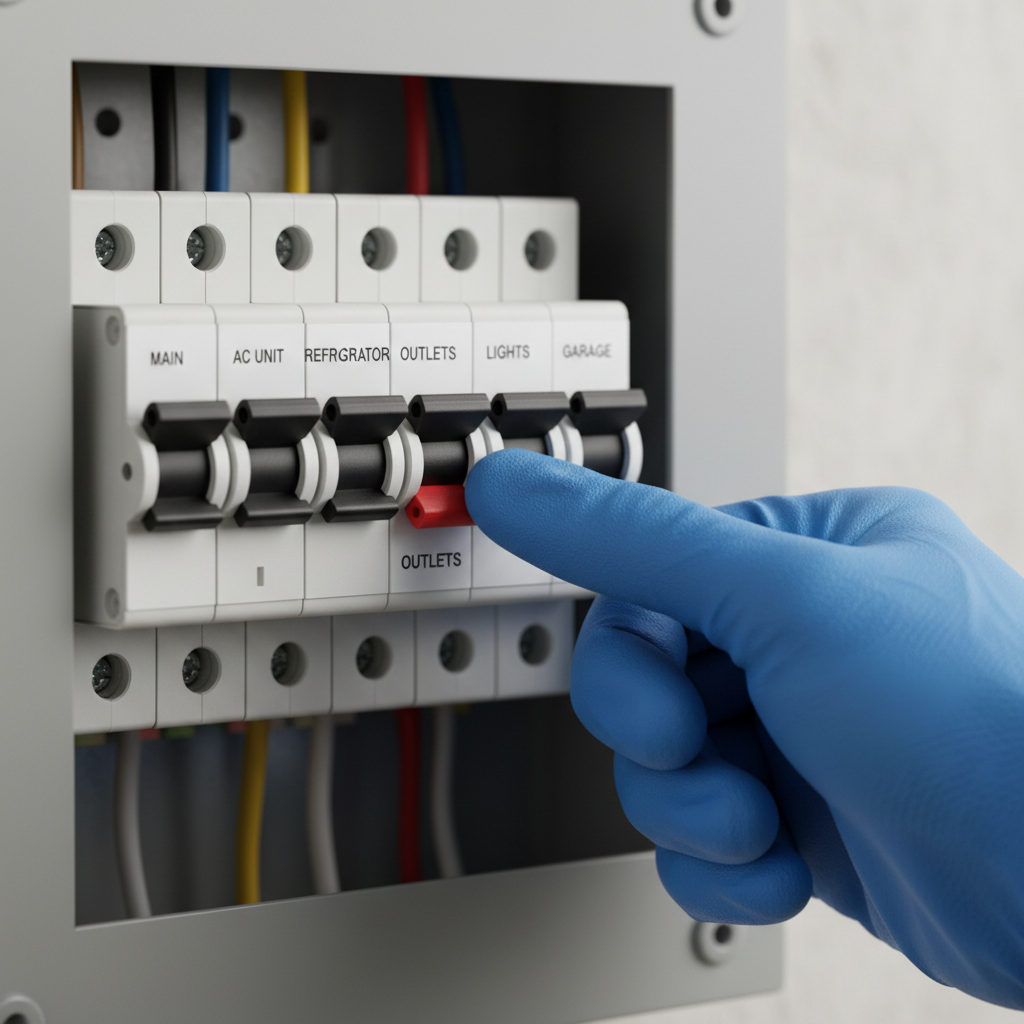
- Reset the Breaker – Firmly push the tripped breaker all the way to the 'off' position first, then firmly push it all the way to the 'on' position. You should hear a distinct 'click'.
- If it immediately trips again: Do not continue to reset it. This indicates a persistent problem, likely a short circuit or a ground fault, which requires professional diagnosis. Turn it off and call an electrician.
- If it stays on: Proceed to the next step to reintroduce devices one by one.
Electrical · Breaker keeps tripping
| Project category | Electrical |
|---|---|
| Problem type | Breaker keeps tripping |
| Trade required | Electrical |
| Urgency | Urgent — within days |
| Safety risk | High safety risk |
| DIY suitability | Pro recommended |
| Cost category | Low cost |
| Typical timeline | Diagnosis in a single visit |
| Contractor type | Licensed electrician |
Repair option
Isolate the load, then repair the fault or replace the breaker.
Replacement option
New dedicated circuit when the load simply exceeds what the circuit was built for.
Common causes
- Genuine overload on a shared circuit
- Ground fault from moisture in an exterior box
- Failing breaker or a damaged appliance cord
Relevant tools:diy or hire a prodiy difficulty
Published July 7, 2026Last updated August 17, 2026
Tools & materials you'll need
Affiliate linksAs an Amazon Associate FixlyGuide earns from qualifying purchases — at no extra cost to you. Prices and availability are accurate as of publication and subject to change.
Quick Answer
A circuit breaker that consistently trips is usually a clear warning sign of an overloaded circuit or, less commonly, a short circuit or ground fault. Before immediately resetting it, it's essential to understand why it tripped. Ignoring the underlying cause can lead to damaged appliances, wiring, and even fire hazards. The quick answer is to first unplug devices from the affected circuit, wait a moment, then reset the breaker. If it trips again immediately, do not continue to reset it; you likely have a more serious issue requiring professional attention.
The Problem
You're in the middle of a task, perhaps blow-drying your hair or running the microwave, and suddenly a section of your home goes dark. The familiar 'click' of a tripped circuit breaker has interrupted your day. While resetting a breaker might seem like a simple solution, a recurring trip indicates an underlying electrical problem that needs to be addressed. This isn't just an annoyance; it's your home's electrical system trying to protect itself from damage and prevent a fire. Continuously resetting a breaker without investigating the cause is like consistently silencing a smoke detector without checking for smoke – it bypasses a critical safety mechanism, putting your home and family at risk. Understanding the common culprits and how to safely diagnose them can save you from costly repairs and dangerous situations.
How It Works
Your home's electrical system is a carefully balanced network of wires, outlets, switches, and appliances, all stemming from your main electrical panel. Each circuit within this system is designed to carry a specific amount of electrical current, measured in amperes (amps). Circuit breakers act as safety devices, like a diligent bouncer at an exclusive club, ensuring only a safe amount of electricity flows through a particular circuit. Inside a typical thermal-magnetic circuit breaker, there are two primary tripping mechanisms: a bimetallic strip for thermal protection and an electromagnetic coil for magnetic protection.
When a circuit becomes overloaded—meaning too many appliances are drawing more current than the circuit can safely handle—the increased current causes the bimetallic strip to heat up and bend. As it bends, it eventually trips a latch, opening the circuit and cutting off power. This is relatively slow, taking several seconds or even minutes depending on the overload, and protects against overheating and potential wire damage. This is the most common reason for a trip.
The second mechanism, the electromagnetic coil, provides instantaneous protection against severe overcurrents, like those caused by a short circuit or a ground fault. In these scenarios, a sudden, massive surge of current creates a strong magnetic field in the coil, which immediately trips the latch. This fast response is crucial because short circuits can generate immense heat almost instantly, posing an immediate fire risk. Once a breaker trips, it moves to an 'off' or 'tripped' position (often midway between 'on' and 'off'), indicating that the circuit is safely disconnected. To restore power, the breaker must be manually reset after the fault has been cleared.
Step-by-Step Fix
Safety First – Always use extreme caution when working with electricity. If at any point you feel unsure or uncomfortable, call a licensed electrician. Wear rubber-soled shoes for insulation.
-
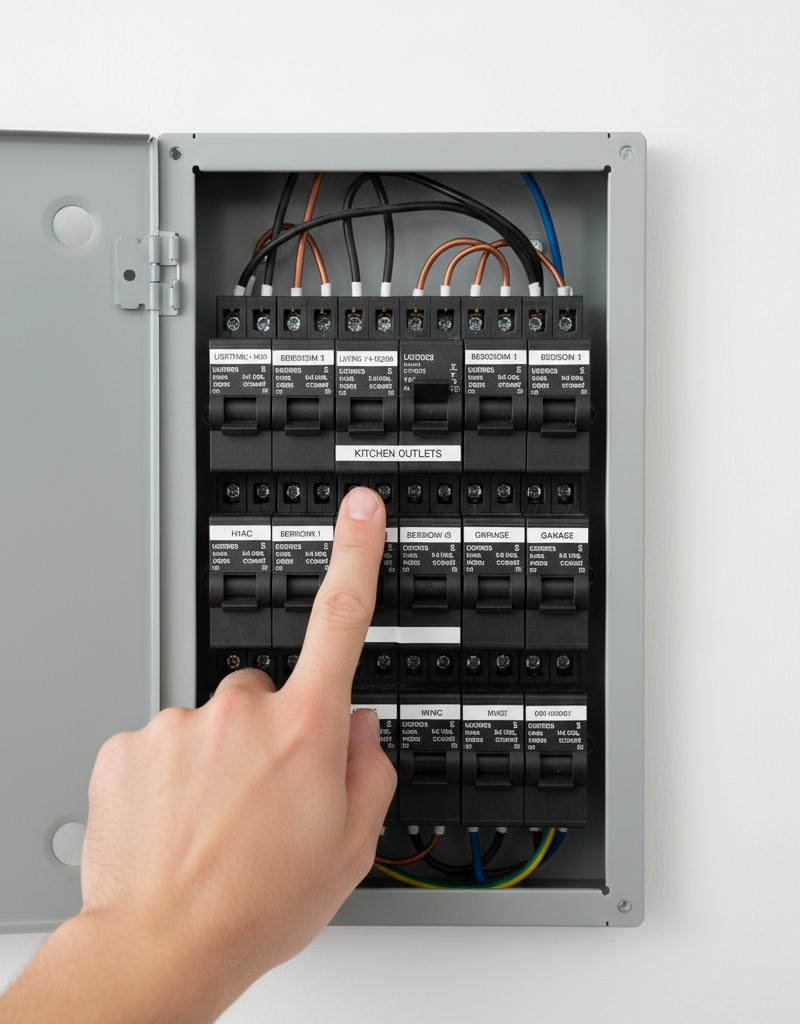
Identify the Tripped Breaker – Go to your electrical panel. Look for a breaker switch that is in the 'off' position or, more commonly, an intermediate 'tripped' position (usually between 'on' and 'off'). It might be slightly jostled from its 'on' position. If your panel isn't clearly labeled, you might need to test which circuit is affected by observing which lights or outlets are without power. Use a flashlight if needed.
-
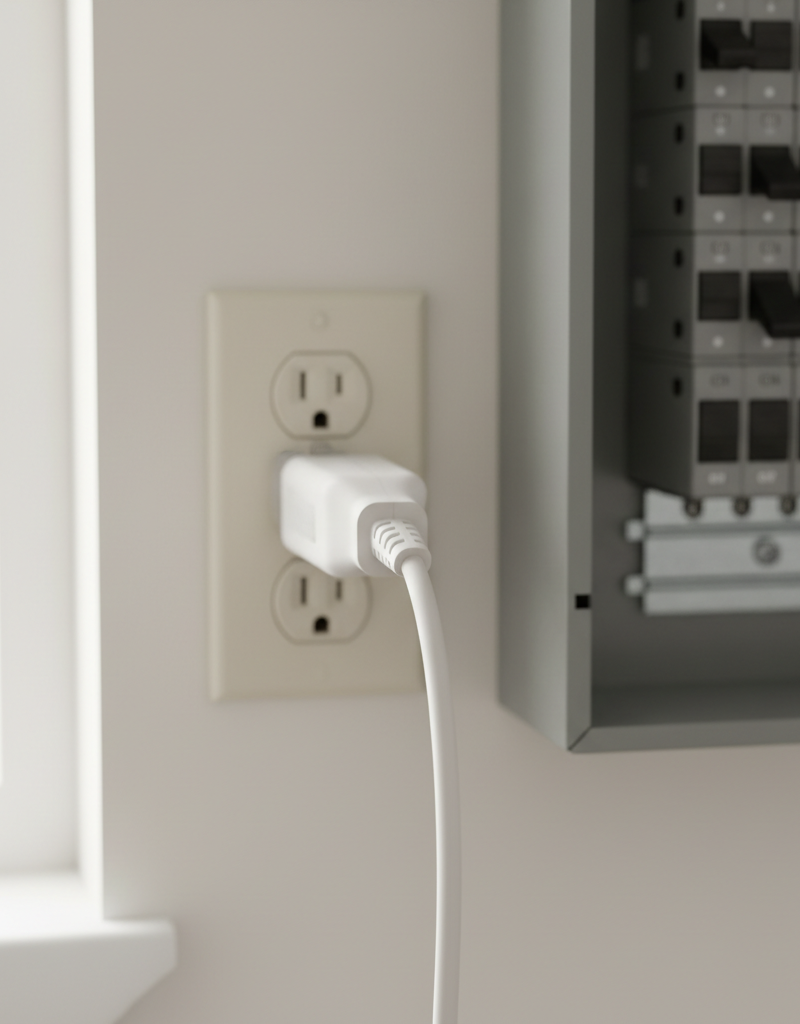
Turn Off Affected Appliances – Before resetting the breaker, unplug or turn off ALL appliances and lights on the affected circuit. This is crucial because if an overload caused the trip, simply resetting the breaker without removing the load will likely cause it to trip again immediately. Pay special attention to high-wattage items like space heaters, hair dryers, microwaves, toasters, and power tools.
-
Reset the Breaker – Firmly push the tripped breaker all the way to the 'off' position first, then firmly push it all the way to the 'on' position. You should hear a distinct 'click'.
- If it immediately trips again: Do not continue to reset it. This indicates a persistent problem, likely a short circuit or a ground fault, which requires professional diagnosis. Turn it off and call an electrician.
- If it stays on: Proceed to the next step to reintroduce devices one by one.
-
Reintroduce Appliances One By One – Go back to the affected room(s). Plug in and turn on appliances one by one, starting with the least power-intensive items. Wait a minute or two after each addition. If the breaker trips again while you're plugging in a specific device, you've likely identified the problem source. That appliance is either faulty (short circuit) or, when combined with other items, is overloading the circuit.
- If a specific appliance trips the breaker: Unplug it, and try another outlet on a different circuit to confirm (if possible). If it still trips, the appliance is likely faulty. Get it repaired or replaced.
- If adding a specific number of appliances trips the breaker: You have an overloaded circuit. Redistribute appliances to different circuits if possible, or avoid using too many high-draw items simultaneously on that particular circuit.
-
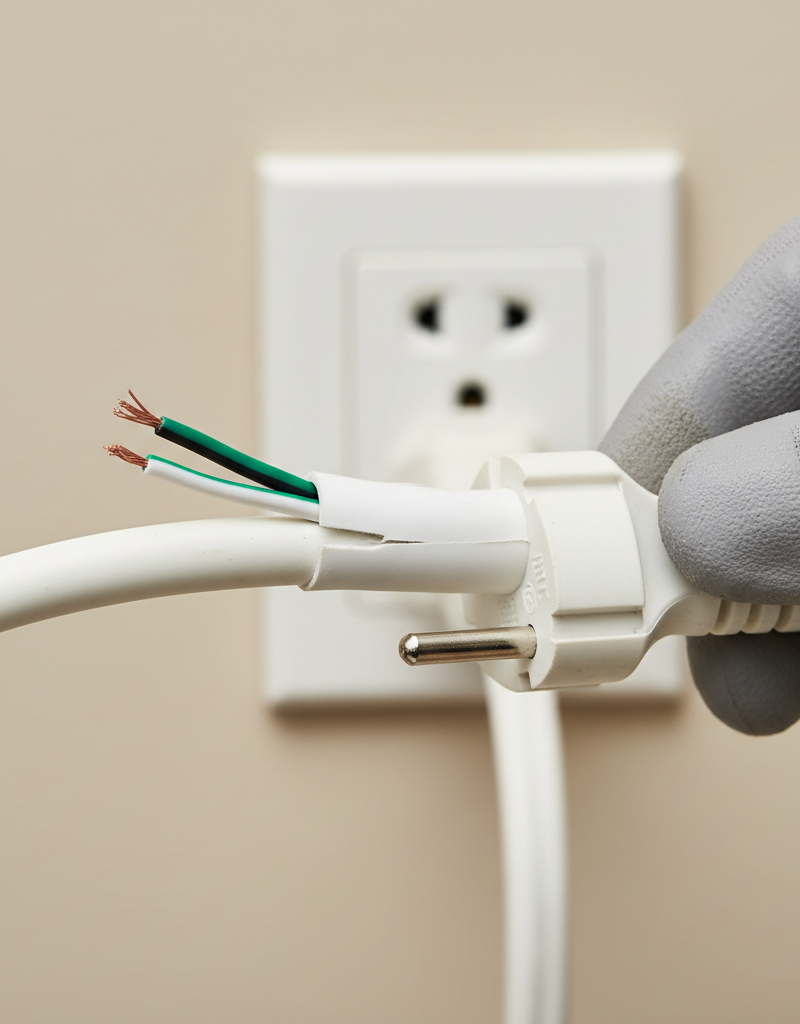
Check for Short Circuits – If the breaker tripped immediately upon resetting (Step 3), a short circuit is highly probable. This can be caused by damaged appliance cords, faulty wiring within an outlet or light fixture, or internal appliance failure. Visually inspect cords for fraying or damage. If you suspect an issue within an outlet or switch, turn off the main power to your home at the main breaker before attempting any inspection, and consider having a qualified electrician handle internal wiring checks.
- Pro Tip: Look for scorch marks or a burning smell around outlets and switches, which are clear indicators of a short circuit.
-
Consider Ground Faults (GFCI/AFCI trips) – If your tripping breaker is a GFCI (Ground Fault Circuit Interrupter) or AFCI (Arc Fault Circuit Interrupter) breaker (often indicated by a test button), it's designed to detect even subtle electrical imbalances. GFCIs typically protect against shock hazards in wet areas like bathrooms and kitchens, while AFCIs protect against arc faults that can cause fires. A GFCI trip could mean moisture has entered an outlet or appliance, or there's a fault to ground. An AFCI trip could mean a loose wire or damaged insulation creating a small arc. These often require more detailed troubleshooting or replacement.
Common Causes
- Overloaded Circuit: This is by far the most frequent culprit. Too many high-power appliances (e.g., space heaters, hair dryers, microwaves, vacuum cleaners, toasters, power tools) are drawing more current than the circuit's wire gauge and breaker rating can safely handle. This is especially common in older homes not designed for today's electrical demands.
- Short Circuit: Occurs when a 'hot' wire touches a 'neutral' or 'ground' wire. This creates a path of very low resistance, causing a sudden, massive surge of current. Short circuits can be caused by damaged appliance cords, faulty wiring in outlets or switches, or internal component failure in an appliance. The breaker will trip almost instantly.
- Ground Fault: Similar to a short circuit, but occurs when a hot wire touches a grounded object (like the metal casing of an appliance, a pipe, or even a water puddle). This sends current directly to ground, bypassing the normal current path. GFCI breakers are specifically designed to detect these small current imbalances and trip quickly to prevent electric shock.
- Faulty Appliance: An internal issue with an appliance can cause it to draw excessive current or create a short circuit, leading to the breaker tripping. This can sometimes be identified by unplugging various devices until the problematic one is found.
- Loose or Damaged Wiring: Over time, wire connections can loosen, or insulation can become damaged, leading to arcing, short circuits, or ground faults. This is a more serious issue and often requires a professional electrician to diagnose and repair.
- Defective Circuit Breaker: While less common, a circuit breaker itself can wear out or become faulty, leading to nuisance tripping even when there's no actual electrical problem. A professional can test the breaker's integrity.
Common Mistakes
- Immediately Resetting Without Unplugging: The biggest mistake. If you don't remove the load or the fault, the breaker will likely trip again, potentially damaging the breaker or the wiring over time.
- Ignoring Persistent Trips: A breaker that trips repeatedly is telling you something. Ignoring it increases the risk of fire and electrical damage.
- Over-Fusing or Bypassing: NEVER replace a tripped breaker with one of a higher amperage rating, or attempt to bypass it. This removes a critical safety feature and guarantees an overload or short circuit will cause wiring to overheat and potentially ignite.
- Overloading a Circuit With Extension Cords: Relying heavily on extension cords, especially multi-outlet strips, to power numerous devices from a single outlet on one circuit is a common way to create an overload.
- DIYing Electrical Work Beyond Your Skill Level: Attempting to diagnose or repair internal wiring, outlets, or fixtures without proper knowledge and tools can lead to electric shock, fire, or further damage. Remember, DIY doesn't mean disregard for safety.
Cost & Time Breakdown
| Task | DIY Cost | Pro Cost | Time |
|---|---|---|---|
| Identify & Reset Breaker | $0 | N/A | 5–15 minutes |
| Appliance Fault Diagnosis | $0 | N/A | 10–30 minutes |
| New Appliance (if faulty) | $50–$500+ | $50–$500+ | N/A |
| Replace Breaker (DIY) | $15–$50 | $150–$250 | 30 minutes (pro) |
| Circuit Load Balancing (Pro) | N/A | $200–$600+ | 1–3 hours |
| Short/Ground Fault Diagnosis & Repair (Pro) | N/A | $250–$800+ | 1–4 hours |
Tips & Prevention
- Label Your Electrical Panel: Clearly label each circuit in your electrical panel so you know exactly what each breaker controls. This saves time during troubleshooting.
- Balance Electrical Loads: Avoid plugging high-wattage appliances into the same circuit. Distribute them across different circuits in your home. For example, don't run a space heater and a vacuum cleaner on the same circuit.
- Upgrade Older Wiring: If you live in an older home and experience frequent tripping, especially when using modern appliances, consider having a licensed electrician assess your electrical system for potential upgrades. Modern homes typically require more dedicated circuits.
- Inspect Cords and Plugs: Regularly check appliance cords for fraying, cracks, or damage. Replace any damaged cords immediately. Ensure plugs fit snugly into outlets.
- Use AFCI/GFCI Protection: Ensure bathrooms, kitchens, laundry rooms, garages, and outdoor outlets have GFCI protection. Consider AFCI breakers for bedroom circuits, as they are effective at preventing arc-fault caused fires.
- Avoid Overloading Outlets: Don't use too many power strips or plug multiple high-draw devices into a single duplex outlet. If you need more outlets, have an electrician install new ones or dedicated circuits.
When to Call a Professional
Call a licensed electrician immediately if your circuit breaker trips immediately every time you try to reset it, even after unplugging all devices. This is a strong indicator of a serious short circuit or ground fault within your home's wiring. You should also contact a professional if you notice burning smells, scorch marks around outlets or the electrical panel, or if you frequently experience tripping even after redistributing appliances. Persistent unexplained trips, flickering lights throughout the house, or warm outlets are also signs that professional diagnosis and repair are needed to prevent fire hazards and ensure the safety of your electrical system. Never attempt to diagnose or repair internal wiring issues yourself without proper training and tools, as this can lead to severe injury or further damage.
Related Articles
Keep troubleshooting with these hand-picked guides from FixlyGuide:
- The Hidden Reason Your Circuit Breaker Keeps Tripping (It's Not Always an Overload) — Discover the often-overlooked causes behind a frequently tripping circuit breaker and learn how to diagnose and fix them safely.
- The 3 Hidden Reasons Your Circuit Breaker Keeps Tripping (And How to Stop It) — Uncover the surprising culprits behind repeatedly tripping circuit breakers and learn practical, actionable steps to diagnose and resolve t…
- The Hidden Reason Your Circuit Breaker Keeps Tripping (It's Not Always an Overload) — Discover the often-overlooked electrical issues that cause circuit breakers to trip repeatedly, and how to accurately diagnose and fix them.
- Why Your Extension Cord Keeps Tripping the Breaker (And the Simple Test to Find the Hidden Cause) — Discover why your extension cord keeps tripping the circuit breaker and learn how to safely diagnose and fix the real problem with a simple…
- That One Warm Breaker Is Trying to Tell You Something — A single warm circuit breaker is not normal; it's a critical warning sign of an electrical issue, often an overload or a dangerous loose co…
- The #1 Mistake Homeowners Make With HVAC Filters (And How Often to Really Change Them) — Discover the crucial mistake most homeowners make with HVAC filters and the specific schedule you should follow to avoid costly HVAC issues…
What should this project cost?
Enter your project details for a realistic cost range before you call anyone.
Outlet and switch work usually $150–$400; panel upgrades commonly $1,800–$4,200.
- Regional adjustment
- National average
- Labor share (typical)
- ~$709
- Quotes to collect
- 3 written estimates
Educational estimate based on national averages — not a binding quote. Always confirm with written local estimates.
Fixly Project Decision Box
- DIY difficulty
- Professional Recommended
- Estimated time
- Diagnosis 1–2 hours
- Cost level
- Moderate
Main tools / materials
- Non-contact voltage tester
- Outlet tester
- Flashlight
When to stop and call a pro
- Burning smell, scorch marks, or a warm outlet or switch plate
- A breaker that trips again right after being reset
- Any work inside the service panel
- Aluminum wiring or cloth-insulated wiring
Need professional help?
Talk to a Licensed ElectricianGet the print-ready PDF of this guide
A clean, ad-free, printable version you can keep on your phone or pin to the workshop wall. Free with a FixlyGuide account.
- Print-optimized layout
- Tools, materials & every step included
- Saved to your account
Frequently asked questions
How do I find out what caused my circuit breaker to trip?+
To find the cause, first unplug all devices from the affected circuit. Reset the breaker. Then, plug in devices one by one until the breaker trips again, indicating the last device or combination of devices caused the overload or fault. Also, check for visible damage to appliance cords or outlets.
Is it dangerous if a circuit breaker keeps tripping?+
Yes, a circuit breaker that repeatedly trips is a serious safety concern. It indicates an underlying electrical problem like an overload, short circuit, or ground fault, which can lead to overheating, wire damage, and significantly increase the risk of an electrical fire. Never ignore persistent tripping.
Can a bad appliance cause a circuit breaker to trip?+
Absolutely. A faulty appliance with internal wiring issues or a component failure can create a short circuit or draw excessive current, causing the circuit breaker to trip as a protective measure. Unplugging and testing appliances one by one can help identify the culprit.
How often should a circuit breaker trip?+
ideally, a properly functioning circuit breaker should rarely, if ever, trip under normal operating conditions. Occasional trips might occur if you briefly use too many high-draw appliances. However, if a breaker trips regularly or frequently, it's a sign of a persistent electrical problem that needs to be investigated and addressed.
Discussion
Loading comments…