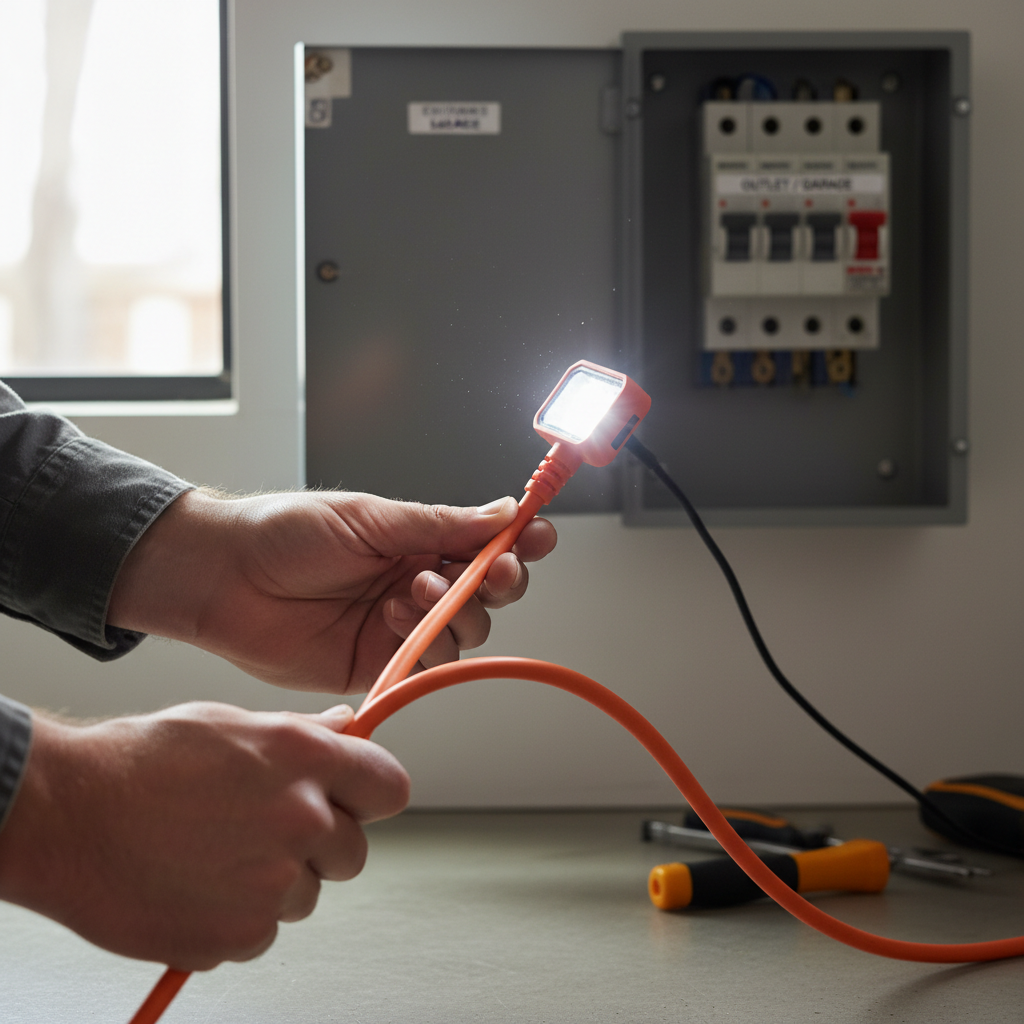
- Damaged Extension Cord: Knicks, cuts, or internal wire breaks in an extension cord can create a short circuit, causing the breaker to trip.
- Faulty Appliance: An appliance with internal electrical issues can draw excessive current or create a short, leading to a tripped breaker.
- Incompatible Cord Usage: Using an indoor extension cord outdoors, or using a light-duty cord for heavy-duty appliances, can cause it to overheat and trip the breaker.
- Wet or Damp Conditions: Moisture can create a short circuit in the cord or the connections, especially outdoors or in damp areas like basements.
Electrical · Panel or service upgrade
| Project category | Electrical |
|---|---|
| Problem type | Panel or service upgrade |
| Trade required | Electrical |
| Urgency | Planned project |
| Safety risk | High safety risk |
| DIY suitability | Licensed pro only |
| Cost category | High cost |
| Typical timeline | Permit plus utility scheduling, commonly 2–6 weeks |
| Contractor type | Licensed electrician |
Repair option
Add a subpanel when the main service is adequate.
Replacement option
Full service upgrade with utility coordination and permits.
Common causes
- Obsolete or recalled panel brands
- Service capacity too small for added loads
- No room for required AFCI/GFCI breakers
Relevant tools:project cost estimatorcompare quotes
Published April 21, 2026Last updated August 17, 2026
Tools & materials you'll need
Affiliate links- AmazonNew extension cord1 · if current one is damaged or too light-duty
As an Amazon Associate FixlyGuide earns from qualifying purchases — at no extra cost to you. Prices and availability are accurate as of publication and subject to change.
Quick Answer
An extension cord that repeatedly trips your circuit breaker is a clear sign of an electrical issue, most often an overloaded circuit or a problem with the cord or the device plugged into it. Addressing this promptly is important to maintain electrical safety and prevent potential damage to your home's wiring.
The Problem
When a circuit breaker trips, it's doing its job: preventing an electrical overload that could lead to overheating wires and a fire hazard. An extension cord, while convenient, can exacerbate this issue by encouraging users to draw more power than a circuit is designed to handle, or by introducing a fault if the cord itself is damaged. Repeated tripping is a warning sign that needs attention.
Step-by-Step Fix
Safety Note: Always unplug the extension cord and any connected appliances before inspecting them. If you suspect an issue with your home's wiring or the breaker panel, contact a licensed electrician.
- Unplug Everything: Start by unplugging the extension cord from the wall outlet and disconnecting all appliances from the extension cord. This resets the situation and allows you to test components individually.
- Inspect the Extension Cord: Carefully examine the entire length of the extension cord. Look for any signs of damage such as cuts, frayed wires, melted insulation, or discolored spots on the cord or plug. If you find any damage, do not use the cord again and dispose of it properly.
- Inspect Appliance Cords and Plugs: Similarly, check the power cords and plugs of all appliances you were using with the extension cord for damage. A faulty appliance cord can also cause a trip.
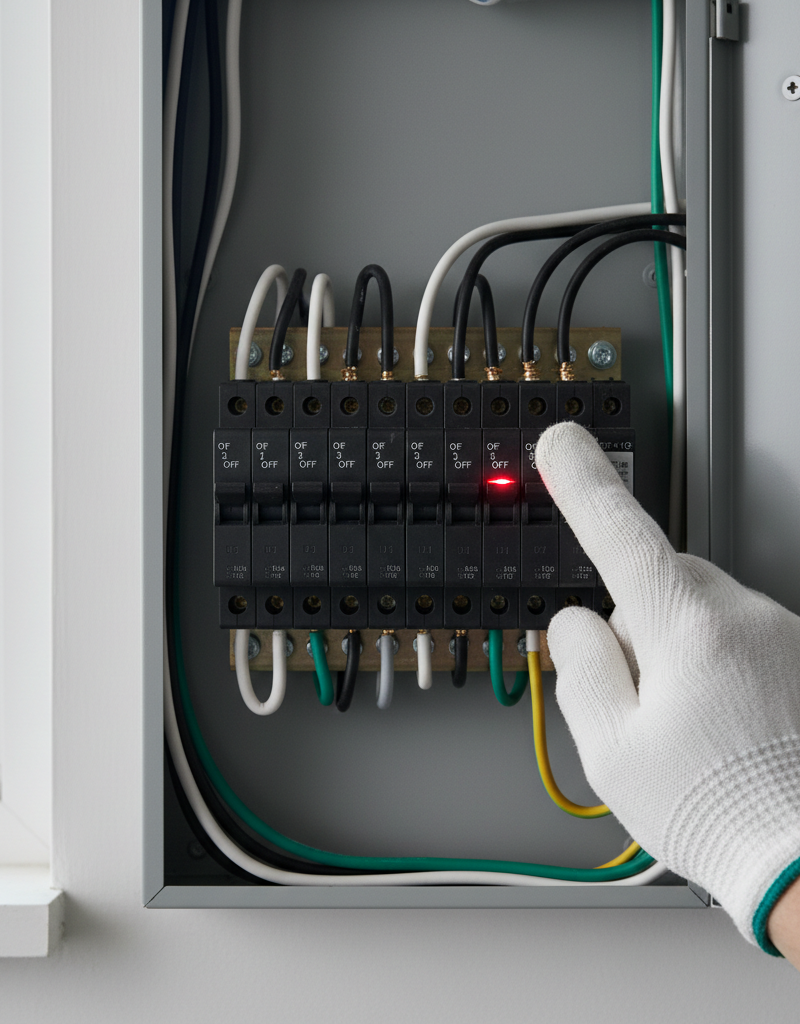
- Reset the Breaker: Go to your electrical panel and locate the tripped breaker. It will typically be in the "off" position or in an intermediate position. Flip it firmly to the "off" position, and then firmly back to the "on" position. If it immediately trips again without anything plugged in, you may have a wiring issue in your home, and you should call an electrician.
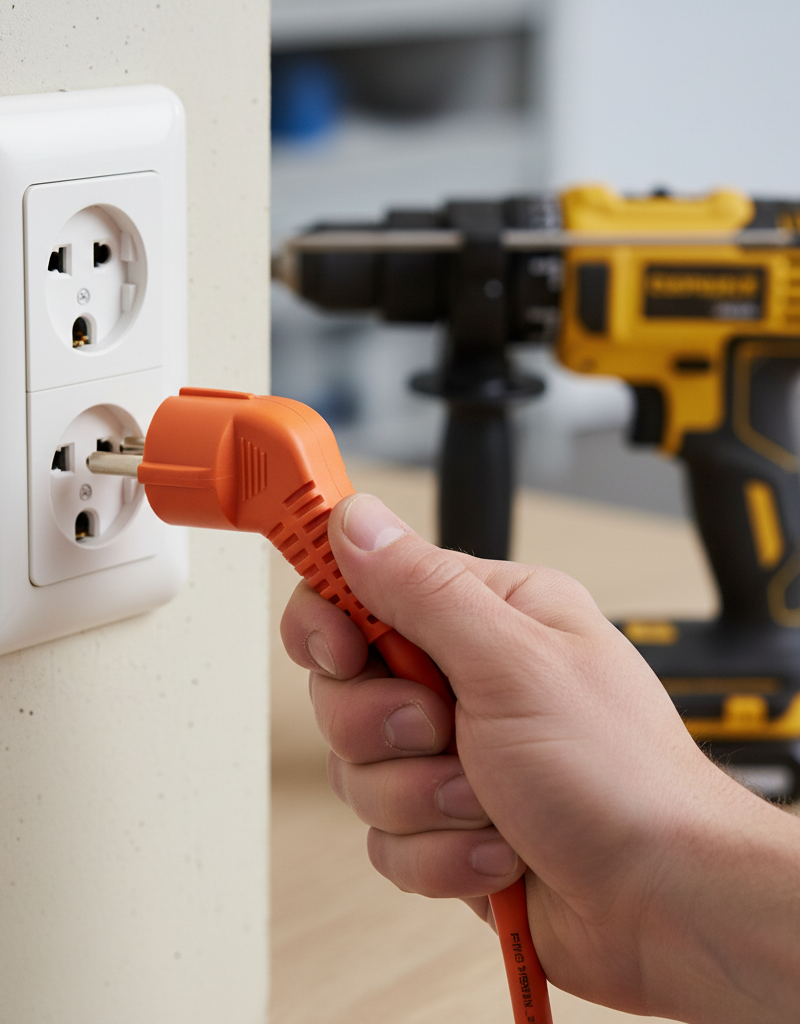
- Test the Outlet (Without Extension Cord): Plug a known good, low-power appliance (like a lamp) directly into the wall outlet where the extension cord was used. If this also trips the breaker, the problem is with the wall outlet or the circuit, not the extension cord.
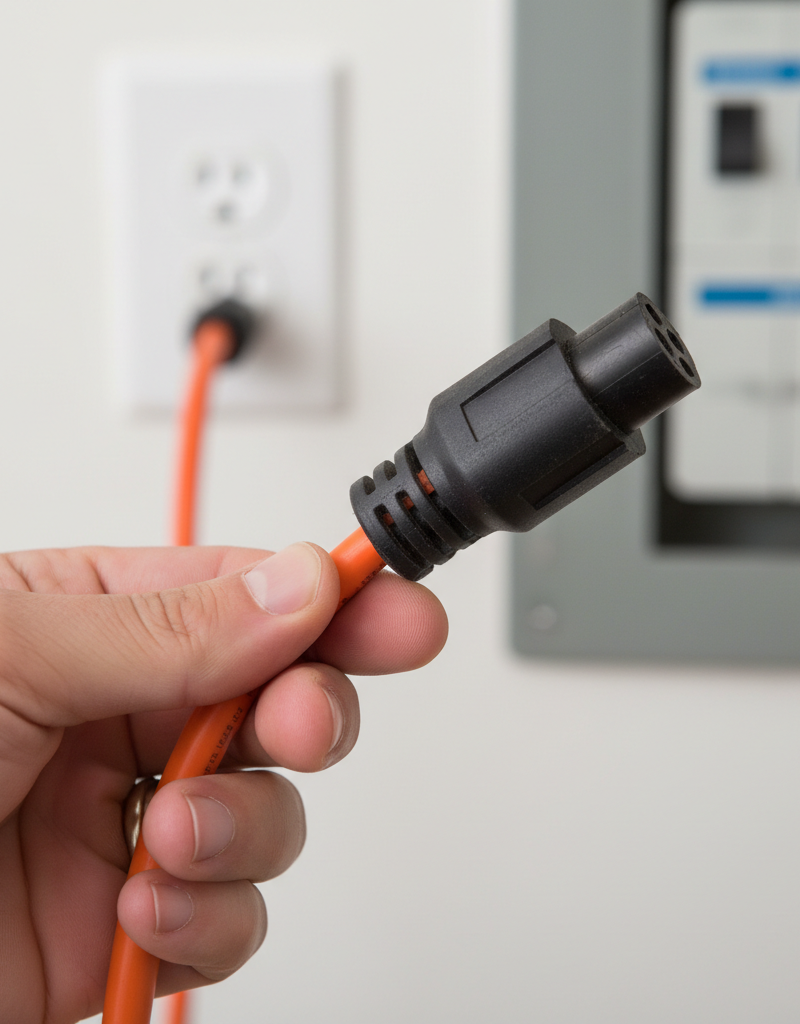
- Test the Extension Cord (With Low-Power Appliance): If the outlet works, plug the undamaged extension cord into the wall outlet. Then, plug a single, low-power appliance (like a phone charger or a small fan) into the extension cord. If this trips the breaker, the extension cord is likely faulty, even if no visible damage was present.
- Identify Overload (One by One): If the extension cord and a single low-power appliance work, the issue is likely an overloaded circuit. Plug one of your original appliances into the extension cord. If the breaker trips, that appliance might be drawing too much power or is faulty. If it doesn't trip, plug in the next appliance, and so on, until the breaker trips. This will help you identify which combination of devices overloads the circuit.
Common Causes
- Overloaded Circuit: This is the most frequent cause. You have too many high-power devices (heaters, hair dryers, blenders, power tools) plugged into a single extension cord, or the extension cord itself is plugged into a circuit that already has many other devices drawing power.
- Damaged Extension Cord: Knicks, cuts, or internal wire breaks in an extension cord can create a short circuit, causing the breaker to trip.
- Faulty Appliance: An appliance with internal electrical issues can draw excessive current or create a short, leading to a tripped breaker.
- Incompatible Cord Usage: Using an indoor extension cord outdoors, or using a light-duty cord for heavy-duty appliances, can cause it to overheat and trip the breaker.
- Wet or Damp Conditions: Moisture can create a short circuit in the cord or the connections, especially outdoors or in damp areas like basements.
Tips & Prevention
- Match Cord to Load: Always use extension cords rated for the wattage of the appliances you're plugging into them. Heavy-duty cords are thicker and have lower gauge numbers (e.g., 12-gauge vs. 16-gauge).
- Avoid "Daisy Chaining": Never plug one extension cord into another, or into a power strip that is then plugged into another extension cord. This dramatically increases the risk of overload and fire.
- Don't Overload Outlets: Be mindful of how many appliances are on a single circuit. Distribute high-power devices among different outlets that are on separate circuits.
- Regular Inspection: Periodically check your extension cords for any signs of wear, tear, or damage. Replace them immediately if any damage is found.
- Indoor vs. Outdoor: Use outdoor-rated extension cords for outdoor applications, as they are designed to withstand environmental elements.
- Unplug When Not in Use: Unplug extension cords when they are not actively being used to minimize potential hazards and prolong their life.
When to Call a Professional
If the breaker continues to trip even after removing all extension cords and appliances, or if you suspect an issue with your home's wiring, wall outlets, or the circuit breaker itself, it's time to call a licensed electrician. Do not attempt to repair your electrical panel or in-wall wiring yourself.", meta_title=
Related Articles
Keep troubleshooting with these hand-picked guides from FixlyGuide:
- Why Does My Circuit Breaker Keep Tripping in One Room? Easy DIY Fixes — A circuit breaker repeatedly tripping in one room usually points to an overloaded circuit or a faulty appliance; addressing these issues ca…
- Why Your Circuit Breaker Keeps Tripping: A DIY Guide — A tripping circuit breaker is a common household problem, often indicating an overloaded circuit or a short circuit. This guide helps you d…
- That Warm Breaker Is Trying to Tell You Something — A circuit breaker that's warm to the touch is a red flag, often signaling a loose wire or an overloaded circuit that could pose a serious f…
- GFCI Outlet Won't Reset? Fix It With These Simple Steps — A GFCI outlet that won't reset usually indicates a tripped circuit, a ground fault, or a faulty outlet. Learn how to diagnose and fix the p…
- That One Warm Breaker Is Trying to Tell You Something — A single warm circuit breaker is not normal; it's a critical warning sign of an electrical issue, often an overload or a dangerous loose co…
- Dishwasher Not Draining? Easy Fixes for a Clogged Drain — A dishwasher that won't drain at the end of a cycle is a common problem, often caused by simple clogs or blockages that homeowners can fix…
Get the print-ready PDF of this guide
A clean, ad-free, printable version you can keep on your phone or pin to the workshop wall. Free with a FixlyGuide account.
- Print-optimized layout
- Tools, materials & every step included
- Saved to your account
Frequently asked questions
Why does my extension cord keep tripping the breaker?+
Your extension cord likely keeps tripping the breaker due to an overloaded circuit (too many devices drawing power), a damaged extension cord creating a short circuit, or a faulty appliance plugged into the cord.
How do I know if my circuit is overloaded?+
An overloaded circuit often manifests through frequently tripped breakers, dimming lights when appliances turn on, or warm outlet covers/cords. If a breaker trips specifically when you plug in multiple high-power devices, it's a strong indicator of an overload.
Can a bad extension cord trip a breaker?+
Yes, absolutely. A damaged extension cord with frayed wires, cuts, or internal shorts can easily trip a circuit breaker because it creates an unintended path for electricity, drawing excessive current or causing a surge.
What should I do if the breaker trips immediately after resetting?+
If your breaker trips immediately after you reset it, even without anything plugged into the outlet, it indicates a serious electrical fault within your home's wiring. In this scenario, you should immediately call a licensed electrician for inspection and repair.
Discussion
Loading comments…