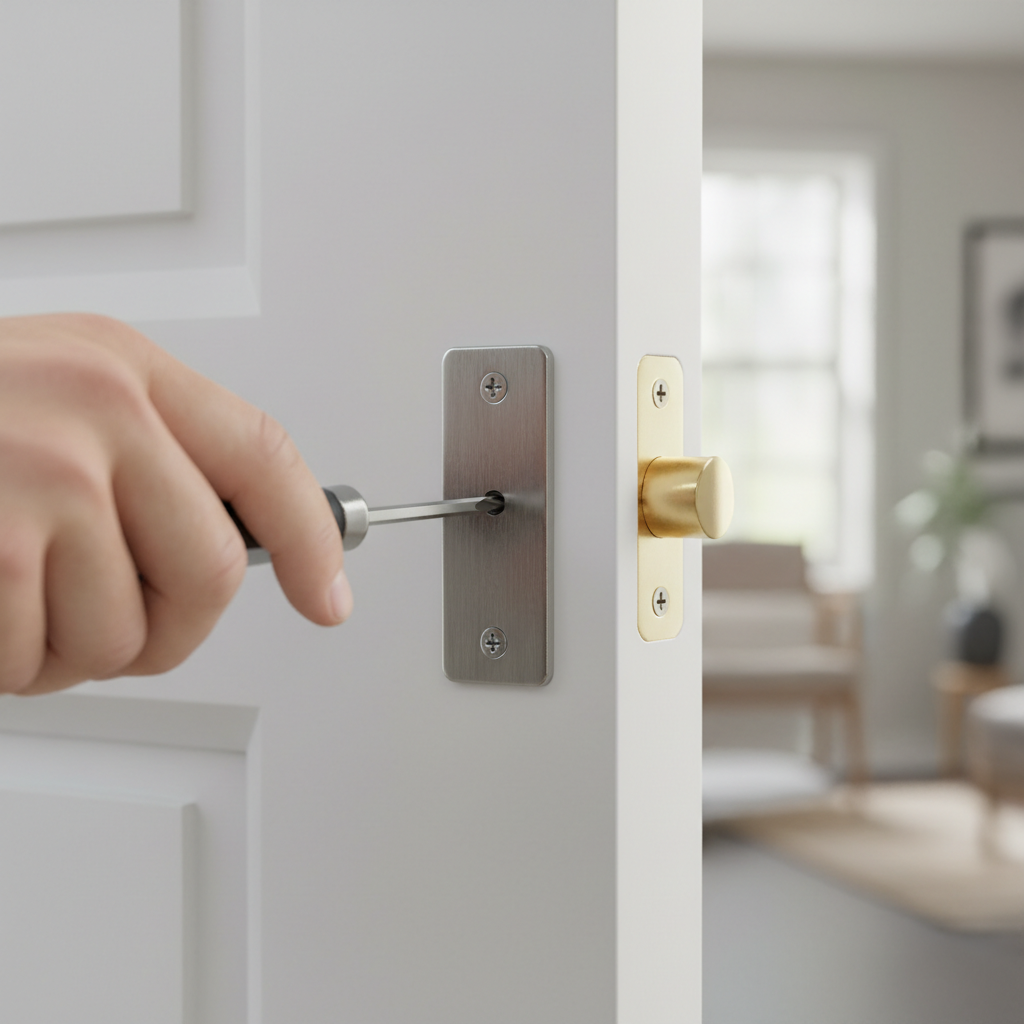
- Safety First: Always wear safety glasses when working with tools.
- Loosen Screws: Loosen the two screws holding the strike plate in place on the door frame. Do not remove them completely, just enough so the plate can be wiggled.
- Reposition: If the latch mark from the lipstick test indicates the latch is hitting too high, slide the strike plate slightly down. If it's hitting too low, slide it up. A small adjustment (1/16 to 1/8 inch) is usually sufficient.
General remodeling · Renovation planning
| Project category | General remodeling |
|---|---|
| Problem type | Renovation planning |
| Trade required | General contracting |
| Urgency | Planned project |
| Safety risk | Low safety risk |
| DIY suitability | Pro recommended |
| Cost category | Major investment |
| Typical timeline | Design and permitting often 2–4 months before work starts |
| Contractor type | General contractor |
Repair option
Phase the work and fix the building envelope first.
Replacement option
Full renovation with permits, design, and a general contractor.
Common causes
- Space no longer fits how the household lives
- Resale preparation
- Deferred maintenance stacking up
Relevant tools:project cost estimatorcompare quoteshome improvement material prices
Published April 24, 2026Last updated August 18, 2026
Tools & materials you'll need
Affiliate linksAs an Amazon Associate FixlyGuide earns from qualifying purchases — at no extra cost to you. Prices and availability are accurate as of publication and subject to change.
Quick Answer
If your interior door refuses to latch, the culprit is almost always one of three things: a misaligned strike plate, loose hinges causing the door to sag, or the door itself or its frame has swollen due to humidity changes. Luckily, most of these issues are easily fixable for the average homeowner with a few common tools, usually involving minor adjustments to the strike plate, tightening hinges, or in some cases, a bit of sanding.
The Problem
There's nothing quite as annoying as a door that refuses to stay shut. Whether it's a bedroom door swinging open on its own, a bathroom door failing to offer privacy, or a closet door letting light spill out, a non-latching door isn't just an inconvenience – it can be a real nuisance. The frustration mounts when you repeatedly push the door closed, only for the latch bolt to hit the strike plate frame, refusing to engage. This common household issue rarely indicates a major structural problem or a broken lock mechanism; instead, it usually points to a subtle misalignment or obstruction that prevents the latch from connecting correctly with the strike plate. Identifying which of these subtle issues is at play is the first step toward a lasting fix.
How It Works
To understand why your door isn't latching, let's briefly review how a typical interior door latch system functions. When you turn a doorknob, a spindle inside the knob rotates, retracting a spring-loaded latch bolt from the door's edge. When you release the doorknob, the spring pushes the latch bolt back out. As the door closes, the angled face of this latch bolt slides along the strike plate – a metal plate installed on the door frame with a precisely cut opening – until it "catches" and protrudes into the strike plate's opening. This engagement holds the door securely shut. The strike plate also has a small lip that helps guide the latch bolt into place and protects the wooden door frame from wear and tear. For this simple system to work flawlessly, several components must be in perfect alignment: the hinges must hold the door square within the frame, the door slab itself must not be warped, and most critically, the latch bolt and the strike plate opening must match up exactly. Even a millimeter of displacement in any direction – up, down, left, or right – can prevent the latch from fully extending into the strike plate, causing the door to swing open or pop back out.
Step-by-Step Fix
1. Diagnose the Misalignment — Identify where the latch bolt is hitting.
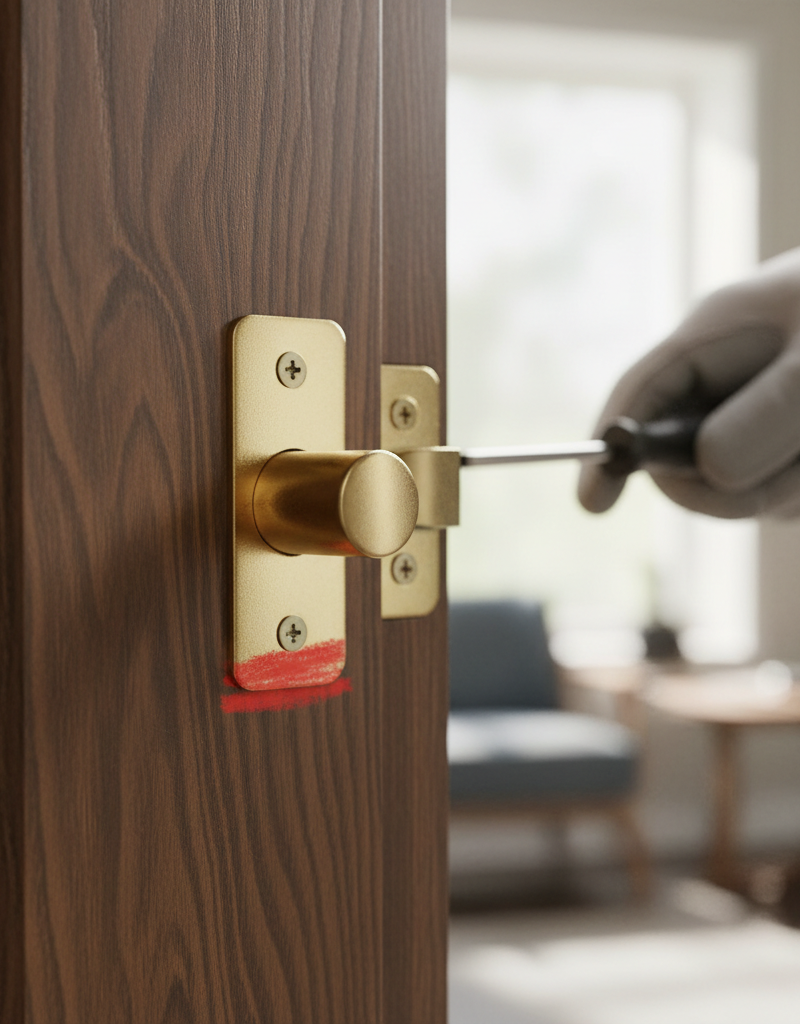
- The Lipstick Test: Close the door slowly until the latch bolt just touches the strike plate. Apply a small amount of lipstick, chalk, or even a pencil mark to the very tip of the latch bolt. Slowly close the door completely until the latch bolt makes contact with the strike plate or frame, then open it again. The mark transferred to the strike plate or frame will show you exactly where the latch bolt is hitting. Is it hitting too high, too low, or too far to one side?
- Visual Inspection: Examine the strike plate and the area around it for scrape marks or indentations. These often reveal where the latch bolt is making improper contact.
2. Check for Loose Hinges — Tighten any wobbly hinges that cause the door to sag.
- Open the Door: Fully open the door and grasp both sides. Gently lift and wiggle the door up and down. Feel for any play or movement in the hinges.
- Tighten Screws: Use a Phillips head screwdriver (or the appropriate driver for your hinge screws) to carefully tighten all screws on both the door-side and frame-side of each hinge. Don't overtighten, but ensure they are snug. If a screw spins endlessly, the screw hole is stripped. You'll need to remove the screw, insert a wooden golf tee or a wood shim with wood glue into the hole, let it dry, then break off the excess and reinstall the screw.
- If this doesn't work: If the door still sags after tightening, hinge pins might be bent, or the hinges themselves could be old and worn, requiring replacement.
3. Adjust the Strike Plate (Vertical Alignment) — Move the strike plate up or down.
- Safety First: Always wear safety glasses when working with tools.
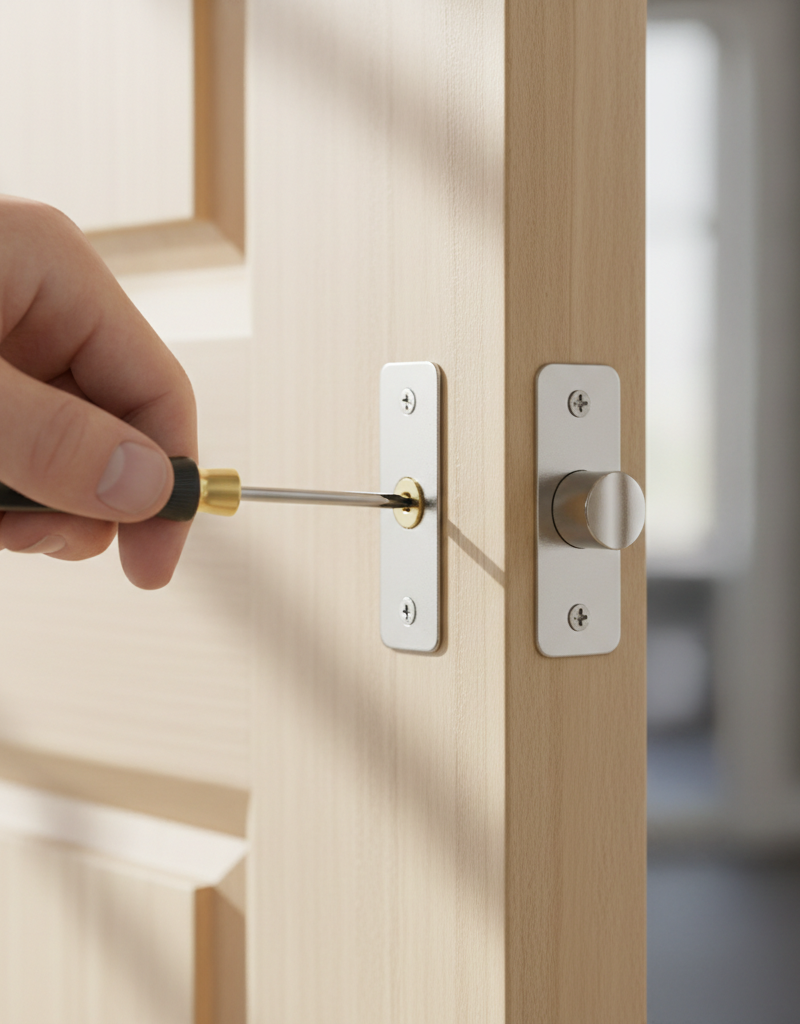
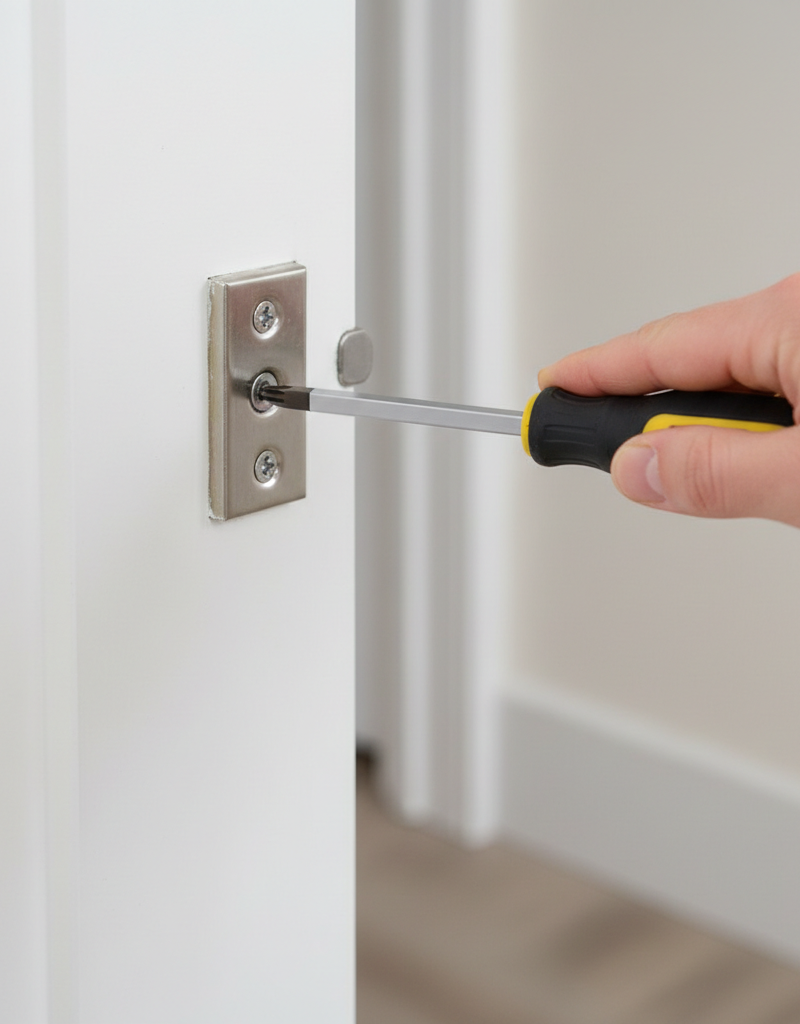
- Loosen Screws: Loosen the two screws holding the strike plate in place on the door frame. Do not remove them completely, just enough so the plate can be wiggled.
- Reposition: If the latch mark from the lipstick test indicates the latch is hitting too high, slide the strike plate slightly down. If it's hitting too low, slide it up. A small adjustment (1/16 to 1/8 inch) is usually sufficient.
- Test and Tighten: Gently close the door to test if the latch now engages. If it does, tighten the screws firmly. If not, repeat the adjustment until it works. You may need to use a utility knife or chisel to slightly enlarge the recess in the door frame if the plate needs to move significantly.
4. Adjust the Strike Plate (Horizontal Alignment / Depth) — Move the strike plate in or out of the frame.
- Examine the Latch: If the door closes but feels loose or rattles, the latch bolt might not be extending far enough into the strike plate, or the strike plate is too far recessed.
- Remove Strike Plate: Unscrew and remove the strike plate completely.
- Deepen the Mortise (if needed): If the latch bolt is hitting the outer edge of the strike plate opening and not fully entering, the strike plate might be recessed too deeply. Use a sharp utility knife and a chisel to carefully remove a thin layer of wood from the mortise (the recessed area) behind the strike plate, allowing the plate to sit slightly proud of the frame.
- Shim the Mortise (if needed): If the door is rattling and the latch needs to extend further into the frame, the strike plate might not be recessed enough. Or if the latch isn't fully engaging, the strike plate may need to move closer to the door stop. In this case, you can remove the strike plate, insert a thin piece of cardboard or wood shim behind it, and then reinstall the strike plate. This pushes the plate forward slightly.
- Test and Refine: Reinstall the strike plate, test the door, and make further adjustments as needed. A perfect horizontal alignment means the door closes snugly without rattling and the latch fully engages.
5. Address a Swollen or Sticking Door — When humidity is the cause.
- Identify the Contact Points: Often, a swollen door will rub against the top or side of the door frame, or the bottom will drag on the threshold or carpet. Use a piece of paper: try to slide it around the door edges when closed. Where it snags, there's contact.
- Sand or Plane: If the door is rubbing significantly, you may need to sand down the high spots. For minor rubbing, a sanding block with 80-grit sandpaper can work. For more severe swelling, a block plane or an orbital sander may be necessary. Only remove small amounts of material at a time. Work slowly and test frequently. Focus only on the areas that are rubbing.
- Repaint/Reseal: After sanding, always seal the exposed wood with primer and paint to prevent future moisture absorption, which can cause swelling to recur.
- Pro Tip: This is especially common in bathrooms or basements with high humidity. Consider a dehumidifier for long-term prevention.
6. Check the Latch Mechanism Itself — Rarely the issue, but worth checking.
- Remove the Doorknob: Unscrew the doorknob assembly from both sides of the door. Carefully pull it apart and remove the latch mechanism from the edge of the door.
- Inspect for Damage: Look for bent springs, broken parts, or excessive grime. Clean any visible debris with a dry brush or compressed air.
- Lubricate: Apply a small amount of graphite lubricant or a silicone-based dry lubricant to the moving parts of the latch mechanism. Avoid oil-based lubricants as they can attract dust and gum up the works.
- Reassemble and Test: Reassemble the doorknob and latch. If the problem persists, the entire latch mechanism might need replacement.
Common Causes
- Seasonal Humidity Fluctuations: Wood naturally expands and contracts with changes in humidity. High humidity can cause the door or frame to swell, making the latch plate and strike plate misaligned. Low humidity can cause wood to shrink, leading to a loose-fitting door.
- Loose Hinge Screws: Over time, the constant swinging of a door can loosen hinge screws, causing the door to sag or shift out of alignment. This is one of the most frequent culprits for a non-latching door.
- Settling Foundation/Frame Movement: Minor shifts in a home's foundation or framing can cause door frames to go out of square, leading to issues with door alignment and latching.
- Improper Strike Plate Installation: If the strike plate was not installed precisely at the right height and depth during initial installation, the door may never latch correctly or develop issues over time as other components shift.
- Worn or Damaged Latch Mechanism: While less common for interior doors, the internal components of the latch can wear out or become damaged, preventing the bolt from extending fully. This is usually accompanied by a spongy feeling when turning the doorknob.
Common Mistakes
- Ignoring Loose Hinges: Many homeowners jump straight to adjusting the strike plate without first checking and tightening the hinges. Loose hinges are a very common cause of misalignment, and fixing them often solves the problem without any other adjustments.
- Over-Sanding: When dealing with a swollen door, it's easy to remove too much material. Always sand or plane in small increments, testing the door's fit frequently. Removing too much wood will create a gap and may require Bondo or wood filler to correct.
- Forgetting to Seal Wood: If you sand or plane a door to correct swelling, failing to re-prime and paint or seal the exposed wood will leave it vulnerable to future moisture absorption, causing the swelling problem to quickly return.
- Aggressive Strike Plate Adjustment: Hacking away at the door frame with a chisel without precise marking can create large, ugly gaps around the strike plate that are difficult to conceal and weaken the frame.
- Using the Wrong Lubricant: Applying oil-based lubricants to a sticky latch can attract dust and grime, eventually making the problem worse rather than better. Stick to graphite powder or dry silicone sprays.
- Not Checking for Foundation Issues: While most latching issues are simple, persistent problems across multiple doors, especially in older homes, can occasionally point to larger structural shifts. Don't ignore these if simple fixes don't work.
Cost & Time Breakdown
| Task | DIY Cost | Pro Cost | Time |
|---|---|---|---|
| Tighten Hinges | $0–$5 | N/A | 5–10 minutes |
| Adjust Strike Plate | $0–$10 | N/A | 10–30 minutes |
| Sand Door/Frame | $5–$20 | $50–$150 | 30–60 minutes |
| Replace Latch Mechanism | $15–$40 | $75–$150 | 20–40 minutes |
| Repair Stripped Screw Holes | $5–$10 | N/A | 15–20 minutes |
Tips & Prevention
- Annual Hinge Check: Make it a habit to check and tighten all door hinge screws annually, especially in high-traffic areas. This proactive step can prevent many future latching issues.
- Control Humidity: Use dehumidifiers in basements, bathrooms, or other high-humidity areas, and ensure proper ventilation to minimize wood swelling and shrinking.
- Proper Painting Technique: When painting doors and frames, avoid painting the edges of the door or the inside of the door frame too thickly, as this can add material and create clearance issues.
- Lubricate Annually: A small puff of graphite powder or a spray of dry silicone lubricant into the latch mechanism once a year can keep it operating smoothly and prevent sticking.
- Check Door Sweep: If your door is dragging on the floor or carpet, a worn-out or too-thick door sweep can be contributing to the issue, causing vertical misalignment. Consider replacing it with a lower-profile option if necessary.
When to Call a Professional
While most door latch problems are easily resolved by a homeowner, there are situations where calling a professional carpenter, handyman, or even a foundation expert is warranted. If you've tried all the alignment and adjustment steps and the door still won't latch, or if the issue seems to be part of a larger pattern of doors and windows sticking throughout your home, it could indicate foundational shifting or significant structural movement. Similarly, if you're uncomfortable using power tools like a plane or orbital sander for significant door material removal, or if the door is an expensive solid wood or antique door, entrusting the work to a professional will ensure the job is done without damage to the door or frame. A pro can also correctly diagnose and repair complex latch mechanisms or replace entire door units if the frame is severely warped or damaged.
Related Articles
Keep troubleshooting with these hand-picked guides from FixlyGuide:
- The 3 Hidden Reasons Your Door Won't Latch (And the Easy DIY Fixes) — Don't live with a door that refuses to latch; discover simple, DIY solutions for common door latch problems and restore security and privac…
- The 3 Hidden Reasons Your Garage Door Won't Fully Close (and the 10-Minute Fix) — Before you call for an expensive repair, here are the three most common, easy-to-fix reasons your garage door might not be closing complete…
- Is Your House Breathing? Why Doors Stick Shut in Summer — Don't just muscle that sticking door shut. It's a sign of a house-wide issue. Learn the surprising reason your doors swell in summer and th…
- Your Squeaky Floor's Secret: It's Not the Wood, It's the Gap — Tired of that persistent floor squeak? Discover the hidden causes of noisy floorboards and learn several easy, DIY methods to silence them…
- That Peeling Paint? Your Bathroom Has a Moisture Secret — Discover the hidden causes behind your peeling bathroom ceiling paint. We reveal why moisture is the main culprit and provide a permanent f…
- AC Blowing Warm Air? Easy Fixes for Common AC Problems — Discover the most common reasons your AC is blowing warm air and learn simple, actionable steps to troubleshoot and fix the issue yourself,…
Should you do this yourself?
Answer five quick questions before you start. Safety outranks savings every time.
Your experience with work like this
How high do you have to work?
Does the job involve any of these?
Will it need a permit?
Specialty tools
Free and instant. Educational guidance only — not a quote, inspection, or professional diagnosis.
What should this project cost?
Enter your project details for a realistic cost range before you call anyone.
Cost depends heavily on which system turns out to be the source.
- Regional adjustment
- National average
- Labor share (typical)
- ~$1,620
- Quotes to collect
- 3 written estimates
Educational estimate based on national averages — not a binding quote. Always confirm with written local estimates.
Recommended for DIYers & woodworkers
Sponsored
The Top 20 Tools for Workshops of Any Budget
No stationary machines or power tools required — plus 3 fundamental tools that can't be bought at any price.
Get the free guide
Ted's Woodworking — The #1 Woodworking Resource
Detailed instructions, dimensioned drawings, materials & cutting lists, and 3D schematics for every skill level.
See the plansSponsored: links above are affiliate links. FixlyGuide may earn a commission on qualifying purchases — at no extra cost to you.
Frequently asked questions
Why does my door suddenly stop latching?+
Doors often stop latching due to seasonal changes in humidity causing wood to expand or contract, or simply from hinges loosening over time from regular use. Less commonly, the latch mechanism itself might be worn.
Can a loose hinge really stop a door from latching?+
Absolutely. Loose hinges allow the door to sag or shift slightly within the frame. Even a millimeter of movement can misalign the door's latch bolt with the strike plate opening, preventing it from engaging properly.
How do I know if my door is swollen?+
If your door is swollen, it will often rub against the door frame when you try to close it, or drag across the floor/threshold. You can check for paint chips or scuff marks along the edges of the door or frame where contact occurs.
Discussion
Loading comments…